
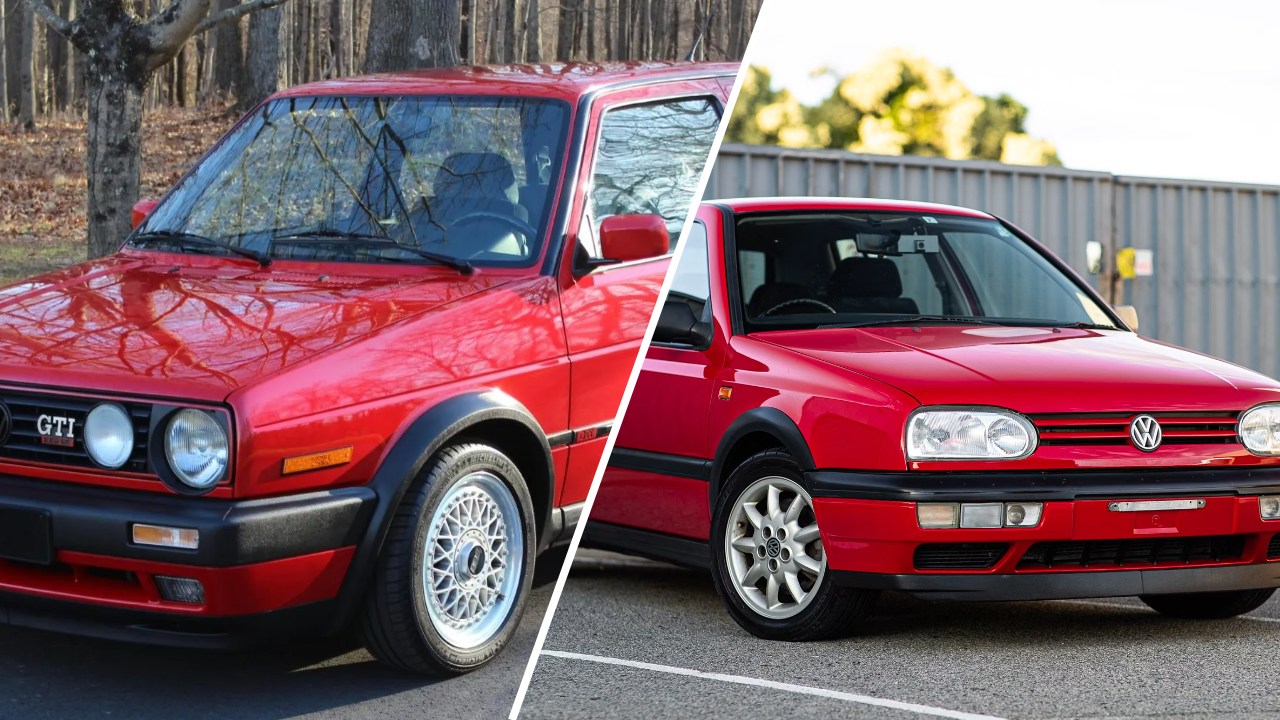
Since arriving in the U.S. market during the early 1980s, the Volkswagen GTI has helped define the performance hatchback category. Its original formula combined a lightweight body, stronger engine, and sportier handling, creating the blueprint that many future hot hatches would follow. Over time, the GTI evolved from a simple enthusiast car into a technologically advanced daily driver.
This ranking examines every U.S.-market GTI generation by considering performance, driving feel, reliability, innovation, interior quality, and lasting influence. While each model maintained the balance between practicality and excitement, some generations made a far greater impact on the GTI’s legacy than others.
8. Mk3 Volkswagen GTI (1995 to 1999)
The third-generation GTI occupies the last position in this ranking not because it was a poor automobile, but because it drifted further from the lightweight formula that made earlier GTIs famous.
By the mid-1990s, safety regulations and customer expectations had increased vehicle size and curb weight, reducing some of the playful character that enthusiasts associated with the original GTI.
In the United States, the Mk3 initially arrived with a 2.0-liter four-cylinder producing modest performance. Later models benefited from the introduction of the VR6 engine, which dramatically improved straight-line acceleration and gave the GTI a distinctive exhaust note.
Although the VR6 remains highly respected today, the heavier front end also affected handling balance compared with earlier generations.
Interior quality improved noticeably over the Mk2, with better ergonomics, more comfortable seating, and additional safety equipment such as dual airbags. The cabin felt more refined for daily commuting, helping the GTI appeal to a broader audience beyond driving enthusiasts.
The Mk3 also marked an important period for Volkswagen in North America as it expanded equipment levels and comfort features. However, electrical issues, cooling-system concerns, and aging interior materials have affected the generation’s long-term reputation among used-car buyers.
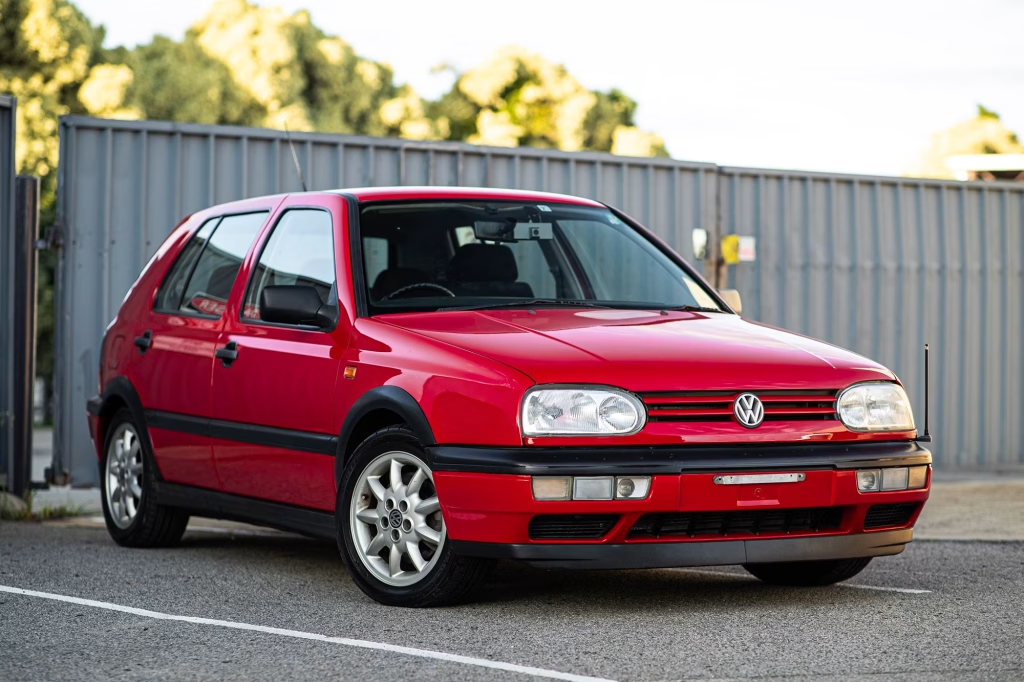
While the Mk3 deserves recognition for introducing the VR6-powered GTI to American buyers, it sacrificed some of the lightweight agility that established the GTI nameplate. Later generations would successfully combine stronger performance with improved refinement, making the Mk3 the least memorable chapter in the GTI’s history.
Specifications
- Engine: 2.8-liter VR6
- Torque: 181 lb-ft
- Horsepower: 172 hp
- Length: 160.4 inches
- Width: 66.7 inches
7. Mk4 Volkswagen GTI (2000 to 2005)
The fourth-generation GTI represented a major leap in perceived quality. Volkswagen invested heavily in improving cabin materials, structural rigidity, and refinement, giving the Mk4 an upscale feel that few compact cars of its era could match.
Soft-touch plastics, supportive seats, and excellent switchgear made the interior one of the segment’s benchmarks.
Despite those strengths, the Mk4 moved further away from the lightweight, tossable personality that enthusiasts expected. Increased weight softened the driving experience, and the suspension prioritized comfort over razor-sharp responses.
Even though turbocharged 1.8T models offered enjoyable tuning potential and the VR6 remained available, the chassis lacked the immediacy of the best GTIs.
One reason the Mk4 continues to have a loyal following is its flexibility. Buyers could choose the efficient turbocharged four-cylinder or the naturally aspirated VR6, while the aftermarket transformed the 1.8T into one of the most modified engines of its generation. Tuners routinely extracted significant power gains with relatively simple upgrades.
The Mk4 also established many design themes that still influence Volkswagen interiors today. The clean dashboard layout, solid driving position, and understated styling have aged gracefully compared with many competitors from the early 2000s.
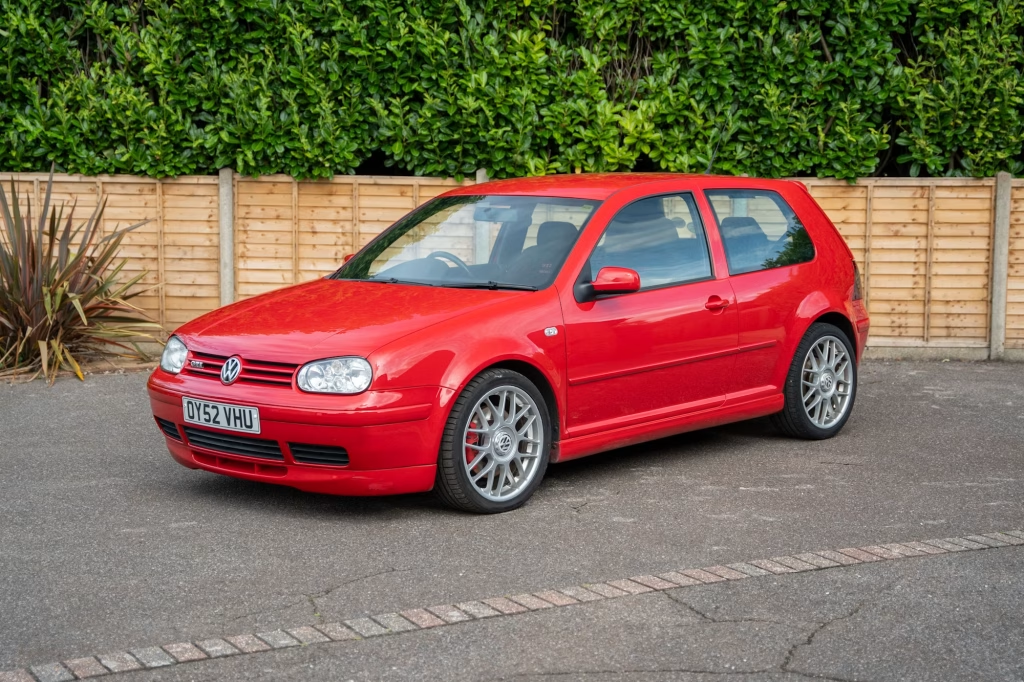
Although the Mk4 remains an important milestone because of its premium execution and tuning potential, its extra weight and less engaging chassis prevent it from ranking higher. It succeeded as a refined everyday hatchback, but it was not as rewarding to drive as the GTI generations that followed.
Specifications
- Engine: 1.8-liter turbocharged inline-four
- Torque: 173 lb-ft
- Horsepower: 180 hp
- Length: 163.3 inches
- Width: 68.7 inches
6. Mk8 Volkswagen GTI (2022 to Present)
The eighth-generation GTI entered the U.S. market with the difficult task of improving a formula that many enthusiasts already considered close to perfect.
Instead of dramatically changing the car’s mechanical foundation, Volkswagen refined the proven MQB platform, increased power slightly, sharpened chassis tuning, and introduced an entirely new digital interior. While the result is an exceptionally capable hot hatch, the heavy reliance on touch-sensitive controls divided owners and reviewers.
Performance is unquestionably one of the Mk8’s greatest strengths. Its turbocharged 2.0-liter EA888 Evo4 engine produces 241 horsepower and delivers strong mid-range acceleration.
The electronically controlled limited-slip differential, standard on U.S. models, significantly improves corner exit traction, while the revised suspension provides better body control without making the ride harsh.
Whether paired with the six-speed manual transmission or the seven-speed dual-clutch automatic, the GTI remains one of the most enjoyable front-wheel-drive cars available.
Technology received the biggest overhaul in this generation. A fully digital instrument cluster, large central touchscreen, wireless Apple CarPlay and Android Auto, advanced driver assistance systems, and connected services modernized the cabin.
However, the replacement of traditional buttons with capacitive touch controls for climate and steering-wheel functions drew criticism for reducing ease of use while driving.
The Mk8 maintains Volkswagen’s subtle approach to performance styling while adding modern details that set it apart from the standard Golf. Updated LED lighting, a revised front design, illuminated grille elements, and honeycomb lower openings create a sportier appearance without making the car look overly aggressive.
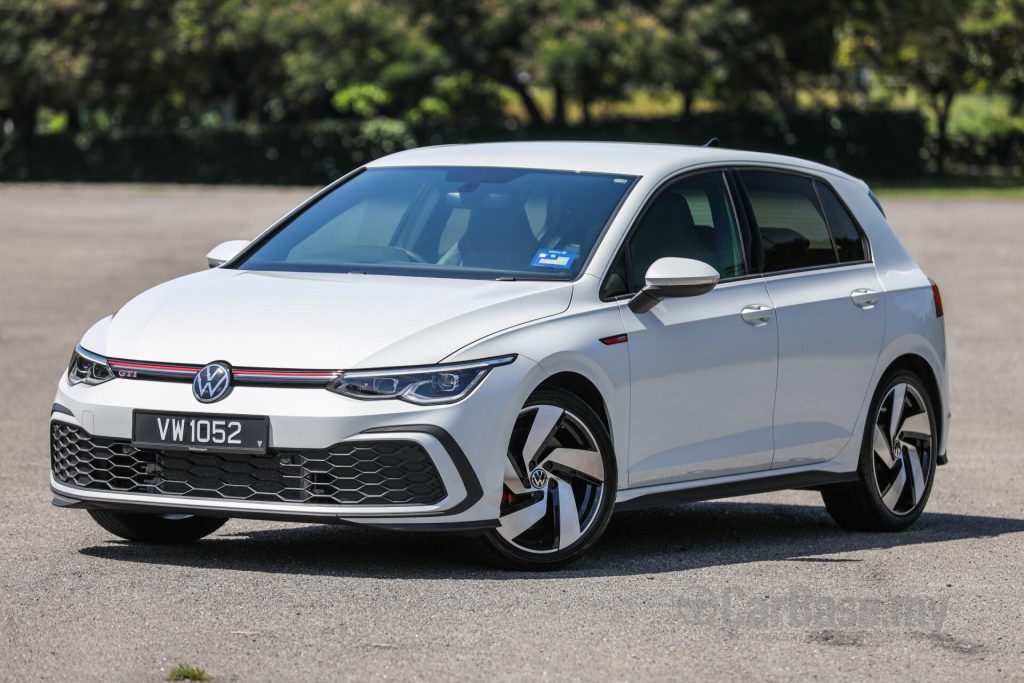
The Mk8 remains a brilliant performance hatchback, but its controversial user interface prevents it from matching the universal praise earned by several earlier GTI generations.
Specifications
- Engine: 2.0-liter turbocharged EA888 Evo4 inline-four
- Torque: 273 lb-ft
- Horsepower: 241 hp
- Length: 168.8 inches
- Width: 70.4 inches
5. Mk5 Volkswagen GTI (2006 to 2009)
Few GTI generations transformed the model’s reputation as dramatically as the Mk5. Following the heavier and softer Mk4, Volkswagen returned its iconic hatchback to enthusiast roots with a completely revised chassis, a more responsive suspension, and the introduction of the turbocharged EA113 engine.
The result was a GTI that immediately became one of the benchmark performance cars in its class. The biggest mechanical improvement came from the 2.0-liter turbocharged four-cylinder. Producing 200 horsepower, it offered noticeably stronger acceleration than the outgoing 1.8T while delivering broad torque across the rev range.
Buyers could choose between a six-speed manual transmission and Volkswagen’s revolutionary six-speed DSG dual-clutch automatic, one of the first transmissions of its kind offered in an affordable performance car.
Handling also improved substantially. The revised suspension reduced body roll, sharpened steering response, and restored the playful balance that had defined earlier GTIs.
Automotive journalists consistently praised the Mk5 for blending daily comfort with genuine driver engagement, making it equally capable during weekday commutes and weekend back-road drives.
The interior blended classic GTI character with modern improvements, introducing the iconic plaid cloth seating option in the U.S. market while updating the dashboard with better materials and a more functional layout. Compared with many compact competitors of its time, the cabin offered a durable, practical design with a distinct European feel.
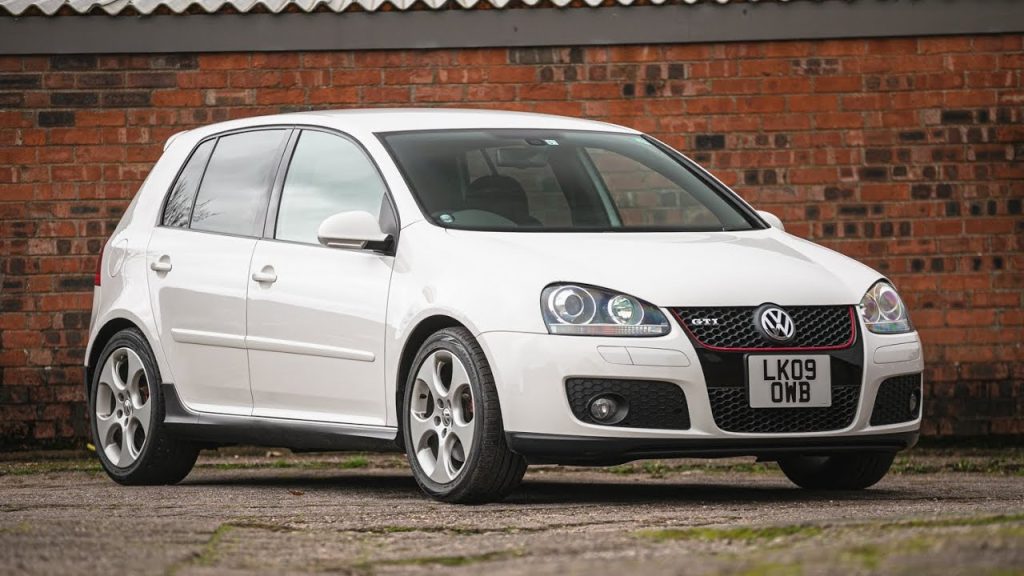
The Mk5 marked the beginning of the GTI’s modern performance renaissance. Its combination of turbocharged power, refined handling, everyday practicality, and strong aftermarket support laid the groundwork for every successful GTI that followed.
Specifications
- Engine: 2.0-liter turbocharged EA113 inline-four
- Torque: 207 lb-ft
- Horsepower: 200 hp
- Length: 165.8 inches
- Width: 69.3 inches
4. Mk6 Volkswagen GTI (2010 to 2014)
At first glance, the Mk6 looked like a heavily updated Mk5, but Volkswagen made numerous refinements beneath the surface that upgraded the driving experience.
The chassis became more composed, cabin quality improved further, and the GTI received the EA888 turbocharged engine, which offered smoother power delivery and better fuel efficiency while maintaining the car’s entertaining personality.
One of the Mk6’s greatest strengths was its balance. The suspension absorbed rough pavement with confidence yet remained composed during spirited driving.
Steering was accurate, body motions were well controlled, and the electronically controlled XDS differential helped reduce understeer by selectively braking the inside front wheel during aggressive cornering. While not as sophisticated as a true limited-slip differential, it noticeably improved front-end grip.
Volkswagen also refined the GTI’s appearance without abandoning its understated styling. A revised front fascia, updated headlights, LED taillights on later models, and subtle red grille accents gave the hatchback a more premium look while preserving its instantly recognizable identity.
The cabin preserved the GTI’s signature plaid seating while introducing a more refined interior experience. Volkswagen added upgraded infotainment technology, improved sound insulation, and enhanced materials throughout the cabin to create a more comfortable and premium environment.
Reliability also improved in many areas compared with earlier turbocharged GTIs, although buyers should still verify that common maintenance items such as timing chain tensioners and water pumps have been addressed on higher-mileage examples.
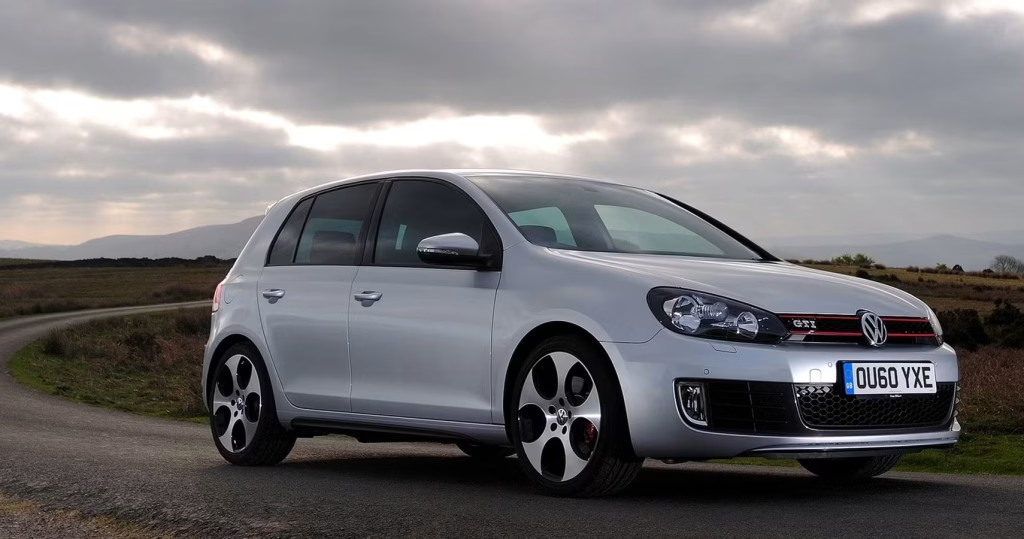
The Mk6 demonstrated that continuous refinement can sometimes produce better results than a complete redesign. Comfortable enough for everyday commuting yet rewarding on winding roads, it remains one of the most desirable used GTIs in the United States.
Specifications
- Engine: 2.0-liter turbocharged EA888 inline-four
- Torque: 207 lb-ft
- Horsepower: 200 hp
- Length: 165.8 inches
- Width: 69.3 inches
3. Mk2 Volkswagen GTI (1985 to 1992)
The second-generation GTI faced the difficult challenge of following one of the most influential performance cars ever produced.
Rather than radically changing the formula, Volkswagen carefully expanded on the original concept by increasing interior space, improving refinement, and enhancing structural rigidity while preserving the engaging driving dynamics that had made the GTI famous.
Although the Mk2 grew in size compared with its predecessor, engineers managed to retain much of the light, responsive handling enthusiasts appreciated.
The chassis felt stable at higher speeds, steering remained communicative, and the suspension struck an impressive balance between comfort and agility. This made the Mk2 equally enjoyable on twisting roads and long highway drives.
In the United States, GTI buyers eventually gained access to the advanced 16-valve version of Volkswagen’s 1.8-liter engine. The additional breathing capability significantly improved high-rpm performance, giving the car stronger acceleration while maintaining the eager character of the earlier eight-valve models.
The Mk2 also introduced meaningful safety and comfort improvements. Better crash protection, upgraded seats, improved climate controls, and higher-quality materials helped broaden the GTI’s appeal without compromising its enthusiast focus.
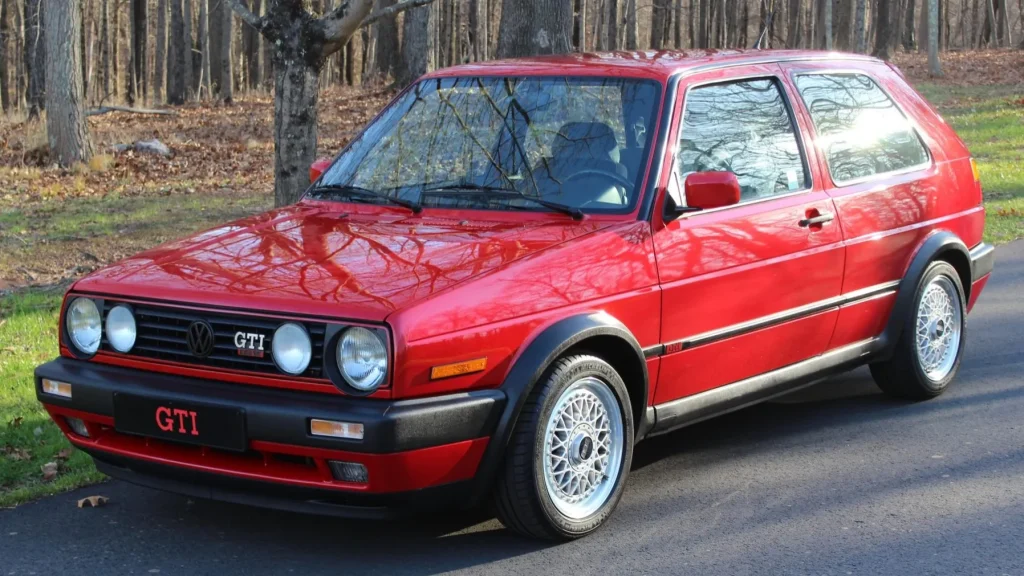
Many long-time Volkswagen enthusiasts consider the Mk2 the generation that perfected the original GTI philosophy. It retained the simplicity and lightweight feel of the first generation while becoming more refined and practical for daily use.
Decades later, clean Mk2 GTIs remain highly sought after by collectors because they represent one of the purest expressions of the classic hot hatch formula.
Specifications
- Engine: 1.8-liter 16-valve inline-four
- Torque: 114 lb-ft
- Horsepower: 123 hp
- Length: 157.4 inches
- Width: 65.7 inches
2. Mk1 Volkswagen GTI (1983 to 1984 U.S. Market)
The original GTI deserves enormous credit for creating a segment that barely existed before its arrival. When Volkswagen introduced the GTI to American buyers for the 1983 model year, it demonstrated that an affordable front-wheel-drive hatchback could deliver genuine driving enjoyment without sacrificing practicality.
That simple philosophy would influence nearly every hot hatch that followed. The Mk1’s greatest advantage was its lightweight construction. Weighing well under 2,300 pounds in U.S. specification, the car did not need massive horsepower to feel quick.
Its responsive 1.8-liter fuel-injected engine, close-ratio manual transmission, and well-balanced chassis made every mile engaging. Steering feedback was direct, the suspension communicated road conditions clearly, and the GTI’s willingness to change direction became one of its defining characteristics.
Beyond performance, the original GTI introduced styling cues that remain associated with the nameplate today. The red grille surround, tartan cloth seats, golf ball-shaped shift knob, and subtle body enhancements created a distinctive appearance without appearing excessive.
Those design elements have returned repeatedly throughout later generations as tributes to the car that started it all.
Road tests from the period consistently praised the Mk1 for delivering sports-car excitement at an attainable price. It proved that driver involvement depended more on intelligent engineering than outright horsepower, a lesson that influenced manufacturers across Europe, Japan, and eventually the United States.
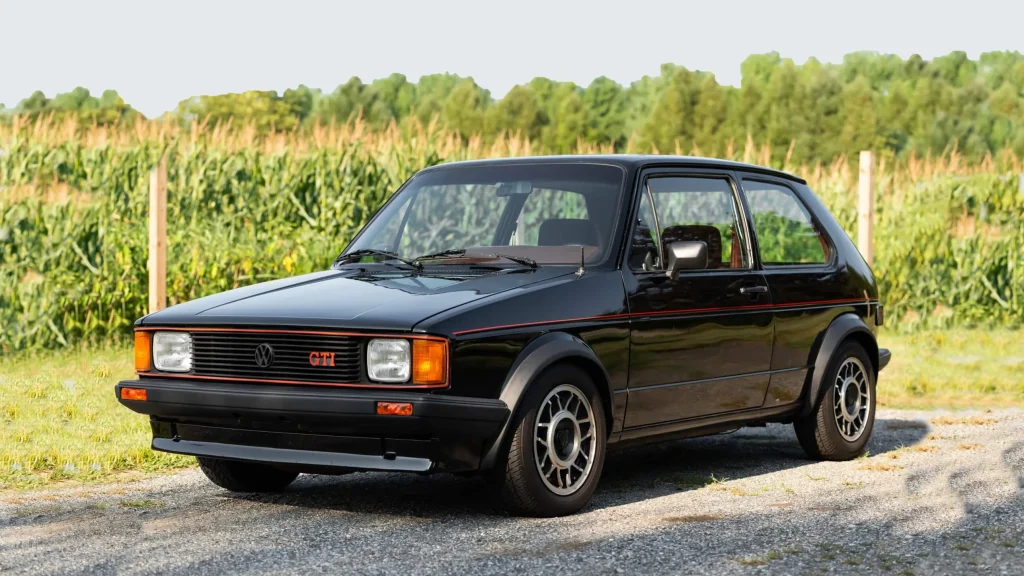
More than four decades after its debut, the Mk1 remains one of the most important performance hatchbacks ever produced. Its simplicity, low weight, and engaging character established the blueprint that every future GTI would attempt to improve upon.
Specifications
- Engine: 1.8-liter fuel-injected inline-four
- Torque: 100 lb-ft
- Horsepower: 90 hp
- Length: 155.9 inches
- Width: 63.4 inches
1. Mk7 Volkswagen GTI (2015 to 2021)
The seventh-generation GTI represents the point where Volkswagen successfully combined every major strength developed throughout the model’s history. Built on the MQB platform, the Mk7 became lighter, stronger, more efficient, and more refined than its predecessor while delivering the most rewarding driving experience of any GTI sold in the United States.
Weight reduction played a significant role in the car’s success. Despite offering more technology, improved crash protection, and additional comfort features, the MQB architecture helped keep curb weight under control.
The result was sharper handling, quicker responses, and improved fuel economy without compromising ride quality.
Its turbocharged 2.0-liter EA888 Gen 3 engine delivered strong acceleration across the rev range, while the available Performance Package added a mechanically based electronically controlled limited-slip differential, larger brakes, and additional horsepower.
Combined with precise steering and a well-tuned suspension, the Mk7 felt equally comfortable on daily commutes, winding back roads, and occasional track days.
Volkswagen also achieved an excellent balance inside the cabin. Traditional physical controls remained easy to use, infotainment systems became significantly more responsive, and material quality ranked among the best in the compact segment.
The iconic plaid cloth seats continued to celebrate the GTI’s heritage, while available leather upholstery and premium technology appealed to buyers seeking additional refinement.
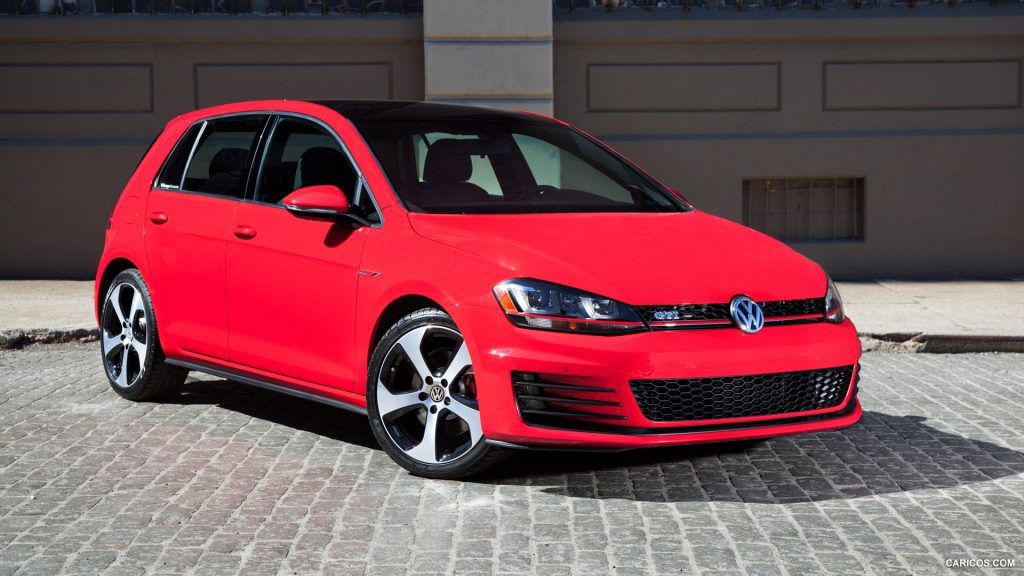
Critics consistently ranked the Mk7 among the world’s best performance hatchbacks because it excelled in nearly every category without compromising practicality.
It delivered exceptional handling, everyday comfort, impressive efficiency, strong reliability compared with many earlier generations, and timeless styling. More than any other GTI generation, the Mk7 perfected the formula established more than forty years ago.
Specifications
- Engine: 2.0-liter turbocharged EA888 Gen 3 inline-four
- Torque: 258 lb-ft
- Horsepower: 228 hp
- Length: 168.0 inches
- Width: 70.8 inches
Also Read: 10 Sports Cars With The Most Expensive Repair Costs
