
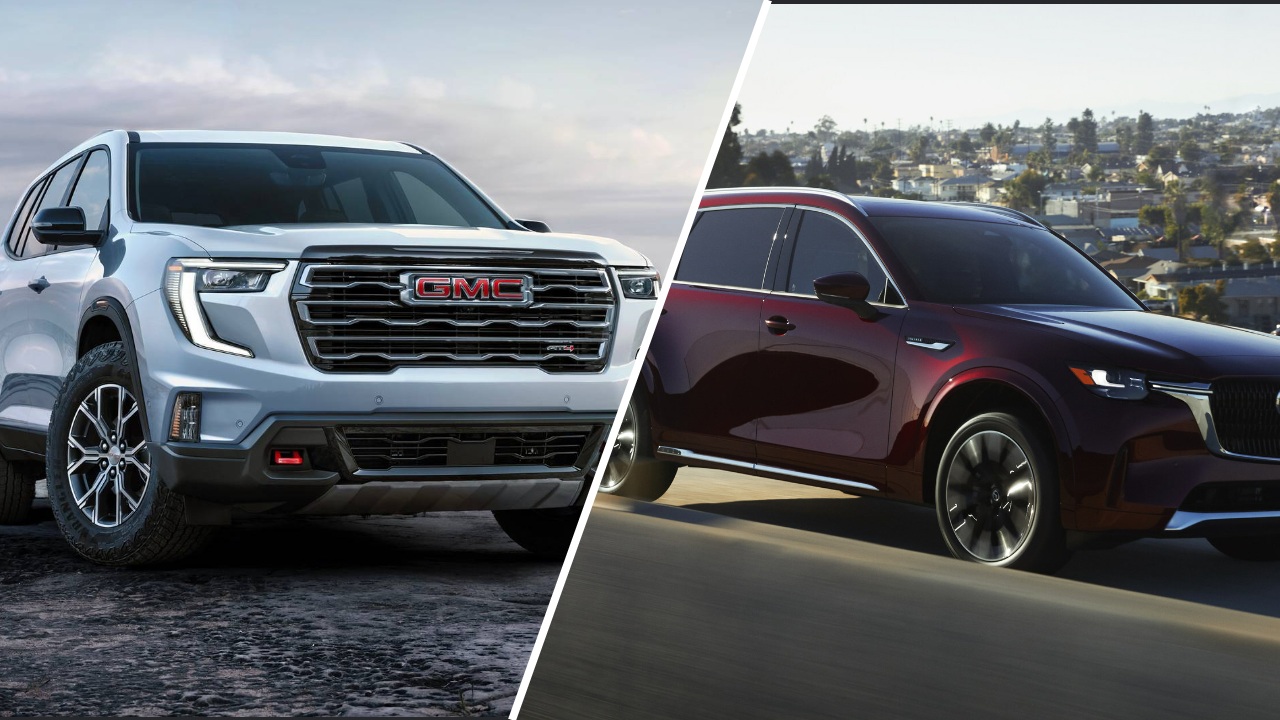
Vehicle reliability has become a major factor for buyers who want long-term value, predictable ownership costs, and fewer unexpected repairs. Modern vehicles offer advanced technology, improved safety systems, electric powertrains, and luxury features, but these additions can also introduce new challenges.
As manufacturers continue to develop updated models for 2026, some vehicles have received lower predicted reliability ratings because of reported issues, complex designs, new technology, or inconsistent performance histories.
Reliability scores help buyers compare vehicles before making a purchase decision. These ratings are created using data from previous owner experiences, repair trends, mechanical problems, and expected performance.
A low score does not always mean a vehicle will fail frequently, but it suggests that owners may face more problems compared with better-rated alternatives. The following list highlights 10 vehicles with some of the lowest predicted reliability scores for 2026, including their ratings and the factors that contribute to their positions.
Understanding these ratings can help shoppers make smarter decisions, especially when choosing expensive SUVs, electric vehicles, and family-oriented models. A vehicle is a long-term investment, and knowing potential weaknesses before buying can help reduce ownership stress.
Also Read: 10 Luxury Cars With the Least 10-Year Maintenance Costs
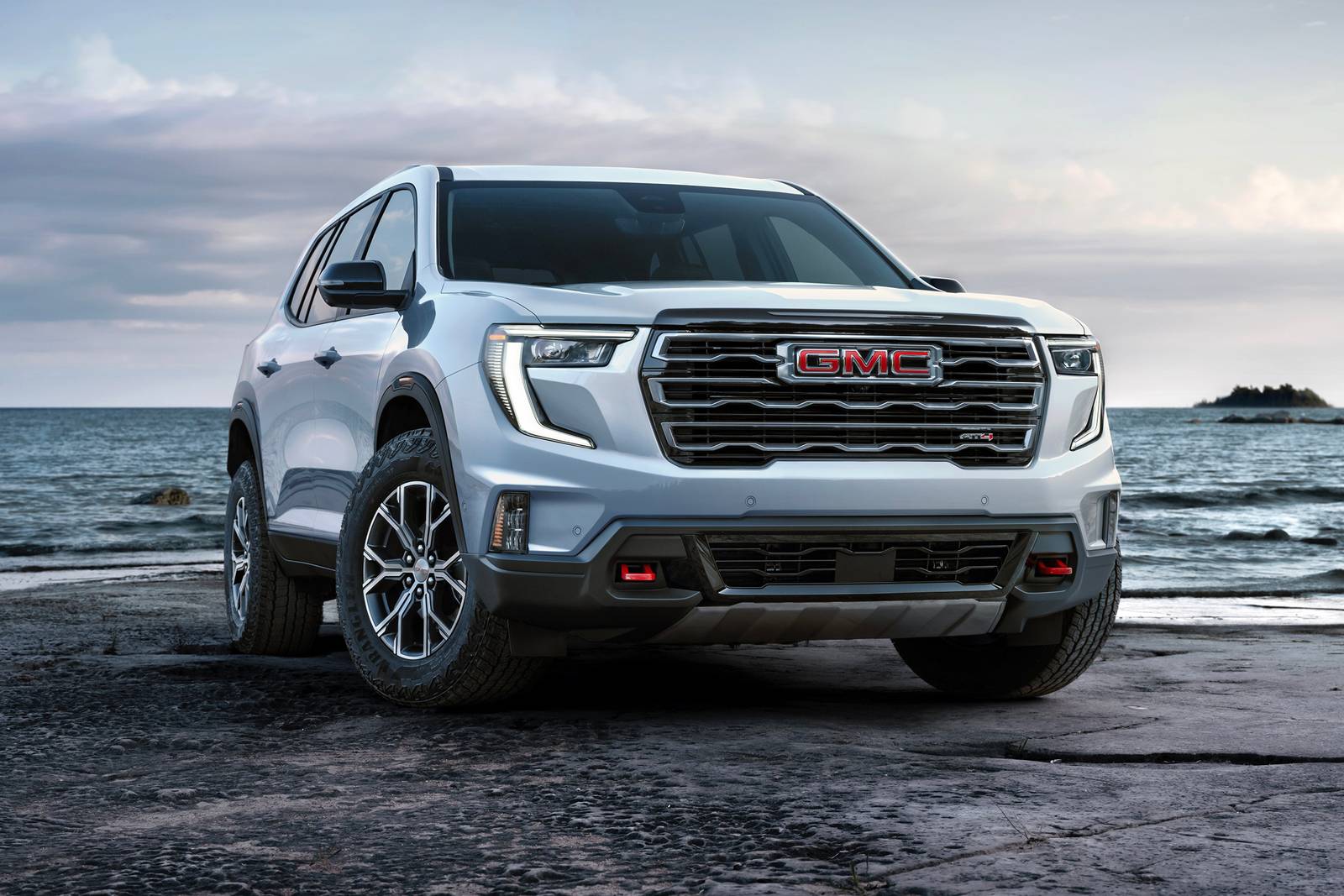
- Engine: 2.5-liter turbocharged four-cylinder gasoline engine
- Horsepower: 328 hp
- Torque: 326 lb-ft
- Length: 193.4 inches
- Width: 78.5 inches
1. GMC Acadia: Reliability Score 14/100
The 2026 GMC Acadia received a predicted reliability score of 14 out of 100, placing it among the lowest-rated vehicles in reliability assessments. The Acadia is a midsize SUV designed for families who need passenger space, comfort, and modern technology.
However, its recent redesign introduced several changes, including updated engineering, new technology systems, and a different platform. New generations of vehicles can sometimes experience reliability concerns as manufacturers adjust designs based on early customer feedback.
A major concern with vehicles receiving lower reliability scores is the increased complexity of modern systems. The GMC Acadia includes advanced driver assistance features, digital displays, connectivity systems, and updated powertrain technology.
These features improve convenience but create additional components that may require repairs over time. Electrical problems, software issues, and mechanical adjustments can influence owner satisfaction.
The Acadia’s size and feature list make it appealing for buyers who need a practical SUV, but reliability ratings suggest that potential owners should carefully consider maintenance expectations.
A vehicle with advanced features requires proper servicing and regular inspections to maintain performance. Neglecting scheduled maintenance can increase repair costs and shorten the lifespan of important components.
SUV buyers often expect strong durability because these vehicles are used for family transportation, road trips, and daily commuting. When reliability scores are low, buyers may become concerned about unexpected expenses after warranty coverage ends. Repair costs for larger SUVs can be higher because parts and labor often require more specialized work.
The GMC Acadia remains a comfortable and capable SUV with strong interior features and useful technology.
However, its predicted reliability score shows that buyers looking for maximum dependability may want to compare it with competitors that have stronger reliability records. Careful research, extended warranty options, and regular maintenance can help reduce ownership risks.
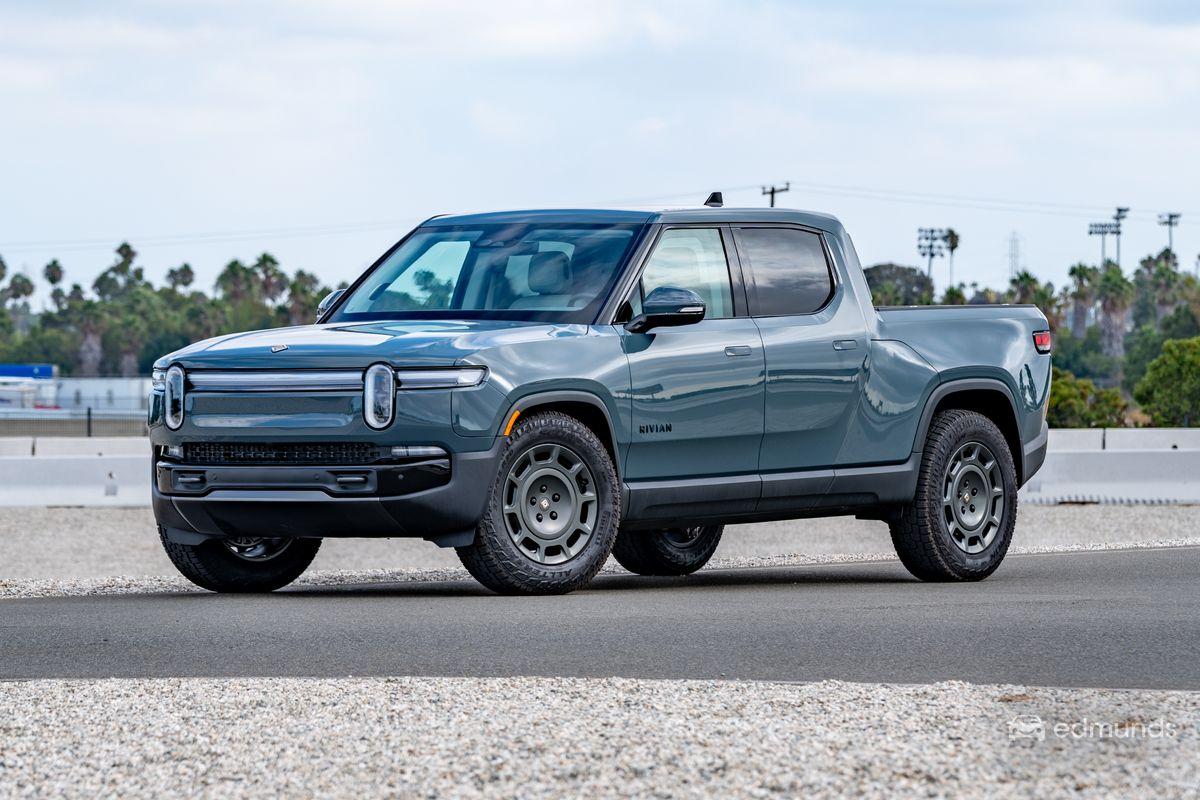
- Engine: Dual or quad electric motor setup with lithium-ion battery pack
- Horsepower: Up to 850 hp (depending on configuration)
- Torque: Up to 900 lb-ft
- Length: 217.1 inches
- Width: 81.8 inches
2. Rivian R1T: Reliability Score 18/100
The Rivian R1T received a predicted reliability score of 18 out of 100. This electric pickup truck gained attention for its unique design, impressive performance, and outdoor-focused features. It offers strong acceleration, advanced software, and innovative storage solutions.
However, as a newer electric vehicle from a young automaker, the R1T has faced reliability challenges that have affected its rating.
Electric vehicles generally have fewer moving parts compared with traditional gasoline vehicles, but they depend heavily on software, battery systems, sensors, and electronic components. Problems with these systems can create frustrating ownership experiences. Issues involving charging systems, software updates, and electrical components can influence reliability scores.
The Rivian R1T uses advanced technology throughout the vehicle. Features such as adjustable air suspension, digital controls, camera systems, and integrated software provide a modern driving experience.
However, complex technology requires consistent development and testing. Early production vehicles from newer manufacturers may experience issues as companies continue improving manufacturing processes.
Service availability is another factor that can affect ownership satisfaction. Traditional automakers have large dealership networks, while newer electric vehicle companies may have fewer service locations. This can make repairs or maintenance more complicated for some owners, especially those living far from service centers.
The R1T remains an impressive electric pickup with strong capability and innovative engineering. However, its low reliability score indicates that buyers should consider the possible challenges associated with owning a newer electric model.
Those interested in the vehicle should review warranty coverage, service options, and long-term ownership expectations before purchasing.
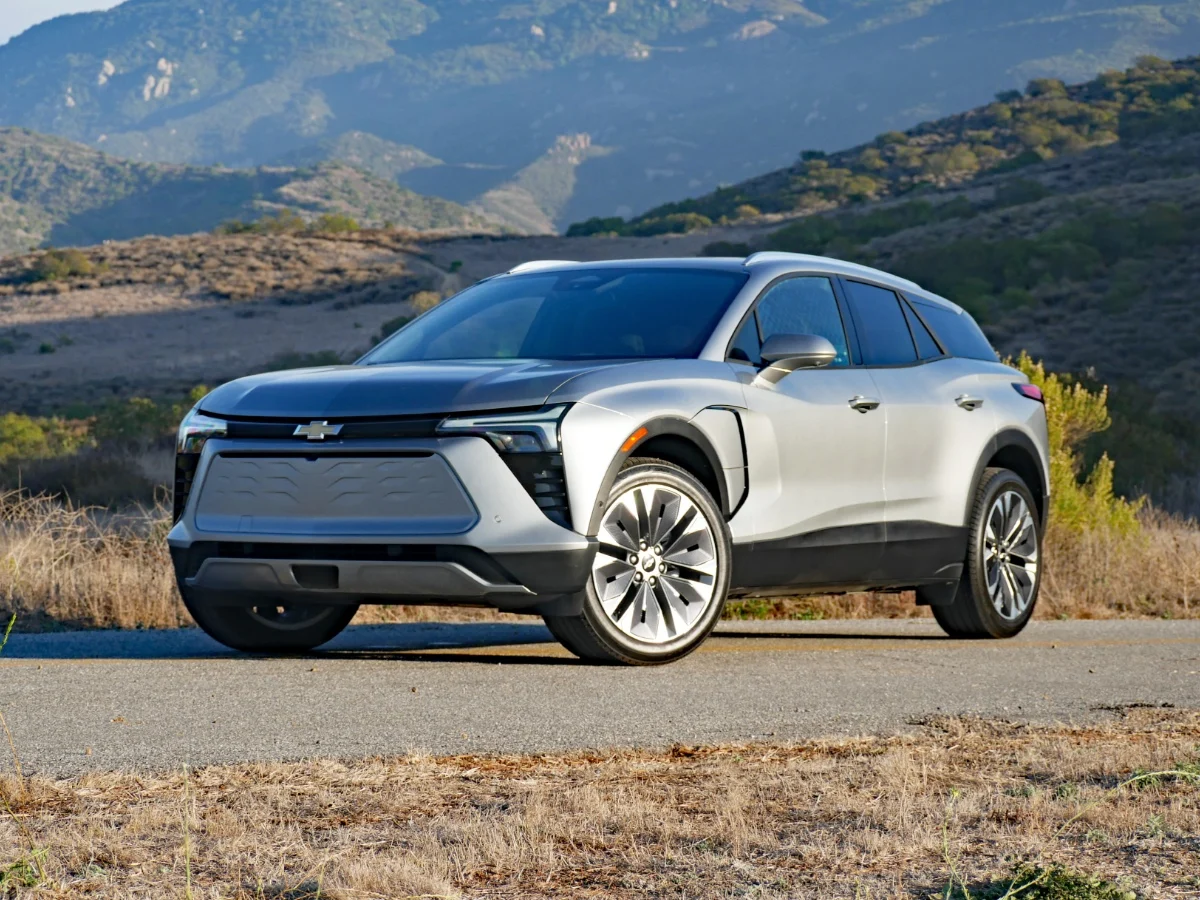
- Engine: Electric motor system with Ultium battery platform
- Horsepower: Up to 615 hp (SS performance version)
- Torque: Up to 650 lb-ft
- Length: 192.2 inches
- Width: 78.0 inches
3. Chevrolet Blazer EV: Reliability Score 19/100
The Chevrolet Blazer EV received a predicted reliability score of 19 out of 100. This electric SUV represents Chevrolet’s move toward a larger electric lineup and combines sporty styling with modern technology. The model offers strong performance, a spacious cabin, and electric driving capability, but early reliability concerns have affected its ranking.
Many early electric vehicles experienced challenges related to software and electronic systems. The Blazer EV relies heavily on digital controls, battery management systems, and connected features.
Software updates are important for improving performance, but problems during early production periods can create inconvenience for owners.
The vehicle’s advanced electrical architecture allows Chevrolet to provide impressive features, but complexity can create additional points where issues may occur. Problems involving charging performance, infotainment systems, and vehicle controls can impact daily usability. Reliability ratings consider these ownership experiences when determining predicted scores.
The Blazer EV is positioned in a competitive electric SUV market where buyers often compare technology, range, comfort, and dependability. While Chevrolet has experience producing vehicles for decades, electric platforms require different engineering approaches compared with traditional gasoline models.
A low reliability score does not mean every Blazer EV owner will experience problems. Many vehicles perform well with proper maintenance and software improvements. However, buyers should consider reliability data carefully and understand that newer technology may require additional refinement before reaching the consistency expected from established models.
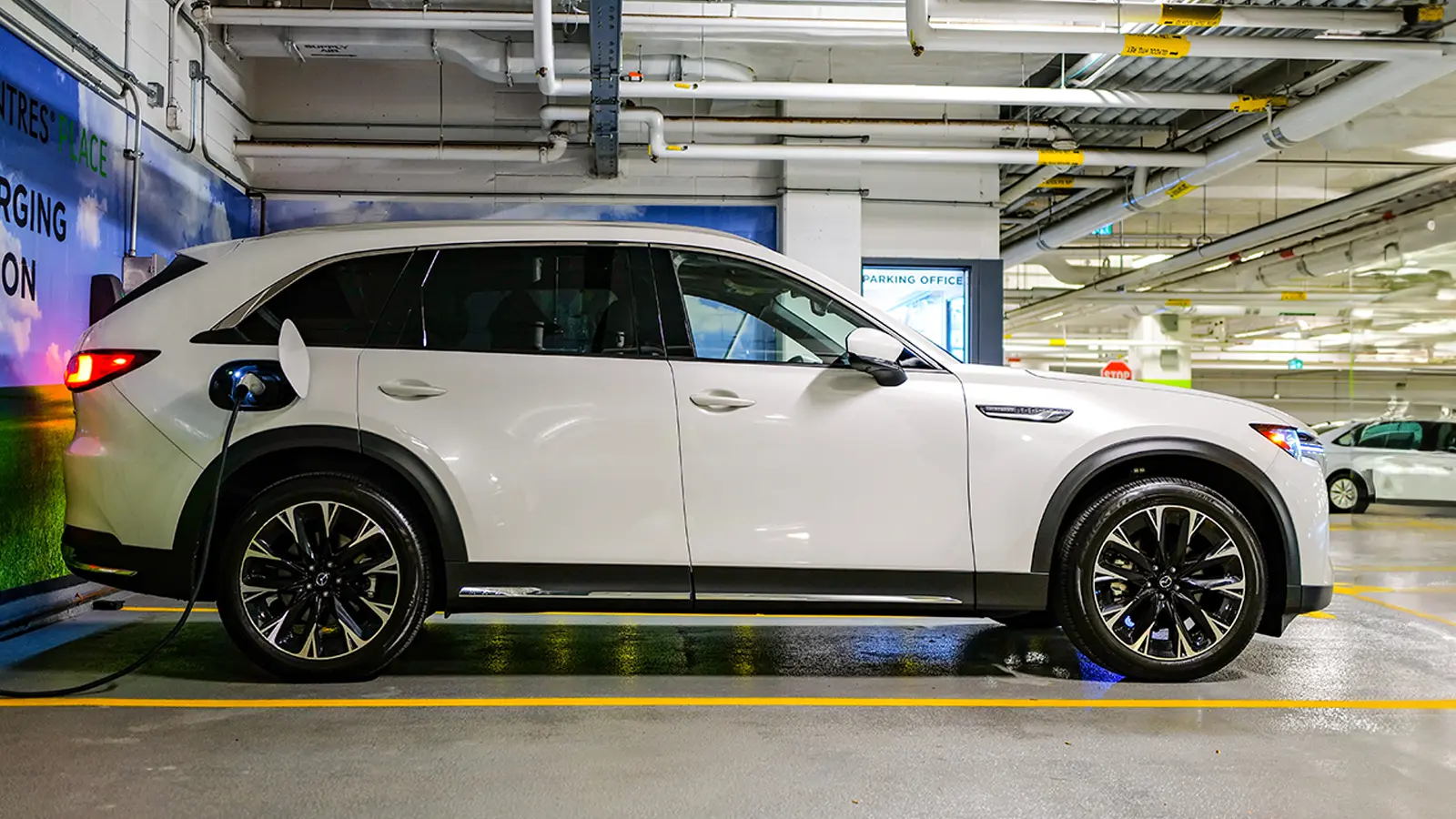
- Engine: 2.5-liter four-cylinder plug-in hybrid system with electric motor
- Horsepower: 323 hp
- Torque: 369 lb-ft
- Length: 200.8 inches
- Width: 78.5 inches
4. Mazda CX-90 Plug-In Hybrid: Reliability Score 20/100
The Mazda CX-90 Plug-In Hybrid received a predicted reliability score of 20 out of 100. Mazda introduced this model as a premium midsize SUV with three-row seating, luxury-inspired design, and hybrid efficiency. The vehicle combines a gasoline engine with electric technology, creating a more efficient driving experience, but the added complexity affects reliability expectations.
Plug-in hybrid vehicles combine two different power systems. They include traditional engine components along with battery packs, electric motors, and charging equipment. This combination provides flexibility but also increases the number of systems that must work together properly.
The CX-90 Plug-In Hybrid features a sophisticated design focused on performance and comfort. Mazda aimed to create a more upscale driving experience with premium materials and advanced engineering. However, new platforms and technologies often require time to prove their long-term durability.
Owners of plug-in hybrid vehicles typically appreciate the ability to drive short distances using electric power while keeping gasoline capability for longer trips. However, problems with battery systems, charging equipment, or hybrid controls can affect convenience and repair costs.
The Mazda CX-90 Plug-In Hybrid offers many attractive qualities, including efficiency, style, and driving enjoyment. Its reliability score suggests buyers should carefully evaluate long-term ownership expectations. Regular maintenance and understanding warranty coverage can play an important role in reducing potential ownership concerns.
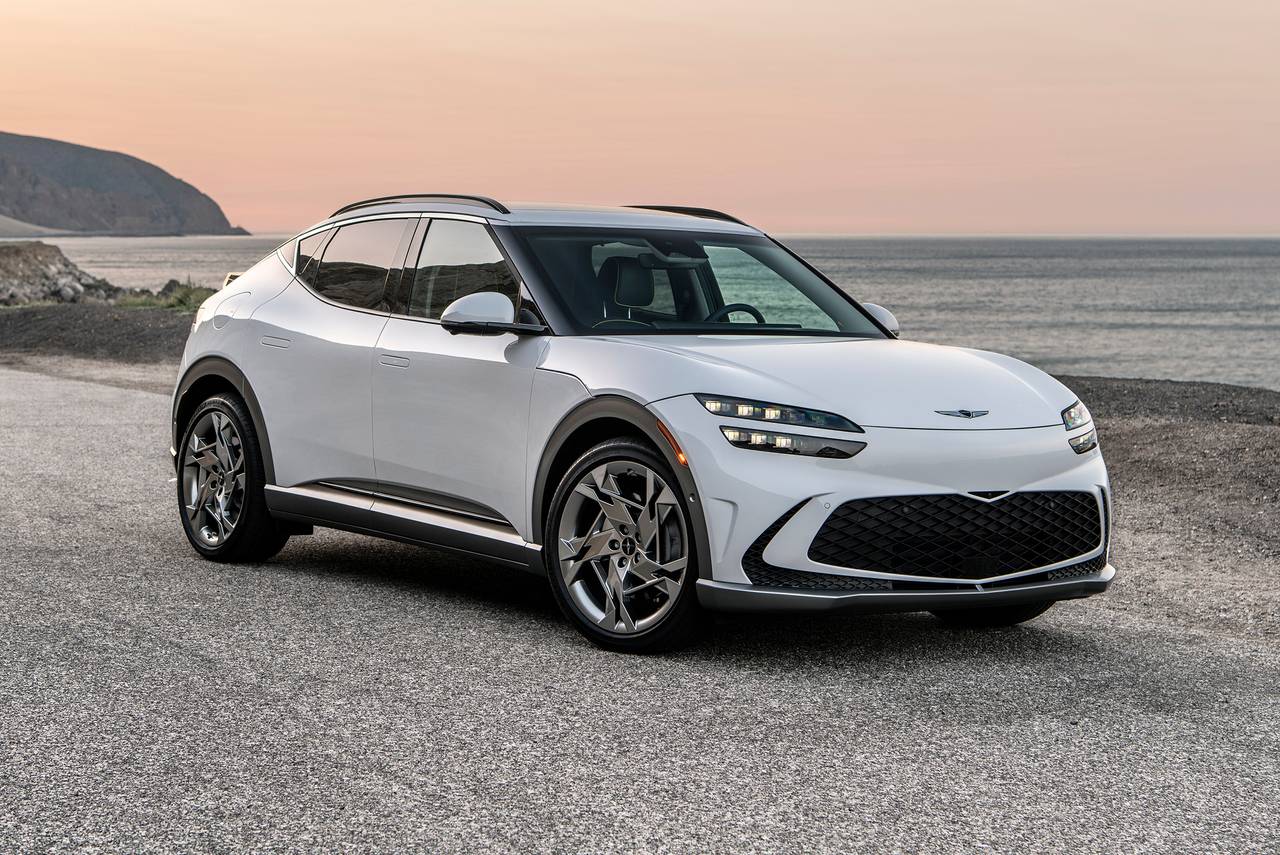
- Engine: Dual electric motors with lithium-ion battery pack
- Horsepower: Up to 483 hp (Performance AWD model)
- Torque: Up to 516 lb-ft
- Length: 177.8 inches
- Width: 74.4 inches
5. Genesis GV60: Reliability Score 21/100
The Genesis GV60 stands out as a premium electric crossover that combines luxury design with high-performance electric technology. Its predicted reliability score of 21 out of 100 places it among the lowest-rated vehicles in this ranking.
The score does not reflect a lack of innovation or performance, but rather concerns connected to the complexity of modern electric vehicle systems and the limited long-term history of newer EV platforms.
The GV60 offers a quiet and refined driving experience with advanced battery technology and powerful electric motors. The Performance AWD version produces approximately 483 horsepower and 516 lb-ft of torque, giving it rapid acceleration that rivals many performance vehicles.
However, electric vehicles depend on several electronic systems working together, including battery management software, charging controls, sensors, and onboard computers.
Luxury vehicles often include more technology than mainstream models, and the GV60 follows that approach with advanced displays, driver assistance features, biometric controls, and connected services. These features create a premium experience but can also increase repair complexity. A minor software problem or electronic failure can affect important vehicle functions.
Maintenance for electric luxury vehicles is different from that of traditional vehicles. While there are fewer mechanical parts that require replacement, components such as battery systems, electronic modules, and specialized equipment can require expert service. Repair costs may also be higher because of the vehicle’s premium positioning.
The GV60 appeals to drivers who want strong performance, modern design, and advanced technology. However, buyers prioritizing long-term reliability should carefully evaluate ownership costs, service availability, and warranty coverage before purchasing this electric crossover.
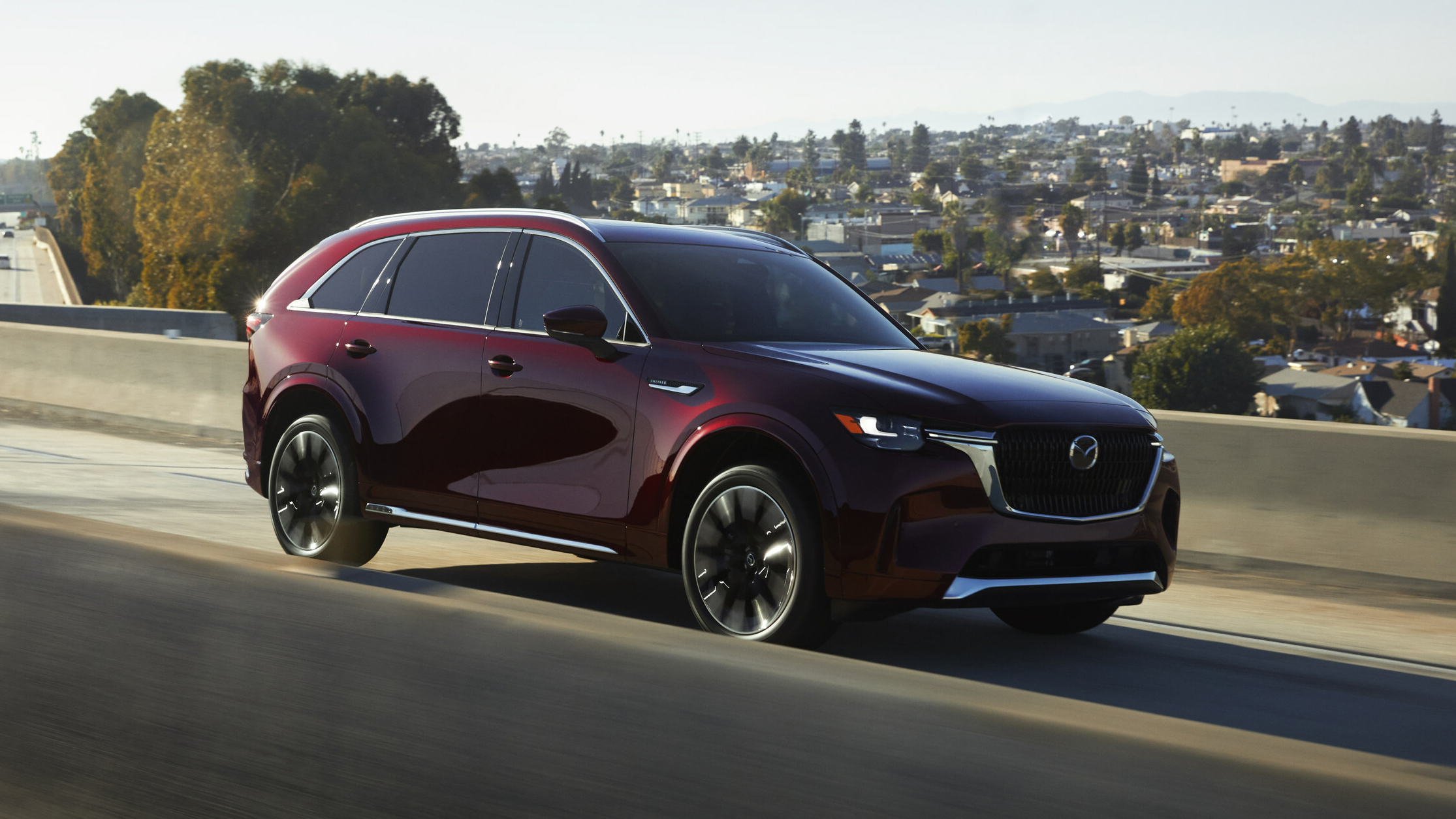
- Engine: 3.3-liter turbocharged inline-six gasoline engine
- Horsepower: Up to 340 hp
- Torque: Up to 369 lb-ft
- Length: 200.8 inches
- Width: 78.5 inches
6. Mazda CX-90: Reliability Score 23/100
The Mazda CX-90 was developed as a larger SUV offering improved space, stronger performance, and a more premium feel compared with previous Mazda models. Its predicted reliability score of 23 out of 100 highlights concerns related to its new platform, updated powertrain options, and additional technology systems.
The CX-90 uses a 3.3-liter turbocharged inline-six engine that delivers up to 340 horsepower and 369 lb-ft of torque. This engine provides smooth power delivery and strong highway performance. Mazda designed the powertrain to compete with more premium SUVs, but introducing new mechanical systems can sometimes lead to early reliability concerns.
The SUV’s rear-wheel-drive-based architecture gives it improved handling and driving balance. This setup creates a more engaging driving experience, but it also means Mazda introduced several new engineering elements. Long-term reliability depends on how well these components perform after years of use.
The CX-90 includes advanced safety features, digital technology, premium interior materials, and modern convenience systems. While these features improve comfort, they also increase dependence on electronics. Issues with software, sensors, or control modules can affect reliability ratings.
The CX-90 remains an attractive SUV for buyers who value driving enjoyment and premium features. However, customers should consider maintenance costs, ownership duration, and service requirements before choosing this model for long-term use.
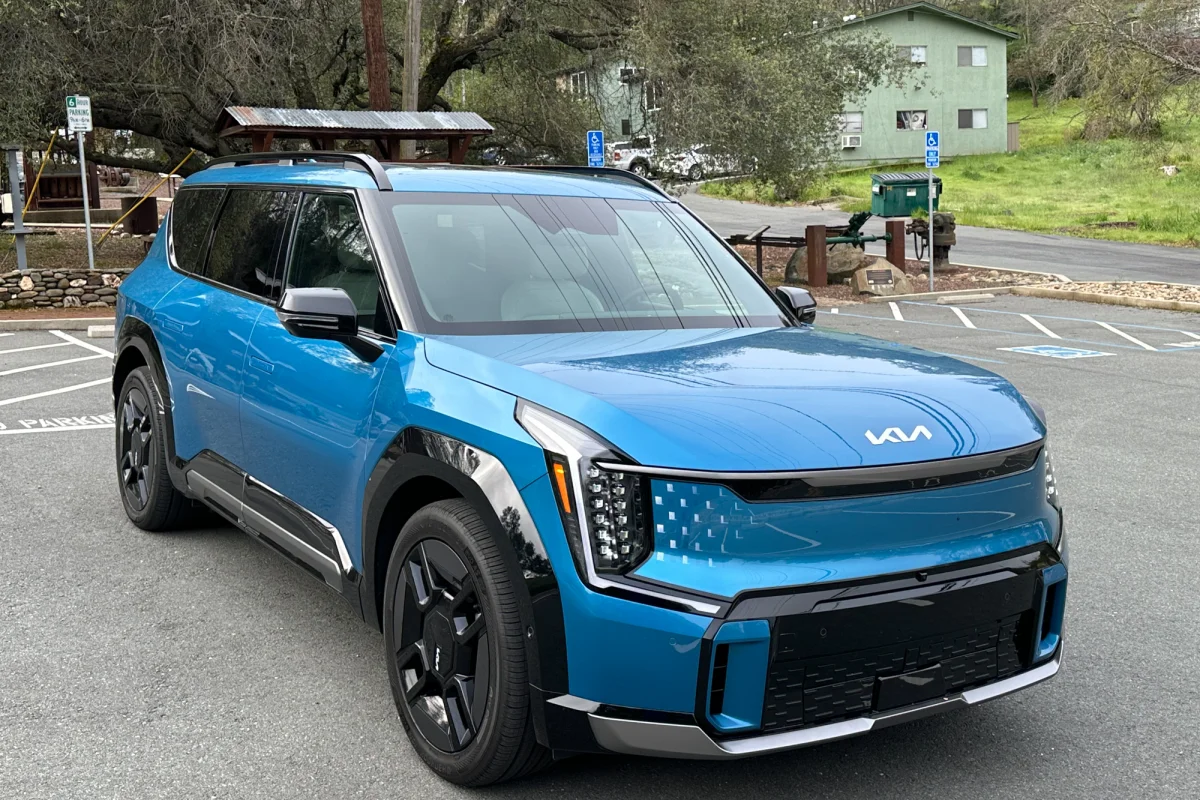
- Engine: Dual electric motors with lithium-ion battery pack
- Horsepower: Up to 379 hp
- Torque: Up to 443 lb-ft
- Length: 197.2 inches
- Width: 78.1 inches
7. Kia EV9: Reliability Score 24/100
The Kia EV9 represents Kia’s move toward larger electric vehicles designed for families. With a predicted reliability score of 24 out of 100, the EV9 faces challenges related to being an advanced electric SUV with many new technologies.
The EV9 offers impressive capability with available dual electric motors producing around 379 horsepower and 443 lb-ft of torque. Its large battery pack provides a practical driving range, while its three-row interior gives families a spacious alternative to traditional gasoline SUVs.
Electric vehicles reduce some maintenance needs because they do not use conventional engines, transmissions, or exhaust systems. However, EV reliability depends heavily on battery performance, charging equipment, software, and electronic controls. These systems must operate consistently for a positive ownership experience.
The EV9 includes large digital displays, smart connectivity, advanced safety systems, and multiple driver assistance technologies. These features create a modern cabin but increase the number of components that require reliable operation.
The Kia EV9 is appealing because of its space, comfort, and electric efficiency. Buyers interested in this model should consider charging availability, warranty protection, and future service support to understand the complete ownership experience.
- Engine: Electric motor system with Ultium battery platform
- Horsepower: Up to 300 hp
- Torque: Approximately 355 lb-ft
- Length: 192.0 inches
- Width: 78.7 inches
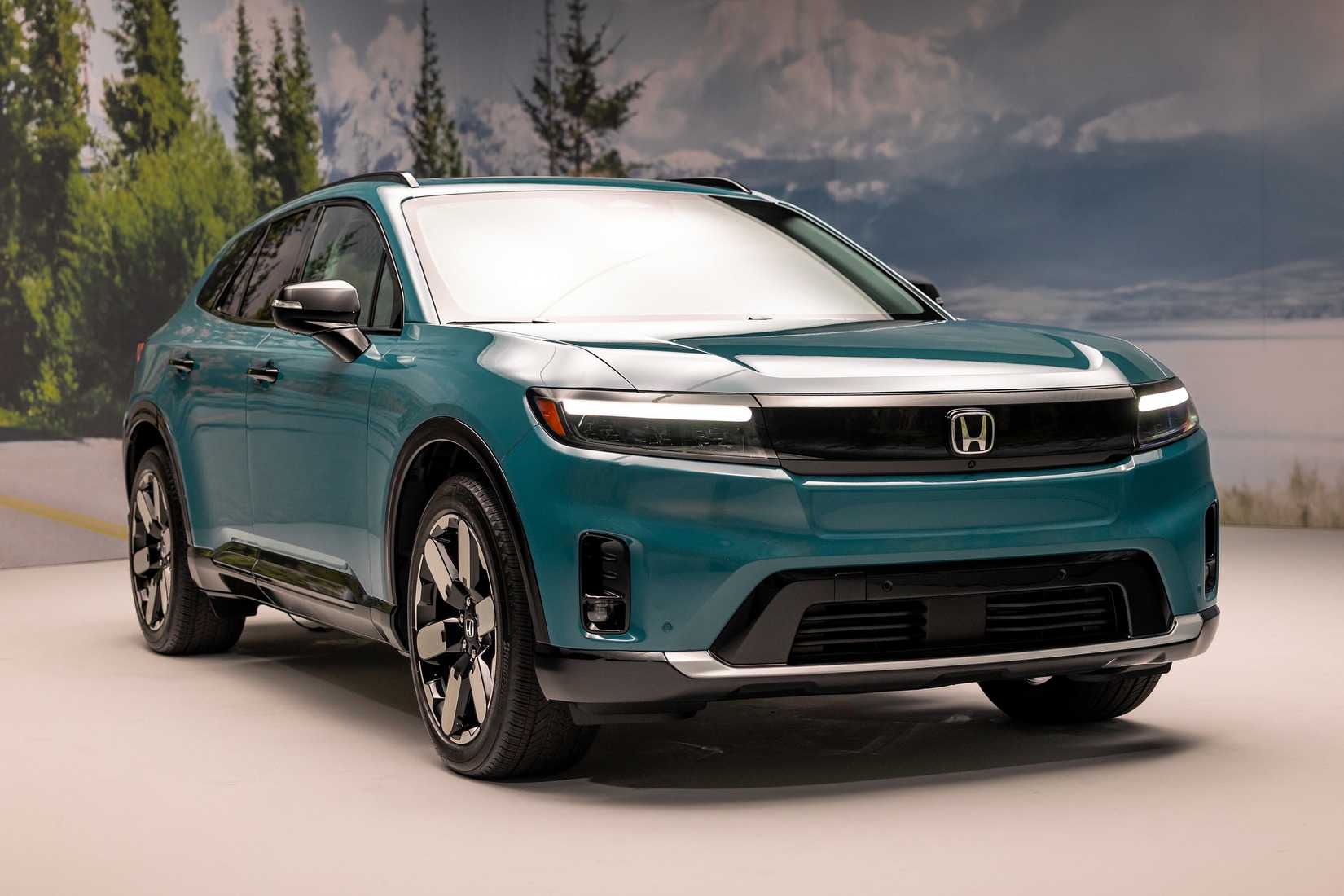
8. Honda Prologue: Reliability Score 25/100
The Honda Prologue is an important model for Honda as the company expands its electric vehicle lineup. With a predicted reliability score of 25 out of 100, the Prologue faces concerns mainly associated with new electric technology rather than traditional mechanical problems.
The Prologue provides a comfortable SUV design with an electric drivetrain producing around 300 horsepower. It focuses on smooth operation, everyday practicality, and efficient transportation. The vehicle uses battery and electric technology developed through cooperation with General Motors, creating a different engineering approach from Honda’s traditional models.
Honda has built its reputation around dependable gasoline-powered vehicles, but electric vehicles require different reliability considerations. Battery systems, software controls, and charging components become major factors in ownership satisfaction.
The Prologue includes modern technology such as digital displays, smartphone integration, driver assistance systems, and advanced safety equipment. These systems improve convenience but require dependable software performance.
The Honda Prologue could become a stronger long-term option as electric vehicle technology continues improving. Buyers should consider warranty coverage, charging infrastructure, and service availability when evaluating this model.
- Engine: Single or dual electric motor system with lithium-ion battery pack
- Horsepower: Up to 576 hp (GT AWD model)
- Torque: Up to 545 lb-ft
- Length: 184.3 inches
- Width: 74.0 inches
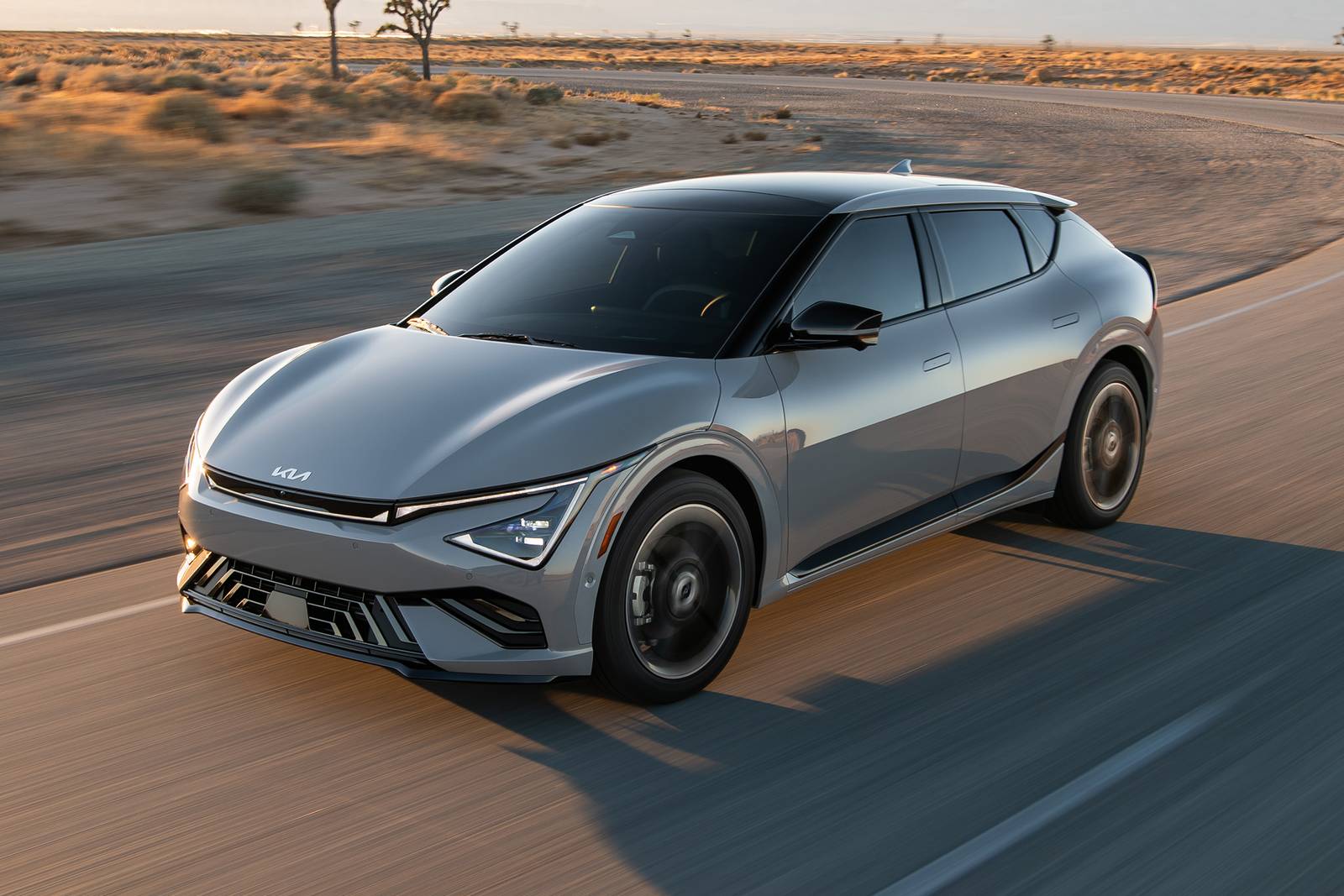
9. Kia EV6: Reliability Score 25/100
The Kia EV6 is a performance-focused electric crossover known for its futuristic design and impressive driving ability. Its predicted reliability score of 25 out of 100 places it among vehicles that may require more careful consideration before purchase.
The EV6 uses a dedicated electric platform designed for fast charging and strong performance. The GT version produces approximately 576 horsepower and 545 lb-ft of torque, making it one of the most powerful vehicles in Kia’s lineup. This performance capability requires advanced battery cooling systems and electronic controls.
The vehicle offers a technology-rich interior with digital displays, connected features, and driver assistance systems. While these features provide convenience, they also create additional areas where reliability problems may occur.
Electric vehicles generally have lower routine maintenance requirements compared with gasoline models. However, repairs involving batteries, charging systems, and electronic components can be more complicated and expensive.
The Kia EV6 remains a strong choice for drivers who want an exciting electric vehicle experience. Its reliability score shows that buyers should consider long-term ownership factors alongside performance and design.
- Engine: 3.6-liter V6 plug-in hybrid powertrain
- Horsepower: 260 hp
- Torque: Approximately 236 lb-ft
- Length: 204.3 inches
- Width: 79.6 inches
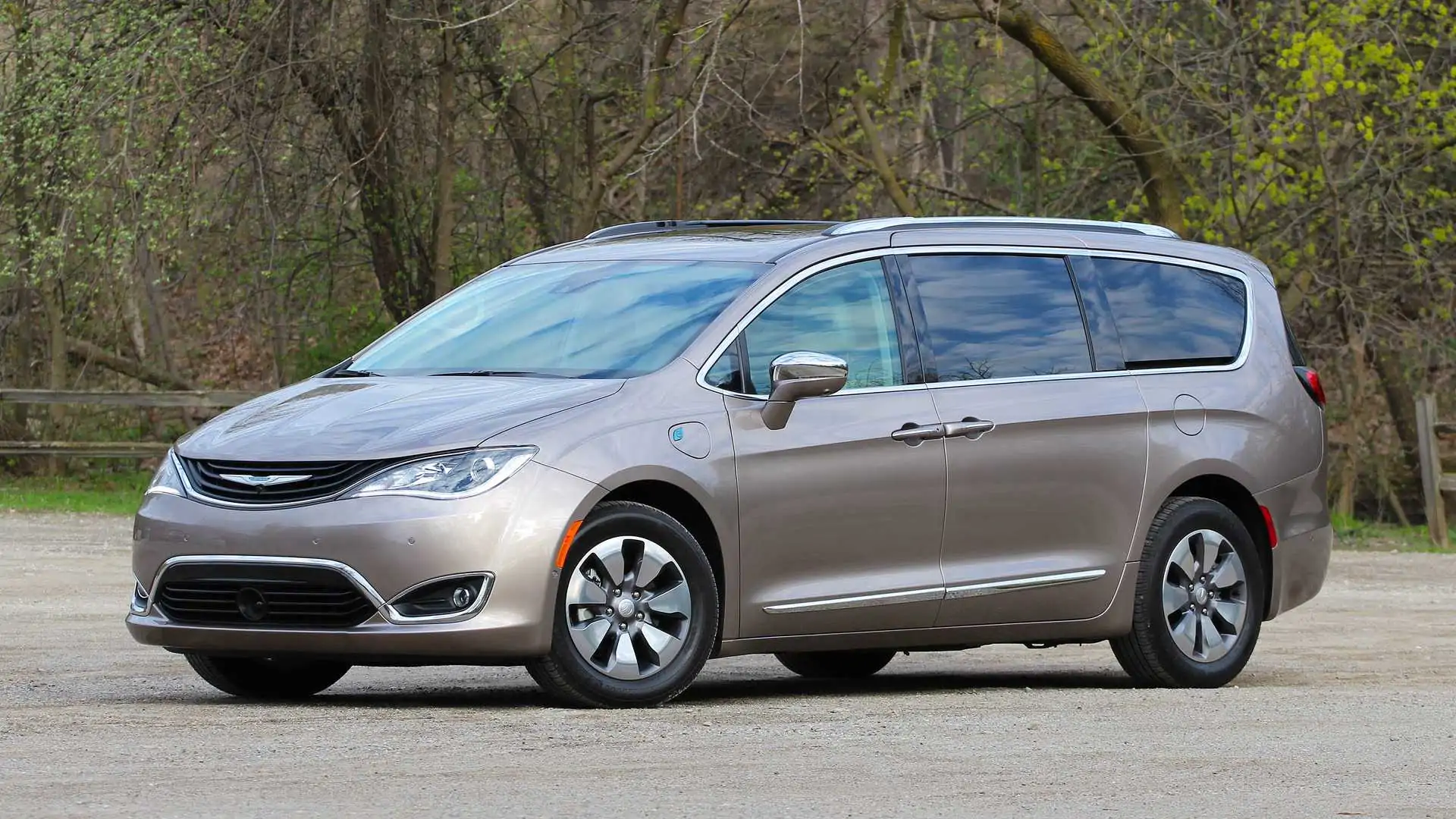
10. Chrysler Pacifica Hybrid: Reliability Score 26/100
The Chrysler Pacifica Hybrid combines family practicality with plug-in hybrid technology. With a predicted reliability score of 26 out of 100, it offers useful features but faces concerns related to the complexity of hybrid systems.
The Pacifica Hybrid uses a 3.6-liter V6 engine combined with electric motors and a battery system. This setup provides approximately 260 horsepower while allowing drivers to complete shorter trips using electric power. The combination improves efficiency but creates more components that must operate together.
Hybrid vehicles require coordination between gasoline engines, electric motors, battery systems, and computer controls. When these systems experience problems, repairs can become more complicated compared with traditional vehicles.
The Pacifica Hybrid remains popular among families because of its spacious interior, flexible seating, and practical design. Features such as passenger comfort, storage space, and convenience technology make it suitable for daily transportation.
Buyers considering the Pacifica Hybrid should focus on maintenance history, warranty coverage, and long-term repair expectations. Proper servicing can help support better reliability and protect the vehicle’s performance over many years.
Also Read: 10 Slowest Sports Cars Ever Made
