
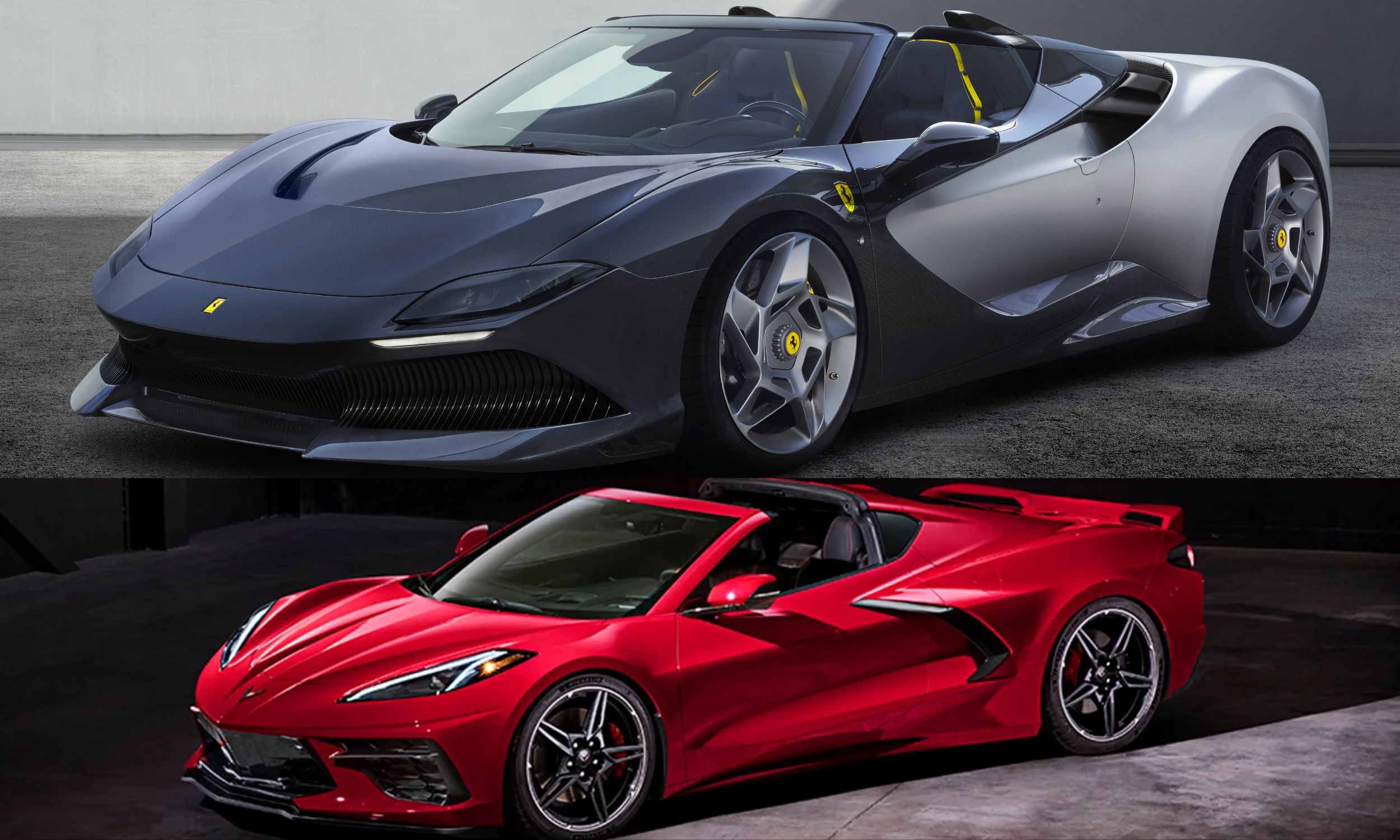
Owning a Ferrari is beyond the reach of many people, and for plenty of drivers, the expensive maintenance that comes with the famous badge is enough reason to look elsewhere. The good part is that several car brands have produced beautiful models with styling that closely resembles Ferrari designs.
From sleek front ends and sculpted air intakes to balanced mid-engine proportions, these vehicles deliver an exotic appearance without demanding an enormous budget or costly servicing whenever repairs are needed. A number of these cars share a visual connection with Ferrari because they were designed by the same respected Italian design studios.
Others simply arrived at similar shapes because high-performance engineering and aerodynamics often lead designers toward the same low, wide, and aggressive proportions. Even without the Ferrari badge, they still attract attention and leave many people doing a double take on the road.
This collection features eight cars that offer the appearance of machines carrying a far higher price tag than what buyers actually pay. Each one stands out for its stylish design while delivering performance that supports its sporty character. Alongside their eye-catching looks, these vehicles provide specifications that show they are more than just attractive bodies.
You will also see which Ferrari each model closely resembles and the design details responsible for the comparison, making it easier to understand why these affordable alternatives continue to earn admiration from car lovers.
1. Chevrolet Corvette Stingray (C8)
Ferrari Visual Doppelgänger: Ferrari 458 Italia / Ferrari F8 Tributo
- Engine: 6.2-liter Naturally Aspirated V8
- Horsepower: 495 hp
- Torque: 470 lb-ft
- Size: 182.3 in L x 76.1 in W x 48.6 in H
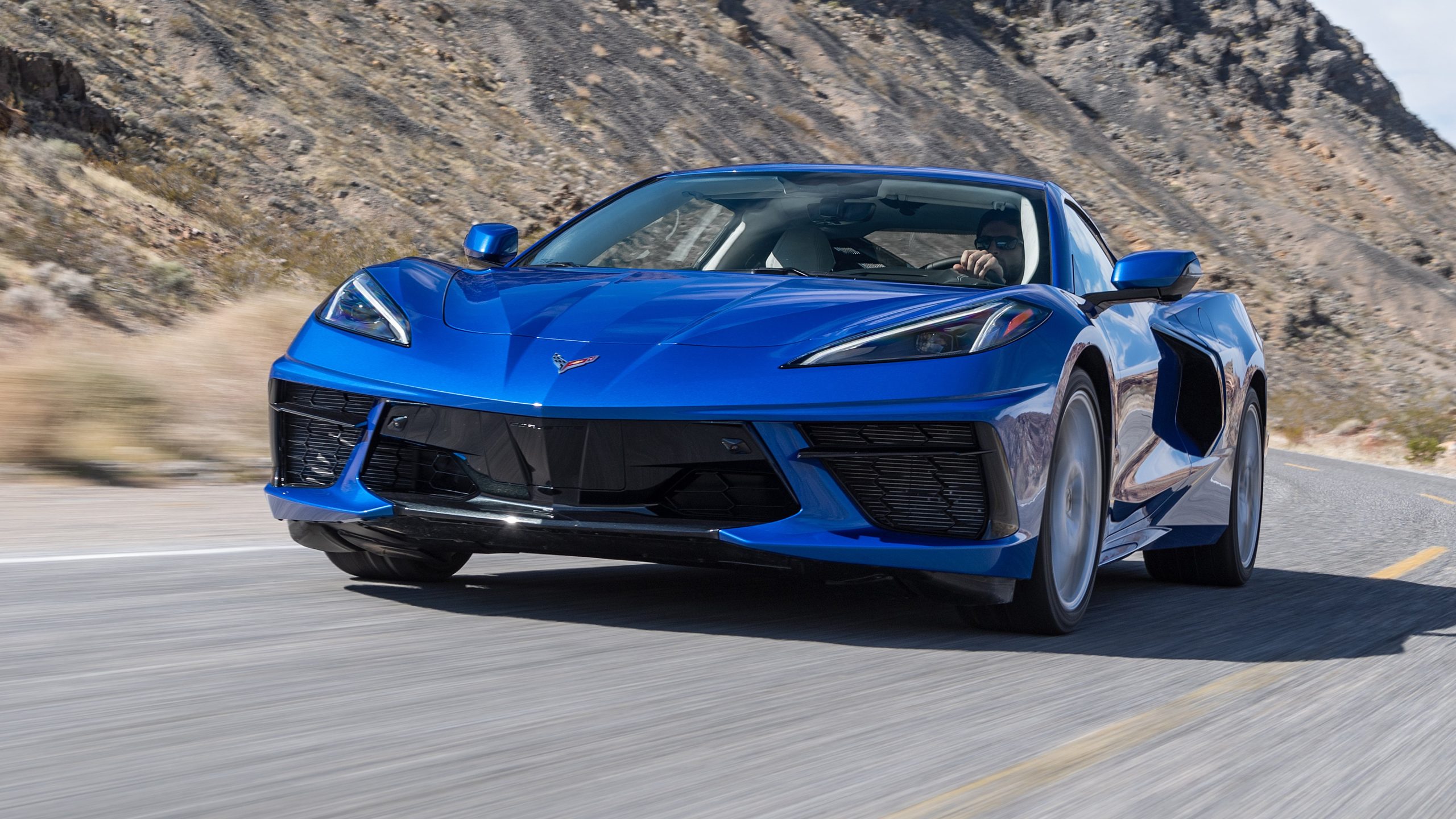
America’s sports car finally went mid-engine, and the transformation genuinely surprised longtime Corvette skeptics who assumed Chevrolet would never make that leap. Moving the engine behind the driver fundamentally changed this car’s proportions, pushing the cabin forward and creating that distinctive cab-forward silhouette long associated with Italian exotics rather than American muscle.
That 6.2-liter naturally aspirated V8 produces a genuinely strong 495 horsepower, numbers that hold their own against considerably pricier competitors while delivering a raw, high-revving character increasingly rare among modern performance cars chasing turbocharged efficiency instead.
Side air intakes, sculpted deeply into the C8’s flanks, feed cooling air toward that rear-mounted engine, creating exactly the kind of dramatic bodywork Ferrari has used on its own mid-engine V8 models for decades. Park a Corvette C8 next to a 458 Italia from certain angles, and casual observers genuinely struggle telling them apart at a glance.
Pricing tells the real story here, though. Where a comparable Ferrari demands genuinely serious money, the Corvette delivers similar visual drama and genuinely competitive performance figures for a fraction of that cost, making supercar looks accessible to buyers who’d never otherwise consider stepping into Ferrari ownership.
Chevrolet clearly understood the assignment when designing this generation, crafting a shape that photographs beautifully from every angle while delivering genuine performance credentials to back up that visual promise. For buyers specifically wanting exotic presence without exotic pricing, few cars currently on sale match the Corvette’s combination of dramatic styling and genuine value.
2. Toyota MR2 (Second Generation SW20)
Ferrari Visual Doppelgänger: Ferrari 348 / Ferrari F355
- Engine: 2.0-liter Turbocharged Inline-4
- Horsepower: 200 hp
- Torque: 200 lb-ft
- Size: 164.2 in L x 66.9 in W x 48.8 in H
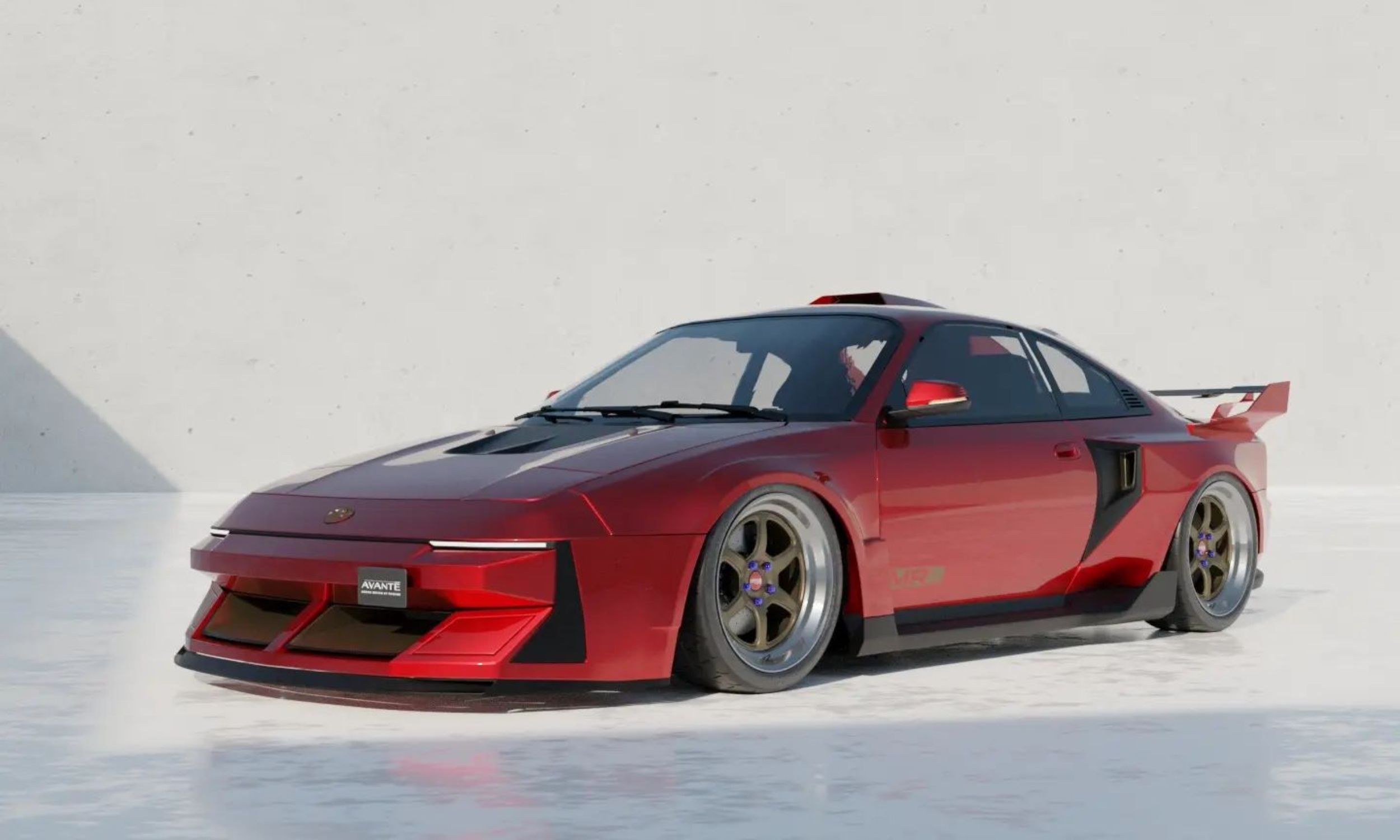
Nicknamed the “Poor Man’s Ferrari” for genuinely good reason, the second-generation MR2 earned that reputation honestly through proportions that mirror Ferrari’s early-1990s sports cars remarkably closely. Pop-up headlights, a signature design element of that era across multiple manufacturers, combined with flying buttress rear pillars to create a silhouette that genuinely echoes the 348 and F355 from certain angles.
That mid-engine layout, genuinely rare for a Japanese sports car at this particular price point during its original production run, gave the SW20 authentic weight distribution and handling characteristics that matched its exotic looks rather than simply borrowing the visual language without the underlying engineering substance.
Side air intakes positioned just behind the doors fed the turbocharged four-cylinder engine mounted amidships, creating exactly the kind of sculpted bodywork that’s become genuinely synonymous with mid-engine Italian design throughout automotive history.
Two hundred horsepower might sound modest by today’s standards, yet paired with the SW20’s genuinely lightweight construction, this turbocharged four-cylinder delivered surprisingly spirited performance that punched considerably above its actual price point during its original sales run.
Decades later, enthusiasts still specifically seek out clean examples precisely because of this Ferrari resemblance, treating well-preserved SW20 models as genuinely appreciating collector pieces rather than simply aging Japanese sports cars. For anyone wanting authentic 1990s exotic styling without the exotic price tag, either then or now on the used market, the MR2 remains a genuinely compelling choice worth serious consideration.
Also Read: 8 Cars With Known Paint and Clear-Coat Problems
3. Maserati MC20
Ferrari Visual Doppelgänger: Ferrari 296 GTB
- Engine: 3.0-liter Twin-Turbo V6 (Nettuno)
- Horsepower: 621 hp
- Torque: 538 lb-ft
- Size: 183.8 in L x 77.4 in W x 48.1 in H
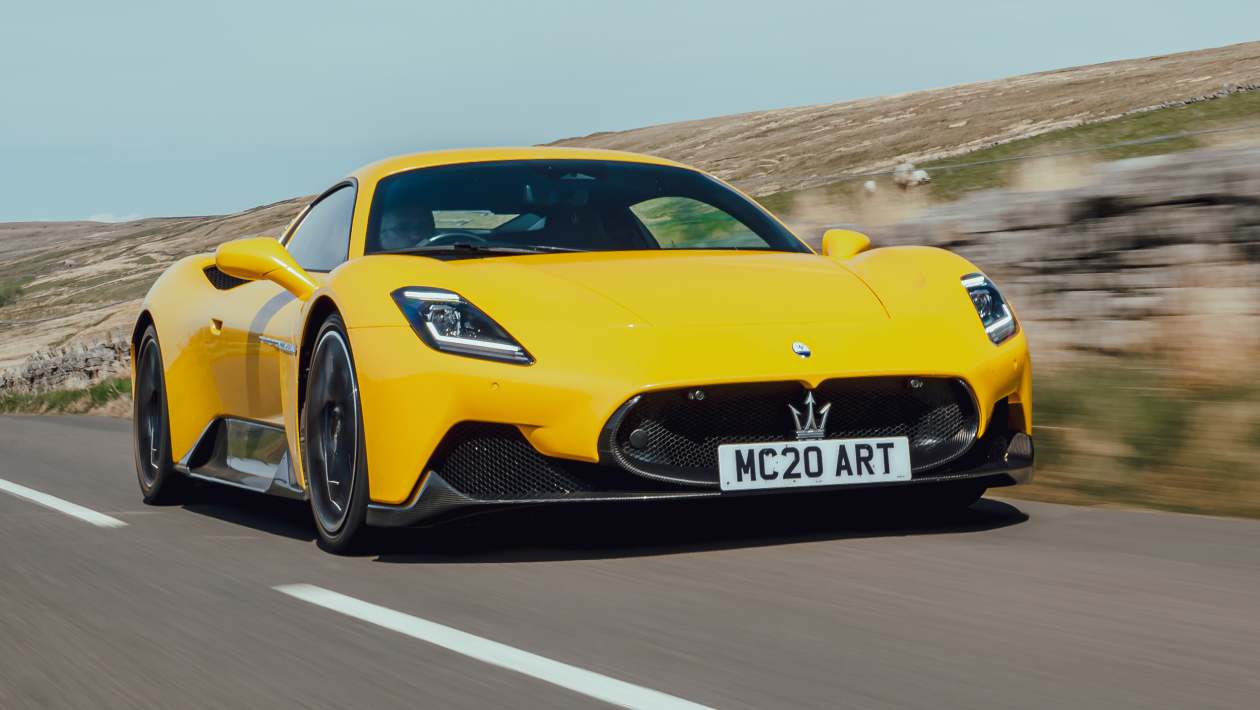
Maserati has deep Italian roots, and the MC20 proudly reflects that heritage through its design, engineering, and driving character. Its appearance naturally brings Ferrari to mind because both brands share a long history of building exotic sports cars with a strong focus on performance. The MC20 has a low roof, smooth body lines, and balanced proportions that closely resemble the Ferrari 296 GTB, giving it the kind of presence people expect from a modern Italian supercar.
Power comes from Maserati’s twin-turbocharged 3.0-liter Nettuno V6 engine, producing an impressive 621 horsepower. That output puts the MC20 in the same class as many respected supercars, proving it has far more to offer than an attractive exterior. It delivers rapid acceleration, sharp handling, and the driving experience expected from a machine built for speed and precision.
The front end features slim headlights with a sharp design that gives the car an aggressive appearance. Large air intakes behind the doors feed cool air to the mid-mounted engine while also helping with aerodynamic efficiency. Every styling detail serves a real purpose instead of being added only for appearance, giving the car both beauty and function.
Maserati and Ferrari have shared engineering links at different points in their history, which explains why certain design ideas and mechanical approaches feel familiar between the two brands.
Drivers comparing the MC20 with Ferrari models will discover similar excitement, Italian craftsmanship, and thrilling performance at a price that is often easier to justify. The MC20 stands proudly on its own while delivering the unmistakable spirit of an Italian supercar.
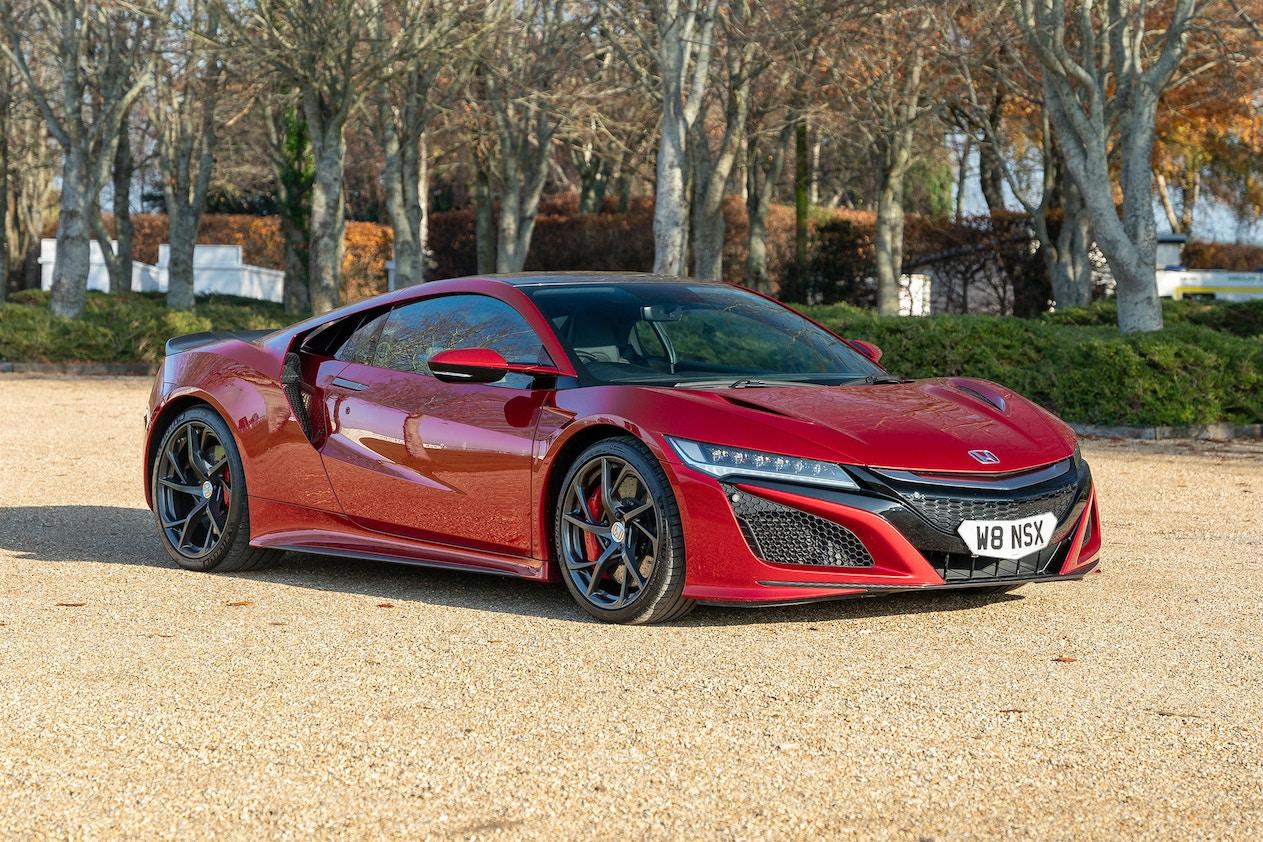
4. Acura NSX (Second Generation)
Ferrari Visual Doppelgänger: Ferrari 488 GTB
- Engine: 3.5-liter Twin-Turbo V6 Hybrid (Three Electric Motors)
- Horsepower: 573 hp
- Torque: 476 lb-ft
- Size: 176.1 in L x 76.4 in W x 47.8 in H
Honda’s flagship performance halo car returned after years away, and when it did, it arrived wearing proportions genuinely reminiscent of Ferrari’s mid-engine V8 lineup, particularly the 488 GTB, sharing that same low-slung stance and dramatically wide rear haunches that define modern Italian supercar design.
Hybrid technology sets this NSX apart mechanically from its Ferrari counterpart though, combining a twin-turbo V6 with three separate electric motors to produce a genuinely impressive 573 horsepower, blending Japanese engineering innovation with visual styling cues borrowed directly from Italian supercar tradition.
Prominent side air intakes, positioned to feed cooling air toward the mid-mounted engine, create exactly the kind of sculpted, purposeful bodywork that’s become instantly recognizable across Ferrari’s modern lineup, proof that genuine aerodynamic necessity often pushes different manufacturers toward remarkably similar visual solutions.
Acura’s engineering team clearly studied what made Ferrari’s mid-engine cars so visually compelling, then applied those same fundamental proportions to their own genuinely distinct hybrid powertrain approach, creating a car that looks the part convincingly while delivering a mechanically unique driving experience underneath that familiar exotic silhouette.
Pricing positions the NSX considerably below equivalent Ferrari models while still delivering genuinely competitive performance figures, making authentic supercar presence accessible to buyers specifically seeking that visual drama without stretching all the way into true exotic pricing territory.
For anyone wanting Ferrari-adjacent looks paired with genuine Japanese reliability and hybrid innovation, few alternatives currently match the NSX’s compelling combination of style and substance.
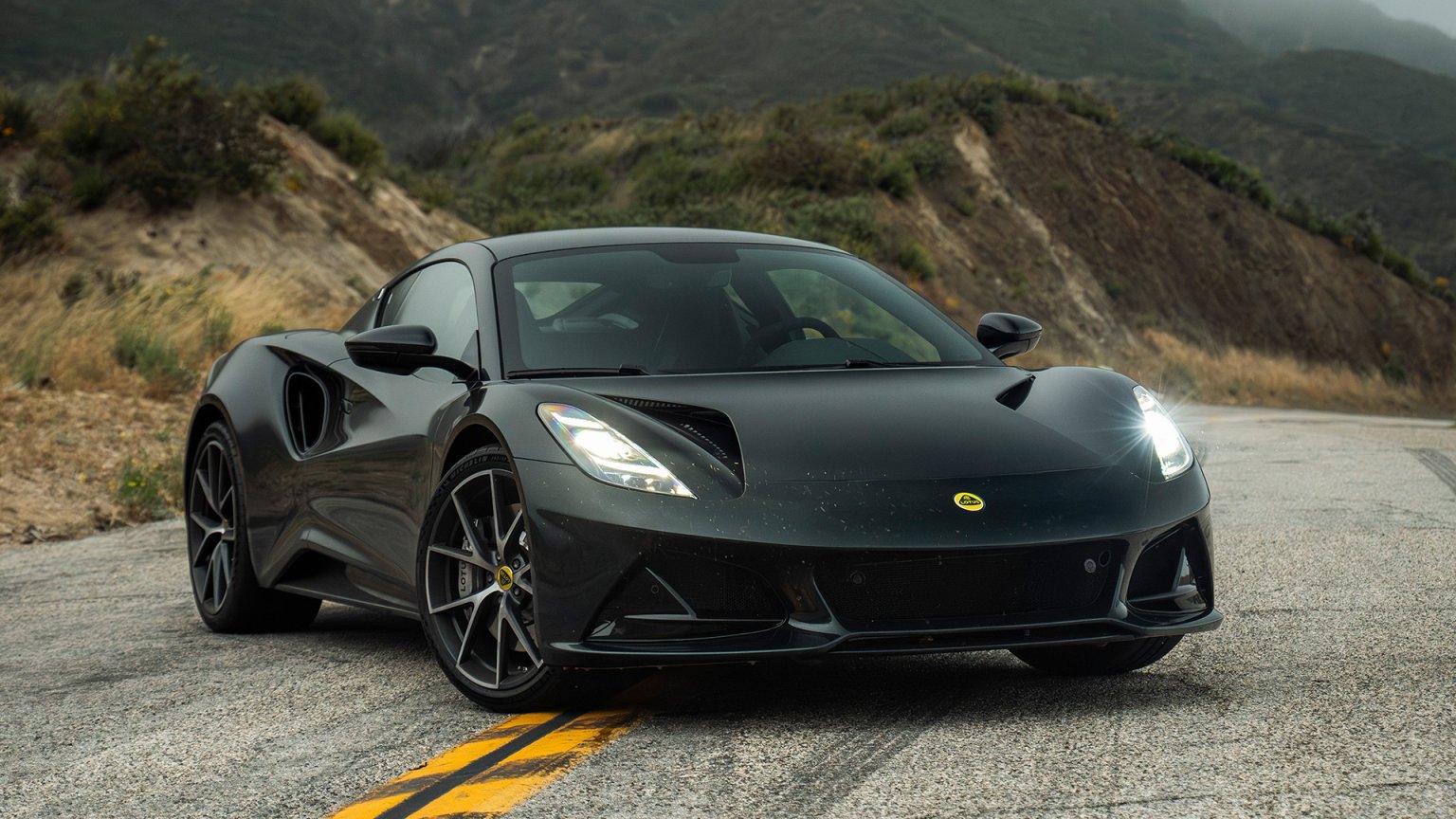
5. Lotus Emira
Ferrari Visual Doppelgänger: Ferrari F8 Tributo / Ferrari SF90 Stradale
- Engine: 3.5-liter Supercharged V6
- Horsepower: 400 hp
- Torque: 317 lb-ft
- Size: 173.7 in L x 74.6 in W x 48.2 in H
British engineering, Italian inspiration. Lotus built the Emira as its final combustion-powered sports car, and the styling team clearly drew heavily from Ferrari’s current design language, particularly echoing the F8 Tributo and SF90 Stradale through its sculpted front fascia and dramatically channeled side intakes.
That supercharged 3.5-liter V6 delivers 400 horsepower, numbers that give the Emira genuinely spirited performance credentials while maintaining Lotus’s traditional emphasis on lightweight construction and razor-sharp handling response over raw straight-line power figures alone.
Muscular rear fenders flare outward dramatically, creating visual width and presence that mirrors similar design elements found throughout Ferrari’s current mid-engine lineup, while the Emira’s low roofline maintains that essential supercar proportion regardless of which specific badge happens to sit on the hood.
Lotus has historically prioritized driving dynamics over outright styling drama throughout much of its history, making the Emira’s genuinely dramatic Ferrari-adjacent presentation something of a departure for the brand, one that’s clearly paid off given how frequently this car draws comparisons to considerably pricier Italian exotics from casual observers.
Given Lotus’s genuine engineering pedigree built around lightweight construction and sharp handling, the Emira backs up its dramatic styling with real driving substance rather than simply borrowing visual cues without the mechanical credibility to support them.
For buyers specifically wanting Ferrari-level visual drama paired with genuinely engaging British sports car dynamics, the Emira offers a compelling, considerably more attainable alternative worth serious cross-shopping consideration.
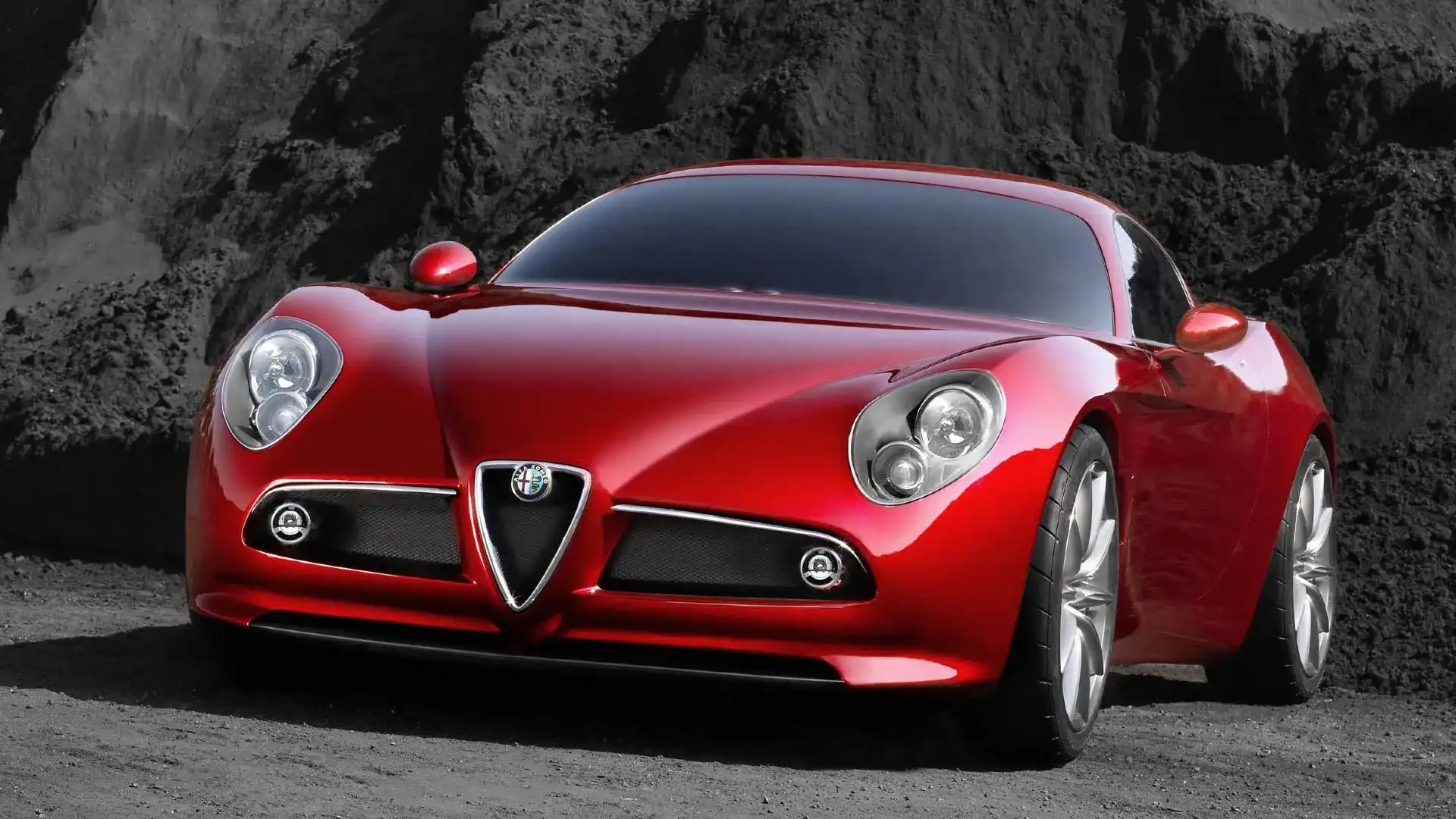
6. Alfa Romeo 8C Competizione
Ferrari Visual Doppelgänger: Ferrari 599 GTB Fiorano
- Engine: 4.7-liter Naturally Aspirated V8
- Horsepower: 444 hp
- Torque: 354 lb-ft
- Size: 152.8 in L x 74.4 in W x 52.8 in H
The Alfa Romeo 8C Competizione did not earn comparisons with Ferrari by accident. Its connection runs much deeper than appearance alone. The car was styled by the famous Pininfarina design studio, the same company responsible for shaping many of Ferrari’s most celebrated models.
It also carries a V8 engine developed from Ferrari engineering, making its relationship with Maranello genuine rather than something based only on looks. That shared heritage is easy to recognise the moment the car comes into view. Under the bonnet sits a naturally aspirated 4.7-litre V8 producing 444 horsepower.
The engine delivers smooth power, a thrilling soundtrack, and strong performance that suits a proper Italian grand tourer. Like the Ferrari 599 GTB Fiorano, the engine is mounted in front, creating the classic long bonnet and rear-set cabin that have defined many of Italy’s finest performance cars. The driving experience feels refined while still offering the excitement expected from a powerful sports car.
Its design leaves a lasting impression. The long front end flows into a compact passenger cabin, while the broad rear fenders give the car a muscular stance. Smooth body lines connect every section without looking forced, creating a timeless shape that still attracts attention years after production ended.
From certain angles, many people could easily mistake it for a Ferrari because of its elegant proportions and unmistakable Italian character. Alfa Romeo built the 8C Competizione in very limited numbers, making it one of the brand’s rarest modern models. That rarity has helped its value rise steadily as collectors continue to appreciate its history and engineering.
Anyone searching for an Italian grand tourer with true Ferrari connections will find much more than a beautiful body here. The 8C Competizione represents craftsmanship, performance, and heritage in a package that deserves lasting respect among classic performance cars.
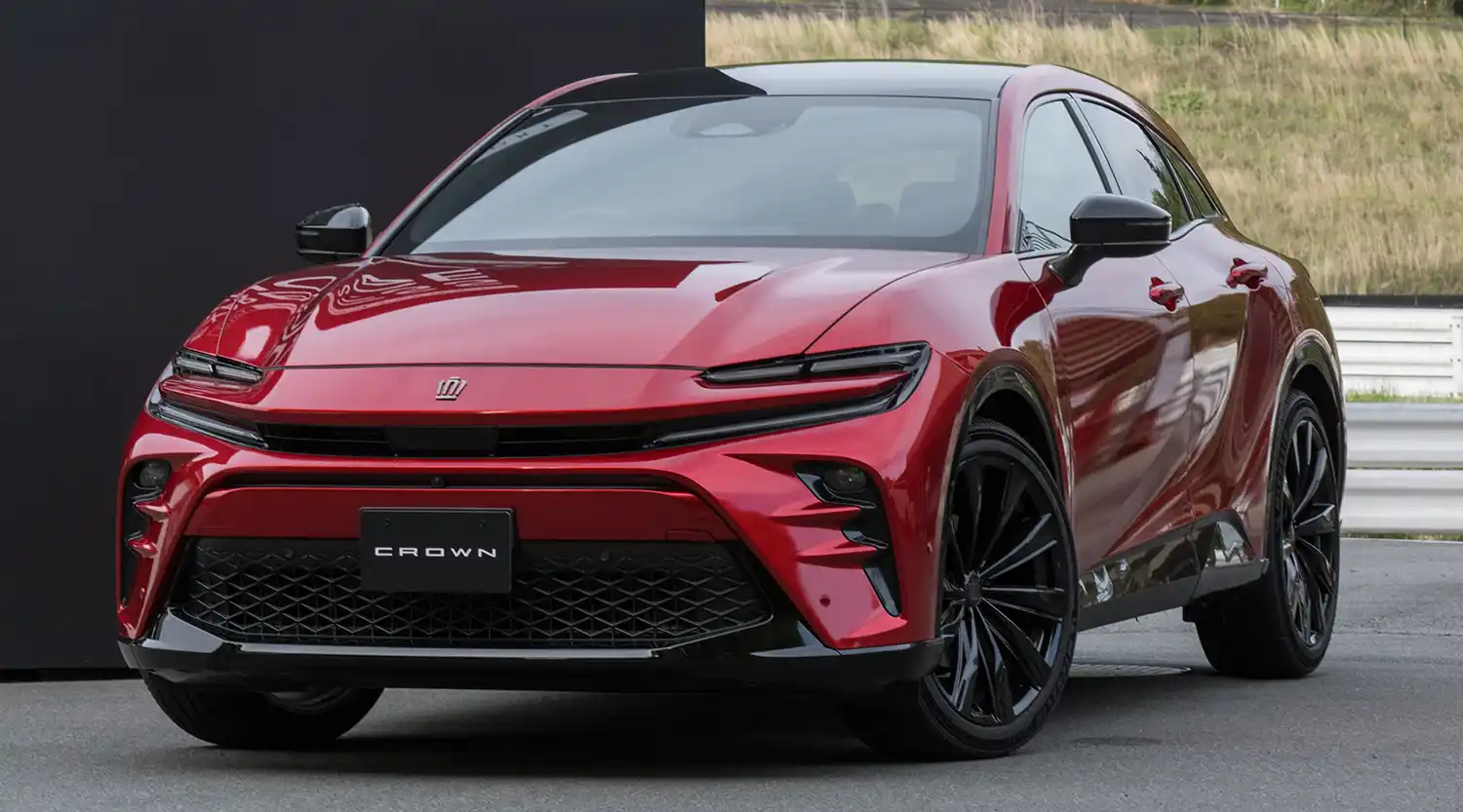
7. Toyota Crown Sport
Ferrari Visual Doppelgänger: Ferrari Purosangue
- Engine: 2.5-liter Naturally Aspirated 4-cylinder Hybrid
- Horsepower: 231 hp
- Torque: 163 lb-ft
- Size: 185.8 in L x 74.0 in W x 61.6 in H
Wait, a Toyota crossover resembling a Ferrari? Genuinely, yes, and this comparison drew considerable attention worldwide precisely because nobody expected it. The Crown Sport’s front-end styling, particularly its slim headlights and sculpted hood, bears a striking resemblance to Ferrari’s first-ever SUV, the Purosangue, especially when viewed from front and three-quarter angles.
That hybrid four-cylinder powertrain produces a genuinely respectable 231 horsepower, delivering efficient, everyday performance considerably removed from Ferrari-level output, proof that this particular resemblance lives entirely in styling rather than any shared mechanical philosophy or performance ambition.
Athletic crossover proportions give the Crown Sport a genuinely sporty stance uncommon among typical family-oriented crossovers, contributing directly to why observers keep drawing this particular Ferrari comparison despite the two vehicles occupying completely different market segments and price categories entirely.
Toyota’s design team likely didn’t set out specifically chasing Ferrari resemblance, yet contemporary automotive styling trends toward slim lighting signatures and sculpted hood lines have apparently converged in ways that created this genuinely unexpected visual connection between a mainstream Japanese crossover and Ferrari’s exclusive, considerably pricier SUV offering.
Social media reaction to this comparison spread quickly once enthusiasts and reviewers began pointing out the resemblance, turning what might’ve otherwise been an overlooked crossover into a genuinely talked-about vehicle purely through this unexpected styling connection.
For buyers wanting a taste of exotic front-end drama within a genuinely practical, affordable family crossover package, the Crown Sport delivers a surprisingly compelling, if entirely coincidental, visual link to Ferrari’s exclusive SUV lineup.
Also Read: 8 Cars With Common Starter and Alternator Failures
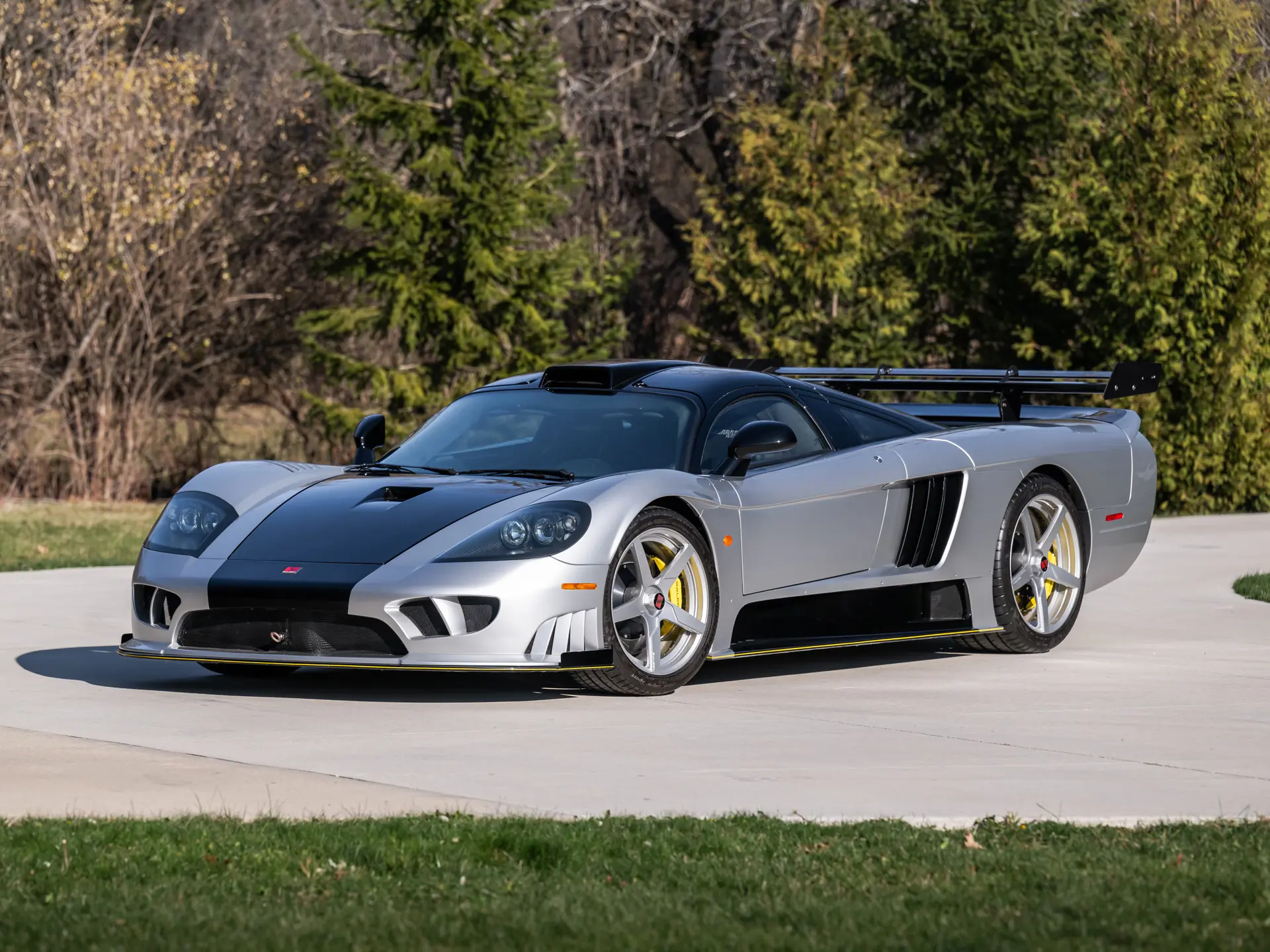
8. Saleen S7
Ferrari Visual Doppelgänger: Ferrari Enzo
- Engine: 7.0-liter Naturally Aspirated V8
- Horsepower: 550 hp
- Torque: 525 lb-ft
- Size: 188.0 in L x 78.3 in W x 41.0 in H
The Saleen S7 sits extremely low to the ground, measuring just over 41 inches in height, and its shape immediately brings the Ferrari Enzo to mind. With its wide body, low nose, and race-inspired proportions, the S7 captures the dramatic appearance that defined many of the most exciting supercars of the early 2000s.
Even though it comes from an American company, its bold styling allows it to stand comfortably beside some of Europe’s finest performance machines. Powering the S7 is a massive 7.0-litre naturally aspirated V8 engine that delivers 550 horsepower.
Instead of relying on turbochargers or hybrid technology, Saleen chose a large-displacement engine that produces strong, immediate power with a thrilling soundtrack. The result is a driving experience filled with excitement, giving drivers the raw performance expected from a serious supercar. It proves that American engineering can compete with respected European names in both speed and character.
The bodywork was designed with performance in mind rather than appearance alone. Large side air intakes direct cool air to the mid-mounted engine, helping it perform efficiently even during demanding driving conditions. Every curve and vent has a practical purpose, much like the aerodynamic features found on the Ferrari Enzo.
This attention to function gives the S7 an aggressive look while supporting its impressive capabilities on the road and track. Saleen produced the S7 in very limited numbers, making it a rare sight even among exotic cars. Its exclusivity has made it increasingly desirable to collectors who appreciate unique performance cars with genuine engineering excellence.
While the S7 has always maintained its own identity, its dramatic styling and proportions continue to invite comparisons with the Ferrari Enzo. It remains a proud example that America can produce a world-class supercar with presence, speed, and lasting appeal.
