
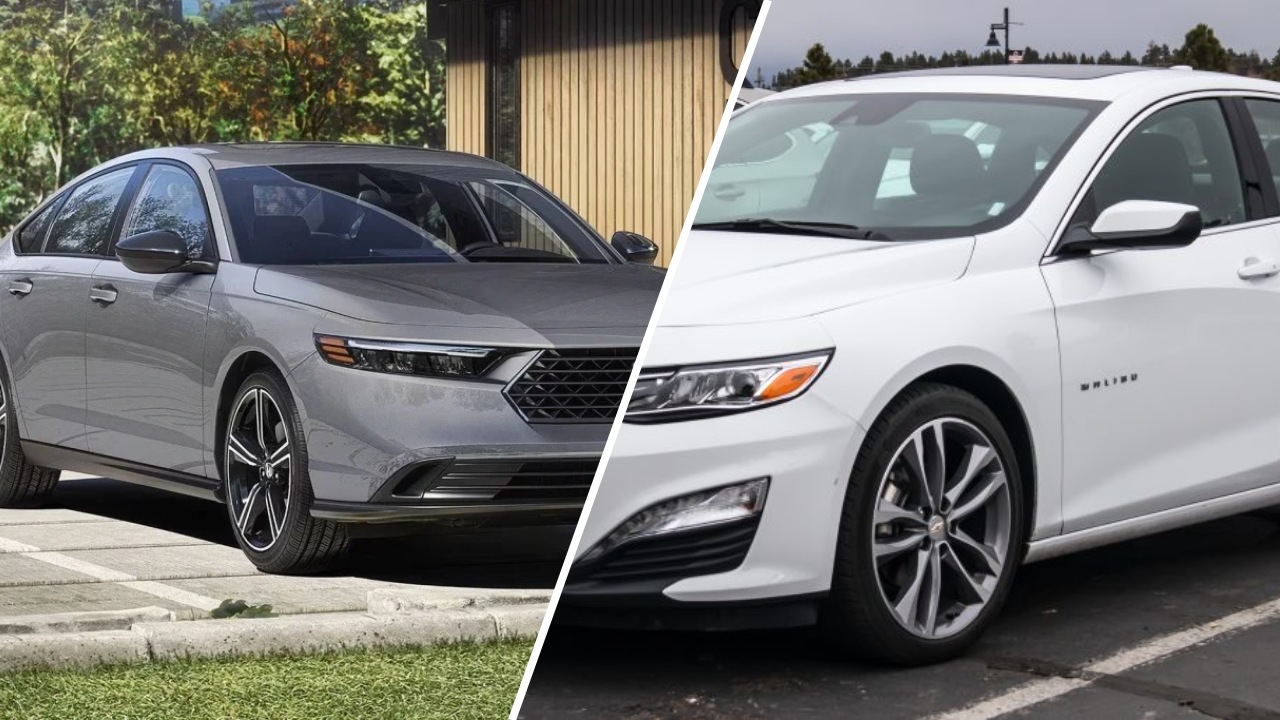
A failing starter or alternator can leave a vehicle stranded without warning, making these two components among the most important parts of a car’s electrical system. The starter motor cranks the engine during startup, while the alternator keeps the battery charged and powers electrical accessories once the engine is running.
Although both parts are considered wear items, some vehicles have developed reputations for experiencing failures earlier or more frequently than expected.
Based on U.S. owner complaints, Technical Service Bulletins (TSBs), repair trends, and mechanic reliability data, the following cars have commonly experienced starter or alternator issues during their service lives.
Also Read: 10 SUVs That Changed the Automotive Industry Forever
1. Honda Accord
The eighth-generation Honda Accord is widely regarded as a dependable midsize sedan, but it also developed a noticeable pattern of starter failures as the vehicles accumulated mileage.
Independent repair databases, Honda owner forums, and mechanic reports consistently identify the starter motor as one of the more frequently replaced components, particularly on V6-equipped models.
While the four-cylinder versions also experience failures, the V6’s tighter engine bay makes replacement more labor-intensive, increasing repair costs.
Most owners first notice intermittent starting problems. The engine may produce a single click when the key is turned, crank slowly, or fail to start until several attempts are made. In many cases, the battery tests healthy, leading technicians to isolate the starter itself as the source of the problem.
Heat generated by the V6 engine has often been cited by technicians as a contributing factor because the starter is mounted in a location exposed to significant underhood temperatures.
Alternator failures are less common than starter issues but are still reported after higher mileage. Symptoms include battery warning lights, dim headlights, fluctuating dashboard illumination, and charging-system faults.
Honda has also issued Technical Service Bulletins related to charging-system diagnosis for certain production years, helping technicians distinguish alternator problems from battery or wiring issues.
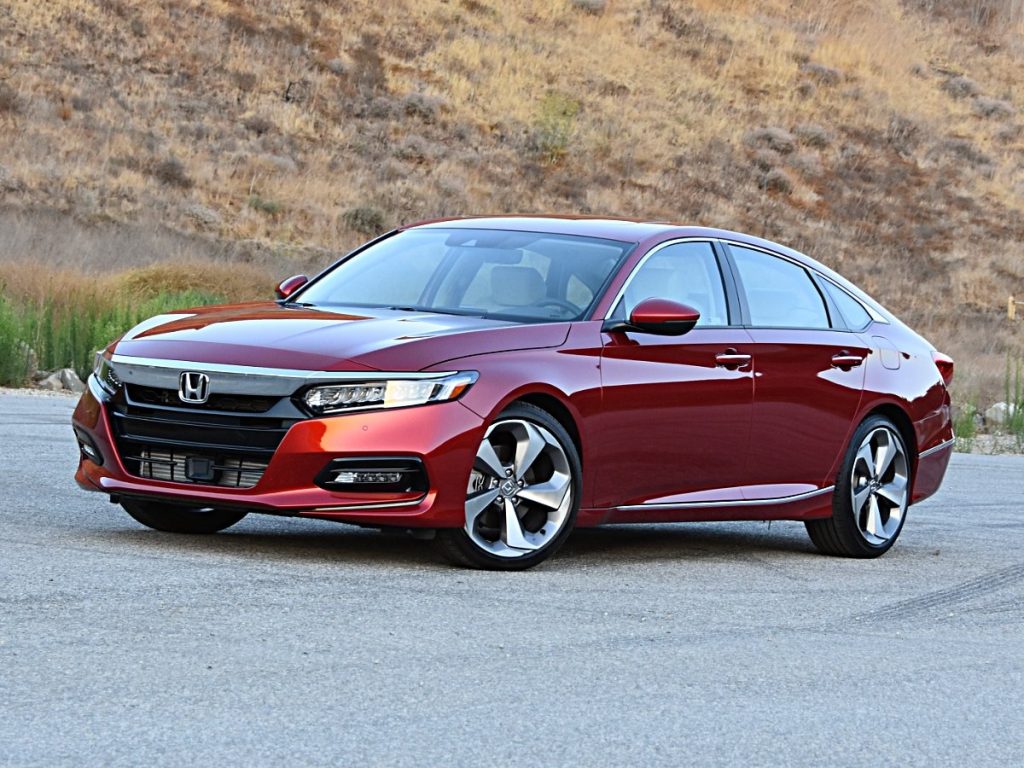
Despite these electrical concerns, the Accord remains a durable sedan when maintenance is kept up. Buyers shopping for a used example should verify whether the starter has already been replaced, especially on V6 models with well over 100,000 miles.
A charging-system test before purchase can also help identify an aging alternator before it leaves the driver stranded.
Specifications
- Engine: 3.5-liter V6
- Torque: 254 lb-ft
- Horsepower: 271 hp
- Length/Width: 194.1 inches / 72.8 inches
2. BMW 3 Series
Electrical system complexity distinguishes the E90-generation BMW 3 Series from many competitors, and one consequence has been a higher-than-average frequency of starter and alternator repairs as these vehicles age.
Independent repair specialists routinely list both components among the more common replacements after 80,000 to 120,000 miles, particularly on six-cylinder models.
Starter failures generally begin with inconsistent engine cranking. Drivers often report that the dashboard powers up normally while the engine refuses to crank, followed by normal operation during a later attempt.
Because BMW uses sophisticated electronic control modules, diagnosing these symptoms requires confirming that the battery, Intelligent Battery Sensor, and wiring are functioning properly before condemning the starter.
Alternator problems have also become relatively common on aging E90 models. Voltage regulators inside the alternator can fail, producing battery warning lights, reduced charging output, or overcharging conditions.
Some owners notice flickering interior lights, malfunctioning electronic accessories, or repeated battery replacements before the underlying charging issue is identified.
Repair costs tend to be higher than many mainstream sedans because access to the starter can require removal of surrounding intake components, increasing labor time. Genuine BMW replacement parts also carry higher prices than comparable aftermarket alternatives.

Prospective buyers should pay close attention to maintenance records. Documentation showing recent replacement of the starter, alternator, or battery can significantly reduce the likelihood of immediate ownership expenses.
A professional charging-system inspection and battery health test remain worthwhile before purchasing any higher-mileage E90.
Specifications
- Engine: 3.0-liter naturally aspirated inline-six
- Torque: 200 lb-ft
- Horsepower: 230 hp
- Length/Width: 178.2 inches / 71.5 inches
3. Nissan Altima
Unlike some vehicles where charging-system failures appear only after very high mileage, the fifth-generation Nissan Altima has generated a steady stream of owner reports involving both alternators and starters.
Independent repair databases, repair shops, and owner forums show that electrical-system repairs become increasingly common once these sedans pass the 90,000 to 120,000-mile mark. While the continuously variable transmission (CVT) often receives the most attention, charging and starting components also contribute to ownership costs.
Alternator failures usually begin with subtle warning signs. Drivers may notice the battery warning light illuminating intermittently, headlights dimming at idle, or electronic accessories behaving erratically.
Since the alternator supplies electrical power while simultaneously charging the battery, reduced output can eventually leave the battery unable to restart the engine after a short stop. Technicians frequently confirm these problems through charging-voltage tests before replacing the alternator.
Starter-related complaints also become more common as mileage increases. Owners describe delayed cranking, a clicking sound when pressing the start button, or complete failure to engage despite a fully charged battery. In many cases, diagnosis reveals worn starter solenoids or internal motor components rather than battery failure.
Another factor that complicates diagnosis is the Altima’s push-button start system. Weak batteries, failing brake-pedal switches, and Intelligent Key issues can initially resemble starter failure, making systematic testing important before replacing parts.
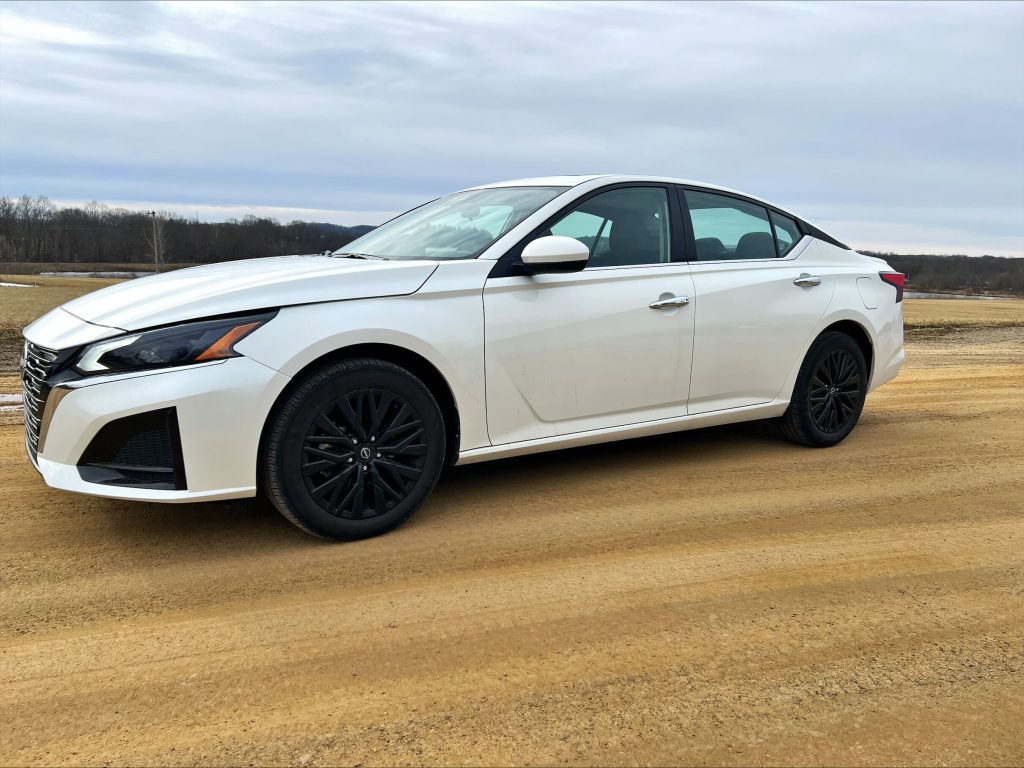
Experienced technicians generally evaluate the battery, charging system, starter current draw, and electrical connections together.
A well-maintained Altima remains capable of providing dependable transportation, but buyers should verify whether the starter or alternator has already been replaced on higher-mileage examples. Service documentation showing recent electrical repairs can provide added confidence when shopping for a used model.
Specifications
- Engine: 2.5-liter inline-four
- Torque: 180 lb-ft
- Horsepower: 182 hp
- Length/Width: 191.9 inches / 72.0 inches
4. Chevrolet Malibu
The ninth-generation Chevrolet Malibu introduced updated styling and new powertrains, but owners and independent repair facilities have also documented recurring electrical-system repairs involving starters and alternators as these vehicles age.
While not every Malibu develops these problems, both components appear regularly in repair histories once mileage exceeds approximately 100,000 miles.
Alternator issues frequently reveal themselves through charging-system warnings on the instrument panel. Some owners first notice dim interior lighting, inconsistent power steering assist, or batteries that repeatedly discharge despite being relatively new.
Diagnostic testing often identifies declining alternator output or a faulty internal voltage regulator. Since the Malibu depends heavily on electronic control modules, unstable charging voltage can affect several systems simultaneously.
Starter failures present a different set of symptoms. Drivers commonly report a single click when turning the key or pressing the start button, followed by no engine cranking.
Others experience intermittent no-start conditions that become progressively more frequent over time. Mechanics often find worn starter solenoids or internal electrical contacts responsible for these failures.
General Motors has issued Technical Service Bulletins for certain electrical concerns affecting various Malibu model years, helping technicians diagnose charging-system behavior more accurately. Although these bulletins do not necessarily indicate widespread defects, they provide guidance for resolving recurring customer complaints.
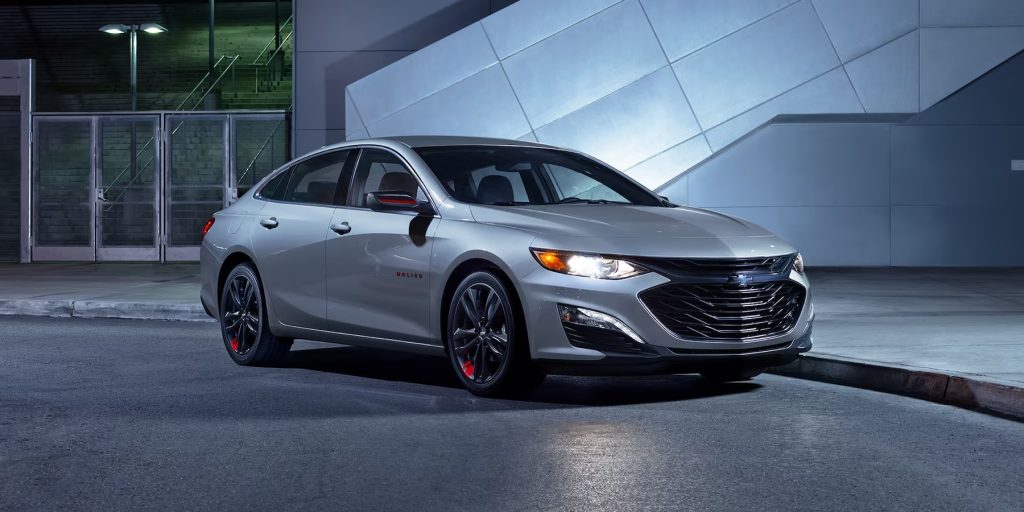
Prospective buyers should request maintenance records and ask whether the battery, alternator, or starter has previously been replaced. A comprehensive charging-system inspection can identify weak output before complete failure occurs.
Replacing aging components proactively is often less expensive than dealing with an unexpected roadside breakdown.
Specifications
- Engine: 2.5-liter inline-four
- Torque: 191 lb-ft
- Horsepower: 196 hp
- Length/Width: 191.5 inches / 73.0 inches
5. Ford Escape
The third-generation Ford Escape introduced turbocharged EcoBoost engines and a more sophisticated electrical architecture, but higher-mileage examples have also shown a recurring pattern of starter and alternator replacements.
Independent repair databases and Ford technicians commonly identify both components as wear items that become increasingly susceptible to failure after years of daily use, particularly on vehicles driven in stop-and-go traffic where frequent engine starts place additional strain on the starter motor.
Alternator deterioration usually develops gradually. Drivers often notice the battery warning light appearing briefly before remaining illuminated continuously. Headlights may dim while idling, dashboard displays can flicker, and accessories such as the climate control blower or power windows may operate inconsistently.
Testing frequently reveals declining charging voltage caused by worn internal components or a failing voltage regulator.
Starter failures often begin without much warning. Some owners report that pressing the start button results in a single click, while others experience slow cranking that eventually progresses to complete no-start conditions.
Because the Escape uses numerous electronic modules, technicians normally verify battery condition, wiring integrity, and charging-system performance before replacing the starter assembly.
Ford also released Technical Service Bulletins addressing charging-system diagnostics for certain production years, helping dealerships distinguish between battery-related faults and alternator problems. These procedures reduce unnecessary parts replacement and improve repair accuracy.
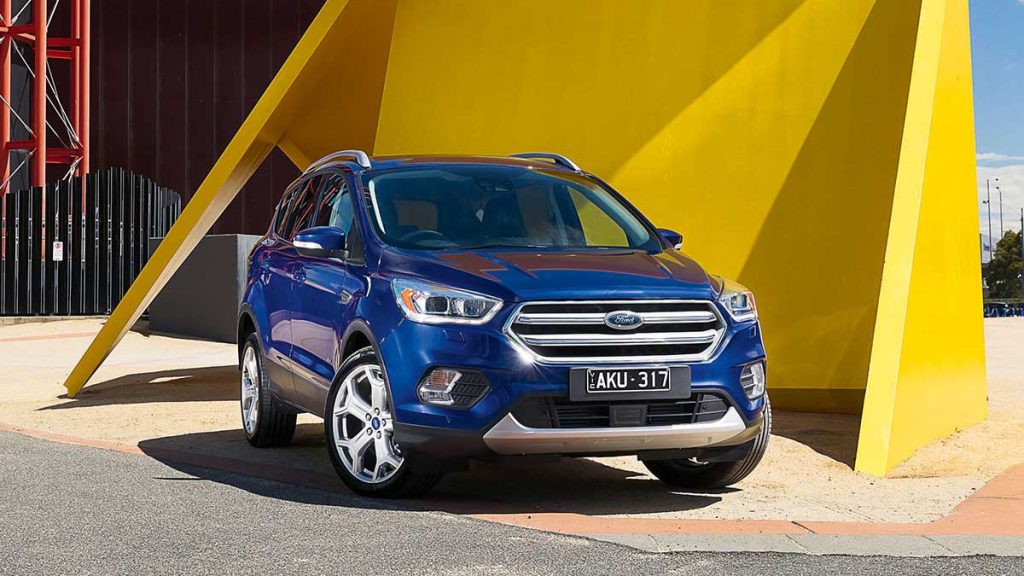
Although starter and alternator repairs are not uncommon, they do not overshadow the Escape’s practicality. Buyers considering a used example should inspect service records carefully and confirm whether either component has already been replaced.
A professional charging-system evaluation before purchase can identify weakening electrical components before they become a reliability concern.
Specifications
- Engine: 2.0-liter EcoBoost turbocharged inline-four
- Torque: 270 lb-ft
- Horsepower: 245 hp
- Length/Width: 178.1 inches / 72.4 inches
6. Dodge Grand Caravan
Few family vehicles have spent as much time transporting passengers and cargo as the Dodge Grand Caravan. Many examples accumulated well over 150,000 miles in commercial fleets, shuttle services, and large households.
That extensive real-world use has also made starter and alternator replacements among the more familiar repairs reported by independent repair shops across the United States.
Alternator problems are frequently associated with declining charging performance. Owners may notice battery warning lights, slow power sliding doors, dim headlights, or batteries that repeatedly discharge overnight after the alternator begins producing insufficient voltage.
Since the Grand Caravan supports numerous electrical accessories, even a modest reduction in charging output can quickly become noticeable.
Starter issues usually emerge after years of repeated ignition cycles. Drivers commonly report intermittent cranking, grinding noises during startup, or complete failure despite installing a new battery.
Technicians often determine that worn starter brushes, solenoids, or internal electrical contacts are responsible. Because the symptoms can resemble battery or cable problems, proper diagnostic testing remains essential before replacing parts.
Several Technical Service Bulletins issued during the Grand Caravan’s production addressed electrical-system diagnostics and charging concerns, providing updated repair procedures for dealership technicians. While these bulletins did not indicate universal defects, they reflected recurring issues encountered in the field.
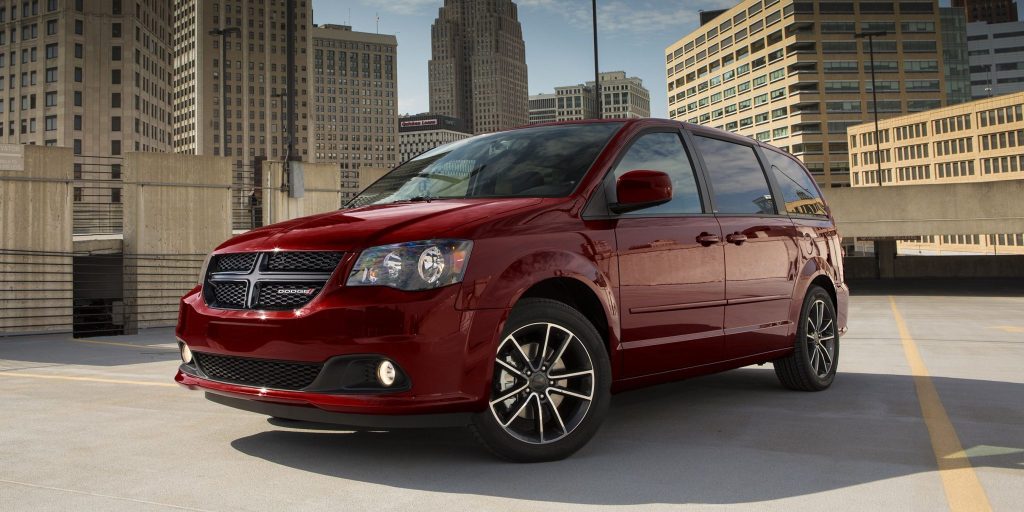
The Grand Caravan continues to be valued for its spacious cabin and practical Stow ‘n Go seating system. Buyers interested in a used model should verify that routine electrical maintenance has been performed, particularly on vehicles with high mileage.
A recently replaced starter or alternator can significantly reduce the likelihood of unexpected starting or charging failures.
Specifications
- Engine: 3.6-liter Pentastar V6
- Torque: 260 lb-ft
- Horsepower: 283 hp
- Length/Width: 202.8 inches / 78.7 inches
7. Hyundai Sonata
The sixth-generation Hyundai Sonata earned strong sales in the United States thanks to its fuel economy, generous equipment, and competitive pricing.
As these sedans have aged, however, independent repair facilities and owner reports have shown an increase in starter and alternator replacements, particularly on vehicles that have surpassed 100,000 miles.
While engine-related recalls involving certain Theta II engines are well documented, electrical charging and starting components have also become common maintenance items.
Alternator failures typically develop gradually rather than occurring without warning. Drivers often report an illuminated battery warning light, fluctuating dashboard brightness, weak air conditioning blower performance, or headlights that dim while the vehicle is idling.
Diagnostic testing frequently confirms that the alternator is no longer maintaining the proper charging voltage, allowing the battery to discharge during normal driving.
Starter issues usually appear as intermittent no-start conditions. Some owners experience a single click when turning the key, while others notice that the engine cranks slowly before eventually refusing to start altogether.
Technicians generally inspect battery cables, ground connections, and the starter solenoid before replacing the starter motor to ensure the correct diagnosis.
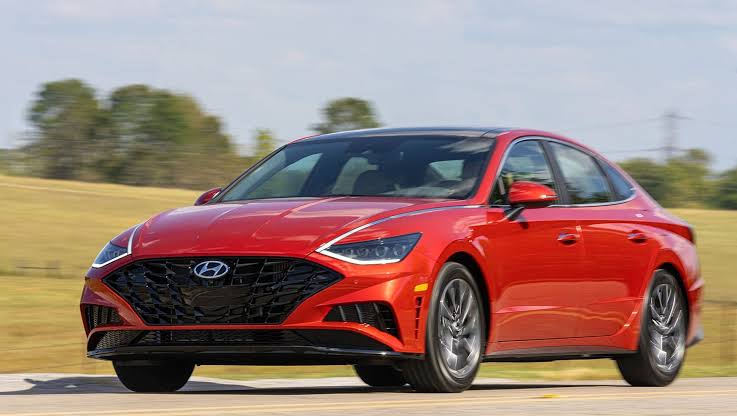
Because the Sonata uses numerous electronic control modules, unstable charging voltage can also trigger warning lights that seem unrelated to the alternator itself. This makes a complete charging-system evaluation important whenever electrical symptoms begin to appear.
A used Sonata with documented replacement of both the battery and charging components can remain a dependable daily driver. Prospective buyers should verify maintenance history, inspect for corrosion at battery terminals, and request a charging-system test before completing a purchase, especially on higher-mileage examples.
Specifications
- Engine: 2.4-liter inline-four
- Torque: 186 lb-ft
- Horsepower: 198 hp
- Length/Width: 189.8 inches / 72.2 inches
8. Jeep Grand Cherokee
The fourth-generation Jeep Grand Cherokee combines off-road capability with everyday comfort, but its sophisticated electrical system has also contributed to recurring reports of starter and alternator failures as vehicles accumulate mileage.
Repair databases, dealership service records, and owner experiences indicate that charging-system repairs become increasingly common once these SUVs move beyond the 100,000-mile mark.
Unlike some vehicles where only one component tends to fail, the Grand Cherokee has experienced issues involving both the starter and alternator during long-term ownership. Alternator problems frequently produce battery warning lights, reduced charging voltage, dim lighting, and intermittent electrical malfunctions affecting multiple accessories.
Because modern Grand Cherokees rely on dozens of electronic control modules, inconsistent charging voltage can create a variety of symptoms that initially appear unrelated.
Starter failures generally begin with inconsistent engine cranking. Owners often describe hearing a click when pressing the start button or turning the key, followed by no engine rotation. As internal starter components wear, the problem typically becomes more frequent until replacement is necessary.
Jeep also issued several Technical Service Bulletins covering electrical diagnostics during these model years, assisting technicians in identifying charging-system faults more efficiently. Proper testing is especially important because weak batteries, poor ground connections, and alternator problems can produce similar symptoms.
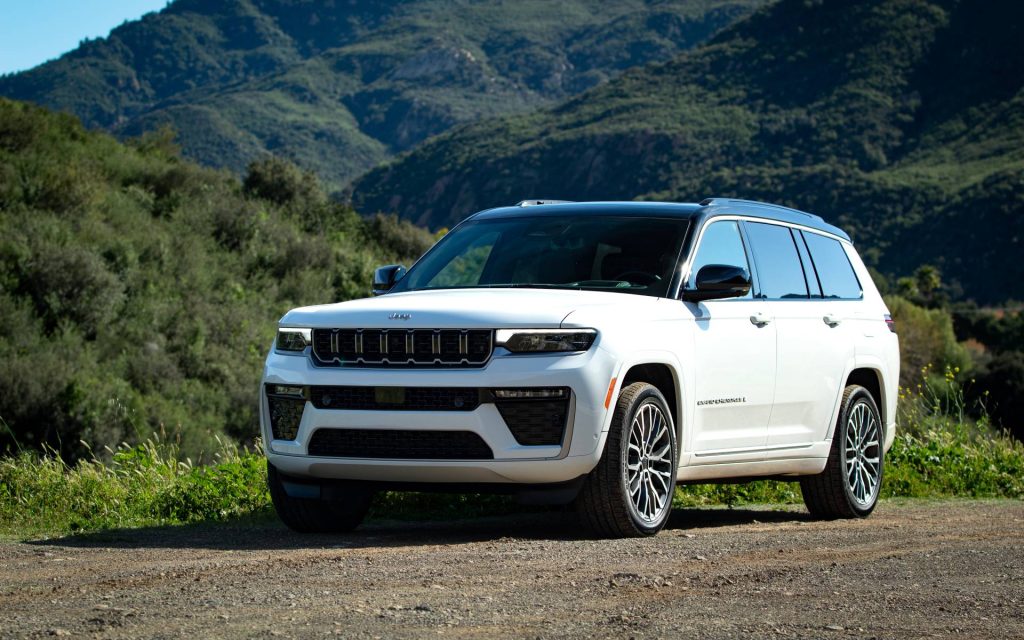
For used-vehicle shoppers, a detailed maintenance history is especially valuable. Evidence that the starter, alternator, or battery has already been replaced can significantly reduce the likelihood of future electrical repairs.
A professional inspection that includes battery load testing and alternator output verification is recommended before purchasing any higher-mileage Grand Cherokee.
Specifications
- Engine: 3.6-liter Pentastar V6
- Torque: 260 lb-ft
- Horsepower: 290 hp
- Length/Width: 189.8 inches / 76.5 inches
