
Buying a used electric vehicle involves looking at factors that are different from those of a traditional petrol or diesel car. While engine condition, service history, and mileage remain important, the battery becomes the centre of attention because it influences driving range, charging ability, performance, and long-term ownership costs.
This is why a battery health score has become an important measurement for anyone considering a pre-owned EV. A battery health score shows how much energy storage capacity an electric vehicle battery has retained compared with its original condition when it was new.
The figure can help buyers understand whether a vehicle has experienced normal ageing or unusual battery wear. However, the percentage alone does not explain everything about the battery’s condition.
Understanding what the score represents, how it is measured, and which factors affect battery life can help buyers avoid confusion. A used EV with a slightly reduced battery health percentage may still provide years of reliable service, while a vehicle with an impressive number may require closer inspection if its history is unclear.
Battery health information is a valuable tool, but it works best when considered alongside charging habits, maintenance records, warranty details, mileage, and real-world driving performance.
Also Read: 10 Luxury Cars With the Least 10-Year Maintenance Costs
What Does an EV Battery Health Score Actually Measure?
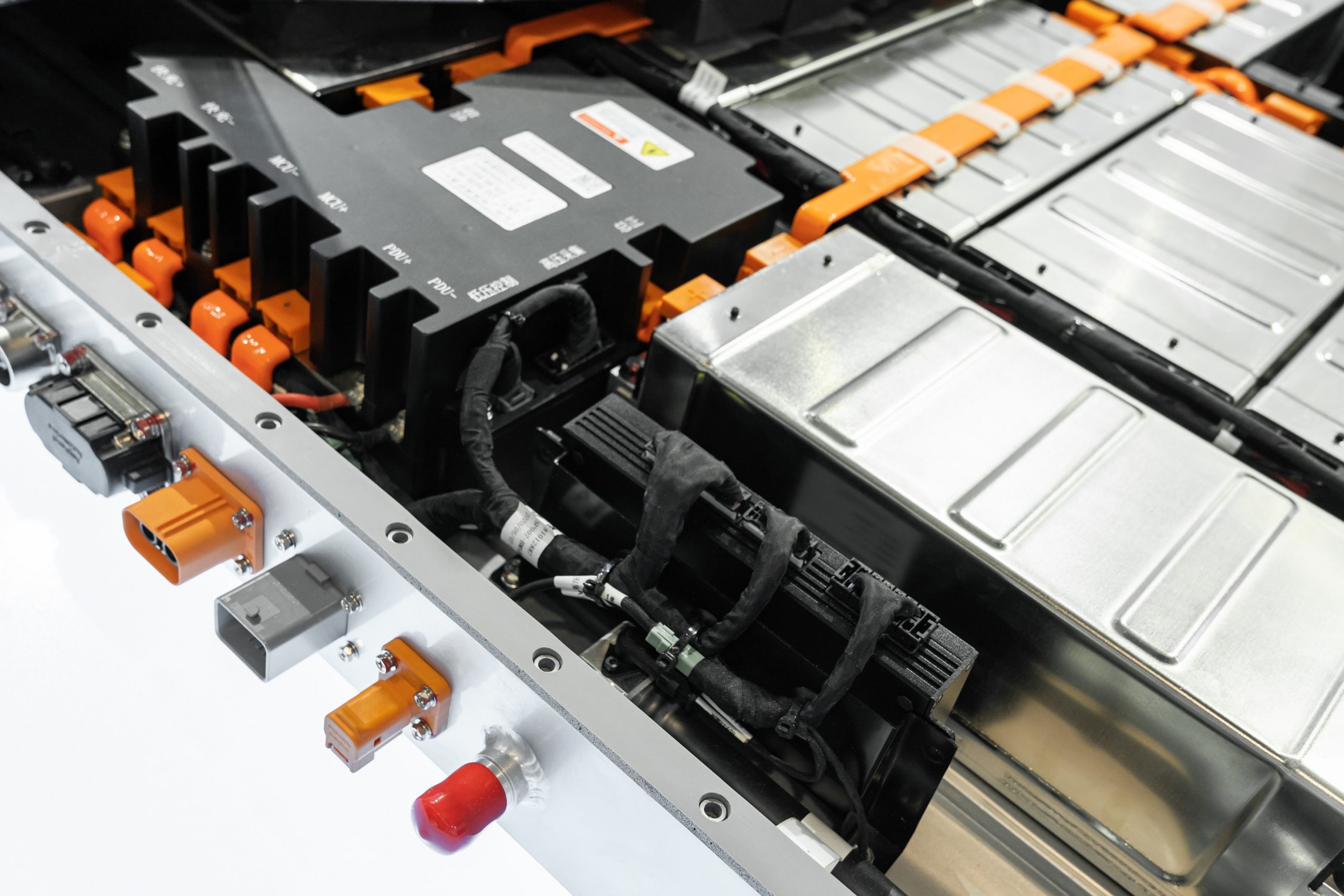
A battery health score refers to the remaining capacity of an electric vehicle’s battery compared with its original capacity when it left the factory. It is usually shown as a percentage. If an EV displays a battery health score of 90 percent, it generally means the battery can store around 90 percent of the energy it was capable of storing when it was new.
This measurement is closely connected to battery degradation, which is the natural reduction in battery performance over time.
Lithium-ion batteries, which power most modern electric vehicles, slowly lose some storage ability because of chemical changes that occur during charging and discharging cycles. This process happens gradually and is expected during normal vehicle use.
A battery health score does not directly represent the exact driving range a vehicle will provide in every situation. Many conditions influence range, including weather, driving speed, road conditions, tyre pressure, passenger load, and use of heating or air conditioning. A battery with 85 percent health may still deliver a suitable range for a driver who mainly travels short distances.
The score also does not show every aspect of battery condition. It mainly focuses on capacity retention, but battery performance also depends on factors such as charging speed, thermal management, cell balance, and the condition of supporting electrical systems.
Different manufacturers and testing services may use different methods to calculate battery health. Some rely on software diagnostics from the vehicle’s battery management system, while others estimate capacity through testing procedures.
Because measurement methods can differ, buyers should understand the source of the report before comparing numbers between different vehicles.
A battery health score is most useful when it provides a realistic picture of how much life remains in the battery. It helps buyers understand whether the vehicle matches their driving requirements and whether the asking price reflects the condition of the EV.
Why Battery Health Matters When Buying a Used EV
The battery is among the most expensive components in an electric vehicle, which makes its condition a major concern for used EV buyers. Unlike replacing a traditional car battery, replacing a full EV battery pack can involve high costs. A battery health report helps buyers estimate the vehicle’s remaining usefulness before making a purchase.
The driving range is the first area where battery health becomes noticeable. As a battery loses capacity, the maximum distance an EV can travel after a full charge may decrease.
For drivers who use their vehicles for daily commuting, small reductions may not create problems. However, people who regularly travel long distances may need a battery with stronger remaining capacity.
A battery health score can also influence the resale value of an electric vehicle. Buyers are becoming more aware of battery condition, and vehicles with clear battery reports often create greater confidence.
A well-documented battery history can make an EV easier to evaluate compared with a vehicle that has unknown battery performance.
Charging behaviour is another important consideration. A battery with good health generally maintains more predictable charging performance. Significant degradation may affect how much energy the battery can accept and how efficiently it operates during daily use.
The battery health score can also help buyers compare different used EV options. For example, two vehicles with similar mileage and pricing may have different battery conditions. The vehicle with better battery health may offer better long-term value, even if other specifications are similar.
However, buyers should avoid judging an EV only by its battery percentage. A vehicle with a slightly lower score may still be a practical purchase if it meets daily travel needs, has a strong service record, and is priced appropriately.
Factors That Affect EV Battery Health Over Time
Several factors influence how quickly an electric vehicle battery loses capacity. One of the most important factors is charging behaviour.
Regularly charging a battery to maximum capacity and leaving it fully charged for long periods can increase stress on battery cells. Many manufacturers recommend keeping daily charging within a certain range to support long-term battery health.
Frequent use of fast charging can also affect battery ageing. Fast chargers provide large amounts of energy quickly, which can create additional heat inside the battery pack. Modern EVs use cooling systems and software controls to manage temperatures, but repeated heavy fast charging may still contribute to increased wear in certain conditions.
Temperature has a major impact on battery performance. High temperatures can speed up chemical reactions inside lithium-ion cells, which may increase degradation over time. Very cold temperatures can temporarily reduce battery efficiency and available range. EV manufacturers use battery heating and cooling systems to reduce the impact of extreme conditions.
Driving habits can influence battery condition as well. Frequent hard acceleration, high-speed driving, and aggressive energy use can place additional demands on the battery system. Smooth driving and proper charging practices generally support healthier battery operation.
Vehicle age and mileage also play a role, but they do not tell the complete story. A high-mileage EV with careful ownership may have better battery health than a lower-mileage vehicle that has experienced poor charging practices or extreme environmental exposure.
How to Check Battery Health Before Buying a Used EV
Before purchasing a used electric vehicle, buyers should request detailed battery information rather than depending only on the dashboard range estimate. A professional battery inspection can provide more accurate information about remaining capacity and battery condition.
A battery diagnostic report may include details such as current usable capacity, charging history, battery temperature information, and any recorded issues. These details can help identify whether the battery has experienced unusual wear or is performing within expected limits.
Checking the remaining battery warranty is also important. Many EV manufacturers provide separate coverage for battery packs, usually based on a combination of years and km driven. Understanding warranty terms can provide additional protection if battery-related issues occur after purchase.
A test drive can reveal useful information about battery performance. Buyers should observe whether the estimated range appears realistic, whether charging behaves normally, and whether the vehicle delivers consistent power during different driving conditions.
The vehicle’s service history should also be reviewed carefully. Records can reveal important information about maintenance, software updates, repairs, and previous ownership. If the vehicle has experienced accidents or repairs involving the battery pack, additional inspection may be necessary.
Buyers should also consider how the previous owner used the vehicle. An EV used mainly for short city trips may have a different battery history compared with one used for frequent highway travel. Understanding previous usage patterns helps create a clearer picture of expected future performance.
Common Misunderstandings About EV Battery Health Scores
Many people assume that a battery health score works like a simple grading system where a higher percentage always means a better vehicle. While a higher score generally indicates more remaining capacity, the complete condition of an EV depends on many other factors.
Some buyers believe that any battery degradation means the vehicle is unreliable. This is not accurate because all lithium-ion batteries naturally lose some capacity over time. A battery that has lost a moderate amount of capacity can still provide dependable performance for many years.
Another misunderstanding is that battery health directly equals driving range. While battery capacity affects range, other factors also influence energy consumption. Weather, driving style, vehicle weight, tyre condition, and climate control use can create significant differences in real-world range.
People also sometimes focus too heavily on mileage. High mileage does not automatically mean poor battery health. EV batteries are designed to handle many charging cycles, and careful use can help maintain good performance even after substantial driving.
A battery report should be viewed as a source of information rather than a final decision maker. It provides valuable insight, but buyers should combine it with vehicle inspections, ownership history, warranty details, and personal driving requirements.
Also Read: 10 Slowest Sports Cars Ever Made
