
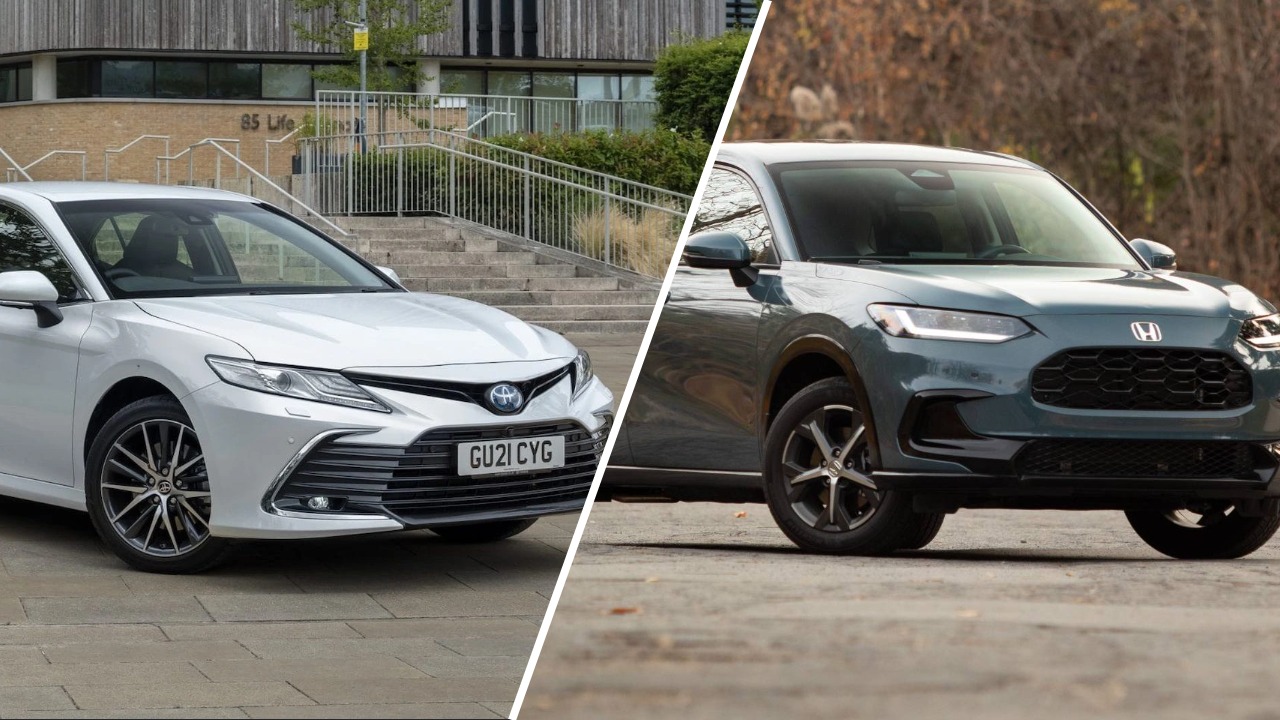
The idea of an American-made vehicle has changed significantly over the past several decades. Many people once connected domestic manufacturing only with traditional American automakers, but modern vehicle production is far more complex.
Cars sold in the United States are built through global supply chains, with manufacturers from different countries operating large factories across the country. This shift has created a surprising situation where several vehicles considered among the most American-made cars are produced by companies headquartered outside the United States.
Recent manufacturing rankings have shown that foreign brands can have a major presence in American vehicle production. Companies from Japan, South Korea, and Germany have invested billions of dollars into U.S. factories, creating jobs, supporting local suppliers, and building vehicles that use a high percentage of American labor and parts.
As a result, a vehicle’s national identity is no longer determined only by the company’s headquarters. Understanding how these rankings are created helps explain why several foreign-brand vehicles now stand alongside traditional American models in terms of domestic production.
Also Read: 10 Three-Pedal Cars That Keep Driving Fun Alive
The Changing Meaning of an American-Made Car
For much of the twentieth century, the phrase American-made car was closely associated with companies such as Ford, General Motors, and Chrysler.
These manufacturers built large factories throughout the United States and became symbols of American industrial strength. Millions of workers were employed in automotive plants, and domestic vehicle production played a major role in economic growth across many communities.
However, the automotive industry began changing as international competition increased. Japanese automakers entered the U.S. market with vehicles known for reliability, efficiency, and affordability.
Instead of only exporting cars from overseas factories, several foreign manufacturers decided to build production facilities inside the United States. These investments changed how consumers viewed imported brands and created a new category of American-built vehicles.
A car’s manufacturing origin depends on several factors, including where it is assembled, where its parts are produced, and how much labor comes from American workers.
A vehicle made by a foreign company in a U.S. factory can have stronger domestic manufacturing ties than a vehicle from an American company that relies heavily on imported components. This distinction has become increasingly important when measuring the true impact of automotive production.
Modern vehicle manufacturing involves thousands of suppliers located across different regions. Engines, transmissions, electronics, batteries, and other components may come from multiple locations before reaching an assembly plant. Because of this complex system, determining how American a vehicle is requires looking beyond the brand name displayed on the grille.
Organizations that rank vehicle production consider several measurements when identifying the most American-made cars.
These evaluations often examine assembly location, percentage of domestic parts, workforce contribution, and supply chain connections. The results frequently show that international automakers with U.S. factories have earned strong positions among the highest-ranked vehicles.
The growth of foreign-owned manufacturing facilities has also changed local economies. Factories operated by companies such as Toyota, Honda, Hyundai, and BMW have created thousands of jobs and encouraged suppliers to establish operations nearby.
These facilities have become important parts of American manufacturing, showing that vehicle production is shaped by investment and employment rather than corporate headquarters alone.
Why Foreign Automakers Build Cars in the United States
Foreign automakers began expanding U.S. production for several practical reasons. Building vehicles closer to major customers reduces transportation costs, improves supply chain efficiency, and allows companies to respond more quickly to market changes.
Producing cars within the United States also helps manufacturers avoid some challenges associated with importing large numbers of vehicles from overseas.
The availability of skilled workers has been another important factor. Many regions across the United States have developed strong manufacturing communities with experienced employees who understand automotive production. International companies have chosen locations where they can access reliable labor forces and create long-term operations.
Government incentives and local economic conditions have also influenced factory decisions. States often compete to attract automotive investments because new manufacturing facilities can bring employment opportunities and increased economic activity.
These agreements may include infrastructure support, training programs, or financial incentives designed to encourage companies to build plants in specific areas.
Supply chain development plays a major role in these decisions. When an automaker establishes a factory, suppliers often move nearby to provide parts and services.
This creates an automotive manufacturing network that supports thousands of additional jobs beyond the assembly plant itself. Over time, these networks make foreign-brand vehicles more deeply connected to the American economy.
Consumer preferences have also encouraged companies to increase domestic production. American buyers often value vehicles built locally, and some customers actively consider manufacturing location when purchasing a car. Producing vehicles in the United States allows international brands to strengthen their connection with American consumers.
The presence of foreign automakers has expanded the definition of American automotive manufacturing. A Toyota, Honda, Hyundai, or BMW vehicle assembled in the United States represents a combination of international engineering and American production. This approach has become a central feature of the modern car industry.
Six Foreign-Brand Vehicles Among America’s Most-Made Cars
Rankings of American-made vehicles have repeatedly shown that foreign brands occupy many top positions.
These rankings measure how much of a vehicle’s production is connected to the United States, including assembly operations and domestic parts usage. The results often surprise consumers who assume that only traditional American brands dominate domestic manufacturing.
Several vehicles from Japanese automakers have performed strongly in these evaluations. Models produced at U.S. facilities benefit from extensive local supply networks and American workers involved throughout the manufacturing process.
These vehicles demonstrate how international companies have developed significant manufacturing operations within the country.
Toyota has become a major example of foreign investment in American automotive production. The company operates multiple manufacturing facilities across the United States, producing popular vehicles for American customers. Its production strategy focuses on maintaining strong connections between factories, suppliers, and local communities.
Honda has also established a significant manufacturing presence in America. Its U.S. plants produce several well-known models and support a large network of employees and suppliers.
The company’s long history of domestic production has helped make some of its vehicles highly ranked in American-made vehicle studies.
Other international brands, including Hyundai and BMW, have expanded their U.S. operations as well. Their factories produce vehicles for both American customers and global markets. These facilities demonstrate how foreign companies have become important contributors to the American automotive sector.
The appearance of multiple foreign brands near the top of manufacturing rankings shows that automotive production has become more global. A vehicle’s connection to America is now measured through its manufacturing footprint, workers, and supply chain rather than only through ownership of the brand.
How American Workers Shape Foreign-Brand Vehicle Production
The role of American workers in automotive manufacturing is a major factor behind the high rankings of many foreign-brand vehicles.
Thousands of employees across the country contribute to designing, assembling, testing, and distributing vehicles produced by international companies. Their skills and experience have helped transform foreign-owned factories into important parts of the U.S. automotive industry.
Assembly workers are responsible for many stages of vehicle production, from installing major components to completing quality inspections.
Modern automobile manufacturing requires careful attention to detail because vehicles contain complex mechanical systems, advanced electronics, and safety technology. Employees at American production facilities play a direct role in ensuring that vehicles meet strict standards before reaching customers.
Engineering and research teams based in the United States also contribute to vehicle development. Some international automakers operate technical centers where engineers study customer preferences, improve vehicle designs, and develop new technologies.
These facilities show that foreign companies are not simply importing finished products but are creating knowledge and innovation within the country.
The impact of these factories extends beyond direct employment. Automotive plants support transportation companies, equipment providers, maintenance businesses, and local suppliers. Communities near manufacturing facilities often experience economic growth because thousands of workers and businesses become connected to vehicle production.
Training programs have become increasingly important as vehicles become more advanced. Electric vehicles, hybrid systems, and digital technology require employees to develop new technical skills. Many automakers invest in workforce development to prepare workers for changes in the automotive industry and maintain efficient production.
The contribution of American workers helps explain why some foreign-brand vehicles rank highly in domestic manufacturing studies. While the companies may have international origins, the people building these vehicles, supporting their production, and maintaining supply networks are part of the American industrial workforce.
Also Read: 10 SUVs That Changed the Automotive Industry Forever
