
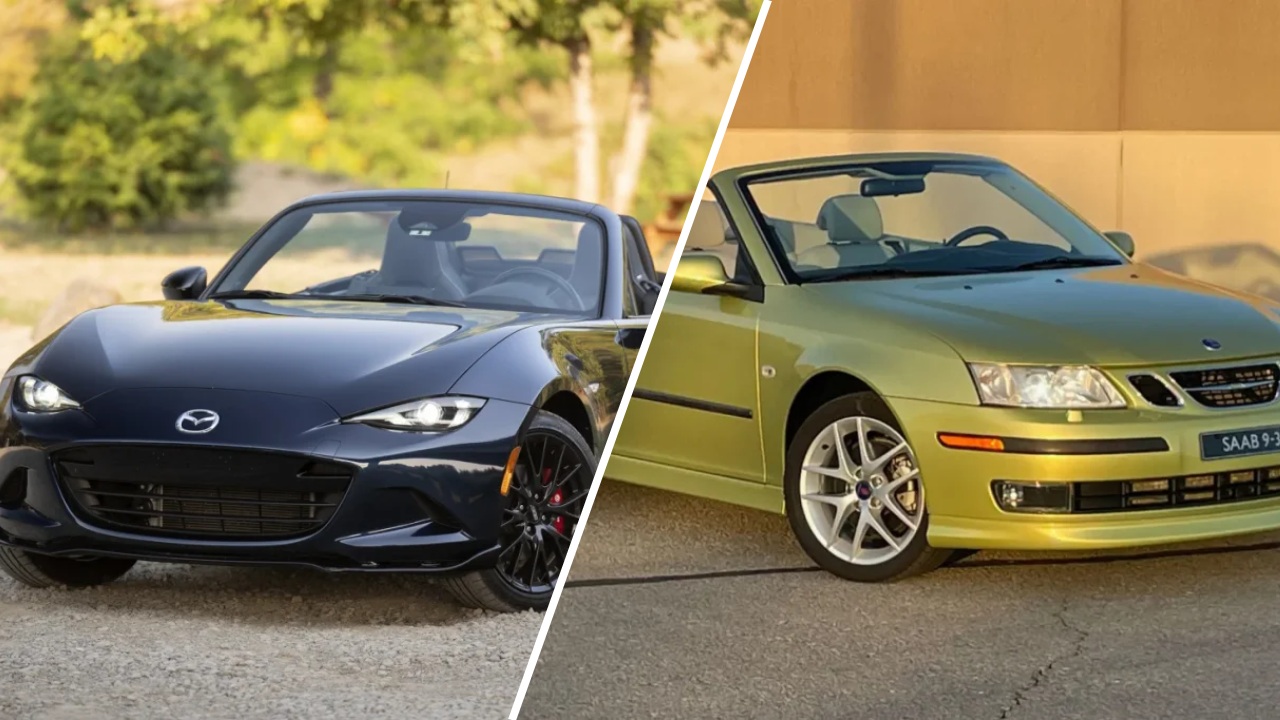
Buying a convertible no longer means sacrificing safety. Modern convertibles incorporate reinforced A-pillars, high-strength steel structures, rollover protection systems, and advanced driver assistance technologies that help them perform impressively in crash testing.
While the Insurance Institute for Highway Safety has evaluated far fewer convertibles than sedans or SUVs, several models have earned excellent ratings in frontal and side-impact testing, with some even receiving IIHS Top Safety Pick recognition.
IIHS research has also found that late-model convertibles are not inherently more dangerous than comparable hardtop versions when driven under similar conditions. The following convertibles stand out for combining enjoyable open-air driving with strong IIHS safety credentials and well-engineered occupant protection.
Also Read: 10 Three-Pedal Cars That Keep Driving Fun Alive
1. Volvo C70
When Volvo introduced the second-generation C70, safety was clearly the company’s highest priority. Unlike many convertibles of its era, the C70 was engineered from the beginning with extensive structural reinforcement instead of adapting an existing coupe.
The result was one of the safest convertibles sold in the United States, earning recognition from IIHS as a Top Safety Pick after performing well in the institute’s crash evaluations.
Volvo equipped the C70 with an unusually comprehensive collection of passive safety systems. Reinforced A-pillars helped maintain survival space during rollover events, while an automatically deploying rollover protection system extended steel hoops behind the rear seats if sensors detected an impending rollover.
Side impacts were addressed through Volvo’s Side Impact Protection System, reinforced door structures, and the unique inflatable curtain that remained effective even without a fixed roof. Few competitors offered that level of occupant protection at the time.
The retractable hardtop also contributed to structural rigidity when closed, allowing engineers to design a stronger passenger compartment without significantly compromising the driving experience.
Front-seat occupants benefited from advanced airbags, active head restraints, and carefully engineered crumple zones designed to absorb collision energy before it reached the cabin.
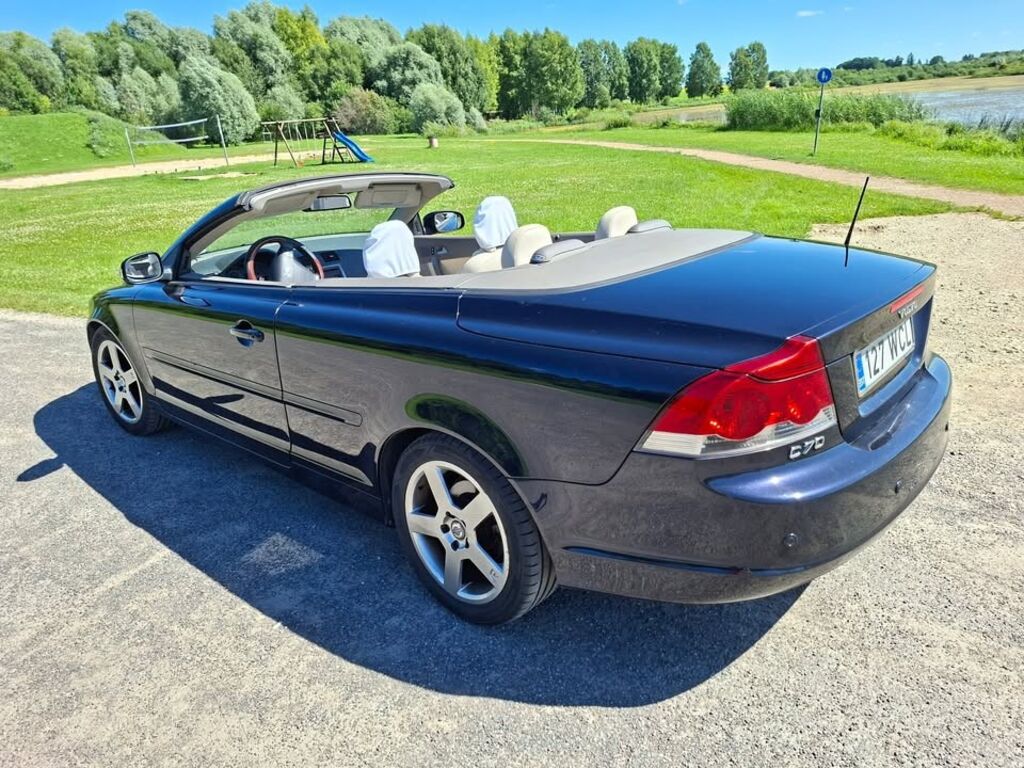
Beyond crash performance, Volvo included electronic stability control, anti-lock brakes, traction control, and later model-year driver assistance features that helped drivers avoid collisions altogether. These technologies complemented the vehicle’s strong structural engineering rather than replacing it.
Although production ended after the 2013 model year, the C70 remains one of the most accomplished safety-focused convertibles available on the used market. Its IIHS recognition and Volvo’s long-standing emphasis on occupant protection make it a benchmark among open-top vehicles.
Specifications
- Engine: 2.5-liter turbocharged inline-five
- Torque: 236 lb-ft
- Horsepower: 227 hp
- Length/Width: 180.4 inches / 72.2 inches
2. Saab 9-3 Convertible
Saab built its reputation around aviation-inspired engineering, and that philosophy extended directly into the 9-3 Convertible. Rather than simply removing the roof from the sedan, Saab reinforced the floor, rocker panels, windshield frame, and rear body structure to preserve crash protection.
The finished product earned good ratings in IIHS frontal and side-impact evaluations conducted on the 9-3 platform, placing it among the safest convertibles of its generation.
A defining feature was Saab’s active rollover protection system. If onboard sensors detected conditions that suggested a rollover, steel rollover bars deployed from behind the rear seats within fractions of a second.
Combined with an exceptionally strong windshield frame, these components created additional occupant survival space should the vehicle overturn.
The 9-3 also incorporated front airbags, side torso airbags, active head restraints, reinforced safety cages, and carefully engineered crumple zones.
Engineers devoted considerable attention to side-impact performance because convertibles lack the structural support provided by a fixed roof. The reinforced doors and body shell compensated for that limitation while maintaining respectable vehicle dynamics.
Electronic Stability Control became standard on later model years and significantly improved accident avoidance during emergency maneuvers. Anti-lock braking and traction control further enhanced driver confidence during poor weather conditions.
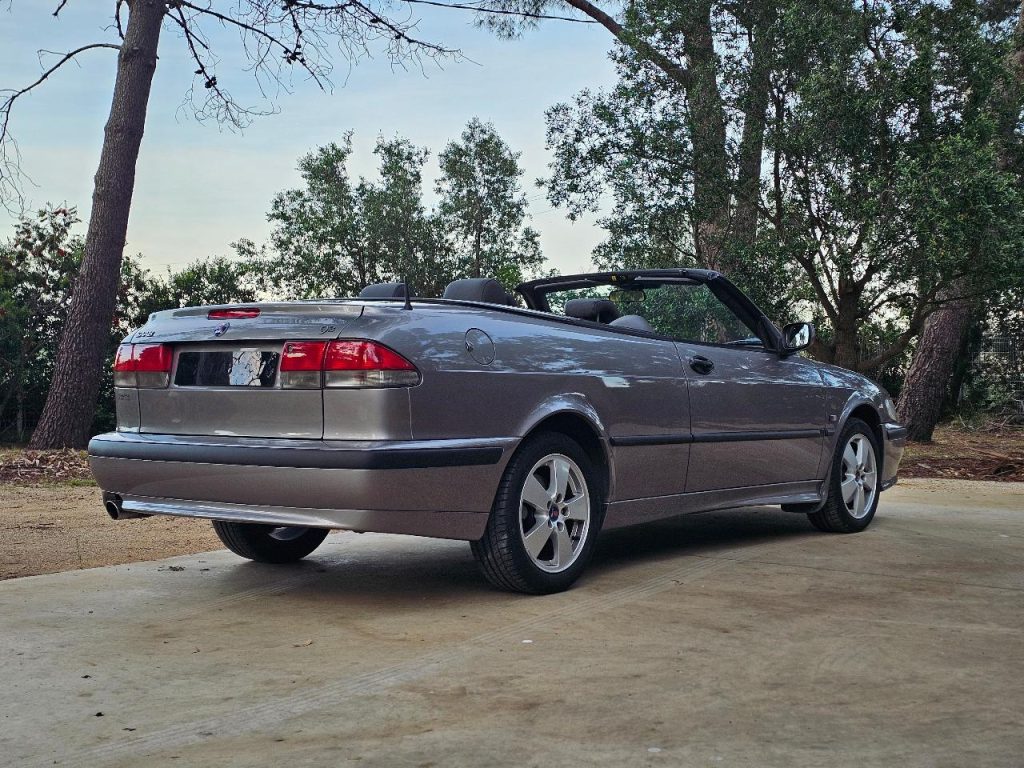
Even years after production ceased, the 9-3 Convertible continues to be recognized by safety enthusiasts for combining enjoyable open-air driving with engineering that prioritized occupant protection instead of treating safety as an afterthought.
It remains one of the strongest examples of how thoughtful structural design can allow a convertible to perform impressively in crash testing.
Specifications
- Engine: 2.0-liter turbocharged inline-four
- Torque: 258 lb-ft
- Horsepower: 220 hp
- Length/Width: 182.5 inches / 69.3 inches
3. BMW 4 Series Convertible
Luxury convertibles are often expected to deliver comfort and performance first, yet the BMW 4 Series convertible also benefits from a platform that demonstrated strong crash protection in IIHS evaluations.
While IIHS tested the coupe rather than the convertible itself, the convertible shares the same fundamental architecture and incorporates additional structural reinforcement to compensate for the absence of a fixed roof. BMW engineered these reinforcements without compromising occupant safety or driving dynamics.
High-strength steel forms the backbone of the passenger compartment, creating a rigid safety cell designed to maintain survival space during severe impacts.
The front and rear crumple zones progressively absorb crash energy before it reaches occupants, while reinforced rocker panels and crossmembers help restore much of the rigidity lost when the roof is removed.
BMW equipped the 4 Series Convertible with multiple airbags, including front, side-thorax, and knee airbags for the driver. In the event of a rollover, spring-loaded rollover protection bars deploy automatically from behind the rear seats within milliseconds.
Combined with the reinforced windshield frame, these components help provide additional protection during overturn incidents.
Accident avoidance technology further strengthens the safety package. Depending on trim and model year, buyers could equip the car with forward collision warning, automatic emergency braking, lane departure warning, blind spot detection, and adaptive headlights.
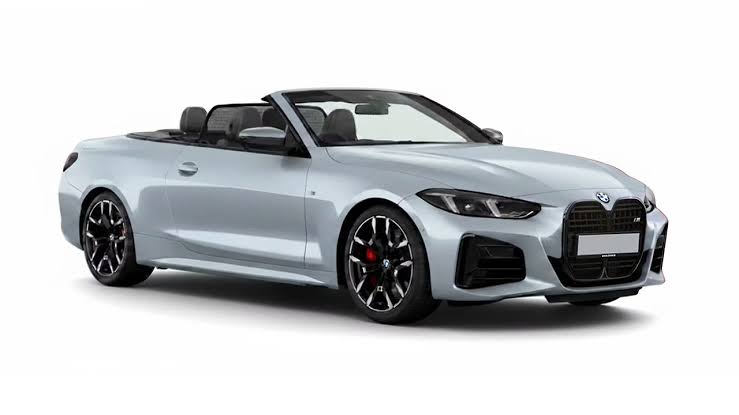
These systems work alongside dynamic stability control and the anti-lock braking system to help drivers avoid collisions before they occur.
The BMW 4 Series Convertible demonstrates that a premium open-top car can deliver engaging handling while maintaining excellent occupant protection. Its engineering, advanced restraint systems, and comprehensive safety technologies place it among the strongest modern convertibles available in the United States.
Specifications
- Engine: 2.0-liter turbocharged inline-four (430i)
- Torque: 258 lb-ft
- Horsepower: 248 hp
- Length/Width: 182.7 inches / 71.9 inches
4. Mercedes-Benz E-Class Cabriolet
Mercedes-Benz has long emphasized occupant protection, and the E-Class Cabriolet reflects decades of safety development.
Built on the same platform as the E-Class Coupe, which earned excellent IIHS crash-test ratings and Top Safety Pick+ recognition in applicable model years, the convertible version incorporates additional reinforcement to preserve structural integrity despite its folding soft top.
The passenger compartment uses extensive high-strength steel and aluminum components to create a rigid safety cage. Engineers strengthened the floor structure, side sills, and windshield frame to withstand crash forces that convertibles traditionally struggle to manage.
Automatic rollover bars deploy behind the rear seats when sensors detect the possibility of a rollover, adding another layer of occupant protection.
Mercedes also fitted the E-Class Cabriolet with one of the most comprehensive collections of active safety technologies in its segment. Standard and available systems include Active Brake Assist, Attention Assist, Blind Spot Assist, Active Lane Keeping Assist, PRE-SAFE occupant protection, adaptive cruise control, and evasive steering assistance.
These technologies help reduce the likelihood of collisions while supporting the vehicle’s already robust crash structure.
A combination of advanced restraint systems is used to protect front occupants during a collision. Side-impact protection is provided by dedicated pelvis and thorax airbags, while the seatbelt system is equipped with automatic pretensioners and load limiters to improve occupant restraint and reduce crash forces.
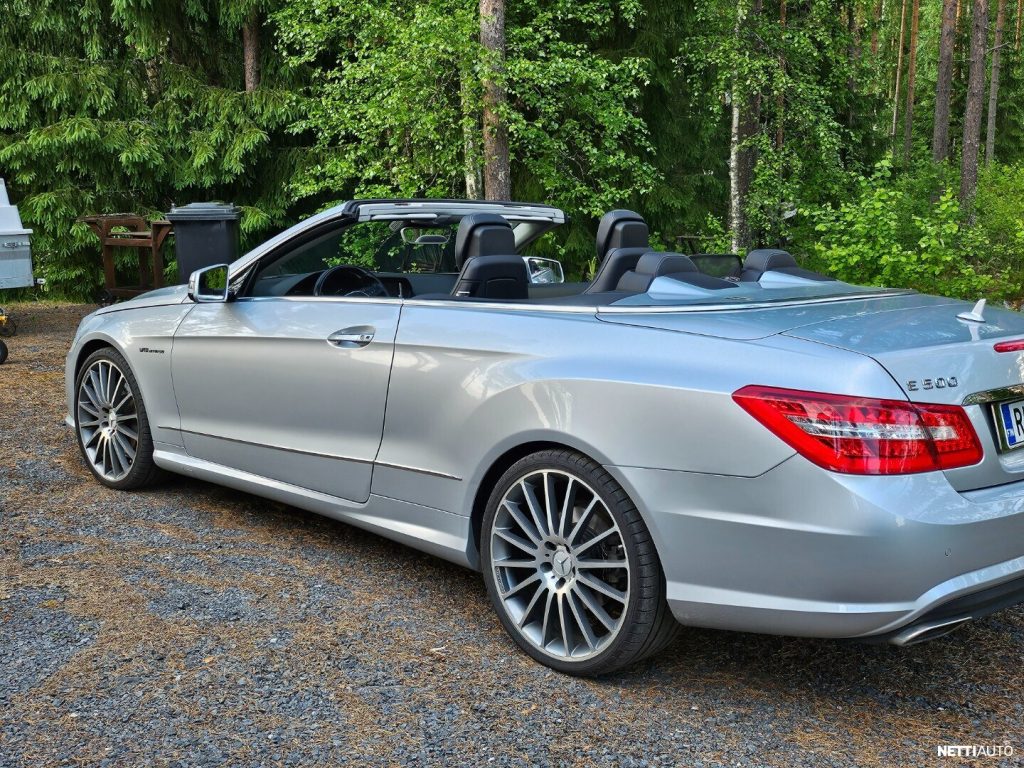
Together, these features contribute to a sophisticated occupant protection strategy that extends well beyond basic crashworthiness.
For buyers seeking a refined grand touring convertible without sacrificing safety, the E-Class Cabriolet stands near the top of the class. Its combination of advanced engineering, proven platform performance, and extensive driver assistance technology makes it one of the safest luxury convertibles offered in the U.S. market.
Specifications
- Engine: 2.0-liter turbocharged inline-four (E 450 used a 3.0 L I6 from 2021; U.S. base shown is E 350 for 2020)
- Torque: 273 lb-ft
- Horsepower: 255 hp
- Length/Width: 190.0 inches / 73.2 inches
5. Mazda MX-5 Miata
The Mazda MX-5 Miata has remained America’s best-selling roadster because it focuses on lightweight engineering and precise handling, yet safety has never been an afterthought.
Although IIHS has not conducted a complete crash-test program on the soft-top Miata itself, the RF (Retractable Fastback) variant and the underlying ND platform have demonstrated strong occupant protection through Mazda’s structural engineering and available safety technology.
The vehicle was designed to meet stringent U.S. crash standards despite its compact size and open-top configuration. Mazda engineers relied extensively on high-strength steel to create a rigid passenger compartment while keeping curb weight low.
The windshield frame is reinforced to help maintain occupant space during rollover events, and the structure surrounding the cabin is engineered to direct crash forces away from occupants.
Every Miata sold in the United States includes front and side airbags, stability control, traction control, anti-lock brakes, and brake assist as standard equipment.
Beginning with later model years, many trims added the i-Activsense suite of driver assistance features. Depending on trim level, buyers could receive smart city brake support, blind-spot monitoring, rear cross-traffic alert, lane departure warning, and adaptive front lighting.
These technologies complement the Miata’s excellent visibility and responsive handling, helping drivers avoid accidents before they occur.
Another safety advantage comes from the car’s balanced chassis and predictable steering. While active safety cannot replace a strong structure, the Miata’s handling characteristics allow drivers to respond confidently during emergency maneuvers.
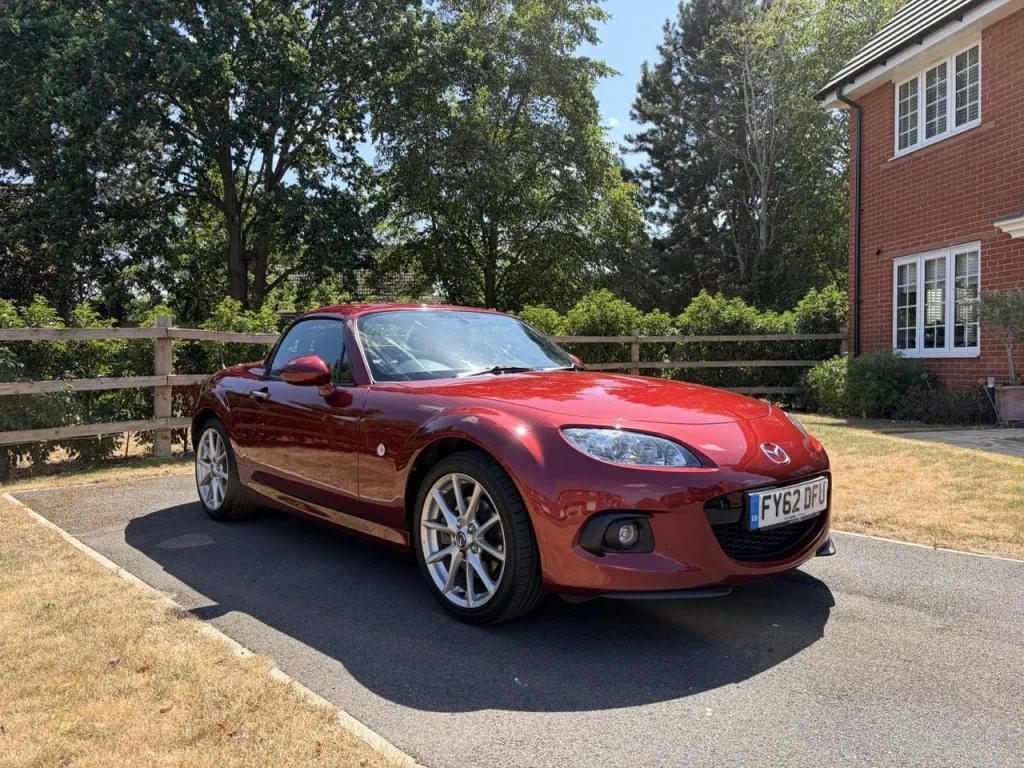
The MX-5 Miata proves that a lightweight sports convertible can still prioritize occupant protection. Its carefully engineered body structure, comprehensive standard safety equipment, and available driver assistance technologies make it one of the safest compact convertibles available in the U.S. market.
Specifications
- Engine: 2.0-liter Skyactiv-G inline-four
- Torque: 151 lb-ft
- Horsepower: 181 hp
- Length/Width: 154.1 inches / 68.3 inches
6. Audi A5 Cabriolet
The Audi A5 Cabriolet benefits from one of the strongest foundations in the luxury convertible segment. It shares its MLB Evo architecture with the A5 Coupe, a model that received excellent IIHS crash-test ratings and earned Top Safety Pick recognition in applicable years.
Audi strengthened the convertible’s body shell with reinforced side sills, crossmembers, and a heavily reinforced windshield frame to preserve crash protection without significantly affecting refinement.
Instead of relying on a retractable hardtop, Audi chose a lightweight fabric roof that folds compactly while allowing engineers to concentrate reinforcement where it contributes most to occupant safety.
Hidden rollover protection bars deploy automatically if onboard sensors detect an imminent rollover. These bars work together with the reinforced windshield header to create additional survival space during an overturn.
The A5 Cabriolet also includes an extensive collection of standard and available driver assistance systems. Depending on model year and trim, these include Audi Pre Sense City with automatic emergency braking, forward collision warning, lane departure warning, adaptive cruise assist, rear cross-traffic assist, and blind spot monitoring.
Electronic Stability Control and Quattro all-wheel drive, where equipped, further enhance control during adverse weather and emergencies.
Audi equipped the cabin with multiple layers of occupant protection, including front, side-thorax, and knee airbags paired with advanced seatbelt pretensioners to help keep passengers securely positioned during an impact. The vehicle’s front and rear crumple zones are engineered to dissipate crash energy before it can reach the passenger compartment, providing another level of protection in a collision.
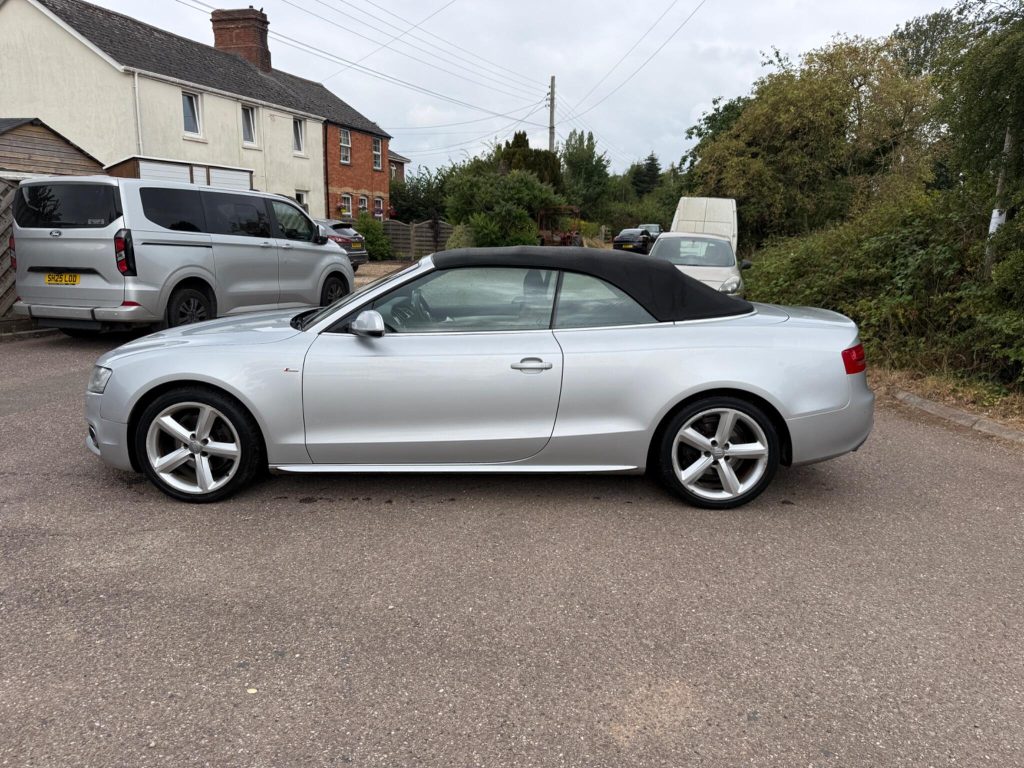
For buyers who want premium comfort with open-air driving, the A5 Cabriolet delivers an impressive balance of luxury and occupant protection. Its reinforced structure, advanced restraint systems, and sophisticated crash avoidance technology place it among the safest convertibles sold in the United States.
Specifications
- Engine: 2.0-liter turbocharged inline-four
- Torque: 273 lb-ft
- Horsepower: 261 hp
- Length/Width: 184.9 inches / 72.7 inches
7. Lexus LC 500 Convertible
The Lexus LC 500 Convertible entered the U.S. market with an emphasis on grand touring luxury, but its engineering also reflects Toyota’s long-standing commitment to occupant protection.
Although IIHS has not conducted a separate crash test of the convertible, the LC platform incorporates the same advanced structural design principles used throughout Lexus’ modern lineup.
The body was engineered from the beginning to support both coupe and convertible variants, allowing engineers to integrate additional reinforcement without significantly compromising rigidity.
The convertible’s chassis makes extensive use of ultra-high-strength steel, aluminum, and composite materials. Lexus reinforced the rocker panels, rear bulkhead, floor structure, and windshield frame to compensate for the absence of a fixed roof.
Automatic rollover protection bars deploy behind the rear seats if onboard sensors detect an impending rollover, working alongside the reinforced A-pillars to help preserve occupant space.
Safety extends beyond the body structure. Every LC 500 Convertible sold in the United States includes the Lexus Safety System+ suite as standard equipment.
Features include a pre-collision system with pedestrian detection, lane departure alert with steering assist, dynamic radar cruise control, automatic high beams, and road sign assist.
These technologies are designed to reduce the likelihood of collisions while supporting the driver’s awareness in a wide range of conditions.
The cabin is designed to enhance occupant safety through a combination of advanced restraint systems and impact-mitigation features. Front passengers are protected by multiple airbags, including knee airbags and seat-mounted side airbags, while pretensioning seatbelts help secure occupants during a collision. In addition, strategically engineered energy-absorbing structures reduce the forces transmitted to occupants in the event of a severe impact.
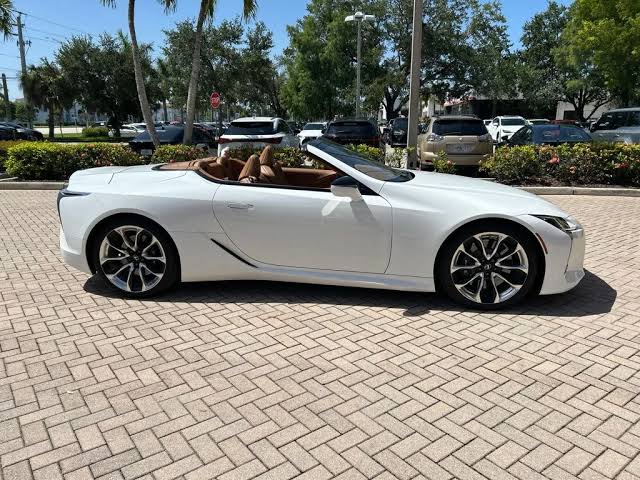
The LC 500 Convertible demonstrates that a high-performance luxury convertible can provide exceptional refinement while maintaining a strong focus on safety.
Its reinforced platform, comprehensive driver assistance technology, and advanced restraint systems make it one of the most confidence-inspiring open-top vehicles available in the American market.
Specifications
- Engine: 5.0-liter naturally aspirated V8
- Torque: 398 lb-ft
- Horsepower: 471 hp
- Length/Width: 188.9 inches / 75.6 inches
8. MINI Cooper Convertible
The MINI Cooper Convertible offers a distinctly different approach to open-air driving. Its compact dimensions and agile handling make it well suited to city streets, but beneath its playful personality lies a carefully engineered structure designed to meet modern U.S. safety standards.
While IIHS evaluated the hardtop model rather than the convertible, the convertible shares the same basic architecture and incorporates additional reinforcement specifically developed for roofless operation.
Engineers strengthened the side sills, underbody, transmission tunnel, and windshield frame to maintain structural integrity. The car also features active rollover protection. If sensors detect a possible rollover, reinforced rollover bars deploy automatically from behind the rear seats in fractions of a second.
Together with the reinforced windshield frame, these components help create additional occupant protection during an overturn.
Mini equips the convertible with a comprehensive list of safety technologies. Standard equipment includes electronic stability control, an anti-lock braking system, brake assist, multiple airbags, and a rearview camera.
Depending on trim level and option packages, buyers can add forward collision warning, automatic emergency braking, lane departure warning, adaptive cruise control, and parking assistant. These features provide an extra layer of protection during everyday driving.
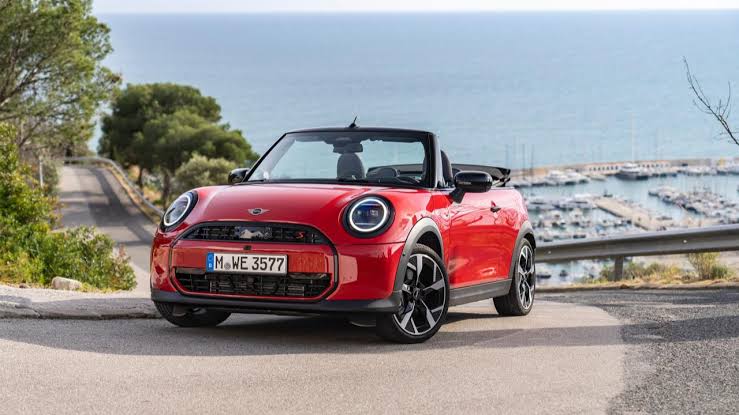
The compact size of the MINI also contributes to excellent outward visibility, allowing drivers to spot surrounding traffic more easily than in many larger convertibles. Combined with quick steering and predictable handling, the vehicle encourages confident responses during emergency maneuvers.
For buyers seeking a small convertible that blends enjoyable driving with modern safety engineering, the Mini Cooper convertible remains one of the strongest choices. Its reinforced body structure, rollover protection, and available driver assistance systems make it a well-rounded option in the U.S. market.
Specifications
- Engine: 2.0-liter turbocharged inline-four (Cooper S Convertible)
- Torque: 206 lb-ft
- Horsepower: 189 hp
- Length/Width: 152.8 inches / 68.0 inches
Also Read: 10 Inline-Six Engines That Became Automotive Legends
