
The National Highway Traffic Safety Administration (NHTSA) maintains one of the largest public databases of owner-reported vehicle complaints in the United States. These complaints cover potential safety defects, mechanical failures, electrical problems, and other issues submitted directly by vehicle owners.
A high complaint count does not automatically mean every vehicle is unreliable because production volume and years on the market also influence totals. However, consistently high complaint numbers often point toward recurring problems that affect large numbers of owners.
The following sedans have accumulated some of the highest volumes of NHTSA owner complaints, with each vehicle associated with well-documented defect trends or recurring mechanical concerns.
Also Read: 10 SUVs That Changed the Automotive Industry Forever
1. Nissan Altima
Among mainstream sedans sold in the United States, the Nissan Altima has accumulated one of the largest totals of owner complaints in the NHTSA database. Complaint records span multiple generations, although the 2013 through 2016 models account for a particularly significant portion of the total.
The continuously variable transmission (CVT) remains the issue most frequently cited by owners, with reports describing hesitation, shuddering, delayed acceleration, loss of power, and complete transmission failure. NHTSA complaint records also include concerns involving steering, electrical systems, airbags, and braking performance.
The CVT generated widespread attention because many failures occurred well before owners expected major drivetrain repairs. Drivers often reported vibration during acceleration before the transmission entered a fail-safe mode that substantially reduced vehicle speed.
Some complaints described sudden loss of power while merging onto highways or crossing intersections, raising safety concerns beyond simple reliability.
In addition to transmission issues, owners submitted complaints involving malfunctioning hood latches, steering column locks on earlier models, electrical failures, and intermittent warning lights. While not every Altima experienced these problems, the consistency of reports across multiple model years contributed to the sedan’s exceptionally high complaint volume.
Nissan responded over the years with software updates, warranty extensions for certain CVT-equipped vehicles, and various Technical Service Bulletins addressing specific concerns. Even so, complaint totals continued to grow because millions of Altimas were sold throughout the United States.
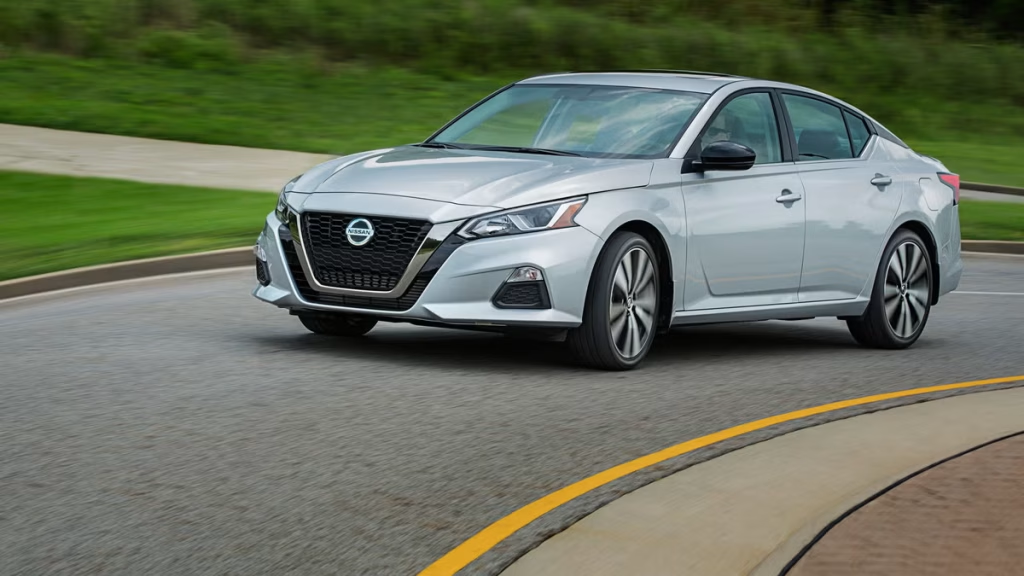
Anyone considering a used Altima should carefully review its maintenance history, verify whether applicable service campaigns have been completed, and evaluate transmission operation during a thorough road test.
Specifications
- Engine: 2.5-liter inline-four
- Torque: 178 lb-ft
- Horsepower: 188 hp
- Length/Width: 192.9 inches / 72.9 inches
2. Toyota Camry
The Toyota Camry has accumulated one of the largest numbers of NHTSA owner complaints of any sedan in America. This reflects both its enormous sales volume over several decades and several well-documented issues affecting specific generations.
Because millions of Camrys have been sold in the United States, even isolated defects can produce thousands of owner reports. Complaint categories include excessive oil consumption on certain four-cylinder engines, unintended acceleration reports from earlier generations, braking concerns, airbag issues, and transmission-related complaints.
One of the most publicized complaint trends involved unintended acceleration allegations affecting late-2000s models. These reports ultimately resulted in major recalls involving accelerator pedals, floor mat interference, and software updates.
Other owners reported excessive engine oil consumption on some 2.4-liter four-cylinder engines, requiring oil level checks between scheduled maintenance intervals.
Airbag complaints also appear frequently in the NHTSA database because numerous Camry model years were included in the industry-wide Takata airbag recalls. While the recall addressed the defect, owner submissions significantly increased the model’s cumulative complaint total.
Despite these complaint numbers, it is important to consider context. The Camry remains one of the highest-selling sedans in the United States, and complaint totals reflect decades of production involving millions of vehicles. Many owners continue to report excellent long-term durability after recall repairs and routine maintenance.
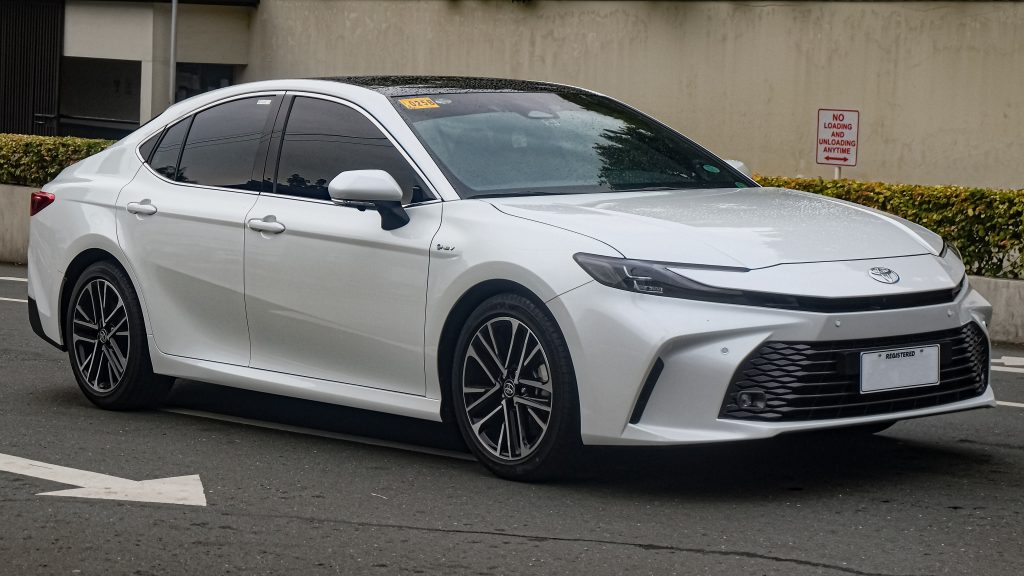
Prospective buyers should focus on specific model years instead of judging the entire Camry nameplate by cumulative complaint totals. Verifying recall completion and reviewing service records remain important steps before purchasing any used example.
Specifications
- Engine: 2.5-liter hybrid inline-four
- Torque: 163 lb-ft (engine)
- Horsepower: 225 hp (combined system)
- Length/Width: 193.5 inches / 72.4 inches
3. Honda Accord
The Honda Accord has earned a reputation as one of America’s most dependable family sedans, yet it also ranks among the vehicles with the highest cumulative number of NHTSA owner complaints.
The primary reason is simple: the Accord has been one of the best-selling passenger cars in the United States for decades. Millions have been sold, and several generations have experienced recurring issues that generated substantial owner feedback through the NHTSA complaint database.
A significant share of complaints involves model years equipped with the 2.4-liter four-cylinder engine that developed excessive oil consumption in some vehicles. Owners described the need to add engine oil between scheduled services, and prolonged operation with low oil levels occasionally contributed to engine wear.
Earlier V6-equipped Accords also generated complaints related to automatic transmission failures, particularly in the early 2000s, leading Honda to extend warranty coverage for certain vehicles.
Another major contributor to the complaint total was the industry-wide Takata airbag recall. Numerous Accord model years were affected, resulting in a large number of owner submissions concerning airbag inflators and recall completion.
Additional complaints involve steering, electrical accessories, brake components, and starter failures on certain newer generations.
Despite these issues, the Accord continues to be regarded as a durable sedan because the complaints are concentrated within specific production years rather than the entire model history. Many Accords routinely exceed 200,000 miles with proper maintenance and timely recall repairs.
When evaluating a used Accord, buyers should verify that all recall work has been completed, inspect maintenance records carefully, and pay particular attention to engine oil history and transmission operation if purchasing an older V6 model.
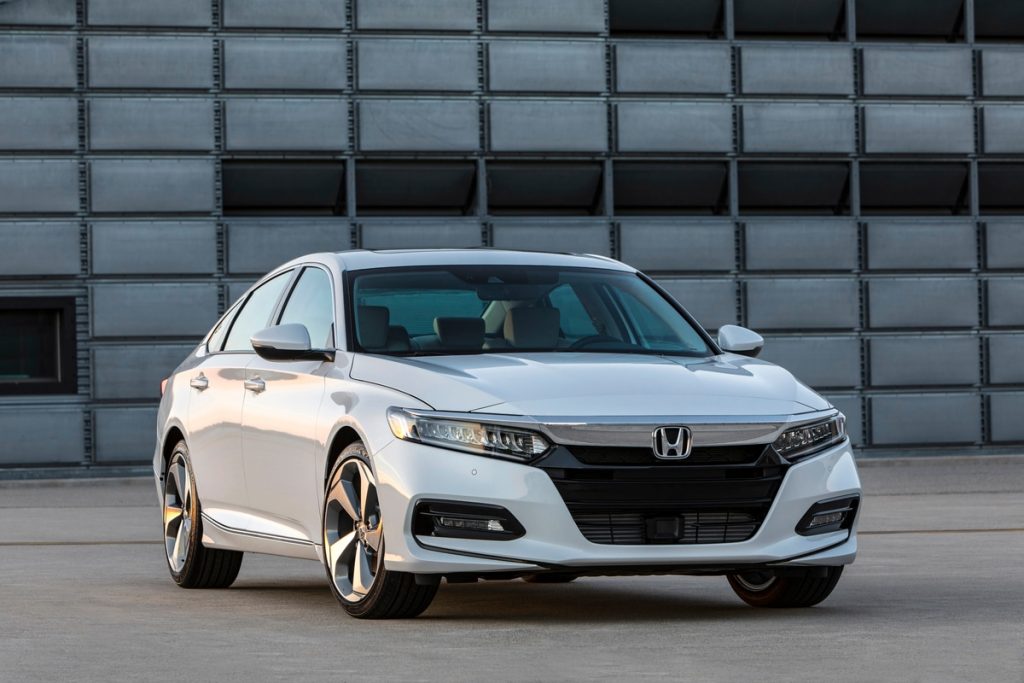
Looking at the vehicle’s specific model year is far more informative than relying solely on cumulative complaint totals.
Specifications
- Engine: 1.5-liter turbocharged inline-four
- Torque: 192 lb-ft
- Horsepower: 192 hp
- Length/Width: 196.1 inches / 73.3 inches
4. Hyundai Sonata
The Hyundai Sonata has accumulated a substantial number of NHTSA owner complaints across several generations, with the highest concentrations involving the 2011 through 2015 and 2015 through 2019 model years.
The complaint database includes recurring reports involving engine failures, electrical systems, steering, braking components, and fuel system concerns. Many of these reports are associated with vehicles powered by the 2.0-liter turbocharged and 2.4-liter Theta II engines.
Engine-related complaints account for one of the largest categories. Owners reported knocking noises, sudden loss of power, engine seizure, and illuminated warning lights, sometimes occurring without significant prior symptoms.
These reports contributed to multiple recalls and warranty extensions covering affected engine families. NHTSA investigations also examined engine failure trends involving certain Hyundai vehicles equipped with Theta II engines.
Beyond the powertrain, owners submitted complaints involving steering couplers that produced noticeable clicking sounds, premature suspension wear, and intermittent electrical issues affecting dashboard displays and safety systems.
Airbag and seat belt complaints also appear throughout the complaint database, although many were addressed through manufacturer recalls or service campaigns.
It is important to view these complaints in context. Hyundai sold large numbers of Sonatas throughout the United States, meaning cumulative complaint totals naturally increased over time.
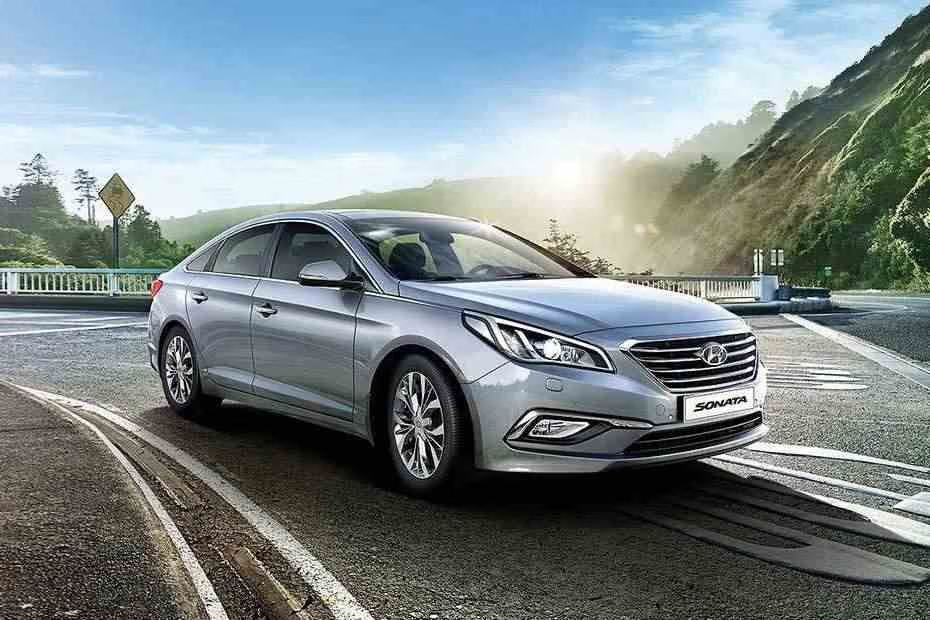
Newer generations have benefited from updated engine designs, revised manufacturing processes, and improved quality control intended to reduce the issues seen in earlier production years.
Anyone shopping for a used Sonata should confirm that recall work has been completed, review engine service records carefully, and verify whether warranty extensions or engine replacement programs apply to the specific vehicle under consideration.
Specifications
- Engine: 2.5-liter inline-four
- Torque: 181 lb-ft
- Horsepower: 191 hp
- Length/Width: 192.9 inches / 73.2 inches
5. Chevrolet Malibu
The Chevrolet Malibu has been a fixture in the midsize sedan segment for decades, and its long production history has resulted in one of the largest cumulative totals of owner complaints in the NHTSA database.
While the Malibu has served millions of American drivers reliably, certain model years generated recurring reports involving steering, engine performance, transmission operation, electrical systems, and braking components.
One of the best-known issues affected electric power steering systems in several late-2000s and early-2010s models. Owners described sudden loss of power steering assist, causing the steering wheel to become significantly heavier, especially at lower speeds.
The volume of complaints eventually contributed to recalls and customer satisfaction programs covering affected vehicles.
Electrical problems have also appeared frequently in complaint records. Some owners experienced intermittent instrument cluster failures, malfunctioning body control modules, and warning lights that appeared without a clear mechanical cause.
Certain model years equipped with the 2.4-liter engine also generated complaints related to excessive oil consumption and timing chain wear, although these concerns varied by production year.
Transmission concerns represent another recurring theme. Drivers reported harsh shifting, hesitation during acceleration, and occasional transmission failure after higher mileage. While not every Malibu experienced these issues, they appeared often enough in the NHTSA database to become recognizable complaint trends.
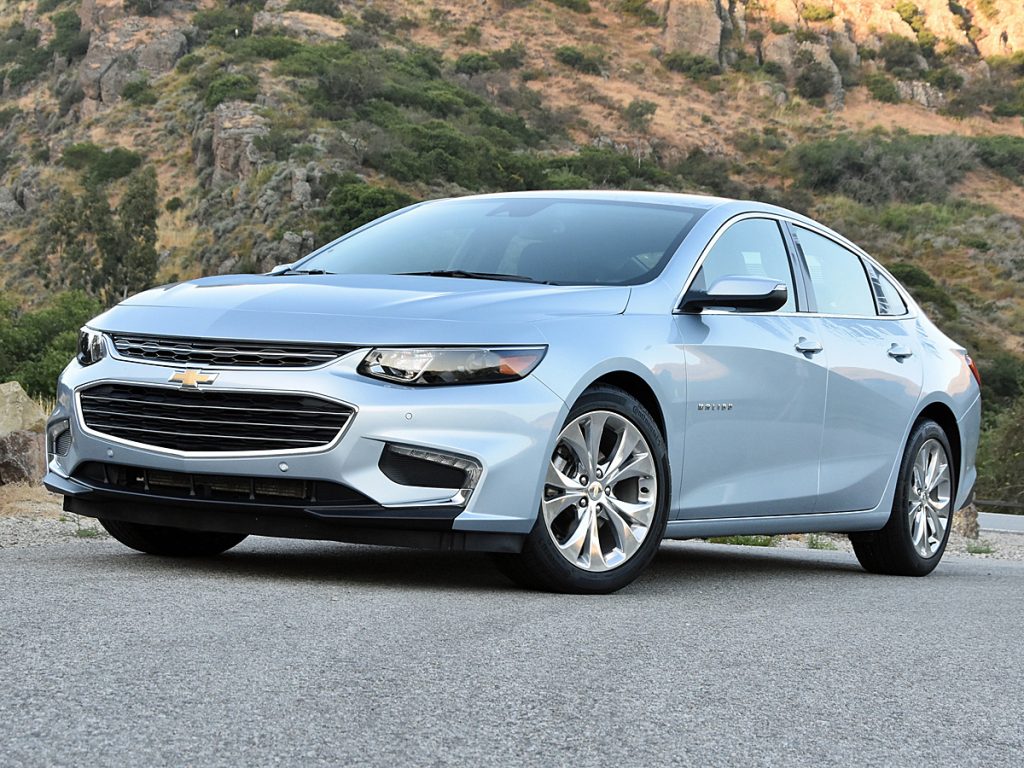
Because the Malibu has been sold in large numbers across multiple generations, cumulative complaint totals are naturally high.
Buyers should therefore evaluate individual model years rather than the entire nameplate. Reviewing recall history, verifying maintenance documentation, and confirming proper steering operation remain essential steps before purchasing a used Malibu.
Specifications
- Engine: 1.5-liter turbocharged inline-four
- Torque: 184 lb-ft
- Horsepower: 160 hp
- Length/Width: 194.2 inches / 73.0 inches
6. Ford Fusion
The Ford Fusion enjoyed strong sales throughout its production run and became one of the company’s most successful passenger cars in the United States. That popularity also means it has accumulated a significant number of NHTSA owner complaints over the years.
Complaint records include recurring issues involving automatic transmissions, steering systems, engine cooling, door latches, electrical components, and brake systems.
One of the most widely reported concerns involved electronic power steering failures on certain model years. Owners described the sudden loss of steering assist accompanied by dashboard warning messages.
This issue resulted in recalls affecting many Fusion vehicles and remains one of the model’s most recognizable complaint categories.
Another recurring issue involved door latch failures. Some owners reported that doors either would not latch properly or unexpectedly opened while driving. Ford addressed this problem through multiple recalls covering affected production years.
Models equipped with EcoBoost engines also generated complaints concerning coolant intrusion on specific engine families. In certain cases, coolant entered the combustion chambers, potentially causing engine misfires or requiring engine replacement.
Although the issue did not affect every EcoBoost-powered Fusion, it became one of the more discussed reliability concerns for later production years.
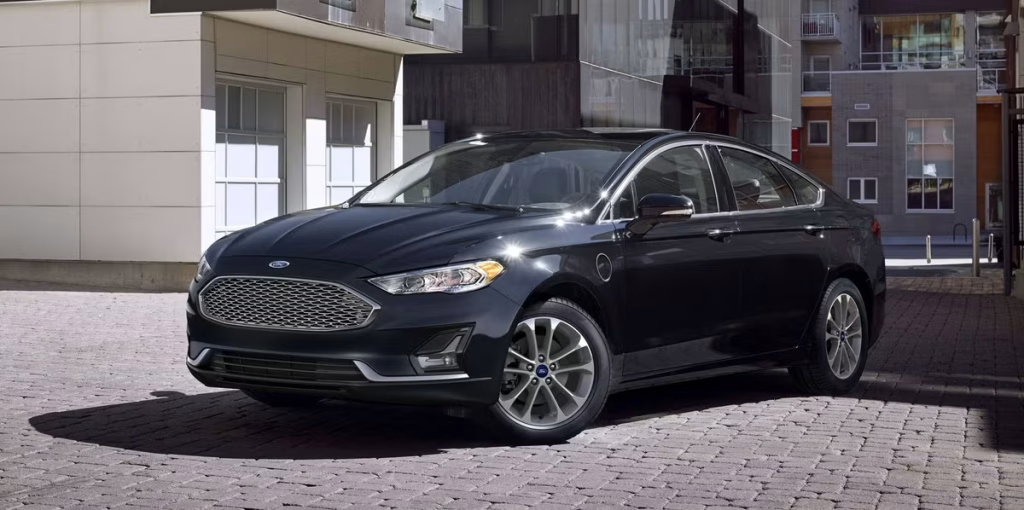
The Fusion’s cumulative complaint total should also be viewed alongside its production volume. Millions were sold across the United States, and many continue to provide dependable service after recall repairs and regular maintenance.
Prospective buyers should verify recall completion, inspect service history carefully, and evaluate steering and engine performance during a comprehensive pre-purchase inspection.
Specifications
- Engine: 1.5-liter EcoBoost turbocharged inline-four
- Torque: 184 lb-ft
- Horsepower: 181 hp
- Length/Width: 191.8 inches / 75.2 inches
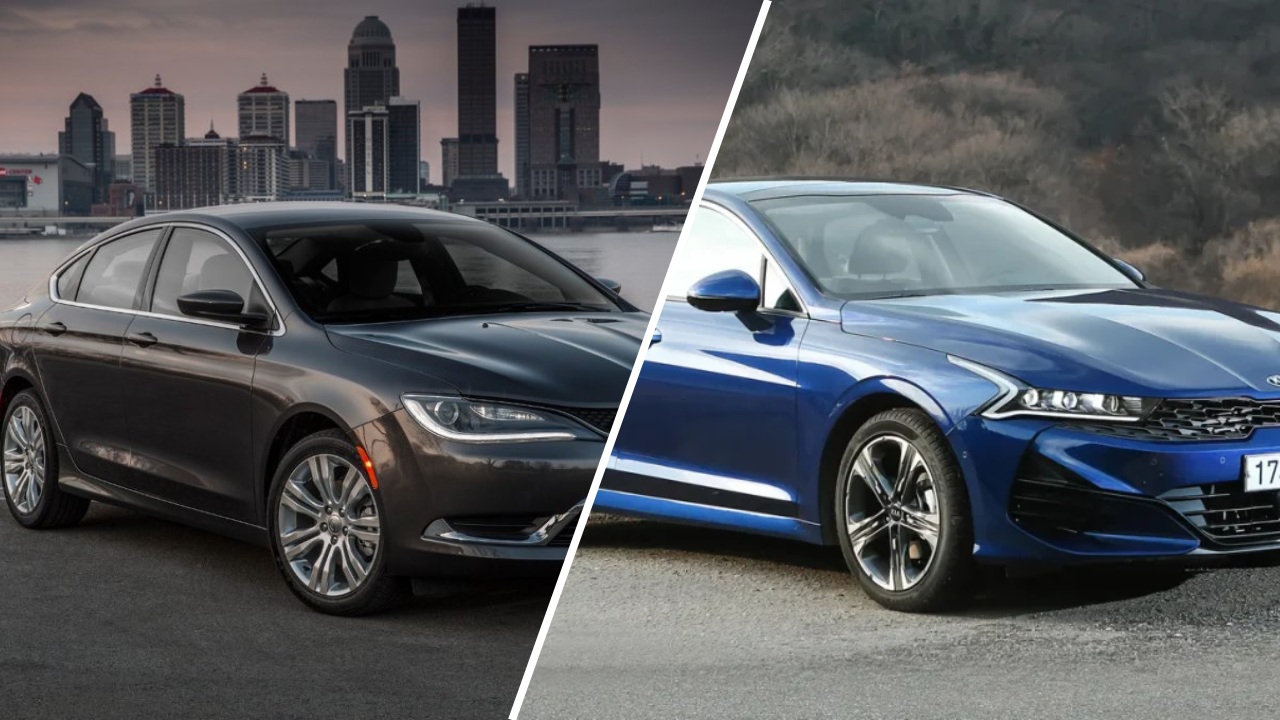
7. Chrysler 200
The Chrysler 200 had a relatively short production life compared with many midsize sedans, yet it accumulated a substantial number of NHTSA owner complaints, particularly for the 2015 through 2017 models.
Complaint records cover a broad range of issues, including transmission behavior, engine stalling, electrical malfunctions, and problems involving the vehicle’s electronic shift system. Because the second-generation 200 introduced several new technologies at once, early production years generated a noticeable concentration of owner reports.
The nine-speed automatic transmission supplied by ZF became one of the most discussed components. Owners reported delayed engagement, harsh shifting, hesitation during acceleration, and unexpected gear changes.
Chrysler issued multiple software updates and Technical Service Bulletins intended to improve transmission operation, but complaints continued throughout much of the model’s production run.
Engine stalling also appears frequently in the NHTSA database. Some owners described sudden loss of engine power while driving, occasionally accompanied by warning lights or messages indicating transmission faults.
Electrical concerns involving wiring, sensors, and the push-button rotary gear selector were also reported by a number of drivers.
Several recalls addressed specific safety-related issues during the Chrysler 200’s production run, including concerns involving electrical systems and transmission-related components. While not every vehicle experienced these problems, the concentration of complaints for certain model years significantly increased the sedan’s cumulative total.
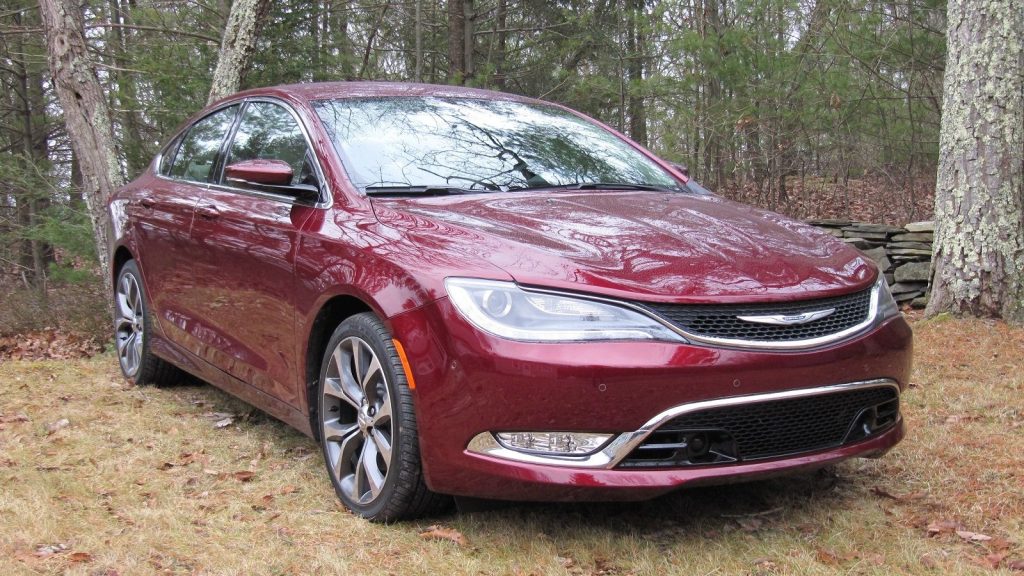
Anyone considering a used Chrysler 200 should pay close attention to service history. Confirming that all recall work and software updates have been completed is especially important.
A thorough road test should include repeated acceleration, low-speed maneuvering, and highway driving to evaluate transmission performance under different operating conditions.
Specifications
- Engine: 2.4-liter Tigershark inline-four
- Torque: 173 lb-ft
- Horsepower: 184 hp
- Length/Width: 192.3 inches / 73.6 inches
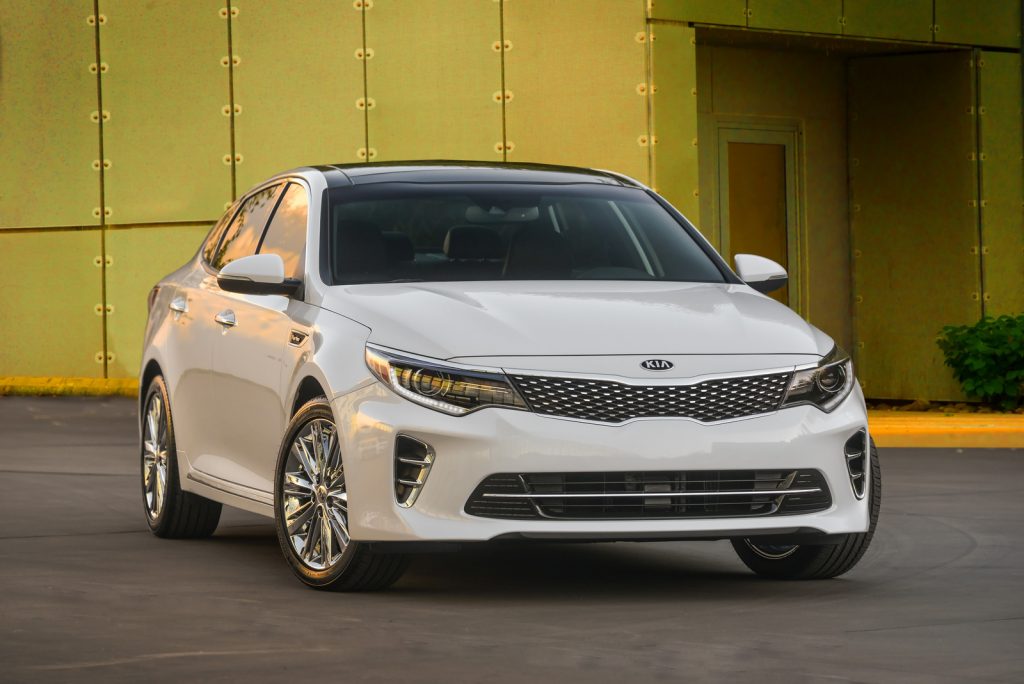
8. Kia Optima
The Kia Optima became one of Kia’s most successful midsize sedans in the United States, but it also accumulated a large number of NHTSA owner complaints across multiple generations.
The highest concentration involves 2011 through 2020 models, with many reports centered on the Theta II engine family. Complaint categories include engine failure, electrical issues, steering concerns, brake components, and airbag-related problems.
Engine complaints represent the largest share of owner submissions. Drivers reported knocking noises, excessive oil consumption, sudden loss of power, engine seizure, and connecting rod bearing failures.
These concerns contributed to recalls, warranty extensions, and NHTSA investigations involving specific Theta II-powered vehicles. Many owners also described vehicles entering limp mode after warning lights appeared, requiring towing to dealerships.
The complaint database also includes reports involving electrical accessories, steering couplers, brake system components, and malfunctioning safety features.
Although many of these concerns affected only certain production years, the combination of engine-related reports and the Optima’s high sales volume resulted in one of the largest cumulative complaint totals among midsize sedans.
It is important to recognize that later production updates addressed many earlier concerns through revised engine manufacturing processes, software updates, and recall campaigns. Consequently, complaint frequency varies significantly depending on the model year under consideration.
Prospective buyers should verify recall completion, review maintenance records carefully, and determine whether the vehicle qualifies for any engine-related warranty extensions before purchase. Those steps can substantially reduce the likelihood of encountering the issues most commonly reflected in NHTSA owner complaints.
Specifications
- Engine: 2.4-liter inline-four
- Torque: 178 lb-ft
- Horsepower: 185 hp
- Length/Width: 191.1 inches / 73.2 inches
Also Read: 10 Cars That Are Getting A Complete Redesign for 2027
