
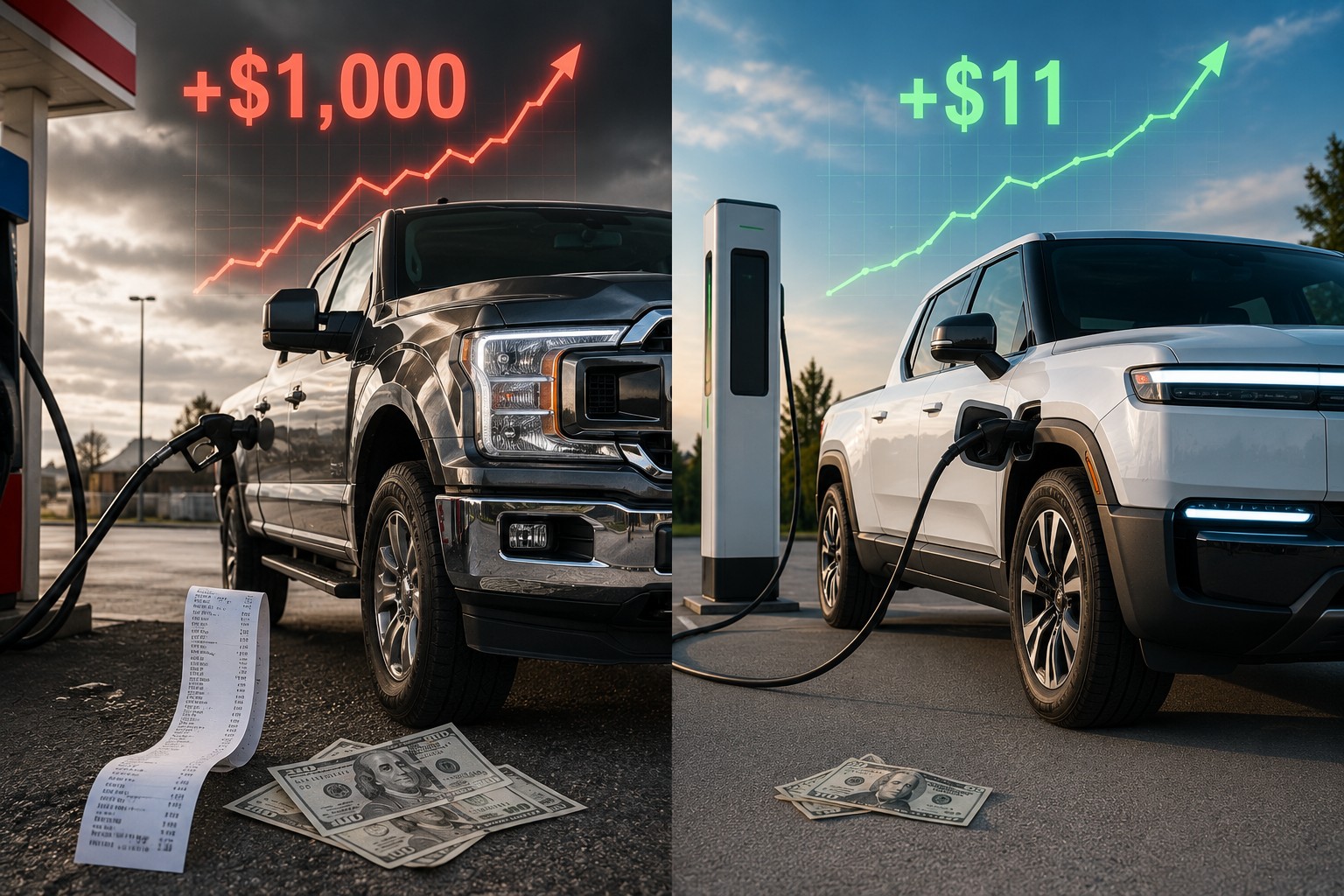
American drivers are living through two very different fuel stories in 2026. Gas and diesel prices have climbed sharply this year, hitting household budgets hard.
Truck owners in particular have felt the pinch. Diesel prices have risen by double digits compared to last year, pushing annual fuel bills for pickup and heavy truck drivers up by roughly a thousand dollars.
Meanwhile, electric vehicle owners have seen almost no change at all. Their charging costs, tied largely to stable electricity rates, have inched up by only about eleven dollars a year.
This gap tells a bigger story about energy volatility. Gasoline and diesel prices swing with oil markets, refinery capacity, and geopolitical events. Electricity prices, by contrast, move much more slowly. They are shaped by regulated utility rates rather than global crude markets.
The result is a growing financial divide between traditional truck owners and EV drivers. This article breaks down why the gap exists, what is driving each trend, and what it means for household budgets going forward.
The Diesel Squeeze on Truck Owners
Diesel prices have surged sharply through 2026. Monthly data shows diesel climbing well above thirty percent year-over-year for several months running.
Some months even saw diesel prices jump over fifty percent compared to the same period last year. That is a massive swing for any household budget to absorb.
Truck owners rely heavily on diesel and premium gasoline. Larger engines and bigger fuel tanks mean every price increase hits harder than it does for smaller vehicles.
A typical full-size pickup burns far more fuel per mile than a sedan. Multiply that gap by rising prices, and the annual cost difference becomes substantial.

Fuel surcharge data from the trucking industry confirms this trend. Carriers have had to adjust surcharge rates upward to keep pace with diesel costs.
Winter months made things worse. Diesel demand for heating oil competes with diesel demand for trucking, pushing prices even higher during colder seasons.
For an average truck owner driving typical annual mileage, these increases add up fast. A thousand-dollar jump in yearly fuel spending is not an exaggeration, it is a realistic estimate.
Commercial fleets have felt this pain too. Many trucking companies have passed costs along through higher fuel surcharges on shipments. Consumers ultimately absorb some of that cost indirectly. Higher shipping costs often show up in retail prices for everyday goods.
It is worth noting that fuel prices are volatile by nature. Some forecasts suggest prices could ease later in the year as supply stabilizes. But for now, truck owners are stuck paying significantly more. The thousand-dollar increase reflects a real and immediate burden on millions of households.
Rural and working-class families are hit hardest. They often depend on trucks for both personal use and work purposes. There is little flexibility to avoid these costs. Trucks remain necessary for towing, hauling, and rural transportation needs. This makes the fuel price spike more than an inconvenience. It becomes a real strain on monthly budgets for many American families.
Why EV Charging Costs Barely Moved
Electric vehicle costs tell a completely different story. Charging an EV depends on electricity prices, not oil markets. Electricity rates are set through regulated utility structures. These rates change slowly and predictably compared to gasoline or diesel.
Because of this, EV owners rarely see dramatic swings in their charging bills. A rise of just eleven dollars over an entire year is remarkably small. This stability comes from how electricity is generated and priced. Utilities plan rates months or years in advance, unlike fuel markets that react daily.
Global oil price shocks simply do not translate directly into electricity bills. A war overseas or a refinery outage barely moves the needle for EV charging costs.
Home charging remains the cheapest option for most EV owners. Charging overnight at home typically costs far less than public fast-charging stations.
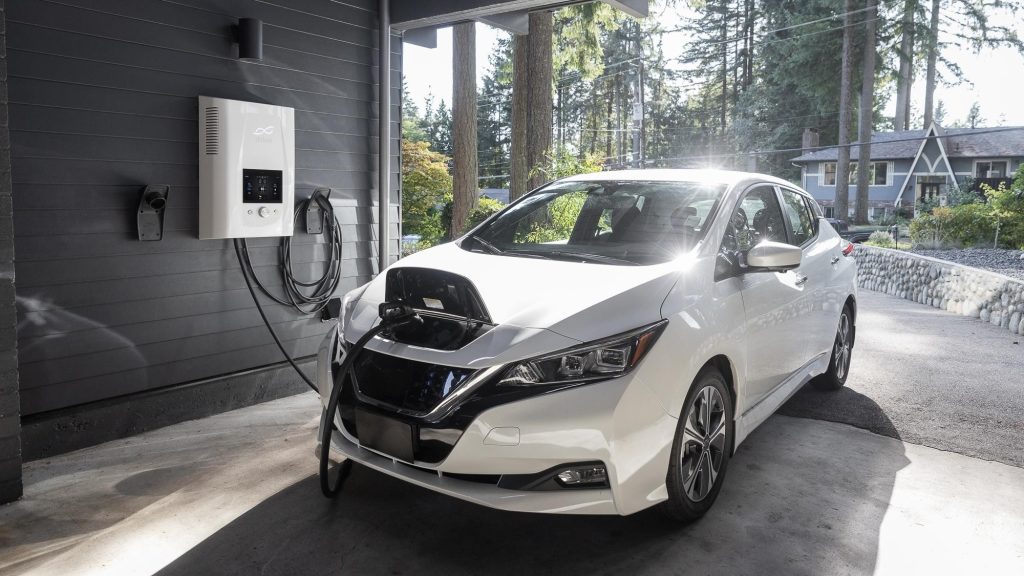
Many utilities also offer off-peak charging discounts. These programs reward EV owners for charging during low-demand hours, further reducing costs.
This predictability offers a major advantage for budgeting. EV owners can estimate their annual charging costs with far more confidence than gas or diesel vehicle owners.
It also means EV owners are largely insulated from oil market shocks. Wars, sanctions, and refinery disruptions barely touch their monthly transportation costs.
This is not to say EV costs never rise. Some regions have seen modest electricity rate increases due to grid upgrades or rising demand. But these increases are gradual and small. They pale in comparison to the volatility seen in gasoline and diesel markets this year.
The eleven-dollar figure reflects this reality clearly. It shows just how disconnected electricity pricing is from the forces driving gas and diesel higher. For EV owners, this has become a quiet financial advantage. Their transportation costs remain stable even as fuel prices swing wildly for others.
What This Means for Household Budgets
The gap between these two costs is striking. A thousand-dollar increase versus an eleven-dollar increase highlights a major shift in transportation economics.
Households with trucks are absorbing real financial pressure this year. That thousand dollars could otherwise go toward savings, debt repayment, or other essentials.
EV households, by comparison, are largely shielded from this pressure. Their transportation budgets remain nearly unchanged year over year. This disparity may influence future vehicle purchasing decisions. Rising fuel costs could push more truck buyers toward hybrid or electric alternatives.
However, trucks still offer capabilities EVs cannot always match. Heavy towing, long-range hauling, and rural infrastructure gaps keep many truck owners locked into gas or diesel.
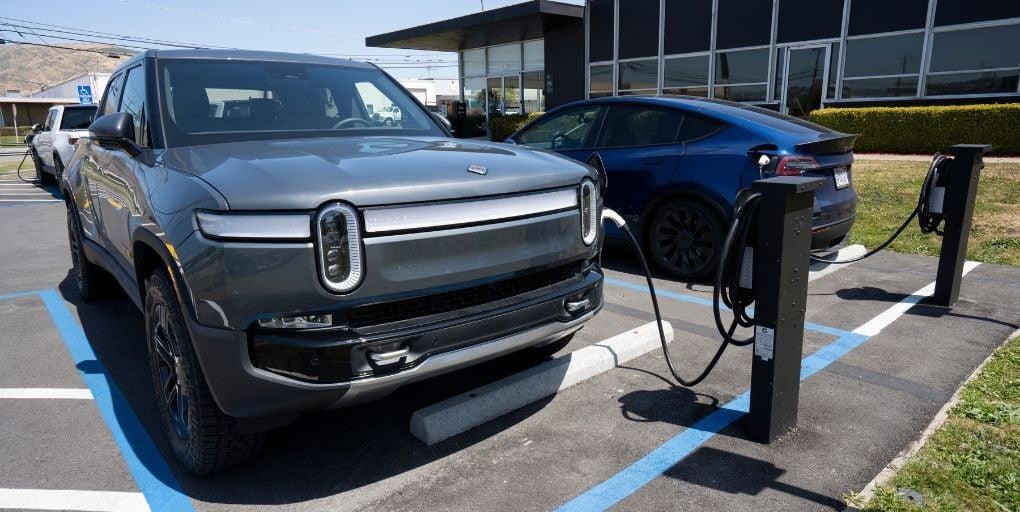
Charging infrastructure also remains uneven across the country. Rural areas often lack the charging stations needed to support EV trucks reliably. This means the transition away from diesel trucks will take time. Many truck owners simply do not have EV alternatives that meet their needs yet.
In the meantime, fuel price volatility will continue to strain these households. Diesel and gasoline prices remain sensitive to global events outside anyone’s control.
Policymakers have taken note of this widening gap. Discussions around fuel efficiency standards and EV incentives continue to shape the broader energy conversation.
Some forecasts suggest fuel prices could stabilize or even decline later in the year. If that happens, truck owners may see some relief in coming months.
Still, the damage from this year’s spike is already done for many families. A thousand-dollar increase does not simply disappear once prices stabilize.
For now, the message is clear. Traditional truck ownership carries growing financial risk tied to unpredictable fuel markets. Electric vehicles offer a level of cost stability that traditional trucks cannot match. That stability is becoming an increasingly important factor for budget-conscious drivers.
As fuel markets remain volatile, this gap between truck and EV costs is likely to persist. Understanding these dynamics can help households make more informed decisions about their next vehicle purchase.
Also Read: 10 Inline-Six Engines That Became Automotive Legends
