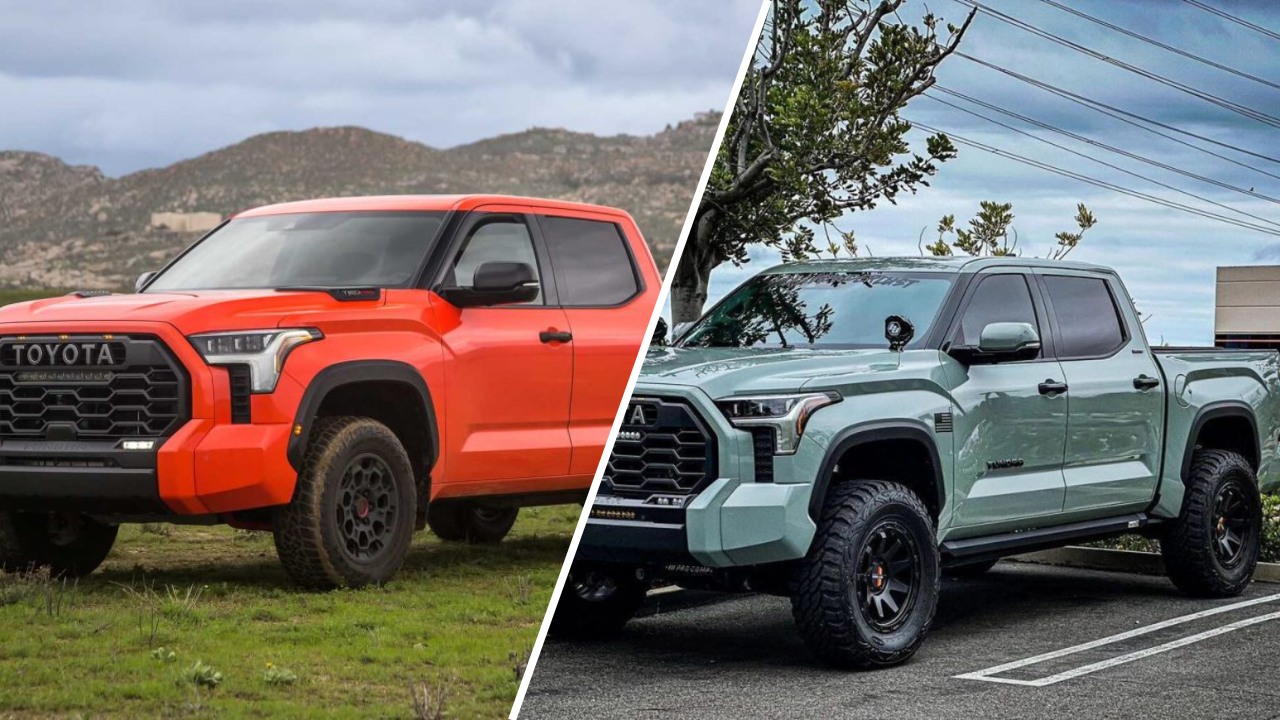
Buying a full-size pickup involves far more than looking at the sticker price. While the Toyota Tundra has earned a reputation for durability, strong resale value, and dependable long-term ownership, prospective buyers should also consider the ongoing costs that come with owning one.
Fuel, insurance, maintenance, depreciation, financing, and registration expenses can add tens of thousands of dollars over the first five years, making the true cost of ownership significantly higher than the purchase price alone.
Fortunately for buyers, the Tundra performs well in several areas that have a major impact on long-term expenses. Toyota’s reputation for reliability helps keep unexpected repair costs relatively low, while strong resale values reduce depreciation compared with many competing full-size trucks.
Organizations such as Kelley Blue Book (KBB), Edmunds, Consumer Reports, and AAA consistently note that ownership costs extend well beyond monthly loan payments, making total cost of ownership an important factor when comparing trucks.
Although the exact figures vary depending on trim level, mileage, insurance rates, and fuel prices, understanding the major ownership expenses provides a realistic picture of what buyers can expect during the first five years.
Also Read: 10 Cars That Are Getting A Complete Redesign for 2027
Purchase Price and Depreciation Make Up the Largest Costs
The biggest expense associated with owning any new vehicle is depreciation. The Toyota Tundra starts at a manufacturer’s suggested retail price (MSRP) in the mid-$40,000 range for entry-level trims, while higher trims such as the Platinum, Capstone, and TRD Pro can exceed $80,000 before options.
Regardless of trim, depreciation begins the moment the truck leaves the dealership. Fortunately, the Tundra generally holds its value better than many competitors.
According to Kelley Blue Book, Toyota trucks consistently rank among the strongest performers for resale value, with the Tundra frequently receiving recognition through KBB’s Best Resale Value Awards.
Strong resale demand helps offset ownership costs because owners recover a larger percentage of their purchase price when selling or trading the truck.
While actual depreciation varies by trim and market conditions, owners can generally expect depreciation to remain the single largest ownership expense over five years. However, compared with many full-size pickups that lose value more rapidly, the Tundra’s resale strength helps reduce the full financial impact.
Buyers choosing heavily optioned luxury trims should remember that expensive options often depreciate faster than the truck itself. Mid-level trims typically retain a higher percentage of their original value, making them a more cost-effective choice over the long term.
Fuel Costs Depend on Driving Habits
The current-generation Toyota Tundra uses turbocharged powertrains rather than the naturally aspirated V8 found in previous models.
Most versions are powered by Toyota’s twin-turbocharged 3.4-liter i-FORCE V6, while the i-FORCE MAX hybrid combines the same engine with an electric motor for improved performance and, in many configurations, better fuel efficiency.
According to the U.S. Environmental Protection Agency (EPA), fuel economy varies depending on drivetrain, cab configuration, and engine choice, generally ranging from the high teens to low twenties in combined driving.
For drivers covering approximately 15,000 miles annually, fuel becomes one of the largest recurring ownership expenses. Annual costs fluctuate with gasoline prices, but over five years, owners can easily spend well into the five figures on fuel alone.
The hybrid powertrain may reduce fuel expenses for some drivers, particularly those who spend significant time in city traffic. However, buyers should compare the hybrid’s higher purchase price with the potential fuel savings to determine whether the upgrade makes financial sense based on their driving habits.
Towing heavy trailers or carrying substantial payloads will also increase fuel consumption regardless of engine choice.
Maintenance and Repairs Remain Relatively Predictable
One reason many buyers choose Toyota is its reputation for long-term reliability. According to Consumer Reports, Toyota consistently ranks among the industry’s more reliable manufacturers, and the Tundra generally benefits from that reputation.
Routine maintenance during the first five years typically includes oil changes, tire rotations, air filter replacements, brake inspections, wheel alignments, and scheduled fluid replacements. Owners who tow frequently may also require more frequent transmission, differential, and cooling system service.
Toyota’s factory warranty helps reduce repair expenses during the early ownership period. New Tundras include a limited vehicle warranty, powertrain coverage, and ToyotaCare, which provides scheduled maintenance for a limited time and mileage.
Unexpected repairs during the first five years are generally less common than they become during later ownership, although no vehicle is immune from occasional warranty repairs or recalls. Tires deserve special consideration.
Many Tundra trims use large 18-, 20-, or even 22-inch wheels. Replacement tire costs vary considerably depending on size and whether buyers choose highway, all-terrain, or off-road tires. Premium all-terrain tires for higher trims can cost significantly more than standard highway tires.
Insurance, Financing and Registration Add Up Quickly
Insurance premiums vary based on location, driving history, age, trim level, and coverage limits.
Because the Tundra is a full-size pickup with relatively high replacement costs, insurance generally costs more than for many midsize vehicles. Luxury trims equipped with additional technology and higher purchase prices often carry higher premiums than entry-level models.
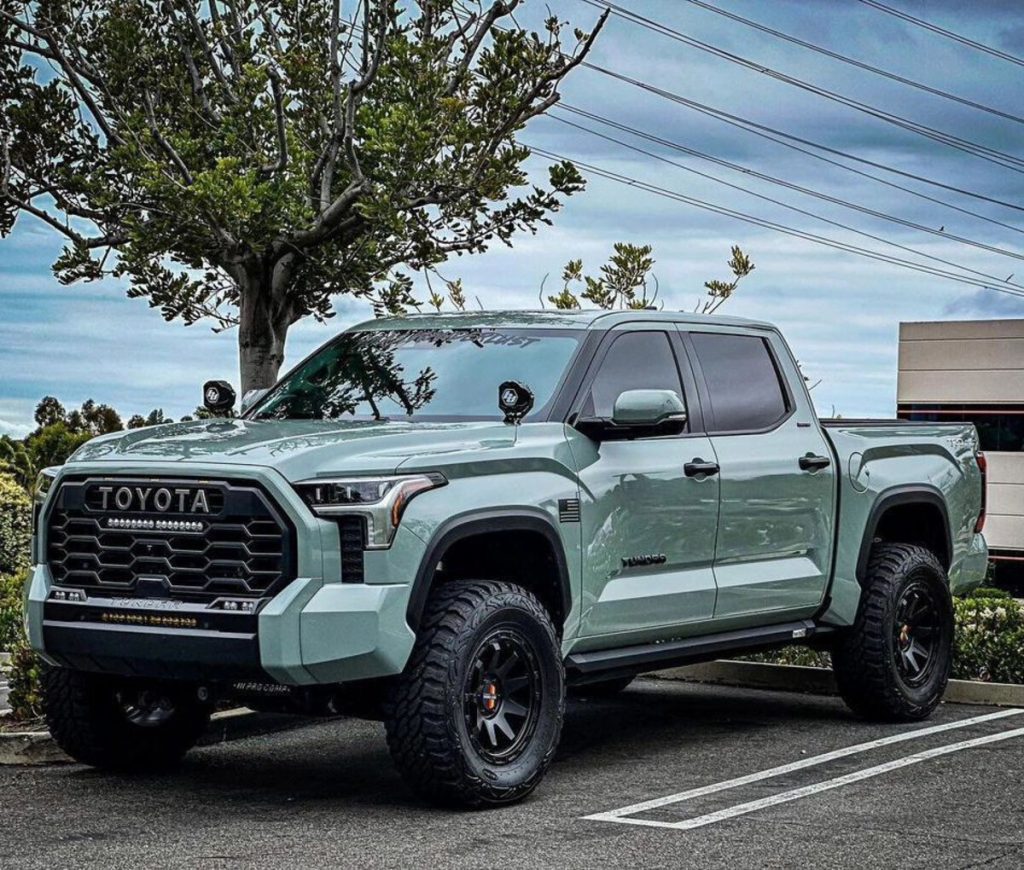
Financing also plays a major role in ownership costs. Interest rates have remained significantly higher than they were just a few years ago, meaning buyers financing their truck may pay thousands of dollars in interest over the life of the loan. Larger down payments and shorter loan terms reduce total financing costs while building equity more quickly.
Registration fees and vehicle taxes differ widely among states. Some states calculate registration costs using vehicle value or weight, meaning larger trucks like the Tundra may cost more to register than smaller passenger vehicles. Accessories should also be included in ownership planning.
Many owners eventually purchase tonneau covers, bed liners, running boards, towing equipment, or all-weather floor mats. While optional, these upgrades can add several thousand dollars over five years, depending on personal preferences.
What Does Five-Year Ownership Really Cost?
When depreciation, fuel, insurance, maintenance, financing, registration, and routine operating expenses are combined, the cost of owning a Toyota Tundra extends far beyond its purchase price.
Industry resources such as Edmunds True Cost to Own and AAA’s Your Driving Costs emphasize that many buyers underestimate long-term ownership expenses because they focus primarily on monthly loan payments.
In reality, recurring operating costs can rival depreciation over several years, particularly for drivers who log high annual mileage. The good news is that the Tundra performs well in several categories that significantly influence total ownership costs.
Strong resale values help reduce depreciation, Toyota’s long-standing reputation for reliability limits the likelihood of major unexpected repairs during the early years, and scheduled maintenance remains relatively predictable when performed according to the manufacturer’s recommendations.
For buyers planning to keep their truck beyond five years, these strengths become even more valuable. A well-maintained Tundra has a history of remaining dependable well into high mileage, helping owners spread their investment over a longer period and lowering the annual cost of ownership.
While five-year expenses can easily reach tens of thousands of dollars depending on financing, mileage, and fuel prices, the Toyota Tundra remains one of the more financially sensible choices in the full-size pickup segment.
Its combination of durability, resale value, dependable engineering, and predictable maintenance costs helps offset the higher operating expenses that naturally accompany owning a capable full-size truck.
For buyers seeking a pickup that balances capability with long-term value, the Tundra continues to justify its reputation as one of the smartest ownership investments in its class.
Also Read: 10 Cars That Are Easiest to Repair Outside the Dealership