
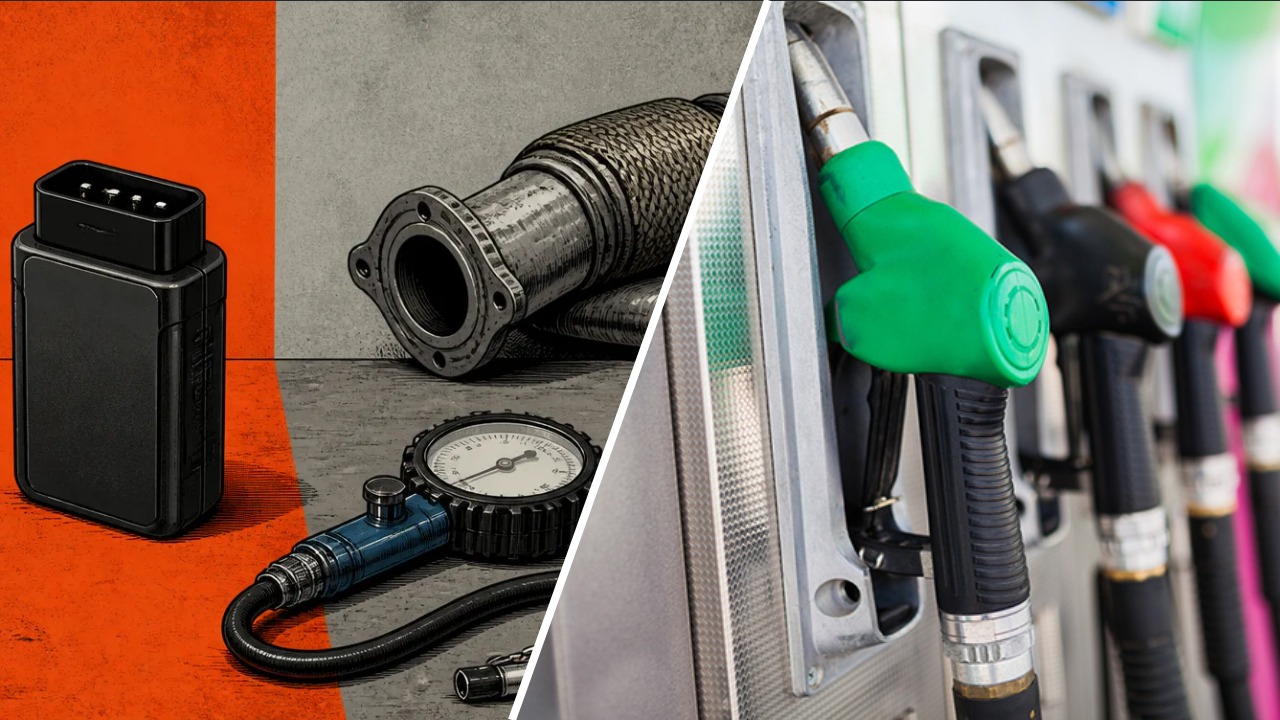
Fuel prices influence everyday driving decisions, making fuel efficiency an important concern for vehicle owners. Many drivers search for easy ways to reduce fuel expenses, but the advice available online and through personal experience is often mixed.
Some methods are based on proven vehicle care practices and better driving behavior, while others are old beliefs that have little effect on actual fuel consumption.
Saving fuel does not always require expensive upgrades or major lifestyle changes. Small adjustments in how a vehicle is driven, maintained, and used can create meaningful improvements over time. Efficient driving habits help reduce unnecessary fuel waste, support better vehicle performance, and may extend the lifespan of important components.
At the same time, understanding which habits do not work is equally valuable. Drivers often spend time following techniques that provide little benefit because these ideas sound convincing.
Knowing the difference between effective methods and common myths allows vehicle owners to focus their attention on actions that create real results.
This guide compares five fuel-saving habits that can genuinely improve efficiency with five popular practices that offer little advantage. The goal is to provide practical information that helps drivers make smarter decisions and develop better long-term driving routines.
Fuel-Saving Habits That Work

1. Driving Smoothly Instead of Aggressively
Driving style has a direct connection with fuel consumption. Vehicles use more fuel when drivers frequently accelerate quickly, brake suddenly, and change speeds without necessity. Aggressive driving forces the engine to produce more power in short periods, increasing fuel demand and reducing overall efficiency.
Smooth acceleration allows the engine to increase speed gradually without unnecessary strain. Instead of pressing the accelerator heavily after every stop, drivers can apply steady pressure and allow the vehicle to build momentum naturally. This approach reduces fuel waste and creates a more comfortable driving experience for passengers.
Anticipating traffic movement is another important part of efficient driving. Drivers who maintain a safe distance from other vehicles have more time to react and can avoid unnecessary braking.
When a driver constantly speeds up and slows down because of poor planning, the vehicle spends more energy returning to its previous speed.
Smooth driving habits also reduce wear on mechanical parts. Sudden braking increases stress on brake components, while rapid acceleration can place extra pressure on the engine and transmission. A calm driving approach supports better vehicle condition while helping reduce fuel usage.
Developing smoother driving behavior requires awareness rather than complicated techniques. Paying attention to traffic flow, maintaining reasonable speeds, and avoiding unnecessary acceleration can gradually improve mileage. This habit is effective because it focuses on how the vehicle is used every day.
2. Maintaining Correct Tire Pressure
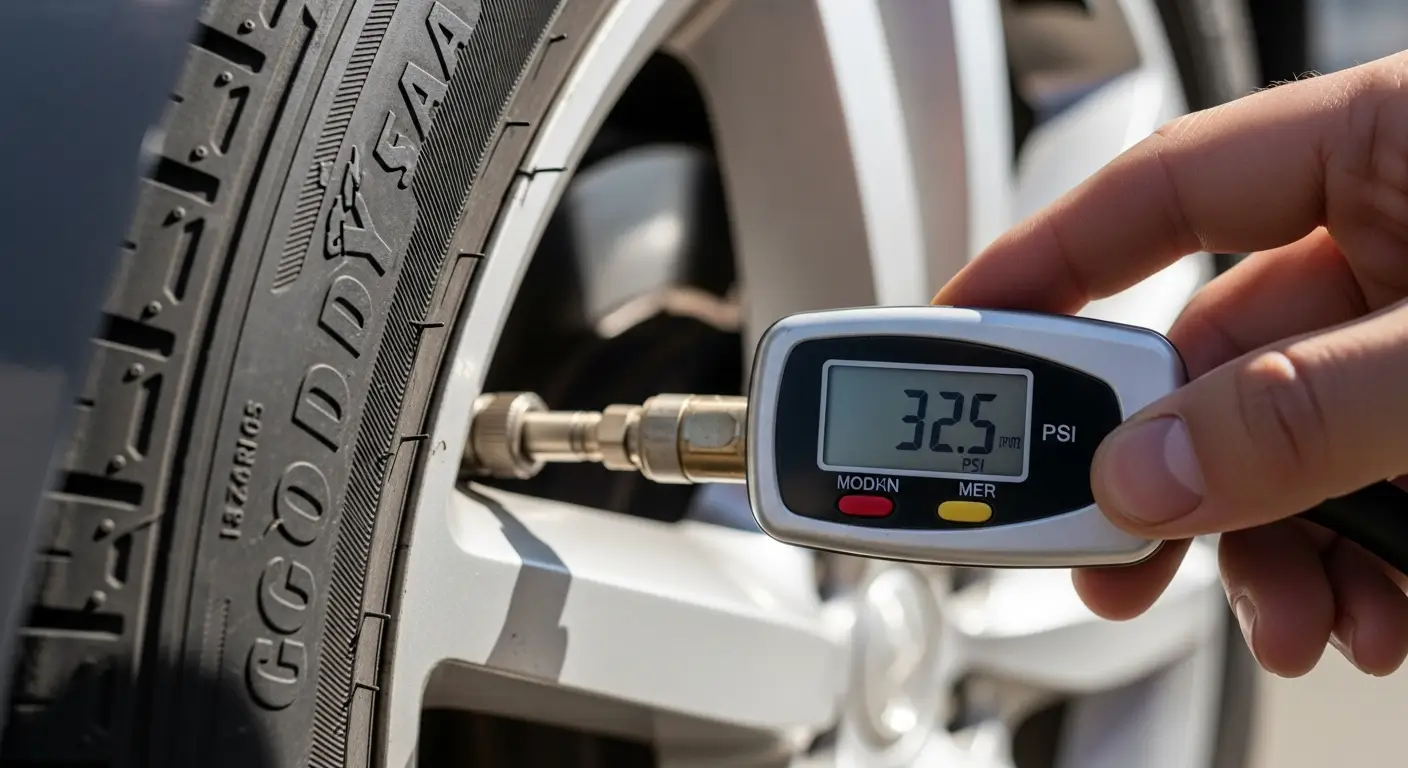
Tire condition plays a major role in fuel efficiency because tires directly interact with the road surface. When tires are underinflated, they create more resistance while moving. The engine must work harder to overcome this resistance, which can increase fuel consumption.
Checking tire pressure regularly is a simple maintenance task that many drivers overlook. Tires naturally lose air over time due to temperature changes and normal usage. A vehicle may continue operating with low tire pressure, but fuel efficiency and handling can slowly decline.
The correct tire pressure is usually listed in the vehicle owner’s manual or on the information label placed inside the vehicle. Using the recommended pressure helps tires maintain proper contact with the road while allowing the vehicle to move efficiently.
Proper tire inflation also supports safer driving. Correct pressure improves steering response, braking performance, and tire durability. Uneven tire wear caused by incorrect pressure can shorten tire life and create additional expenses for the owner.
Making tire checks part of a regular routine can produce long-term benefits. A quick inspection before long trips or at regular intervals helps maintain efficiency and prevents avoidable fuel waste.
3. Reducing Unnecessary Vehicle Weight
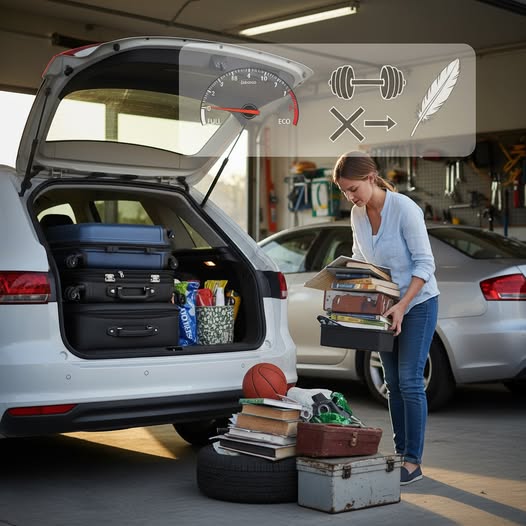
The weight a vehicle carries affects how much energy is needed for movement. A heavier vehicle requires more power to accelerate, especially during city driving where frequent stops and starts are common. Removing unnecessary items can help reduce the workload placed on the engine.
Many drivers keep items in their vehicles that are rarely used. Extra bags, unused equipment, old accessories, and other stored objects may seem harmless, but their combined weight can affect fuel economy over time.
The effect of weight is more noticeable during short-distance driving and situations that require repeated acceleration. Every time a vehicle starts moving from a stop, the engine must provide energy to overcome the vehicle’s mass. Reducing unnecessary load can make these movements more efficient.
Keeping the vehicle organized also improves convenience. Drivers can remove items they do not need while ensuring essential tools and emergency supplies remain available. This creates a balance between preparedness and efficiency.
Weight reduction is a practical fuel-saving habit because it requires no special equipment or additional spending. It simply involves being more thoughtful about what is carried inside the vehicle.
4. Completing Regular Vehicle Maintenance
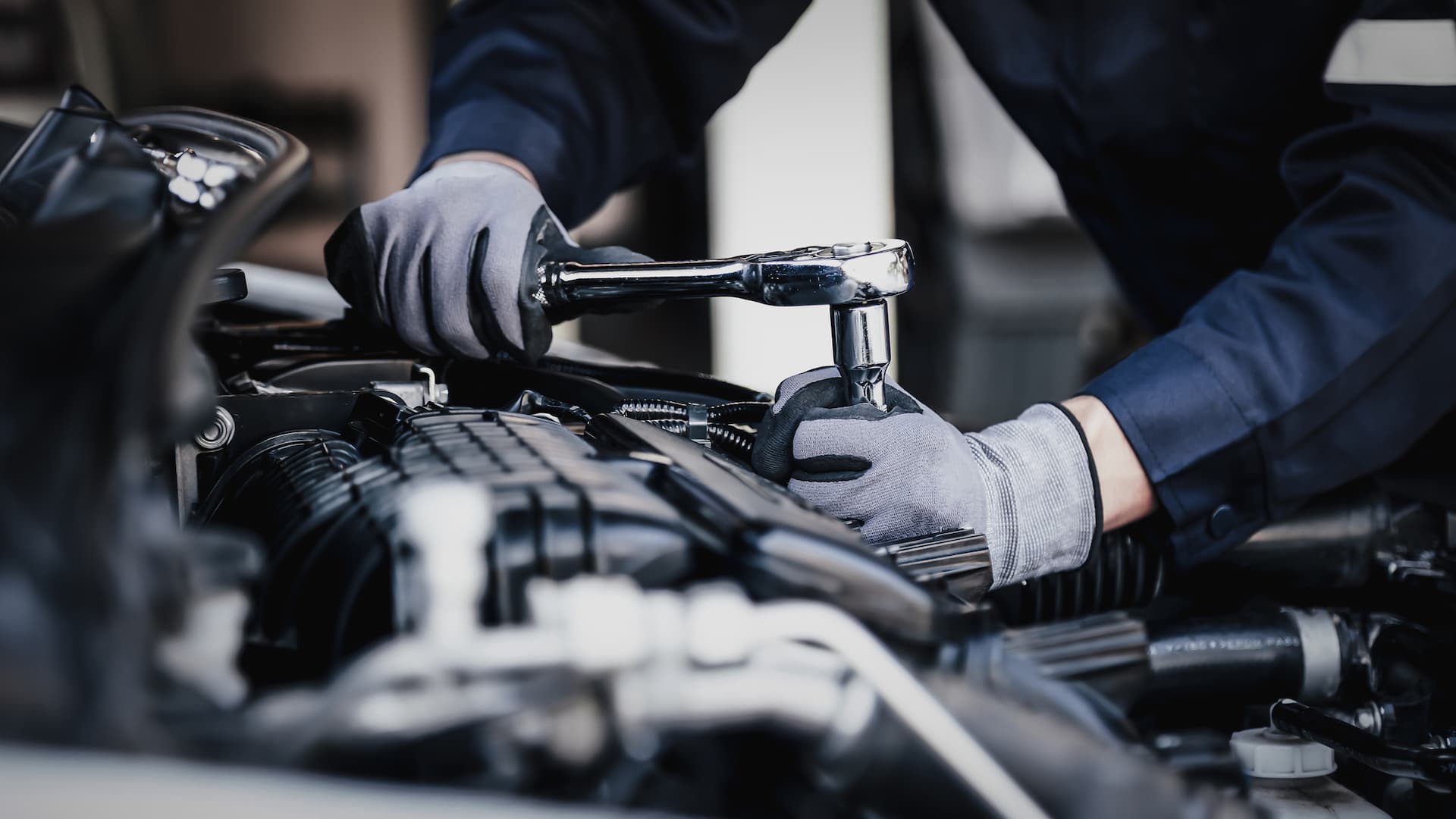
A vehicle that receives proper maintenance usually performs more efficiently. Engine systems depend on clean fluids, functional filters, and properly working components to operate effectively. Ignoring maintenance can gradually reduce fuel economy and vehicle performance.
Engine oil helps reduce friction between moving parts. When oil becomes old or unsuitable, the engine may experience increased resistance. Replacing oil according to the manufacturer’s recommendations helps maintain smoother operation.
Air filters also influence engine efficiency by controlling airflow. A dirty filter can restrict the amount of air reaching the engine, affecting combustion quality. Regular inspections help ensure the engine receives the air it needs for proper operation.
Spark plugs, fuel systems, and other components also contribute to efficient fuel use. Problems in these areas may cause reduced performance, rough operation, or increased fuel consumption. Routine servicing allows these issues to be identified early.
Following a maintenance schedule is a long-term investment in vehicle performance. While servicing requires time and money, it helps prevent larger repair costs and supports better mileage throughout the vehicle’s life.

5. Planning Routes and Combining Trips
Trip planning is a simple habit that can reduce unnecessary fuel consumption. Driving several separate journeys when tasks can be combined increases total distance traveled and causes repeated engine starts. Organizing activities into fewer trips can improve efficiency.
Short trips often consume more fuel because the engine may not reach its ideal operating temperature. Combining errands into a single route allows the vehicle to operate more efficiently and reduces the total number of journeys.
Choosing efficient routes can also make a difference. Avoiding heavy traffic, unnecessary detours, and repeated stops helps reduce fuel waste. A few minutes spent planning before leaving can save both time and fuel.
Drivers can also consider completing nearby tasks together. Shopping, appointments, and other responsibilities can often be arranged in a way that reduces travel distance. This approach supports better fuel management without requiring major changes.
Consistent trip planning creates a more efficient driving routine. It encourages drivers to think ahead, reduce unnecessary movement, and use their vehicles more effectively.
Fuel-Saving Habits That Do Little or Nothing
1. Warming Up the Engine for a Long Time Before Driving
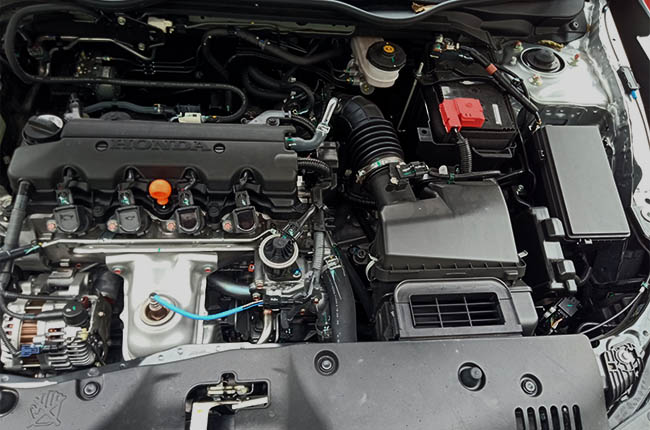
Many drivers believe that letting a vehicle sit and idle for several minutes before driving improves fuel efficiency. This idea comes from older vehicles that required more preparation before operation. Modern engines are designed differently and generally reach their proper operating condition faster while being driven at a moderate pace.
Long periods of idling consume fuel without moving the vehicle. During this time, the engine burns fuel while producing no useful distance. If a driver leaves the vehicle running for ten or fifteen minutes every morning, the wasted fuel can add up over weeks and months.
A short warm-up period may still be useful in extremely cold conditions or when visibility needs to improve because of frost or fog. However, extended idling is usually unnecessary for most modern vehicles. Driving gently after starting allows the engine, transmission, and other systems to reach normal operating temperature naturally.
The belief that longer warm-ups save fuel continues because it was common advice for older vehicles. Many people continue following the habit without considering changes in automotive technology. Modern fuel injection systems and engine designs have reduced the need for extended preparation.
A better approach is to start the vehicle, allow a brief moment for systems to activate, and begin driving smoothly. Avoiding unnecessary idling saves fuel and also reduces emissions caused by burning fuel while the vehicle remains stationary.
2. Using Premium Fuel Without a Need
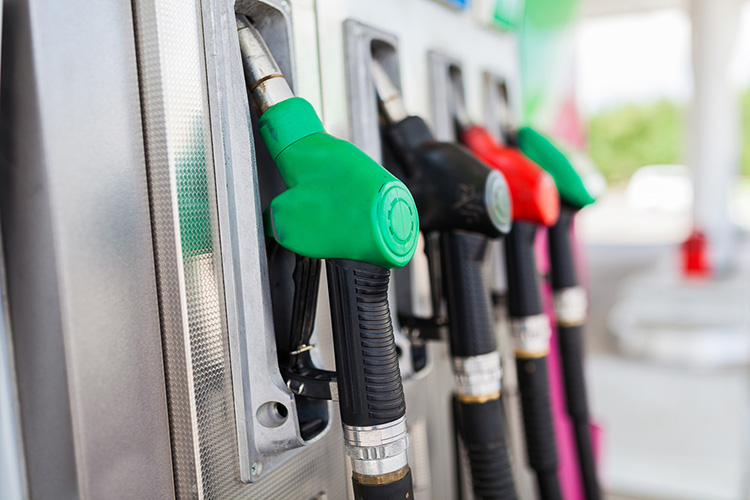
Some drivers assume that higher-priced fuel automatically improves mileage and vehicle performance. Premium fuel can provide benefits for certain engines that are specifically designed to use higher octane levels, but it does not create better results in every vehicle.
Using a fuel grade that exceeds the manufacturer’s recommendation often provides no meaningful improvement. Many standard engines are designed to operate efficiently with regular fuel. Paying extra for premium fuel in such vehicles may increase expenses without producing noticeable fuel savings.
The octane rating of fuel measures its resistance to premature combustion inside the engine. It does not directly represent how much energy the fuel contains or guarantee improved mileage. The correct fuel choice depends on the engine design rather than the price of the fuel.
Drivers should follow the recommendations provided by the vehicle manufacturer. If a vehicle is designed for regular fuel, using a more expensive option usually does not create additional efficiency benefits.
Choosing the correct fuel type helps control operating costs. Instead of spending more on unnecessary fuel grades, drivers can focus on habits that have a direct effect on consumption, such as smoother driving and proper maintenance.
3. Adding Fuel-Saving Devices Without Evidence
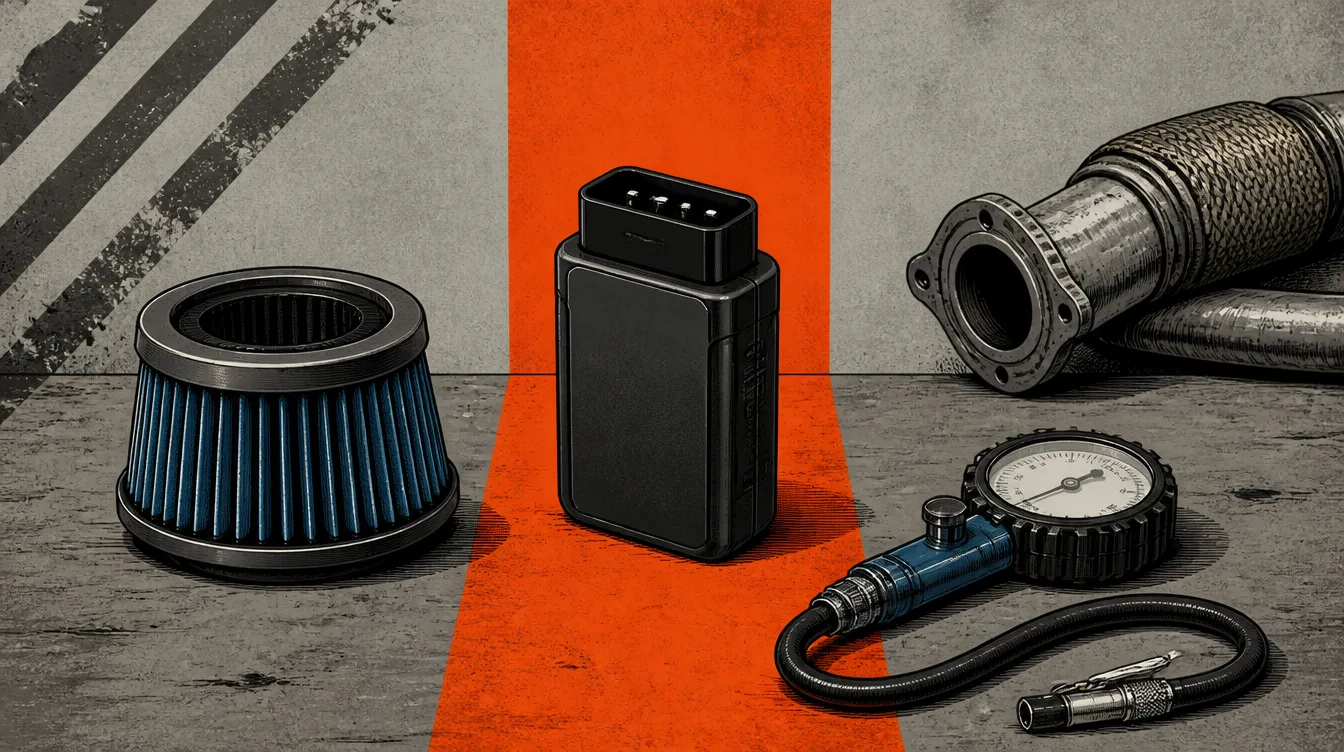
The market contains many products that claim to improve fuel economy. These include various gadgets, magnets, additives, and devices that promise large reductions in fuel consumption. Many of these products sound convincing but lack reliable evidence showing significant benefits.
Fuel efficiency depends on complex factors such as engine operation, vehicle design, driving conditions, and maintenance. A simple device attached to a fuel line or engine component cannot usually create major improvements without changing these fundamental factors.
Some fuel additives may provide benefits in specific situations, such as cleaning certain engine deposits when recommended by professionals. However, expecting dramatic fuel savings from random products can lead to wasted money.
Drivers should be cautious when products promise unrealistic improvements. Claims of saving large amounts of fuel through a small inexpensive device often ignore the actual engineering involved in vehicle operation.
The most reliable fuel-saving methods are usually simple and practical. Maintaining the vehicle, driving efficiently, and reducing unnecessary fuel use provide more consistent results than unproven shortcuts.

4. Driving With the Windows Closed at All Times
Some drivers believe that keeping windows closed during every journey always improves fuel economy. The idea is connected to reducing air resistance, especially at higher speeds, but the effect depends on driving conditions.
At highway speeds, open windows can increase aerodynamic drag because outside air enters and disrupts the vehicle’s airflow. In such situations, using air conditioning efficiently may sometimes be a better option. However, the difference is not always large enough to create major fuel savings.
During slower city driving, the impact of open windows is usually much smaller. Using natural airflow instead of air conditioning can sometimes reduce fuel use because the engine does not need to power the cooling system.
Air conditioning can increase fuel consumption because the system requires energy from the engine. The effect varies based on vehicle type, outside temperature, and cooling demand. Turning on the air conditioner at maximum settings for long periods can use additional fuel.
The most practical approach is balance. Drivers can choose between air conditioning and natural ventilation based on weather, speed, and comfort needs. Keeping windows closed all the time does not guarantee significant fuel savings.

5. Driving Extremely Slowly to Save Fuel
Some people believe that driving as slowly as possible always results in better mileage. While avoiding excessive speed can improve fuel efficiency, driving far below normal traffic flow does not necessarily create the best results.
Vehicles are generally designed to operate efficiently within certain speed ranges. Driving too slowly in higher gears or using an unsuitable gear can sometimes reduce efficiency. It may also create unsafe conditions when surrounding traffic moves faster.
Fuel consumption usually increases at very high speeds because air resistance grows significantly. However, maintaining a moderate and steady speed is usually more effective than simply driving as slowly as possible.
Efficient driving focuses on smooth control rather than extreme behavior. Sudden changes, unnecessary acceleration, and poor speed management have a greater impact than maintaining a reasonable pace.
A driver who follows safe speeds, avoids aggressive actions, and adapts to road conditions will usually achieve better results than someone who focuses only on moving as slowly as possible.
