
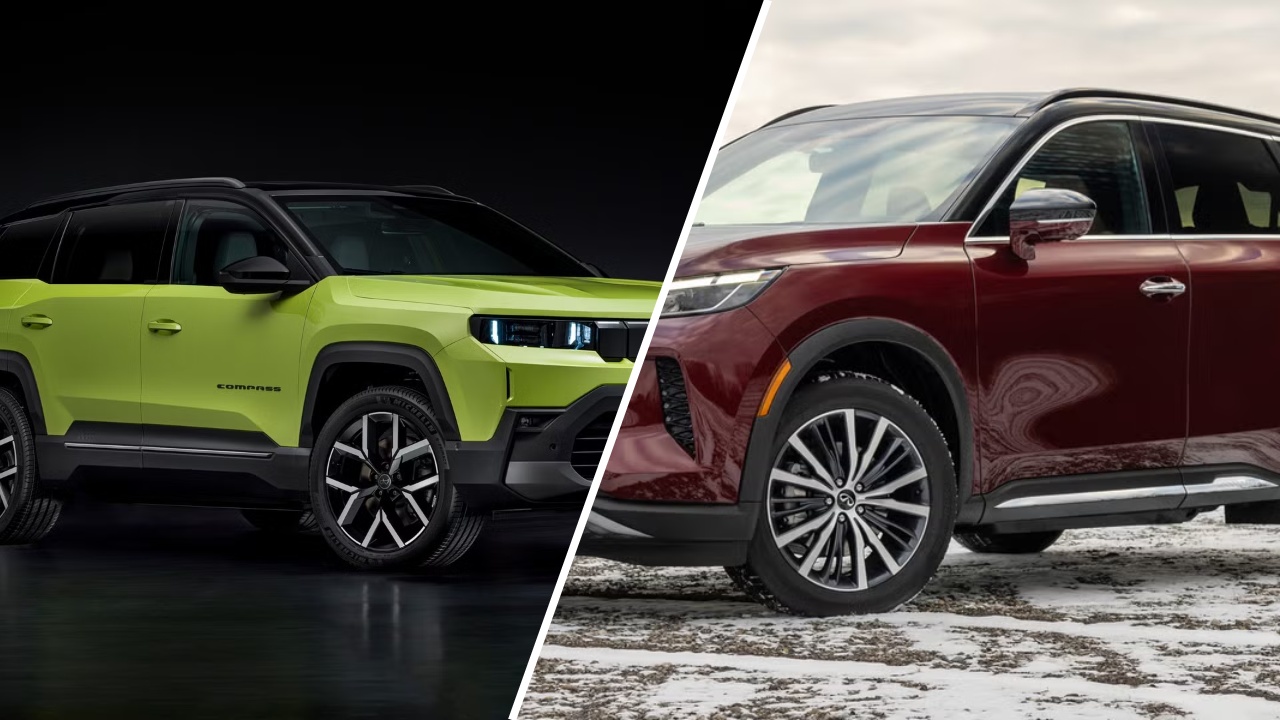
Buying a popular vehicle often seems like a safe decision, but sales success doesn’t always translate into long-term owner happiness.
Consumer Reports measures owner satisfaction by asking a simple question: if owners had the chance to do it again, would they buy the same vehicle? The answers sometimes reveal surprising disappointments, even among well-known models.
In some cases, everyday usability, ride quality, technology, comfort, or value fail to meet expectations despite strong showroom demand.
Using Consumer Reports’ owner satisfaction survey data and U.S.-market vehicle information, this list highlights 10 popular models that earned below-average owner satisfaction, explaining why many owners ultimately felt their purchase didn’t live up to expectations.
Also Read: 10 Cars With Hidden Messages Molded Into the Plastic
1. Nissan Sentra
The Nissan Sentra has become one of America’s most popular compact sedans thanks to its attractive pricing, impressive safety equipment, and fuel-efficient powertrain.
It frequently attracts first-time buyers, commuters, and families looking for dependable transportation without stretching their budgets. On paper, the Sentra checks many important boxes.
It comes standard with Nissan Safety Shield 360, offers comfortable front seats, and delivers fuel economy that competes well within the compact sedan segment.
However, Consumer Reports’ owner satisfaction surveys show that many Sentra owners would not necessarily purchase the vehicle again. While reliability has generally improved over previous generations, satisfaction measures more than mechanical dependability.
Owners commonly report that the driving experience feels less engaging than rivals from Honda or Mazda, while the continuously variable transmission can make acceleration feel sluggish during highway merging or passing maneuvers.
Consumer Reports bases its owner satisfaction ratings on whether owners would definitely buy the same vehicle again, and the Sentra scores below average by that measure.
Interior quality represents another mixed area. Although the dashboard design appears upscale for the price, rear-seat room remains tighter than several competitors, and the trunk opening can limit loading larger cargo.
Drivers who spend long hours commuting also mention that road and tire noise become more noticeable at interstate speeds.
Value remains one of the Sentra’s strongest selling points, and buyers looking for affordable transportation may still find it appealing. Nevertheless, owner satisfaction reflects expectations after living with a vehicle every day rather than simply comparing feature lists at a dealership.
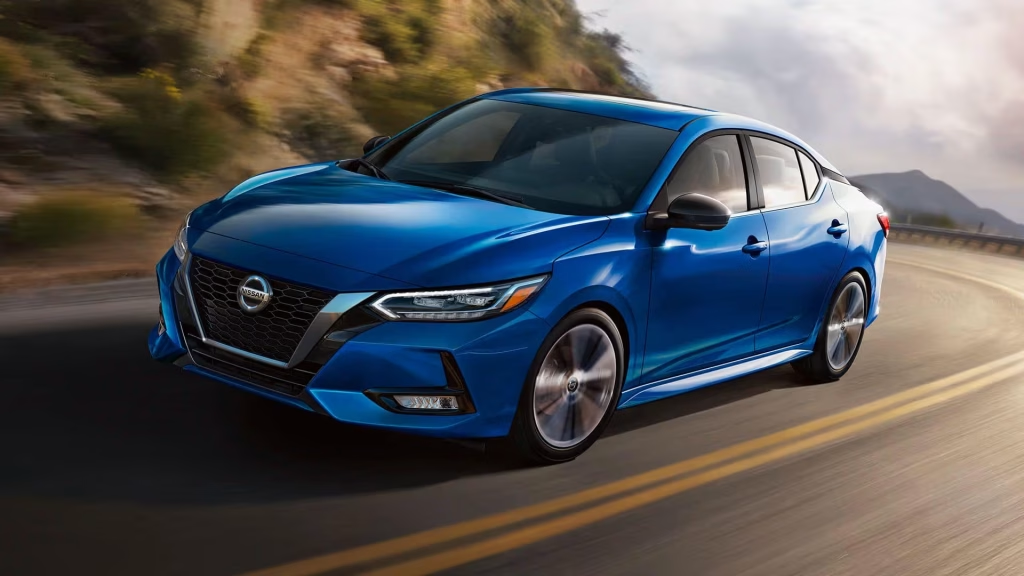
For many owners, the Sentra performs its basic transportation duties well but fails to create enough enthusiasm for them to confidently purchase another one.
Specifications
- Engine: 2.0-liter naturally aspirated inline-four
- Torque: 146 lb-ft
- Horsepower: 149 hp
- Length: 182.9 inches
- Width: 71.5 inches
2. Mazda CX-50
The Mazda CX-50 has received praise from reviewers for its handsome styling, responsive steering, and premium-looking cabin. It appeals to buyers who want a compact SUV with sportier road manners than many mainstream competitors.
Strong sales demonstrate that this formula resonates with American consumers seeking something more engaging than a typical family crossover.
Living with the CX-50 every day, however, has produced a different experience for some owners. Consumer Reports assigns the model below-average owner satisfaction despite its favorable road-test performance.
Satisfaction surveys indicate that buyers appreciate the vehicle’s appearance and handling but often become less enthusiastic after extended ownership.
One reason involves ride comfort. Mazda intentionally tuned the suspension for sharper handling, but that decision results in a firmer ride over broken pavement than many competing compact SUVs. Families who prioritize comfort during long trips sometimes find the suspension less forgiving than expected.
The infotainment system has also generated criticism because Mazda continues to rely heavily on a rotary controller instead of a fully touch-focused interface in many situations, creating a learning curve that not every owner enjoys.
Cargo flexibility is another factor. While the CX-50 provides useful storage space, competitors such as the Honda CR-V and Toyota RAV4 offer roomier rear seating and more accommodating cargo layouts.
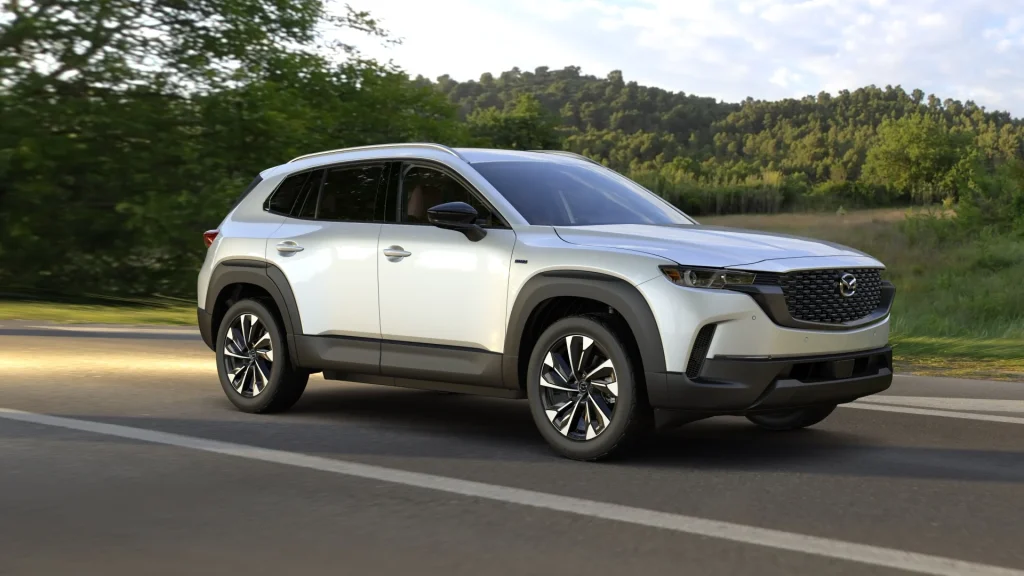
Buyers who initially selected the Mazda for its premium appearance occasionally conclude that practicality matters more during everyday ownership.
None of these characteristics makes the CX-50 a poor vehicle. Instead, they illustrate how a model can perform well in professional testing yet leave a meaningful percentage of owners wishing they had chosen something different after months or years of real-world use.
Specifications
- Engine: 2.5-liter naturally aspirated inline-four
- Torque: 185 lb-ft
- Horsepower: 187 hp
- Length: 185.8 inches
- Width: 75.6 inches
3. Jeep Compass
Few compact SUVs have maintained the visibility of the Jeep Compass in the American market. Its familiar seven-slot grille, available four-wheel-drive system, and genuine off-road heritage give it an identity that many rivals cannot match.
Buyers looking for an affordable SUV with Jeep styling often find the Compass appealing, especially because it promises capability beyond paved roads while remaining compact enough for daily commuting. Despite its popularity, Consumer Reports rates the Compass below average for owner satisfaction.
Survey responses suggest that many owners appreciate its appearance and available Trail Rated capability but are less impressed after spending significant time behind the wheel. The difference between initial expectations and long-term ownership plays an important role in these ratings.
The turbocharged 2.0-liter engine introduced in recent model years provides stronger performance than the previous powertrain, yet some owners still report that transmission behavior can feel inconsistent during stop-and-go driving.
Ride quality also varies depending on trim level, with larger wheels transmitting more road imperfections into the cabin than several competing compact SUVs.
Interior design presents another mixed picture. The Compass offers an attractive dashboard and a user-friendly Uconnect infotainment system, but rear-seat space trails class leaders like the Honda CR-V and the Hyundai Tucson. Cargo capacity is also less generous than many buyers expect from a compact SUV, which becomes noticeable during family trips or grocery runs.
Consumer Reports’ owner satisfaction survey focuses on whether owners would buy the same vehicle again. For the Compass, many respondents indicated they would likely choose something different next time.
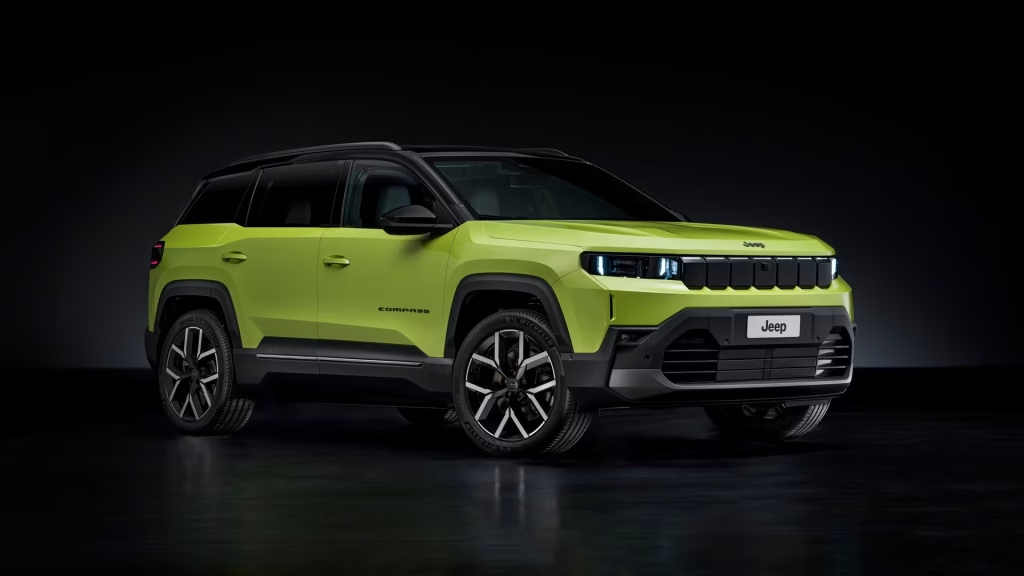
That doesn’t diminish its off-road strengths or distinctive styling, but it shows that everyday comfort, practicality, and refinement matter just as much as capability once the excitement of purchasing a new SUV wears off.
Specifications
- Engine: 2.0-liter turbocharged inline-four
- Torque: 221 lb-ft
- Horsepower: 200 hp
- Length: 173.4 inches
- Width: 73.8 inches
4. Volkswagen Taos
The Volkswagen Taos entered the U.S. market as a practical compact crossover positioned between the smaller Taos’ subcompact rivals and the larger Tiguan.
Buyers were drawn to its European-inspired driving manners, spacious interior, and competitive fuel economy. It quickly became one of Volkswagen’s highest-volume models in America, offering a comfortable balance between efficiency and everyday usability.
Consumer Reports, however, gives the Taos a below-average owner satisfaction rating based on responses from owners asked whether they would purchase the same vehicle again. While many appreciate its roomy cabin and composed highway ride, long-term ownership has revealed areas where expectations are not always met.
One concern involves drivetrain refinement. The turbocharged 1.5-liter engine delivers respectable fuel economy, but some owners describe throttle response and transmission behavior as less smooth than anticipated during low-speed driving.
Although updates have improved the vehicle since its launch, owner impressions remain mixed compared with several Japanese competitors.
Technology is another area where opinions differ. The digital instrument cluster and infotainment system provide a modern appearance, yet some owners have reported frustrations with touch-sensitive controls and software responsiveness.
These issues may not affect every driver, but they can influence day-to-day satisfaction over years of ownership.
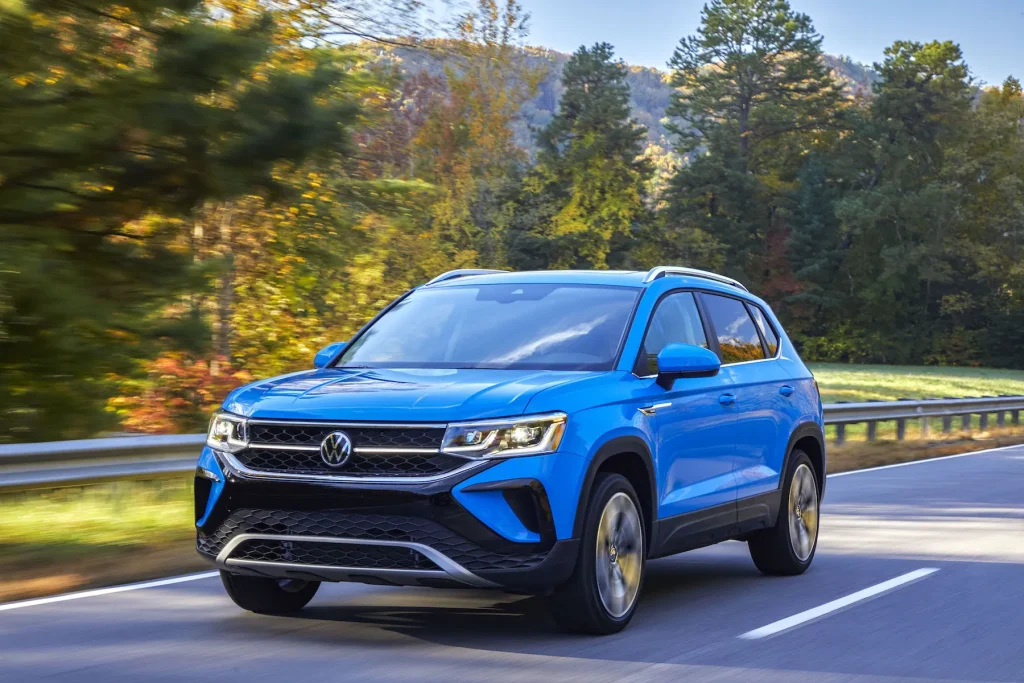
The Taos still offers meaningful strengths, including generous rear-seat space and one of the larger cargo areas in its segment. It also maintains composed highway handling and solid fuel economy.
Even so, Consumer Reports’ survey findings indicate that a notable share of owners would prefer a different compact SUV if making the purchase again, placing the Taos among popular vehicles with below-average owner satisfaction.
Specifications
- Engine: 1.5-liter turbocharged inline-four
- Torque: 184 lb-ft
- Horsepower: 174 hp
- Length: 175.8 inches
- Width: 72.5 inches
5. Volkswagen Atlas
The Volkswagen Atlas has become a common sight on American roads by offering exactly what many families want: three rows of seating, generous passenger space, and a clean, understated design.
It has consistently ranked among Volkswagen’s best-selling vehicles in the United States because it provides a roomy cabin without entering the luxury price range. For shoppers moving up from a compact SUV, the Atlas often appears to be a practical solution.
Consumer Reports’ owner satisfaction surveys, however, place the Atlas below average. The publication’s ratings are based on whether owners would choose to buy the same vehicle again, and many Atlas owners indicate they would consider another option after living with it for an extended period.
One recurring theme is that interior space alone does not guarantee satisfaction. The Atlas excels in passenger room, particularly in the third row, but some owners report that the driving experience feels less refined than rivals such as the Toyota Grand Highlander, Honda Pilot, and Hyundai Palisade.
Steering is light and predictable, though it lacks the confidence and responsiveness some buyers expect from a family SUV in this segment.
The infotainment system has also contributed to owner frustration. Volkswagen’s touch-sensitive climate and audio controls received criticism from both reviewers and owners for requiring more attention than traditional buttons.
While software updates have improved functionality, some owners still find the interface less intuitive than competing systems.
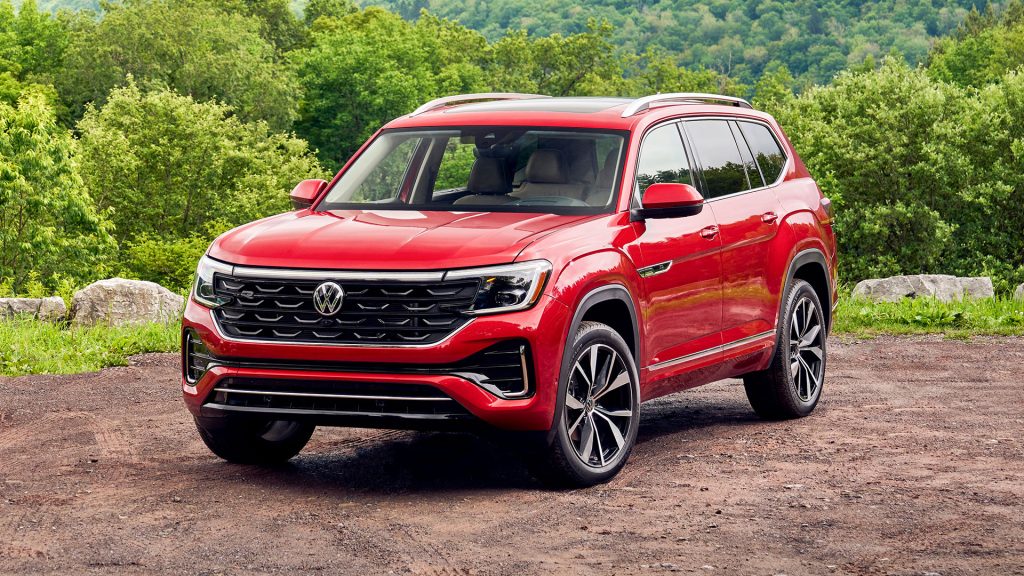
Fuel economy is another consideration. Even with the updated turbocharged four-cylinder engine replacing the previous V6, real-world efficiency can vary depending on driving conditions and passenger load. Families who frequently travel with seven occupants and luggage may notice higher fuel consumption than anticipated.
The Atlas continues to offer impressive practicality, excellent visibility, and one of the largest cabins in its class. Still, Consumer Reports’ survey data suggests that many owners believe competing midsize SUVs deliver a more satisfying ownership experience, leading to its below-average owner satisfaction rating.
Specifications
- Engine: 2.0-liter turbocharged inline-four
- Torque: 273 lb-ft
- Horsepower: 269 hp
- Length: 200.7 inches
- Width: 78.3 inches
6. Nissan Frontier
Pickup trucks often inspire strong owner loyalty, making it noteworthy when one earns below-average owner satisfaction despite respectable sales. The Nissan Frontier has built a reputation as a durable midsize truck with straightforward engineering, solid towing capability, and competitive pricing.
Its redesigned generation brought a modern appearance and improved technology, helping it remain a popular alternative to the Toyota Tacoma, Chevrolet Colorado, and Ford Ranger.
Even with these improvements, Consumer Reports’ owner satisfaction survey indicates that many Frontier owners would not necessarily purchase the truck again. The findings suggest that while the Frontier performs its intended job well, it falls short of expectations in several areas that influence long-term ownership.
Ride quality is one example. The Frontier retains a traditional truck feel, which benefits durability but can result in a firmer ride than some competitors. Drivers who spend most of their time commuting on paved roads may find newer rivals more comfortable during everyday use.
Cabin refinement also receives mixed feedback. Nissan upgraded the interior significantly compared with the previous generation, yet hard plastics remain common throughout the cabin. Wind and road noise at highway speeds are also more noticeable than in several competing midsize pickups, reducing long-distance comfort.
Technology has improved with a larger infotainment display and available driver-assistance features, but the Frontier still trails some competitors in advanced towing technology and interior innovation. Buyers expecting the latest convenience features may find the truck less competitive after extended ownership.
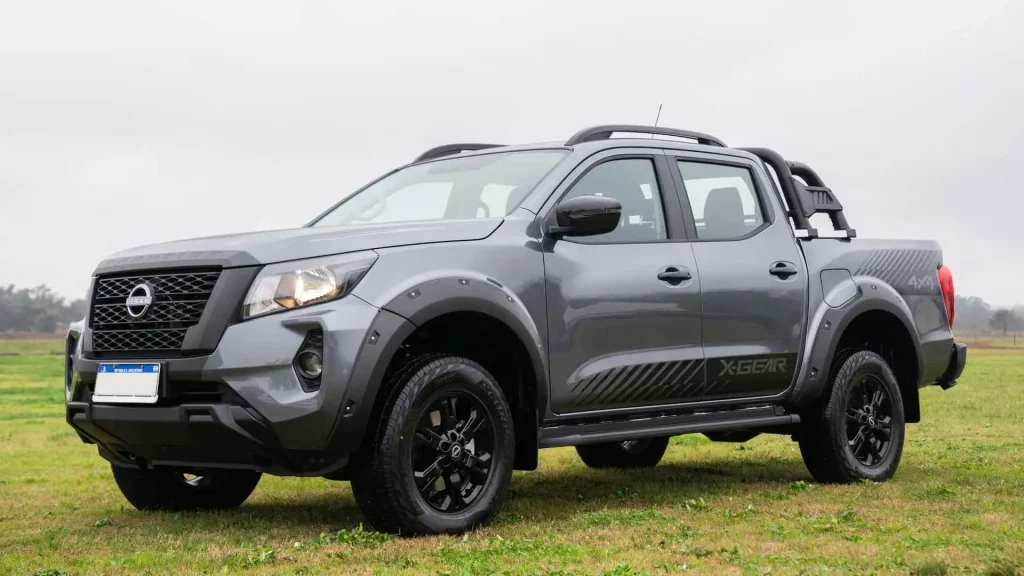
The Frontier remains a dependable work truck with a proven naturally aspirated V6 engine, respectable towing capability, and lower starting prices than some rivals. Nevertheless, Consumer Reports’ owner satisfaction data indicates that many owners believe competing midsize pickups provide a more rewarding ownership experience over time.
Specifications
- Engine: 3.8-liter naturally aspirated V6
- Torque: 281 lb-ft
- Horsepower: 310 hp
- Length: 210.2 inches
- Width: 73.0 inches
7. Infiniti QX60
Luxury badges often raise expectations, and the Infiniti QX60 enters the market promising premium comfort, three rows of seating, and a quiet driving experience.
It has remained one of Infiniti’s most popular models in the United States because it combines family-friendly practicality with upscale styling at a price that is often lower than comparable German luxury SUVs. Buyers are also attracted by its extensive list of standard safety features and comfortable front seats.
Despite these strengths, Consumer Reports rates the QX60 below average for owner satisfaction. The publication’s survey asks owners whether they would definitely purchase the same vehicle again, and the responses indicate that a meaningful percentage would look elsewhere the next time they shop.
One reason is that the driving experience does not always match the premium image. While the 3.5-liter V6 delivers smooth, predictable power, the SUV emphasizes comfort rather than agility. Drivers expecting sharper handling or more responsive steering sometimes feel that competing luxury crossovers offer a more engaging experience.
The nine-speed automatic transmission performs well in most situations, but some owners have noted occasional hesitation during low-speed acceleration.
Interior quality is another area where opinions differ. The cabin is attractive and well assembled, yet certain materials and switchgear do not consistently meet the expectations associated with a luxury vehicle.
Buyers comparing the QX60 with similarly priced competitors from Acura, Lexus, or Genesis may notice those differences after months of ownership.
Technology also plays a role. Although Infiniti has modernized the infotainment system and driver-assistance features, some owners feel that competing luxury SUVs provide a more seamless user experience and better integration of digital controls.
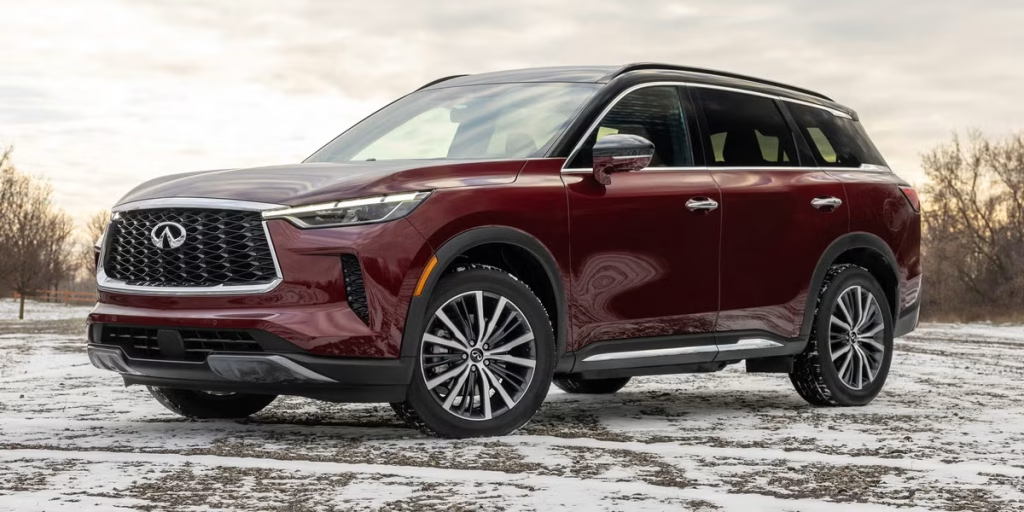
The QX60 remains a capable family luxury SUV with generous passenger space and a comfortable ride. However, Consumer Reports’ owner satisfaction survey suggests that many owners believe rival luxury models provide a more rewarding long-term ownership experience.
Specifications
- Engine: 3.5-liter naturally aspirated V6
- Torque: 270 lb-ft
- Horsepower: 295 hp
- Length: 198.2 inches
- Width: 86.0 inches (including mirrors)
8. Nissan Altima
For decades, the Nissan Altima has ranked among America’s best-selling midsize sedans. Its spacious cabin, competitive pricing, available all-wheel drive, and strong fuel economy have made it a favorite among commuters and families alike.
Buyers looking for an affordable sedan with modern safety technology often place the Altima near the top of their shopping list.
Consumer Reports’ owner satisfaction survey paints a more complicated picture. Although the Altima continues to attract a large number of buyers, its owner satisfaction rating falls below average, indicating that many owners would not choose the same vehicle again if given the opportunity.
The reasons extend beyond reliability. The Altima offers a comfortable ride and efficient powertrains, but many owners describe the driving experience as less refined than several competitors.
Models equipped with Nissan’s continuously variable transmission prioritize efficiency, yet some drivers feel the transmission reduces responsiveness during hard acceleration or highway passing.
Cabin comfort is another mixed area. Front-seat space is generous, and the controls are easy to understand, but interior materials in lower trims can feel less upscale than those found in rivals such as the Honda Accord or Toyota Camry. Road noise also becomes more noticeable at interstate speeds, which affects long-distance comfort.
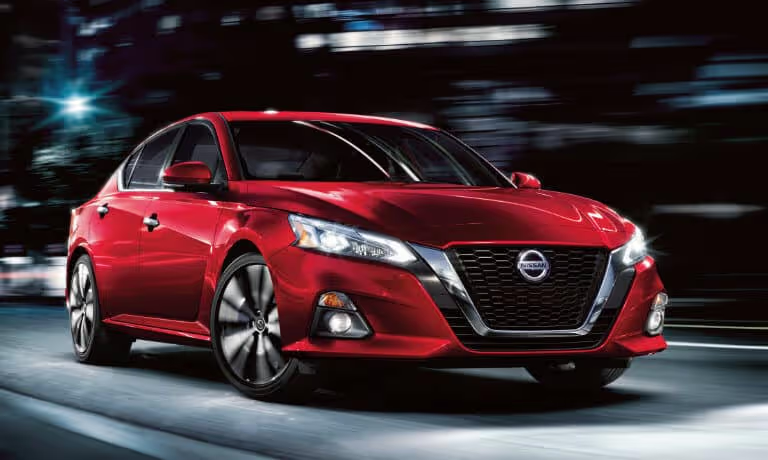
The Altima does provide impressive value with Nissan Safety Shield 360, available all-wheel drive, and good fuel economy.
Those qualities continue to attract thousands of buyers every year. Still, Consumer Reports’ survey data shows that many owners believe competing midsize sedans deliver a more satisfying ownership experience once the initial excitement of the purchase has faded.
Specifications
- Engine: 2.5-liter naturally aspirated inline-four
- Torque: 180 lb-ft
- Horsepower: 188 hp
- Length: 192.9 inches
- Width: 72.9 inches
9. Jeep Grand Cherokee
The Jeep Grand Cherokee has long been one of the most recognizable midsize SUVs in the United States. Its combination of upscale styling, available four-wheel drive, and genuine off-road capability has helped it remain a strong seller for decades.
Buyers appreciate that it can serve as a comfortable daily driver while still handling rough trails when properly equipped. The spacious cabin, available premium interior materials, and broad trim lineup also allow shoppers to tailor the SUV to a wide range of budgets.
Even with these advantages, Consumer Reports gives the Grand Cherokee a below-average owner satisfaction rating based on survey responses asking owners whether they would buy the same vehicle again. The results suggest that while many buyers admire its capability and appearance, day-to-day ownership does not always meet expectations.
One factor is refinement. Although recent generations have improved ride quality and interior design, some owners report that competing midsize SUVs provide smoother power delivery and a quieter highway experience.
The Grand Cherokee’s emphasis on off-road capability can also result in compromises that become noticeable during everyday commuting.
Technology has improved considerably, with larger infotainment displays and numerous driver-assistance features, but some owners have reported frustrations with software glitches and occasional electronic issues. While these problems are not universal, they can influence long-term satisfaction.
Ownership costs are another consideration. Compared with many mainstream rivals, maintenance and repair expenses may be higher over time, particularly for well-equipped trims with advanced suspension systems and additional electronic features. Fuel economy also trails several competitors despite improvements to the powertrain lineup.
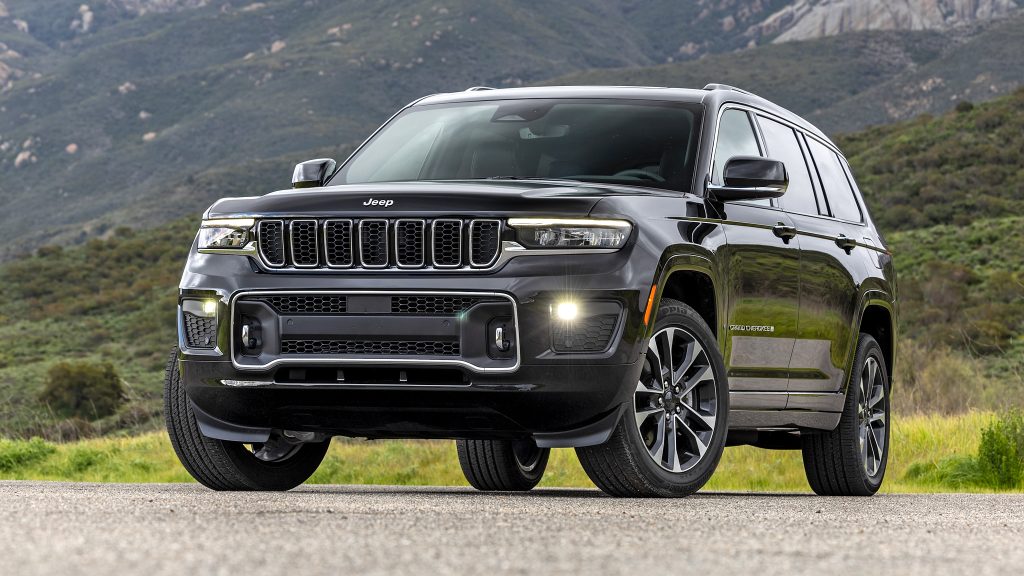
The Grand Cherokee continues to attract buyers seeking a capable SUV with authentic Jeep heritage. Nevertheless, Consumer Reports’ owner satisfaction survey indicates that a significant number of owners believe another midsize SUV would have been a better long-term choice.
Specifications
- Engine: 3.6-liter naturally aspirated Pentastar V6
- Torque: 260 lb-ft
- Horsepower: 293 hp
- Length: 193.5 inches
- Width: 77.5 inches
10. Volkswagen Tiguan
The Volkswagen Tiguan has become one of the brand’s highest-volume vehicles in the American market by offering a spacious interior, composed highway manners, and European styling.
It appeals to families who want a compact SUV with generous passenger room and a refined appearance without stepping into the luxury segment. Strong sales demonstrate that the formula has worked well for Volkswagen.
Consumer Reports’ owner satisfaction survey, however, places the Tiguan below average. While owners generally appreciate its comfortable seating and practical layout, many indicate they would not purchase the same vehicle again.
That finding highlights the difference between making a positive first impression and delivering a consistently satisfying ownership experience.
Performance is one area where expectations sometimes exceed reality. The turbocharged four-cylinder engine provides adequate power for everyday driving, but owners carrying several passengers or cargo often find acceleration less confident than many competing compact SUVs.
The transmission is smooth during normal driving, yet it does not completely offset the modest performance available from the powertrain.
The Tiguan’s interior is thoughtfully arranged and offers one of the roomiest rear seats in its class. Even so, some owners have expressed disappointment with the responsiveness of certain infotainment functions and the use of touch-sensitive controls in newer versions.
Small frustrations that occur daily can have a meaningful effect on owner satisfaction over time.
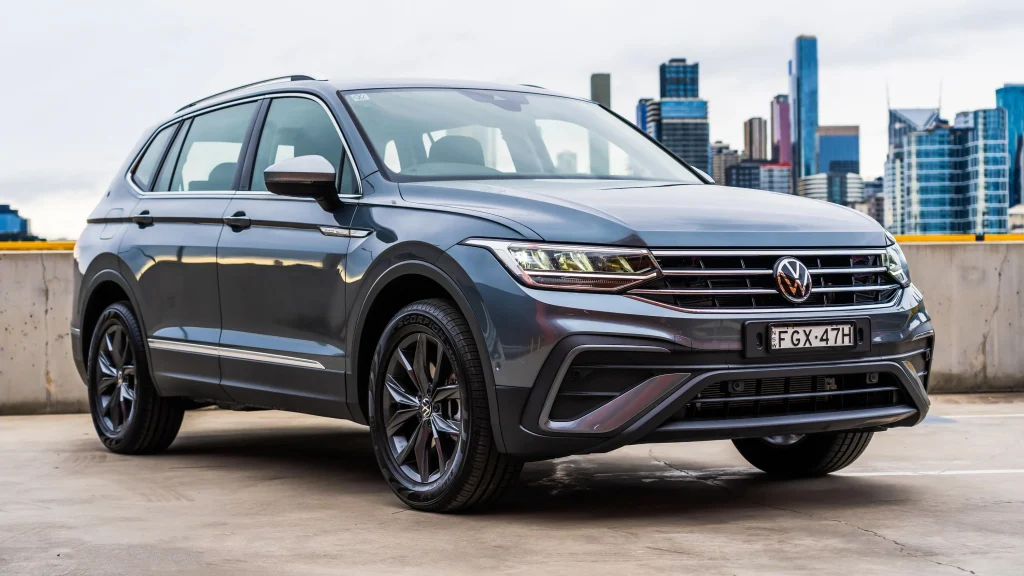
Volkswagen continues to equip the Tiguan with a strong suite of standard safety technologies, comfortable ride quality, and practical cargo space. Those strengths make it a capable family SUV.
Consumer Reports’ survey results nevertheless indicate that many owners believe competing compact crossovers deliver a more rewarding balance of performance, refinement, and ease of ownership.
Specifications
- Engine: 2.0-liter turbocharged inline-four
- Torque: 221 lb-ft
- Horsepower: 201 hp
- Length: 186.1 inches
- Width: 72.4 inches
Also Read: 10 Vehicles With the Worst Reliability Scores in 2026
