
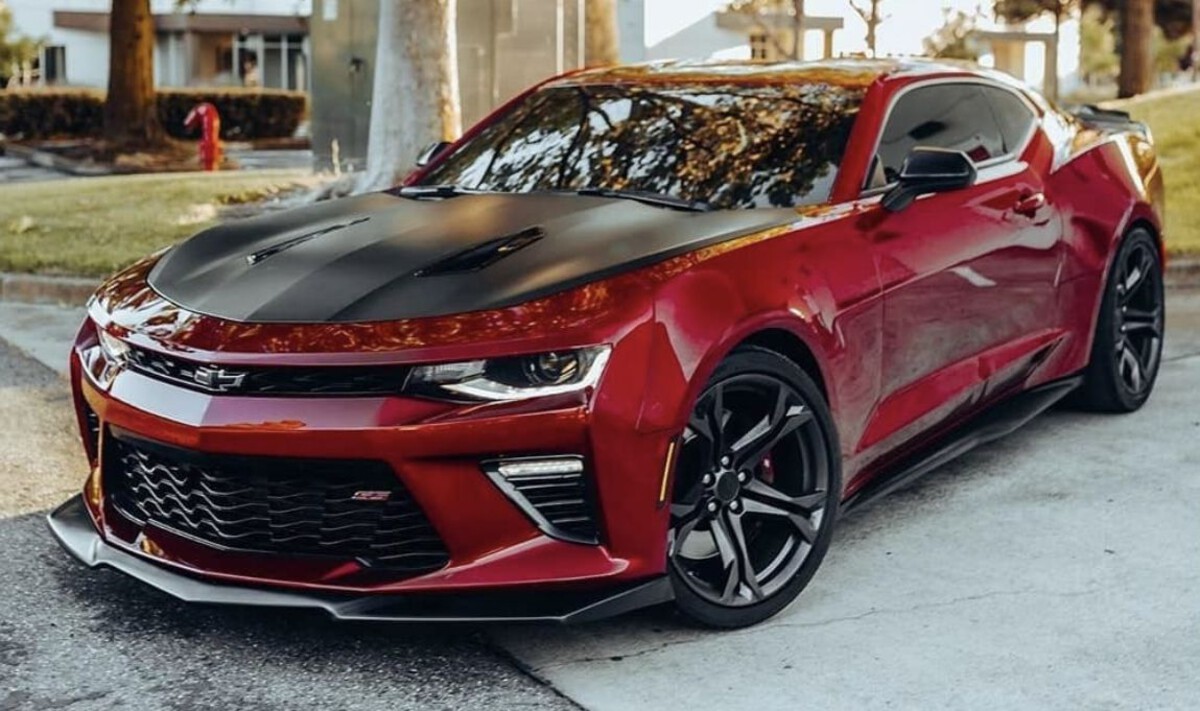
The Chevrolet Camaro has experienced decades of success, challenges, redesigns, and revivals since its introduction in 1967. As one of America’s most recognizable performance cars, it has played a major role in the muscle car segment while adapting to changing regulations, technology, and customer expectations. Some generations became legendary for their performance, styling, and collectibility, while others struggled with reliability concerns and unpopular changes.
This article highlights ten important Camaro model years that represent both the best and most difficult periods in the car’s history. It covers versions that earned praise for powerful engines, durability, and enthusiast appeal, as well as those affected by mechanical issues, design choices, or market challenges. Together, these examples show how the Camaro’s legacy evolved across six generations.
Also Read: 10 Sports Cars With The Most Expensive Repair Costs
1. 2023 Chevrolet Camaro
The 2023 Chevrolet Camaro represents one of the most refined versions of the sixth generation. After years of continuous improvements, Chevrolet produced a sports coupe that successfully combines impressive performance with mature engineering and dependable mechanical components.
As one of the final production years before the Camaro’s discontinuation, it benefits from extensive development that addressed many of the small issues reported in earlier models.
One of the strongest reasons to recommend the 2023 Camaro is its diverse engine lineup. Buyers can select the efficient 2.0-liter turbocharged four-cylinder, the smooth 3.6-liter V6, the powerful 6.2-liter LT1 V8, or the track-focused supercharged V8 found in the ZL1.
Regardless of the engine choice, Chevrolet paired these powertrains with refined transmissions that deliver smooth operation during daily driving while remaining capable under spirited acceleration.
The Camaro’s Alpha platform continues to be one of its greatest strengths. Steering is precise, body control is exceptional, and suspension tuning provides impressive confidence through corners without sacrificing ride comfort on public roads. This balance makes the Camaro enjoyable both on winding roads and during everyday commuting.
Technology also received meaningful updates throughout the sixth generation. The infotainment system supports Apple CarPlay and Android Auto, while available safety features include blind-zone alert, rear cross-traffic alert, rear park assist, and forward collision alert. Interior materials also improved compared with earlier generations, giving the cabin a more premium feel.
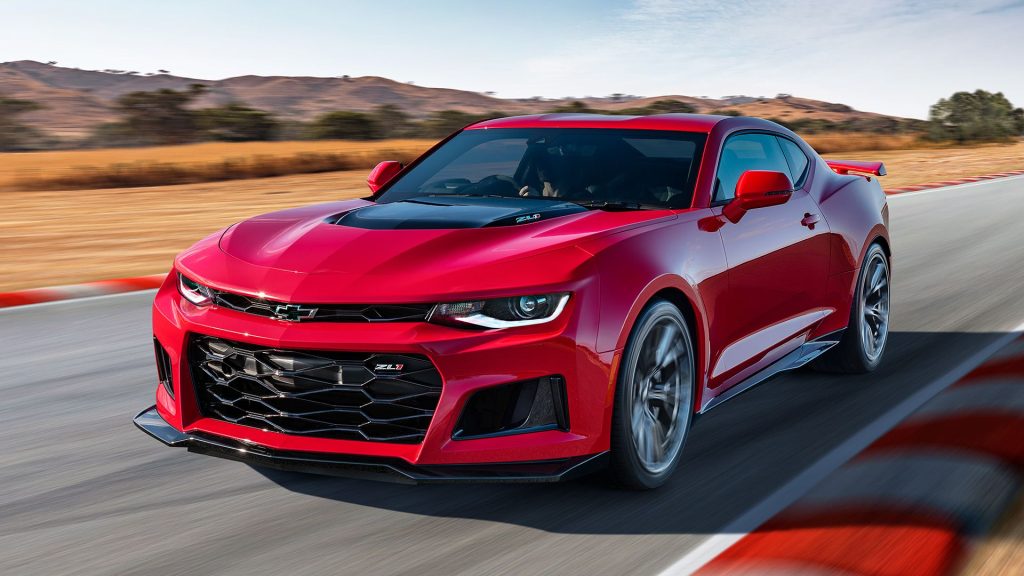
The 2023 Chevrolet Camaro deserves its place among the best years because it delivers proven reliability, outstanding handling, multiple engine options, and mature engineering that reflects years of continuous refinement.
Specifications
- Engine: 2.0-liter Turbocharged Inline-4
- Torque: 295 lb-ft
- Horsepower: 275 hp
- Length/Width: 188.3 in / 74.7 in
2. 2022 Chevrolet Camaro
The 2022 Chevrolet Camaro stands as another excellent example of how a well-developed platform can continue improving without requiring major redesigns.
By this point, Chevrolet had already refined the drivetrain, software, suspension, and interior technology, creating one of the most dependable modern Camaros available on the used market.
Performance remains the defining characteristic of this model year. The standard turbocharged four-cylinder offers surprisingly strong acceleration, while the naturally aspirated V6 provides a satisfying blend of power and refinement.
Buyers seeking classic American muscle can select one of the available V8-powered trims, all of which benefit from years of proven engineering and solid reliability records when maintained according to factory recommendations.
Handling continues to distinguish the Camaro from many competitors. Thanks to the Alpha architecture, the car feels balanced and composed during aggressive driving while remaining comfortable enough for everyday transportation. Responsive steering and powerful brakes further enhance driver confidence.
Inside, the cabin combines sporty design with practical technology. The touchscreen infotainment system is intuitive, smartphone integration works seamlessly, and available premium audio systems enhance the driving experience. Chevrolet also equipped many trims with advanced driver assistance technologies that improve everyday usability.
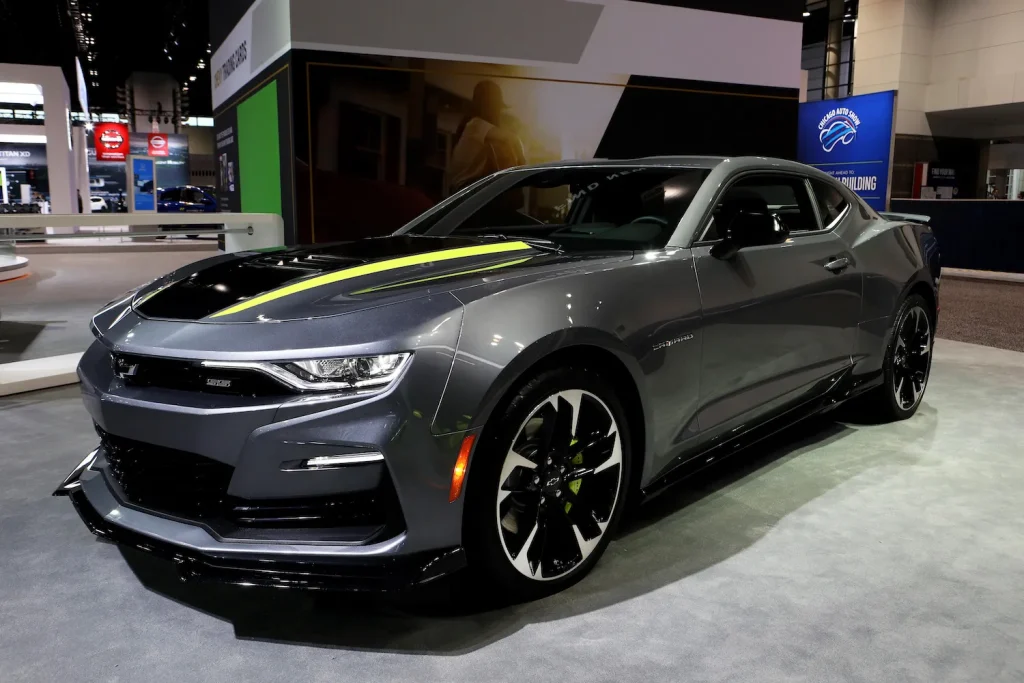
The 2022 Camaro earns recognition because it successfully balances performance, dependability, comfort, and technology. Buyers searching for a modern American sports car that offers both excitement and reasonable long-term ownership costs will find this model year among the strongest choices available.
Specifications
- Engine: 2.0-liter Turbocharged Inline-4
- Torque: 295 lb-ft
- Horsepower: 275 hp
- Length/Width: 188.3 in / 74.7 in
3. 2019 Chevrolet Camaro
The 2019 Chevrolet Camaro introduced a mid-cycle refresh that brought updated styling, revised technology, and continued refinement to one of America’s most capable sports cars.
While the exterior changes generated mixed opinions among enthusiasts, the engineering improvements beneath the sheet metal helped strengthen the Camaro’s reputation as a dependable and rewarding performance car.
A major reason this model deserves recognition is the wide selection of proven engines. The turbocharged 2.0-liter four-cylinder provides impressive fuel economy while delivering brisk acceleration.
The naturally aspirated 3.6-liter V6 offers smooth power delivery and a distinctive exhaust note, while the legendary 6.2-liter LT1 V8 continues to represent one of the finest naturally aspirated performance engines produced by General Motors. Buyers seeking extreme performance can also consider the supercharged ZL1.
Driving dynamics remain one of the Camaro’s defining strengths. Built on the Alpha platform, the car offers precise steering, exceptional cornering ability, and impressive chassis balance. Whether driving through mountain roads or cruising on the highway, the Camaro inspires confidence without sacrificing everyday comfort.
The cabin also benefited from updates. Chevrolet improved the infotainment interface, making it easier to access navigation, smartphone connectivity, and vehicle settings. Apple CarPlay and Android Auto became more widely available, while optional safety features such as Rear Cross Traffic Alert and Blind Zone Alert added extra convenience.
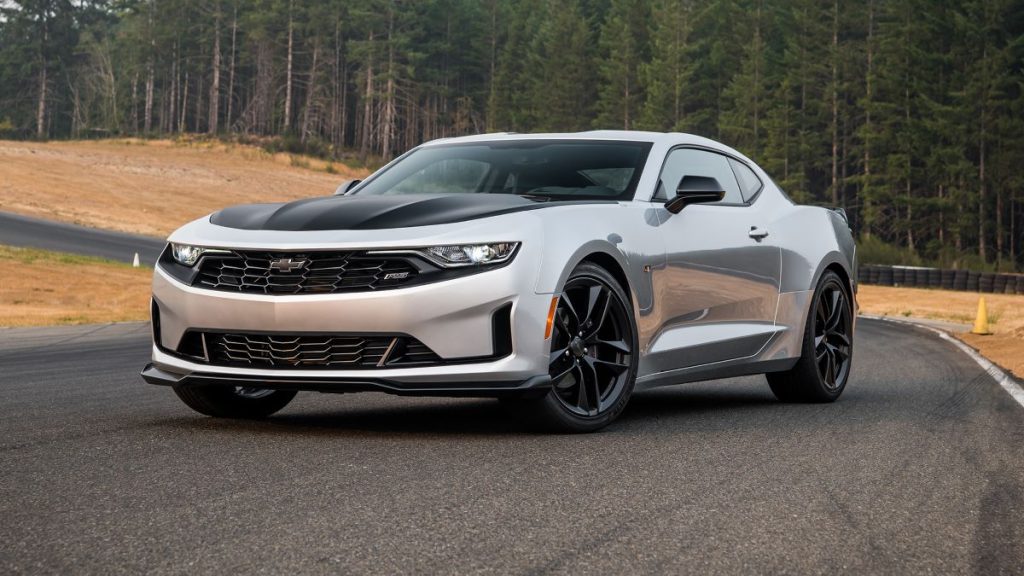
The 2019 Chevrolet Camaro earns its position among the best years because it combines refined performance, proven reliability, modern technology, and impressive driving dynamics. It remains one of the strongest used sports car values for enthusiasts seeking both excitement and long-term dependability.
Specifications
- Engine: 2.0-liter Turbocharged Inline-4
- Torque: 295 lb-ft
- Horsepower: 275 hp
- Length/Width: 188.3 in / 74.7 in
4. 2017 Chevrolet Camaro
The 2017 Chevrolet Camaro demonstrates how a second production year can improve upon an already excellent redesign.
Chevrolet retained the lightweight Alpha platform introduced for the sixth generation while refining software calibration, interior quality, and drivetrain performance. These improvements helped create one of the most dependable Camaros available today.
The available engine lineup provides something for nearly every type of driver. The efficient turbocharged four-cylinder offers excellent fuel economy for a sports coupe, the V6 delivers a satisfying balance of refinement and performance, and the naturally aspirated LT1 V8 continues to impress with instant throttle response and outstanding durability.
Each engine benefits from Chevrolet’s years of experience with these powertrains. Ride quality is another pleasant surprise. Although the Camaro is engineered for spirited driving, the suspension remains comfortable enough for daily commuting. Magnetic Ride Control, available on higher trims, further enhances handling while maintaining excellent comfort on rough pavement.
Inside the cabin, the driver-focused layout places essential controls within easy reach. Supportive seats keep occupants comfortable during long journeys, while the infotainment system provides straightforward operation through a responsive touchscreen. Premium trims add leather upholstery, heated and ventilated seats, and advanced performance displays.
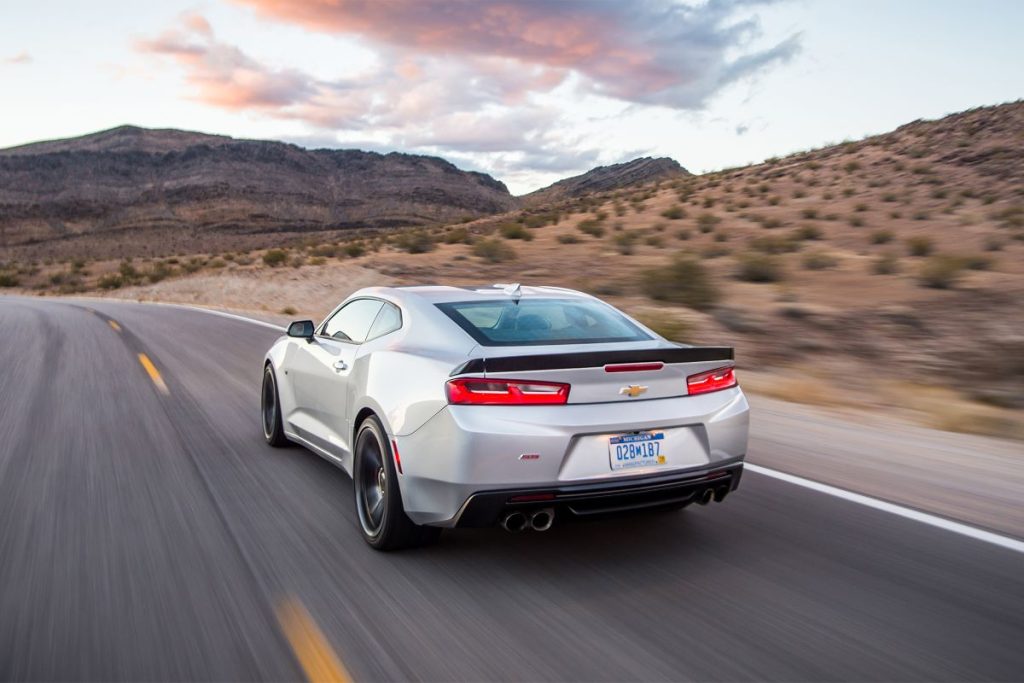
The 2017 Camaro earns recognition because it successfully combines dependable engineering, engaging performance, and modern technology without many of the early production concerns that can affect first-year redesigns. Buyers looking for a capable sports car with proven reliability frequently place this model among their top choices.
Specifications
- Engine: 2.0-liter Turbocharged Inline-4
- Torque: 295 lb-ft
- Horsepower: 275 hp
- Length/Width: 188.3 in / 74.7 in
5. 2013 Chevrolet Camaro
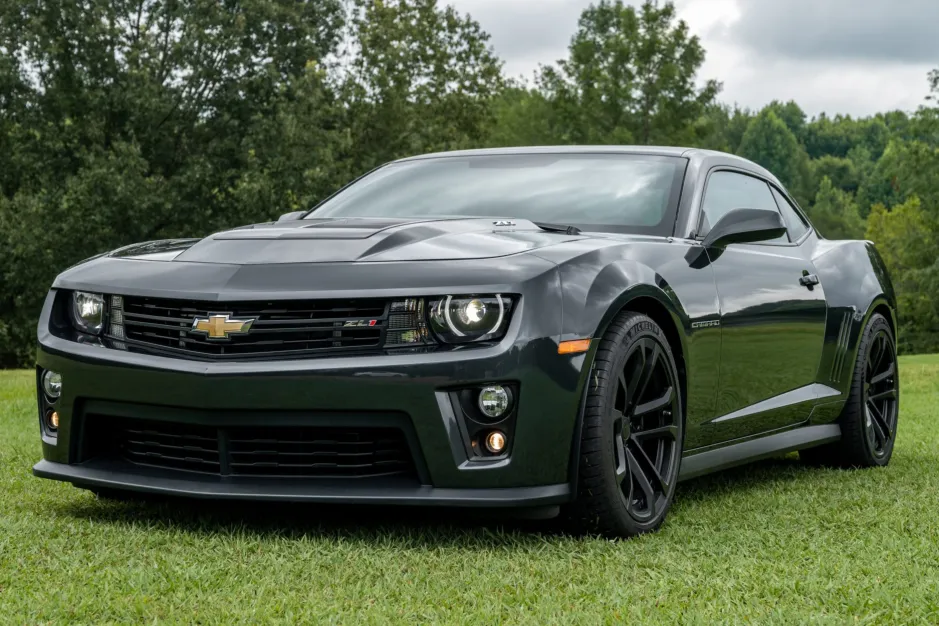
The 2013 Chevrolet Camaro stands out as one of the strongest examples of the fifth generation because it arrived after several years of engineering refinement.
Chevrolet had already addressed many of the issues reported on earlier production models, resulting in a sports car that combined classic muscle car styling with improved reliability and everyday usability. It remains a favorite among buyers looking for an affordable used performance car.
One of the Camaro’s biggest strengths is its proven engine lineup. The 3.6-liter V6 produces impressive horsepower while delivering respectable fuel economy for a sports coupe.
Buyers wanting traditional American V8 performance can choose the 6.2-liter LS3 or L99 engine depending on transmission selection. Both V8 engines have earned strong reputations for durability when serviced regularly, and they continue to enjoy excellent aftermarket support.
Driving enjoyment extends beyond straight-line performance. The suspension provides solid body control, steering feels predictable, and the chassis remains stable during spirited driving. While visibility is more limited than in many sedans, the Camaro rewards drivers with balanced handling and confident cornering characteristics.
The interior also received meaningful updates compared with earlier fifth-generation models. Higher-quality materials, revised controls, and an improved infotainment system created a more comfortable environment for both daily commuting and weekend road trips.
Standard safety equipment and optional convenience features further enhanced the ownership experience.
The 2013 Chevrolet Camaro deserves recognition because it offers dependable powertrains, enjoyable driving dynamics, manageable maintenance costs, and timeless styling. Buyers searching for a reliable muscle car with strong long-term value will find this model year to be one of the smartest choices in the Camaro lineup.
Specifications
- Engine: 3.6-liter Naturally Aspirated V6
- Torque: 278 lb-ft
- Horsepower: 323 hp
- Length/Width: 190.6 in / 75.5 in
6. 2010 Chevrolet Camaro
The return of the Chevrolet Camaro for the 2010 model year generated enormous excitement among enthusiasts. Its retro-inspired styling, available V8 performance, and modern chassis made it an instant success.
However, like many first-year redesigns, the 2010 Camaro also experienced several mechanical and electrical concerns that make it one of the years buyers should approach carefully.
One of the most frequently reported issues involved the automatic transmission. Some owners experienced rough shifting, hesitation, or premature wear, particularly under aggressive driving conditions.
While not every vehicle developed transmission problems, enough complaints were documented to affect the model year’s reputation.
Electrical issues also became common. Owners reported malfunctioning power door locks, faulty key fobs, battery drain, warning lights, and occasional failures involving interior electronics. Many of these faults were repairable, but they often required repeated dealership visits.
Another concern involved the timing chain on certain V6-equipped models. Inadequate maintenance or infrequent oil changes could accelerate timing chain wear, potentially resulting in expensive engine repairs.
Proper servicing greatly reduces this risk, making maintenance history especially important when evaluating a used example.
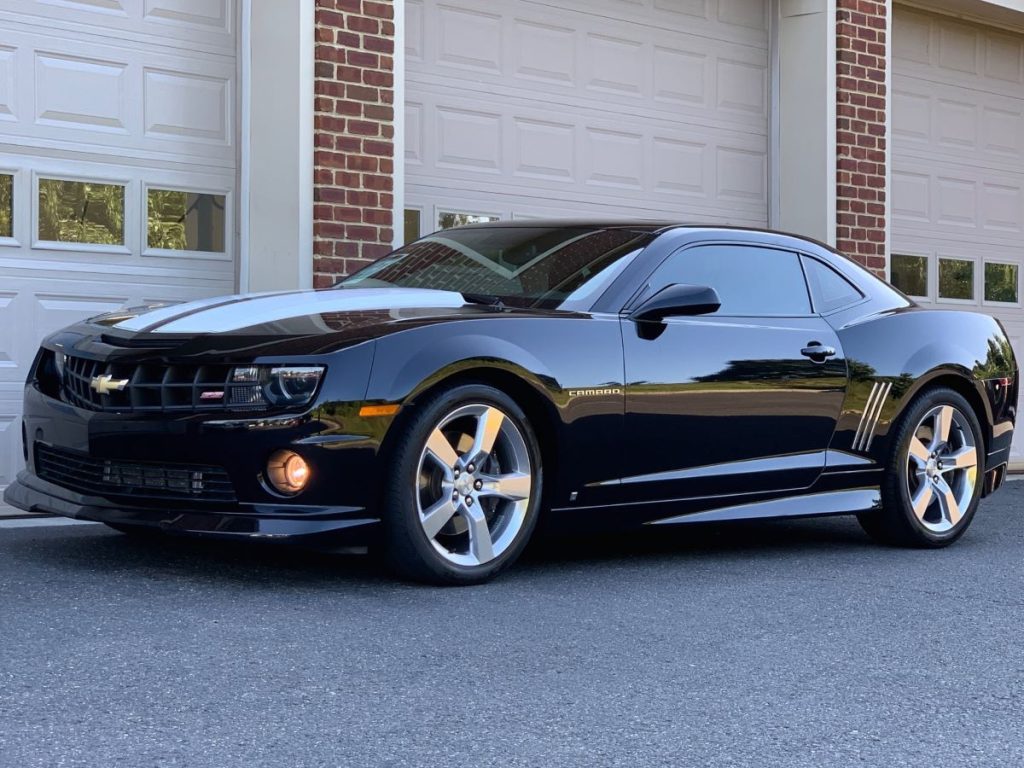
The 2010 Camaro remains an exciting performance car with impressive styling and powerful engine options. However, buyers considering this model should carefully inspect service records, verify recall completion, and pay particular attention to transmission operation and engine maintenance before making a purchase.
Specifications
- Engine: 3.6-liter Naturally Aspirated V6
- Torque: 273 lb-ft
- Horsepower: 304 hp
- Length/Width: 190.4 in / 75.5 in
7. 2011 Chevrolet Camaro
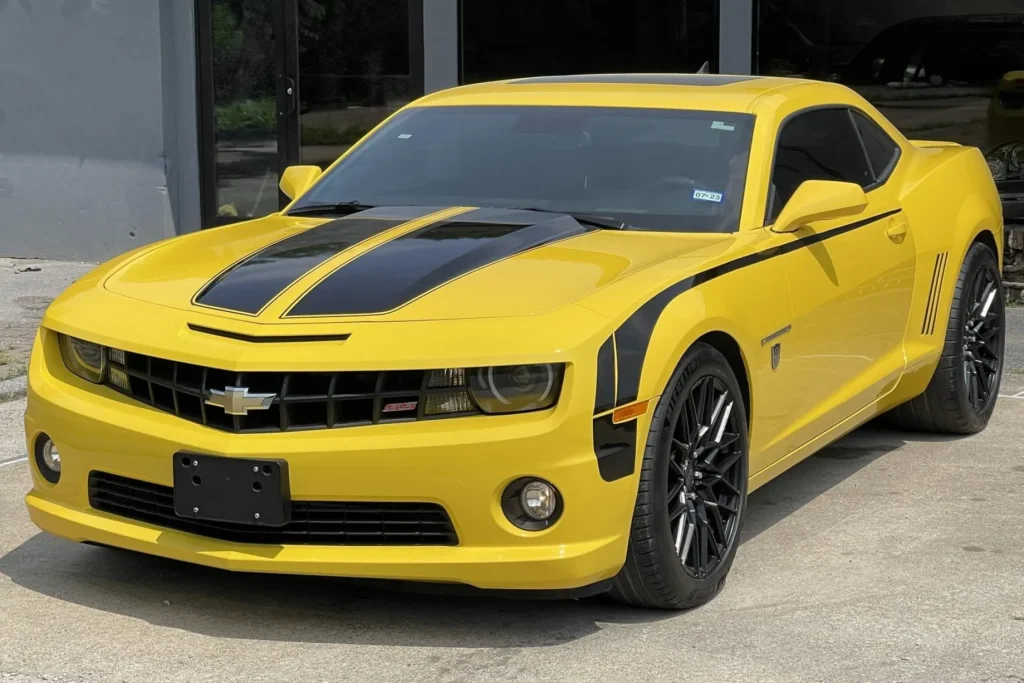
Although Chevrolet corrected several early production issues after the Camaro’s return, the 2011 model continued to experience enough recurring concerns to remain one of the weaker years in the lineup.
It retained the aggressive styling and strong performance that made the fifth-generation Camaro popular, but long-term ownership revealed several areas that deserve careful attention before buying a used example.
The most commonly discussed concern involves the 3.6-liter V6 engine. Certain vehicles experienced premature timing chain wear, particularly when oil changes were delayed or low-quality engine oil was used.
A worn timing chain can trigger check engine lights, rough engine operation, and expensive repairs if ignored. Buyers should look for documentation confirming consistent maintenance and any timing chain repairs.
Manual transmission owners also reported occasional clutch wear that appeared earlier than expected, especially on cars driven aggressively. Automatic transmission models generally proved more dependable, although some owners still experienced rough shifting or hesitation under certain driving conditions.
Electrical problems also appeared on some vehicles. Complaints included faulty radio systems, malfunctioning power accessories, battery drain, and intermittent dashboard warning lights. While these faults rarely disabled the vehicle, they could become frustrating and costly over time.
The 2011 Camaro remains enjoyable to drive and offers excellent performance for its price, but buyers can often find later fifth-generation models with improved reliability and fewer recurring concerns. A thorough pre-purchase inspection and complete maintenance history are highly recommended before purchasing this model year.
Specifications
- Engine: 3.6-liter Naturally Aspirated V6
- Torque: 273 lb-ft
- Horsepower: 312 hp
- Length/Width: 190.4 in / 75.5 in
8. 2016 Chevrolet Camaro
The 2016 Chevrolet Camaro introduced the sixth generation on General Motors’ outstanding Alpha platform. It delivered dramatic improvements in handling, weight reduction, interior quality, and performance.
Despite these achievements, the first production year experienced several issues commonly associated with all-new vehicle launches, making it one of the Camaro years that deserves additional research before purchase.
One area of concern involved the new eight-speed automatic transmission used on many trims. Some owners reported transmission shudder, vibration, or harsh shifting during light acceleration.
General Motors later introduced updated transmission fluid and service procedures to address these complaints, but buyers should verify that the recommended repairs have already been completed.
Electronic systems also generated occasional owner complaints. Infotainment glitches, backup camera malfunctions, and intermittent warning messages were reported during the early production years. Most problems were corrected through software updates, although some vehicles required hardware replacement.
Visibility remained another criticism. While not a reliability issue, the Camaro’s narrow windows and thick roof pillars reduced outward visibility compared with many competitors, making parking and lane changes more challenging for some drivers.
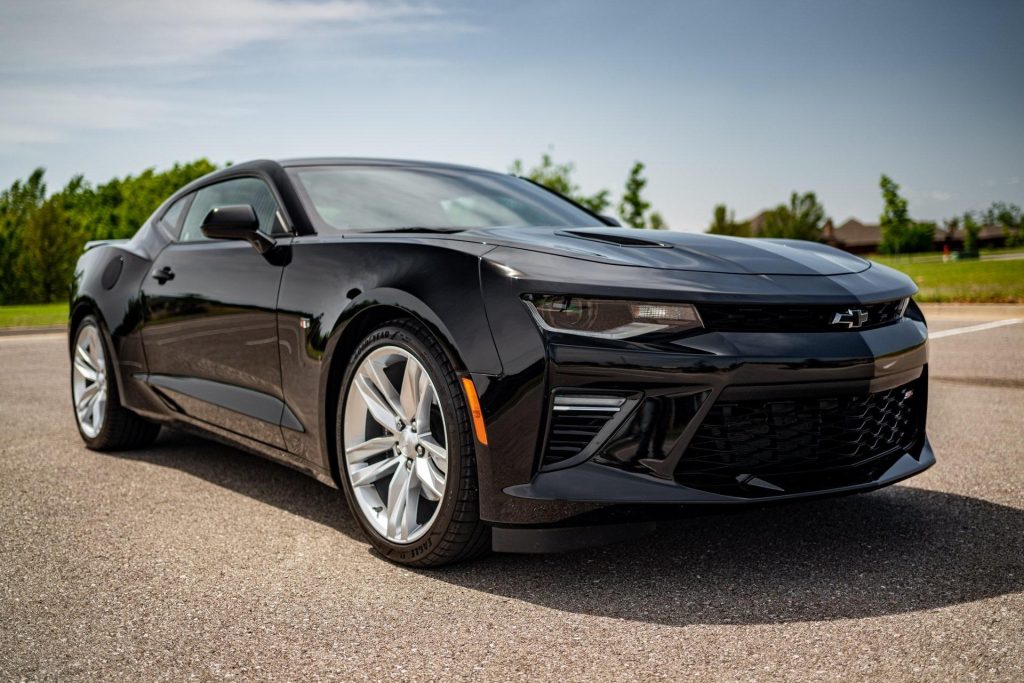
The 2016 Camaro offers outstanding handling and powerful engine options, but buyers should carefully inspect transmission performance and confirm that all factory service bulletins have been completed. Later sixth-generation models generally provide a more refined ownership experience.
Specifications
- Engine: 2.0-liter Turbocharged Inline-4
- Torque: 295 lb-ft
- Horsepower: 275 hp
- Length/Width: 188.3 in / 74.7 in
9. 2012 Chevrolet Camaro
By the 2012 model year, Chevrolet had already corrected several issues that affected the Camaro’s return in 2010. Even so, this version continued to receive enough owner complaints to earn a place among the years that deserve additional caution.
It remains an exciting sports car with impressive performance, but buyers should inspect it carefully before committing to a purchase.
One of the primary concerns involves the 3.6-liter V6 engine. Certain vehicles experienced premature timing chain wear, particularly when oil change intervals were extended or maintenance records were incomplete. A stretched timing chain can cause engine warning lights, rough idling, and reduced performance. If left unresolved, repair costs can increase significantly.
Some owners also reported problems with the electric power steering system. Intermittent steering assist warnings, heavier steering effort, and steering wheel vibration appeared on a limited number of vehicles. Chevrolet issued technical updates for some concerns, making it important to verify previous repair history.
Interior electronics generated additional complaints. Faulty radio units, malfunctioning Bluetooth connectivity, power seat problems, and intermittent dashboard warning messages appeared more frequently than expected.
While these issues generally did not prevent the vehicle from being driven, they affected owner satisfaction and added unexpected repair expenses.
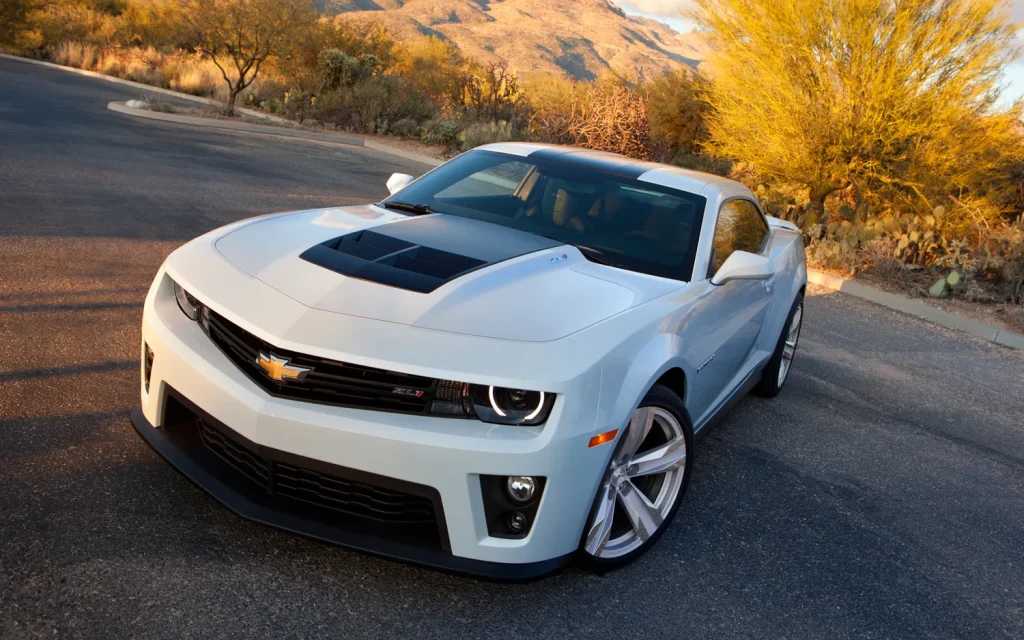
The 2012 Camaro continues to deliver strong acceleration, attractive styling, and capable handling, but later fifth-generation models benefited from further engineering improvements. Buyers should prioritize examples with complete maintenance records and documented repairs to reduce the likelihood of expensive surprises after purchase.
Specifications
- Engine: 3.6-liter Naturally Aspirated V6
- Torque: 278 lb-ft
- Horsepower: 323 hp
- Length/Width: 190.6 in / 75.5 in
10. 2015 Chevrolet Camaro
The 2015 Chevrolet Camaro marked the final production year of the fifth generation. Although final-year vehicles are often among the most refined, this Camaro appears on the list because certain mechanical concerns continued to affect specific powertrains, even after several years of production improvements.
It is not an unreliable sports car by default, but buyers should pay close attention to its maintenance history before making a purchase.
One issue reported by some owners involves the air conditioning system. Compressor failures, weak cooling performance, and refrigerant leaks became increasingly common as these vehicles accumulated mileage. While these problems are repairable, replacement costs can be high if multiple components require attention.
Owners of V8-powered models also reported occasional differential noise, particularly on vehicles driven aggressively or used for frequent performance driving. Regular differential fluid service helps reduce wear, but neglected maintenance can accelerate component deterioration.
Electrical issues also surfaced on higher-mileage examples. Complaints included malfunctioning infotainment systems, faulty door lock actuators, battery drain, and intermittent sensor failures. Individually, these problems are usually manageable, yet several occurring together can increase ownership costs.
Another factor to consider is how many fifth-generation Camaros have been modified. Performance upgrades, suspension changes, aftermarket tuning, or track use can place additional stress on the drivetrain.
Buyers should carefully inspect any modified example and request documentation showing professional installation and regular servicing.
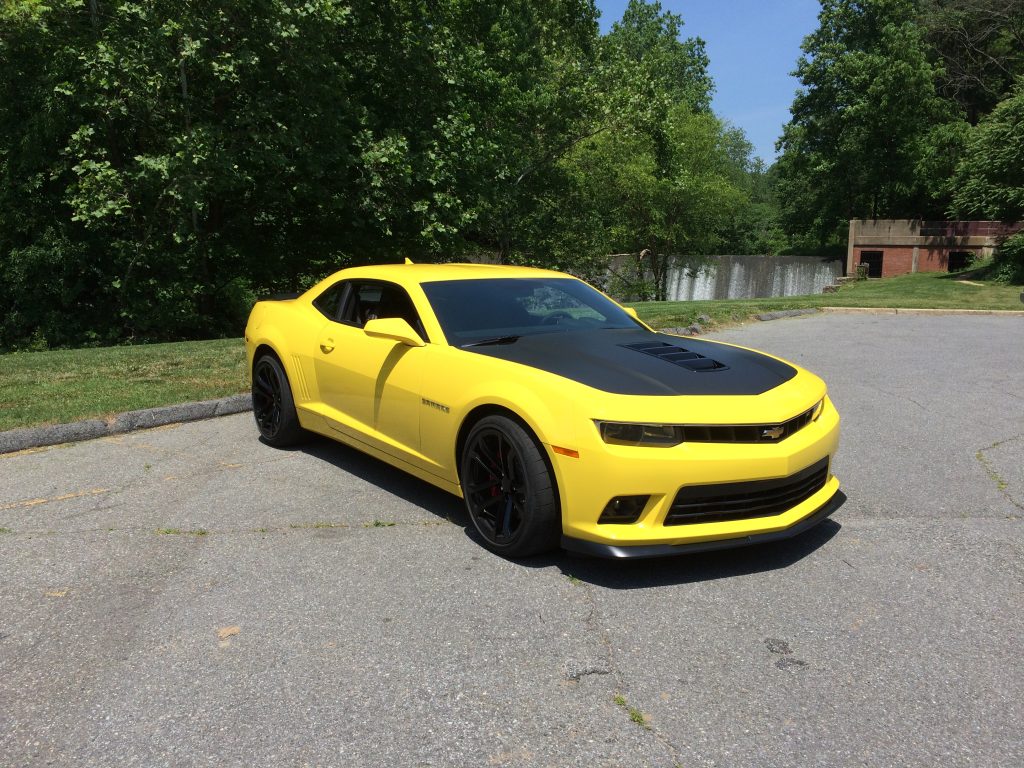
The 2015 Camaro remains an enjoyable American sports car with timeless styling and impressive engine choices.
Its placement on this list reflects recurring ownership concerns and the high number of heavily modified vehicles on the used market rather than a fundamental design flaw. A well-maintained, unmodified example can still provide years of dependable performance.
Specifications
- Engine: 3.6-liter Naturally Aspirated V6
- Torque: 278 lb-ft
- Horsepower: 323 hp
- Length/Width: 190.6 in / 75.5 in
Also Read: 5 Car Colors That Hold Value vs 5 That Tank at Resale
