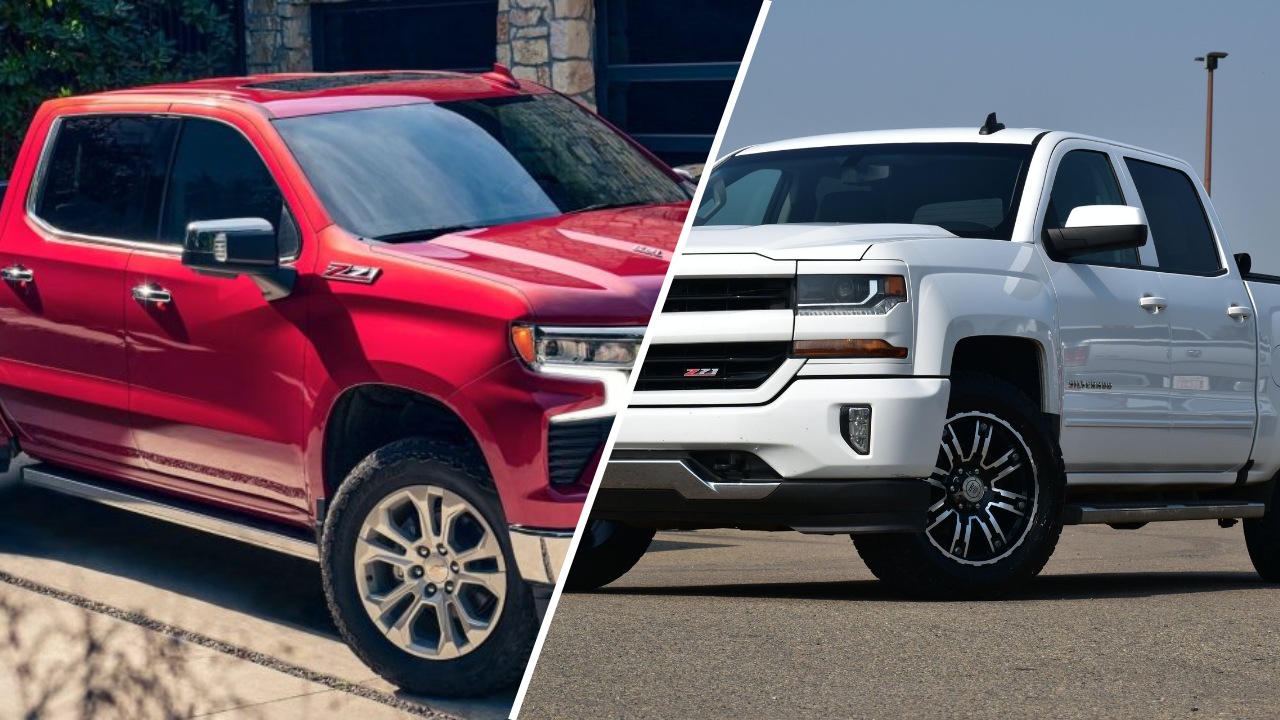
Buying a new pickup truck has become increasingly expensive over the past few years, with average transaction prices regularly exceeding $60,000 for well-equipped full-size models. However, shoppers willing to purchase a leftover 2025 model instead of waiting for a 2026 truck may find some of the biggest discounts the market has seen in months.
As dealers make room for incoming inventory, manufacturers have introduced aggressive incentives to clear unsold stock.
According to Cars.com, some remaining 2025 pickup trucks are being advertised with rebates of up to $9,000, while certain Chevrolet Silverado 1500 models have discounts approaching 22% of MSRP when manufacturer rebates are combined with dealer markdowns.
Although the exact savings vary by location, trim level, and buyer eligibility, the current market offers an unusual opportunity for shoppers who prioritize value over owning the newest model year. Understanding why these incentives exist and which trucks qualify can help buyers decide whether now is the right time to purchase.
Also Read: 10 Trucks That Beat Their EPA Ratings in Real-World Driving
Why Dealers Are Discounting 2025 Trucks So Aggressively
Every year, automakers transition from one model year to the next, but the overlap between outgoing and incoming inventory often creates significant buying opportunities.
Once 2026 trucks begin arriving at dealerships, unsold 2025 models become harder to move, even if they are mechanically identical. Most buyers naturally gravitate toward the newest model year, making older inventory more difficult to sell without additional incentives.
For dealers, keeping unsold vehicles on the lot carries real financial costs. Most dealerships finance their inventory through short-term loans known as floorplan financing. As trucks remain unsold, interest expenses continue to accumulate, reducing potential profit on each vehicle.
Offering a substantial discount is often less expensive than carrying inventory for several more months, especially when newer models require showroom space.
Manufacturers also play an important role in these discounts. Companies such as Chevrolet, Ram, Ford, and GMC regularly introduce customer cash rebates, bonus cash offers, and loyalty incentives to help dealers reduce aging inventory.
These manufacturer-funded programs lower the effective purchase price without requiring the dealership to absorb the full cost of the discount. In many cases, dealer markdowns are added on top of manufacturer incentives, creating total savings that can reach several thousand dollars.
The current economic environment has also influenced truck sales. Higher interest rates have increased monthly payments, causing some buyers to delay major purchases. Since full-size pickups are among the most expensive vehicles in the market, demand has softened compared with previous years.
Larger inventories have encouraged manufacturers to increase incentives in order to maintain sales momentum and prevent excess stock from carrying into the next model year.
According to Cars.com, certain leftover 2025 Chevrolet Silverado 1500 models have been advertised with discounts approaching 22% of MSRP, one of the largest reductions currently available in the full-size truck segment.
Depending on the original sticker price, that can represent savings approaching or even exceeding $9,000 before taxes and registration. These discounts are especially attractive because many leftover trucks are brand new, carry full factory warranties, and often differ very little from their 2026 counterparts.
It is important, however, to understand that advertised savings often combine several different incentives.
A rebate is manufacturer-funded cash that directly reduces the purchase price, while dealer discounts are voluntary price reductions offered by individual dealerships. Additional incentives, such as military, first responder, college graduate, or loyalty programs, may only be available to qualifying buyers.
Some promotions also require financing through the manufacturer’s captive finance company, meaning buyers may need to choose between a cash rebate and promotional low-interest financing rather than receiving both.
Because incentives vary by region, dealership, and trim level, shoppers should compare multiple offers before making a purchase.
A truck advertised with a large national rebate may not be available in every state, while another dealer may offer deeper discounts on a different trim because of local inventory conditions.
Understanding how these incentives are structured can help buyers identify genuine bargains and avoid assuming that every advertised discount applies universally.
Which Trucks Are Seeing the Biggest Discounts?
While incentives vary by region and dealership, several full-size pickups stand out for offering particularly aggressive discounts as manufacturers work to clear remaining 2025 inventory. According to Cars.com, the Chevrolet Silverado 1500 leads the market in many areas, with combined manufacturer rebates and dealer markdowns approaching 22% of MSRP on select trims.
On a truck with a sticker price of around $50,000, that level of discount can translate into savings of nearly $9,000, making the Silverado one of the strongest values currently available.
The Silverado’s discounts are driven by several factors. Chevrolet continues to offer one of the broadest pickup lineups in the segment, ranging from work-oriented WT models to luxury-focused High Country trims.
Maintaining healthy inventory across so many configurations often requires additional incentives as newer model-year trucks begin arriving. Buyers may also find bonus cash offers for current Chevrolet owners, military personnel, or customers financing through GM Financial, although eligibility requirements differ by program.
The GMC Sierra 1500 is also benefiting from attractive incentives, though discounts are generally smaller than those available on comparable Silverado models. Because the Sierra is positioned as a more premium truck, dealers typically rely less on steep price reductions.
Even so, manufacturer rebates, dealer discounts, and special financing offers can still reduce the purchase price by several thousand dollars, particularly on remaining 2025 inventory.
The Ram 1500 has consistently been one of the most aggressively discounted trucks in recent years, and many leftover 2025 models continue that trend. Stellantis frequently combines customer cash rebates with bonus incentives and attractive financing programs to remain competitive.
Depending on trim level and region, buyers may find substantial savings on Big Horn, Laramie, and select higher-end models. As always, the largest advertised discounts often include incentives available only to qualifying buyers.
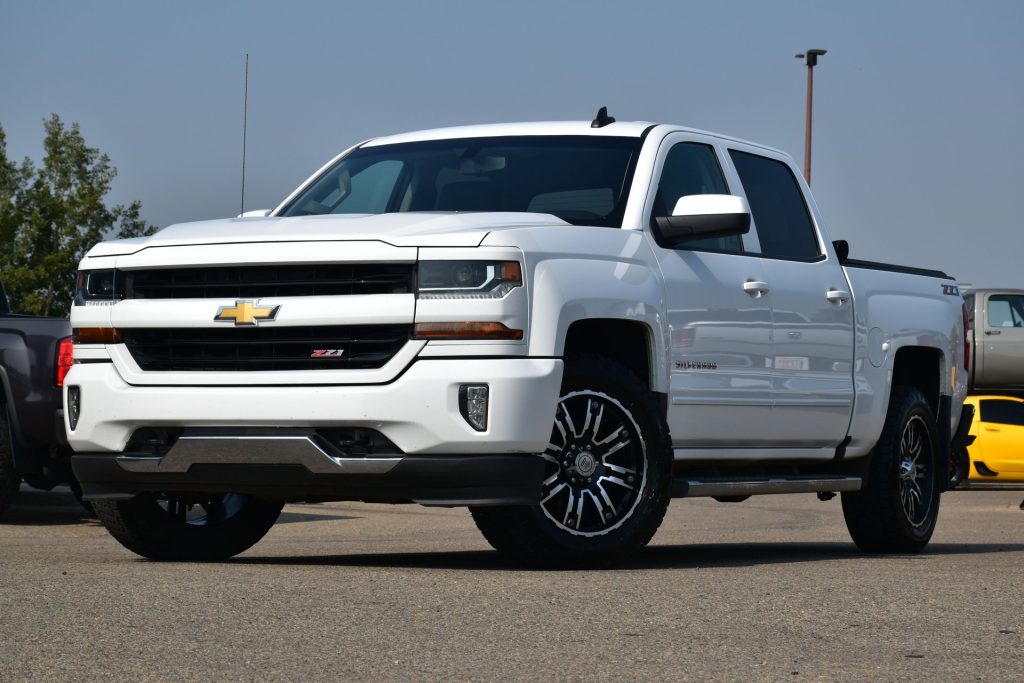
Ford has traditionally relied more on promotional financing than large cash rebates, but select 2025 Ford F-150 models are also seeing increased incentives as dealerships prepare for incoming inventory.
Although discounts may not match the highest Silverado offers, many buyers can still save thousands of dollars through dealer markdowns, regional rebates, and financing promotions. Availability varies considerably depending on trim level, engine choice, and local demand.
Another truck appearing on discount lists is the Nissan Titan. Although production of the Titan has ended, some dealerships continue to have remaining inventory.
To help sell these trucks, dealers may offer significant price reductions, making the Titan an attractive option for shoppers who prioritize value over having the latest model. Buyers should consider long-term resale value, but Nissan’s full factory warranty still applies to unsold new vehicles.
The Toyota Tundra generally receives smaller incentives than many domestic competitors because of Toyota’s strong resale values and relatively tight inventory management.
However, some regions have introduced limited cash offers or promotional financing on selected trims. While discounts may not approach the Silverado’s advertised 22% reductions, buyers may still find worthwhile savings compared with waiting for a 2026 model.
Shoppers should also remember that manufacturers frequently require buyers to choose between cash rebates and low-interest financing. For example, a truck offering a $6,000 rebate may instead qualify for promotional financing as low as 0% or 1.9% APR for eligible buyers.
Depending on the purchase price, loan term, and interest rate, accepting lower financing costs can sometimes save more money over the life of the loan than taking the larger cash rebate.
Another important consideration is that the biggest advertised discounts often apply to specific trims that dealers have in excess supply.
A work truck or mid-level trim may receive substantially larger incentives than a high-demand off-road model such as the Silverado ZR2, Ford F-150 Raptor, or Ram Rebel. Buyers who remain flexible about color, options, and trim level typically have the best chance of securing the deepest discounts.
For consumers focused on maximizing value, the current market presents an opportunity that may not last long. Once remaining 2025 inventory is sold, these rebates and dealer discounts are likely to disappear, leaving only 2026 models at higher transaction prices.
For many shoppers, purchasing a leftover 2025 truck could provide nearly identical capability, the same factory warranty, and thousands of dollars in savings simply because of the model year printed on the window sticker.
Should You Buy a Leftover 2025 Truck?
For many buyers, purchasing a leftover 2025 pickup may be one of the smartest financial decisions available this year. Although the truck carries the previous model year on its title, it is still a brand-new vehicle with zero miles, a full factory warranty, and the same coverage offered on a newly arrived 2026 model.
In many cases, the differences between the two model years are minimal, especially if the manufacturer has not introduced a major redesign or powertrain update.
The biggest advantage is the potential savings. With rebates reaching up to $9,000 on select models and some Chevrolet Silverado 1500 trims discounted by nearly 22% of MSRP, buyers can significantly reduce their purchase price.
Those savings may allow shoppers to move up to a higher trim level, add factory options, or simply lower their monthly payment without sacrificing capability or warranty protection.
There are, however, a few trade-offs. Leftover inventory usually offers fewer choices in colors, engines, and trim levels because the most popular configurations tend to sell first. Buyers may need to compromise on certain features to take advantage of the largest discounts.
Additionally, because the truck is technically one model year older, depreciation may occur slightly faster than it would on an identical 2026 model.
Before signing a purchase agreement, compare offers from multiple dealerships and carefully review how advertised discounts are calculated.
Some incentives require financing through the manufacturer’s lending arm or are available only to military members, first responders, recent college graduates, or current brand owners. Understanding which rebates apply to your situation helps avoid surprises during the buying process.
For shoppers who simply want the newest styling, updated technology, or features introduced for 2026, waiting may be worthwhile. However, if the 2025 and 2026 models are largely unchanged, choosing the discounted truck is often the better value.
As manufacturers continue clearing remaining inventory, these incentives are unlikely to last. Once leftover 2025 trucks are sold, rebates will gradually disappear, and buyers will face higher-priced 2026 inventory.
For anyone planning to purchase a full-size pickup in the near future, the current market presents a rare opportunity to save thousands of dollars while still driving home in a brand-new truck with full warranty coverage.
Also Read: 10 Vehicles That Cannot Be Registered for Road Use in California