
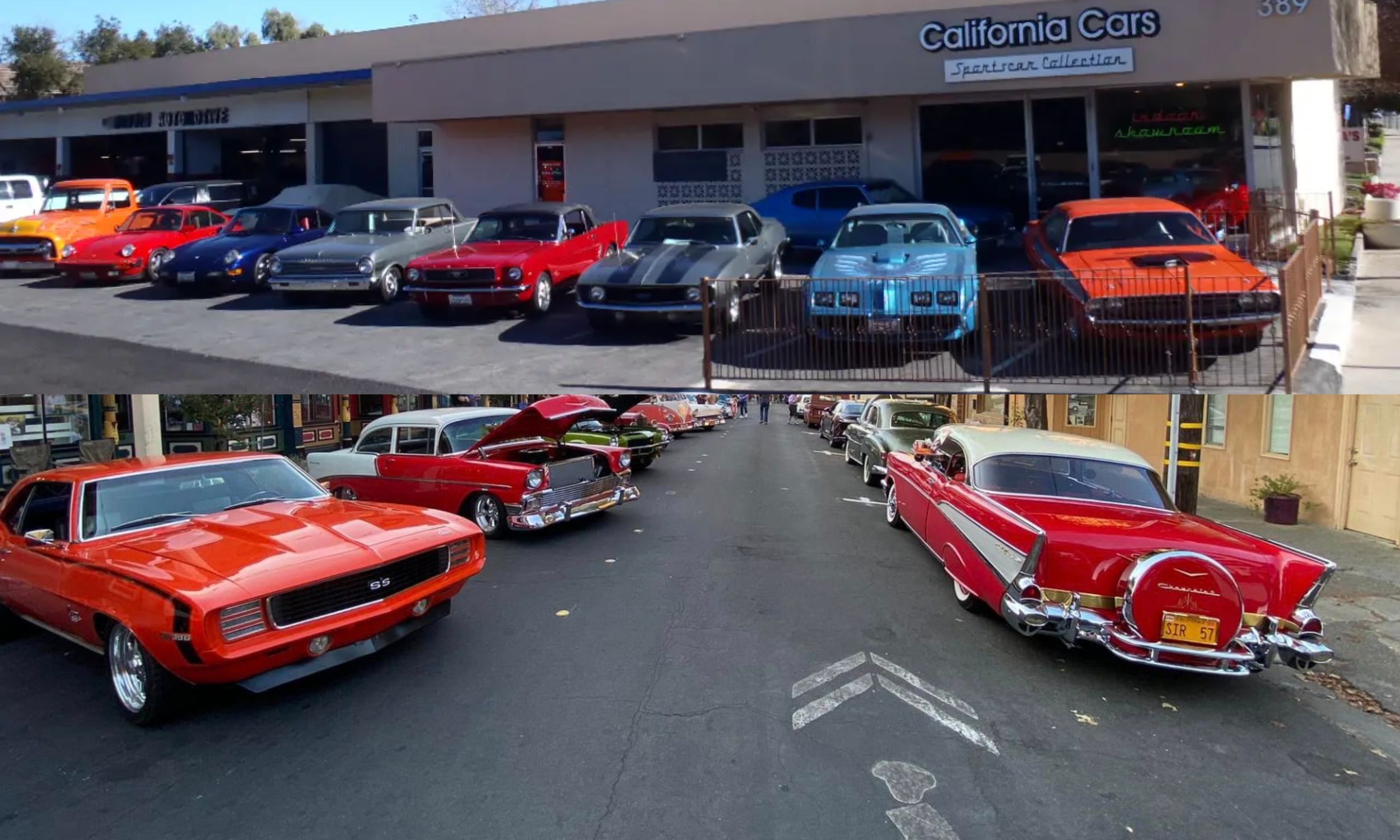
California has some of the toughest vehicle registration rules in the United States, making it difficult to register certain out-of-state, imported, or custom-built vehicles. Before buying, it’s important to understand that a vehicle legally driven elsewhere may still fail to qualify for California registration because of strict state and federal requirements.
Common problems include failing emissions standards, missing safety certifications, incomplete equipment, or lacking a proper VIN. These issues can leave owners with an expensive vehicle they cannot legally drive. Understanding which vehicles are typically ineligible for registration and why can help buyers avoid costly mistakes before making a purchase.
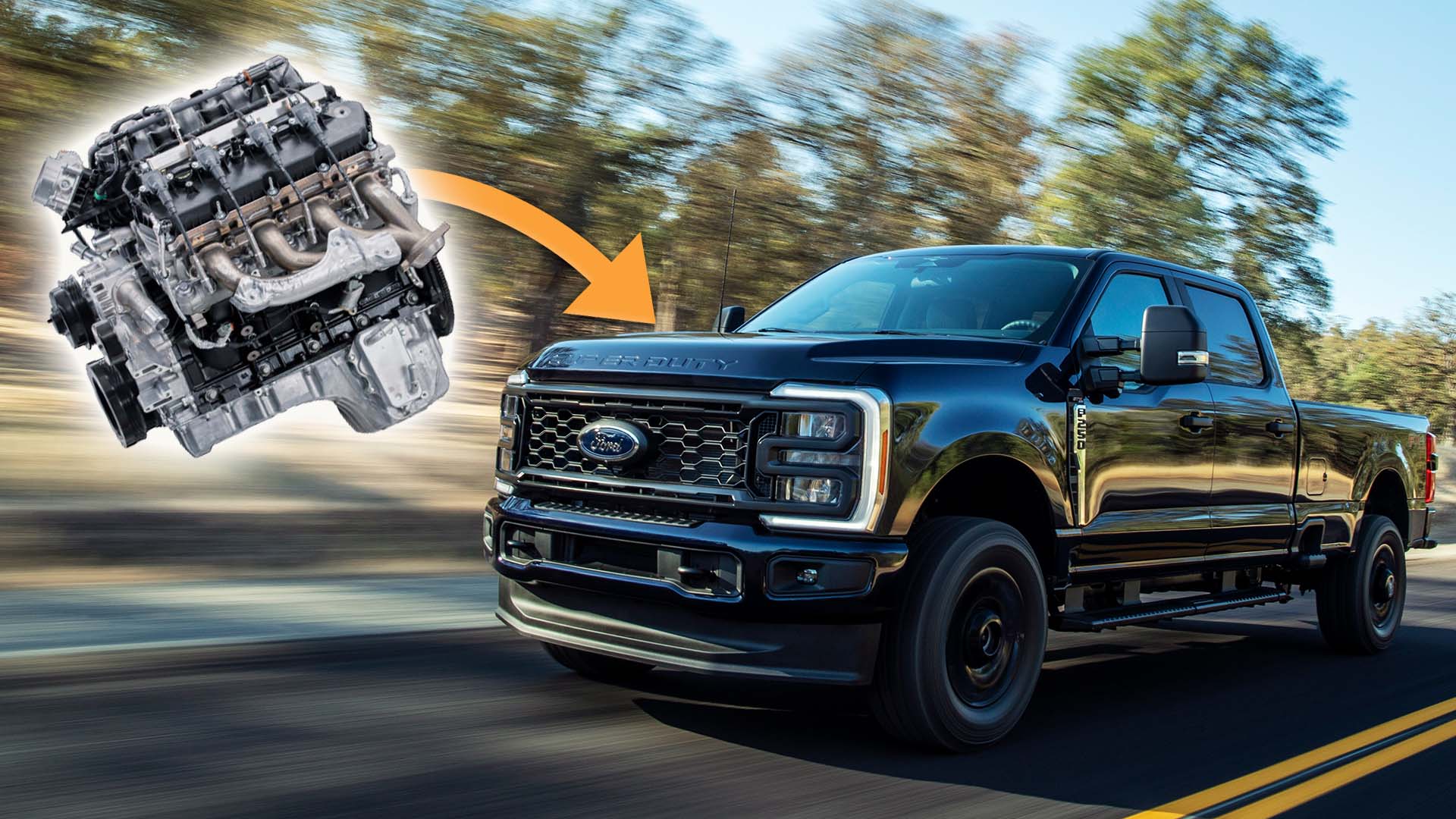
1. New 49-State Emissions Vehicles (Under 7,500 Miles)
Why It’s Restricted: California residents generally cannot register a new vehicle purchased outside California if it is certified only to federal (49-state) emissions standards and has fewer than 7,500 miles, unless a legal exemption applies, such as certain relocation situations.
Here’s a genuine trap that catches plenty of buyers off guard: not every new car sold legally in the United States meets California’s specific emissions standards. Automakers frequently certify vehicles two different ways, one meeting California’s stricter requirements, and a separate “49-state” version meeting only the more lenient federal standard applied everywhere else in the country.
That distinction might sound like bureaucratic hair-splitting, but it carries genuinely serious consequences for anyone specifically buying a vehicle outside California with plans to bring it home. If that particular car was only certified to the 49-state standard, and it’s still under 7,500 miles, California will generally refuse registration outright, regardless of how much you paid or how legally you purchased it elsewhere.
Why does California draw this particular line at 7,500 miles specifically? The state treats vehicles under that threshold as still functionally “new,” subject to the stricter certification requirement, while vehicles that have already accumulated more mileage get treated somewhat differently under state emissions policy.
Certain exemptions do exist here, particularly for people genuinely relocating to California with a vehicle they already owned and drove extensively in another state. Active military members and returning residents sometimes qualify for specific carve-outs too, though the exact requirements demand careful verification before assuming your situation automatically qualifies.
For anyone specifically considering an out-of-state vehicle purchase with plans to eventually register it in California, verifying the exact emissions certification before finalizing that purchase remains essential. Skipping this verification step has left plenty of buyers stuck with a technically new vehicle they genuinely cannot legally drive on California roads.
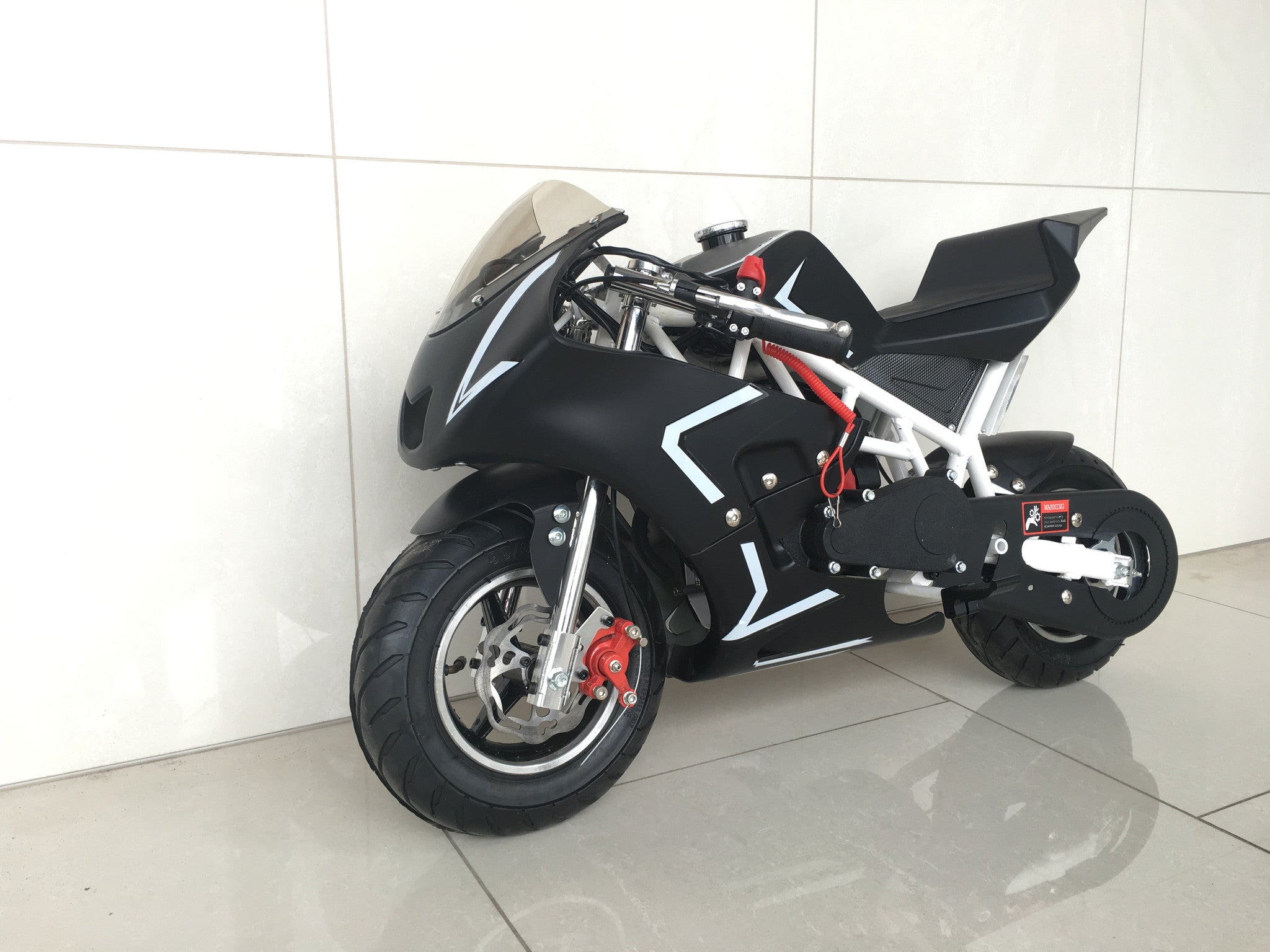
2. Pocket Bikes / Mini Motorcycles
Why It’s Banned: Pocket bikes do not meet Federal Motor Vehicle Safety Standards (FMVSS) for motorcycles and cannot be registered for operation on California public roads.
Small, fast, and genuinely fun to ride around a private backyard, pocket bikes have built a devoted following among enthusiasts who enjoy their compact size and surprisingly spirited performance. Riding one on an actual California public road, though, remains flatly illegal regardless of how careful or responsible the rider happens to be.
Federal Motor Vehicle Safety Standards establish specific requirements every legal motorcycle must meet before receiving street registration, requirements covering everything from lighting and mirrors to structural safety elements that protect riders during genuine road use alongside considerably larger, heavier vehicles.
Pocket bikes simply weren’t engineered around these particular standards. Their diminutive size, limited visibility to other drivers, and typically minimal safety equipment make them fundamentally incompatible with the federal framework governing legal street motorcycles, regardless of how enthusiastically manufacturers might market them for general recreational use.
California law enforcement genuinely does cite riders caught operating these vehicles on public streets, sidewalks, or bike lanes, treating this violation seriously given the genuine safety risks involved when a vehicle this small and low-visibility shares space with regular traffic.
Private property remains the only legal venue for pocket bike operation throughout California, meaning owners need genuine access to land they own or have explicit permission to use, since public roads, parks, and most other publicly accessible spaces remain firmly off-limits regardless of local enforcement inconsistency you might occasionally hear about anecdotally.
For anyone specifically drawn to pocket bikes purely for their compact size and entertaining performance, understanding this restriction upfront prevents genuine legal trouble down the road, since no registration process exists that could legitimately convert one of these vehicles into a street-legal option within California.
Also Read: 8 Vehicles With the Best Pedestrian-Detection Scores in IIHS Testing
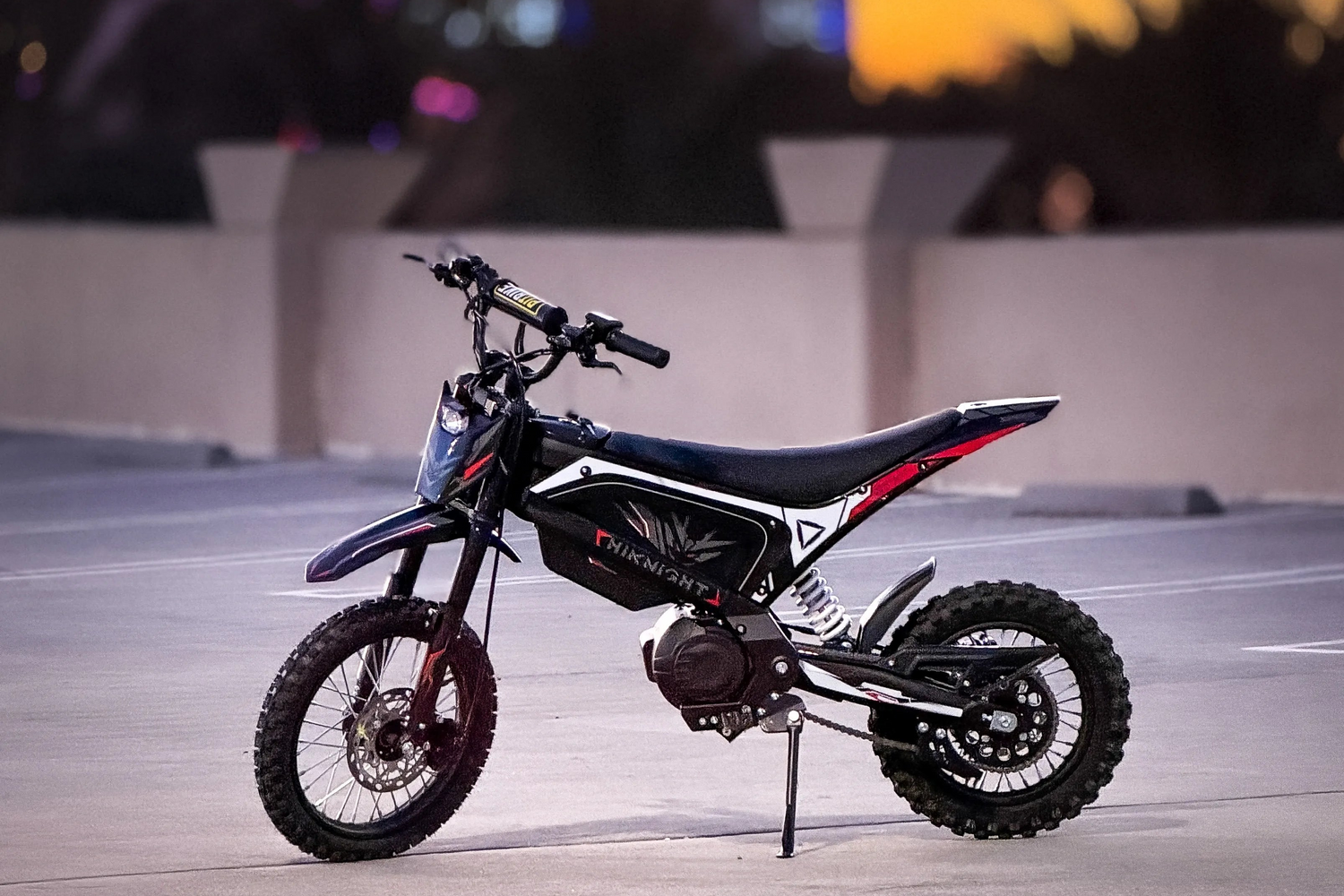
3. Off-Road-Only Dirt Bikes
Why It’s Banned: Competition-only dirt bikes lacking EPA emissions certification and required highway equipment cannot receive street registration in California.
Not every dirt bike can be ridden on public roads in California. Models built exclusively for motocross tracks or off-road trails are treated differently from factory-built dual-sport motorcycles that are designed for both street and trail use. Knowing this difference before buying a bike can save you time, money, and frustration.
One of the biggest obstacles is emissions compliance. Many competition dirt bikes were never certified to meet California’s on-road emissions requirements because they were built strictly for off-road riding. Even if the motorcycle is in excellent condition, it may still be ineligible for street registration.
These bikes also usually lack equipment required for legal road use. Items such as turn signals, mirrors, a horn, brake lights, and DOT-approved lighting are often missing from off-road models. While some owners attempt to install these parts later, converting a competition bike into a street-legal motorcycle is not always possible and can involve extensive modifications and inspections.
California still allows these motorcycles to be used legally in approved off-highway riding areas with the proper off-highway vehicle registration. If your goal is to ride both on public roads and dirt trails, purchasing a factory-built dual-sport motorcycle is usually the easiest and most reliable option. It is designed to meet legal requirements from the start, making registration much simpler.
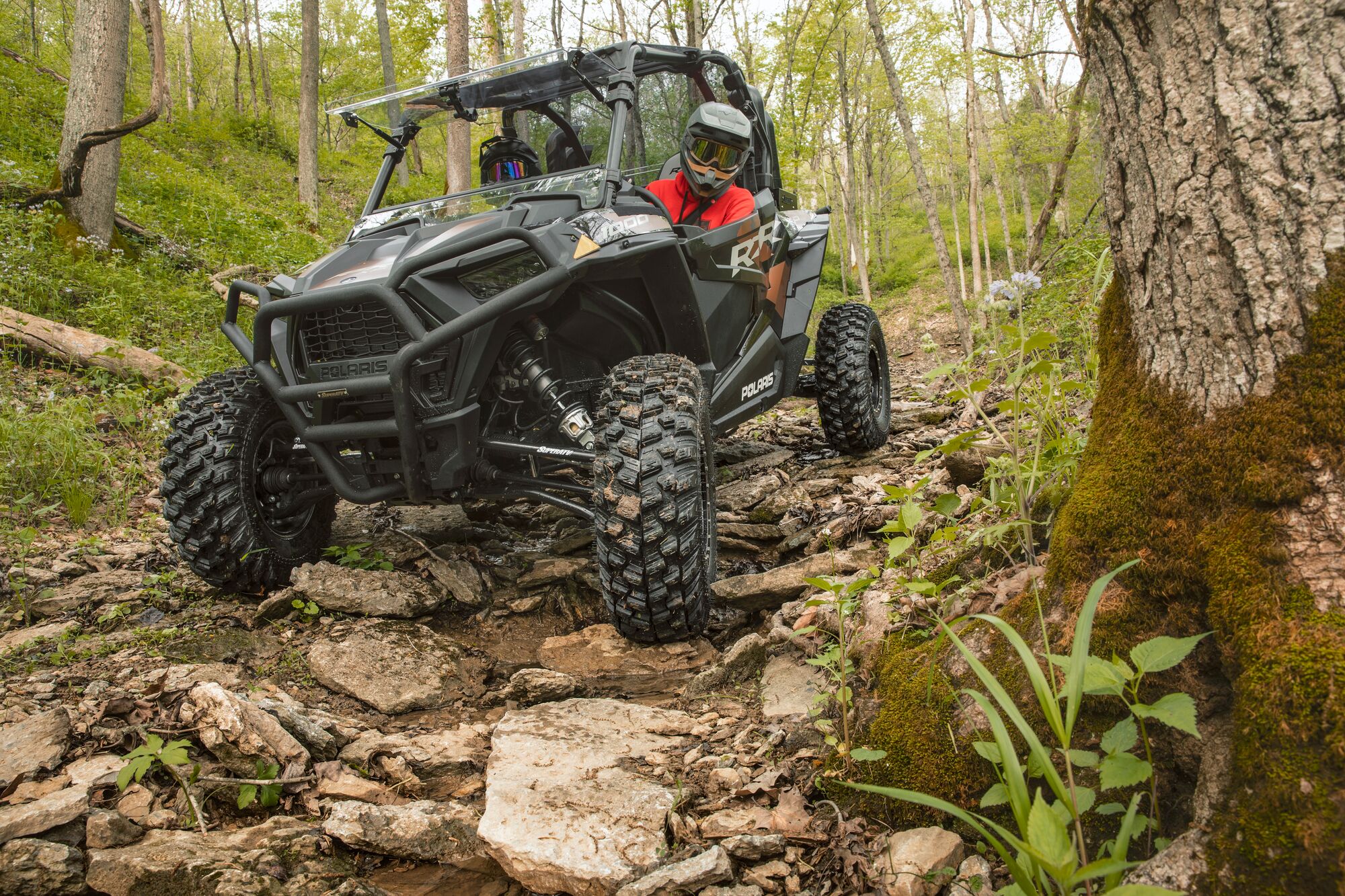
4. Off-Highway ATVs and Side-by-Sides
Why It’s Banned: ATVs and most utility side-by-sides are designed exclusively for off-highway use and cannot be registered for normal public road operation.
Farm work, trail riding, recreational off-roading, ATVs and side-by-sides genuinely excel at all of it, yet California draws a firm, consistent line preventing these vehicles from ever legally crossing onto standard public roads, regardless of how capable or well-equipped a particular model happens to be.
That restriction exists for genuinely practical safety reasons. Most ATVs and side-by-sides lack the structural crash protection, required lighting systems, and other safety equipment that federal and state regulations demand from any vehicle sharing space with regular car and truck traffic traveling at considerably higher speeds.
Certain narrow exceptions do exist here worth understanding. Some counties and municipalities throughout California have established specific programs allowing limited street crossing at designated points, primarily to let off-road riders access adjacent trail systems without needing to trailer their vehicle for short connecting distances.
These exceptions remain genuinely limited and highly specific to individual local jurisdictions rather than representing any broader statewide allowance. Assuming your particular county follows the same rules as a neighboring one has gotten plenty of ATV owners cited unexpectedly, so verifying local ordinances specifically before attempting any street crossing remains genuinely essential.
Off-highway vehicle registration through California’s green sticker or red sticker programs still applies here, giving owners legitimate legal standing for designated off-road riding areas throughout the state, just without any pathway toward standard public road use.
For anyone specifically hoping to convert a purchased ATV or side-by-side into something street-legal, understanding upfront that this conversion simply isn’t possible under current California regulations saves considerable frustration and wasted effort chasing a registration outcome that realistically doesn’t exist for this particular vehicle category.
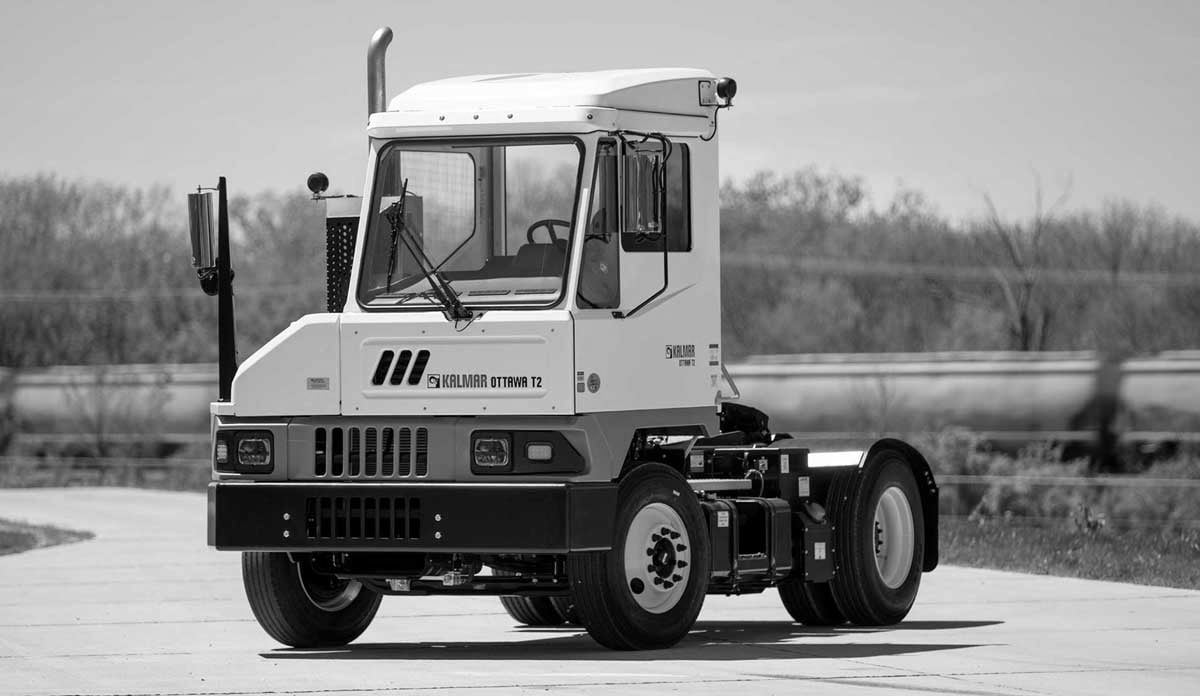
5. Terminal Tractors (“Yard Trucks”)
Why It’s Banned: Yard trucks built exclusively for ports, warehouses, and freight terminals usually lack FMVSS certification and cannot be registered in California.
Ever seen one of those stubby, oddly-proportioned trucks maneuvering shipping containers around a port facility or warehouse yard? Those are terminal tractors, purpose-built machines engineered specifically for repetitive, low-speed cargo movement within enclosed facility grounds, never intended for genuine public road travel.
Federal Motor Vehicle Safety Standards simply weren’t part of these vehicles’ original engineering considerations. Manufacturers build terminal tractors around industrial efficiency and maneuverability within tight yard spaces, prioritizing those functional requirements over the crash safety, lighting, and structural standards that govern legal highway vehicles.
Occasionally, businesses or individuals acquire used terminal tractors through equipment auctions, sometimes hoping to repurpose them for other commercial applications that might involve some limited public road use. That hope typically runs directly into California’s firm registration requirements, since these vehicles genuinely cannot meet the federal safety standards without extensive, often impractical modification.
Speed limitations built into these vehicles present another genuine obstacle too, since terminal tractors typically max out at speeds far below what’s considered safe or practical for actual highway travel, another design characteristic that reflects their intended enclosed-yard purpose rather than any oversight in engineering.
Businesses specifically needing vehicles for both yard operations and limited public road travel generally need separate equipment for each distinct purpose, since attempting to certify a genuine terminal tractor for street use rarely proves cost-effective compared to simply purchasing appropriate equipment designed for each specific application from the outset.
For anyone specifically considering a used terminal tractor purchase with any hope of eventual street registration, understanding this fundamental incompatibility upfront prevents a genuinely disappointing and expensive surprise after the purchase has already been completed.

6. Imported Vehicles Under 25 Years Old That Do Not Meet EPA and FMVSS Standards
Why It’s Banned: Imported vehicles that have not been certified to U.S. emissions and federal safety standards generally cannot be registered in California unless they are legally modified and approved through the required certification process.
Enthusiasts chasing that perfect Japanese domestic market sports car or European hot hatch often discover a genuinely frustrating reality once their dream import actually arrives stateside: age matters enormously, and anything under 25 years old faces a genuinely steep certification challenge before California will grant registration.
Federal law generally exempts vehicles once they reach 25 years old from full EPA and FMVSS certification requirements, treating them essentially as collector items rather than daily transportation. Anything younger than that threshold, though, must actually demonstrate compliance with these considerable federal safety and emissions standards before any state, California included, will issue registration.
That compliance process genuinely isn’t simple or cheap. Specialized import compliance companies exist specifically to handle this certification work, modifying vehicles with required safety equipment and emissions components while documenting everything thoroughly enough to satisfy federal review, a process that frequently costs thousands of dollars beyond the vehicle’s original purchase price.
Many popular imports genuinely never receive this certification treatment, meaning buyers specifically hoping to bring home a car that’s still several years away from that 25-year exemption threshold often find themselves without any realistic legal path toward California registration, regardless of how badly they want that particular vehicle.
Patience genuinely becomes the only reliable strategy here for many enthusiasts. Waiting until a desired import vehicle crosses that 25-year threshold naturally, then importing it under the collector exemption, remains considerably more practical than attempting expensive, uncertain compliance certification for a younger vehicle.
For anyone specifically researching import vehicle purchases, checking that 25-year threshold against your target vehicle’s actual production date should happen before any money changes hands, not after you’ve already committed to a purchase that may prove genuinely impossible to register legally.
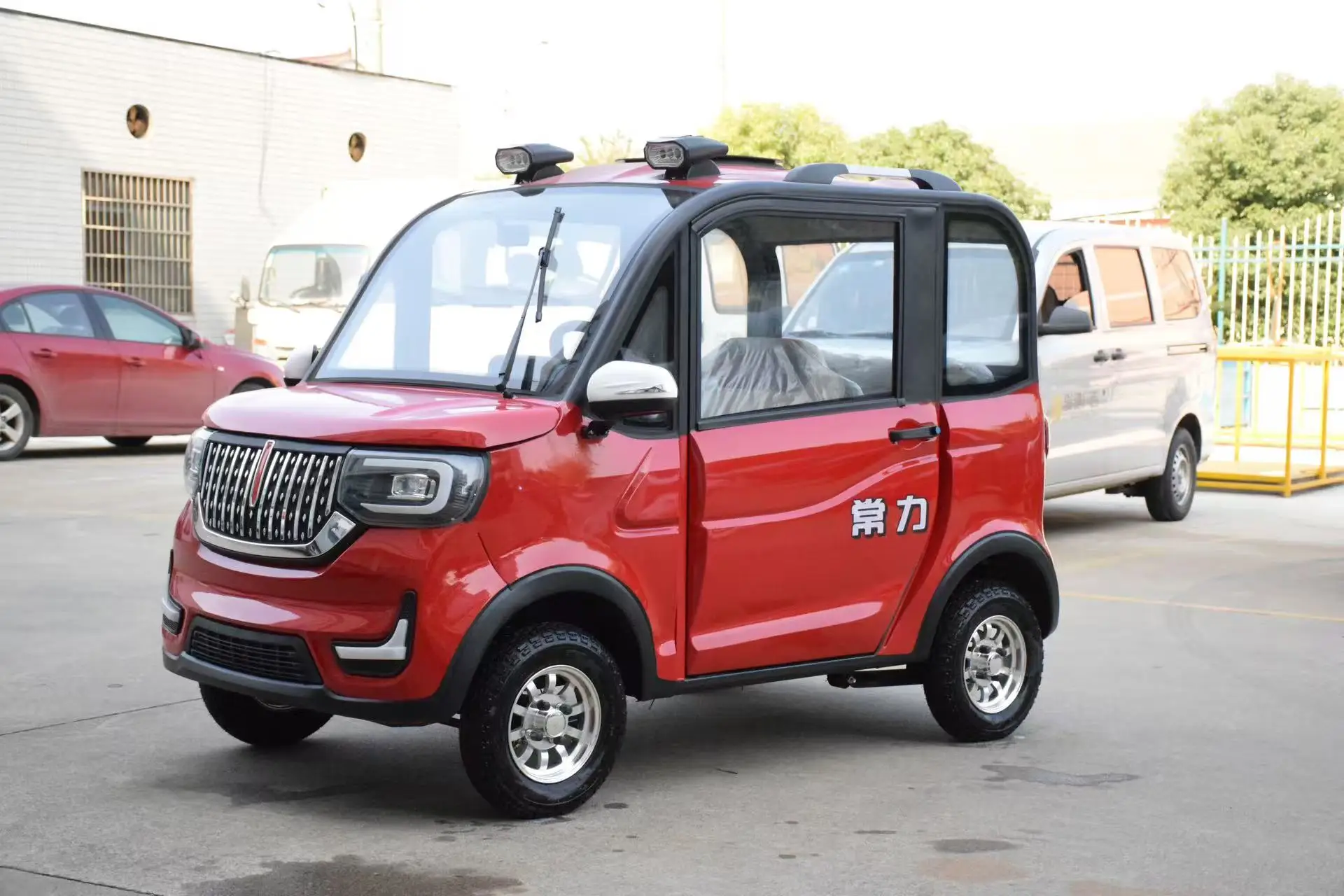
7. Chinese Low-Speed Electric Mini Cars (Example: Changli)
Why It’s Banned: Most imported electric mini cars sold online fail to meet U.S. crash safety standards, lighting requirements, and FMVSS regulations, making them ineligible for California registration.
Scroll through enough social media content, and you’ve probably seen it: tiny, genuinely inexpensive electric cars imported directly from Chinese manufacturers, marketed as adorable, affordable alternatives to traditional vehicles. The Changli specifically has become something of an internet phenomenon, yet actually registering one for California street use remains genuinely impossible under current regulations.
Crash safety represents the most fundamental problem here. These mini cars typically lack the structural reinforcement, airbags, and crumple zones that federal safety standards require from any vehicle sharing roads with considerably larger, heavier traffic, meaning a collision could prove genuinely dangerous for occupants regardless of how charming the vehicle looks in online videos.
Lighting requirements present another genuine obstacle too, since these imported mini cars frequently arrive without properly DOT-certified headlights, taillights, and turn signals, equipment that California specifically requires before any vehicle can pass inspection for street registration.
Online sellers marketing these vehicles sometimes suggest workarounds or claim certain models qualify for low-speed vehicle registration, yet actual California DMV requirements for legitimate low-speed vehicles remain considerably stricter than what these imported mini cars typically satisfy, leaving buyers genuinely stuck once they attempt actual registration.
Buyers specifically drawn to these vehicles for their genuinely low price point often discover this restriction only after purchase, sometimes after the vehicle has already arrived and payment has been fully processed, an expensive lesson about researching registration requirements before rather than after committing to an unusual vehicle purchase.
For anyone specifically considering one of these viral, inexpensive electric mini cars, treating it strictly as an off-road or private-property novelty, rather than assuming eventual street registration will somehow prove possible, remains the only realistically accurate expectation under current California regulations.
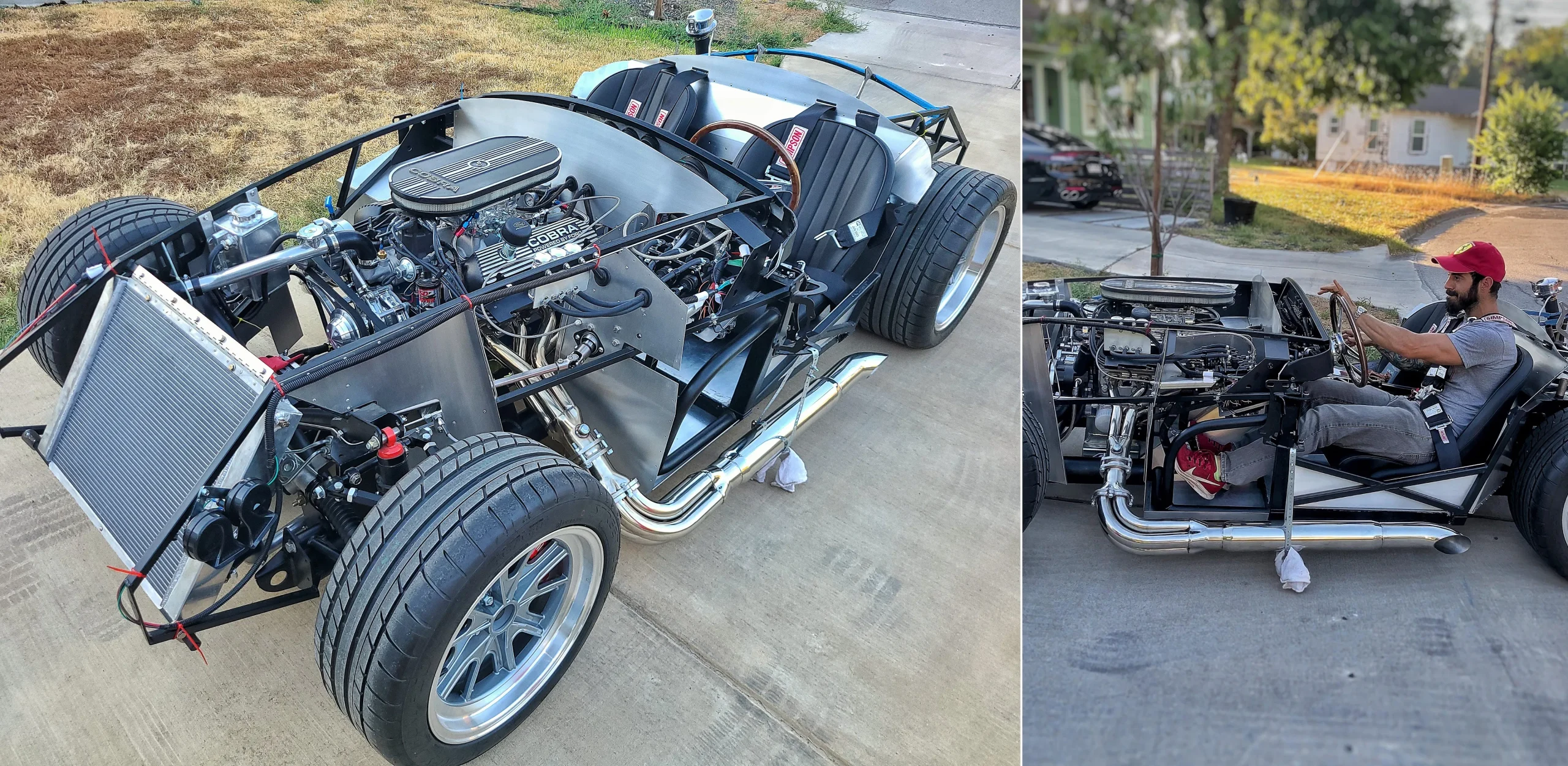
8. Kit Cars That Do Not Meet SB100 or CARB Requirements
Why It’s Restricted: California allows specially constructed vehicles through the SB100 process, but kit cars that fail emissions certification or required inspections generally cannot be registered for street use.
Building a kit car can be a rewarding experience, whether you are creating a replica sports car, a classic roadster, or a custom hot rod. California allows many kit cars to be registered for public roads through the state’s SB100 program, but the process requires careful planning and attention to legal requirements.
To qualify, the vehicle must pass inspections that verify it has been built safely and meets the necessary construction standards. Builders also need proper documentation for major components used during the project. Another important requirement is emissions compliance.
Depending on the vehicle and engine combination, it must satisfy California Air Resources Board (CARB) regulations or qualify under the applicable SB100 rules. Many builders run into problems because they overlook these requirements until the project is almost finished.
Correcting missing paperwork or replacing a non-compliant engine can be expensive and time-consuming. Before starting a build, it is wise to review the SB100 guidelines and consult experienced builders or California’s Bureau of Automotive Repair. Planning ahead greatly improves the chances of completing a kit car that can be legally registered and enjoyed on public roads.
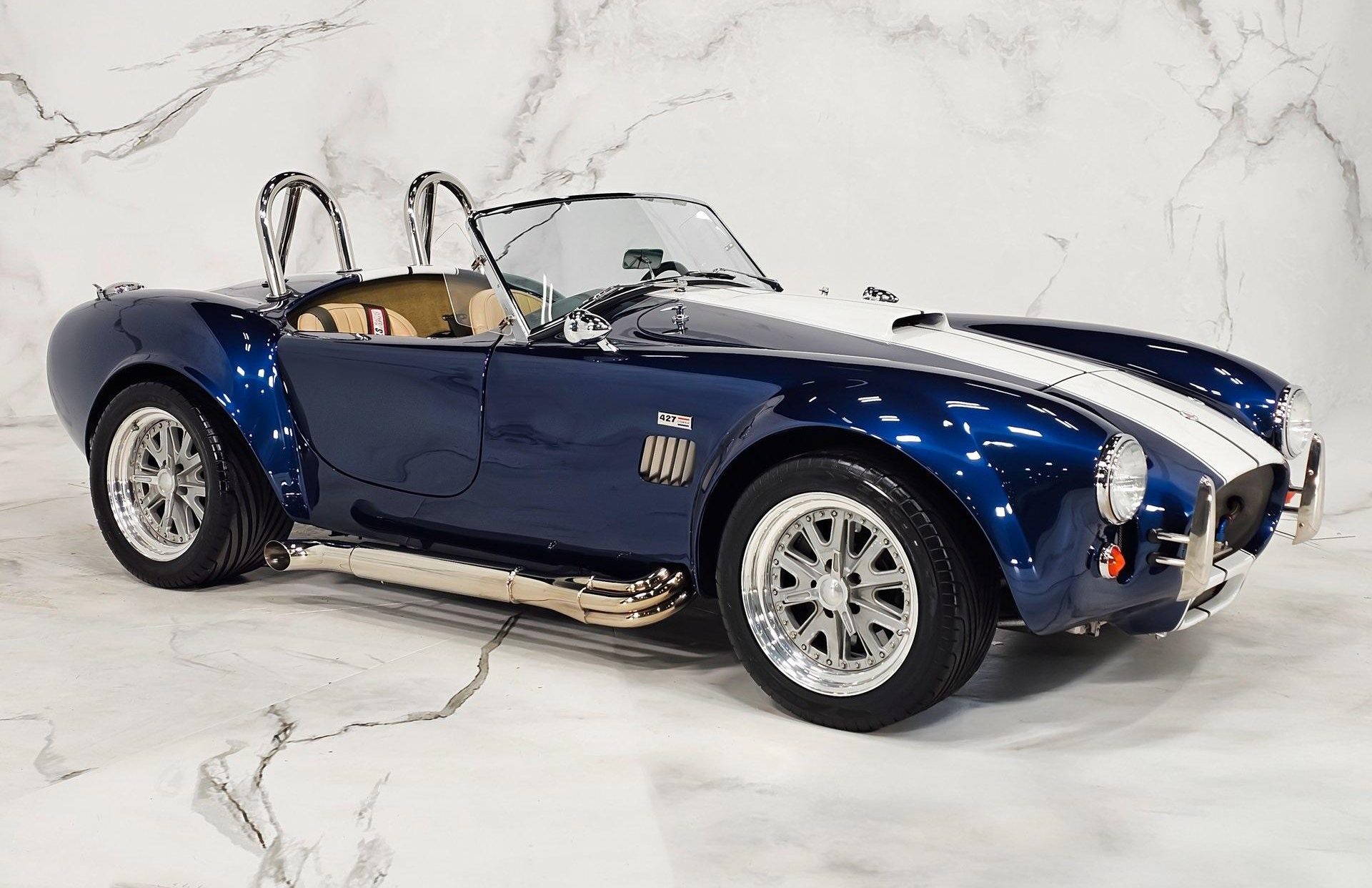
9. Custom Vehicles Missing Required Safety Equipment
Why It’s Banned: Vehicles missing legally required equipment such as DOT-approved lighting, mirrors, windshield, windshield wipers (where required), seat belts, or other mandatory safety equipment cannot pass inspection for registration.
Custom builds and heavily modified vehicles carry genuine personality and craftsmanship, yet California’s registration inspection process doesn’t care how impressive your custom work looks if basic required safety equipment happens to be missing or improperly installed.
DOT-approved lighting represents one of the most common sticking points here. Custom builders sometimes prioritize unique aesthetic choices over standard compliance, installing aftermarket lights that look genuinely striking yet fail to meet the specific brightness, positioning, or certification requirements California inspectors specifically check during registration review.
Mirrors, windshields, and functioning wipers might seem like obvious basic equipment, yet plenty of custom vehicles, particularly those built around older classic platforms or unconventional designs, genuinely lack one or more of these required elements, sometimes because the builder simply prioritized a specific visual style over standard functional compliance.
Seat belts deserve particular attention too, since California requires properly installed, functioning seat belts for every seating position, a requirement that occasionally catches builders working on vintage-inspired projects where period-correct styling might not have originally included this now-mandatory safety equipment.
Passing California’s registration inspection genuinely requires addressing every one of these requirements completely, not simply most of them. Missing even a single required element, however minor it might seem to the builder, results in a failed inspection and no registration, regardless of how much time and money went into the broader custom build.
For anyone specifically planning a custom vehicle project, researching California’s complete equipment requirements before finalizing your build’s design choices prevents the genuinely frustrating experience of completing an otherwise impressive project only to fail inspection over a detail that could’ve been addressed during initial planning.
Also Read: 8 Vehicles That Outperform the Tesla Model Y in Specific Categories
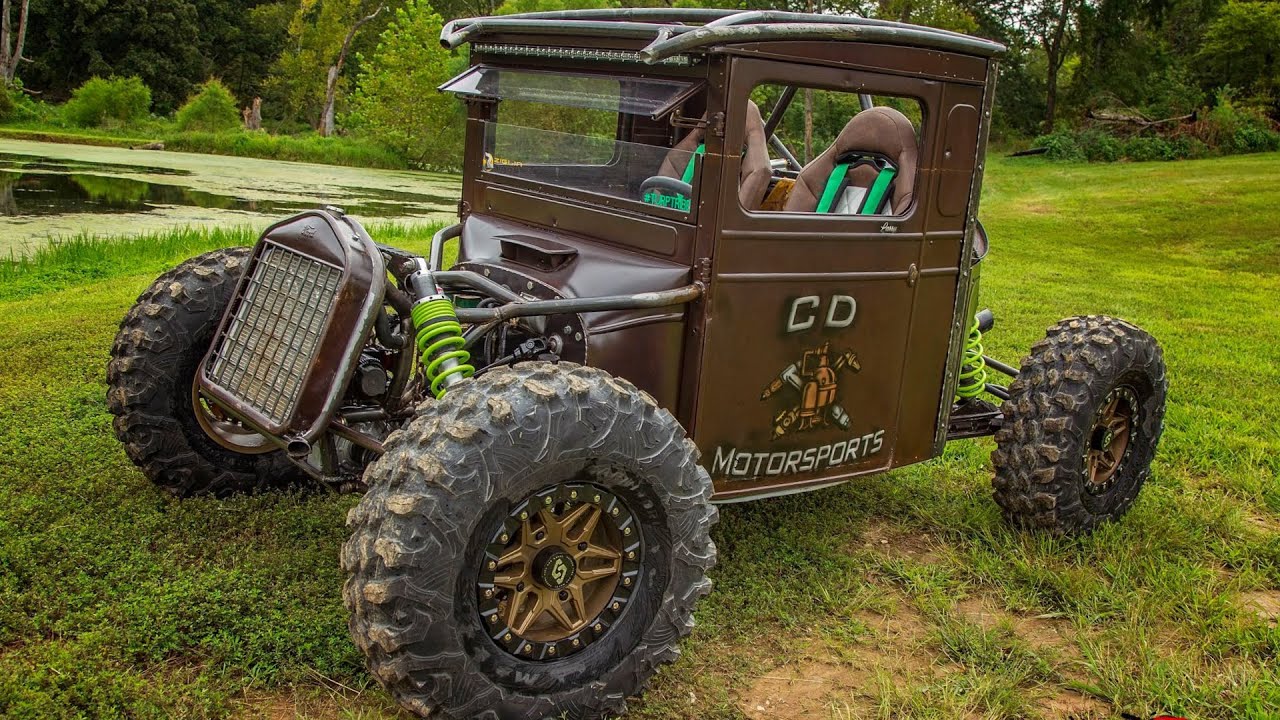
10. Homemade Vehicles Without a Valid VIN
Why It’s Banned: California cannot register homemade or reconstructed vehicles that lack an assigned Vehicle Identification Number (VIN). Owners must first complete a CHP inspection and obtain a state-issued VIN before registration is possible.
Building your own vehicle is an impressive accomplishment, but getting it registered for public roads in California takes more than good craftsmanship. One of the biggest requirements is a valid Vehicle Identification Number (VIN). Without one, the California DMV cannot process registration because every street-legal vehicle must have a unique identifier for ownership records, recalls, and law enforcement purposes.
Homemade vehicles do not leave a factory with a VIN, so owners must apply for one through the proper state process. Before a VIN can be assigned, the California Highway Patrol (CHP) inspects the vehicle to verify its construction and ensure it meets basic safety requirements. The inspection covers items such as the vehicle’s structure, required safety equipment, and other details needed for legal road use.
After the CHP approves the vehicle and assigns a VIN, the owner can continue with the remaining registration steps through the DMV. Since inspections and paperwork can take time, builders should plan for this process early. Understanding the VIN requirement before starting a project can help avoid unnecessary delays when the vehicle is finally ready for the road.
