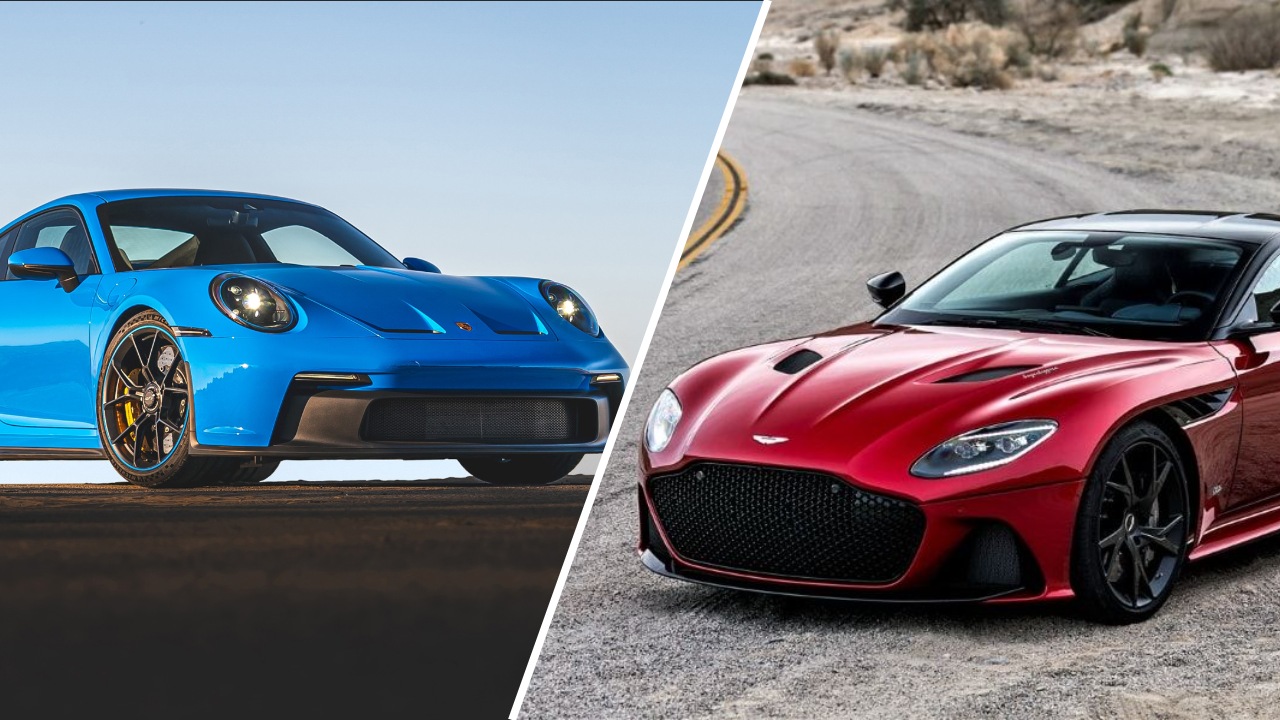
Buying a high-performance car is not only about speed, design, or driving excitement. For many enthusiasts, long-term value plays an important role in choosing the right machine.
The Chevrolet Corvette has built a reputation as a sports car that offers incredible performance for its price, but some supercars have shown stronger five-year value retention according to iSeeCars analysis.
These vehicles combine rarity, engineering excellence, brand appeal, and strong demand from collectors. Their ability to maintain value makes them attractive choices for buyers who want thrilling performance without experiencing steep depreciation. Understanding which supercars protect their worth can help enthusiasts make smarter purchasing decisions.
Also Read: 10 Three-Pedal Cars That Keep Driving Fun Alive
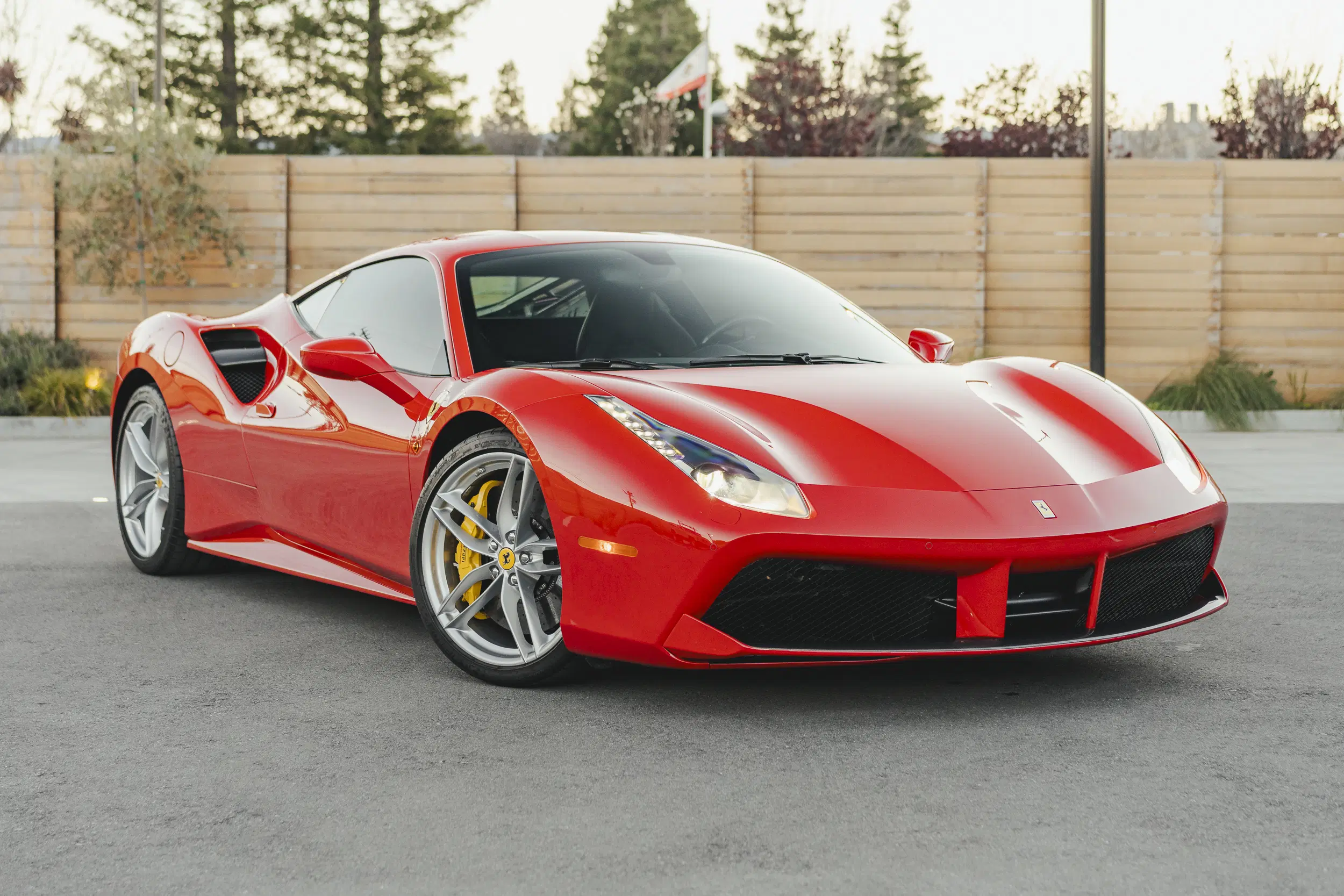
- Engine: 3.9-liter twin-turbocharged V8
- Horsepower: 661 hp
- Torque: 561 lb-ft
- Length: 179.8 inches
- Width: 76.9 inches
1. Ferrari 488 GTB: A Modern Supercar With Strong Collector Interest
The Ferrari 488 GTB represents a major chapter in Ferrari’s history because it introduced a turbocharged V8 engine into the brand’s modern mid-engine lineup.
While some enthusiasts initially worried that turbocharging would change Ferrari’s character, the 488 quickly earned recognition for its incredible performance, advanced engineering, and everyday usability. These qualities have helped maintain interest in the model among collectors and performance-car buyers.
Powered by a 3.9-liter twin-turbocharged V8 engine, the Ferrari 488 GTB produces impressive acceleration and delivers a driving experience focused on precision and responsiveness.
Its aerodynamic design, advanced suspension systems, and dual-clutch transmission allow it to perform at a level expected from a modern Ferrari. The combination of technology and traditional Ferrari styling has helped the model remain desirable in the used market.
Production numbers also influence the Ferrari 488 GTB’s value position. While Ferrari produces more vehicles today than in previous decades, demand for certain models remains extremely strong.
The 488 GTB occupies an important place because it represents Ferrari’s transition from naturally aspirated V8 engines to turbocharged performance. Historical significance often plays a role in maintaining long-term interest.
Maintenance and ownership costs remain important factors for anyone considering a Ferrari. Buyers typically seek examples with complete service records, careful ownership history, and desirable specifications.
Cars finished in popular colors with sought-after options often command stronger prices because collectors pay attention to details that affect future demand.
Compared with a Corvette, the Ferrari 488 GTB starts from a much higher price range, but its depreciation pattern reflects its status as a limited-production exotic machine. Strong brand recognition, emotional appeal, and global collector interest help it maintain value in ways that many performance cars cannot match.
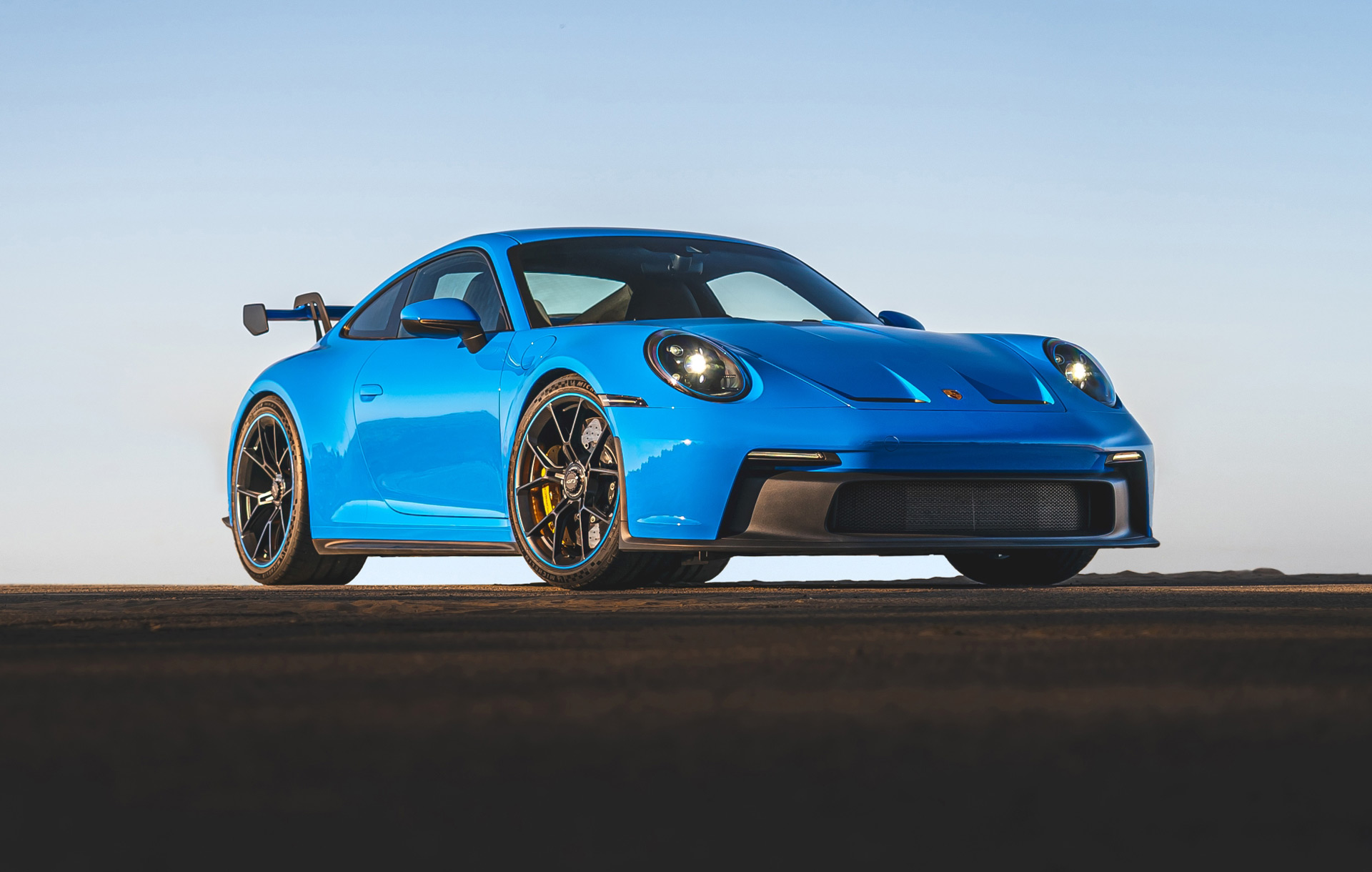
- Engine: 4.0-liter naturally aspirated flat-six
- Horsepower: 502 hp
- Torque: 346 lb-ft
- Length: 180.0 inches
- Width: 72.9 inches
2. Porsche 911 GT3: A Track-Focused Icon With Exceptional Demand
The Porsche 911 GT3 has developed a reputation as a performance car that combines racing technology with everyday usability.
Unlike many supercars that focus purely on luxury and exclusivity, the GT3 attracts buyers because of its connection to motorsport engineering. Its naturally aspirated engine, sharp handling, and track-focused design have created a loyal following among driving enthusiasts.
Porsche’s approach to the 911 GT3 emphasizes balance and driver involvement. Features such as rear-wheel steering, lightweight construction, advanced aerodynamics, and high-revving engines create a unique experience behind the wheel. Many owners appreciate that the car feels connected and responsive rather than simply delivering high horsepower numbers.
Demand for GT3 models often exceeds supply, which supports strong resale values. Porsche enthusiasts frequently seek specific generations because each version has unique characteristics.
Earlier examples with manual transmissions and limited availability have become particularly attractive among collectors who value traditional driving experiences.
The 911 GT3 also benefits from Porsche’s strong reputation for engineering quality. Buyers often view these cars as machines built for long-term ownership rather than short-term excitement. A well-maintained GT3 can remain desirable for many years because its appeal comes from driving dynamics rather than temporary trends.
When compared with the Corvette, the Porsche 911 GT3 occupies a different market position. The Corvette offers exceptional performance and value, while the GT3 attracts buyers seeking a premium badge, motorsport connection, and a history of maintaining strong resale demand.
These qualities contribute to its ability to hold value at a higher level than many competitors.
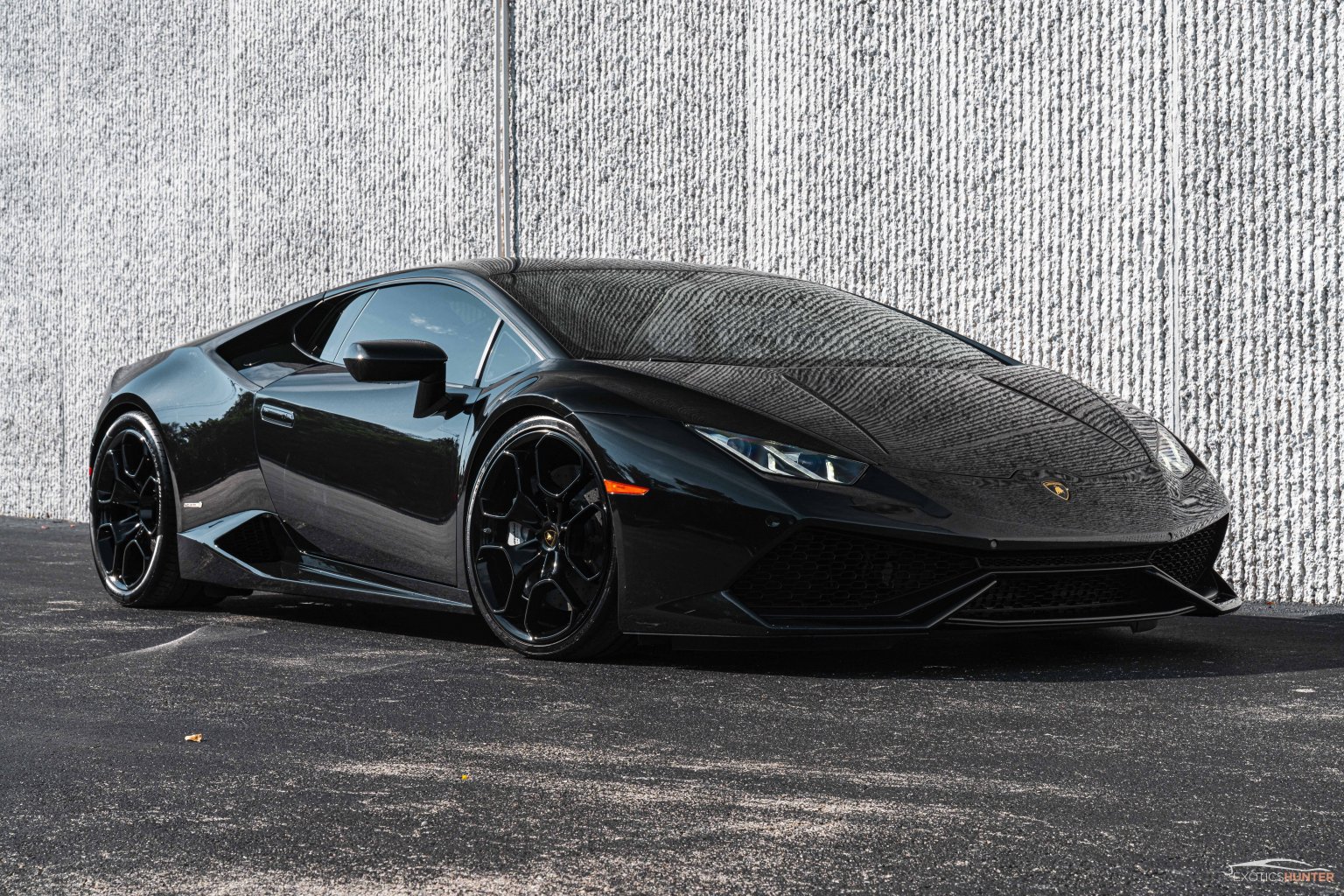
- Engine: 5.2-liter naturally aspirated V10
- Horsepower: 631 hp
- Torque: 443 lb-ft
- Length: 178.0 inches
- Width: 76.1 inches
3. Lamborghini Huracán: A V10 Supercar With Lasting Appeal
The Lamborghini Huracán has become a major success story for the Italian manufacturer because it combines dramatic styling, strong performance, and a naturally aspirated V10 engine.
Since its introduction, the Huracán has attracted buyers who want an exotic driving experience with unmistakable visual presence. Its combination of sound, design, and performance has helped it maintain strong demand in the used supercar market.
The naturally aspirated 5.2-liter V10 engine is a major part of the Huracán’s appeal. As many manufacturers moved toward smaller turbocharged engines and hybrid systems, high-revving naturally aspirated engines became increasingly special among enthusiasts.
The Huracán delivers immediate throttle response and a distinctive exhaust note that many drivers consider a key part of the supercar experience.
Lamborghini’s limited production approach also contributes to the vehicle’s long-term desirability. While the Huracán has been produced in greater numbers than some earlier Lamborghini models, it still carries the brand’s exclusive image.
Buyers are often attracted to the combination of Italian craftsmanship, aggressive styling, and the emotional connection associated with the Lamborghini name.
Different versions of the Huracán have created additional interest among collectors. Models such as the Performante and STO introduced enhanced aerodynamics, reduced weight, and improved track capability. These special variants often receive stronger attention from enthusiasts because they represent more focused versions of an already desirable car.
Compared with the Corvette, the Lamborghini Huracán operates in a completely different price category. The Corvette offers remarkable performance relative to its cost, but the Huracán benefits from exotic-car status, limited availability, and strong global recognition.
These qualities help explain why certain Huracán models can retain a larger percentage of their value over a five-year ownership period.
- Engine: 4.0-liter twin-turbocharged V8
- Horsepower: 710 hp
- Torque: 568 lb-ft
- Length: 178.9 inches
- Width: 85.1 inches (including mirrors)
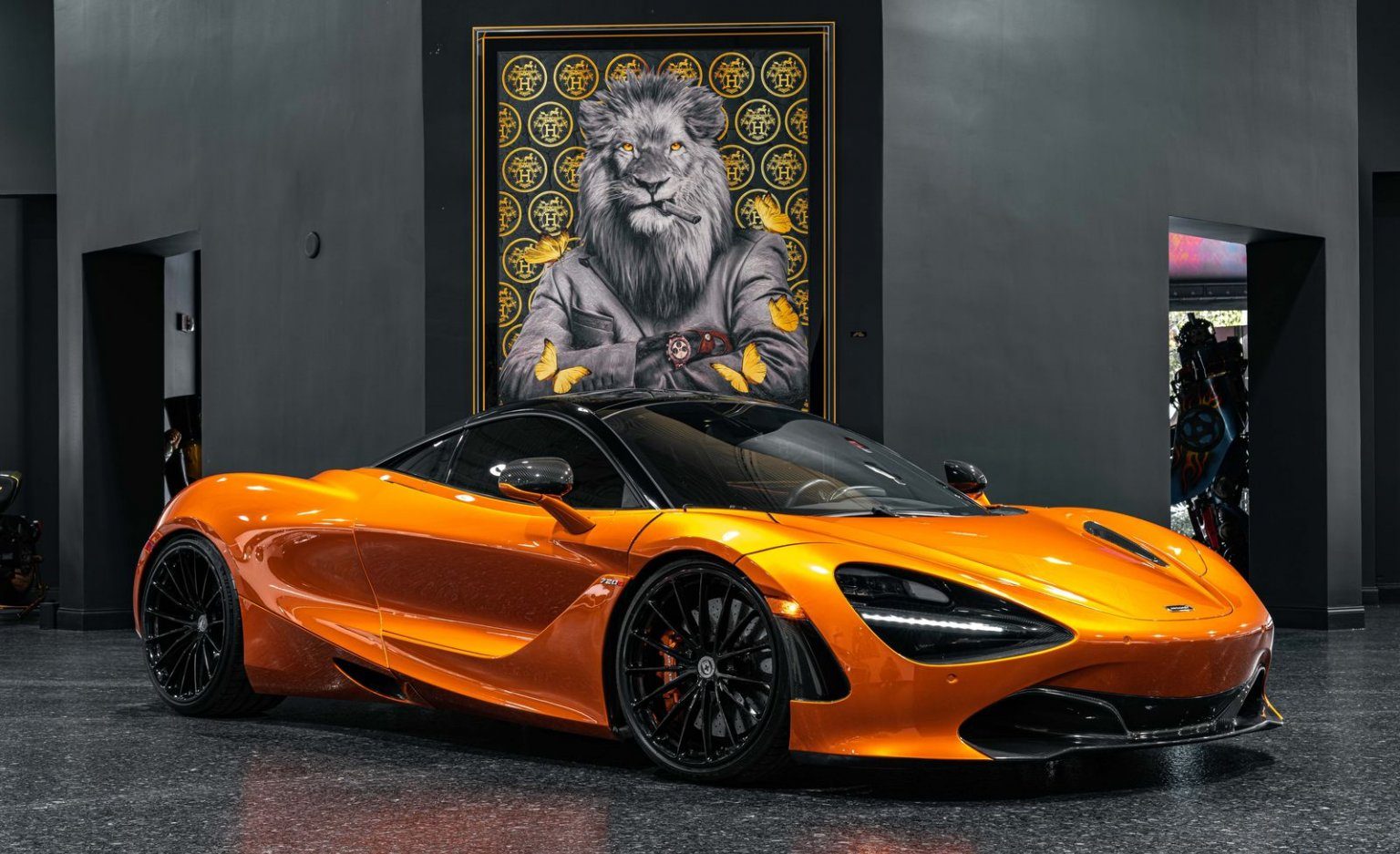
4. McLaren 720S: Advanced Engineering and Limited Availability Support Value
The McLaren 720S represents the company’s focus on lightweight construction, aerodynamic efficiency, and advanced performance technology.
Introduced as a successor to the 650S, the 720S quickly gained attention for its exceptional acceleration, sharp handling, and futuristic design. Its engineering approach separates it from many traditional sports cars and gives it a unique position among modern supercars.
At the center of the 720S is a 4.0-liter twin-turbocharged V8 engine that delivers remarkable power. Combined with a lightweight carbon fiber structure, the car achieves impressive performance figures while maintaining precise handling characteristics.
McLaren’s experience in Formula One influences many aspects of its road cars, including aerodynamics, chassis development, and weight reduction.
The 720S also benefits from limited production compared with mainstream performance vehicles. Exclusivity plays a major role in the supercar market because buyers often want something uncommon. Seeing fewer examples on the road helps maintain the vehicle’s special appeal and supports demand among enthusiasts searching for distinctive cars.
McLaren vehicles can experience more depreciation than some traditional luxury brands because the company has a shorter history in road-car production compared with Ferrari or Porsche.
However, specific models with strong performance reputations can perform better in the resale market. The 720S has earned respect from drivers and automotive experts for its engineering achievements.
The Corvette remains a strong competitor because it provides exceptional performance at a much lower cost. The McLaren 720S appeals to a different audience that values advanced materials, exotic design, and cutting-edge technology. These factors contribute to its ability to compete among supercars that maintain impressive five-year value retention.
- Engine: 3.9-liter twin-turbocharged V8
- Horsepower: 710 hp
- Torque: 568 lb-ft
- Length: 181.3 inches
- Width: 77.9 inches
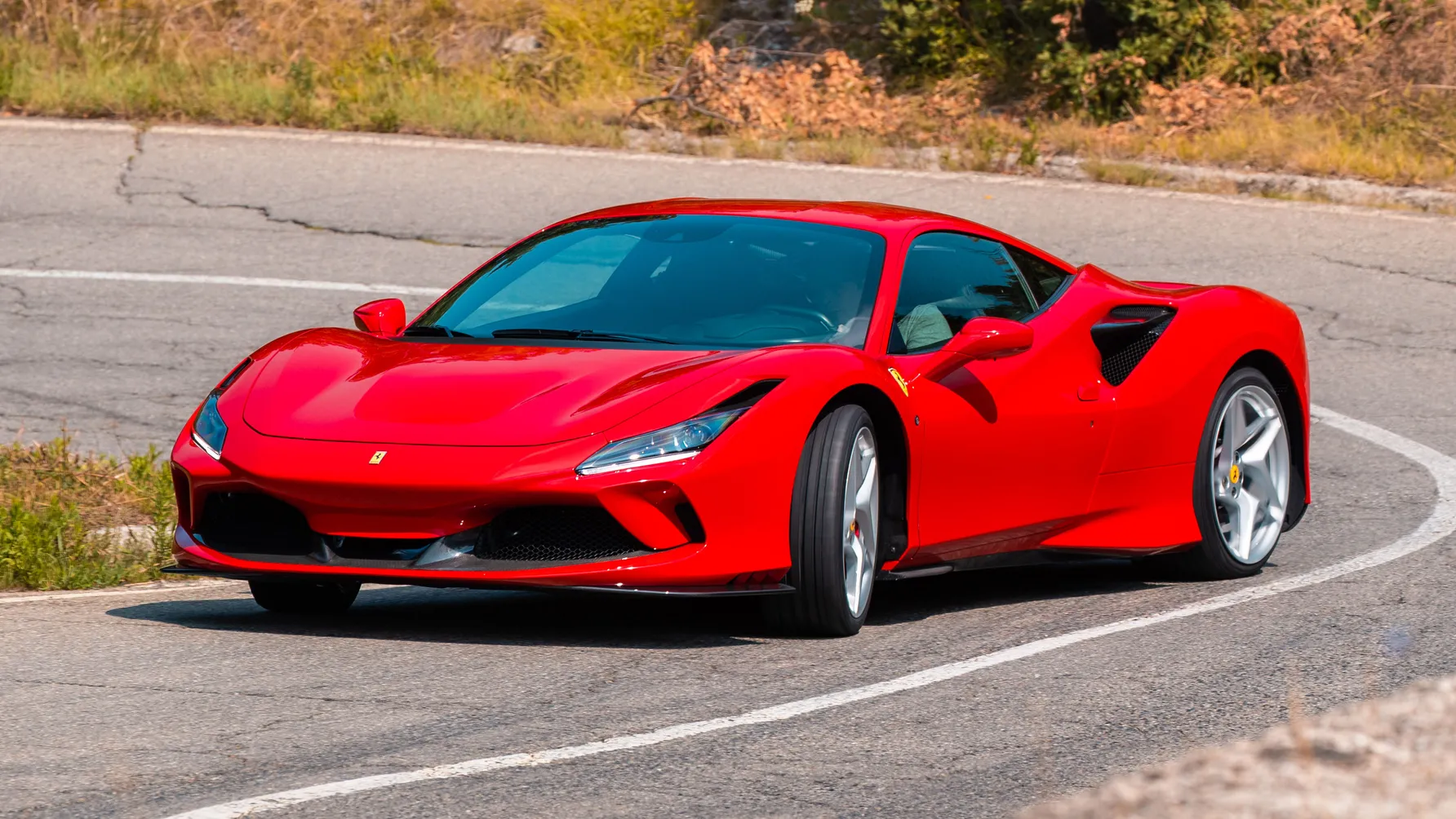
5. Ferrari F8 Tributo: A Celebration of Ferrari’s V8 Heritage
The Ferrari F8 Tributo represents the final chapter of Ferrari’s traditional mid-engine V8 supercars before the company moved further toward hybrid technology.
This significance has increased interest among collectors who appreciate vehicles connected to important changes in automotive history. Its combination of performance, design, and Ferrari heritage makes it a strong value-retention performer.
The F8 Tributo uses a 3.9-liter twin-turbocharged V8 engine producing extraordinary performance while maintaining Ferrari’s focus on driver engagement.
The car incorporates lessons learned from previous models, including the 488 GTB and Ferrari racing programs. Its aerodynamic improvements and updated technology create a balance between speed and everyday usability.
Collectors often consider a model’s historical importance when determining long-term desirability. The F8 Tributo represents the end of an era for Ferrari’s pure V8-powered mid-engine lineup before electrification became more prominent. Cars connected to major transitions within famous brands often receive increased attention from future buyers.
Ferrari’s customization program also influences resale value. Many buyers seek vehicles with desirable specifications, including popular exterior colors, premium interior materials, and performance-focused options. A carefully configured example with complete maintenance documentation can attract stronger interest than a less desirable specification.
The Corvette provides incredible capability and value, but the Ferrari F8 Tributo benefits from decades of brand history and collector recognition. Its exclusivity, engineering achievements, and place in Ferrari’s timeline help support stronger value retention among high-performance vehicles.
- Engine: 5.2-liter twin-turbocharged V12
- Horsepower: 715 hp
- Torque: 663 lb-ft
- Length: 186.5 inches
- Width: 82.9 inches
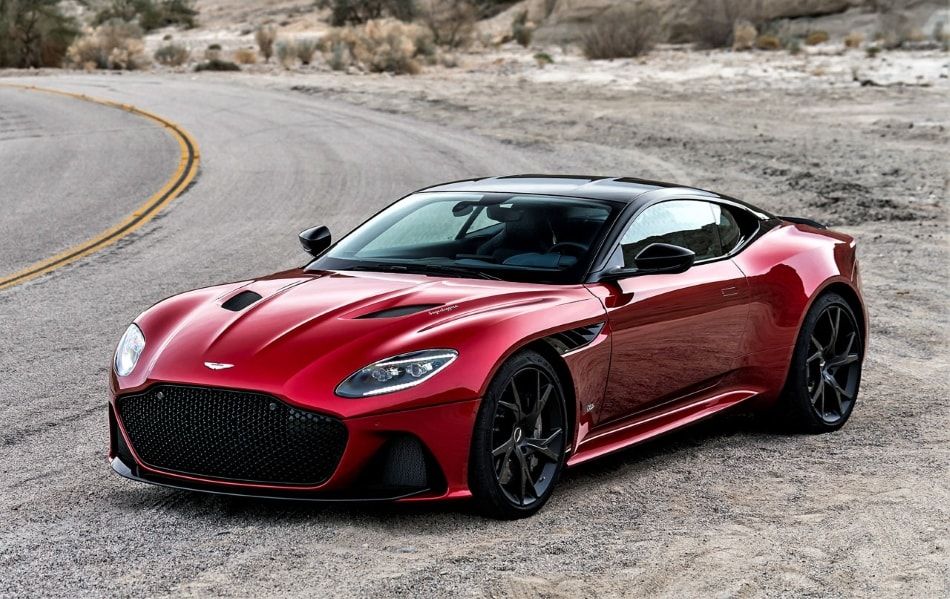
6. Aston Martin DBS Superleggera: Luxury Performance With Strong Brand Heritage
The Aston Martin DBS Superleggera combines grand touring comfort with supercar-level performance. It represents a different approach compared with track-focused machines because it focuses on powerful long-distance driving while maintaining a high level of luxury. This balance has helped the DBS Superleggera attract buyers who want both performance and refinement.
A twin-turbocharged V12 engine provides the power behind the DBS Superleggera. The large-displacement engine delivers significant performance while maintaining the smooth character associated with Aston Martin’s flagship vehicles.
The combination of handcrafted details, premium materials, and dramatic styling creates a unique ownership experience.
Aston Martin’s connection to British automotive history also adds emotional appeal. The brand has long been associated with elegant designs and exclusive vehicles. Models that represent the company’s traditional approach often attract buyers who appreciate craftsmanship and heritage rather than focusing only on performance statistics.
The DBS Superleggera’s limited production and premium positioning contribute to its value retention potential.
While luxury grand tourers can experience depreciation due to their higher initial prices, special models with strong demand may perform better over time. Collectors often appreciate vehicles that represent the final examples of specific engine types or design philosophies.
Compared with the Corvette, the Aston Martin offers a different ownership experience. The Corvette focuses on performance accessibility, while the DBS Superleggera emphasizes exclusivity, luxury, and craftsmanship. These differences help explain why certain Aston Martin models can maintain stronger resale interest among luxury-car collectors.
- Engine: 4.0-liter naturally aspirated flat-six
- Horsepower: 493 hp
- Torque: 331 lb-ft
- Length: 175.5 inches
- Width: 70.9 inches
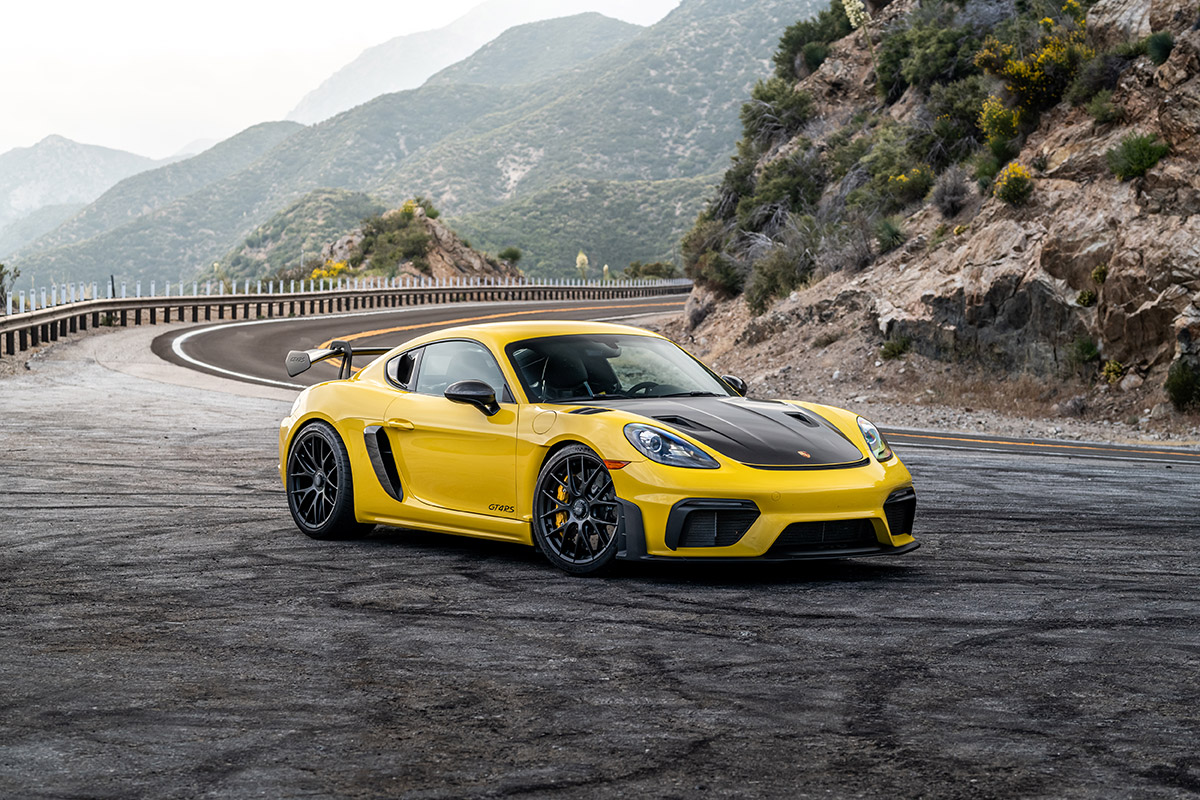
7. Porsche 718 Cayman GT4 RS: A Lightweight Performance Machine With Collector Appeal
The Porsche 718 Cayman GT4 RS has quickly become one of the most sought-after modern Porsche performance cars. It combines the compact dimensions of the Cayman platform with technology borrowed from Porsche’s motorsport-focused vehicles.
Its combination of a high-revving engine, lightweight construction, and limited availability has helped create strong demand among driving enthusiasts. The heart of the Cayman GT4 RS is its naturally aspirated 4.0-liter flat-six engine, which is closely related to the powerplant used in the 911 GT3.
This engine delivers an engaging driving experience because of its high rpm capability and immediate response. Many enthusiasts appreciate naturally aspirated engines because they provide a direct connection between driver input and vehicle performance.
Porsche designed the GT4 RS with weight reduction and aerodynamic efficiency as major priorities. Carbon fiber components, lightweight glass, aggressive aerodynamic elements, and a track-focused suspension setup help create a vehicle designed for maximum driver involvement. These features make the car appealing to owners who value precision and feedback rather than only straight-line speed.
Limited availability has played a significant role in the vehicle’s market performance. Porsche GT models often attract buyers who are willing to pay premium prices because demand frequently exceeds supply.
Collectors recognize that certain Porsche models become highly desirable when they represent exceptional engineering achievements within the company’s lineup.
Against the Corvette, the Cayman GT4 RS demonstrates how brand reputation and exclusivity influence resale value. The Corvette offers incredible performance for its price, but Porsche’s motorsport connection, limited production strategy, and enthusiast following give the GT4 RS additional strength in the collector market.
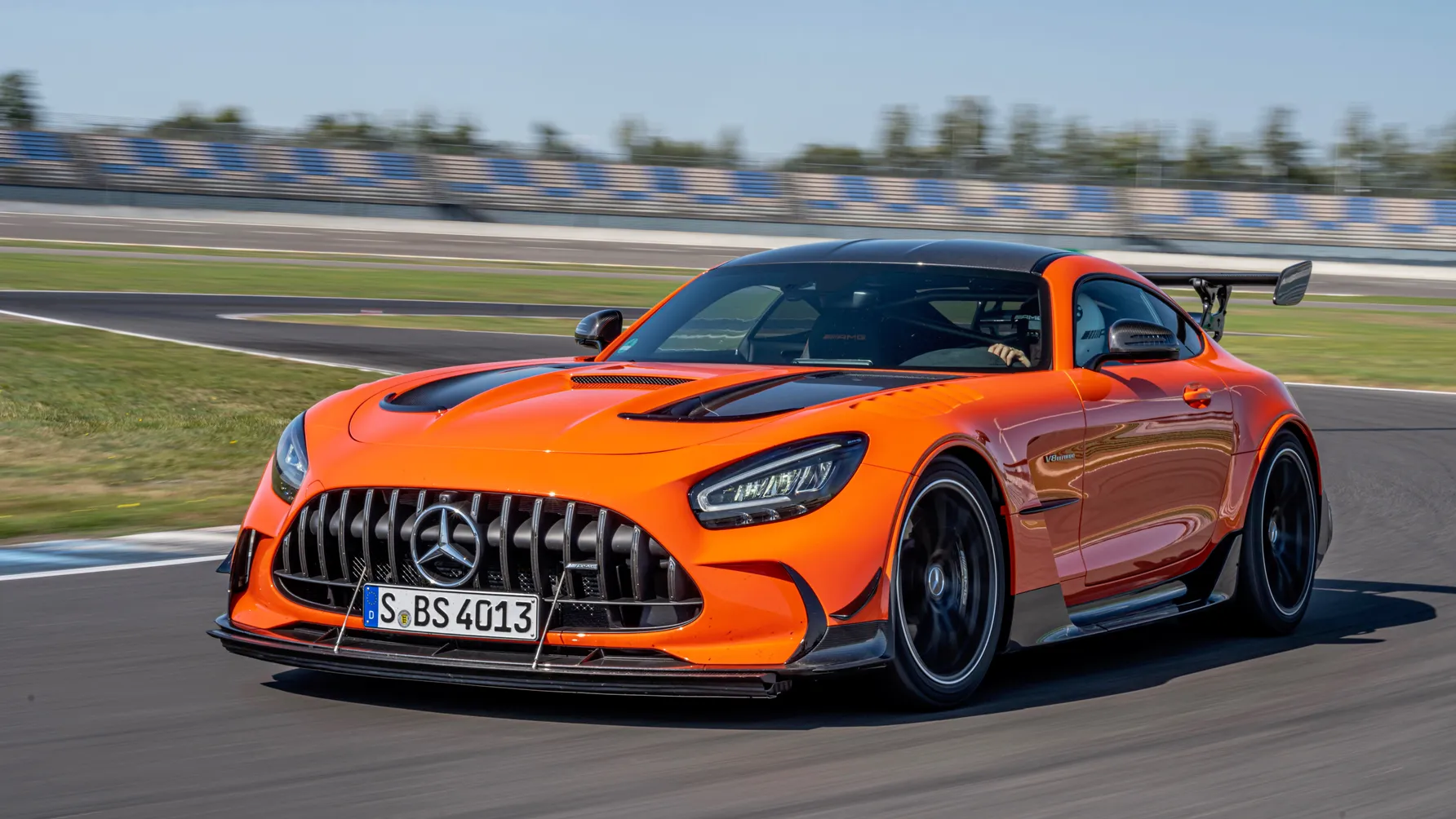
- Engine: 4.0-liter twin-turbocharged V8
- Horsepower: 720 hp
- Torque: 590 lb-ft
- Length: 181.9 inches
- Width: 83.0 inches
8. Mercedes-AMG GT Black Series: A Track Weapon With Exceptional Recognition
The Mercedes-AMG GT Black Series represents the extreme end of Mercedes-AMG performance engineering.
Designed with inspiration from motorsport technology, this model focuses on aerodynamic performance, aggressive styling, and track capability. Its rarity and impressive specifications have helped it become highly desirable among collectors and performance-car enthusiasts.
The vehicle uses a specially developed version of AMG’s twin-turbocharged V8 engine. Extensive engineering improvements allow the Black Series to produce exceptional power while maintaining the sharp handling characteristics expected from a track-focused machine. The aerodynamic package includes large components designed to improve stability at high speeds.
The Black Series name carries significant importance within Mercedes-AMG history. Previous Black Series models developed strong reputations among enthusiasts because they represented the most extreme versions of AMG vehicles.
This history creates additional interest because collectors often look for cars that represent the highest level of engineering from a manufacturer.
Production numbers and exclusivity also support the vehicle’s long-term appeal. Buyers searching for collectible performance cars often prioritize models that are difficult to find. The AMG GT Black Series stands apart from regular AMG models because of its specialized development and limited availability.
Compared with the Corvette, the Mercedes-AMG GT Black Series competes in a premium segment where rarity and brand prestige influence pricing.
The Corvette remains a remarkable performance bargain, but the AMG benefits from a combination of motorsport technology, luxury branding, and collector interest that supports strong five-year value retention.
Also Read: 10 SUVs That Changed the Automotive Industry Forever