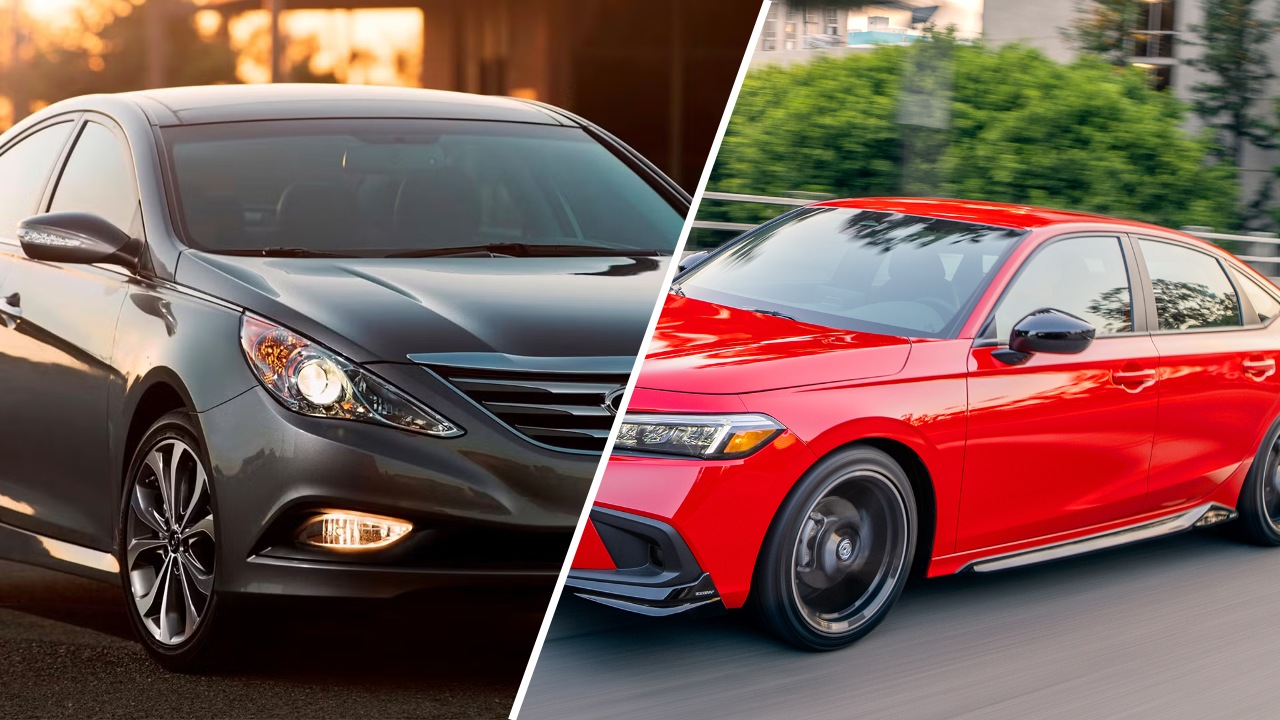
A large trunk capacity printed on a specification sheet can create high expectations, but numbers alone rarely tell the whole story.
Automakers measure cargo volume using standardized methods, yet the actual usability of that space depends on trunk shape, opening size, hinge design, floor height, and wheel well intrusion.
Two sedans with nearly identical cubic-foot ratings can feel completely different when loading suitcases, strollers, golf bags, or bulky boxes. Some vehicles advertise generous cargo capacity, only for owners to discover that awkward layouts limit real-world practicality.
Here are eight vehicles whose trunks often feel smaller than their published specifications suggest.
Also Read: 8 Most Frequently Stolen Vehicles in the Los Angeles Metro Area
1. Toyota Camry
The Toyota Camry is one of America’s best-selling midsize sedans, and on paper its 15.1-cubic-foot trunk appears competitive with nearly every rival in the segment. For everyday grocery runs, the space is more than adequate.
However, owners who regularly travel with large luggage often notice that the usable area feels smaller than the published figure suggests because of the trunk’s full shape rather than its measured volume.
One of the biggest limitations comes from the narrow trunk opening. While the cargo floor extends reasonably deep toward the rear seats, fitting large hard-shell suitcases through the opening can require careful positioning.
The inward curve of the rear body structure also restricts wider objects before they even reach the cargo compartment. During comparison testing, automotive reviewers have frequently noted that loading bulky items requires more maneuvering than in competitors with similar cargo ratings.
Wheel well intrusion further affects practicality. Although the official volume measurement includes every available cavity, the pronounced wheel housings reduce the width available for larger boxes and coolers.
The trunk hinges also swing inward when closing, meaning luggage stacked too high can interfere with the hinge arms unless packed carefully. While these characteristics do not reduce the measured cargo volume, they influence how efficiently that volume can actually be used.
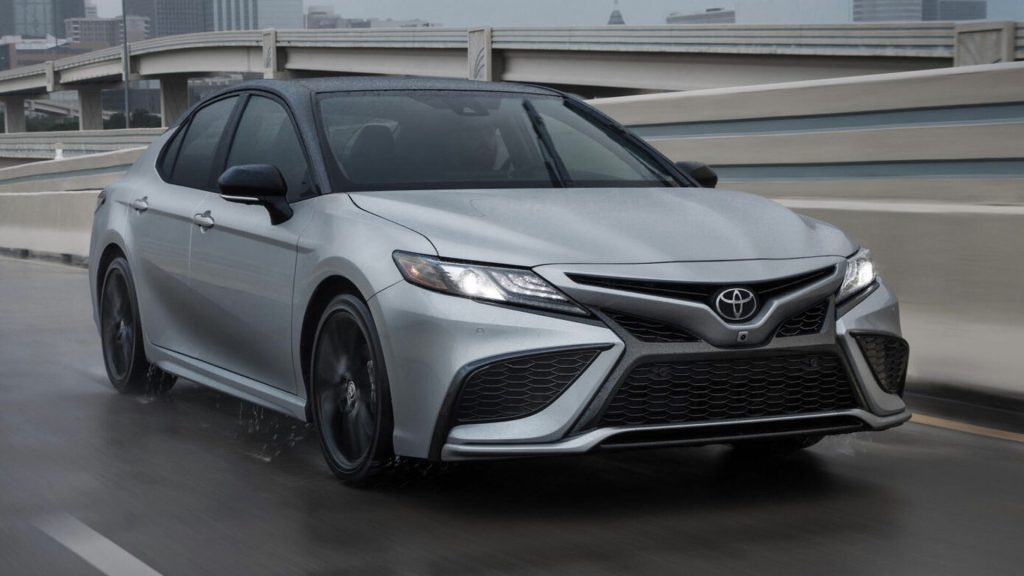
For families taking road trips, the difference becomes noticeable when packing multiple full-size suitcases. A competitor with a slightly smaller published cargo rating but a wider opening and squarer cargo area may accommodate the same luggage with less effort.
The Camry remains an excellent midsize sedan, but its trunk demonstrates that cargo volume numbers alone do not always represent everyday usability.
Specifications
- Engine: 2.5-liter Inline-4
- Torque: 184 lb-ft
- Horsepower: 203 hp
- Length/Width: 193.5 inches / 72.4 inches
2. Nissan Altima
At first glance, the Nissan Altima appears to offer an impressive luggage compartment. Its official trunk capacity of approximately 15.4 cubic feet places it near the top of the midsize sedan class, suggesting excellent practicality for families and commuters alike.
Yet many owners discover that the published measurement does not fully reflect how the available space functions in daily use.
The primary challenge lies in the cargo area’s shape. Instead of maintaining a consistent rectangular profile, the trunk narrows significantly near the back of the compartment because of suspension packaging and interior trim panels.
This creates irregular corners where soft bags fit easily but larger rectangular items often do not. As a result, the final few cubic feet become difficult to use efficiently despite contributing to the official cargo measurement.
Loading oversized luggage introduces another limitation. The trunk opening is relatively shallow from top to bottom compared with several competing sedans, making it harder to insert tall suitcases or large storage containers without tilting and rotating them.
Once inside, the hinge arms occupy space as the lid closes, requiring additional attention when stacking cargo close to the top of the compartment.
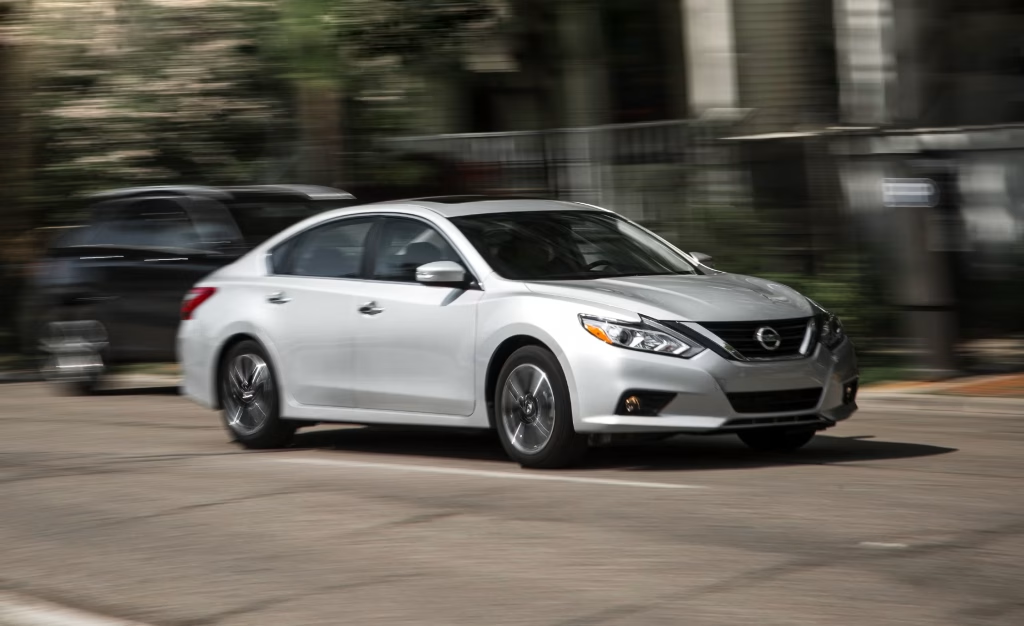
The Altima performs well for everyday errands, backpacks, and grocery bags, but buyers expecting the published cargo figure to translate directly into effortless packing may be surprised during longer trips.
This difference highlights why professional vehicle evaluations frequently assess luggage capacity using actual suitcases instead of relying solely on cubic-foot measurements. Practical usability often depends more on cargo area geometry than on the number printed in the specification sheet.
Specifications
- Engine: 2.5-liter Inline-4
- Torque: 180 lb-ft
- Horsepower: 188 hp
- Length/Width: 192.9 inches / 72.9 inches
3. Lexus ES 350
Luxury sedans are expected to deliver refinement without sacrificing practicality, and the Lexus ES 350 appears to do exactly that on paper. Its trunk is rated at approximately 16.7 cubic feet, a figure that surpasses many midsize competitors and even rivals some full-size sedans.
Looking only at the specification sheet, buyers could reasonably assume that packing for a family vacation would be effortless. In practice, the experience is often different because several design choices reduce how much of that published volume is genuinely useful.
The first issue is the shape of the cargo compartment. While the trunk extends deep toward the rear seats, the side walls taper inward because of wheel well intrusion.
This leaves a long cargo floor but limits the width available for larger coolers, folding strollers, or wide storage bins. The measured volume still counts every corner of the trunk, yet those irregular spaces are difficult to use efficiently with rigid luggage.
Another factor is the trunk opening itself. The opening is not as wide as many buyers expect from a sedan with nearly 17 cubic feet of cargo space.
Large hard-shell suitcases often need to be angled carefully before they can pass through the opening. Owners who frequently transport golf bags or photography equipment also note that loading bulky gear requires more planning than the published number suggests.
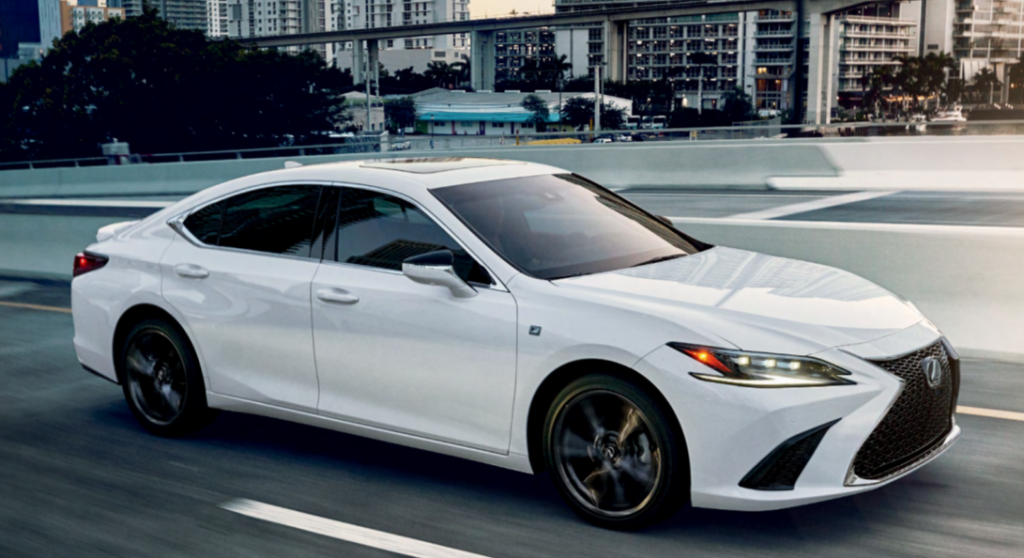
Lexus prioritized cabin refinement by using extensive insulation around the rear structure, which contributes to the vehicle’s exceptionally quiet ride. That packaging slightly reduces cargo flexibility compared with some competitors that dedicate more of the rear body structure to trunk usability.
The ES remains one of the most comfortable luxury sedans available, but its cargo area serves as another reminder that published cubic-foot measurements cannot fully describe everyday practicality.
Specifications
- Engine: 3.5-liter V6
- Torque: 267 lb-ft
- Horsepower: 302 hp
- Length/Width: 195.9 inches / 73.4 inches
4. Hyundai Sonata
The Hyundai Sonata consistently earns praise for value, technology, and passenger comfort, while its official trunk capacity of approximately 16.0 cubic feet appears highly competitive within the midsize sedan segment.
Buyers comparing specification sheets may even place it ahead of several rivals with lower published cargo figures. Once real luggage enters the picture, however, the available space often feels less accommodating than expected.
One reason is the aggressively sloping fastback-inspired rear styling. Although it gives the Sonata a sleek appearance, the descending trunk lid reduces vertical clearance near the opening.
Tall suitcases, large storage totes, and boxed household items can become surprisingly difficult to load because they contact the upper edge of the trunk before reaching the cargo floor. The measured volume remains accurate according to industry standards, but much of that space sits in areas that are not easy to access.
The trunk floor also rises slightly toward the rear seatbacks, creating a cargo area that is not perfectly flat. Smaller bags fit without issue, yet stacking multiple pieces of luggage efficiently becomes more challenging.
Wheel wells further narrow the available width, limiting the placement of larger rectangular items despite the generous cubic-foot rating.
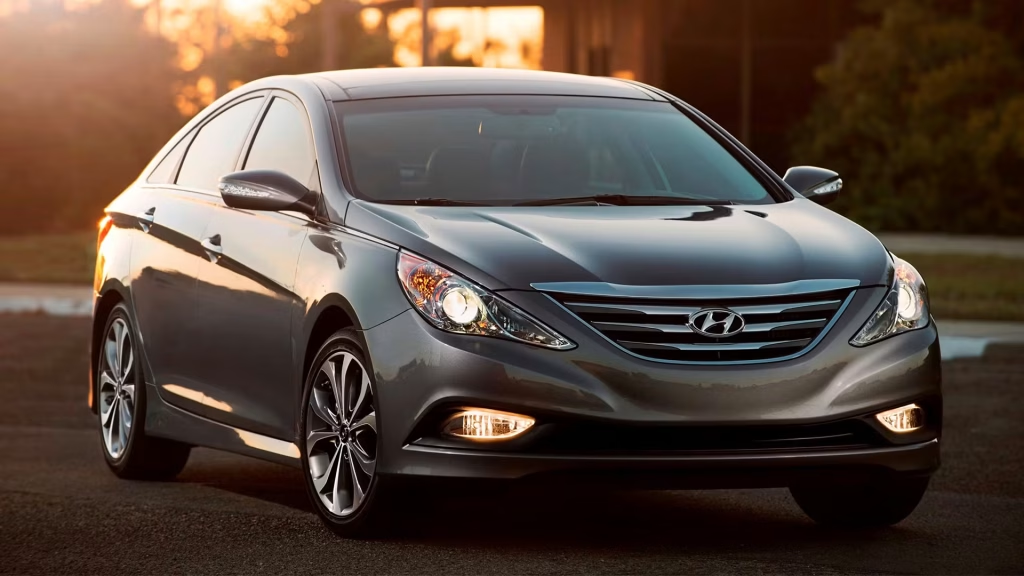
Hyundai includes useful features such as 60/40 split-folding rear seats on many trims, allowing owners to transport longer objects when necessary. Even so, buyers expecting the published trunk capacity to match the usability of more traditionally shaped sedans may notice the difference during family vacations or airport trips.
The Sonata delivers excellent everyday practicality, but its sleek design means some of the advertised cargo volume is less usable than the specifications imply.
Specifications
- Engine: 2.5-liter Inline-4
- Torque: 181 lb-ft
- Horsepower: 191 hp
- Length/Width: 193.3 inches / 73.2 inches
5. Mercedes-Benz CLA 250
The Mercedes-Benz CLA 250 attracts buyers with its coupe-inspired styling, premium interior, and compact luxury appeal. According to the specification sheet, it offers approximately 11.6 cubic feet of trunk space, which is respectable for a compact luxury sedan.
However, many owners find that the cargo area feels noticeably smaller than the number suggests because the vehicle’s dramatic design prioritizes appearance over loading convenience.
The sloping roofline is the biggest reason. Mercedes gave the CLA an elegant fastback profile, but that styling significantly reduces the height of the trunk opening.
Tall suitcases, large duffel bags, and baby strollers often need to be tilted and rotated before they fit through the opening. In some cases, an item that would fit inside the cargo area simply cannot pass through the narrow entrance.
The cargo compartment itself also narrows toward the rear seatbacks. While the official measurement includes every available corner, those tapered sections are difficult to use with rigid luggage.
Wheel well intrusion further limits the placement of wider items, meaning owners often have to stack bags rather than place them side by side. During comparison tests by automotive publications, the CLA frequently carries fewer standardized suitcases than some competitors with similar published trunk volumes.
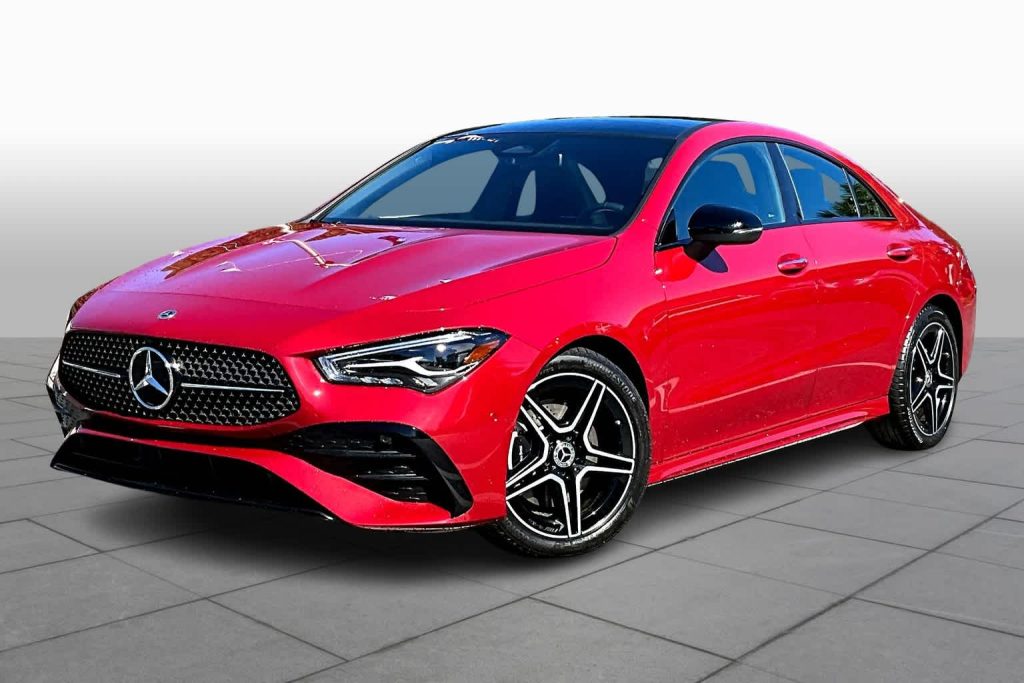
Mercedes includes split-folding rear seats on most trims, which improves flexibility for transporting longer items. Even with that advantage, buyers looking for maximum luggage capacity may find that the elegant body shape comes with practical compromises.
The CLA’s cargo area demonstrates how trunk design can influence everyday usability far more than the cubic-foot figure printed in the brochure.
Specifications
- Engine: 2.0-liter Turbocharged Inline-4
- Torque: 295 lb-ft
- Horsepower: 221 hp
- Length/Width: 184.6 inches / 72.0 inches
6. Tesla Model 3
The Tesla Model 3 appears highly practical at first glance because Tesla combines a rear trunk with a front storage compartment, commonly called a frunk.
The rear trunk alone is rated at approximately 19.8 cubic feet when measured using Tesla’s methodology, making it sound exceptionally spacious. Yet many owners discover that fitting bulky luggage into the rear cargo area is more challenging than expected.
Unlike a traditional hatchback, the Model 3 uses a conventional sedan-style trunk lid. The opening is relatively narrow, even though the compartment itself extends deep into the rear of the vehicle.
Large suitcases, folding chairs, or boxed household items often become difficult to load simply because they cannot pass easily through the opening. Once inside, the available depth is impressive, but reaching that space requires careful positioning.
Another factor is the shape of the cargo floor. Portions of the measured cargo volume extend beneath the floor into lower storage wells, which are useful for charging cables and smaller bags but less practical for large luggage.
The trunk hinges are packaged efficiently, yet the rear glass and body contours reduce usable height near the back of the compartment. Consequently, owners sometimes find that fewer large suitcases fit than the published number would suggest.
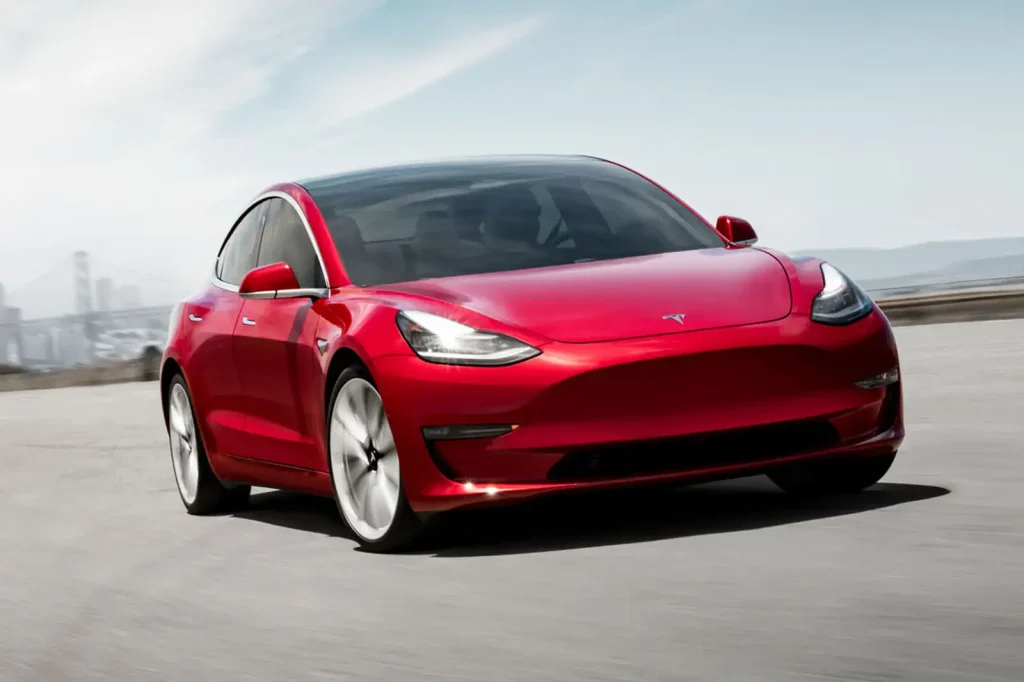
The additional front trunk certainly adds valuable storage for backpacks, charging accessories, or grocery bags, improving the vehicle’s total carrying capability. Nevertheless, buyers focusing only on the rear trunk specifications may expect easier loading than the design actually delivers.
The Model 3 remains practical for daily driving, but its real-world luggage experience highlights why cargo shape is just as important as cargo volume.
Specifications
- Engine: Dual Electric Motors (Long Range AWD)
- Torque: Approximately 376 lb-ft
- Horsepower: Approximately 394 hp
- Length/Width: 185.8 inches / 72.8 inches
7. Honda Civic Sedan
The Honda Civic has earned a reputation as one of America’s most practical compact sedans, and its published trunk capacity of approximately 14.8 cubic feet supports that image. Compared with many competitors, the number appears generous enough for family errands, weekend travel, and airport runs.
Yet owners who regularly pack multiple large suitcases often discover that the usable space feels more restricted than the specifications imply.
One reason is the shape of the cargo compartment. Honda designed the Civic with a relatively deep trunk, but the width narrows noticeably around the wheel wells.
While soft bags can be tucked into these areas, rigid luggage cannot take full advantage of the available volume. Industry-standard cargo measurements count every section of the trunk, including irregular spaces that contribute little to carrying larger objects.
The trunk opening also influences usability. Although reasonably wide, it is not particularly tall because of the sedan’s sloping rear deck. Tall coolers, storage bins, and upright suitcases frequently require careful angling before they fit through the opening. Once inside, the trunk hinges move into the cargo area as the lid closes.
Honda designed protective covers around the hinges, but they still occupy space that owners must consider when stacking luggage close to the top of the compartment.
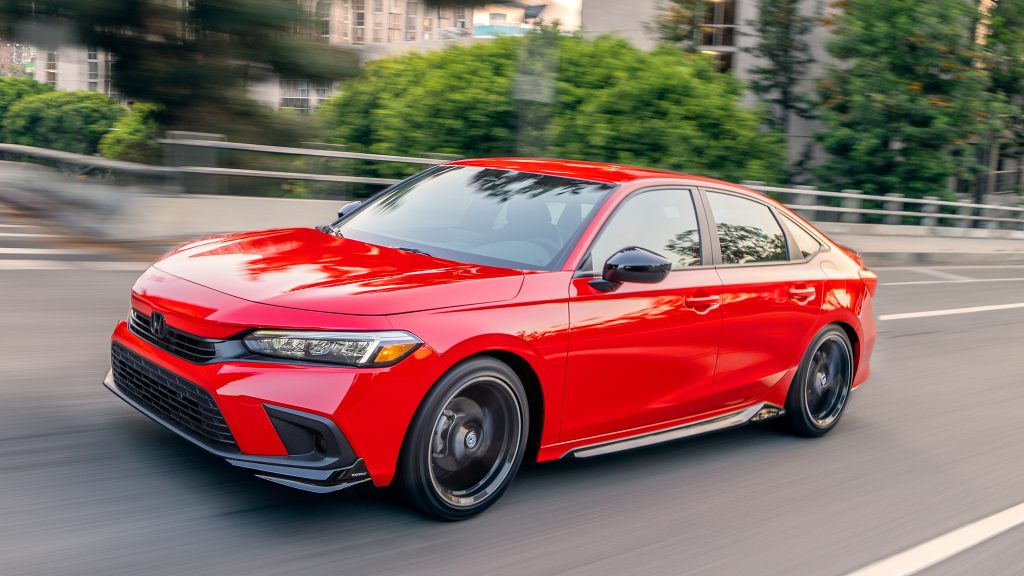
The Civic remains an excellent everyday sedan with one of the best interiors in its class, and its split-folding rear seats add welcome versatility for transporting longer items. Still, buyers comparing specification sheets should remember that a nearly 15-cubic-foot trunk does not automatically translate into easier packing.
Real-world practicality depends just as much on cargo shape, opening dimensions, and interior layout as it does on the published measurement.
Specifications
- Engine: 2.0-liter Inline-4
- Torque: 133 lb-ft
- Horsepower: 150 hp
- Length/Width: 184.0 inches / 70.9 inches
8. Kia K5
The Kia K5 makes a strong first impression with its sleek fastback-inspired styling, spacious cabin, and competitive list of standard features. On paper, its trunk offers approximately 16.0 cubic feet of cargo space, placing it among the larger entries in the midsize sedan class.
Buyers expecting exceptional luggage capacity based on that figure, however, may find that the available space feels less accommodating during everyday use.
The K5’s stylish rear design is largely responsible. The sharply sloping trunk lid creates a relatively low loading opening, making it difficult to insert tall suitcases, boxed appliances, or bulky sports equipment.
While these items may technically fit inside the trunk once positioned correctly, getting them through the opening often requires significantly more effort than in sedans with more upright rear styling.
Inside the cargo compartment, the floor extends well toward the rear seats, but wheel wells reduce usable width in key areas. The trunk also tapers toward the rear of the vehicle, leaving several irregular sections that contribute to the official cargo measurement but provide limited value when packing rigid luggage.
Owners frequently notice that medium-sized bags fit comfortably, while larger rectangular items require careful arrangement to maximize available space.
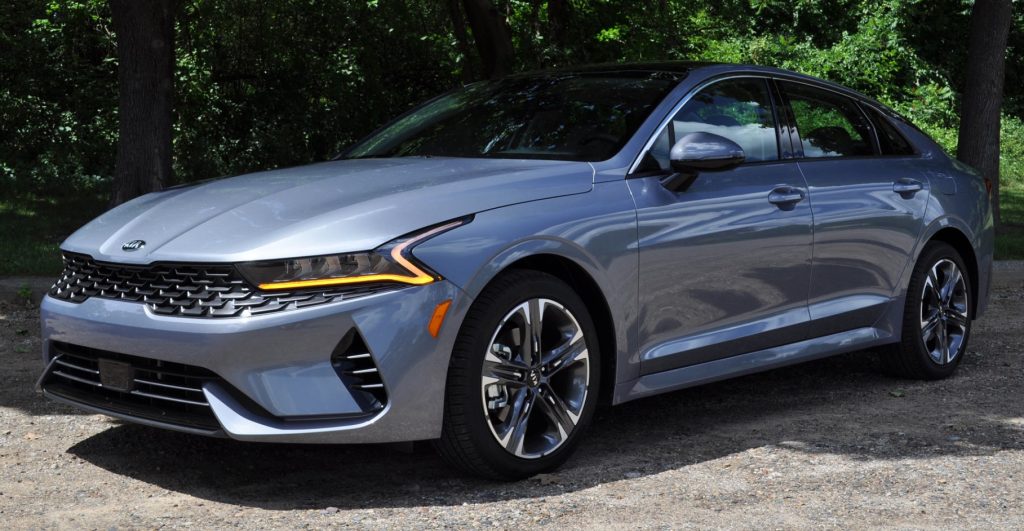
Kia includes convenient features such as 60/40 split-folding rear seats and a low lift-over height, which help offset some of these limitations. Even so, shoppers should look beyond the published cubic-foot figure when evaluating cargo capacity.
The K5 demonstrates that an attractive exterior profile can influence trunk usability just as much as the engineering behind the suspension or body structure. For buyers who regularly transport oversized luggage, real-world packing tests often reveal more than the specification sheet alone.
Specifications
- Engine: 2.5-liter Inline-4
- Torque: 181 lb-ft
- Horsepower: 191 hp
- Length/Width: 193.1 inches / 73.2 inches
Also Read: 8 Cars With Turbo Failures Reported Before 100,000 Miles