
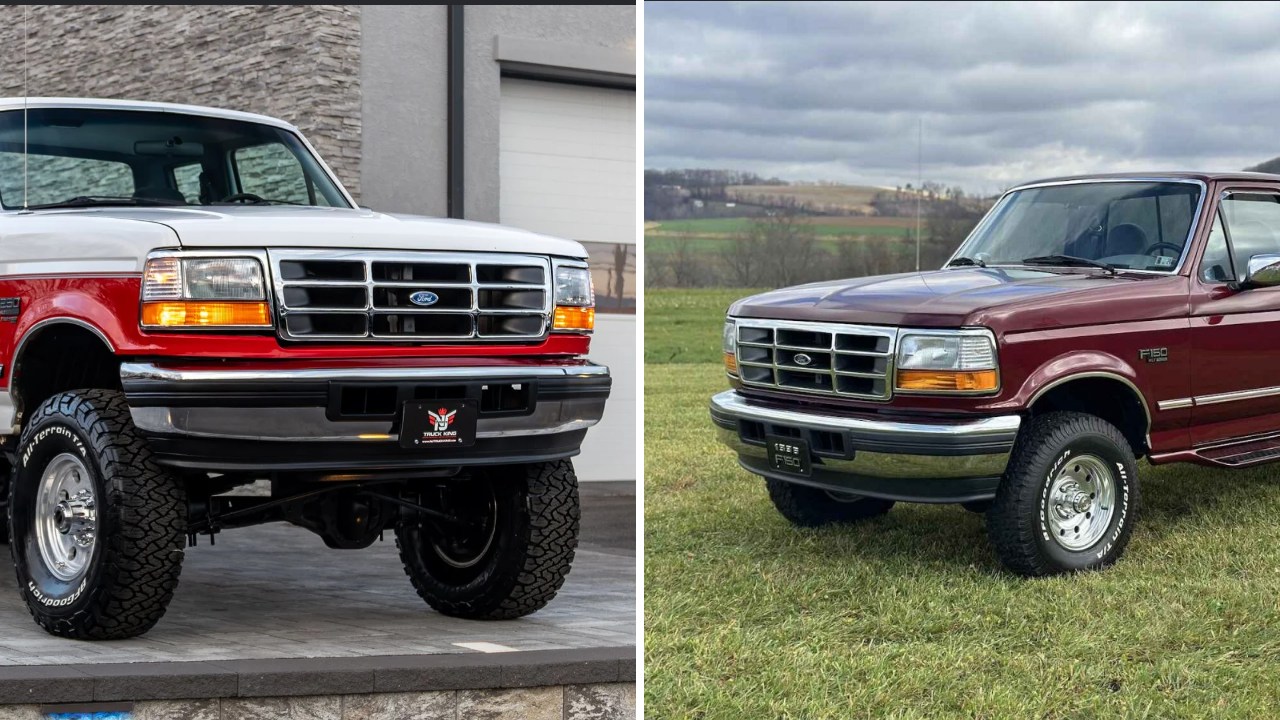
Buying a new truck in 1996, meant paying a price that seems surprisingly low compared with modern prices. A typical pickup truck cost far less than current models, but money had different purchasing power back then. When adjusted for inflation, the 1996 price shows a clearer comparison with what buyers spend now.
This article compares average new truck costs from 1996 and today, explains inflation changes, and shows how older prices translate into current dollars. The figures help drivers understand vehicle pricing trends and the reasons trucks have become more expensive over time while keeping historical values accurate and simple.
Average New Truck Prices in 1996 Compared With Current Costs
In 1996, buying a new truck was a much smaller financial commitment than it is for many buyers today. The average new pickup truck price was around $18,000 to $20,000. Popular trucks from brands such as Ford, Chevrolet, and Dodge offered basic work models at prices that seem very affordable by modern standards.
A buyer looking for a dependable pickup could purchase a new vehicle without needing to spend the equivalent of a modern home down payment. The lower prices reflected simpler designs, fewer electronic features, and lower production expenses.
Using inflation, a $20,000 truck purchased in 1996 would equal roughly $42,000 to $45,000 in 2026 dollars. This calculation uses general consumer inflation, where prices have more than doubled over the past three decades.
A buyer who paid $20,000 in 1996 was spending purchasing power similar to what someone would spend around $44,000 today. This adjustment helps show that older trucks were not as inexpensive as the original price tag suggests when compared with modern income and costs.
Current new truck prices are much higher than the inflation-adjusted value of many 1996 trucks. Many new full-size pickups now start near $40,000, while well-equipped versions can reach $60,000, $70,000, or higher.
The increase comes from added technology, stronger engines, improved safety equipment, larger cabins, and more advanced manufacturing. Trucks have changed from simple work vehicles into machines with luxury features, advanced driver assistance systems, and comfort options that were rare during the 1990s.
A 1996 truck with a $20,000 sticker price would not simply become a $20,000 vehicle in modern terms. Inflation changes how money works over time. If a buyer placed that same amount into a purchase today, the equivalent cost would be close to $44,000.
This means a modern truck priced around $44,000 is closer to the historical cost of a 1996 truck than a vehicle priced at $20,000. The comparison gives a better picture of changing prices.
Truck buyers in 1996 also had different expectations. Many pickups were designed mainly for hauling, farming, construction, and daily transportation.
Features such as touchscreen displays, advanced cameras, heated seats, and powerful connectivity systems were not common. A lower price reflected fewer features and simpler engineering. Modern trucks provide more capability and convenience, but those improvements contribute heavily to the higher purchase price seen at dealerships today.
Also Read: 10 Most Hardcore Harley-Davidsons of the Last Ten Years
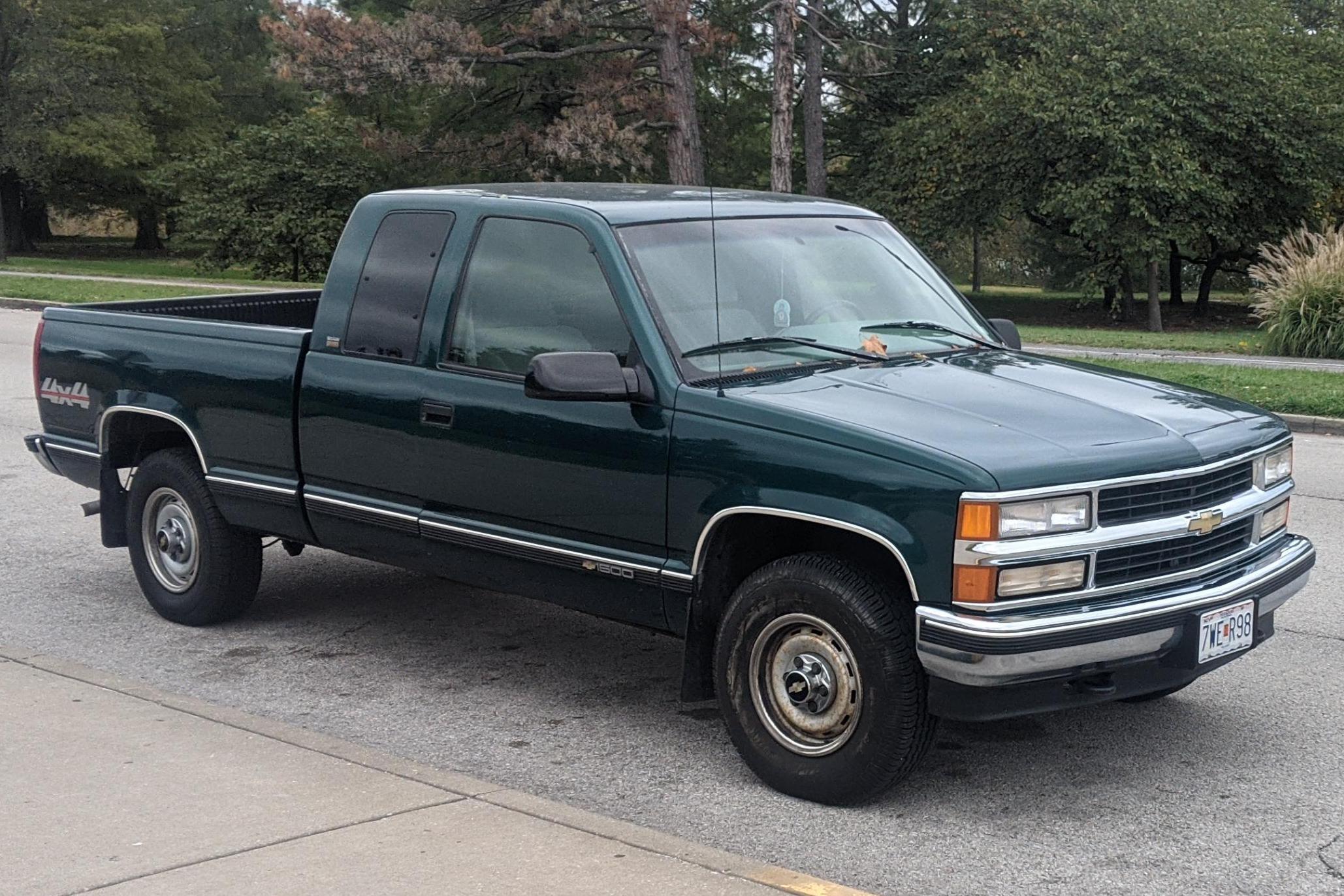
Why Truck Prices Increased Beyond Inflation
Inflation explains part of the price increase, but it does not explain the full difference between 1996 trucks and modern trucks. Vehicle manufacturers have added many features that require expensive materials, software, engineering, and testing.
Modern pickups include complex safety systems, stronger frames, improved suspension designs, and advanced engines. These additions increase production costs and raise the final price paid by customers. A comparison between 1996 and today must consider how much trucks themselves have changed.
Truck size has also grown significantly since the 1990s. Many current pickups are longer, wider, and heavier than older models. Larger cabins provide more passenger space, while bigger beds and stronger towing systems attract buyers who use trucks for recreation and business.
Producing larger vehicles requires more materials, which affects pricing. The modern truck market focuses on capability and comfort, creating vehicles that serve many purposes beyond basic transportation.
Fuel technology and emissions requirements have influenced truck pricing as well. Manufacturers invest heavily in developing cleaner engines that meet stricter regulations.
Modern powertrains often deliver better performance, improved fuel management, and increased towing ability compared with older engines. These improvements require research and development spending. Buyers receive more advanced machines, but those improvements contribute to higher purchase costs.
The popularity of trucks has also changed market pricing. Pickup trucks have become common choices for families, commuters, and professionals who want extra space and versatility.
Demand for premium trims has encouraged manufacturers to offer models with luxury interiors, premium materials, and advanced technology packages. A basic 1996 pickup and a modern high-end truck may share a similar purpose, but they are built for different expectations.
The used vehicle market shows how much truck values have shifted as well. Older trucks from the 1990s that remain in good condition often attract buyers because of their simplicity and durability.
New trucks provide more comfort and power, yet some drivers prefer older models because repairs can be easier and ownership costs may be lower. The difference between generations highlights how vehicle design and consumer preferences have changed over time.
Understanding the Real Cost Difference Between 1996 and Today
When comparing truck prices from 1996 with current prices, inflation provides the most useful starting point. A $20,000 truck in 1996 would cost about $44,000 in 2026 money. A $25,000 truck would equal roughly $55,000 today.
These numbers show that modern trucks priced near $45,000 are not dramatically different in inflation-adjusted terms from higher-priced trucks in the 1990s. The major price jump appears when comparing older adjusted values with premium modern models.
A new truck costing $70,000 today represents a much larger increase than simple inflation. Converted back to 1996 dollars, that amount would be around $31,000 to $32,000.
In 1996, a truck at that price would have been considered expensive and likely included many upgraded options. This shows that premium trucks today occupy a higher price range than most trucks available during the 1990s.
Income changes also matter when comparing vehicle affordability. The price of a truck is only part of the financial picture. Wages, financing terms, interest rates, insurance costs, and household expenses all influence how affordable a vehicle feels.
A truck that costs $44,000 today may have a different impact on a buyer’s budget compared with a $20,000 truck in 1996. Personal finances and market conditions affect the real ownership experience.
Truck buyers today receive more technology and capability for their money. Features that were unavailable or uncommon in 1996 are now expected by many drivers.
Automatic emergency braking, smartphone integration, advanced navigation, improved climate systems, and powerful towing tools provide benefits that older trucks could not offer. The higher prices reflect both inflation and a major increase in what vehicles provide.
The comparison between 1996 truck prices and current prices reveals how transportation has evolved. A $20,000 truck from 1996 equals approximately $44,000 today after inflation adjustment.
Modern trucks may cost far more than that amount, especially in premium configurations, because they include more equipment, larger designs, and advanced technology. Understanding inflation helps buyers see the difference between a simple price increase and the added value included in modern vehicles.
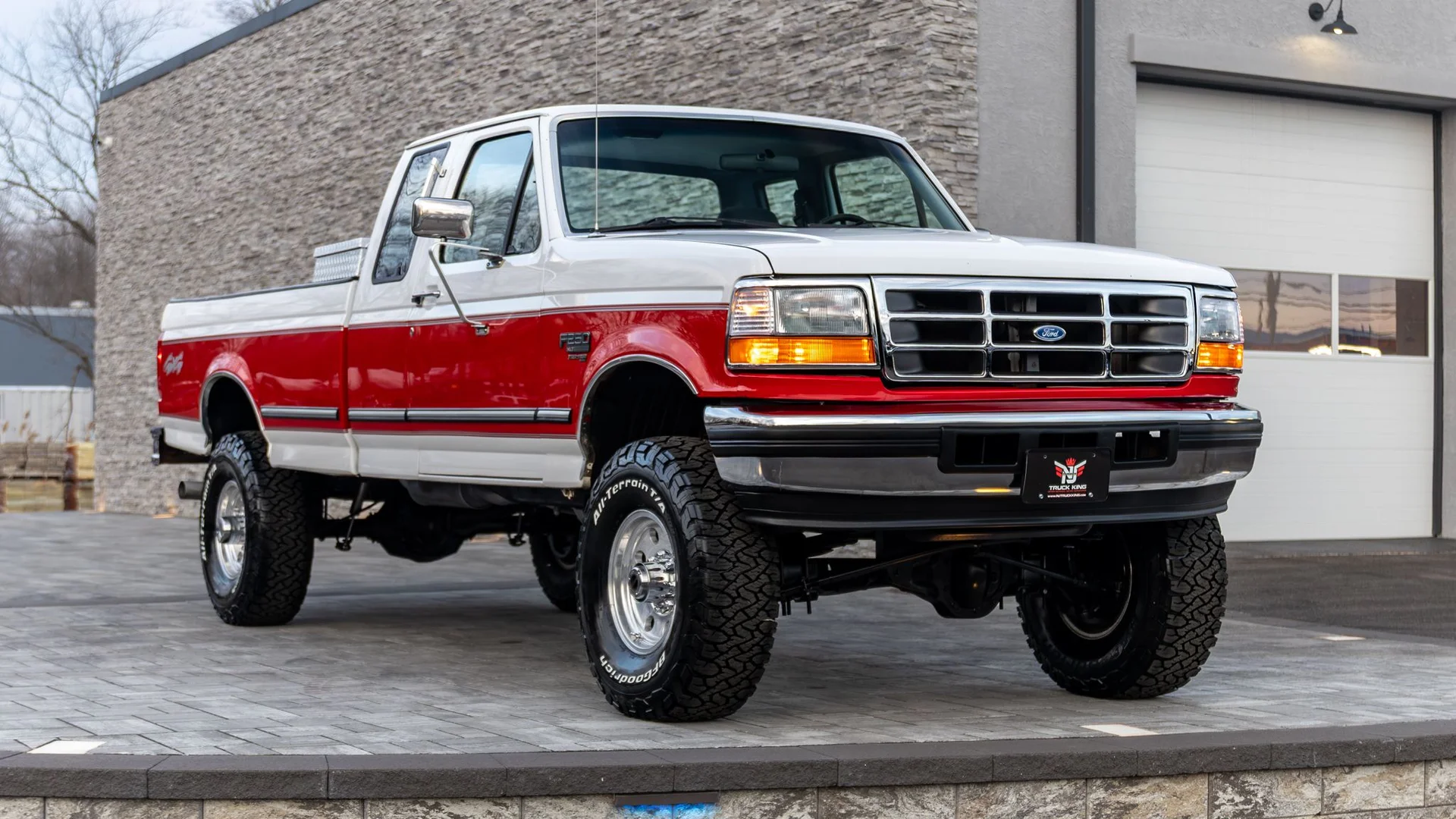
How Truck Features Changed From 1996 to Today
The difference between a 1996 truck and a modern pickup becomes clear when comparing the equipment included at the time of purchase. Trucks in the mid-1990s were often built with practicality as the main priority. Many base models included simple interiors, manual windows, basic climate controls, and traditional radio systems.
Buyers who needed a reliable vehicle for work valued durability and affordability more than luxury features. Modern trucks have moved toward combining work capability with passenger comfort, creating vehicles that serve a wider range of needs.
Safety technology represents one of the biggest changes between older and newer trucks. In 1996, many pickups had basic safety equipment such as seat belts, airbags, and anti-lock brakes. Modern trucks include advanced systems designed to help prevent accidents and protect occupants during collisions.
Features such as blind spot monitoring, lane assistance, automatic braking, parking cameras, and improved crash structures have become common. These improvements require significant engineering and testing, adding to the cost of producing newer trucks.
Engine performance has also changed dramatically. A typical 1996 pickup truck offered enough power for everyday tasks, but modern trucks produce much higher horsepower and towing capacity.
Manufacturers have developed turbocharged engines, hybrid systems, and advanced transmissions that provide stronger performance while improving efficiency. A current half-ton pickup can often tow loads that would have required a heavier truck decades ago. The improvement in capability is a major factor behind increased truck prices.
Interior design has transformed from basic utility spaces into comfortable environments that compete with passenger cars. In 1996, truck cabins focused mainly on function.
Today, many trucks feature premium seating materials, large digital displays, wireless smartphone connections, advanced audio systems, and customizable settings. Higher trim levels can include features commonly found in luxury vehicles. These additions make trucks more appealing for daily driving, but they also increase manufacturing costs and purchase prices.
Manufacturing standards have changed as well. Automakers now use advanced computer systems, improved materials, and detailed quality testing to create vehicles that last longer and perform better. Meeting environmental rules, safety standards, and customer expectations requires significant investment.
The truck purchased today is built under different requirements than a truck made in 1996. These changes explain why inflation alone cannot fully explain the difference in pricing.
Example Price Comparison: 1996 Truck Cost vs Modern Equivalent
A simple example helps show the impact of inflation. Suppose a buyer purchased a new truck in 1996 for $20,000. Using inflation adjustments, that same purchasing power would equal approximately $44,000 today.
A buyer spending around $44,000 on a modern truck is paying a similar amount in terms of money value, even though the vehicles themselves may be very different. A more expensive 1996 truck priced at $25,000 would equal about $55,000 today after inflation. This amount would have represented a well-equipped pickup during the 1990s.
Today, $55,000 can still buy a capable truck, but many buyers choose models above this price because of added features and premium packages. The difference shows how consumer expectations have changed along with vehicle pricing.
A $30,000 truck in 1996 would have the purchasing power of around $66,000 today. At that price level, a 1996 buyer was likely purchasing a high-end pickup with additional options. Today, many luxury pickup models reach or exceed this price range. The modern market has created a larger gap between entry-level trucks and premium trucks compared with the 1990s.
The comparison also shows why looking only at sticker prices can create a misleading impression. Seeing a $20,000 truck from 1996 compared with a $60,000 truck today suggests prices tripled.
Inflation-adjusted calculations show a more balanced picture. Part of the increase comes from the changing value of money, while the rest comes from larger vehicles, new technology, improved safety, and additional features.
For buyers researching truck costs, inflation-adjusted comparisons provide useful information. They help explain whether vehicles have become more expensive because of economic changes or because manufacturers are offering more advanced products.
A modern truck may cost significantly more than a 1996 model, but it also provides capabilities and features that older trucks could not deliver.
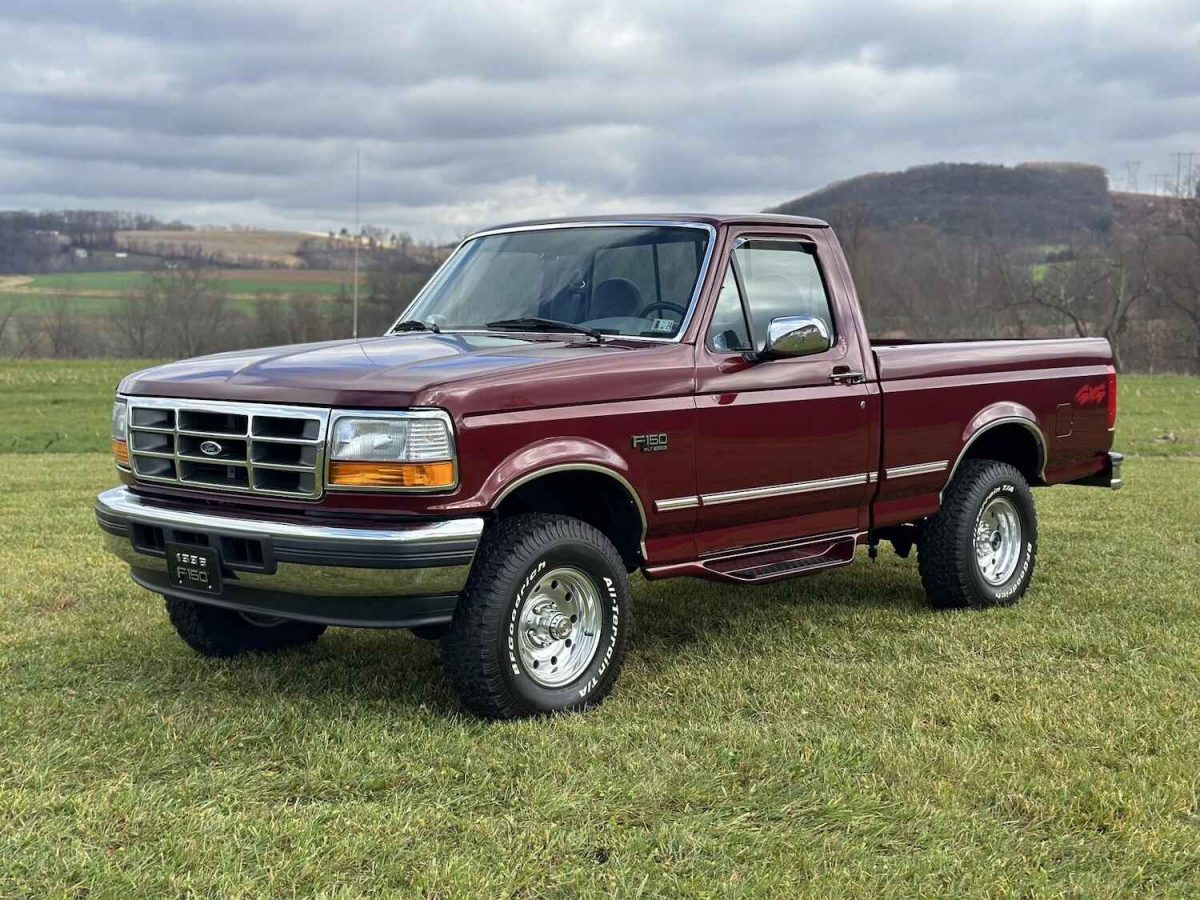
Are New Trucks More Expensive Than They Should Be?
Many truck buyers wonder whether current prices have increased too much compared with the past. The answer depends on how the comparison is made.
When looking only at the original price, modern trucks appear much more expensive. When inflation is considered, the difference becomes smaller, especially for basic models. However, premium trucks have increased beyond inflation because manufacturers now offer more advanced and expensive configurations.
The average truck buyer today may spend more because the market has shifted toward higher trim levels. In the 1990s, many buyers selected basic work trucks. Today, a large number of customers choose models with upgraded interiors, stronger engines, technology packages, and appearance upgrades.
These options can add thousands of dollars to the final price. The vehicle chosen by many buyers today is often more comparable to a luxury model than a basic 1996 pickup. Financing has also changed how people view truck prices. Longer loan terms allow buyers to purchase more expensive vehicles by spreading payments over several years.
While this can make monthly payments easier to manage, it can also increase the total amount paid over the life of the loan. Understanding the complete cost of ownership is important when comparing trucks from different generations.
Repair and maintenance costs have changed with vehicle complexity. Older trucks often used simpler mechanical systems that many owners could repair themselves.
Modern trucks include advanced electronics and computer-controlled components that improve performance but may require specialized service. The higher purchase price is balanced by improvements in reliability, safety, and convenience, but ownership expenses remain an important consideration.
The question of whether new trucks are worth the cost depends on what buyers need. Someone who values modern technology, towing ability, comfort, and safety may find current trucks offer significant benefits.
Someone who wants a simple and affordable work vehicle may prefer older models. The comparison between 1996 and today shows that truck pricing is influenced by many factors beyond inflation alone.
Final Comparison: 1996 Truck Prices Adjusted to Today
The average new truck price in 1996 was around $18,000 to $20,000. Adjusted for inflation, that equals approximately $40,000 to $45,000 today. A more expensive truck from that era costing $25,000 would be worth around $55,000 today.
These figures provide a realistic comparison between past and present vehicle costs. Modern trucks often begin around the inflation-adjusted range of older trucks but can quickly rise due to additional features and premium options.
A truck costing $60,000 or more today represents a higher level of equipment and capability than many trucks available in 1996. The increased price reflects changes in technology, design, safety requirements, and consumer demand.
Truck prices have increased significantly since 1996, but inflation explains a large portion of the change. The remaining increase comes from the fact that trucks have become larger, more powerful, safer, and more comfortable. Buyers are paying for vehicles that offer far more than the average pickup from three decades ago.
Understanding historical prices helps consumers make better decisions when shopping for a truck. Looking at inflation-adjusted values provides a clearer picture of affordability and prevents simple price comparisons from creating confusion.
A $20,000 truck in 1996 was not equal to a $20,000 truck today. Its purchasing power is closer to a $44,000 vehicle in modern terms.
The story of truck pricing from 1996 to today shows how vehicles and consumer expectations have changed. While new trucks are more expensive, they also deliver technology and performance that were difficult to imagine in the 1990s.
Inflation gives the foundation for comparison, but the evolution of trucks explains the rest of the price difference.
