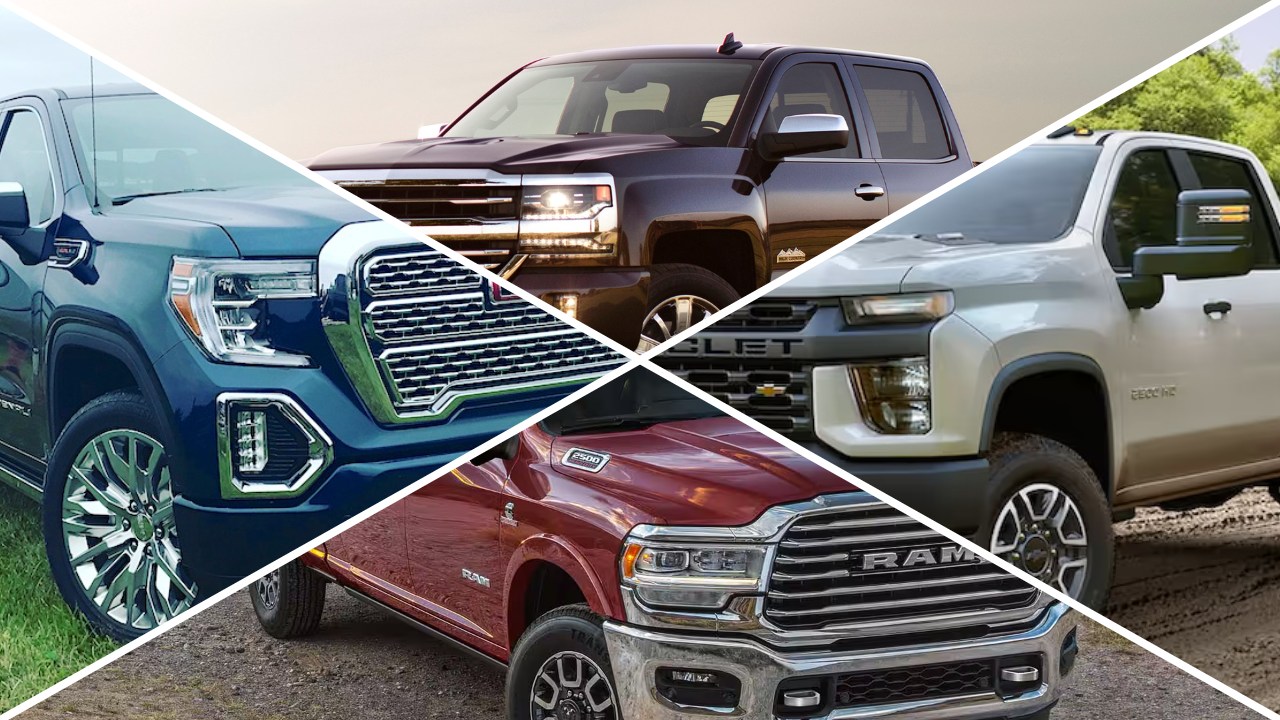
Front suspension repairs can dramatically change the cost of owning a pickup truck. Two trucks with similar mileage may need the same control arm or bushing replacement, yet one can be repaired in a few hours while the other requires extensive labor because of complex suspension layouts, seized hardware, or tightly packaged components.
That difference can turn a routine maintenance visit into a repair bill that surprises many owners. This article compares trucks that are typically inexpensive to repair at the front end with others that commonly generate repair bills approaching $2,000 once labor, alignment, and replacement components are included.
Also Read: 8 Trucks and SUVs That Tow 10,000 Pounds Under $60,000
5 Trucks With Cheap Front End Repairs
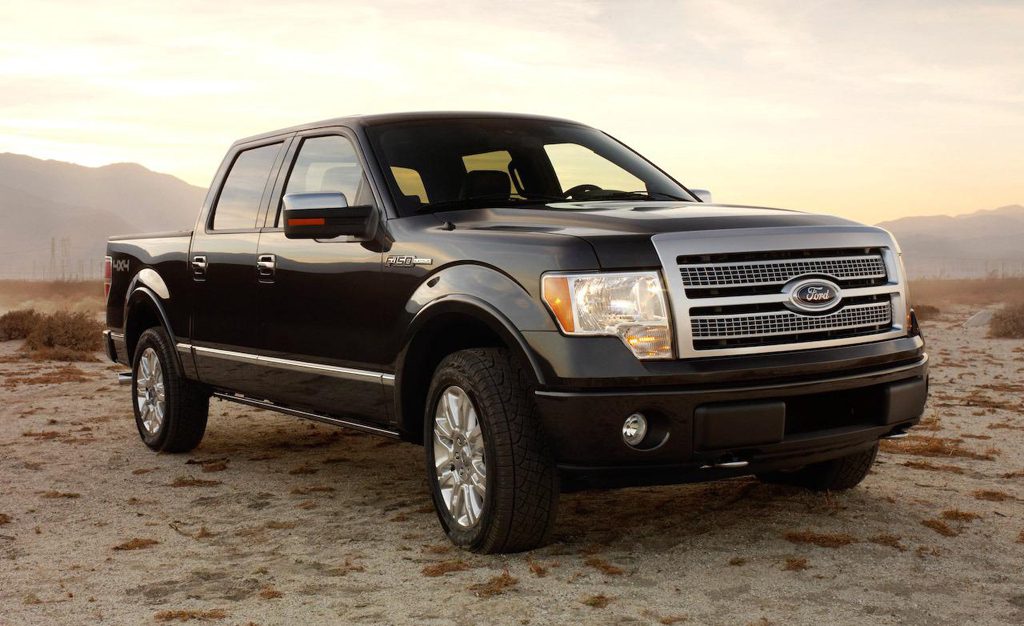
1. Ford F-150 (2009 to 2014)
America’s best-selling pickup is also one of the friendlier trucks when front suspension work becomes necessary. The 2009 through 2014 Ford F-150 uses an independent front suspension that gives technicians relatively easy access to the upper control arms, lower control arms, and associated hardware.
Most repair shops are extremely familiar with this platform because of its enormous production numbers, reducing diagnostic time and labor charges.
Control arm bushings naturally wear after years of towing, construction work, or daily commuting, but replacing complete control arm assemblies is usually straightforward.
Labor commonly ranges from about 2.0 to 3.5 hours per side depending on whether upper or lower components are being replaced. Even after adding a four-wheel alignment, total repair costs frequently remain well below what many premium trucks require.
Another advantage is the exceptional availability of replacement parts. Multiple aftermarket manufacturers produce quality control arms with pre-installed bushings and ball joints, allowing owners to avoid expensive OEM pricing without sacrificing reliability. Independent repair shops also tend to stock these parts or obtain them quickly, reducing downtime.
The truck’s suspension layout avoids many of the packaging challenges found on newer luxury pickups with adaptive suspension systems or more complicated front-end assemblies. That simplicity keeps labor predictable and makes future maintenance easier throughout the truck’s life.
For buyers seeking a dependable work truck that will not generate unusually high front suspension repair bills, this generation of the F-150 remains one of the strongest choices in the used truck market.
Specifications
- Engine: 5.0-liter Ti-VCT V8
- Torque: 380 lb-ft
- Horsepower: 360 hp
- Length/Width: 231.7 in / 79.2 in
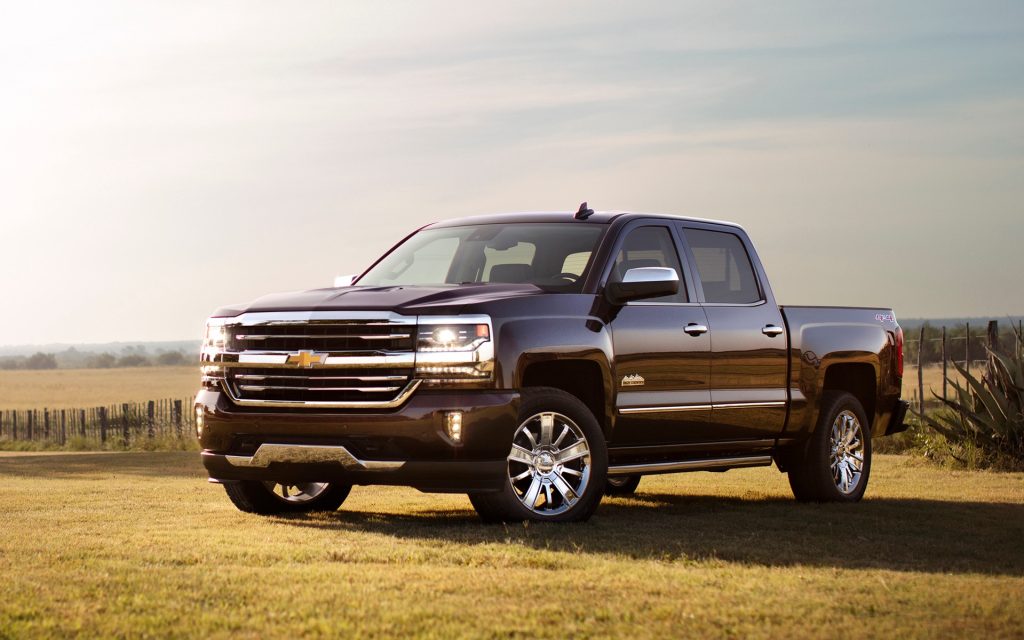
2. Chevrolet Silverado 1500 (2014 to 2018)
The 2014 to 2018 Chevrolet Silverado 1500 has earned a reputation for combining durability with practical serviceability. While control arm bushings eventually wear like any suspension component, replacing them is generally less labor-intensive than on many competing full-size trucks.
General Motors designed the independent front suspension with accessibility in mind. Experienced technicians can remove upper control arms without dismantling large portions of the suspension, while lower control arm replacement also follows a familiar process at most repair facilities.
Typical labor falls between approximately 2.5 and 4.0 hours per side depending on corrosion levels and whether complete assemblies or bushings alone are being installed.
Owners also benefit from one of the largest aftermarket support networks in the truck industry. Replacement control arms are available from numerous manufacturers at competitive prices, giving repair shops flexibility without relying exclusively on factory components.
Since many replacement assemblies include new ball joints and bushings, future maintenance intervals are often extended.
Another reason repair costs stay manageable is the sheer number of Silverados on American roads. Shops perform these repairs regularly, minimizing unexpected labor charges caused by unfamiliar designs.
Wheel alignment procedures are also routine, helping owners avoid additional diagnostic expenses after suspension work.
For truck owners who value affordable long-term maintenance as much as payload and towing capability, the Silverado 1500 continues to be a practical choice. It proves that high-volume production can benefit owners long after the vehicle leaves the showroom by keeping both labor times and replacement parts reasonably priced.
Specifications
- Engine: 5.3-liter EcoTec3 V8
- Torque: 383 lb-ft
- Horsepower: 355 hp
- Length/Width: 230.0 in / 80.0 in
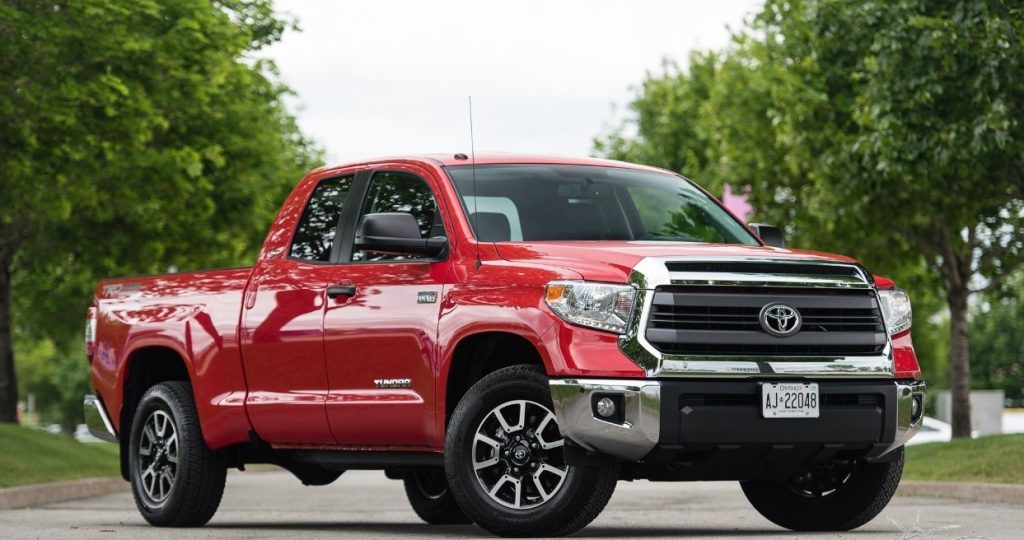
3. Toyota Tundra (2007 to 2021)
Many truck buyers associate the Toyota Tundra with reliability because of its long-lasting engines, but another advantage often receives less attention.
When the front suspension eventually needs attention after years of service, the repair process is usually straightforward. Control arms, bushings, and ball joints are wear items on any truck, especially one that has spent years towing boats, hauling equipment, or driving on rough job sites.
One of the Tundra’s advantages is its service-friendly suspension design, which helps reduce labor time compared with several competing half-ton pickups.
Toyota designed the front suspension with serviceability in mind. Upper control arm replacement is uncomplicated for experienced technicians, while lower control arm work generally does not require removing multiple unrelated components.
In most repair shops, replacing complete control arm assemblies typically requires about 2.5 to 4.0 labor hours per side, depending on whether corrosion is present and whether original hardware has seized after years of exposure to road salt.
Another reason repair bills stay manageable is the tremendous availability of parts. Because the second-generation Tundra remained in production for well over a decade, both OEM and aftermarket manufacturers supply complete control arm assemblies with bushings and ball joints already installed.
This reduces labor because technicians can replace the entire assembly instead of pressing old bushings in and out.
Independent repair shops are also highly familiar with the platform. There is little guesswork involved, meaning customers are less likely to be billed for additional diagnostic time. Once the new components are installed and the truck receives a proper wheel alignment, the steering usually returns to its stable factory feel.
Drivers who intend to keep their truck well beyond 200,000 miles often appreciate maintenance that is predictable rather than complicated. The Tundra fits that description well, offering dependable long-term ownership without turning routine suspension wear into an expensive repair event.
Specifications
- Engine: 5.7-liter i-FORCE V8
- Torque: 401 lb-ft
- Horsepower: 381 hp
- Length/Width: 228.9 in / 79.9 in
4. Nissan Frontier (2005 to 2021)
Not every affordable truck earns its reputation through purchase price alone. The second-generation Nissan Frontier stands out because it combines a durable chassis with front suspension repairs that usually remain within reach of the average owner’s maintenance budget.
While every suspension eventually develops worn bushings or tired ball joints, this midsize pickup avoids many of the engineering complications that inflate labor charges on larger or more premium trucks.
One of the Frontier’s biggest strengths is its uncomplicated double-wishbone front suspension. Technicians can access the upper and lower control arms without dismantling a maze of electronic components or advanced suspension hardware.
In many cases, replacing a complete control arm assembly takes between 2.0 and 3.5 labor hours per side, making it one of the quicker jobs among body-on-frame pickups.
Replacement parts are also competitively priced. Since the Frontier remained largely unchanged for many years, the aftermarket responded with numerous quality options ranging from budget-friendly replacements to heavy-duty assemblies designed for trucks that regularly travel off-road.
Complete assemblies with factory-style bushings simplify repairs and reduce installation time. The truck’s relatively compact size also helps during servicing. Suspension bolts and mounting points are generally easier to reach than on some full-size pickups, reducing the likelihood of excessive labor charges.
Even after adding a professional alignment, total repair costs commonly remain far below those seen on trucks with more complex front suspension designs.
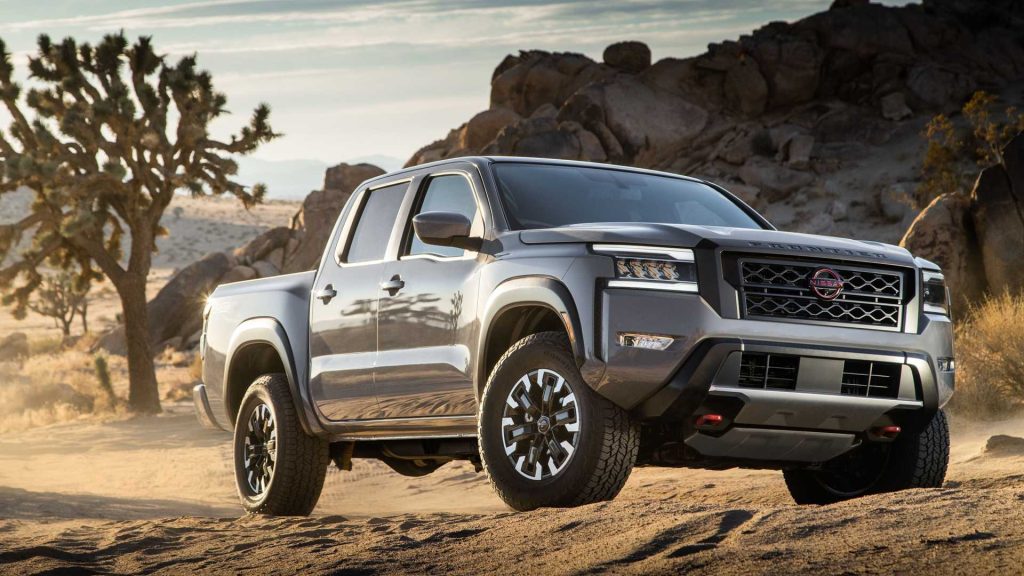
This combination of simple engineering, excellent parts availability, and familiar repair procedures explains why the Frontier continues to attract buyers who prioritize low ownership costs. It may not deliver the highest towing numbers in its class, but when front-end repairs become necessary, it rewards owners with maintenance expenses that are easier to manage.
Specifications
- Engine: 4.0-liter V6
- Torque: 281 lb-ft
- Horsepower: 261 hp
- Length/Width: 205.5 in / 72.8 in
5. Ram 1500 (2009 to 2018)
Repair bills often reflect engineering decisions made years before a truck reaches high mileage. The 2009 to 2018 Ram 1500 is a good example of a pickup that balances ride comfort with reasonable service costs.
While no suspension lasts forever, replacing worn front control arms and bushings on this generation is generally less expensive than on many newer trucks equipped with more complicated suspension technologies.
For owners planning to keep a truck for the long haul, that difference can save hundreds of dollars every time major front-end components wear out.
The Ram’s independent front suspension provides good access to both upper and lower control arm assemblies. Unlike certain heavy-duty or luxury-oriented trucks that require removing numerous surrounding components, the Ram allows technicians to reach critical mounting points without excessive disassembly.
Depending on the repair shop and local corrosion conditions, replacing a complete control arm generally requires around 2.5 to 4.0 labor hours per side. Since many aftermarket assemblies include fresh bushings and ball joints, labor remains lower than pressing individual bushings into original arms.
Replacement parts are another reason maintenance stays affordable. The popularity of the Ram 1500 has created a highly competitive aftermarket, with manufacturers producing components at multiple price levels.
Owners can choose economy parts for daily commuting or premium heavy-duty components if the truck regularly tows or carries substantial payloads.
Independent repair shops have also serviced this platform for many years, so technicians rarely encounter unfamiliar procedures that extend labor time. Once new components are installed and a proper alignment is completed, the steering typically feels tighter, and tire wear improves noticeably.
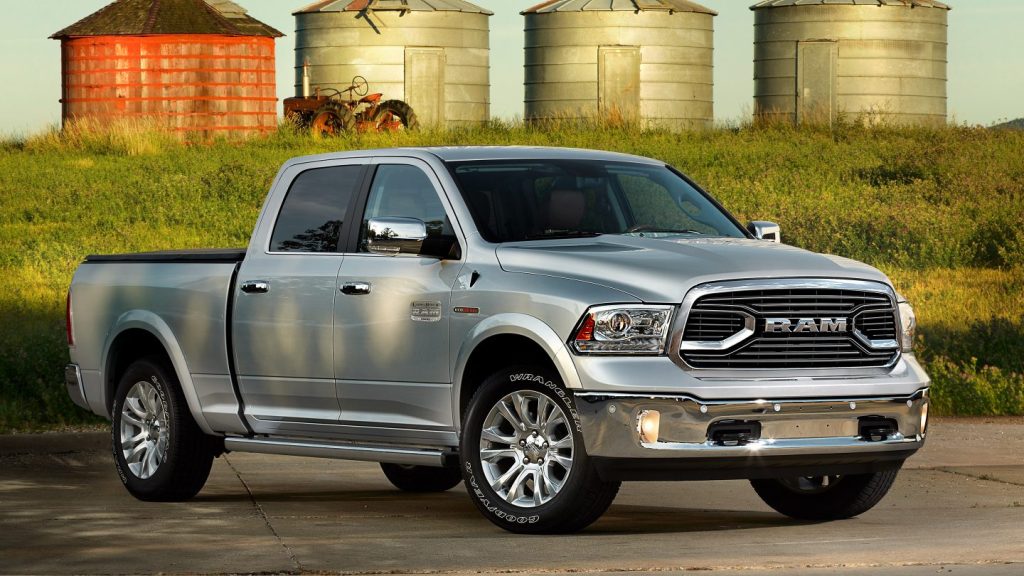
A truck’s reliability is measured not only by how rarely it breaks but also by how affordable it is when normal wear eventually appears. The Ram 1500 earns its place on this list because front suspension repairs remain practical, predictable, and significantly less expensive than many trucks in today’s market.
Specifications
- Engine: 5.7-liter HEMI V8
- Torque: 410 lb-ft
- Horsepower: 395 hp
- Length/Width: 229.0 in / 79.4 in
5 Trucks That Run $2,000
1. Ram 2500 Heavy Duty (2014 to 2024)
Heavy-duty pickups are built to carry enormous loads and tow trailers that would overwhelm a standard half-ton truck. That capability comes at a cost when front suspension components finally wear out.
The Ram 2500 is one of the clearest examples because its solid front axle, heavy-duty control components, steering linkage, and large suspension hardware demand considerably more labor than lighter pickups.
Heavy-duty applications like construction, fifth-wheel towing, and snowplowing subject truck bushings and suspension joints to intense strain, leading to rapid wear and tear. Servicing these systems on a Ram 2500 is also notably more complex than working on a standard half-ton truck, often requiring technicians to remove massive, heavy components simply to access the parts that need replacement.
Seized hardware is another common issue, especially in northern states where road salt causes corrosion. Rusted bolts frequently need to be cut out, increasing labor hours well beyond the original estimate.
Many repair shops recommend replacing multiple suspension components simultaneously. If upper and lower control arms, bushings, ball joints, and related hardware all show wear, completing everything together avoids paying labor twice later.
However, this also pushes the invoice significantly higher. Labor commonly ranges from six to eight hours depending on the repair scope, while a professional alignment is mandatory after the work is completed.
OEM-quality replacement components for heavy-duty trucks also cost noticeably more than comparable half-ton parts because they are designed to withstand substantially greater loads.
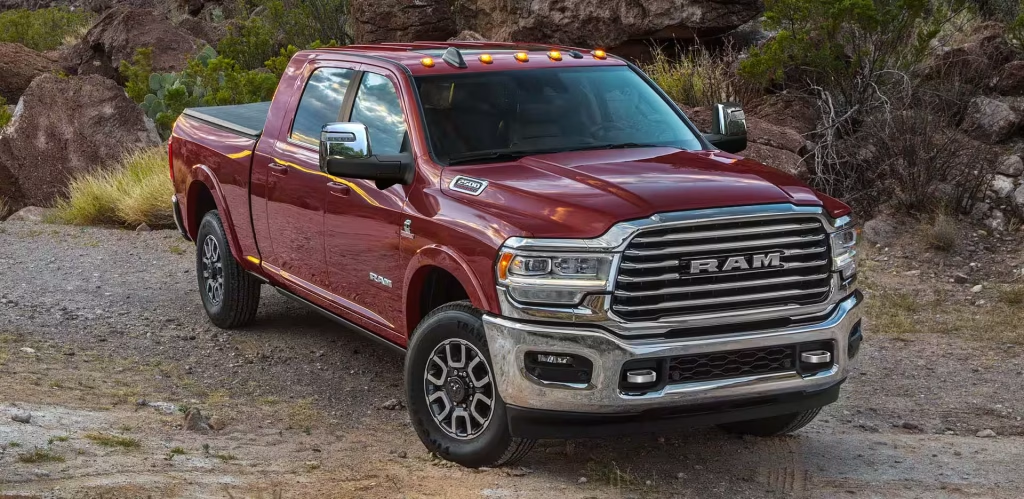
Once premium parts, labor rates exceeding $175 per hour in many metropolitan areas, alignment charges, and shop supplies are included, invoices approaching or exceeding $2,000 are not unusual.
The Ram 2500 remains an outstanding heavy-duty truck for towing and hauling, but buyers should understand that maintaining such capability requires larger and more expensive suspension components. The repair costs reflect the truck’s engineering rather than poor reliability.
Specifications
- Engine: 6.4-liter HEMI V8
- Torque: 429 lb-ft
- Horsepower: 410 hp
- Length/Width: 238.8 in / 79.5 in
2. Ford F-250 Super Duty (2017 to Present)
A truck capable of towing well over 20,000 pounds naturally carries suspension hardware that is far more substantial than what is found on a typical daily driver. The Ford F-250 Super Duty illustrates this perfectly.
While its front suspension is engineered for exceptional durability under demanding workloads, replacing worn control arm bushings and related components can become an expensive undertaking once high mileage or years of commercial use begin to take their toll.
The front suspension contains heavy-duty links, oversized mounting hardware, and components designed to support diesel engines that weigh hundreds of pounds more than gasoline alternatives.
Accessing these parts often requires additional disassembly, particularly on four-wheel-drive models where steering and drivetrain components occupy much of the available workspace.
Labor times increase further when corrosion enters the picture. Trucks that have spent years towing boats, operating in snowy climates, or working on construction sites frequently develop seized suspension bolts that resist conventional removal methods.
Technicians may need specialized cutting tools and replacement hardware before new control arms or bushings can even be installed.
Repair shops also recommend inspecting track bars, tie rods, sway bar links, and ball joints during the same visit because these components often wear together. Replacing several front-end parts at once improves steering precision and reduces repeat labor later, but it also drives repair costs upward.
With six to nine labor hours being common for larger front-end jobs, combined with premium heavy-duty parts and a complete alignment, invoices approaching $2,000 are entirely realistic.
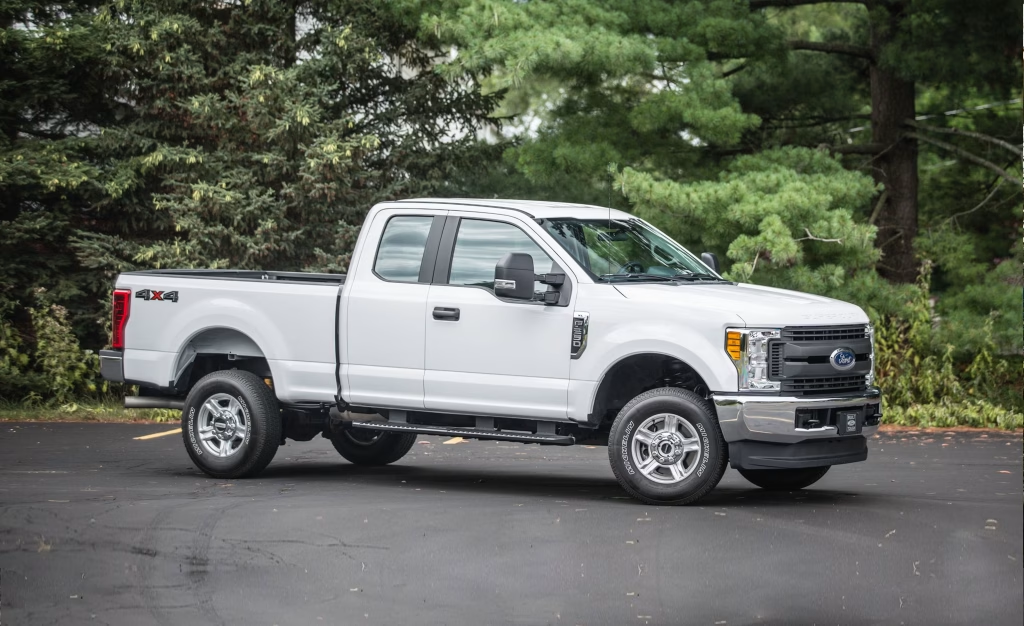
Owners rarely question the F-250’s capability after seeing what it can tow or haul. Its maintenance costs simply reflect the fact that virtually every suspension component is larger, heavier, and more robust than those found on light-duty pickups.
Specifications
- Engine: 6.7-liter Power Stroke Turbo Diesel V8
- Torque: 1,200 lb-ft
- Horsepower: 500 hp
- Length/Width: 250.0 in / 80.0 in
3. Chevrolet Silverado 2500HD (2020 to Present)
Some repair bills are driven less by the price of the replacement parts and more by the amount of work required to install them.
The Chevrolet Silverado 2500HD demonstrates this reality. Built for demanding commercial use, heavy towing, and large payloads, the truck’s front suspension is engineered to withstand tremendous forces.
That strength is a major advantage when hauling equipment or pulling large trailers, but it also means suspension repairs become more involved once wear eventually develops.
The Silverado 2500HD uses large, heavy-duty suspension components that are significantly bigger than those found on a standard Silverado 1500.
Replacing worn control arms or bushings often requires working around four-wheel-drive hardware, steering components, and oversized brake assemblies. None of these jobs are impossible, but they increase the time technicians spend on the lift.
Owners who regularly tow near the truck’s maximum capacity or operate on rough construction sites frequently experience accelerated wear in the front suspension.
Once bushings begin to crack or ball joints develop excessive play, many repair facilities recommend replacing complete control arm assemblies instead of individual bushings. While this approach improves reliability and reduces future labor, it raises the initial repair cost.
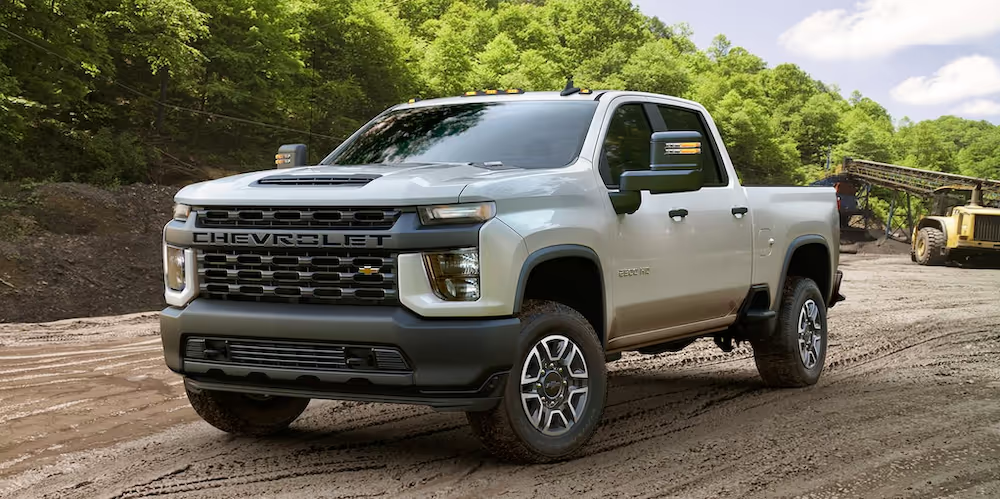
Corrosion further complicates matters. Trucks operating in snowbelt states often arrive with seized suspension bolts that require cutting and replacement before new components can be installed. Labor estimates of six to eight hours are common for comprehensive front-end repairs, and premium replacement parts for heavy-duty trucks are rarely inexpensive.
By the time OEM-quality control arms, fresh hardware, alignment, taxes, and labor are combined, repair invoices around $2,000 are entirely possible. The Silverado 2500HD remains one of the strongest work trucks available, but maintaining its heavy-duty suspension requires a larger maintenance budget than most light-duty pickups.
Specifications
- Engine: 6.6-liter Duramax Turbo Diesel V8
- Torque: 975 lb-ft
- Horsepower: 470 hp
- Length/Width: 250.0 in / 81.9 in
4. GMC Sierra 1500 Denali (2019 to Present)
Luxury features can make daily driving more comfortable, but they often add complexity when suspension repairs become necessary.
The GMC Sierra 1500 Denali is a good example because many models are equipped with premium suspension systems, adaptive dampers, larger wheels, and additional electronic components that increase both parts prices and labor requirements during front-end repairs.
Designed to bridge the gap between high-end luxury and heavy-duty utility, the Denali delivers a uniquely smooth ride without sacrificing pickup capability. However, that sophisticated engineering creates added complexity during maintenance, as technicians must often remove extra surrounding parts just to reach and service worn-out control arms or bushings.
Models equipped with four-wheel drive add another layer of complexity because drivetrain components reduce available working space.
Repair shops commonly advise replacing complete control arm assemblies once bushings begin deteriorating. Since premium trucks often use higher-quality factory components, many owners choose OEM replacements to preserve ride quality. Those parts naturally cost more than economy aftermarket alternatives, increasing the final repair bill.
Wheel size also contributes indirectly to suspension wear. Large factory wheels and low-profile tires transmit sharper impacts into suspension bushings, especially when the truck regularly encounters potholes or uneven pavement.
Over time, this additional stress can shorten the lifespan of wear components compared to trucks fitted with smaller wheels and taller tire sidewalls.
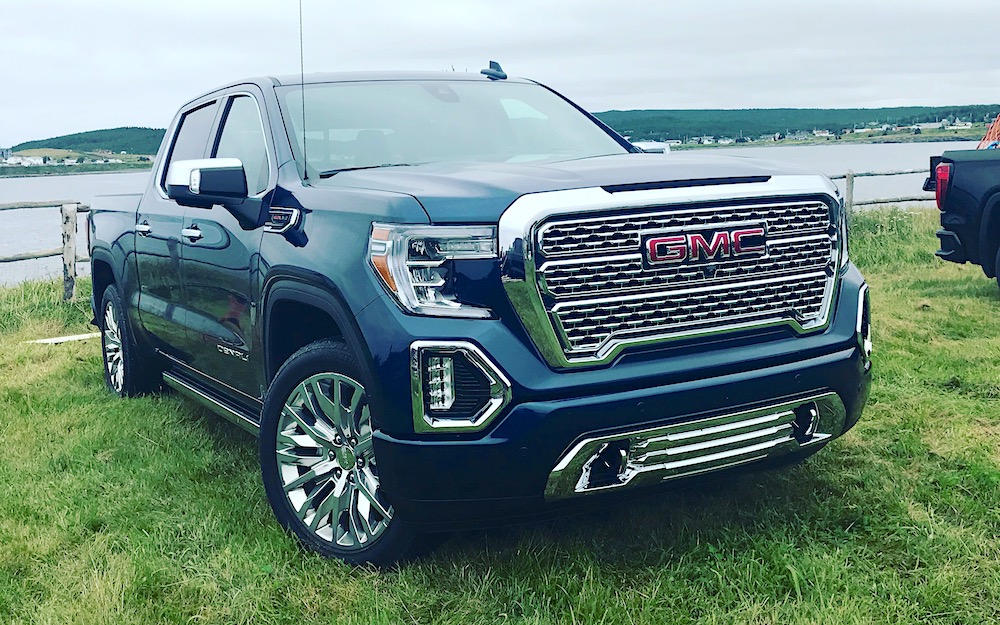
Labor times typically range from five to seven hours for major front suspension work, depending on the exact configuration and condition of the vehicle. Add a professional alignment, premium replacement parts, and labor rates that continue rising across the country, and repair costs approaching $2,000 become entirely realistic.
The Sierra Denali delivers comfort that rivals many luxury SUVs, but owners should recognize that maintaining that premium driving experience often requires premium repair budgets as the truck ages.
Specifications
- Engine: 6.2-liter EcoTec3 V8
- Torque: 460 lb-ft
- Horsepower: 420 hp
- Length/Width: 231.9 in / 81.2 in
5. Toyota Tundra (2022 to Present)
The latest Toyota Tundra introduced an entirely new platform with improved ride quality, increased chassis rigidity, and modern suspension engineering. Those upgrades helped the truck become more refined on the road, but they also made certain front-end repairs more expensive than on the previous generation.
Owners who accumulate high mileage, tow frequently, or drive on rough terrain may eventually face worn control arm bushings or complete control arm replacement, and the repair costs can be surprisingly high.
Unlike the older Tundra, the current generation features a redesigned front suspension with tighter packaging around the engine bay and steering components.
Replacing lower control arms or bushings often involves additional disassembly compared with simpler truck designs. While the repair itself is not unusually difficult for an experienced technician, the extra labor hours contribute significantly to the final bill.
Another factor is the price of replacement parts. Genuine Toyota suspension components are known for their durability, but they also carry premium pricing.
Many owners choose OEM parts because they want to maintain the truck’s factory ride quality and long-term reliability. Even quality aftermarket alternatives remain more expensive than comparable parts for many older pickups because the platform is still relatively new.
Repair facilities also recommend performing a complete wheel alignment after any significant suspension work.
If technicians discover worn ball joints, sway bar links, or tie-rod ends during the inspection, many owners choose to replace those parts at the same time to avoid paying for repeated labor in the future. That is a sensible decision, but it also increases the total invoice.
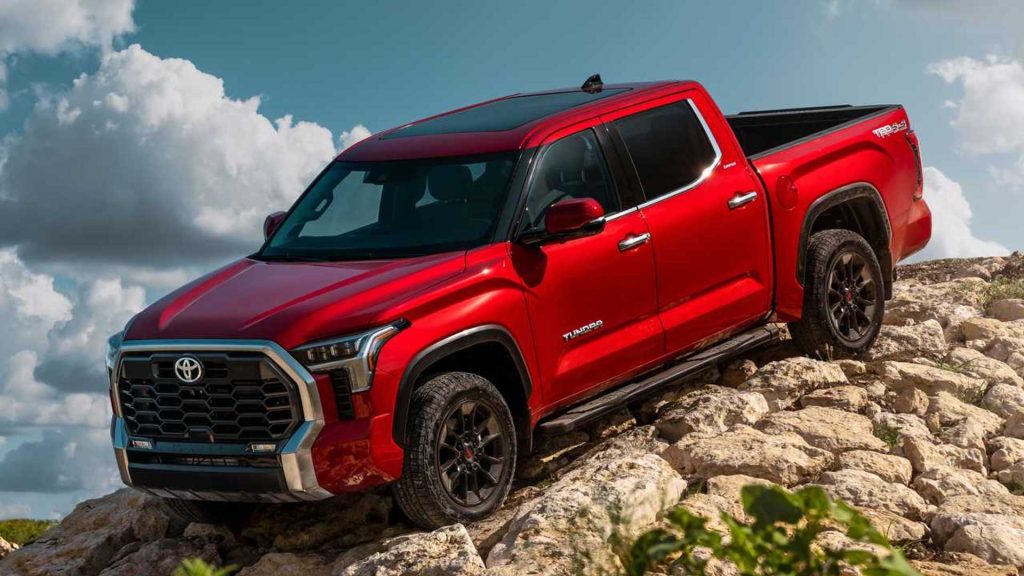
When labor reaches six to eight hours, combined with premium control arm assemblies, alignment charges, and shop labor rates that commonly exceed $175 per hour in many regions of the United States, repair bills approaching or exceeding $2,000 are realistic.
The latest Tundra remains an excellent full-size pickup with strong capability and improved refinement, but buyers planning long-term ownership should budget for more expensive suspension repairs than those associated with the previous generation.
Specifications
- Engine: 3.4-liter Twin-Turbo i-FORCE V6
- Torque: 479 lb-ft
- Horsepower: 389 hp
- Length/Width: 233.6 in / 80.2 in
Also Read: 8 Pickup Trucks With a History of Severe Frame Corrosion