
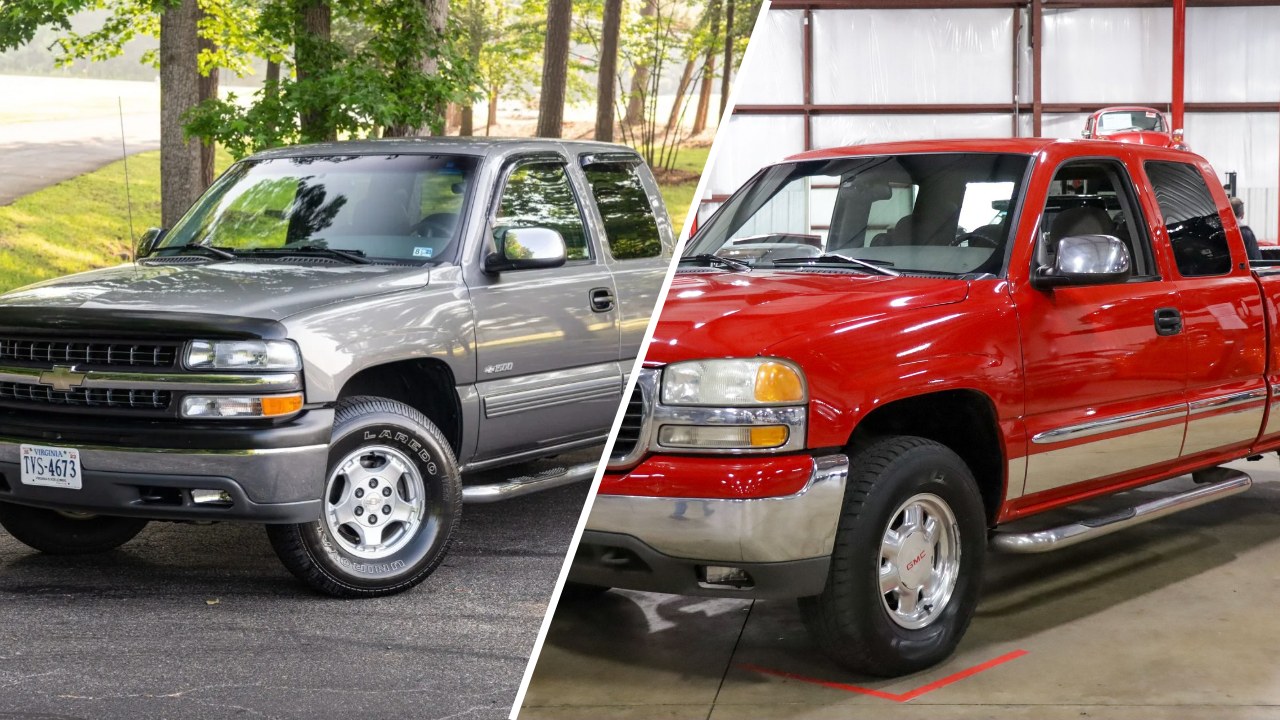
Frame corrosion is one of the most severe issues a truck can experience because it affects the vehicle’s structural foundation. While engines, transmissions, and suspension components can often be repaired or replaced, extensive rust on the frame weakens structural integrity, reduces towing and payload capacity, compromises crash protection, and damages critical suspension mounting points. Once corrosion reaches an advanced stage, the truck may no longer be safe or economically practical to keep in service.
In the United States, trucks driven in the Rust Belt often face accelerated corrosion because road salt, moisture, and freeze-thaw cycles attack exposed steel year after year. Some models have even been the subject of recalls, class-action lawsuits, or manufacturer buyback programs after excessive frame rust appeared much earlier than expected.
While not every truck from these lineups develops severe corrosion, the following pickups earned reputations for frame rust that mechanics, inspectors, and used-truck buyers know well.
Also Read: 8 Common Reasons Exotic Car Owners Register Their Vehicles in Montana
1. Toyota Tacoma (1995 to 2010)
Few pickup trucks have experienced a frame corrosion story as significant as that of the first- and early second-generation Toyota Tacoma. The issue became so widespread in the United States that Toyota eventually launched one of the most expensive rust-related service campaigns in automotive history.
Owners in northern states frequently reported severe corrosion on the boxed frame rails, sometimes discovering holes large enough to pass inspection tools through or suspension mounting points weakened by rust. In extreme cases, the rear leaf spring brackets separated from the frame because the surrounding steel had deteriorated.
The problem primarily affected trucks regularly exposed to road salt in states such as New York, Pennsylvania, Ohio, Michigan, Wisconsin, and other northern regions. Independent investigations found that insufficient corrosion protection on certain supplier-built frames contributed to accelerated rust compared with many competitors.
Numerous owners discovered significant corrosion despite carefully maintaining the body and drivetrain.
Toyota responded by inspecting affected trucks and measuring frame integrity using standardized hammer tests. Vehicles that failed inspection often qualified for complete frame replacements, while some trucks were repurchased by Toyota at up to 1.5 times their Kelley Blue Book value under special customer support programs.
Thousands of owners received entirely new frames, requiring technicians to transfer engines, transmissions, suspensions, brake lines, fuel systems, and electrical components from the original chassis.
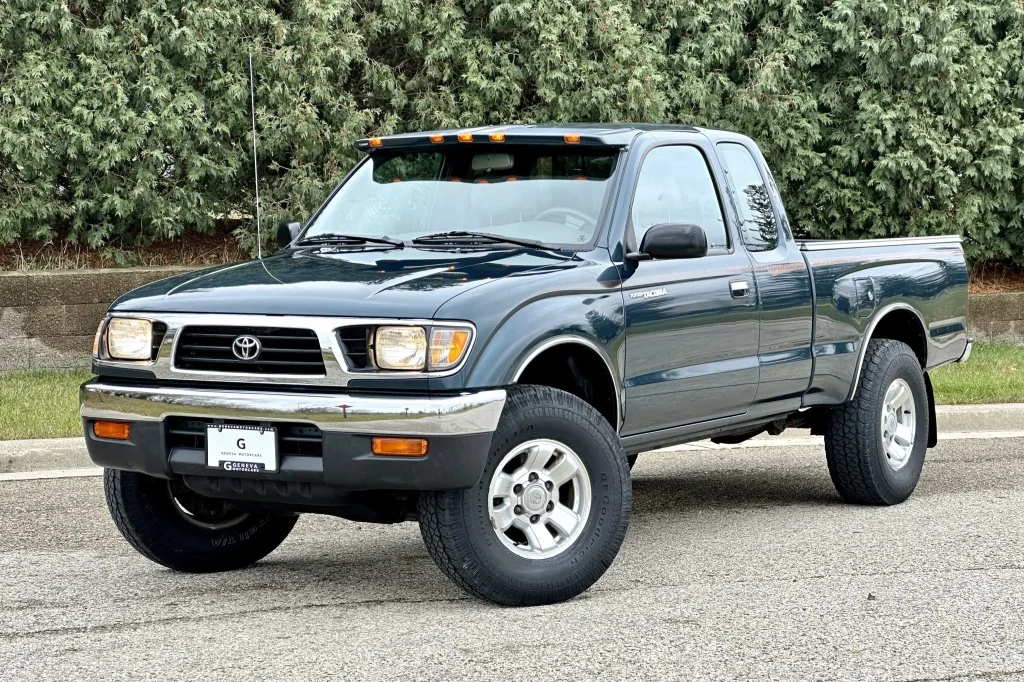
Even today, used Tacoma buyers are advised to inspect the inside of frame rails, rear crossmembers, skid plate mounting areas, and leaf spring attachment points before making a purchase.
Many trucks remain excellent performers if they received replacement frames, but unrepaired examples operating in heavy salt environments deserve careful evaluation before any towing or hauling duties.
Specifications
- Engine: 2.7-liter Inline-4 (base) / 4.0-liter V6
- Torque: Up to 266 lb-ft
- Horsepower: Up to 236 hp
- Length/Width: 208.1 to 225.5 inches / 74.6 inches
2. Toyota Tundra (2000 to 2006)
Toyota’s frame corrosion concerns were not limited to the Tacoma. The first-generation Tundra also developed one of the most widely documented rust problems in the American truck market.
Owners who relied on their pickups for towing, construction work, or daily driving in northern climates began noticing unusual corrosion underneath vehicles that otherwise appeared well maintained.
During inspections, technicians sometimes found rust severe enough to weaken crossmembers, suspension attachment points, and even steering-related components.
The concern centered on frames supplied during the early production years. Trucks operating in states where road salt is routinely applied during winter experienced corrosion at a much faster rate than many owners expected.
Moisture trapped inside boxed frame sections allowed rust to progress from the inside outward, making some damage difficult to detect until it had already become extensive. Toyota eventually acknowledged the issue through multiple customer support programs and safety recalls affecting hundreds of thousands of trucks in the United States.
Dealers performed detailed inspections using prescribed procedures, and vehicles that failed structural evaluations often qualified for complete frame replacement. In some cases where repairs were no longer practical, Toyota repurchased trucks from owners.
Industry analysts estimated that Toyota spent billions of dollars addressing Tacoma, Tundra, and Sequoia frame corrosion campaigns combined, making it one of the largest goodwill repair efforts ever undertaken by an automaker.
Today, many first-generation Tundras remain dependable work trucks because replacement frames corrected the original weakness. However, buyers should never assume every truck received the repair.
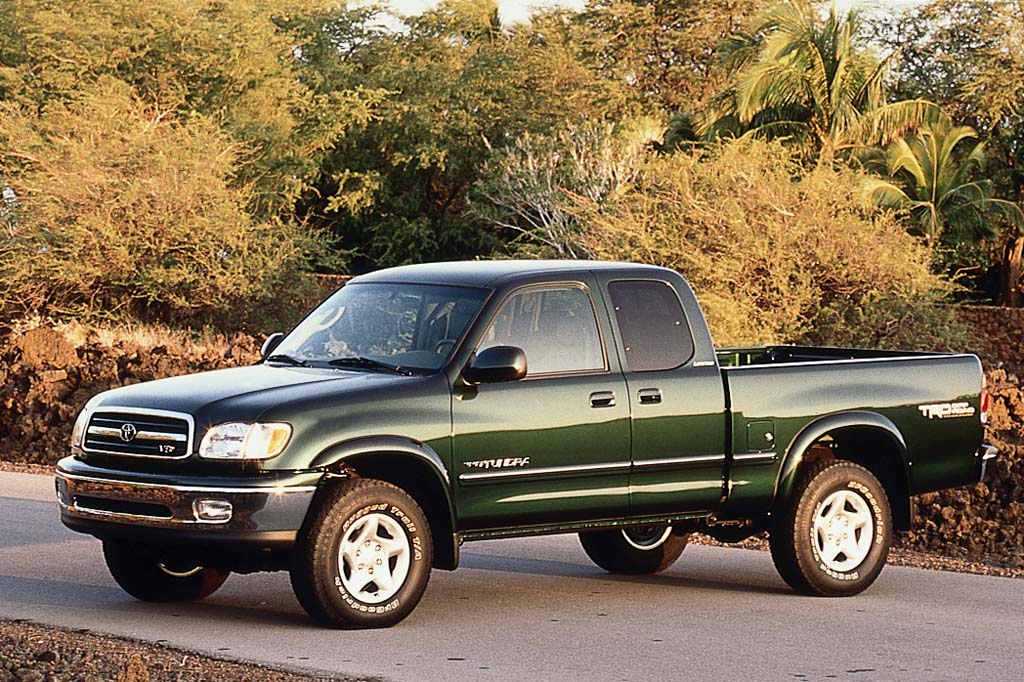
A thorough inspection should include the rear crossmember, spare tire mounting area, fuel tank supports, front suspension attachment points, and boxed frame rails. Fresh undercoating should also be viewed carefully, as it can occasionally conceal advanced corrosion instead of preventing it.
Verifying recall and service history remains one of the smartest steps before purchasing an early Tundra.
Specifications
- Engine: 4.7-liter i-Force V8
- Torque: 315 lb-ft
- Horsepower: 282 hp
- Length/Width: 217.5 inches / 75.2 inches
3. Nissan Frontier (2005 to 2010)
The second-generation Nissan Frontier built between 2005 and 2010 developed a reputation for frame corrosion that frequently appeared alongside another well-known problem, radiator failures that contaminated automatic transmissions.
While the transmission issue attracted much of the attention, mechanics in northern states also became familiar with structural rust affecting many Frontier frames after years of exposure to salted roads.
The corrosion typically started in areas where moisture remained trapped against the steel. Rear frame sections, spare tire crossmembers, leaf spring mounting points, and welded joints often showed accelerated deterioration compared with trucks driven in warmer climates.
Trucks used for work, towing, or construction frequently accumulated additional debris that held moisture against the frame, allowing corrosion to spread even faster. Owners sometimes believed they were dealing with ordinary surface rust until inspections uncovered scaling metal, soft spots, or perforations that required extensive repairs.
The problem became significant enough that Nissan extended corrosion warranty coverage for certain Frontier models after investigations into abnormal frame rust. The extension covered specific frame corrosion conditions for qualifying trucks, particularly in states where heavy road salt usage increased the likelihood of structural deterioration.
Although the program was not as extensive as Toyota’s complete frame replacement campaign, it acknowledged that corrosion had become a serious concern for many owners.
Prospective buyers should carefully inspect the inside of the rear frame rails, rear suspension mounting brackets, lower control arm attachment points, and crossmembers supporting the spare tire.
A fresh coat of black undercoating should never replace a proper structural inspection because corrosion can continue beneath it. Trucks that have spent their lives in southern states generally show far fewer problems than those operated for years in regions with long winters and aggressive road salting.
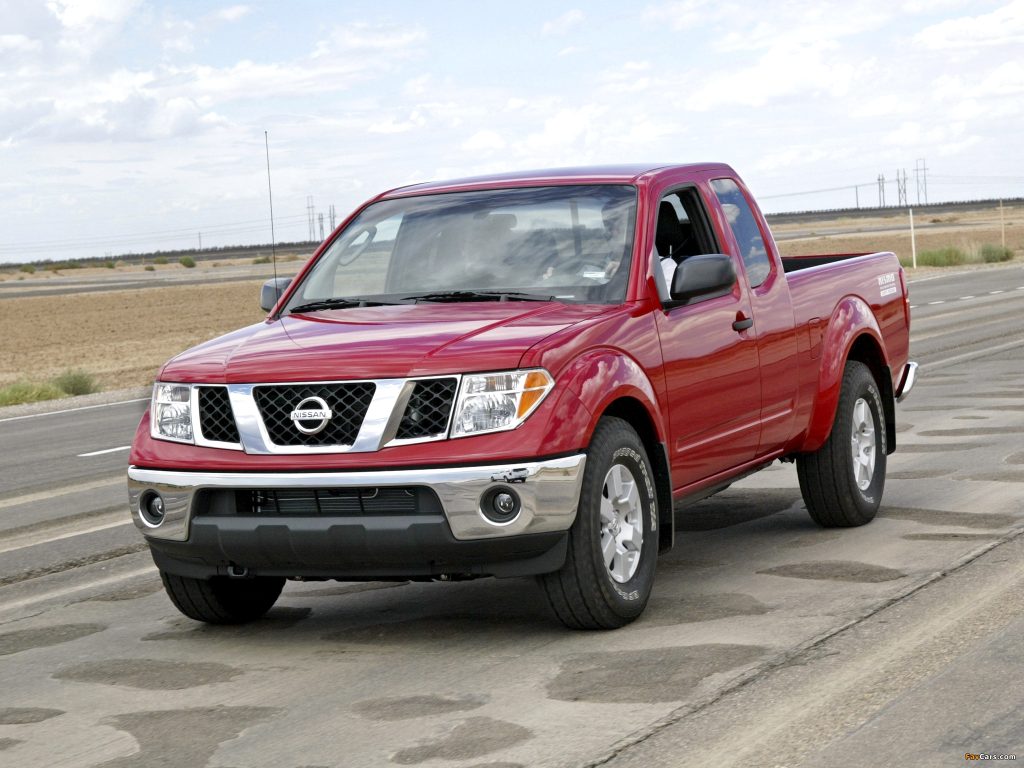
Despite these concerns, a well-maintained Frontier with a solid frame remains a durable midsize pickup. The key difference between a worthwhile purchase and an expensive mistake often comes down to the condition of the chassis rather than the engine or transmission.
Specifications
- Engine: 4.0-liter V6
- Torque: 281 lb-ft
- Horsepower: 261 hp
- Length/Width: 205.5 to 224.1 inches / 72.8 inches
4. Chevrolet Silverado 1500 (1999 to 2006)
The first-generation GMT800 Chevrolet Silverado earned a loyal following thanks to its dependable Vortec engines, comfortable ride, and strong towing capability. Many examples easily surpassed 200,000 miles with routine maintenance.
Older trucks from northern regions often faced a different kind of aging issue, with years of exposure to road salt, moisture, and winter conditions causing severe frame corrosion before the engine or drivetrain reached the end of its useful life. Because of this, mechanics evaluating aging Silverados typically inspect the chassis just as carefully as they examine the vehicle’s mechanical components.
While rust on rocker panels or wheel arches is often viewed as a cosmetic concern, corrosion affecting the frame is far more serious because it can compromise the truck’s structural integrity and reduce its ability to safely carry heavy loads or tow. Early GMT800 Silverados were especially susceptible to frame rust, with corrosion commonly developing on the rear frame rails, crossmembers, shock mounts, brake line mounting brackets, and the frame sections surrounding the spare tire.
Trucks used to launch boats faced an even greater risk because repeated exposure to water accelerated corrosion, especially when combined with winter road salt.
One area that has received particular attention is the rear shock mounting section. Mechanics have reported cases where advanced corrosion allowed shock mounts to separate from the frame, affecting handling and suspension stability.
Brake lines routed along the frame also became vulnerable as corrosion spread, leading General Motors to issue recalls covering corroded brake lines on many trucks in salt-belt states.
While those recalls did not specifically address frame corrosion, they highlighted how aggressive rust could affect multiple critical systems underneath these pickups.
When shopping for an older Silverado, a flashlight and inspection mirror can reveal far more than a polished exterior. Buyers should inspect weld seams, boxed frame sections, rear crossmembers, and suspension attachment points for scaling rust or previous patch repairs.
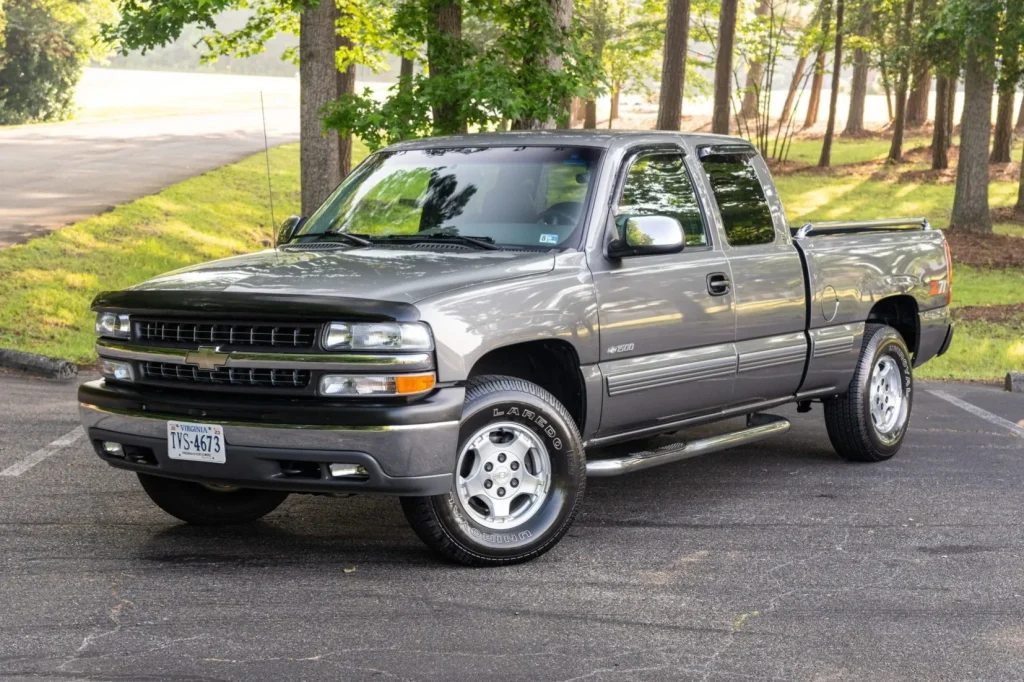
Trucks from southern states generally command higher prices because they often avoided the harsh winter conditions responsible for accelerated corrosion. A structurally solid Silverado remains one of the best values in the used truck market, but frame condition should always determine whether it’s worth buying.
Specifications
- Engine: 5.3-liter Vortec V8
- Torque: 335 lb-ft
- Horsepower: 295 hp
- Length/Width: 227.7 inches / 78.5 inches
5. Dodge Ram 1500 (1994 to 2008)
The second- and third-generation Dodge Ram transformed the brand’s pickup lineup with bold styling and powerful V8 engines, particularly the legendary 5.9-liter Magnum and later 5.7-liter HEMI. These trucks became favorites among contractors, ranchers, and towing enthusiasts across America.
However, beneath their muscular appearance, many developed corrosion issues that eventually affected structural components of the frame, particularly in states where road salt is heavily used during winter.
Rather than being linked to a widespread frame defect that prompted manufacturer replacement programs, the Ram’s corrosion issues typically emerged through normal long-term wear. As the trucks accumulated years of exposure to rain, road salt, mud, and debris, rust commonly formed on critical structural components, including the rear frame rails, cab mounts, crossmembers, and suspension brackets.
Owners often noticed flaking metal while performing routine maintenance or replacing suspension parts. By that point, some trucks required welding repairs before they could safely return to the road.
One reason corrosion became so severe on many Rams is the amount of dirt and debris that accumulated inside and around frame sections. Mud trapped against steel holds moisture for extended periods, accelerating oxidation even during warmer months.
Trucks used on farms, construction sites, or unpaved roads frequently experienced faster deterioration than lightly driven highway vehicles. Mechanics also pay close attention to fuel tank mounting areas and rear leaf spring hangers because these sections bear significant loads during towing and hauling.
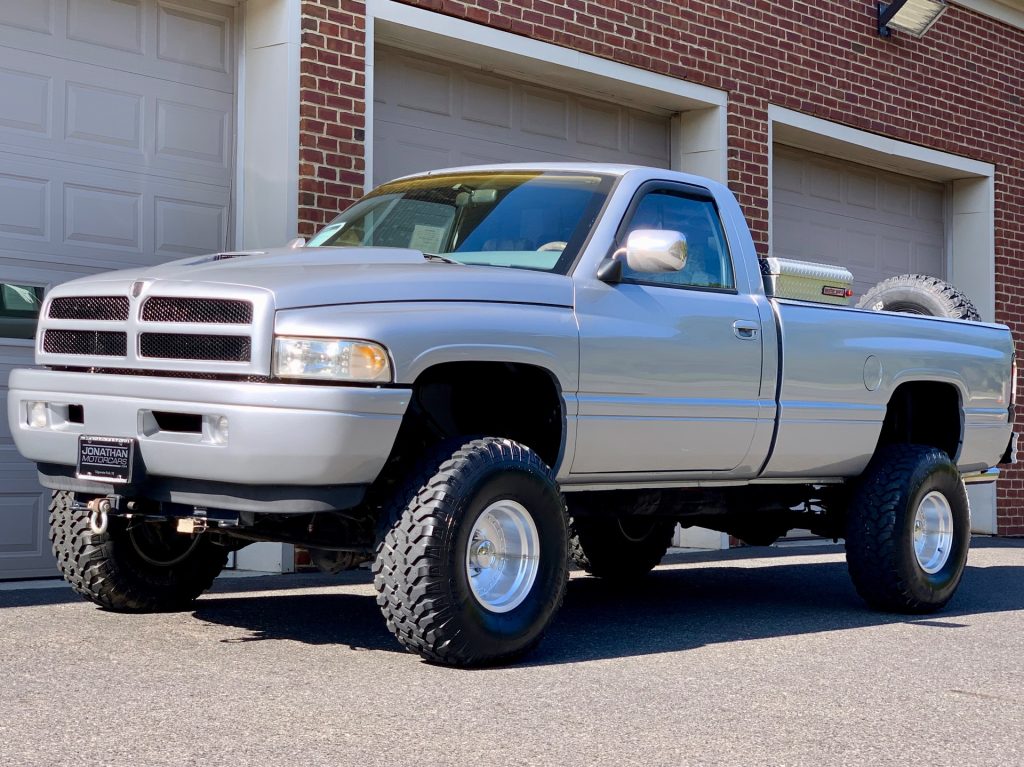
Despite these concerns, millions of Ram trucks remain in service throughout the United States. The key is identifying corrosion before it reaches structural levels. Buyers should inspect inside the frame rails with a flashlight, examine welded brackets for separation, and look carefully for recent undercoating that could conceal rust rather than prevent it.
A truck with documented rust prevention treatments and regular chassis washing after winter use usually stands a much better chance of remaining structurally sound for years to come.
Specifications
- Engine: 5.7-liter HEMI V8
- Torque: 390 lb-ft
- Horsepower: 345 hp
- Length/Width: 227.7 inches / 79.9 inches
6. Ford F-150 (2004 to 2008)
The eleventh-generation Ford F-150 arrived with an all-new fully boxed frame that significantly improved rigidity, towing capability, and crash performance. Structurally, it represented a major advancement over previous generations.
Even so, trucks that spent years in America’s snowbelt often developed heavy corrosion in critical areas, reminding buyers that even a stronger frame is not immune to harsh environmental conditions.
The frame corrosion seen on these F-150s was generally the result of long-term environmental exposure rather than the type of defect that led to manufacturer-sponsored frame replacement programs. Over time, road salt, moisture, and a lack of regular underbody cleaning created conditions that allowed rust to develop and spread beneath the truck.
Mechanics frequently encounter rust around the rear frame rails, crossmembers, rear shock mounts, spare tire support, and fuel tank straps. Pickup owners who regularly towed boats or trailers through salted winter roads often experienced faster deterioration because moisture remained trapped in hard-to-reach areas of the chassis.
The rear section deserves especially close attention. Rust can develop around the rear spring hangers and shock mounting points, eventually weakening the steel that supports suspension loads. During pre-purchase inspections, technicians commonly use a hammer or pick to determine whether scaling rust has progressed beyond the surface.
Heavy flaking, soft metal, or perforations indicate that repairs may become extensive and expensive. Corroded brake lines were also common enough that Ford issued recalls covering certain trucks in states where road salt accelerated deterioration.
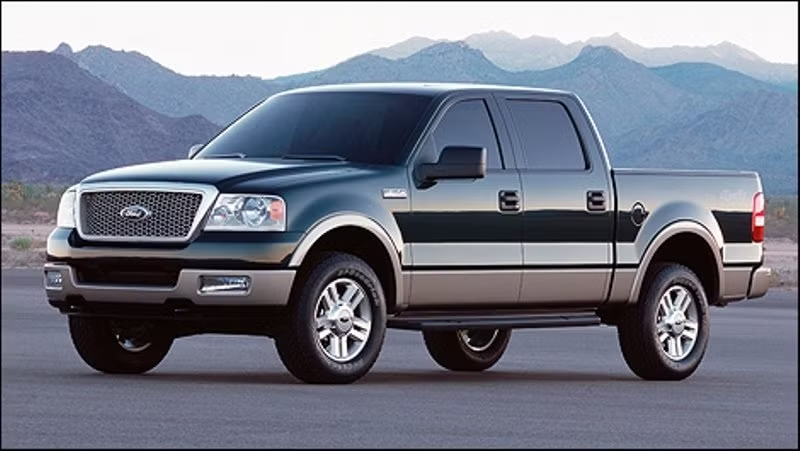
The F-150 remains America’s best-selling pickup for good reason, and many examples continue working reliably after well over 200,000 miles. However, buyers should avoid judging these trucks solely by their paint or interior condition.
A clean-looking body can hide significant structural corrosion underneath. Inspecting the boxed frame rails, rear crossmembers, cab mounts, and suspension attachment points is one of the smartest investments before purchasing any older F-150 that spent time in northern climates.
Specifications
- Engine: 5.4-liter Triton V8
- Torque: 365 lb-ft
- Horsepower: 300 hp
- Length/Width: 211.2 to 250.4 inches / 78.9 inches
7. GMC Sierra 1500 (1999 to 2006)
Because the GMC Sierra shares its GMT800 platform with the Chevrolet Silverado, it also inherited many of the same strengths and weaknesses. Owners appreciated its dependable Vortec engines, smooth highway ride, and solid towing performance.
Yet in states where road crews rely heavily on salt during winter, the Sierra developed a reputation for frame corrosion that could become more concerning than any engine or transmission repair.
The corrosion usually progressed slowly over many winters rather than appearing suddenly. Moisture collected inside boxed frame sections while dirt trapped against crossmembers prevented the steel from drying properly.
Over time, mechanics found rust scaling around the rear frame rails, suspension mounting brackets, spare tire crossmembers, and rear shock supports. Trucks that hauled heavy loads throughout their lives often placed additional stress on already weakened structural components.
Brake system corrosion became another major concern on these trucks. Rusted brake lines routed along the frame prompted General Motors to issue recalls covering many vehicles in salt-belt states after reports of brake fluid leaks and reduced stopping performance.
Although those recalls focused on the hydraulic system instead of the frame itself, they demonstrated how aggressive corrosion underneath the truck could affect multiple safety-related components simultaneously.
Today’s used-truck buyers should pay particular attention to previous repairs. Welded reinforcement plates are not necessarily a bad sign if they were professionally installed, but uneven welds, excessive rust scale, or fresh undercoating without supporting documentation deserve closer investigation.
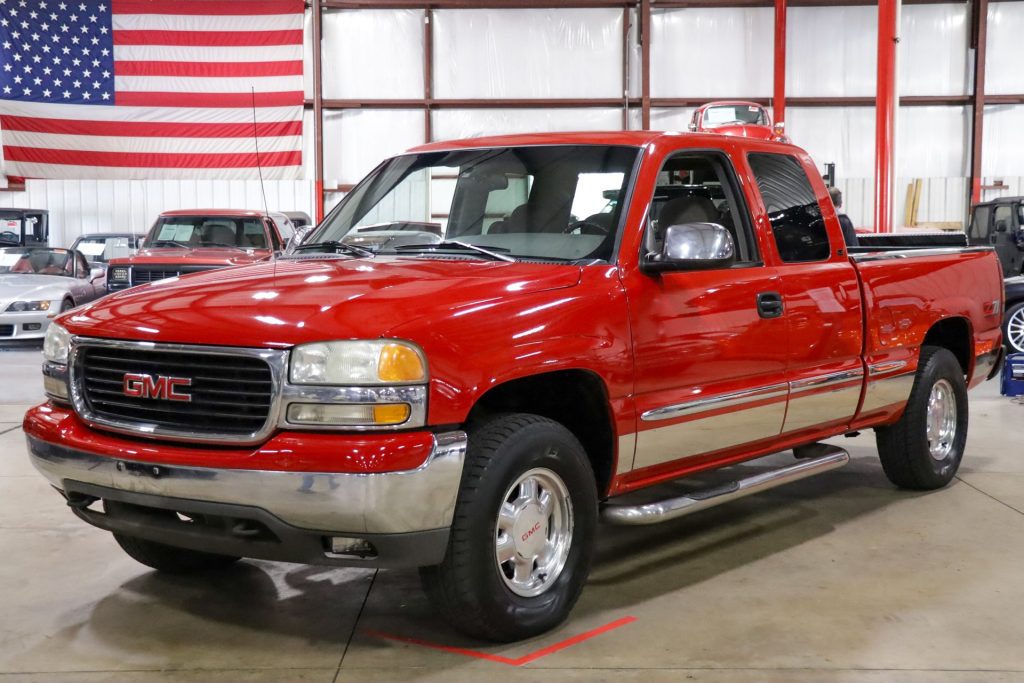
A truck that spent its life in Arizona, Texas, or other dry climates often presents a dramatically different underside than one operated in New York or Michigan.
Many Sierra 1500s continue serving as dependable work trucks decades after production ended. Their longevity, however, depends as much on the health of the frame as it does on the durability of the well-known Vortec V8 engines.
Specifications
- Engine: 5.3-liter Vortec V8
- Torque: 335 lb-ft
- Horsepower: 295 hp
- Length/Width: 227.7 inches / 78.5 inches
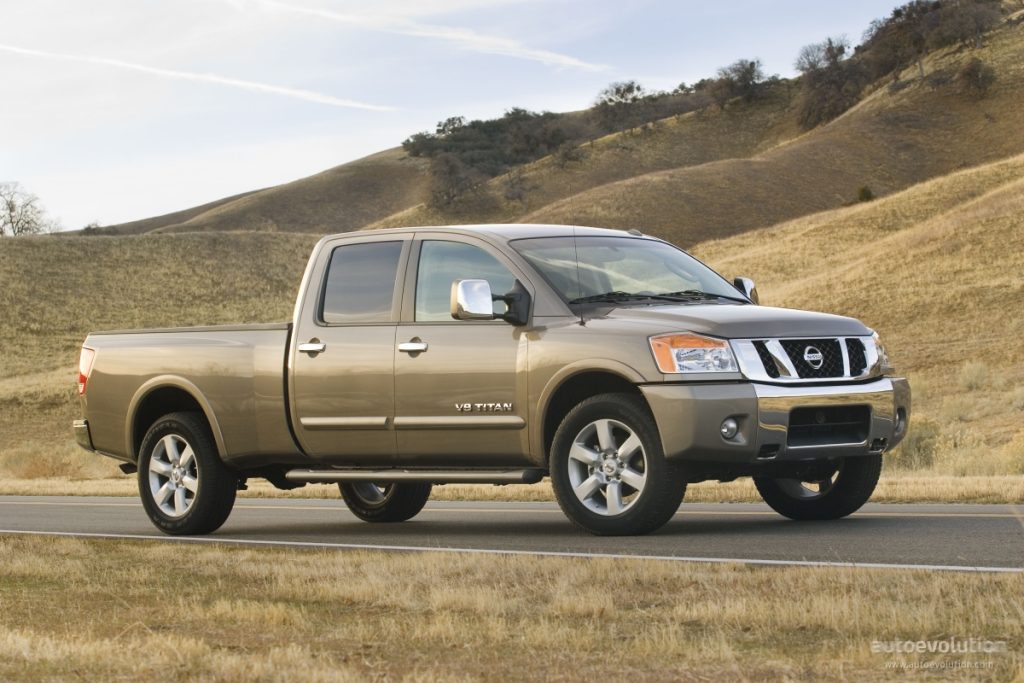
8. Nissan Titan (2004 to 2015)
When Nissan entered the full-size pickup segment with the Titan, it impressed buyers by offering a powerful standard V8, competitive towing capability, and a comfortable cabin. The truck quickly earned a reputation for strong performance, thanks largely to its 5.6-liter Endurance V8.
However, as the first-generation Titan aged, mechanics in northern parts of the United States began encountering increasing numbers of trucks with significant frame corrosion, particularly those that had spent years driving on salted winter roads.
Instead of emerging through a high-profile manufacturer buyback initiative, the Titan’s frame rust issues became evident over the years as owners, independent inspectors, and repair technicians repeatedly documented corrosion affecting the same sections of the frame.
Rust commonly appeared on the rear frame rails, rear crossmembers, suspension brackets, skid plate mounting locations, and sections surrounding the spare tire carrier. Dirt and road debris often became trapped inside these areas, allowing moisture to remain against the steel long after the truck had been parked.
One challenge for buyers is that corrosion on boxed frames is not always visible during a quick walk-around inspection. The exterior body panels may appear exceptionally clean while rust continues progressing inside structural sections.
Mechanics therefore recommend placing the truck on a lift whenever possible and inspecting drain holes, weld seams, crossmembers, and suspension attachment points with proper lighting.
Any signs of heavy scaling, perforation, or previous structural welding deserve careful evaluation before money changes hands.
The Titan’s drivetrain remains one of its strongest attributes. Many Endurance V8 engines have exceeded 200,000 miles with routine maintenance, making the truck attractive on the used market.
Yet structural integrity is equally important. Buyers looking at examples from the Midwest, Northeast, or other snowbelt regions should prioritize chassis condition over cosmetic appearance.
A truck with documented rust prevention treatments, regular underbody washing, and minimal structural corrosion is far more valuable than one with attractive paint hiding extensive frame deterioration underneath.
Specifications
- Engine: 5.6-liter Endurance V8
- Torque: 385 lb-ft
- Horsepower: 317 hp
- Length/Width: 224.2 inches / 79.5 inches
Also Read: 8 High-Wear Car Parts You Shouldn’t Ignore at 100,000 Miles
