
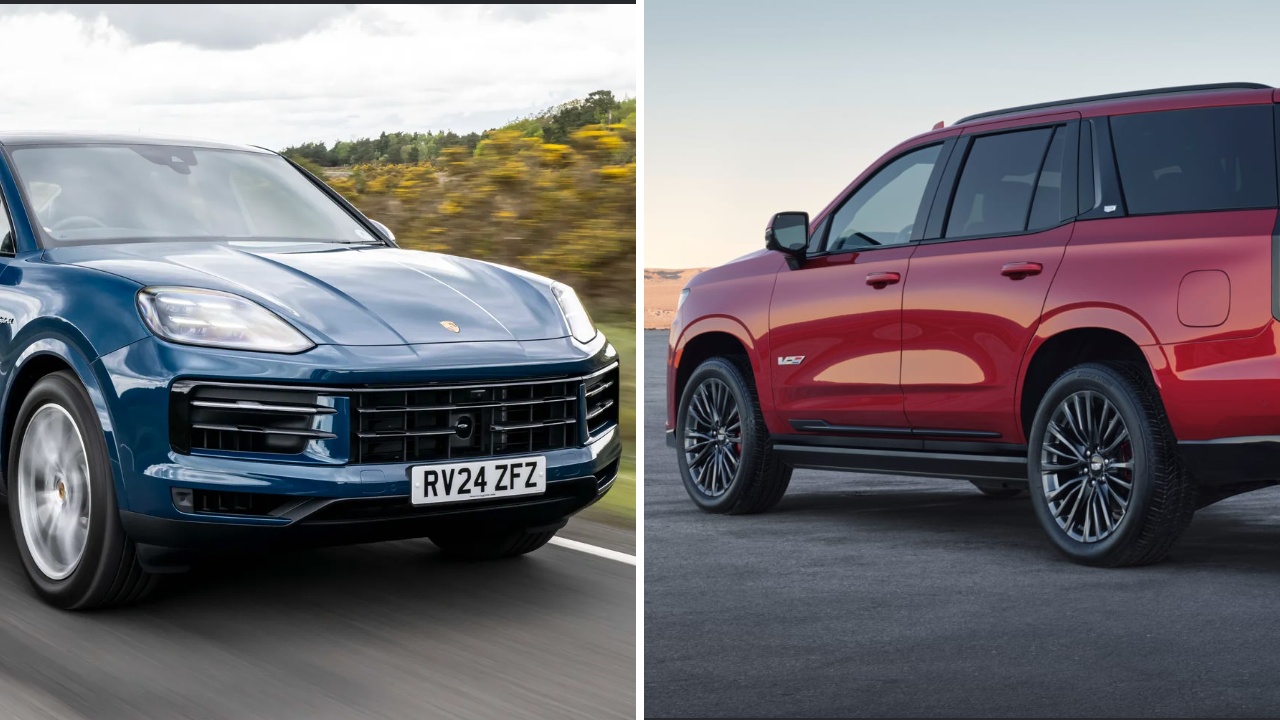
Air suspension systems have become a popular feature in modern SUVs because they provide adjustable ride height, improved comfort, and better handling across different driving conditions. However, these advanced systems can also create expensive repair problems when components begin to fail.
Several luxury and high-performance SUVs have developed reputations for air suspension issues caused by worn compressors, leaking air springs, faulty sensors, and electronic problems. Understanding which models are affected can help buyers make informed decisions before purchasing a used vehicle.
This guide examines eight SUVs known for air suspension failures, the common problems owners report, and what repairs may involve.
Also Read: 10 EVs Ranked by Charging Speed
- Engine: 3.0L turbocharged inline-6 gasoline engine (modern models); older versions also offered 5.0L supercharged V8 and diesel engines
- Horsepower: Approximately 355 hp (3.0L I6)
- Torque: Approximately 365 lb-ft (3.0L I6)
- Length: About 207 inches (5,253 mm)
- Width: About 80 inches (2,047 mm)
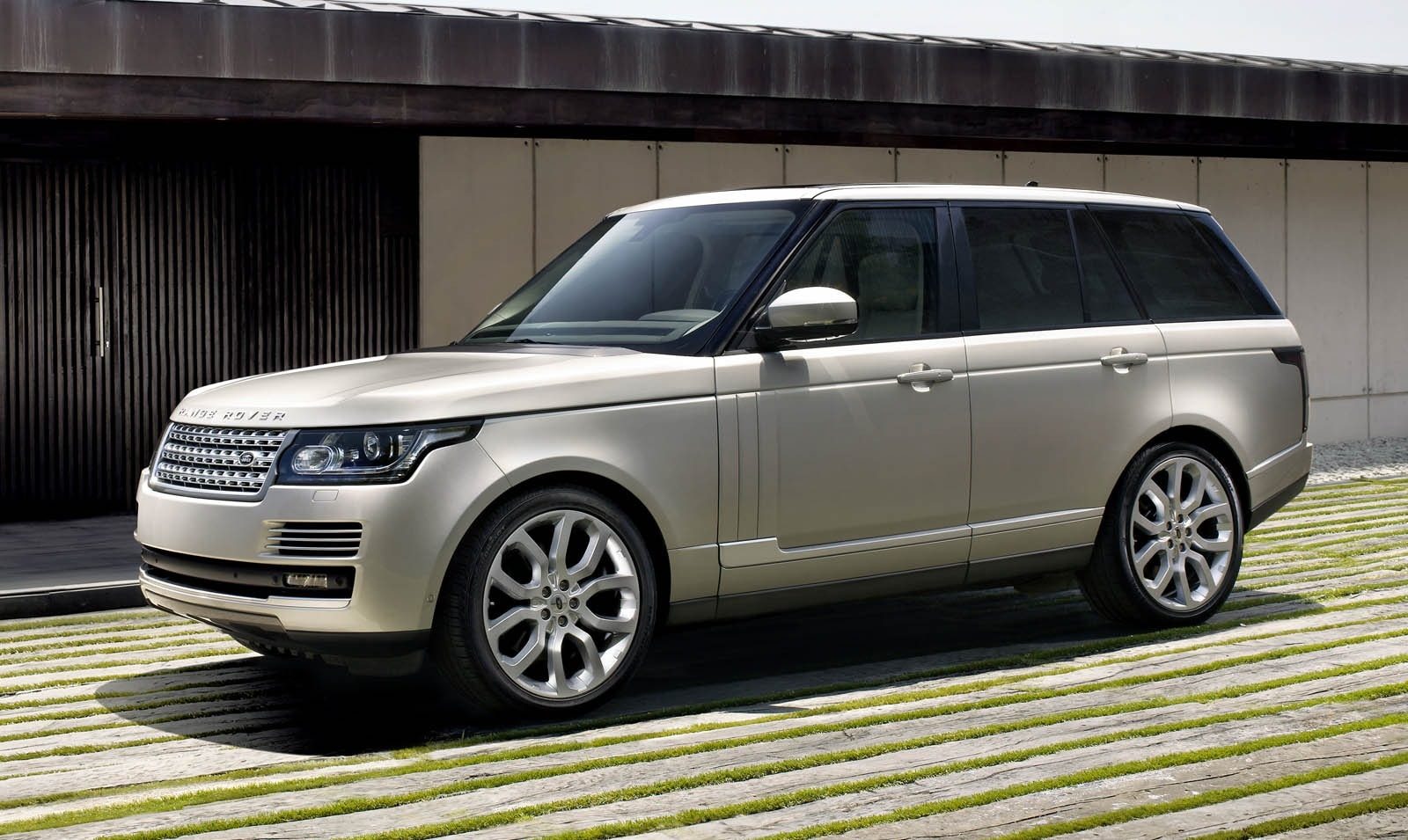
1. Land Rover Range Rover
The Range Rover has long been associated with premium comfort, advanced technology, and strong off-road capability. Many versions of this SUV use an electronically controlled air suspension system designed to automatically adjust ride height depending on driving conditions.
The system allows the vehicle to lower itself for easier entry, raise itself for rough terrain, and maintain a smooth ride on highways. However, the complexity of these components has also made air suspension repairs a frequent concern among owners of certain Range Rover models.
Common failures in Range Rover air suspension systems often involve air springs that develop leaks over time. The rubber components inside the air springs can weaken due to age, weather exposure, and constant movement.
When a leak develops, the vehicle may sit lower on one corner after being parked for several hours. Some owners notice that the suspension warning light appears on the dashboard, while others experience uneven ride height or reduced suspension performance.
The air compressor is another component that has caused problems in several Range Rover vehicles. The compressor is responsible for producing the air pressure needed to adjust the suspension. When air springs leak, the compressor has to work harder to maintain the correct height.
This extra workload can cause premature wear and eventual failure. A damaged compressor may lead to slow suspension adjustments or a complete loss of height control.
Height sensors and electronic control modules can also contribute to suspension problems. These sensors monitor the vehicle’s position and communicate with the suspension computer to make adjustments.
If a sensor sends incorrect information, the system may raise or lower the vehicle incorrectly. Electrical faults can sometimes be difficult to diagnose because the issue may involve software, wiring, or individual components working together.
Repair costs for Range Rover air suspension failures can vary widely depending on the damaged parts and the vehicle’s age. Replacing a single air spring may cost several hundred dollars, while repairing multiple components can become much more expensive.
Owners considering a used Range Rover should check maintenance records, inspect suspension performance, and have the vehicle examined by a specialist before purchase. Proper servicing can reduce the chance of unexpected suspension problems.
- Engine: 3.0L turbocharged inline-6 gasoline engine with mild-hybrid assistance (GLS 450); higher trims use larger engines
- Horsepower: Approximately 375 hp
- Torque: Approximately 369 lb-ft
- Length: About 205 inches (5,207 mm)
- Width: About 78 inches (1,956 mm)
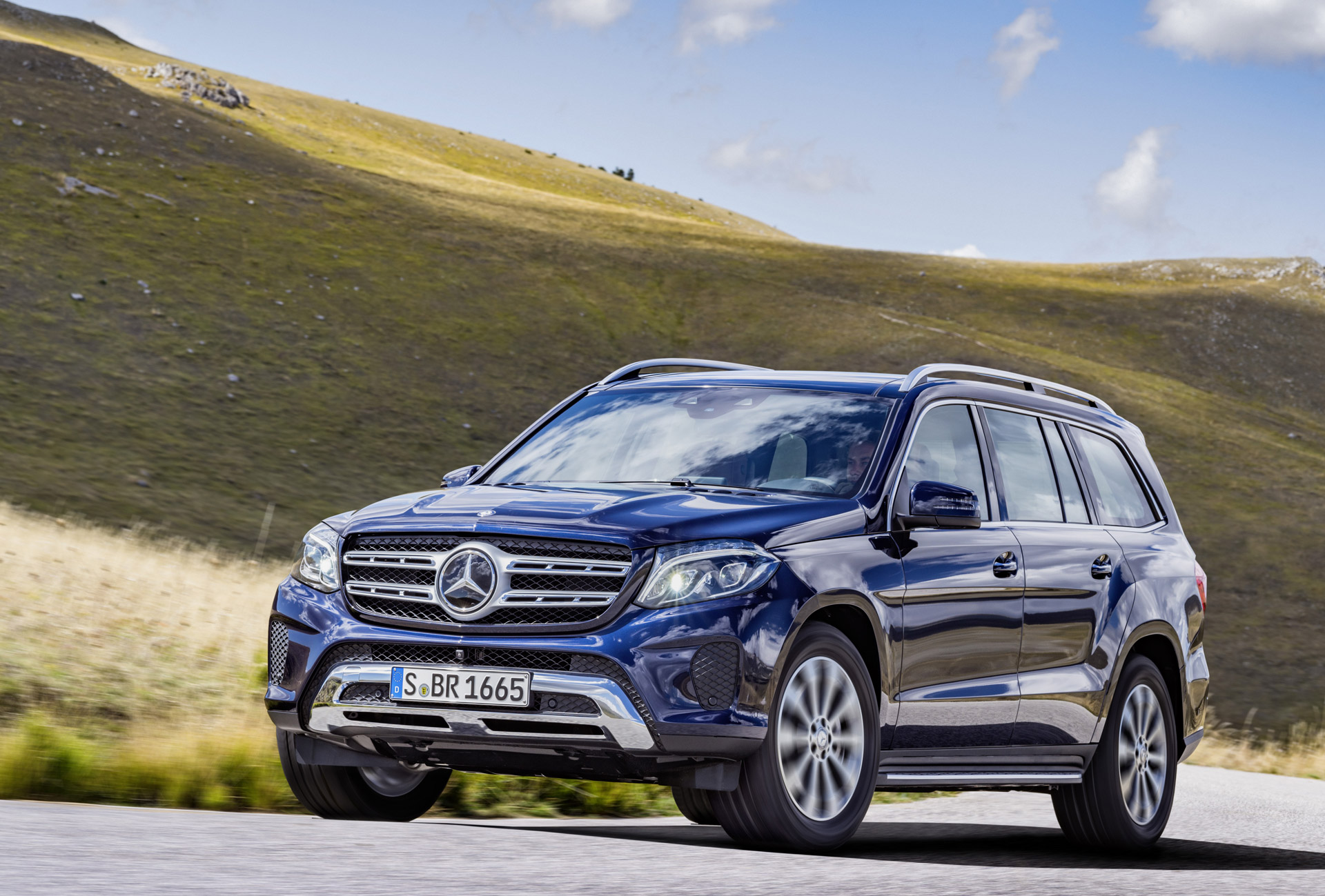
2. Mercedes-Benz GL-Class and GLS-Class
Mercedes-Benz has used air suspension technology in several of its large luxury SUVs, including the GL-Class and GLS-Class. These vehicles are designed to provide a comfortable driving experience by automatically adjusting suspension settings based on road conditions, speed, and vehicle load.
The system, often known as AIRMATIC, has been praised for delivering a smooth ride, but it has also experienced reliability concerns as vehicles age.
A common air suspension problem in Mercedes-Benz SUVs involves leaking air struts. The air chambers inside these components rely on flexible rubber materials that can deteriorate after years of use.
When the rubber begins to crack or lose its ability to seal properly, air escapes from the system. Drivers may notice that the vehicle sits lower than normal after being parked or that one side of the SUV appears uneven compared with the other side.
The suspension compressor is another part that can experience failure. When air leaks from the system, the compressor must run more frequently to maintain proper pressure.
Continuous operation can create excessive heat and wear, eventually causing the compressor to stop working correctly. A failing compressor may produce unusual sounds, take longer than usual to raise the vehicle, or trigger suspension warning messages on the dashboard.
Electronic faults are also reported in some Mercedes-Benz SUVs equipped with air suspension. The suspension control unit depends on information from sensors that measure ride height and vehicle movement.
A damaged sensor or electrical connection can result in incorrect suspension adjustments. In some cases, the system may enter a protective mode that limits suspension movement until the issue is repaired.
Repair expenses for Mercedes-Benz air suspension problems depend on the affected components and vehicle model year. Replacing air struts, compressors, or control modules can become costly compared with traditional suspension repairs.
Buyers interested in used GL-Class or GLS-Class models should review service records and check whether previous owners replaced major suspension components. Regular inspections can help identify early signs of failure before larger problems develop.

- Engine: 3.6L Pentastar V6 gasoline engine (common air suspension-equipped model); some versions offered 5.7L HEMI V8
- Horsepower: Approximately 293 hp (3.6L V6)
- Torque: Approximately 260 lb-ft (3.6L V6)
- Length: About 193 inches (4,911 mm)
- Width: About 77 inches (1,963 mm)
3. Jeep Grand Cherokee
The Jeep Grand Cherokee has offered advanced suspension technology on certain trims, including versions equipped with air suspension systems. The adjustable suspension, known as Quadra-Lift, was created to improve comfort on highways while maintaining Jeep’s reputation for off-road capability.
It allows drivers to change ride height for different situations, including improved ground clearance during rough terrain driving. However, the additional components required for this system have created maintenance concerns for some owners.
Air spring leaks are among the most frequently reported issues with air suspension-equipped Grand Cherokee models. The air springs are designed to hold pressurized air and replace traditional coil springs.
Over time, exposure to temperature changes, road debris, and normal wear can weaken the materials. A leaking air spring can cause the SUV to lower itself unexpectedly, creating an uneven appearance and affecting ride quality.
The compressor system can also experience problems when leaks are present. Similar to other air suspension designs, the compressor must work harder when the system cannot maintain pressure. Excessive operation can shorten its lifespan. Some drivers report hearing the compressor run frequently or noticing that the suspension takes longer to reach the selected height setting.
Software and sensor issues have also affected some Jeep Grand Cherokee models. Since the suspension relies heavily on electronic controls, problems with height sensors or system calibration may prevent proper operation.
Warning messages may appear, and the vehicle may temporarily disable height adjustment features until the problem is addressed. Diagnostic equipment is often needed to identify the exact cause.
Repairing an air suspension system on a Grand Cherokee can range from simple sensor replacement to major component repairs. Some owners choose aftermarket solutions, while others prefer maintaining factory equipment.
Anyone considering a used Grand Cherokee with air suspension should test every height setting, check for warning lights, and inspect the suspension for unusual noises or uneven movement.
- Engine: 3.0L turbocharged V6 gasoline engine
- Horsepower: Approximately 335 hp
- Torque: Approximately 369 lb-ft
- Length: About 199 inches (5,064 mm)
- Width: About 77 inches (1,970 mm)
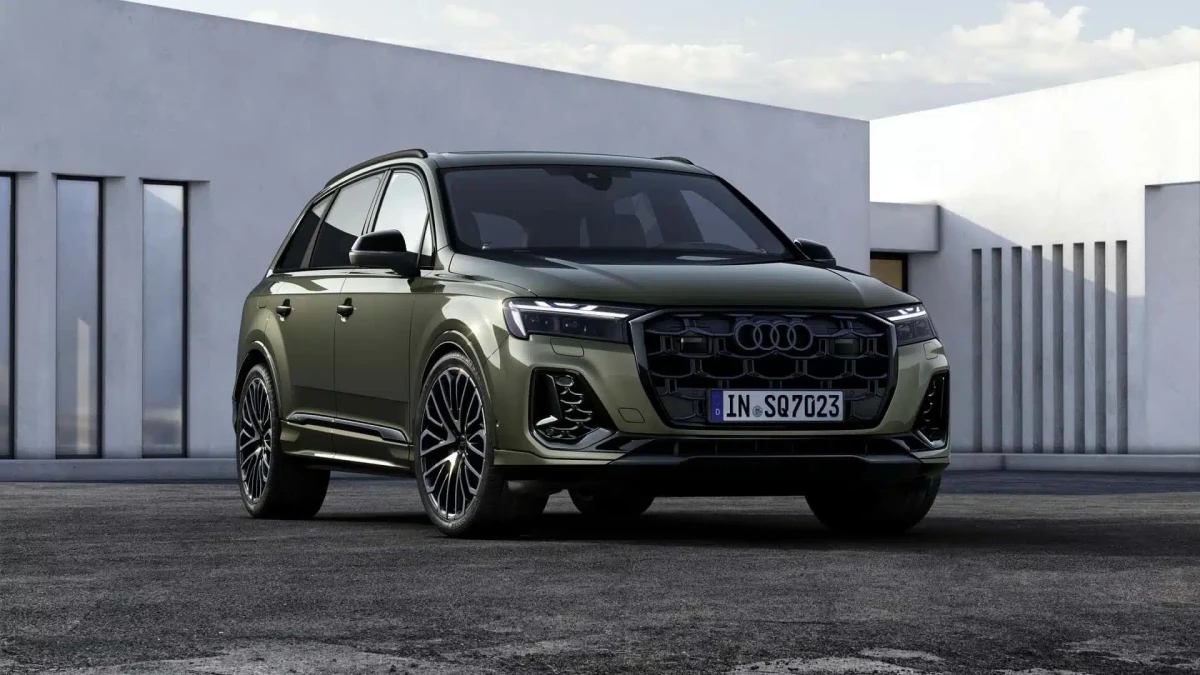
4. Audi Q7
The Audi Q7 is a luxury SUV known for its refined interior, strong performance, and advanced engineering. Many Q7 models use an adaptive air suspension system designed to provide a balance between comfort and handling.
The system adjusts automatically to improve stability, reduce body movement, and provide different ride settings. However, as these vehicles accumulate mileage, some owners have experienced air suspension-related failures.
Air suspension leaks are a common concern in older Audi Q7 models. The air springs contain flexible materials that can gradually weaken with age.
Small leaks may not immediately create serious driving problems, but they can cause the suspension to lose pressure while parked. A vehicle that sits lower after several hours or overnight may indicate that an air spring is losing air.
The air compressor is another component that can fail after prolonged use. When the system detects low pressure, the compressor activates to restore the correct ride height. If leaks are present, the compressor may operate more often than intended. This additional workload can result in overheating, reduced performance, or complete failure.
Valve blocks and suspension control systems can also create problems. The valve block directs airflow between different suspension components, allowing each corner of the vehicle to adjust independently.
If the valve block becomes damaged or clogged, the suspension may not respond correctly. Drivers may experience uneven height, slow adjustments, or suspension warning messages.
Repair costs for Audi Q7 air suspension issues vary based on the problem’s severity. A single failed component may be manageable, but multiple failures can become expensive.
Before buying a used Q7, potential owners should inspect suspension operation, review repair history, and consider a professional inspection. A properly maintained system can continue functioning effectively for many years.
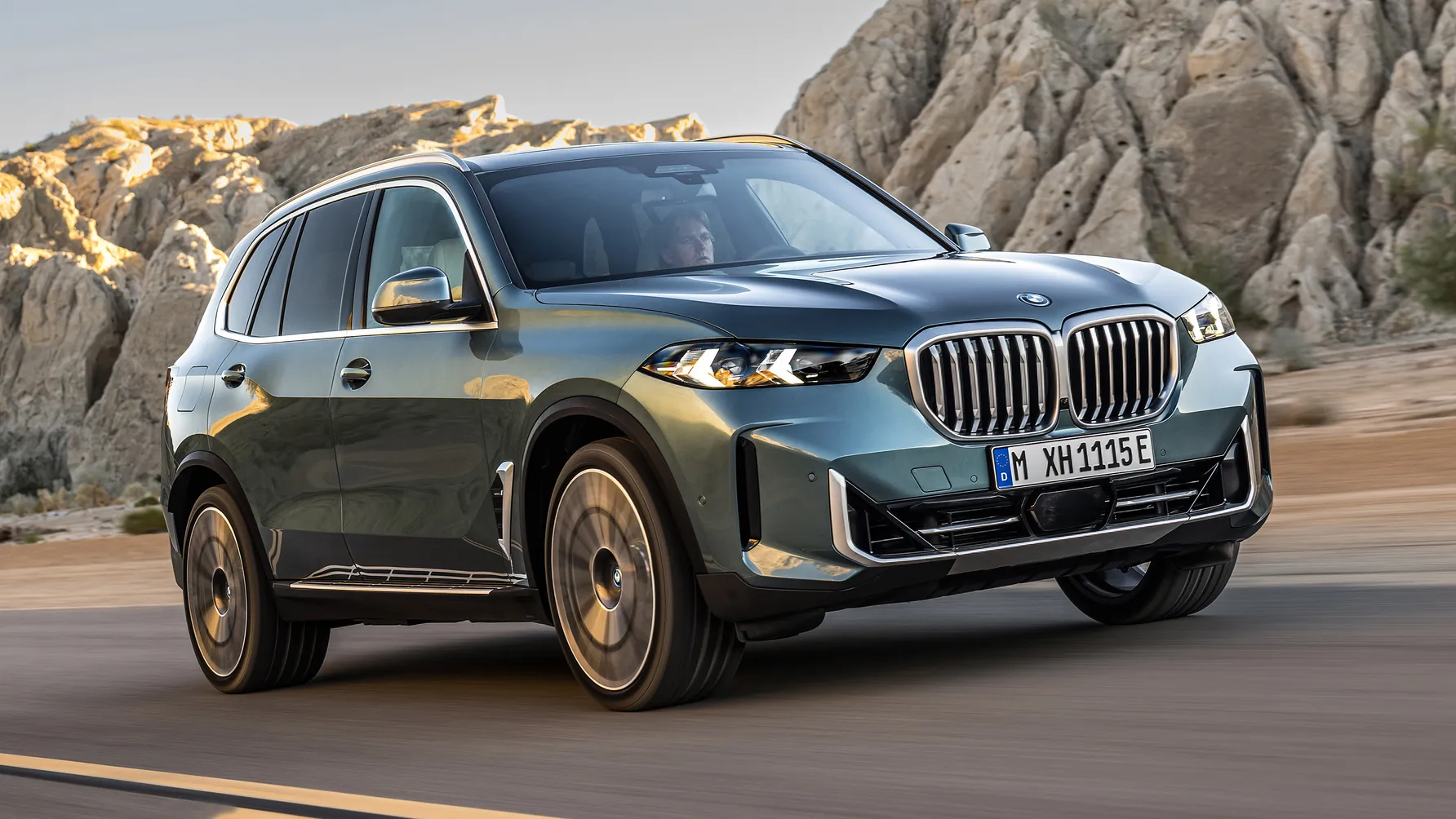
- Engine: 3.0L turbocharged inline-6 gasoline engine (xDrive40i); higher trims offered V8 options
- Horsepower: Approximately 375 hp
- Torque: Approximately 398 lb-ft
- Length: About 194 inches (4,935 mm)
- Width: About 79 inches (2,004 mm)
5. BMW X5
The BMW X5 is recognized for combining sporty driving characteristics with luxury SUV features. Several generations of the X5 have been available with air suspension systems, especially on models equipped with rear self-leveling suspension or optional adaptive suspension packages.
These systems were designed to improve ride comfort, maintain proper vehicle height, and provide better stability when carrying passengers or heavy loads. However, aging air suspension components have created repair concerns for some owners.
A frequent issue with BMW X5 air suspension systems is failure of the rear air springs. Unlike traditional coil springs, air springs depend on flexible rubber bladders that hold compressed air. After years of use, these rubber sections can develop cracks or leaks.
The problem may first appear as a vehicle sitting lower on one side after being parked for a long period. In some cases, drivers may notice changes in ride comfort before a complete failure occurs.
The compressor system can also become damaged when air leaks are ignored. The compressor is designed to activate when the suspension requires additional pressure.
When a leak forces the compressor to run repeatedly, it experiences extra strain. Over time, this can reduce its effectiveness and eventually cause complete failure. A worn compressor may create unusual noises or fail to maintain the correct ride height.
BMW X5 suspension systems also rely on sensors and electronic controls to maintain balance. Ride height sensors measure the position of the vehicle and send information to the suspension control system.
If these sensors become damaged or produce inaccurate readings, the suspension may adjust incorrectly. Drivers may experience warning messages, uneven suspension height, or limited suspension functions.
The cost of repairing BMW X5 air suspension depends on the damaged parts and the vehicle’s condition. Replacing rear air springs is usually less expensive than replacing compressors or electronic components.
Buyers searching for a used X5 should inspect the suspension carefully, especially on higher-mileage examples. A complete maintenance history can provide valuable information about whether major suspension repairs have already been completed.
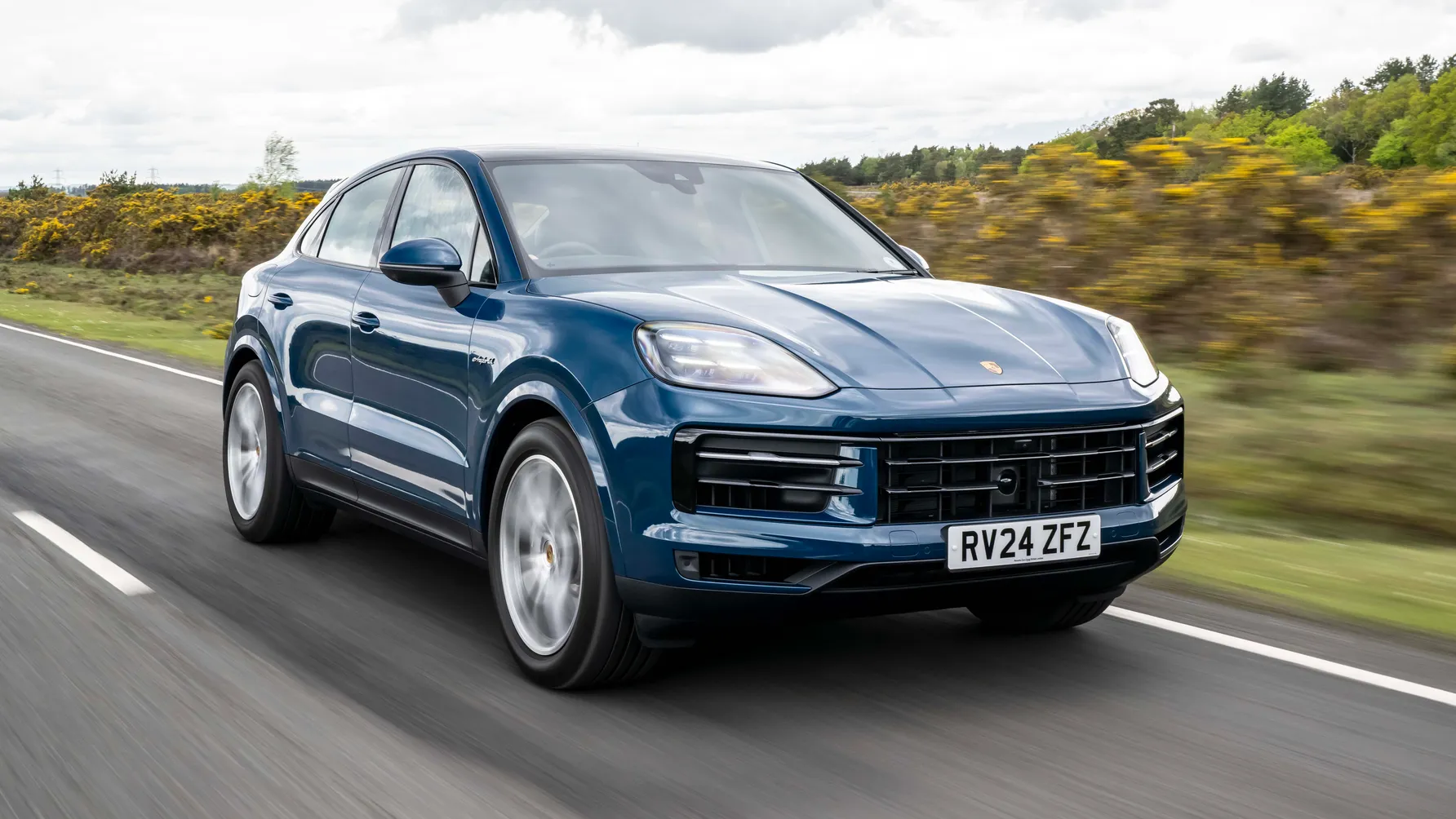
- Engine: 3.0L turbocharged V6 gasoline engine (base Cayenne); higher trims offered V8 engines
- Horsepower: Approximately 348 hp
- Torque: Approximately 368 lb-ft
- Length: About 194 inches (4,918 mm)
- Width: About 78 inches (1,983 mm)
6. Porsche Cayenne
The Porsche Cayenne introduced a combination of sports car performance and SUV practicality, with many versions offering advanced suspension technology. Certain Cayenne models feature air suspension systems designed to improve handling, comfort, and ride adjustment.
The system allows the vehicle to change height depending on driving conditions, helping provide better control during daily driving and demanding situations. However, the complexity of the setup has led to air suspension problems in some vehicles.
One of the most common issues reported with Cayenne air suspension systems involves leaking air struts. These components operate under constant pressure and movement, which can cause wear over time.
As seals and rubber materials age, they may lose their ability to maintain air pressure. A Cayenne with a failing air strut may lean to one side, sit lower after being parked, or display suspension warnings.
The compressor is another important component that can fail. The compressor creates the air pressure required to adjust the suspension height. When air escapes from damaged components, the compressor must compensate by running more often.
Continuous operation can cause overheating and mechanical wear. A failing compressor may prevent the SUV from reaching certain height settings or may cause the suspension system to shut down temporarily.
Control modules and sensors can also contribute to suspension issues in the Cayenne. Porsche vehicles use advanced electronic systems to monitor suspension position and driving conditions.
A problem with a sensor, wiring connection, or control unit can interrupt normal operation. Diagnosing these problems often requires specialized equipment because several electronic systems communicate with each other.
Repair costs for Porsche Cayenne air suspension problems can be significant because replacement parts and labor are typically expensive. Owners can reduce the likelihood of major repairs by addressing early warning signs quickly.
Anyone purchasing a used Cayenne should test every suspension mode, inspect the vehicle for uneven height, and review service documentation before making a decision.
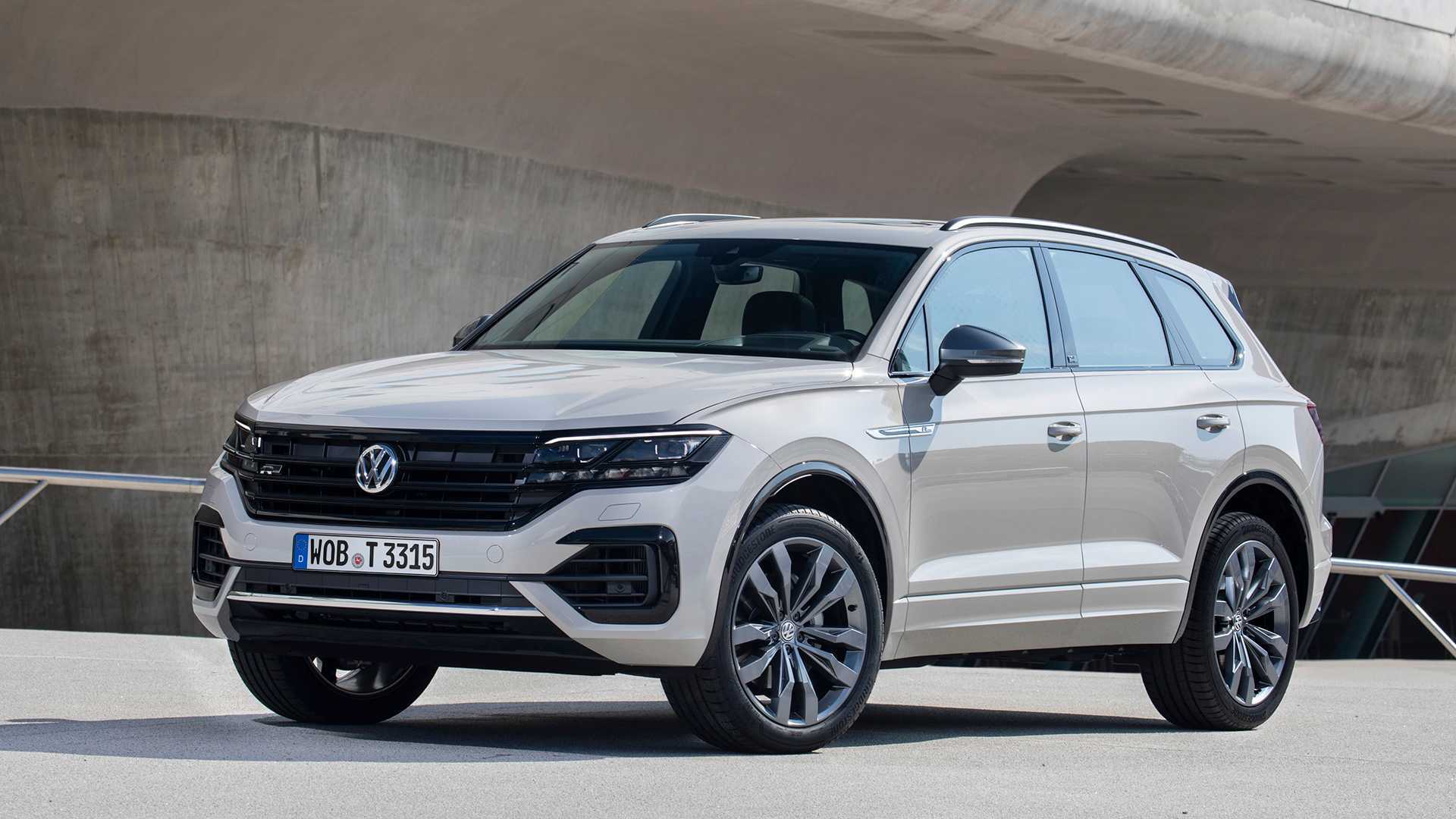
- Engine: 3.0L turbocharged V6 gasoline engine (common version); diesel V6 options were also available in some markets
- Horsepower: Approximately 276 hp
- Torque: Approximately 295 lb-ft
- Length: About 191 inches (4,878 mm)
- Width: About 76 inches (1,940 mm)
7. Volkswagen Touareg
The Volkswagen Touareg has offered premium features and advanced engineering throughout its production history. Some models were equipped with air suspension systems that provided adjustable ride height and improved comfort.
This technology allowed the SUV to adapt to different driving conditions, making it suitable for both highway travel and challenging surfaces. However, aging air suspension components have caused problems for certain Touareg owners.
Air leaks are a major concern in older Touareg air suspension systems. The air springs and related seals are exposed to constant pressure changes and movement. Over time, these parts may deteriorate and lose their ability to hold air.
A common symptom is a vehicle that drops lower after sitting overnight or requires frequent suspension adjustments to maintain the correct height.
The compressor system can suffer from increased wear when leaks develop. Since the compressor must replace lost air, it may operate more frequently than intended. Extended operation can shorten its lifespan and lead to reduced performance. In severe cases, a failed compressor can prevent the vehicle from adjusting its suspension height completely.
The suspension control system can also experience problems related to sensors and electronic components. Height sensors are responsible for monitoring the vehicle’s position and helping the system maintain balance.
When these sensors fail, the suspension may behave unpredictably. Some drivers experience warning lights, limited adjustment ability, or incorrect ride height settings.
Repairing a Touareg air suspension system requires identifying the exact source of the problem. Replacing a single worn component may solve the issue, while multiple failing parts can increase costs.
Used vehicle buyers should pay close attention to suspension operation during inspections. A Touareg with proper maintenance records can still provide reliable service, but neglected systems may require expensive repairs.
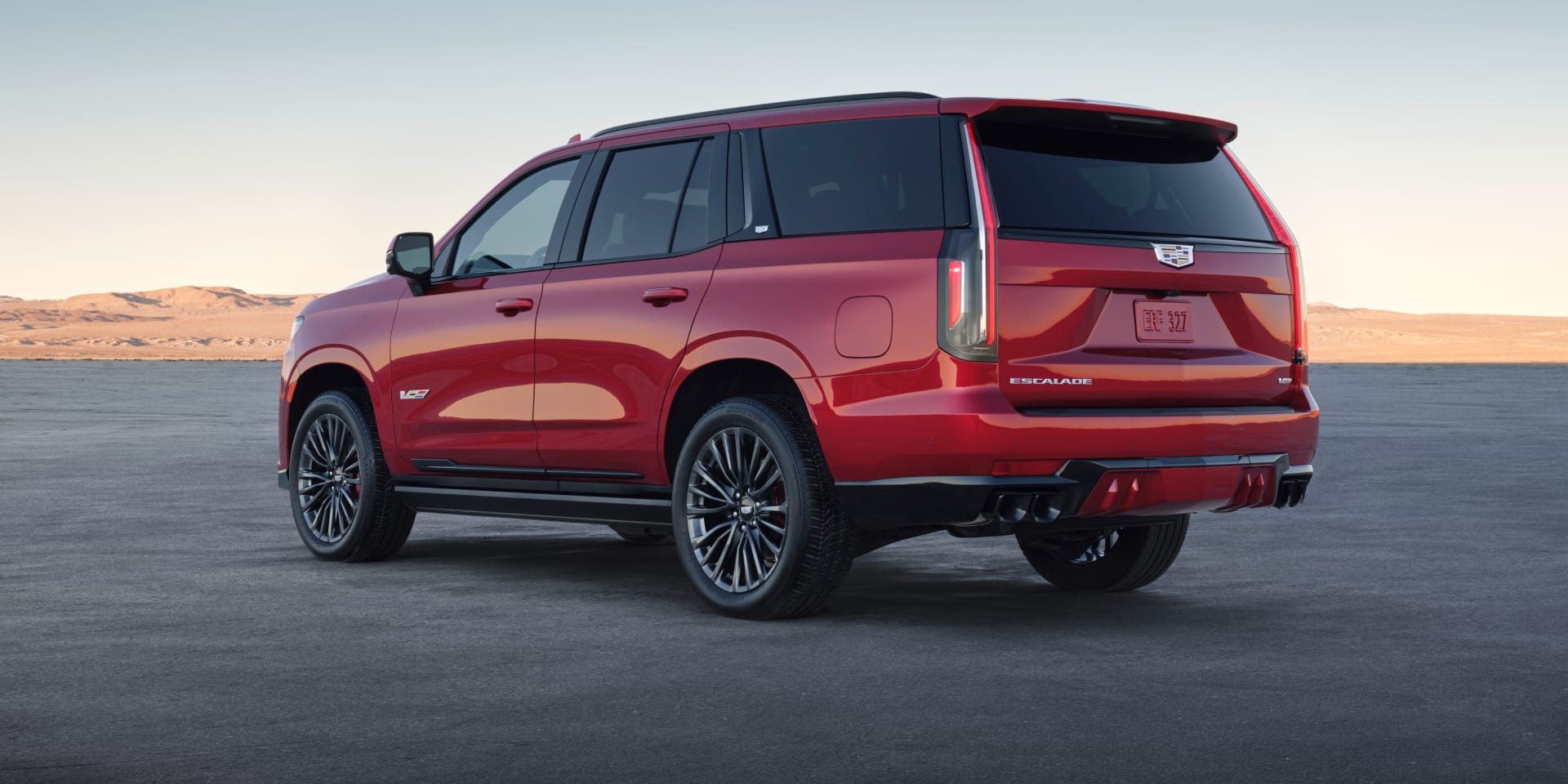
- Engine: 6.2L naturally aspirated V8 gasoline engine; newer versions also offer 3.0L turbo-diesel inline-6
- Horsepower: Approximately 420 hp (6.2L V8)
- Torque: Approximately 460 lb-ft (6.2L V8)
- Length: About 211 inches (5,382 mm)
- Width: About 81 inches (2,059 mm)
8. Cadillac Escalade
The Cadillac Escalade is a large luxury SUV known for its spacious interior, powerful engines, and premium features. Some Escalade models have used advanced suspension technology, including air-assisted systems designed to improve ride quality and maintain vehicle balance.
These systems are especially useful in large SUVs because they help manage weight changes caused by passengers and cargo. However, suspension components can develop failures as the vehicle ages.
Air suspension problems in the Escalade often involve leaks from air springs or related components. Large SUVs place significant demands on suspension systems because of their size and weight.
Constant exposure to road conditions, temperature changes, and heavy loads can accelerate wear. A leaking air spring may cause the vehicle to sit unevenly or create a noticeable change in ride comfort.
The compressor is another area where failures can occur. A compressor that works harder than normal due to leaks may eventually lose efficiency. When this happens, the suspension may take longer to adjust or may stop responding completely. Some drivers notice unusual sounds from the compressor area before a complete failure occurs.
Electrical and sensor-related issues can also affect Escalade suspension performance. Modern luxury SUVs depend on computer-controlled suspension systems that require accurate information from various sensors.
Problems with wiring, sensors, or control modules can create incorrect adjustments and warning messages. Proper diagnostic testing is usually needed to identify the exact cause.
Repair costs for Escalade suspension issues depend on the model year and damaged components. Some repairs may involve replacing individual parts, while larger failures may require several components to be replaced together.
Buyers interested in used Escalade models should inspect the suspension system carefully and confirm that previous owners maintained the vehicle properly.
