
Reputation follows a car nameplate around like a stray dog, sometimes for a decade after the actual problem got fixed. A vehicle earns a bad name because of one weak transmission or one flawed engine, and then shoppers avoid the entire lineage for years afterward, even once engineers have replaced every troublesome part.
The ten vehicles below prove that assumption wrong. Each one carried a genuinely rough reputation in an earlier generation, then came back with a redesigned drivetrain, a stronger transmission, or a completely different engine family. Reliability tracking data and owner complaint records back up every entry here, showing exactly what changed and why these once-troubled nameplates now belong on a very different kind of shopping list.
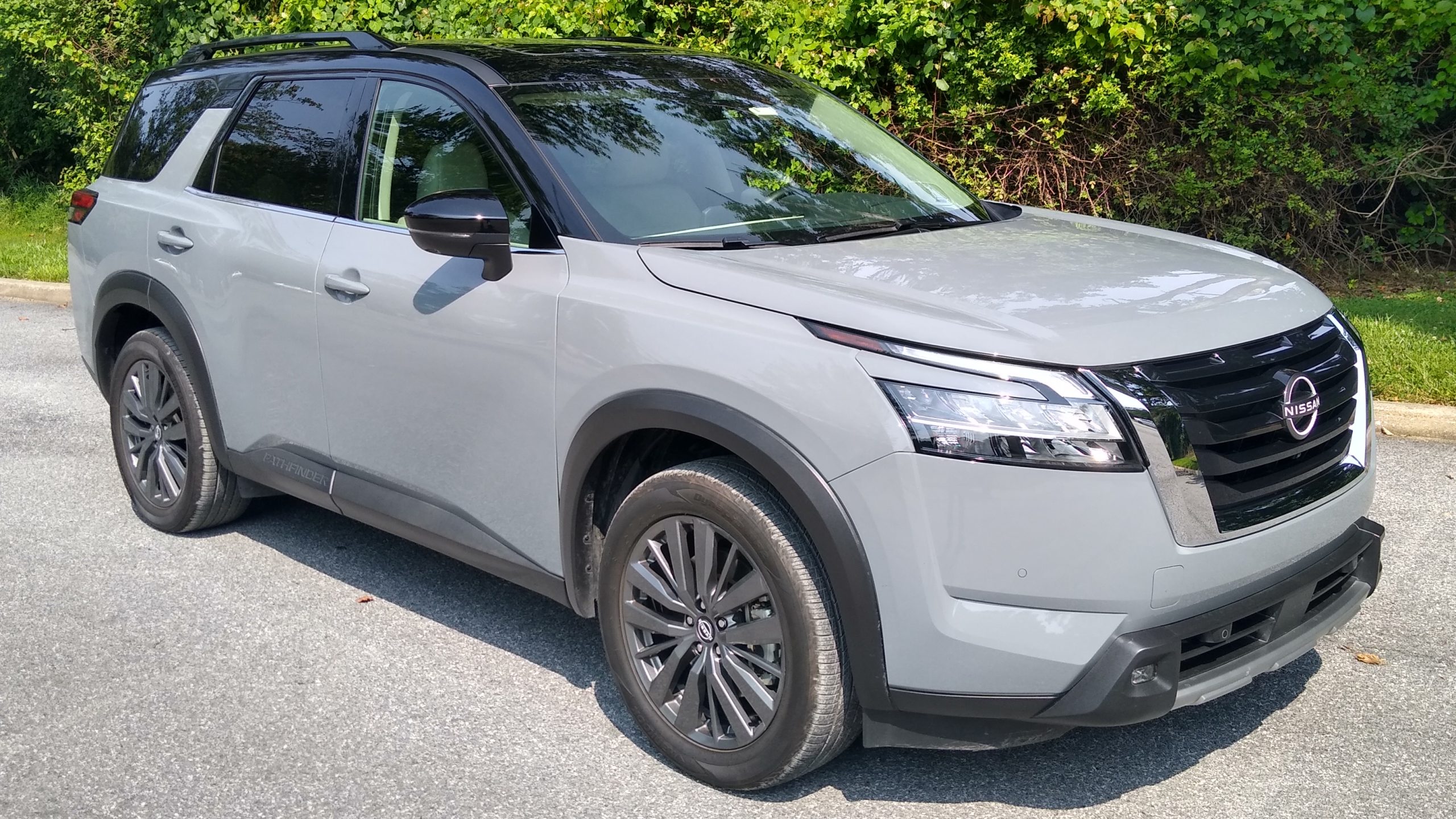
1. Nissan Pathfinder (2022-Present)
- Engine: 3.5L V6
- Horsepower: 284 hp
- Torque: 259 lb-ft
- Size: 197.7 inches Long x 77.9 inches Wide
Anyone who owned a Pathfinder between 2013 and 2020 probably has a transmission story, and it’s rarely a good one. Nissan’s Jatco CVT earned a rough name during those years, with owners reporting shuddering, overheating, and outright failures that often required full replacement rather than simple repair. That reputation followed the Pathfinder name closely enough that plenty of shoppers crossed it off their list without a second look.
Nissan clearly heard the complaints. Rather than tweaking the same CVT design again, engineers scrapped it entirely for the redesigned 2022 model, swapping in a conventional 9-speed automatic transmission instead. That decision alone addressed the single biggest source of owner frustration tied to this nameplate, and the results show up clearly in complaint data collected since the switch.
Owner satisfaction numbers have climbed noticeably since the redesign, and transmission-related complaints have dropped in a way that’s hard to ignore. Mechanics who once dreaded seeing an older Pathfinder pull into their shop now describe the current generation as one of the more dependable three-row SUVs on the market.
That’s a genuine turnaround, not just marketing language, and it came from a single, targeted engineering decision that solved the actual root problem instead of masking it.
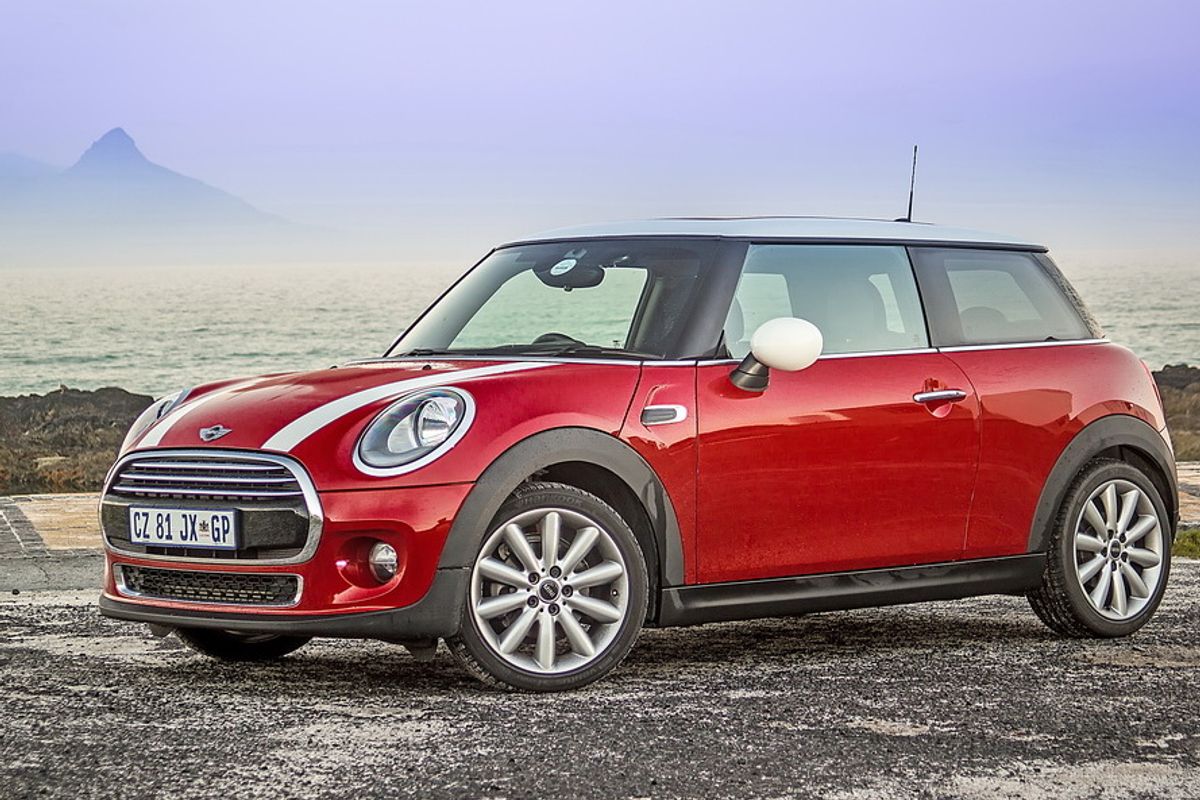
2. MINI Cooper (2014-Present, F56 Generation)
- Engine: 1.5L Turbo 3-Cylinder or 2.0L Turbo 4-Cylinder
- Horsepower: 134 hp to 189 hp
- Torque: 162 lb-ft to 207 lb-ft
- Size: 151.9 inches Long x 68.0 inches Wide
Small cars with big personalities tend to attract loyal owners, and the MINI Cooper has always had plenty of those. But loyalty gets tested hard when a car keeps landing in the shop, and that’s exactly what happened with the R56 generation built between 2007 and 2013. Timing chain failures, turbocharger trouble, heavy oil consumption, and carbon buildup turned ownership into a frustrating cycle of repair bills for a lot of buyers during those years.
Everything changed with the F56 generation launched in 2014. MINI moved away from its previous engine architecture and adopted BMW’s B38 and B48 modular engines, a switch that brought real engineering discipline into a lineup that badly needed it. These engines share design lineage with units used across BMW’s broader portfolio, benefiting from far more testing and refinement than the earlier MINI-specific powerplants ever received.
Reliability survey results since that switch tell a clear story. Modern MINI models consistently rank well above their R56 predecessors, a gap wide enough that industry trackers treat the two generations almost like different vehicles entirely.
Owners who lived through the R56 years now describe their F56-generation cars as genuinely trouble-free, a sentence that would have sounded almost impossible a decade earlier. Few small performance cars have turned their fortunes around this thoroughly.
Also Read: 10 Cars With Common Steering Rack Problems
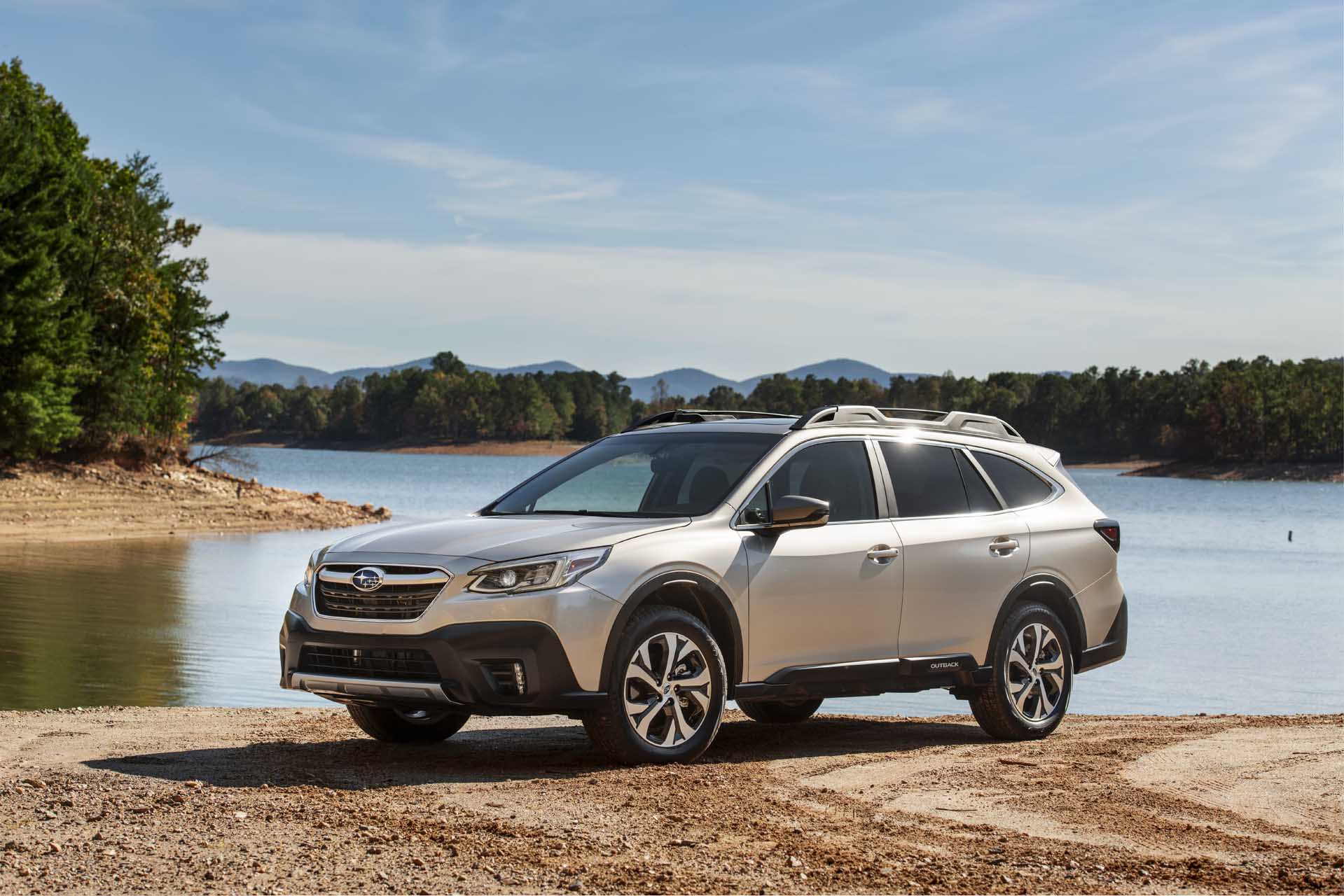
3. Subaru Outback (2020-Present)
- Engine: 2.5L Flat-4 Boxer
- Horsepower: 182 hp
- Torque: 176 lb-ft
- Size: 191.9 inches Long x 73.0 inches Wide
Older Subaru Outback models fitted with EJ-series engines earned a poor reputation because of repeated head gasket trouble. Many owners dealt with coolant leaks, rising engine temperatures, and costly repairs that kept showing up after years of use. Discussions across Subaru owner communities regularly mentioned the same fault, making many buyers question the brand’s dependability before making a purchase.
The issue stayed in public discussion for a long time and became one of the first things people checked when considering an older Outback. Rather than making a small adjustment and hoping the problem would disappear, Subaru chose a different direction. The company introduced the FB-series engine family with a fresh design that changed important engine measurements and replaced the old gasket with a stronger multi-layer steel version.
This approach focused on removing the source of the failure instead of covering it with a temporary repair. That decision gave owners greater confidence because lasting engineering improvements usually perform better than quick fixes after years of regular driving. Since the newer engines entered production, reports of head gasket failure have dropped by a wide margin. Repair shops that once replaced these gaskets on a regular basis now say such repairs are far less common than before.
Mechanics who have worked on Subaru vehicles for many years also agree that the difference is easy to see. Anyone shopping for a used Outback can treat the newer engine as clear evidence that Subaru corrected a long-standing mechanical weakness through proper engineering rather than relying on owners to ignore the past.
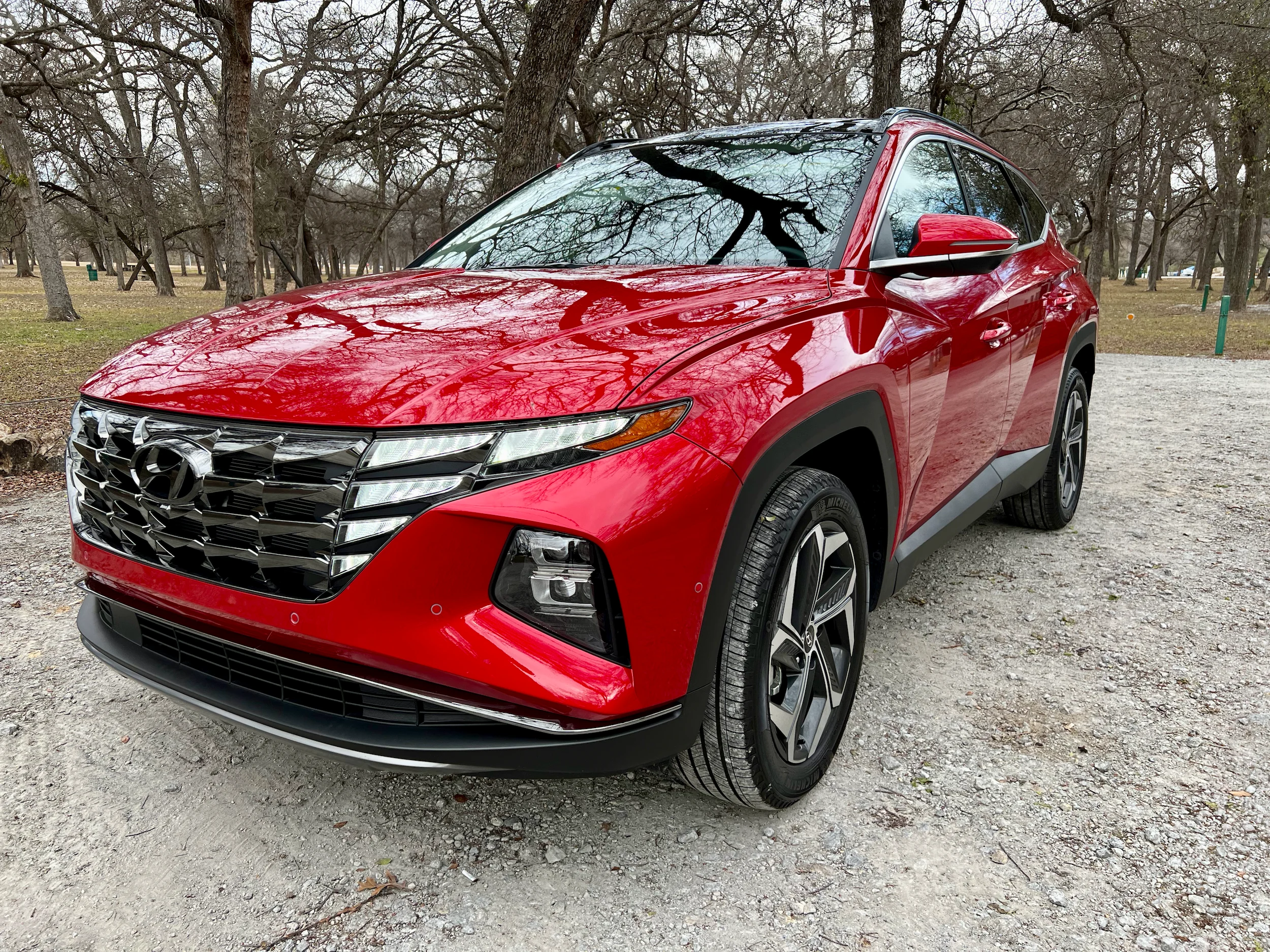
4. Hyundai Tucson (2022-Present)
- Engine: 2.5L 4-Cylinder
- Horsepower: 187 hp
- Torque: 178 lb-ft
- Size: 182.3 inches Long x 73.4 inches Wide
Engine bearing failures sound like a niche mechanical concern until they trigger a recall serious enough to make national news, and that’s exactly the situation Hyundai found itself in with earlier Tucson models.
The Theta II engine family, shared across several Hyundai and Kia products, developed a reputation for bearing failures that could lead to sudden engine seizure, a problem serious enough to prompt widespread attention from regulators and owners alike.
That kind of failure isn’t something a manufacturer can quietly ignore, and Hyundai responded by developing an entirely new engine family. The Smartstream engines introduced with the redesigned Tucson brought updated manufacturing processes and improved lubrication systems specifically engineered to prevent the bearing wear that plagued the Theta II design. This wasn’t a minor revision bolted onto the old architecture; it represented a genuine rebuild from the ground up.
Engine reliability tracking since the Smartstream introduction shows real improvement, with bearing-related failures becoming far less common across the newer generation. Owners researching a used Tucson today can point to this specific engineering change as documented evidence that Hyundai addressed a serious problem rather than simply extending a warranty and hoping the issue would fade from memory. Few compact SUVs have needed this dramatic a fix, and few have delivered one this thoroughly.
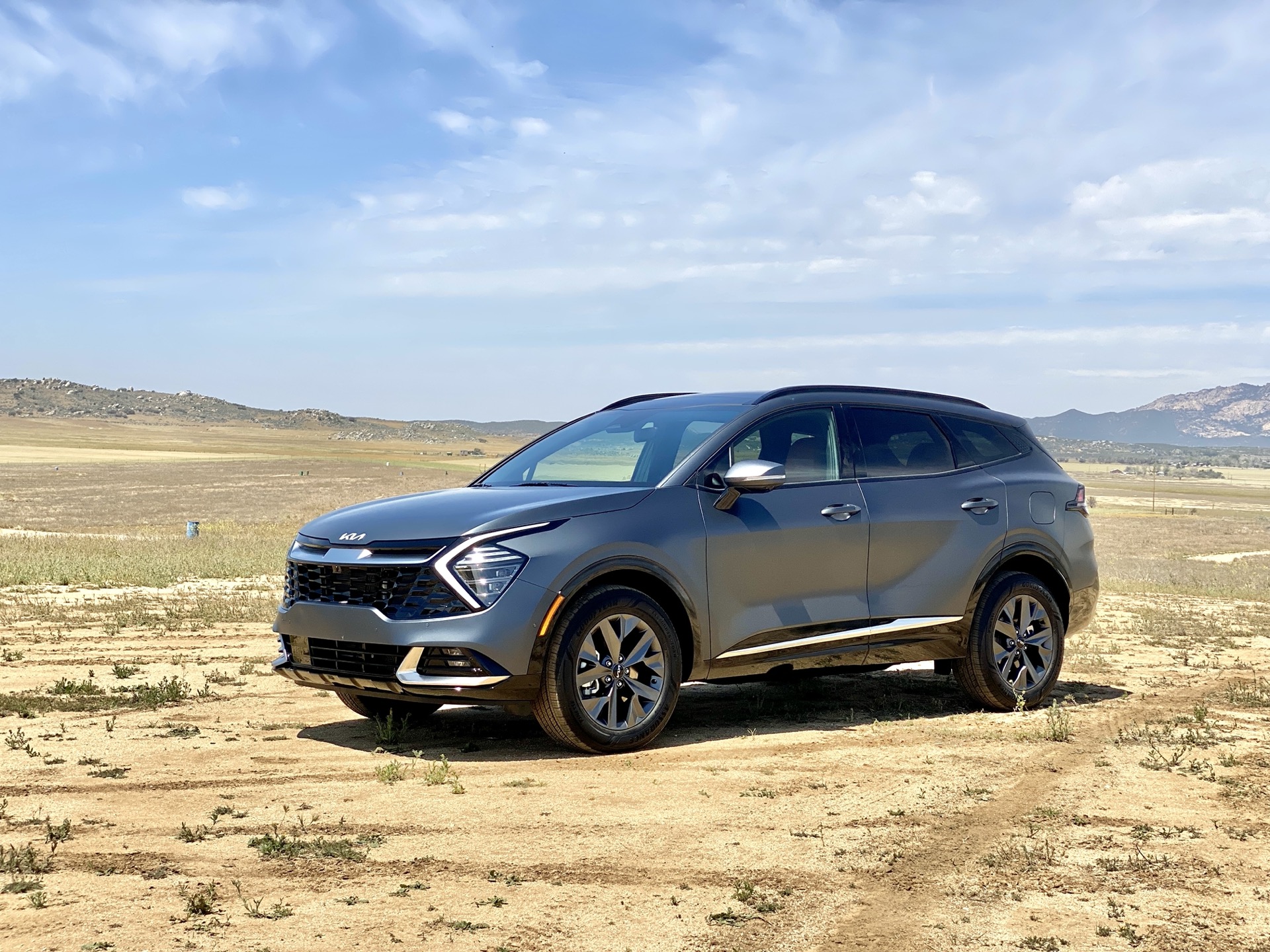
5. Kia Sportage (2023-Present)
- Engine: 2.5L 4-Cylinder
- Horsepower: 187 hp
- Torque: 178 lb-ft
- Size: 183.5 inches Long x 73.4 inches Wide
Sister companies sometimes share more than just corporate ownership, and Kia’s Sportage inherited many of the same Theta II engine headaches that troubled Hyundai’s lineup during the same years. Excessive oil consumption and bearing failures showed up across both brands, since the shared engine architecture carried identical weaknesses regardless of which badge sat on the hood.
Kia followed a similar path toward correction, adopting the Smartstream engine family alongside updated transmission hardware for the latest Sportage generation. This coordinated approach makes sense given how closely Hyundai and Kia share engineering resources, and it meant the fix arrived with real testing behind it rather than a rushed response to bad publicity.
Complaint data collected since this transition shows a substantial drop in major engine-related issues. Buyers who shied away from the Sportage nameplate during its Theta II years now find a genuinely different vehicle underneath familiar styling, one built around lessons learned from years of documented failures rather than repeating the same mistakes.
Independent mechanics who service both Hyundai and Kia products report similar improvement trends across both brands, reinforcing that this wasn’t a marketing claim but a real mechanical overhaul. For shoppers comparing compact SUVs, that kind of paired correction across two related brands offers unusually strong confirmation that the underlying problem got solved for good.
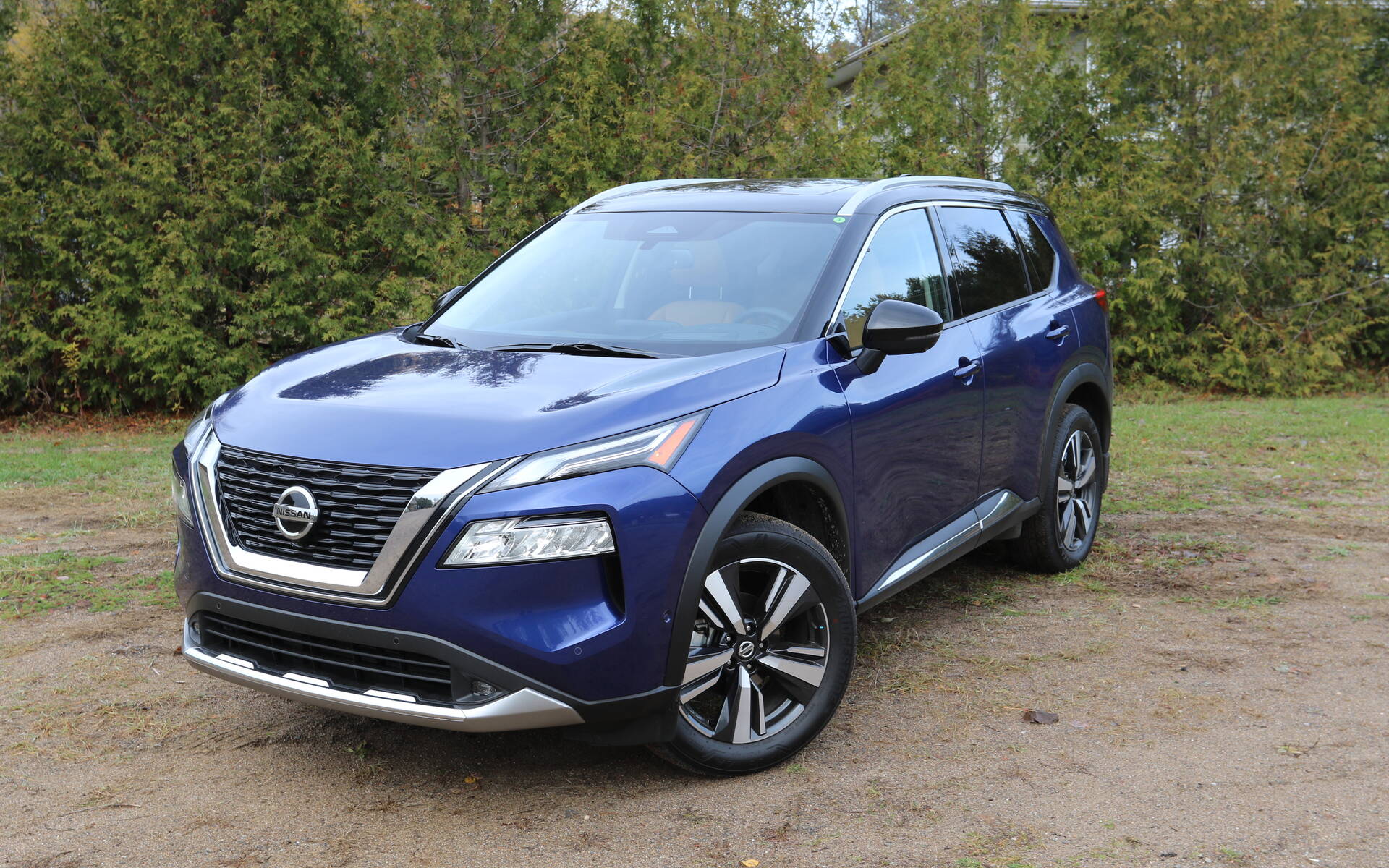
6. Nissan Rogue (2021-Present)
- Engine: 1.5L VC-Turbo 3-Cylinder
- Horsepower: 201 hp
- Torque: 225 lb-ft
- Size: 183.0 inches Long x 72.4 inches Wide
CVT problems seem to follow Nissan across multiple nameplates, and the Rogue certainly wasn’t spared during its earlier generations. Premature transmission failures became a common enough complaint that they shaped how a lot of shoppers viewed this compact SUV, regardless of how well the rest of the vehicle performed.
Rather than abandoning CVT technology entirely, Nissan chose to refine it for the current Rogue generation. Engineers improved the Xtronic CVT with better cooling systems, stronger internal components built to handle stress over a longer service life, and revised software calibration designed to reduce the kind of strain that led to earlier failures. That’s a meaningful distinction from simply installing the same design again and hoping for better luck.
Complaint rates tracked since this update show a clear decline compared to earlier Rogue generations, suggesting the cooling and component upgrades addressed real mechanical weaknesses rather than just adjusting how the transmission felt to drive. Owners who track long-term reliability forums report noticeably fewer transmission horror stories tied to the current generation, a meaningful move for a brand that spent years fighting CVT criticism across its entire lineup.
For buyers specifically worried about Nissan’s transmission history, this generation offers the greatest documented improvement the brand has shown on this particular front.
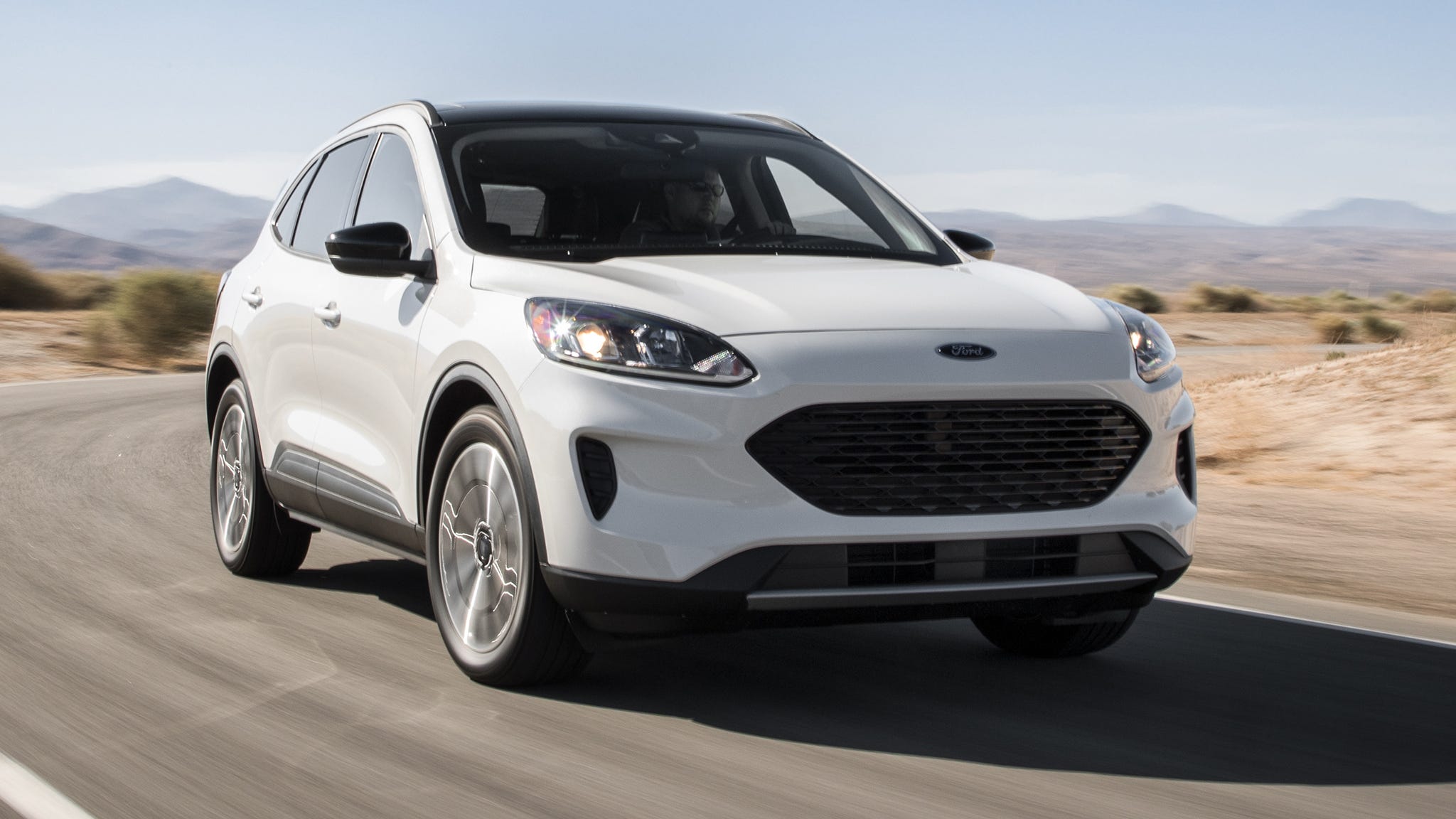
7. Ford Escape (2020-Present)
- Engine: 2.5L Hybrid 4-Cylinder (Base gasoline and EcoBoost engines also available)
- Horsepower: 192 hp (Hybrid Combined)
- Torque: 155 lb-ft (Gas Engine)
- Size: 180.5 inches Long x 74.1 inches Wide
Anyone who owned certain older Ford compact models will probably remember the trouble caused by the PowerShift dual-clutch transmission. Instead of delivering smooth gear changes, it became known for jerky acceleration, hesitation when moving off, and expensive repairs.
Many owners also dealt with coolant intrusion problems in some EcoBoost engines, which could lead to engine damage if the issue was not discovered early. Those problems hurt confidence in the Escape and a few other Ford vehicles. Ford took a different approach when it redesigned the Escape.
The company dropped the troublesome PowerShift transmission and replaced it with a conventional automatic gearbox that offers smoother and more predictable performance during everyday driving. At the same time, Ford improved its powertrain lineup, making changes that addressed the transmission concerns while also reducing the engine issues linked to coolant intrusion in earlier EcoBoost models.
These updates gave buyers far more confidence than the previous generation managed to achieve. The latest Escape, especially the hybrid version, has built a much stronger reputation for reliability. Its hybrid system is based on technology that has proven dependable in daily use, helping it earn positive reviews from owners and industry reliability studies.
People shopping for a compact SUV today are looking at a vehicle that performs much better than the Escape from several years ago. Mechanics who regularly repaired older models for transmission faults now report seeing far fewer of those problems on current versions. That improvement gives buyers extra peace of mind, especially if they plan to keep the vehicle for many years without facing frequent repair bills.
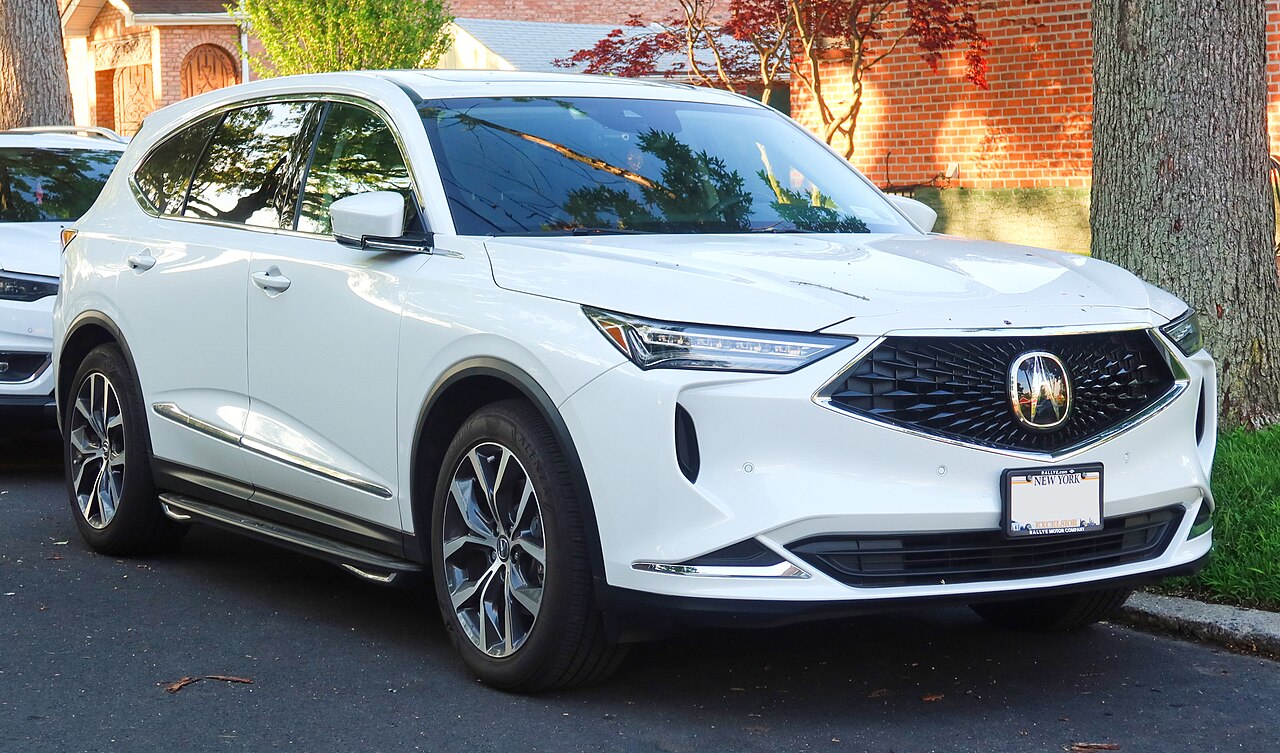
8. Acura MDX (2022-Present)
- Engine: 3.5L V6
- Horsepower: 290 hp
- Torque: 267 lb-ft
- Size: 198.4 inches Long x 78.7 inches Wide
Luxury buyers expect smooth operation as a baseline requirement, not a bonus feature, which made the rough shifting and hesitation reported in older MDX models especially frustrating for owners paying premium prices. The ZF 9-speed automatic transmission used in previous generations drew consistent criticism for behavior that felt inconsistent with the refined experience buyers expected from Acura’s flagship SUV.
Acura chose a different direction entirely for the fourth-generation MDX, moving away from the outsourced ZF unit in favor of Honda’s own in-house 10-speed automatic transmission. Building the transmission internally gave Acura’s engineers tighter control over calibration and integration with the rest of the drivetrain, addressing the inconsistency that had frustrated so many earlier owners.
Results since this change have been positive across the board. Smoother operation and improved long-term dependability now define owner feedback for the current MDX, replacing complaints that once dominated forums and service department conversations. Transmission-related visits have dropped noticeably at dealerships servicing the newer generation, a trend technicians attribute directly to the switch away from the ZF unit.
For buyers who remember the earlier MDX’s shifting quirks, this generation represents genuine follow-through on customer feedback rather than a cosmetic refresh. Few luxury SUVs have made this specific a correction and backed it up with data this convincingly.
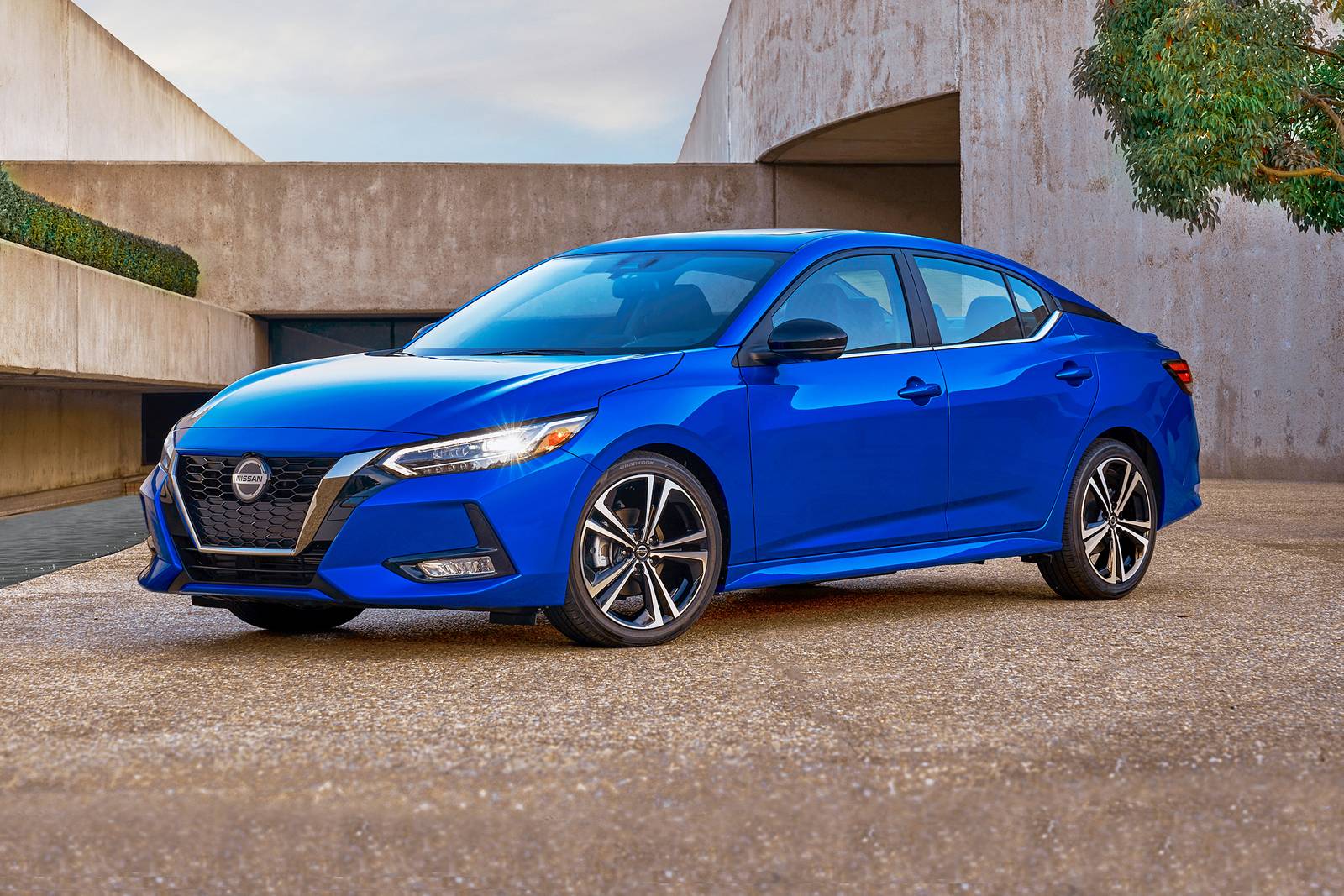
9. Nissan Sentra (2020-Present)
- Engine: 2.0L 4-Cylinder
- Horsepower: 149 hp
- Torque: 146 lb-ft
- Size: 182.9 inches Long x 71.5 inches Wide
Anyone shopping for an affordable sedan usually puts reliability near the top of the list. Buyers in this category often want a car that can serve them well for years without bringing unexpected repair costs. Older versions of the Nissan Sentra struggled to meet those expectations.
Many developed CVT transmission problems much earlier than owners expected, while build quality also varied from one vehicle to another. Those issues made plenty of buyers choose rival compact sedans instead. Everything changed when Nissan introduced the redesigned Sentra for the 2020 model year.
The company fitted it with a revised Xtronic CVT that came with better software calibration and tougher internal parts built to handle everyday driving with greater confidence. Nissan also tightened production standards across its factories, giving buyers a car with more consistent quality than the previous generation.
Fixing both the transmission and manufacturing concerns helped restore confidence in the Sentra name. Since the redesign arrived, owner reports and reliability studies have painted a much better picture. Serious transmission complaints have become far less common, giving drivers greater peace of mind during daily commutes and longer highway journeys.
People who once ruled out the Sentra because of its past reputation are now taking another look, thanks to its stronger dependability record. Recent reliability rankings for compact sedans also place the current Sentra much closer to the class leaders than before. For buyers watching every dollar, that improvement can make a real difference because lower repair costs and dependable day-to-day performance often matter just as much as the purchase price when choosing a new car.
Also Read: 8 Car Mods That Actually Raise Resale Value
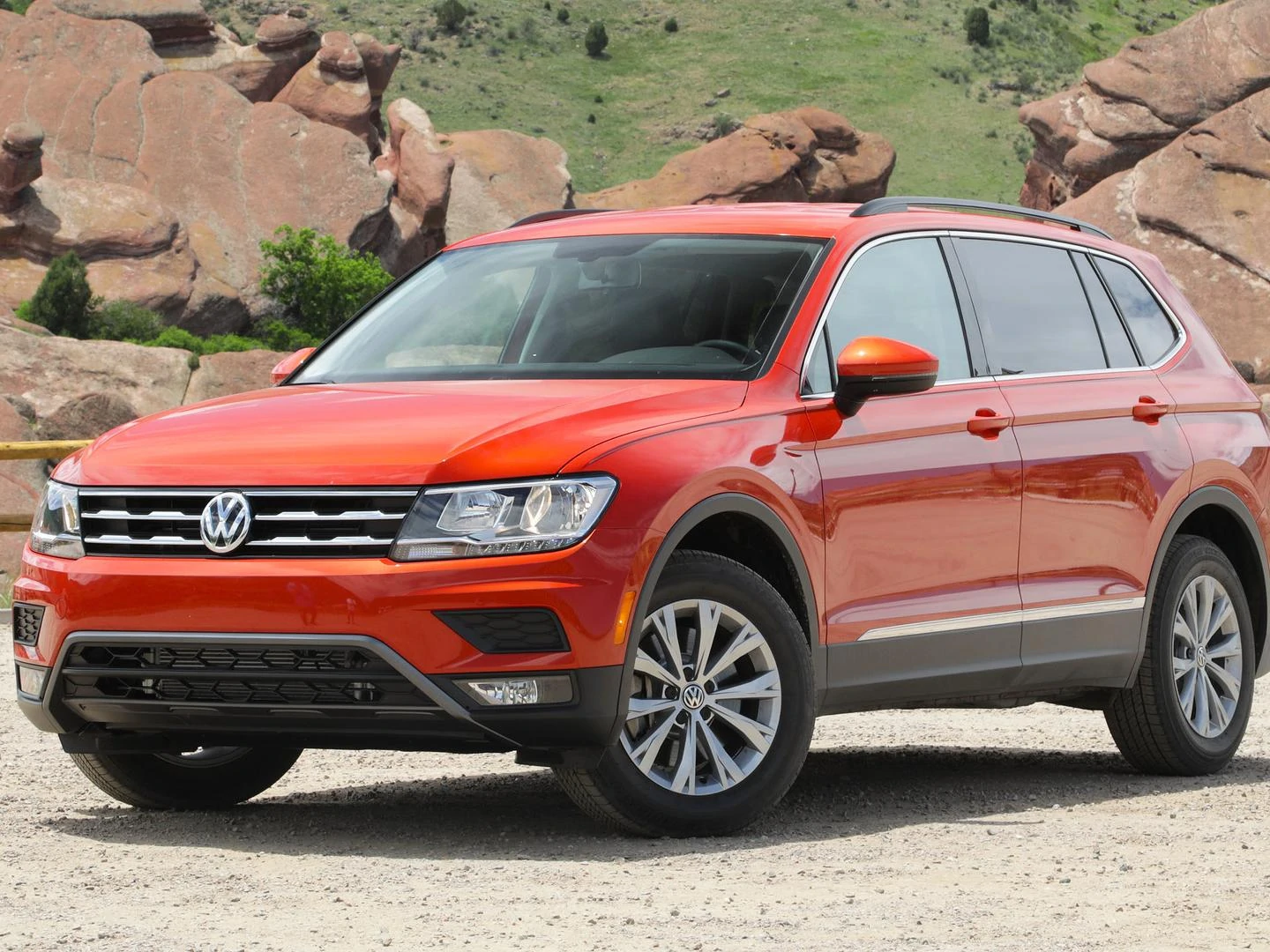
10. Volkswagen Tiguan (2018-Present, Second Generation)
- Engine: 2.0L Turbocharged 4-Cylinder
- Horsepower: 184 hp (2018-2024), 201 hp (2025-Present)
- Torque: 221 lb-ft
- Size: 186.1 inches Long x 72.4 inches Wide
Timing chain tensioners rarely get much attention until they fail, and when they did on first-generation Tiguan models, the resulting damage often proved expensive and frustrating for owners caught off guard. Excessive oil consumption and assorted electrical issues piled onto that core problem, giving the earlier Tiguan a reputation that scared away plenty of otherwise interested compact SUV shoppers.
Volkswagen addressed these problems head-on with the second-generation model, introducing the EA888 Gen 3 engine alongside improved timing components specifically engineered to prevent the tensioner failures that plagued earlier versions. Updated piston design reduced the oil consumption complaints that had frustrated so many first-generation owners, while revised electronics tackled the reliability gremlins that had damaged consumer confidence in the nameplate.
Long-term reliability data collected since this redesign shows real improvement across every category that previously caused trouble. Independent mechanics who serviced plenty of first-generation Tiguans for timing chain repairs now report those jobs as far less common among current-generation vehicles, offering practical confirmation that the engineering changes solved genuine mechanical weaknesses rather than simply extending warranty coverage.
Buyers cross-shopping this SUV today can point directly to the switch to the EA888 Gen 3 engine as documented proof that Volkswagen took its earlier reliability problems seriously and engineered a real, lasting solution rather than a temporary fix.
