
A leaking gasket does not always mean an expensive replacement part. In many modern engines, the gasket itself may cost less than $20, but accessing it requires hours of labor because major engine components must be removed first.
Intake manifolds, turbochargers, timing covers, or even the engine itself may need partial disassembly before the gasket can be replaced. Labor often accounts for more than 90 percent of the repair bill.
The engines below are well known among professional technicians for gasket jobs that are inexpensive in parts but costly in labor, based on factory service procedures, flat-rate labor guides, and common repair estimates in the United States.
Also Read: 10 Best Commuter Cars for Los Angeles Traffic
1. Ford 3.5L EcoBoost V6 (First Generation)
Common High-Labor Gasket: Valve Cover Gasket
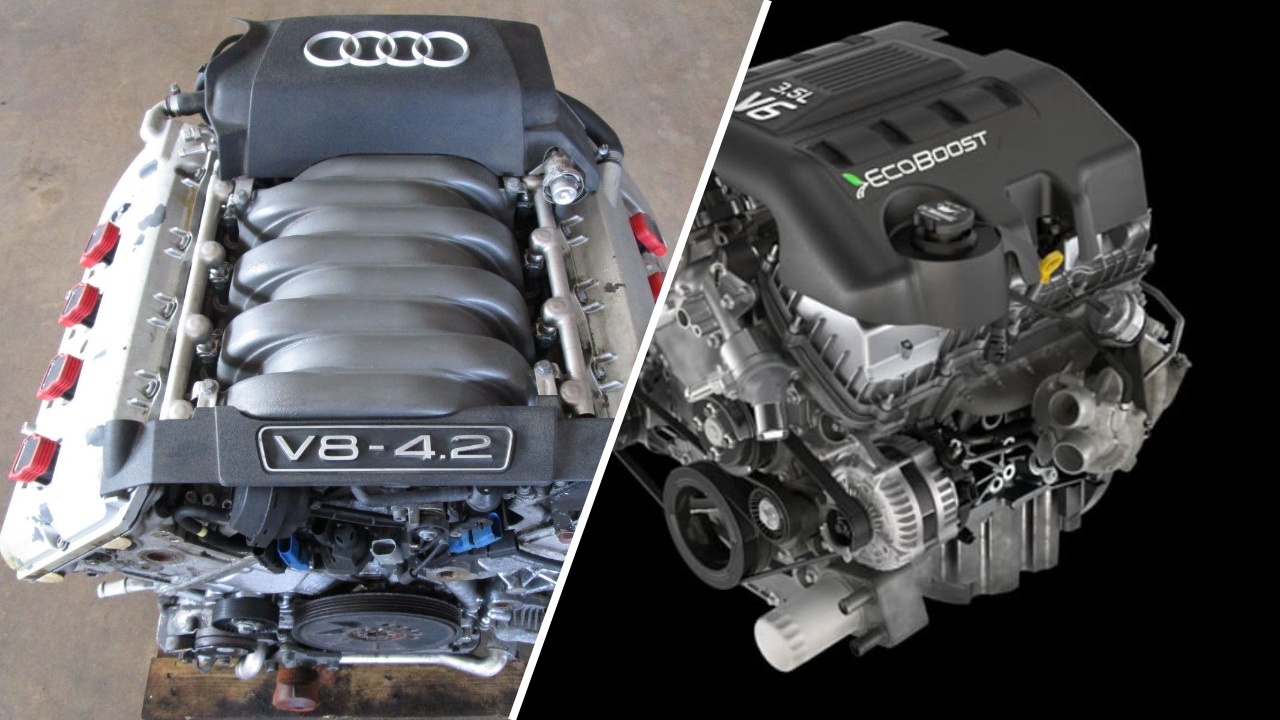
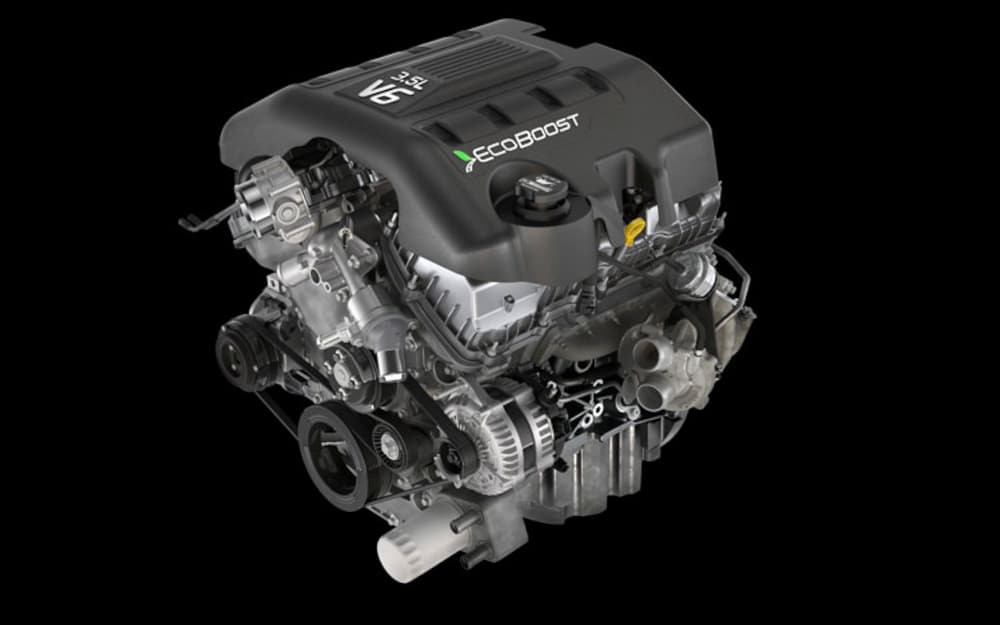
The first-generation 3.5-liter EcoBoost V6, introduced in vehicles such as the Ford F-150, Ford Expedition, Lincoln Navigator, and Ford Flex, delivers impressive power through twin turbochargers. Unfortunately, its packaging also creates one of the most labor-intensive valve cover gasket replacements among mainstream American engines.
The valve cover gasket itself is inexpensive. An OEM-quality gasket set typically costs between $20 and $50, depending on the supplier. The challenge is access.
On many longitudinal applications, especially trucks and large SUVs, the rear valve cover sits extremely close to the firewall. Numerous components must be removed before technicians can even reach the fasteners.
Factory service procedures require removal of intake plumbing, intercooler piping, ignition coils, wiring harness brackets, vacuum lines, and portions of the intake manifold.
In several applications, technicians also loosen or reposition additional components simply to gain enough clearance for the rear valve cover. Flat-rate labor guides commonly estimate 8 to 12 labor hours, depending on the model.
At average U.S. dealership labor rates of $150 to $200 per hour, labor alone can easily exceed $1,500, even though the gasket itself costs only a small fraction of that amount. Independent repair shops often charge less, but the repair remains expensive because the majority of the bill comes from labor rather than parts.
Owners usually notice burning oil smells, light smoke from the engine compartment, or oil collecting around the rear cylinder head as the gasket ages. Addressing the leak early helps prevent oil from reaching ignition components or turbocharger-related hardware.
This repair perfectly demonstrates how engine packaging influences maintenance costs. The gasket is inexpensive, but the amount of disassembly required transforms a simple sealing component into a major repair.
2. Audi 4.2L V8 (B6/B7 S4)
Common High-Labor Gasket: Valve Cover Gasket
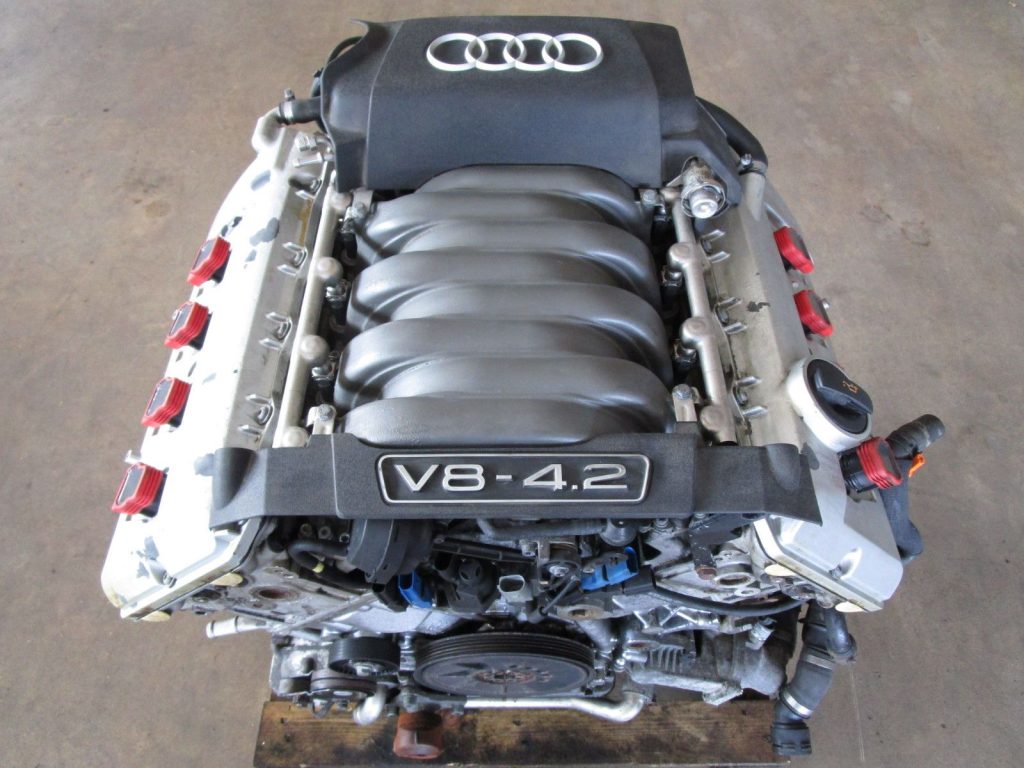
Audi’s naturally aspirated 4.2-liter V8 used in the B6 and B7 S4 has earned praise for its smooth power delivery, but technicians also recognize it as one of the most tightly packaged V8 engines ever installed in a midsize sedan.
The compact engine bay leaves very little working room along the sides of the cylinder heads, making what appears to be a simple valve cover gasket replacement far more labor-intensive than the part price suggests.
A quality valve cover gasket set generally costs between $25 and $60. However, replacing the gaskets requires removing numerous intake components, ignition coils, breather hoses, electrical connectors, and other accessories before the valve covers can even be accessed.
Clearance between the engine and the chassis is so limited that technicians often spend considerably more time removing surrounding parts than replacing the gasket itself.
Factory labor guides commonly estimate 8 to 10 labor hours for the complete job, depending on the vehicle configuration.
With dealership labor rates in many parts of the United States ranging from $160 to more than $200 per hour, labor charges alone frequently approach or exceed $1,500 before parts, shop supplies, and taxes are added.
The first warning sign is usually the smell of burning oil after the engine reaches operating temperature. Oil leaking from the valve covers can drip onto hot exhaust components, producing smoke and unpleasant odors. If the leak becomes severe, oil may also contaminate ignition coil wells, leading to misfires and additional repair costs.
Because access is so limited, many owners choose to replace spark plugs, ignition coils, and breather components during the same repair to avoid paying for similar labor twice. The inexpensive gasket itself is rarely the reason for the high bill.
Instead, it is the exceptionally crowded engine compartment that turns a basic sealing repair into a costly service.
3. BMW N63 4.4L Twin-Turbo V8
Common High-Labor Gaskets: Valve Stem Seal Service and Upper Engine Gaskets
BMW’s N63 twin-turbocharged V8 is one of the best-known examples of an engine where labor costs dramatically outweigh the price of individual sealing components.
Introduced in models such as the 550i, 650i, 750i, X5 xDrive50i, X6 xDrive50i, and several other BMWs, the N63 uses a unique “hot-V” design that places both turbochargers inside the engine’s V rather than on the outside.
Many of the gaskets involved during upper-engine repairs, including valve cover gaskets and various intake sealing gaskets, cost only $20 to $50 individually. The difficulty comes from reaching them. The hot-V layout packs turbochargers, coolant lines, oil lines, heat shields, intake plumbing, and wiring into an extremely confined space.
Replacing leaking upper-engine gaskets frequently requires removing numerous surrounding components before the actual gasket replacement can even begin.
Factory labor guides commonly estimate 10 to 15 labor hours depending on the repair and vehicle model. At dealership labor rates that often range between $170 and $220 per hour in many U.S. metropolitan areas, labor alone can exceed $1,500, even though the sealing components themselves remain relatively inexpensive.
Owners usually notice burning oil odors, light smoke from beneath the hood, or oil accumulating around the cylinder heads. Many independent BMW specialists recommend combining valve cover gasket replacement with ignition coils, spark plugs, and breather hoses because so much labor overlaps.
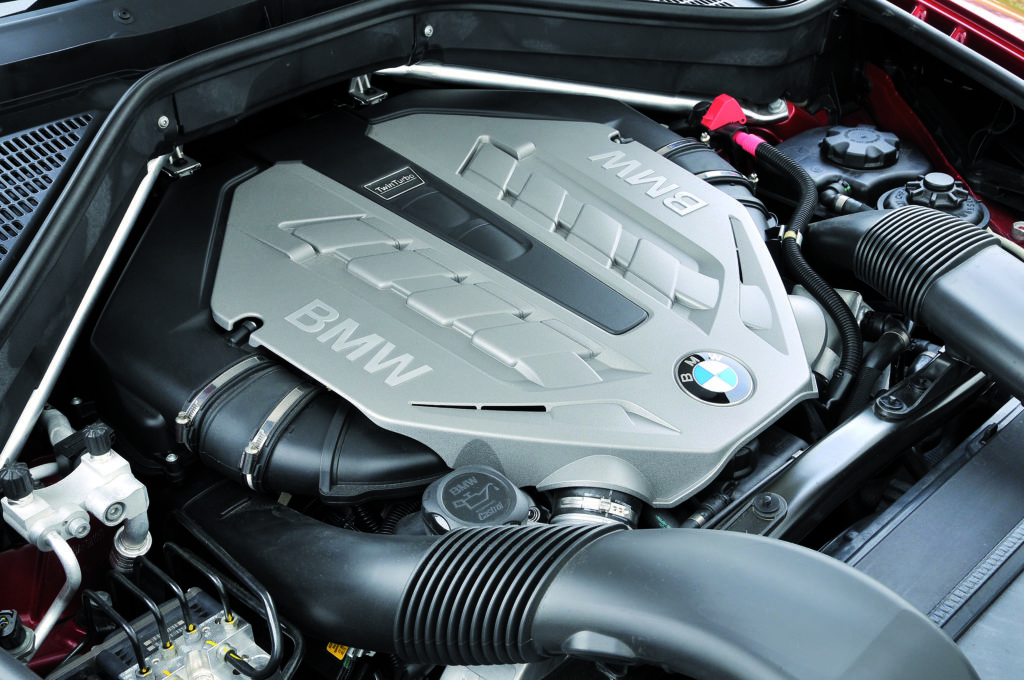
The N63 illustrates how advanced engineering can complicate maintenance. The gasket itself is inexpensive, but the tightly packaged turbocharged design makes access exceptionally time-consuming.
4. Cadillac Northstar 4.6L V8
Common High-Labor Gasket: Oil Manifold Plate Gasket
The Cadillac Northstar V8 developed a reputation for smooth performance, but technicians also know it for one repair where an inexpensive gasket creates an expensive labor bill. One of the most common examples involves the oil manifold plate gasket, sometimes called the lower crankcase gasket.
The gasket itself generally costs between $20 and $40, yet replacing it is anything but simple. Unlike many engines where the leaking gasket is accessible from above, the Northstar’s oil manifold plate sits deep within the engine assembly. According to GM service procedures, the powertrain must typically be removed from the vehicle to gain proper access.
Removing the engine and transaxle assembly requires disconnecting suspension components, wiring harnesses, cooling system plumbing, exhaust connections, steering components, and drivetrain hardware. Once the engine is out, technicians can finally disassemble the lower engine structure to reach the gasket.
Flat-rate labor guides commonly estimate 12 to 16 labor hours depending on the vehicle model and repair being performed. At dealership labor rates between $150 and $200 per hour, labor charges alone frequently reach or exceed $1,500, while the gasket itself remains one of the least expensive parts involved.
Many owners discover the problem after noticing persistent oil leaks underneath the vehicle despite replacing easier-to-access gaskets.
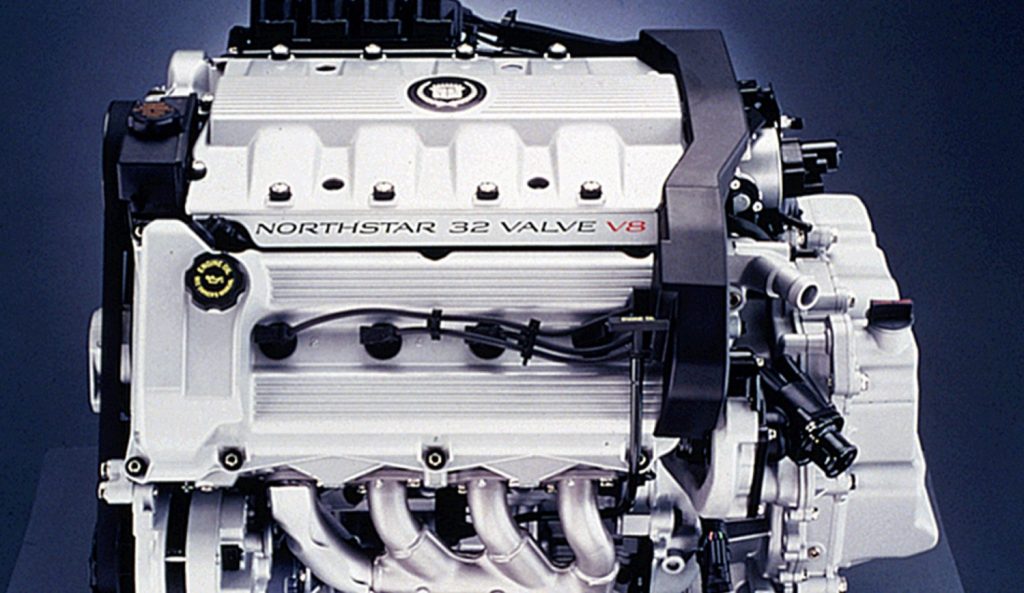
Because engine removal represents the majority of the repair cost, technicians often recommend replacing additional seals, mounts, cooling hoses, and other wear items while the powertrain is already out of the vehicle.
The Northstar demonstrates how engine architecture can transform a low-cost gasket into one of the most expensive oil leak repairs in the luxury car segment.
5. Subaru EZ36 3.6L Flat-Six
Common High-Labor Gasket: Timing Cover Gasket
Subaru’s 3.6-liter EZ36 flat-six, found in models such as the Outback 3.6R, Legacy 3.6R, and Tribeca, is known for smooth power delivery and durability. However, technicians also recognize that repairing oil leaks from the front timing cover can become an expensive job even though the sealing material itself costs very little.
Unlike many engines that use a conventional paper gasket, the EZ36 timing cover is sealed with RTV sealant. The sealant required for the repair typically costs less than $20, yet reaching the cover requires extensive disassembly.
The radiator cooling fans, accessory drive system, crankshaft pulley, front engine accessories, and multiple front engine components must all be removed before technicians can separate the timing cover from the engine block.
Cleaning the old sealant is one of the most time-consuming parts of the repair. Every trace of the original material must be removed carefully without damaging the aluminum sealing surfaces. After applying fresh sealant, the cover must be installed precisely to prevent future leaks.
Flat-rate labor guides generally estimate 9 to 12 labor hours depending on the vehicle and equipment level. At dealership labor rates commonly ranging from $160 to $200 per hour, labor alone can exceed $1,500, even though the actual sealing material costs only a fraction of the final invoice.
Because so much labor overlaps, many Subaru specialists recommend replacing the water pump, thermostat, drive belt components, and front crankshaft seal during the same repair if they show signs of wear. Doing so can prevent another major teardown later.
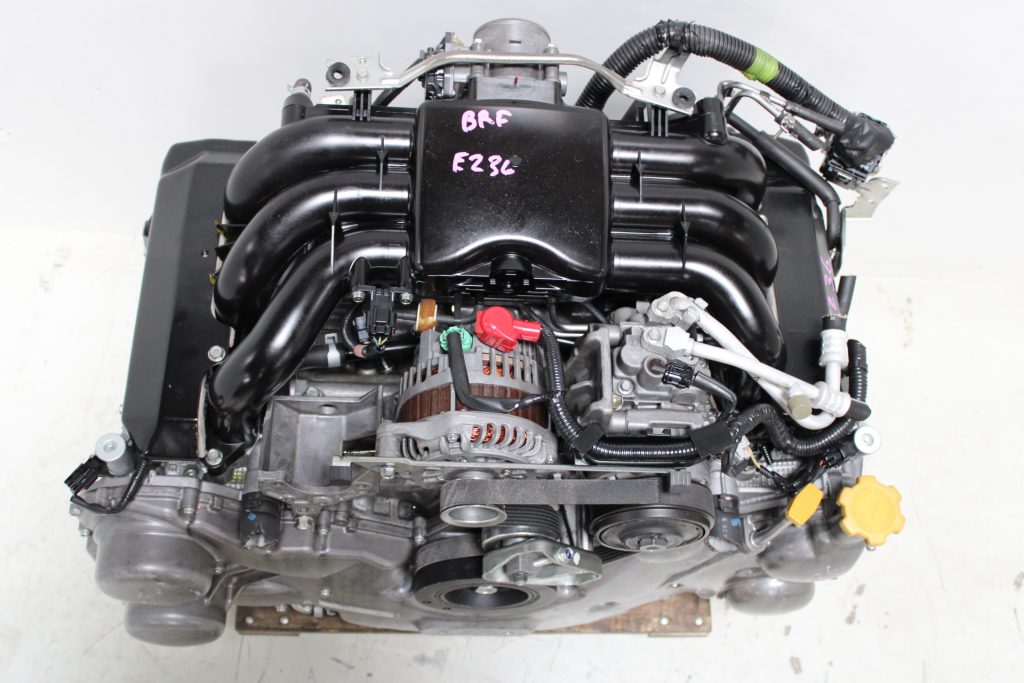
The EZ36 is a perfect illustration that the least expensive part of a repair is not always what determines the final bill. Access and labor are the primary reasons this seemingly simple oil leak becomes costly.
6. Lexus LS 460 1UR-FSE 4.6L V8
Common High-Labor Gasket: Valley Plate Gasket
Toyota’s 1UR-FSE V8, used in the Lexus LS 460, has earned praise for refinement and longevity, but one particular oil leak can surprise owners with its repair cost. The valley plate gasket sits beneath the intake manifold in the center of the engine, hidden between the two cylinder banks.
The gasket itself usually costs $20 to $40, but accessing it requires removing the intake manifold, throttle body assemblies, fuel system components, wiring harnesses, coolant crossover pipes, and numerous brackets before technicians can reach the leaking area.
Most of the repair time is spent removing and reinstalling surrounding components rather than replacing the gasket.
Labor guides commonly estimate 9 to 11 hours for the complete procedure. At luxury dealership labor rates that often exceed $175 per hour, labor costs alone can approach or surpass $1,500 depending on the region. Once taxes, coolant replacement, intake gaskets, and shop supplies are included, the total repair bill climbs even higher.
Owners generally notice oil collecting in the valley of the engine or a burning oil smell after the leak reaches hot engine components. Because the intake manifold must already be removed, many technicians recommend replacing coolant hoses, knock sensor wiring, intake gaskets, and other aging rubber components during the same service.
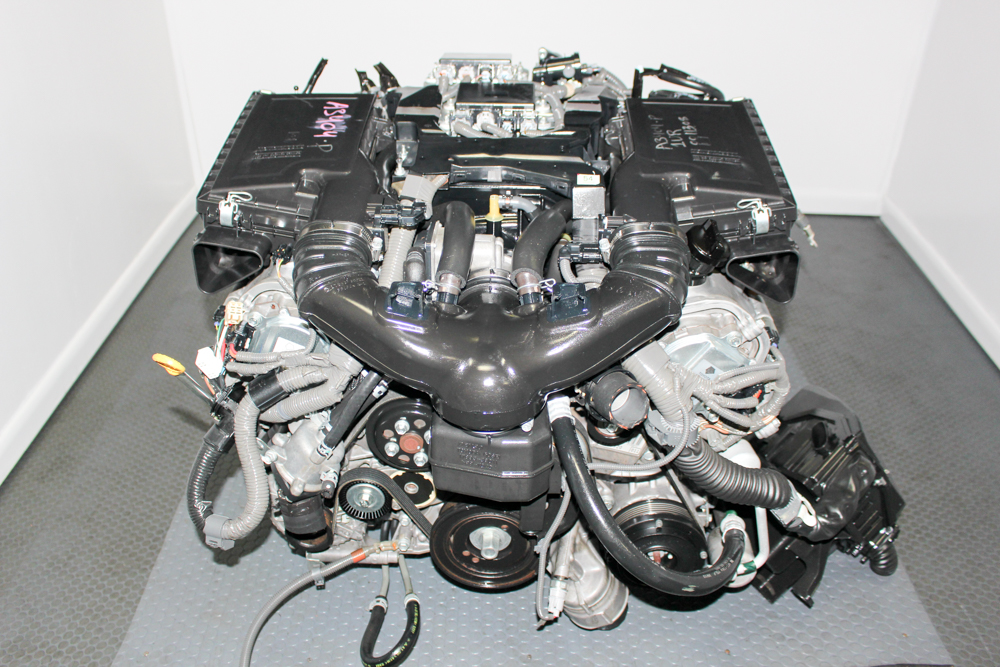
The engine itself is highly reliable, but its tightly packaged V8 layout makes one inexpensive gasket responsible for a repair bill that is almost entirely labor. It remains one of the clearest examples of how engine design influences long-term maintenance costs.
7. Porsche M96 Flat-Six
Common High-Labor Gasket: Rear Main Seal
The Porsche M96 flat-six, used in the 1997 to 2008 Boxster and the 1999 to 2008 911 Carrera, is widely recognized for one repair where an inexpensive sealing component results in a substantial labor bill.
The rear main seal itself typically costs between $20 and $40, but replacing it requires separating the engine from the transmission because the seal is mounted at the rear of the crankshaft behind the flywheel.
Factory service procedures require removal of the transmission and clutch assembly on manual models or the torque converter connection on automatic models, along with several underbody components before the seal can be accessed.
None of these parts are particularly difficult individually, but the amount of disassembly adds significant labor time.
Professional labor guides generally estimate 10 to 14 labor hours depending on the vehicle configuration and whether additional work such as clutch replacement is performed simultaneously.
At Porsche dealership labor rates that commonly exceed $200 per hour in many U.S. markets, labor charges alone frequently surpass $1,500, while the rear main seal remains one of the least expensive parts involved.
Owners typically discover the issue after noticing engine oil dripping between the engine and transmission bellhousing or finding oil spots beneath the rear of the vehicle.
Because the transmission must already be removed, experienced Porsche technicians often recommend replacing the clutch, pilot bearing, release bearing, and flywheel hardware during the same repair if wear is evident. Doing so can eliminate the need to pay for the same labor again later.
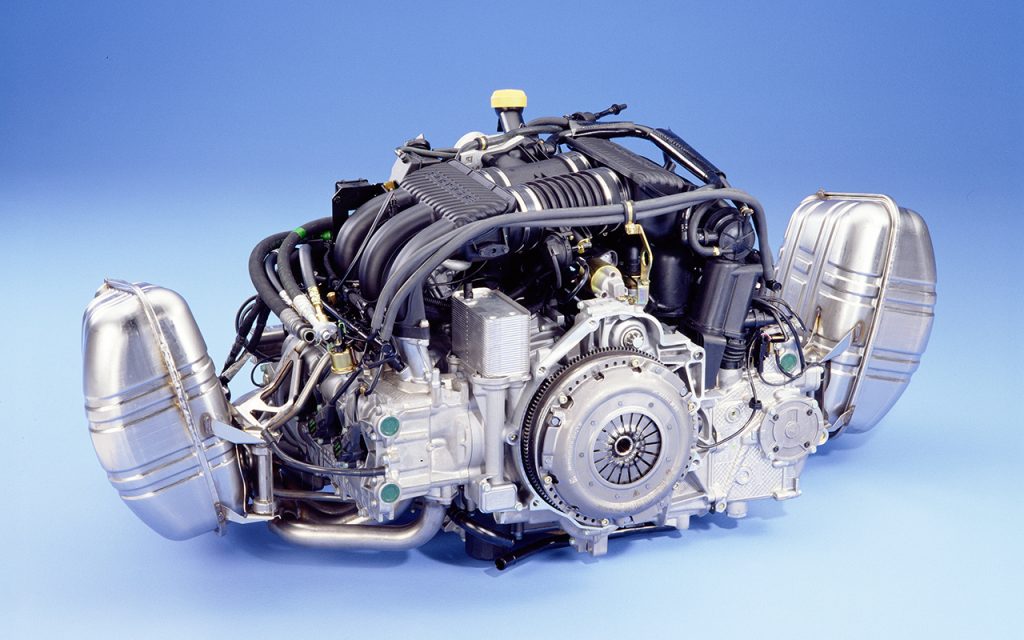
The M96 demonstrates that gasket and seal prices tell only a small part of the repair story. The real expense comes from the extensive labor needed to reach a component that costs only a few dollars.
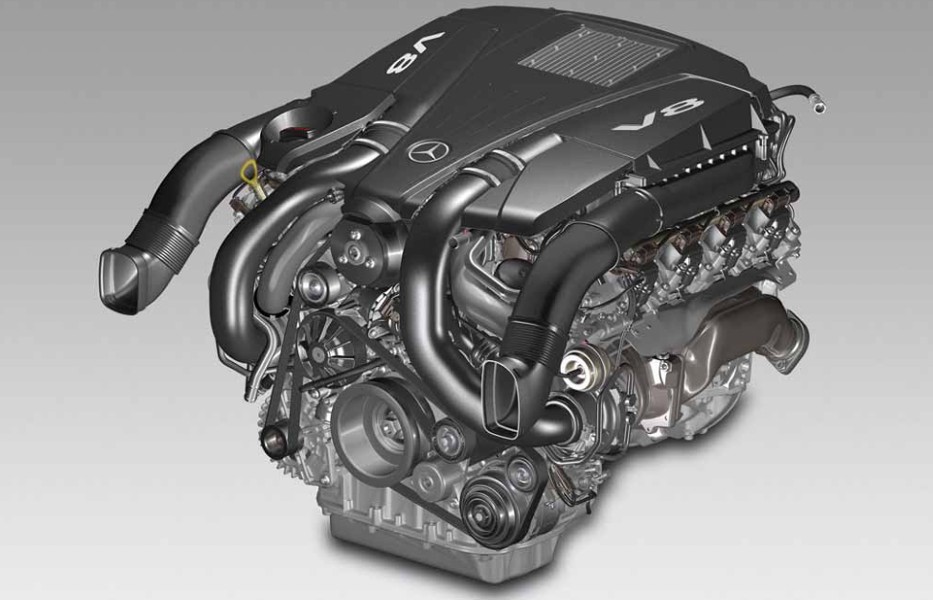
8. Mercedes-Benz M278 4.7L Twin-Turbo V8
Common High-Labor Gasket: Oil Cooler Seals
Mercedes-Benz’s M278 twin-turbocharged V8 powers vehicles such as the S550, CLS550, GL550, ML550, and several AMG-adjacent models.
One of its better-known oil leak repairs involves the oil cooler seals located deep within the engine’s V. While the seals themselves generally cost less than $20, accessing them requires removing much of the engine’s upper assembly.
The oil cooler sits beneath the intake manifold between the cylinder banks. Reaching it requires removing the air intake system, intake manifold, fuel rails, electrical connectors, vacuum hoses, coolant lines, and multiple engine covers before technicians can finally access the leaking seals.
The repair is made even more challenging by the engine’s compact hot-V design, where available workspace is extremely limited.
Flat-rate labor guides typically estimate 10 to 13 labor hours for the complete procedure. At dealership labor rates commonly ranging from $170 to over $220 per hour, labor alone frequently exceeds $1,500 before replacement fluids, intake gaskets, and other related parts are added to the invoice.
Owners often notice oil pooling in the engine valley, burning oil odors, or light smoke rising from beneath the hood after the oil reaches hot engine surfaces.
Because the intake system is already removed, many Mercedes specialists recommend replacing intake seals, coolant hoses, and other aging rubber components during the same service to minimize future labor expenses.
The M278 is an excellent example of how sophisticated engine packaging can dramatically increase repair costs. Although the sealing parts are inexpensive, the extensive disassembly required to reach them makes labor the dominant factor in the final repair bill.
Also Read: 10 Automakers That Build the Most Vehicles in America, Ranked
