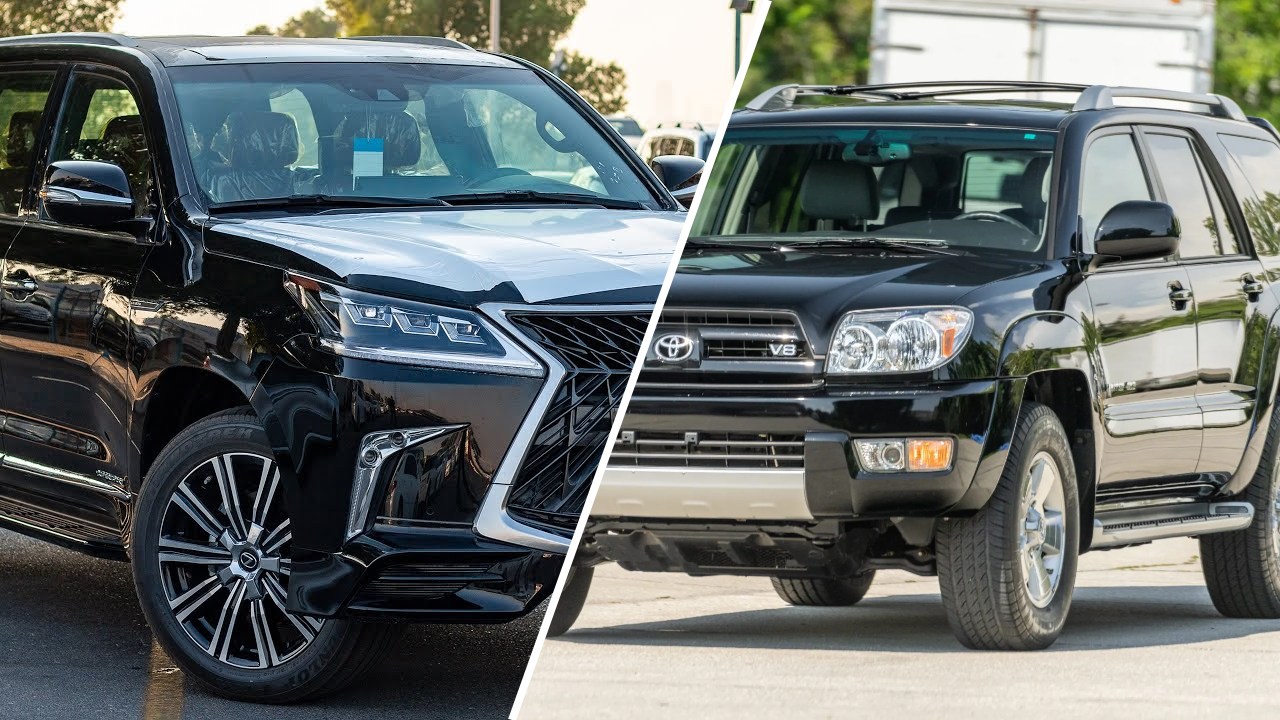
Most starter motors are mounted low on the engine near the transmission bellhousing, allowing replacement within one to three labor hours. However, several manufacturers chose a different approach by placing the starter inside the engine valley beneath the intake manifold.
While this location protects the starter from road debris and heat from the exhaust system, it dramatically increases labor costs because technicians must remove the intake manifold and related components before reaching the part.
In many cases, labor costs exceed the price of the starter itself. Here are ten U.S.-market vehicles known for hiding the starter beneath the intake manifold.
Also Read: 10 Most Expensive Motorcycles Ever Sold In The US
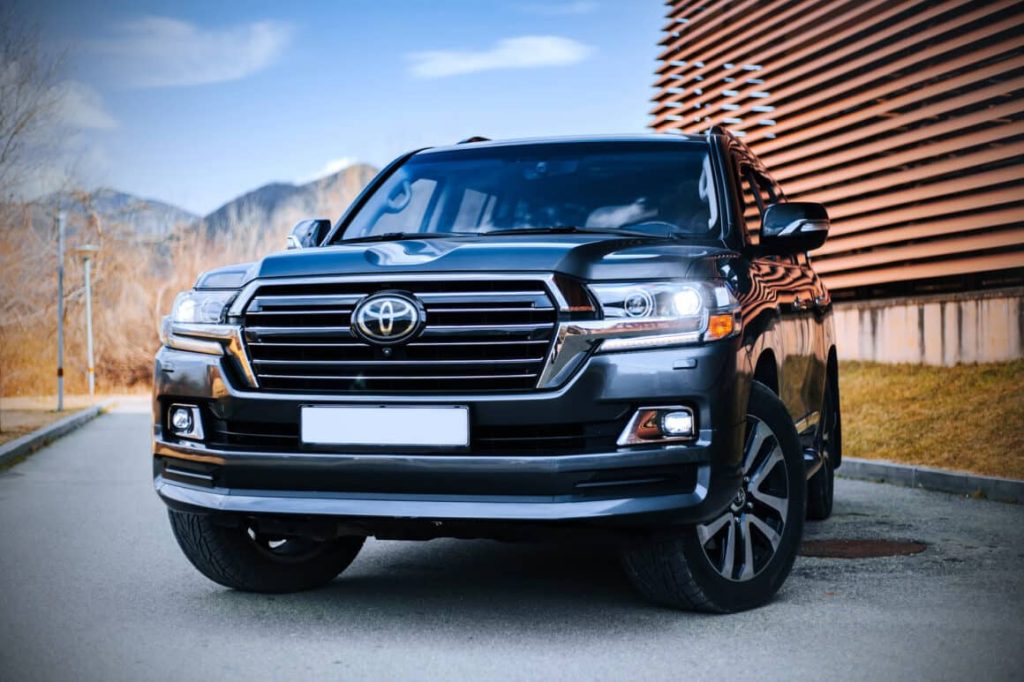
1. Toyota Tundra 5.7L V8 (3UR-FE)
The second-generation Toyota Tundra equipped with the 5.7-liter 3UR-FE V8 is well known for durability, routinely exceeding 200,000 miles with proper maintenance.
Yet one repair surprises many owners the first time it becomes necessary: replacing the starter motor. Instead of mounting the starter on the outside of the engine block, Toyota located it deep inside the engine valley beneath the intake manifold.
The design shields the starter from water, dirt, and road salt, contributing to long service life, but it also creates one of the more labor-intensive starter replacements in the full-size pickup segment.
Accessing the starter requires removing the engine cover, intake tubing, throttle body connections, upper intake manifold, wiring harnesses, fuel-related components, and numerous vacuum and coolant hoses. Every gasket disturbed during the process should be replaced before reassembly to prevent vacuum leaks or coolant seepage.
Fortunately, starter failures on the 3UR-FE are relatively uncommon compared with many other trucks. When replacement eventually becomes necessary, however, labor accounts for most of the repair bill.
Flat-rate labor guides generally estimate approximately 4.5 to 6.0 labor hours, depending on model year and equipment. In many repair shops, labor charges exceed the cost of the starter motor itself.
Many technicians recommend replacing the intake manifold gaskets while everything is apart because the additional parts cost is relatively low compared with repeating the labor later. Inspecting coolant hoses and knock sensor wiring during the repair is also common because these components become easily accessible only after the intake manifold is removed.
Although the hidden starter design increases repair costs, it has helped many original starters last well over 150,000 miles before requiring replacement.
Specifications
- Engine: 5.7-liter Naturally Aspirated DOHC V8
- Torque: 401 lb-ft
- Horsepower: 381 hp
- Length/Width: 228.9 inches / 79.9 inches
2. Toyota Sequoia 5.7L V8 (3UR-FE)
Sharing its powertrain with the Tundra means the Toyota Sequoia also inherits one of the most inaccessible starter locations in the SUV market. The 5.7-liter 3UR-FE V8 places the starter beneath the aluminum intake manifold, hidden in the center of the engine valley.
While this configuration protects the starter from external contamination, it transforms a normally straightforward repair into a time-consuming procedure.
The repair begins by disconnecting the battery and removing intake components before technicians carefully disconnect sensors, electrical connectors, vacuum lines, and fuel-related hardware attached to the intake manifold.
Only after lifting the manifold away can the starter finally be accessed. Because dozens of fasteners and connectors must be removed and reinstalled correctly, attention to detail is essential during the repair.
Professional labor guides typically estimate 4.5 to 6.0 labor hours for starter replacement on the 5.7-liter Sequoia. Actual shop time may increase if corrosion, seized fasteners, or additional maintenance items are discovered during disassembly.
For owners, this means labor frequently represents the largest portion of the repair invoice rather than the starter itself.
Experienced technicians often recommend replacing intake manifold seals and inspecting coolant crossover components while access is available. Addressing these maintenance items during the same repair helps reduce future labor costs because reaching those parts again requires repeating much of the same disassembly.

The Sequoia continues to earn praise for long-term reliability, making starter replacement an infrequent event for many owners. Nevertheless, when the repair does become necessary, its hidden starter location remains one of the primary reasons the total bill is significantly higher than buyers might expect.
Specifications
- Engine: 5.7-liter Naturally Aspirated DOHC V8
- Torque: 401 lb-ft
- Horsepower: 381 hp
- Length/Width: 205.1 inches / 79.9 inches
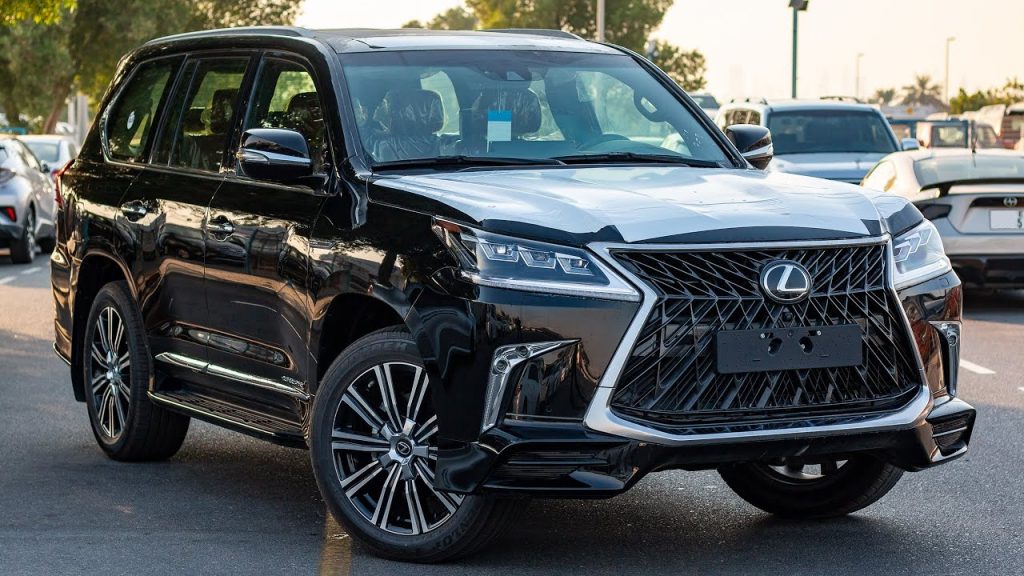
3. Lexus LX 570 (5.7L 3UR-FE V8)
Luxury SUVs often promise lower ownership stress, but the Lexus LX 570 shares its proven 5.7-liter 3UR-FE V8 with the Toyota Land Cruiser and Tundra, including the starter motor hidden beneath the intake manifold.
The design reflects Toyota’s focus on long-term durability rather than ease of service. By locating the starter in the engine valley, engineers protected it from water, mud, and road salt, reducing exposure to conditions that commonly shorten starter life.
The downside becomes apparent when replacement is necessary. The intake manifold must be removed before technicians can even see the starter. This requires disconnecting multiple electrical connectors, vacuum lines, intake plumbing, and throttle body components.
Because the engine is packed tightly inside the LX 570’s engine bay, careful organization during disassembly is essential to avoid damaging sensors or wiring.
Most professional labor guides estimate approximately 4.8 to 6.2 labor hours for starter replacement. While the starter itself may not be especially expensive, labor charges often become the largest part of the repair invoice. Luxury vehicle labor rates can increase the total cost even further.
Experienced Lexus technicians frequently recommend replacing intake manifold gaskets during reassembly because they must already be removed to access the starter. It is also a convenient opportunity to inspect coolant hoses, ignition coils, and knock sensor wiring located beneath the manifold.
Fortunately, the hidden location contributes to excellent starter longevity. Many original LX 570 starters continue operating well beyond 150,000 miles before showing signs of wear. Although replacement is expensive when required, it is usually an infrequent repair during the vehicle’s ownership life.
Specifications
- Engine: 5.7-liter Naturally Aspirated DOHC V8
- Torque: 403 lb-ft
- Horsepower: 383 hp
- Length/Width: 200.0 inches / 78.0 inches
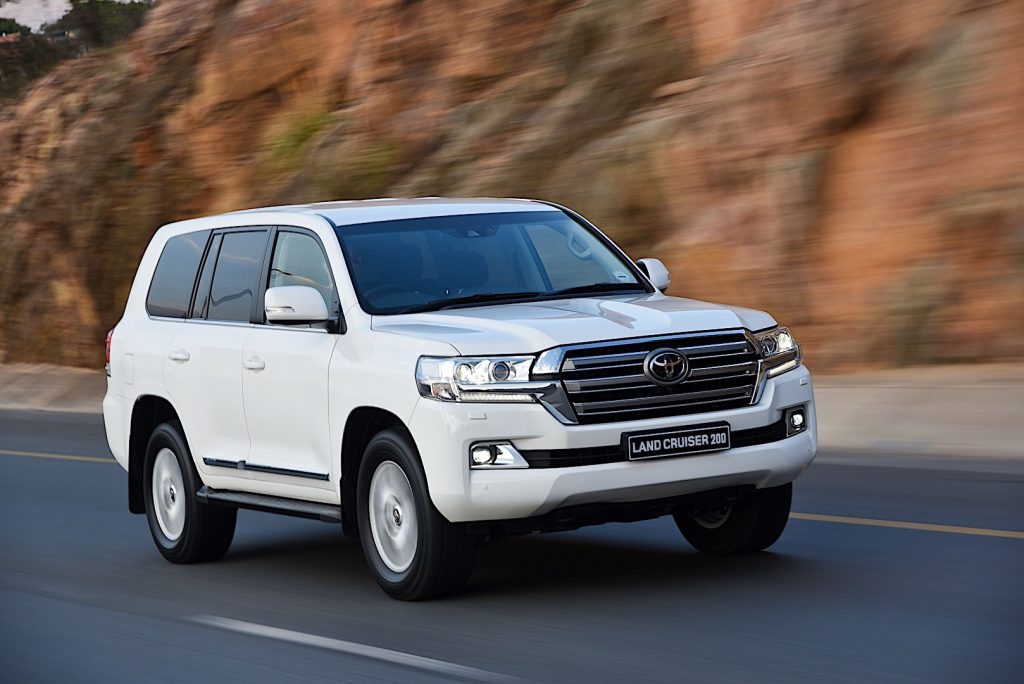
4. Toyota Land Cruiser (200 Series 5.7L V8)
The Toyota Land Cruiser has earned worldwide respect for durability, especially among owners who drive in remote environments where reliability matters more than repair convenience.
That philosophy explains why Toyota positioned the starter beneath the intake manifold on the 5.7-liter V8. Shielding the starter from moisture, debris, and extreme off-road conditions helps maximize service life, but replacing it requires considerably more labor than on most full-size SUVs.
Unlike externally mounted starters that can often be changed from underneath the vehicle, the Land Cruiser’s starter remains completely inaccessible until the upper intake manifold is removed.
The repair involves disconnecting the air intake assembly, throttle body connections, electrical harnesses, vacuum hoses, and several supporting brackets before lifting the intake away.
Flat-rate repair manuals generally list 4.8 to 6.2 labor hours for the complete procedure. Shops familiar with Toyota’s 3UR-FE engine may complete the work efficiently, but first-time technicians often spend additional time carefully labeling hoses and electrical connectors to ensure proper reassembly.
Because so much of the engine becomes exposed during the repair, many owners choose to perform additional preventive maintenance at the same visit. Intake manifold gaskets, PCV components, and nearby coolant hoses are commonly replaced since the additional parts cost is small compared with repeating several hours of labor later.
The Land Cruiser’s starter location demonstrates Toyota’s long-term engineering priorities. While the repair is labor-intensive, the protected mounting position contributes to exceptional reliability, allowing many original starters to provide dependable service for well over a decade before replacement becomes necessary.
Specifications
- Engine: 5.7-liter Naturally Aspirated DOHC V8
- Torque: 401 lb-ft
- Horsepower: 381 hp
- Length/Width: 194.9 inches / 78.0 inches
5. Toyota Tacoma 4.0L V6 (1GR-FE)
The Toyota Tacoma built with the 4.0-liter 1GR-FE V6 is recognized for its durability and strong resale value, but owners are often surprised to learn that the starter is not mounted where it is on most pickup trucks.
Toyota positioned it beneath the intake manifold in the engine valley, prioritizing protection over accessibility. While this location shields the starter from water crossings, road debris, and corrosion, it also means considerably more work when replacement becomes necessary.
A failed starter on the Tacoma cannot simply be unbolted from underneath the truck. The repair begins from the top of the engine. Technicians remove the engine cover, intake ducting, throttle body connections, and upper intake manifold before gaining access to the starter.
Numerous electrical connectors, vacuum hoses, and brackets must be disconnected and reinstalled correctly to avoid drivability issues after the repair.
Professional labor guides typically estimate 3.8 to 5.2 labor hours for replacing the starter on the 1GR-FE V6. The exact time varies by model year and drivetrain configuration, but labor consistently represents the majority of the repair cost. In many cases, the technician spends several hours reaching the starter and only a few minutes replacing it.
Toyota technicians frequently recommend installing new intake manifold gaskets during reassembly because the originals are compressed once removed. Since the intake is already off, many shops also inspect ignition coils, vacuum hoses, and the PCV valve for signs of wear.
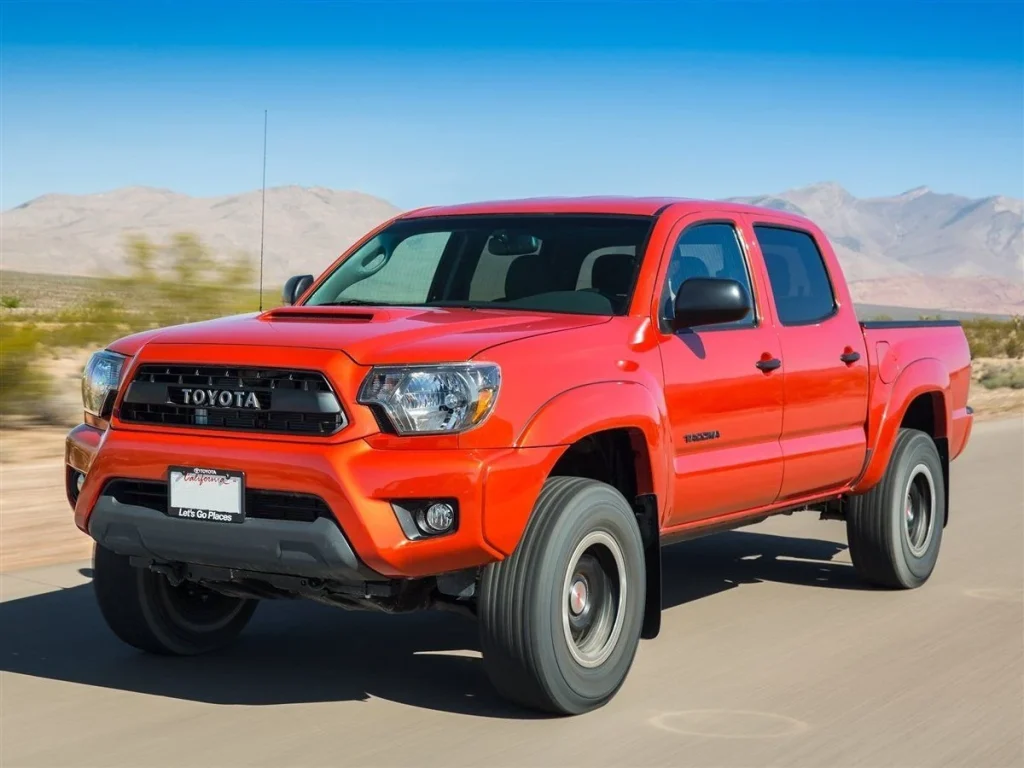
The hidden starter arrangement may frustrate owners during repairs, yet it contributes to impressive longevity. Many original Tacoma starters remain functional well beyond 150,000 miles, making this an infrequent but labor-intensive maintenance event.
Specifications
- Engine: 4.0-liter Naturally Aspirated DOHC V6
- Torque: 266 lb-ft
- Horsepower: 236 hp
- Length/Width: 208.1 inches / 74.6 inches
6. Toyota FJ Cruiser (4.0L 1GR-FE V6)
Built for trails rather than repair bays, the Toyota FJ Cruiser follows the same engineering philosophy as the Tacoma by placing its starter beneath the intake manifold.
Owners who regularly drive through mud, sand, snow, or shallow water benefit from the protected mounting position because the starter is far less exposed to harsh environmental conditions than conventional external installations.
That advantage comes with a tradeoff. Starter replacement begins with removing the upper intake manifold before the starter can even be reached. The technician must disconnect intake plumbing, electrical connectors, vacuum lines, and supporting hardware while carefully keeping dirt out of the exposed intake ports.
Precision during reassembly is just as important as disassembly because a missed connector or vacuum leak can trigger warning lights or poor engine performance.
Industry labor guides generally list 3.8 to 5.2 labor hours for replacing the starter on the 4.0-liter FJ Cruiser. Since the starter itself is usually straightforward to replace once exposed, the labor charge primarily reflects the time required to remove and reinstall surrounding components rather than the actual installation of the new part.
Many repair facilities take advantage of the opened engine valley by replacing intake manifold gaskets and inspecting nearby components such as ignition coils, coolant hoses, and the PCV system.
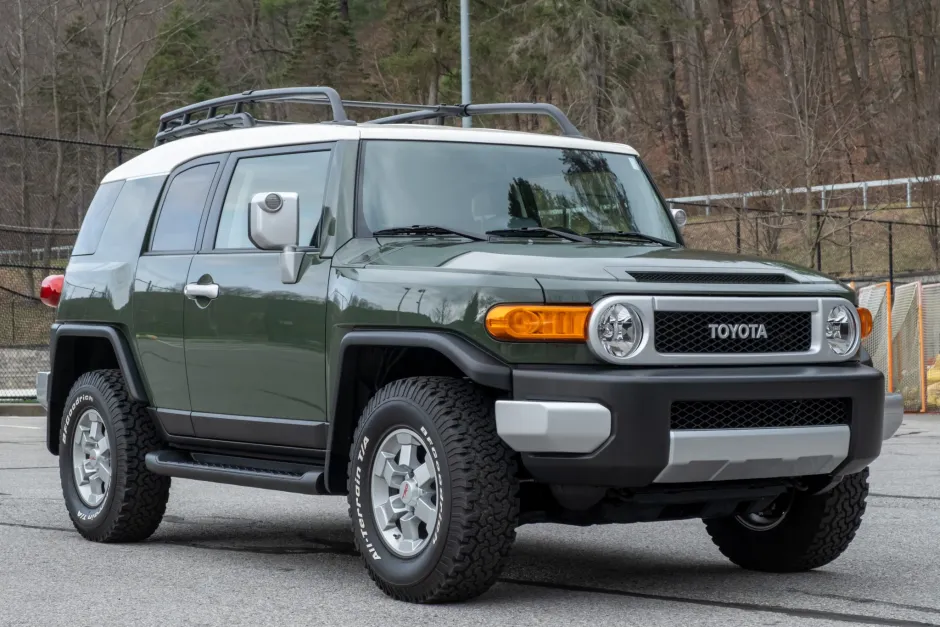
Performing this preventive maintenance during the same visit can reduce future repair costs because the labor to reach those parts has already been completed.
Despite the additional labor, the design has proven dependable in real-world service. Numerous FJ Cruisers continue using their factory-installed starters after well over 150,000 miles, reinforcing Toyota’s emphasis on durability even when servicing becomes more involved.
Specifications
- Engine: 4.0-liter Naturally Aspirated DOHC V6
- Torque: 278 lb-ft
- Horsepower: 260 hp
- Length/Width: 183.9 inches / 75.0 inches
7. Lexus GX 470 (4.7L 2UZ-FE V8)
Owners often praise the first-generation Lexus GX 470 for combining Toyota durability with premium comfort. Hidden beneath that reputation is a service procedure that surprises many first-time owners.
The 4.7-liter 2UZ-FE V8 positions the starter inside the engine valley beneath the intake manifold rather than on the outside of the engine block. This protected location helps shield the starter from moisture, dirt, and off-road debris, but it also means replacing the unit requires substantial disassembly.
The repair starts at the top of the engine. After disconnecting the battery, technicians remove the intake tubing, throttle body connections, engine covers, vacuum hoses, electrical connectors, and finally the upper intake manifold.
Only then is the starter visible. Because dozens of components are removed before the actual starter replacement begins, careful labeling and proper torque procedures during reassembly are essential.
Flat-rate labor manuals generally estimate 4.5 to 6.0 labor hours for this repair. On older GX 470 models driven in snowy regions, seized fasteners or brittle vacuum hoses can increase the time slightly. As a result, labor typically represents a much larger portion of the repair bill than the starter itself.
Experienced Toyota and Lexus technicians often recommend replacing the intake manifold gaskets and PCV valve and inspecting coolant bypass hoses while access is available. These inexpensive maintenance items can prevent future leaks and eliminate the need to repeat several hours of labor later.
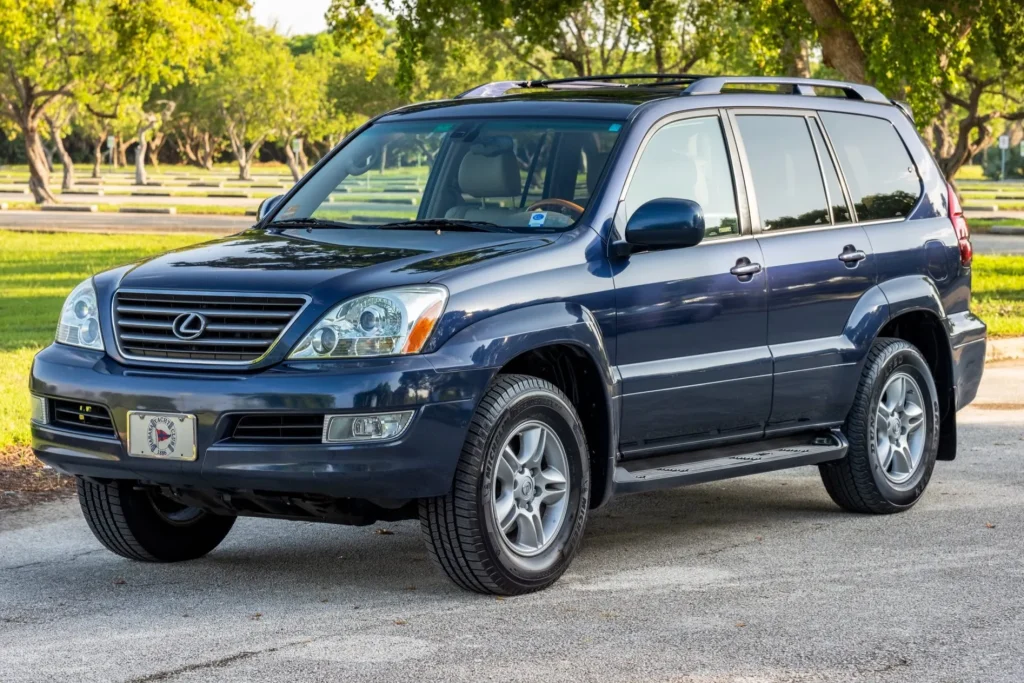
The design may not favor quick repairs, but it has proven effective in extending starter life. Many GX 470 owners report the original starter remaining functional for well beyond 180,000 miles, making this a repair that usually occurs only once during long-term ownership.
Specifications
- Engine: 4.7-liter Naturally Aspirated DOHC V8
- Torque: 320 lb-ft
- Horsepower: 263 hp
- Length/Width: 188.2 inches / 74.0 inches
8. Toyota 4Runner 4.7L V8 (2UZ-FE)
The fourth-generation Toyota 4Runner equipped with the optional 4.7-liter 2UZ-FE V8 earned a reputation as one of the most dependable midsize SUVs sold in America. Its starter placement reflects Toyota’s emphasis on durability instead of repair convenience.
Rather than exposing the starter underneath the vehicle, engineers installed it beneath the intake manifold in the center of the engine. The arrangement protects the electrical components from water, mud, and corrosion, particularly for owners who frequently tow or travel off pavement.
Reaching the starter requires significantly more effort than replacing one mounted externally. Intake components, throttle body hardware, wiring harnesses, vacuum lines, and the upper intake manifold must all be removed before the starter can be unbolted.
Once the manifold is off, the replacement itself is relatively straightforward, but the preparation accounts for the majority of the labor.
Professional service manuals typically list 4.5 to 6.0 labor hours for replacing the starter on the V8-powered 4Runner. Shops that regularly service Toyota trucks may complete the work efficiently, while vehicles with high mileage can require additional time if hoses or connectors have become brittle with age.
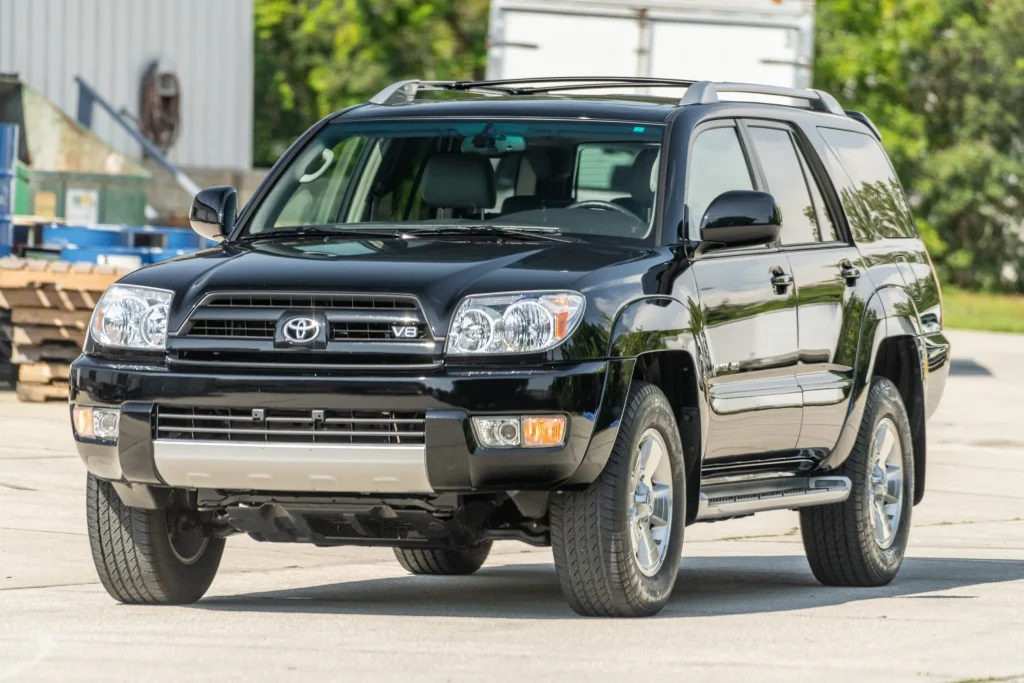
Because the intake manifold is already removed, many technicians recommend replacing manifold gaskets and inspecting nearby cooling system hoses and knock sensor wiring. Performing these inspections during the same repair helps reduce future labor expenses.
Although owners may not appreciate the hidden location when the starter eventually fails, the protected design contributes to excellent long-term reliability. It is not uncommon for factory-installed starters on the 2UZ-FE engine to last 15 years or exceed 200,000 miles before replacement becomes necessary.
Specifications
- Engine: 4.7-liter Naturally Aspirated DOHC V8
- Torque: 306 lb-ft
- Horsepower: 270 hp
- Length/Width: 189.2 inches / 73.8 inches
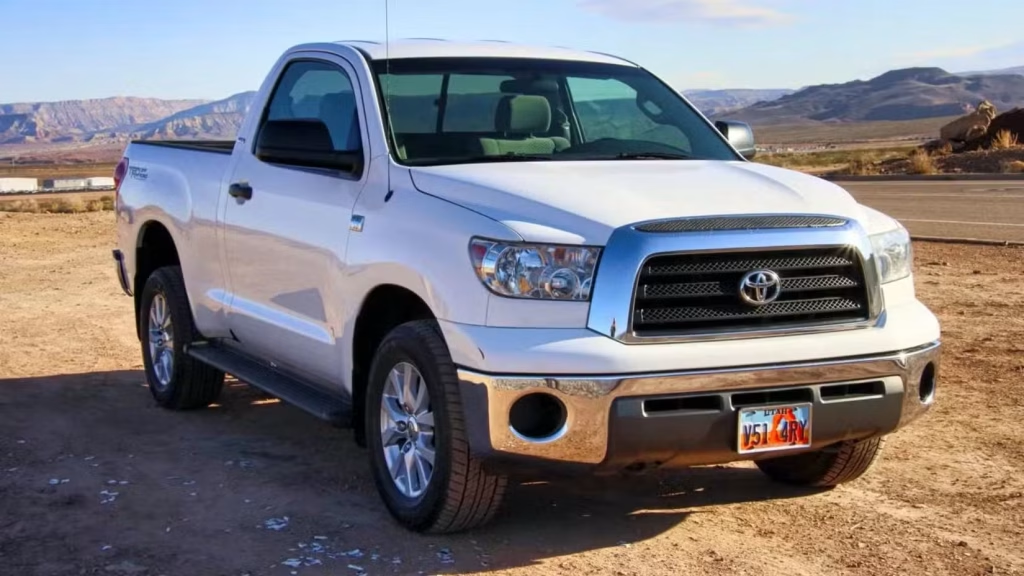
9. Toyota Tundra 4.7L V8 (2UZ-FE)
Long before the 5.7-liter V8 arrived, Toyota offered the Tundra with the legendary 4.7-liter 2UZ-FE V8. That engine built a reputation for remarkable longevity, with many trucks surpassing 300,000 miles on their original drivetrain.
One engineering decision that helped improve starter durability was placing the starter motor beneath the intake manifold instead of exposing it underneath the engine.
For owners, the hidden location is rarely noticed until the starter begins showing signs of failure. Symptoms usually include intermittent cranking, a single click when turning the key, or slow engagement despite a healthy battery.
Unlike many pickup trucks where the starter is accessible from below, replacing the Tundra’s starter requires substantial work on top of the engine.
The procedure involves removing the air intake assembly, disconnecting throttle body components, labeling electrical connectors, removing vacuum hoses, and lifting off the upper intake manifold. Only after these steps can the starter be unbolted from the engine valley.
Because of the extensive disassembly, professional flat-rate manuals generally estimate 4.5 to 6.0 labor hours for the repair.
Most experienced Toyota technicians recommend replacing the intake manifold gaskets during reassembly since they are inexpensive compared with the labor required to access them again.
The repair also provides an excellent opportunity to inspect coolant bypass hoses, wiring harnesses, and the PCV system, all of which are normally hidden beneath the manifold.
Although the labor requirement is significant, the design has proven successful from a reliability standpoint. Many original 2UZ-FE starters remain operational well past 180,000 miles, meaning owners often face this repair only once during the truck’s lifetime.
Specifications
- Engine: 4.7-liter Naturally Aspirated DOHC V8
- Torque: 313 lb-ft
- Horsepower: 271 hp
- Length/Width: 230.1 inches / 79.7 inches
10. Toyota Land Cruiser (100 Series 4.7L 2UZ-FE)
The 100 Series Toyota Land Cruiser was engineered for global durability, serving everyone from American families to humanitarian organizations operating in remote regions. Reliability took priority over repair convenience, and the placement of the starter motor reflects that philosophy.
Rather than mounting it low on the transmission bellhousing, Toyota installed the starter beneath the intake manifold where it remains protected from water, mud, rocks, and road debris.
This hidden placement significantly extends starter life in demanding environments, but it creates a labor-intensive repair once replacement becomes necessary.
The technician must first remove intake ducting, disconnect multiple electrical connectors, vacuum lines, and throttle body hardware, and finally lift away the intake manifold. Only after completing those steps does the starter become accessible.
Industry labor guides generally estimate 4.5 to 6.0 labor hours for replacing the starter on the 4.7-liter Land Cruiser. While the replacement itself is straightforward, most of the billed time is devoted to careful disassembly and reassembly.
Because these vehicles are often kept for decades, older examples may require additional care when handling aging hoses and electrical connectors.
Toyota specialists commonly advise replacing intake manifold gaskets during the repair and inspecting nearby coolant hoses and knock sensor wiring. Completing these maintenance items while the manifold is already removed can prevent future repairs that would otherwise require repeating the same labor-intensive process.
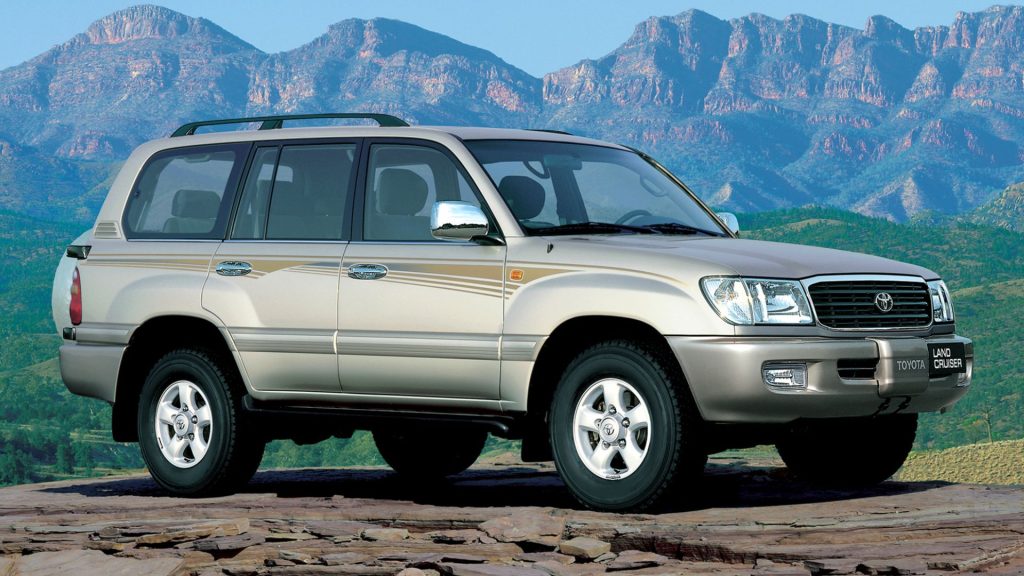
The Land Cruiser remains one of the clearest examples of engineering that favors long-term dependability over service accessibility.
Although owners pay more in labor when the starter eventually fails, many factory-installed units continue working reliably for 200,000 miles or more, validating Toyota’s design priorities.
Specifications
- Engine: 4.7-liter Naturally Aspirated DOHC V8
- Torque: 320 lb-ft
- Horsepower: 235 hp
- Length/Width: 192.5 inches / 76.0 inches
Also Read: 10 Cars With Water Pumps Buried Behind the Timing Cover