
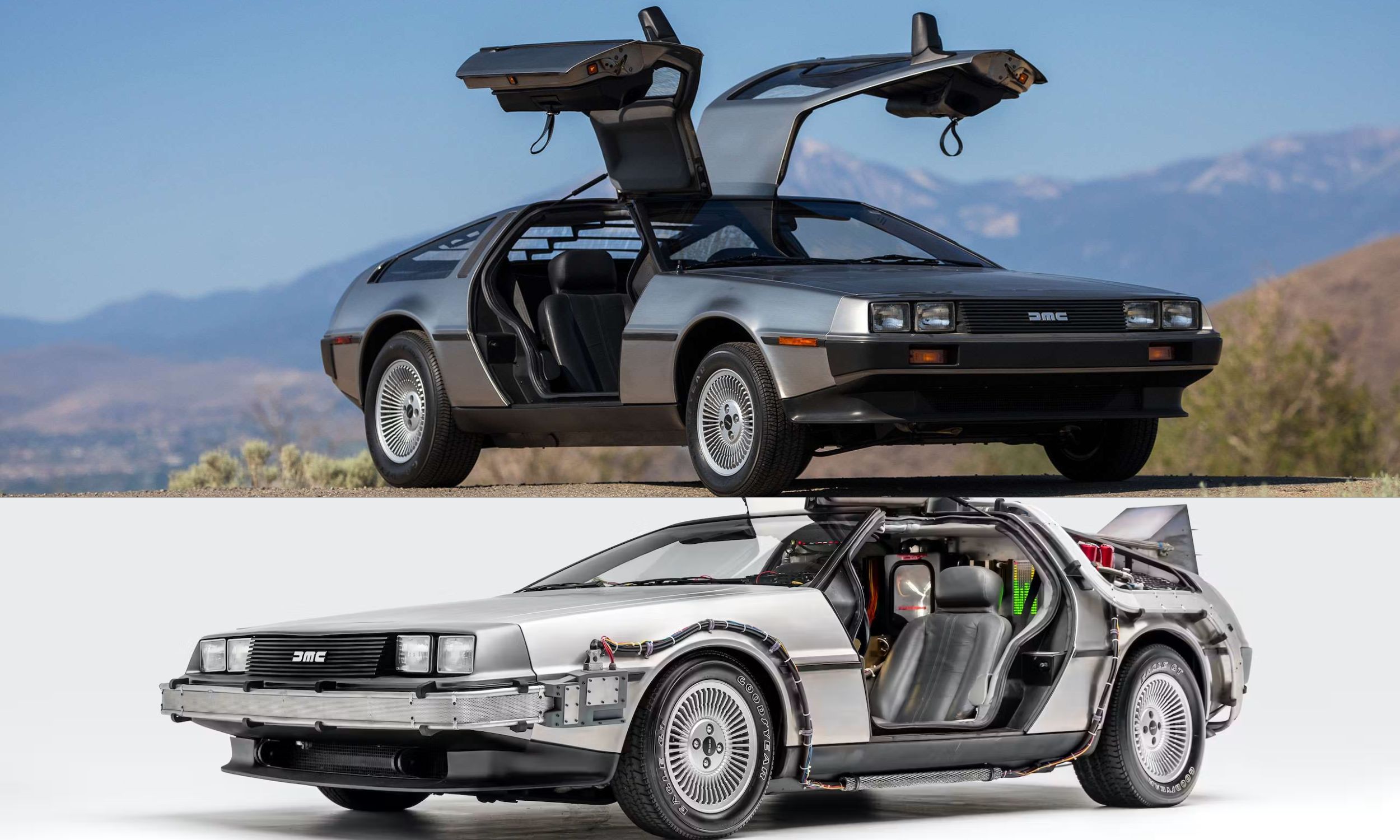
Few automotive stories carry the same mix of ambition, glamour, and heartbreak as the DeLorean Motor Company. Between January 1981 and December 1982, a factory in Northern Ireland turned out roughly 9,000 stainless-steel sports cars with gullwing doors, a design so striking it later became a Hollywood icon.
Behind that shiny exterior sat a company racing against time, cash shortages, and political pressure. This piece looks at how a car built for barely two years became one of the most recognized automobiles on the planet, backed by the numbers, the location, and the people who made it happen.
The Factory in Dunmurry
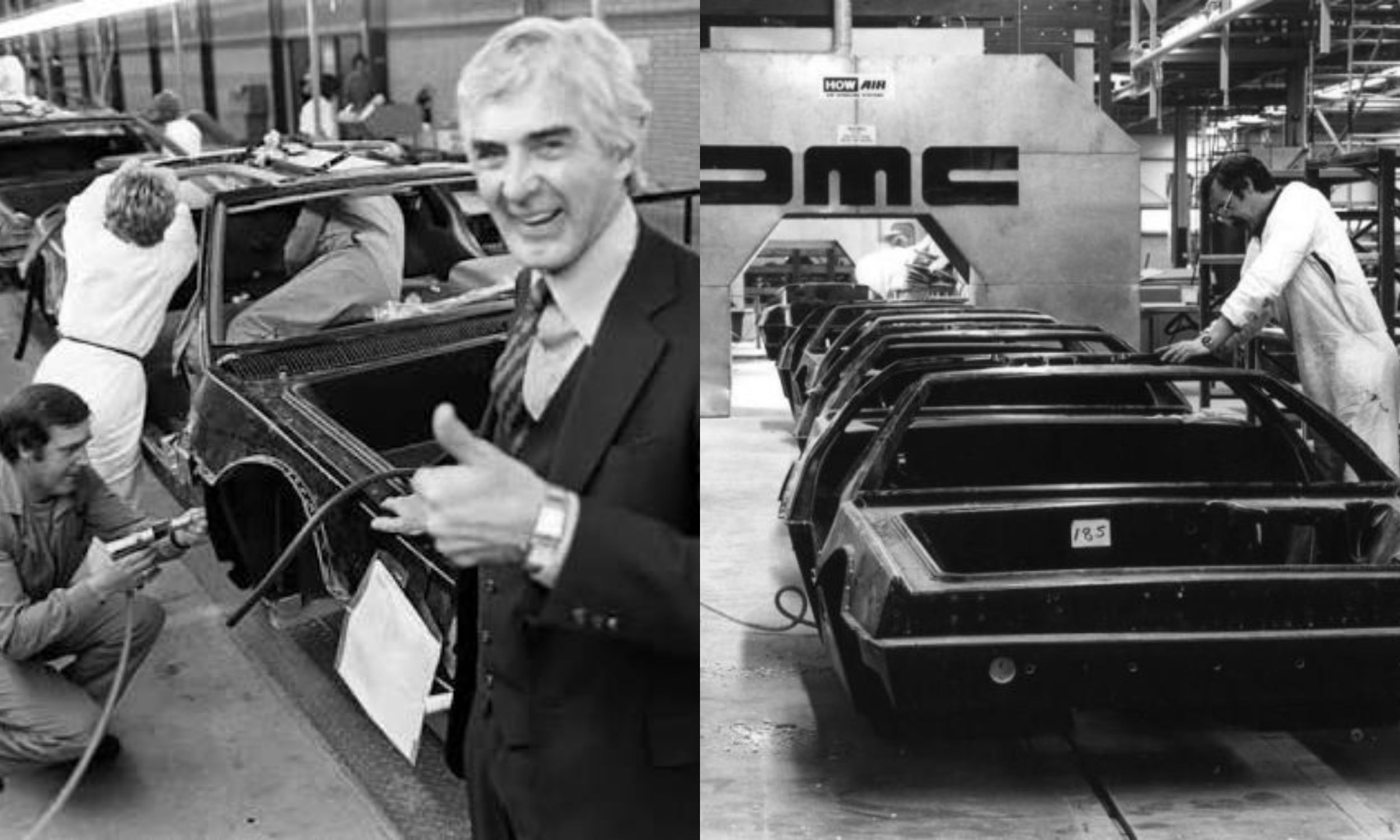
Construction began in 1978 on a stretch of land called The Cutts, positioned between the Republican area of Twinbrook and the Unionist neighborhood of Dunmurry, just outside Belfast. Architect Gerald Mooney designed the facility, and construction firm Farrans, McLaughlin & Harvey built it in sixteen months, an impressively tight schedule given the political tension surrounding the region at the time.
The British government, led by James Callaghan’s Labour administration during the planning stages, agreed to fund $120 million of the company’s roughly $200 million startup costs. That investment wasn’t charity. Northern Ireland was in the middle of the Troubles, and officials hoped a modern manufacturing plant would create jobs and ease unemployment-driven unrest in the area.
John DeLorean, a former General Motors executive searching the globe for a location willing to bankroll his new venture, found exactly what he needed in Belfast. A test and proving track went up alongside the main building, allowing every finished car to be driven and inspected before shipment.
Assembly lines were originally scheduled to start in 1979. Still, engineering delays and budget overruns pushed the actual start of production into early 1981, a full two years behind the company’s original plan.
From Blueprint to Assembly Line
Getting workers ready to build a car this complicated proved harder than anyone expected. Most of the people hired at Dunmurry had never worked in a manufacturing environment before, since the factory intentionally drew from a local workforce that badly needed jobs. That inexperience showed up quickly on the assembly line, and early production cars left the plant with real quality issues that frustrated both dealers and customers.
DeLorean’s response involved setting up Quality Assurance Centers in the United States, essentially rework stations where cars received additional inspection and correction before reaching buyers. Those 1981 models came with a 12-month, 12,000-mile warranty, a modest safety net for customers buying a car built by a brand-new workforce learning on the job.
Conditions improved steadily through 1982. Components got better, workers gained real experience, and production quality climbed noticeably compared to the rocky first year. Unfortunately, that improvement arrived just as the company’s finances were falling apart, meaning the best-built DeLoreans came off the line right as the whole operation was collapsing around them.
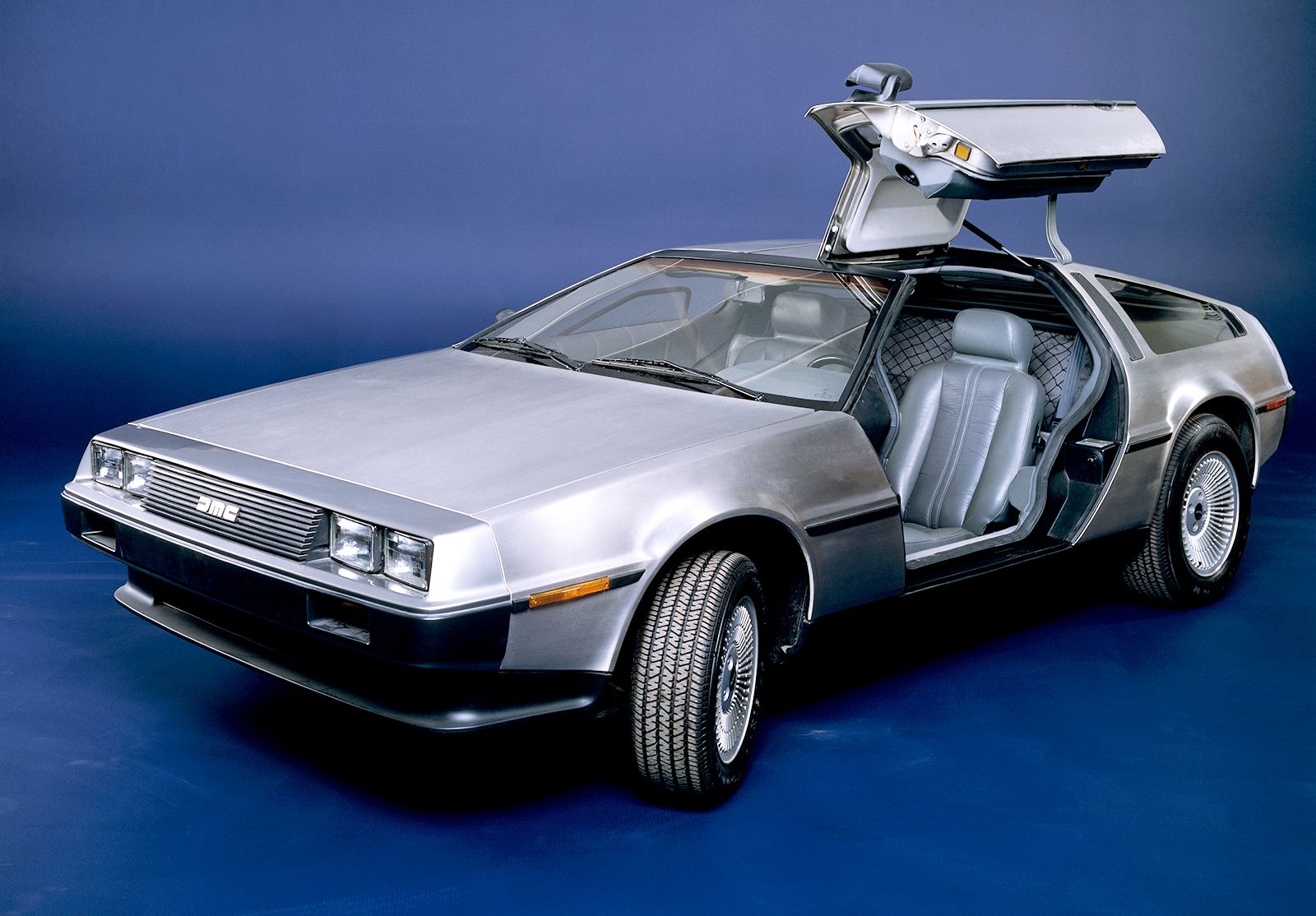
The car itself, designed by Giorgetto Giugiaro of Italdesign, featured a rear-mounted 2.85-liter PRV V6 engine producing 130 horsepower, a stainless-steel body left deliberately unpainted, and dramatic gullwing doors that opened upward instead of outward. Priced around $25,000, it cost more than a Porsche 911 at the time, a pricing decision that would come back to hurt sales badly.
Also Read: Dixie’s Journey: Restoring a DeLorean Time Machine from “Back to the Future”
Nine Thousand Cars, Two Years
Sources differ slightly on the exact final count, landing anywhere between roughly 8,500 and 9,200 units, with most published figures settling around 9,000. That inconsistency isn’t sloppy record-keeping so much as a reflection of how chaotic the company’s final months became.
Some cars built in 1982 never shipped to the United States because DeLorean’s American arm ran out of money to purchase them from the Northern Ireland factory, leaving those vehicles with VIN numbers that don’t cleanly match their actual build year. By the end of 1981 alone, the factory had already produced around 7,500 cars, yet the company had only managed to sell about 3,000 of them.
That gap between production and sales became the central problem driving DeLorean toward bankruptcy. At peak output, the Dunmurry plant could build about 40 cars per day, a respectable rate for a brand-new operation staffed largely by first-time factory workers. DeLorean had calculated a break-even point somewhere between 10,000 and 12,000 units sold, a number the company never came close to reaching.
Actual sales settled around 6,000 vehicles total, far short of what the business needed to survive long-term. Unfavorable currency exchange rates between the British pound and US dollar made the financial situation even worse as 1981 wore on, squeezing profit margins on every car that did sell.
Money Troubles and Receivership
Financial pressure had been building quietly since late 1981, and by February 1982 it became impossible to ignore. More than half of the roughly 7,000 cars built to that point remained unsold, and the company owed close to $175 million. That February, the DeLorean Motor Company entered receivership, a formal declaration that the business could no longer manage its own debts.
A planned stock offering that might have injected fresh capital into the company got blocked by the Securities and Exchange Commission, cutting off one of the last realistic paths toward saving the operation. Desperate for cash, John DeLorean became entangled in a widely publicized FBI sting operation involving accusations of drug trafficking.
He was later acquitted after arguing entrapment, but the damage to his company’s reputation had already been done. Production at the Dunmurry factory shut down by the end of May 1982. The company formally declared bankruptcy in October of that year, having built just under 9,000 cars across roughly twenty-one months of active manufacturing.
What had started as a bold experiment in automotive design and regional economic development ended as one of the shortest, strangest chapters in car manufacturing history, closing its doors before most of the world had even heard the DeLorean name mentioned outside enthusiast circles.
Also Read: DeLorean Alpha5: Reimagining an Icon with Futuristic Flair
A Movie Saved the Legacy
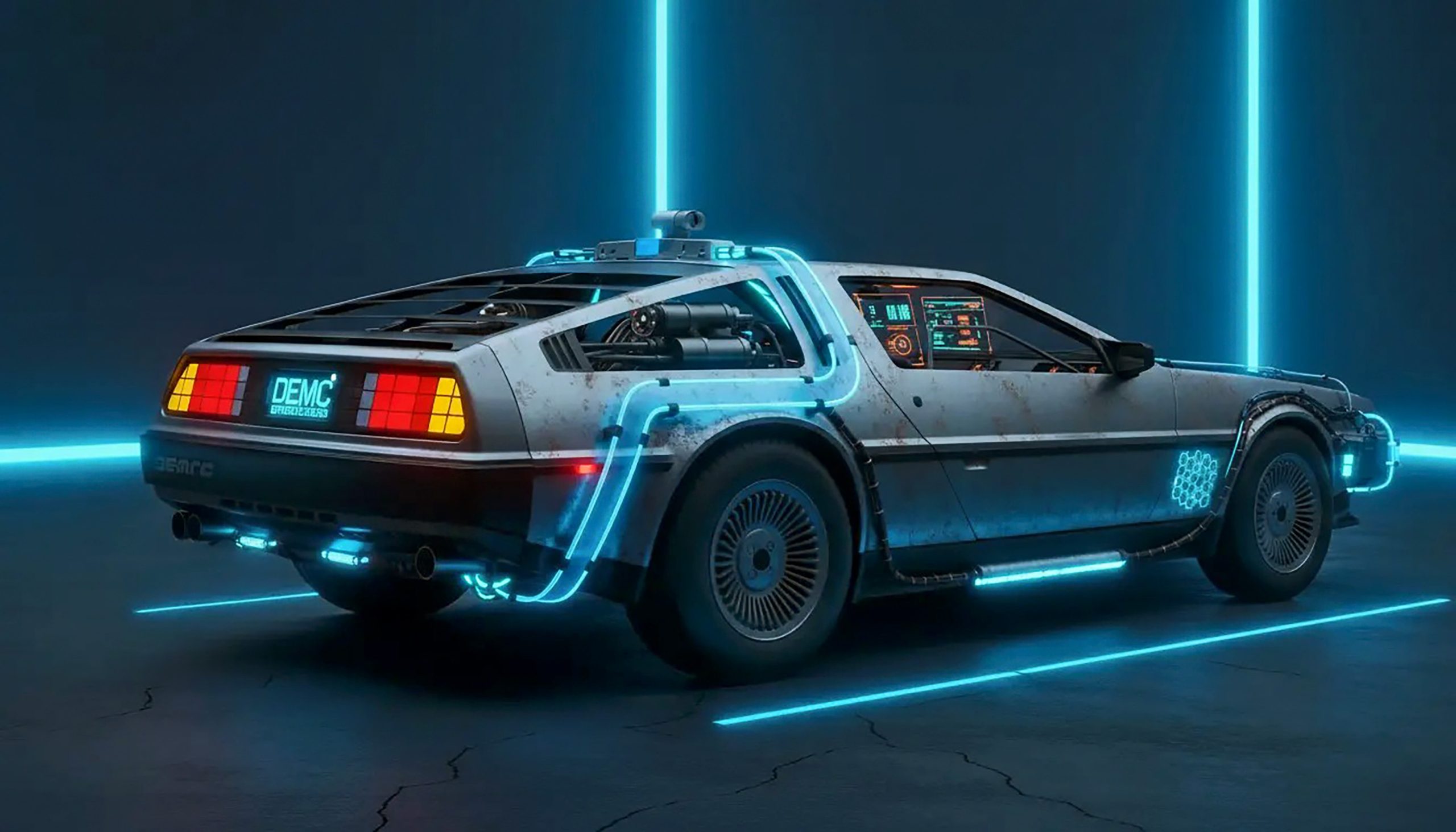
Here’s the strange part: the DeLorean’s fame didn’t really take off until after the company had already collapsed. Back to the Future hit theaters in 1985, three full years after Dunmurry stopped building cars, and it turned the stainless-steel DMC-12 into a time machine recognized by millions of people who had never even considered buying one when it was actually for sale.
That pop culture moment arrived too late to save the business but proved perfectly timed to save the car’s reputation. Demand for surviving examples climbed steadily in the decades since, driven almost entirely by nostalgia and movie fandom rather than any original sales momentum.
Today, the former factory site in Dunmurry hosts around twenty different businesses, a quiet industrial estate with little visible trace of the ambitious sports car once built there. The original test track still exists near the old plant. It occasionally opens to the public during events like the DeLorean Revival, drawing enthusiasts who want to walk the same pavement where every finished DMC-12 once got tested before shipment.
Surviving cars today sell for prices shaped heavily by condition, originality, and documentation, with well-preserved examples commanding real money among collectors. A car built for less than two years, by a company that never turned a profit, somehow became one of the most instantly recognizable automobiles ever made.
