

Not every oil leak turns into an expensive repair. In many vehicles, a worn oil pan gasket can be replaced with little more than basic labor because the oil pan is easily accessible from underneath the engine.
In others, the same repair becomes a major undertaking that requires lowering the front subframe, supporting the engine, or removing suspension components before the gasket can even be reached.
Those additional labor hours often cost far more than the gasket itself. This guide compares five cars with relatively affordable oil pan gasket repairs and five models where the same job can become a surprisingly expensive service due to complex engineering.
Also Read: 5 Trucks With Cheap Front-End Repairs and 5 That Run $2,000
5 Cars With Affordable Oil Pan Gasket Repairs
1. Toyota Camry (2012 to 2017)
The Toyota Camry has earned its reputation through dependable engineering, and that philosophy extends beyond reliability into repairability. When the oil pan gasket eventually begins to seep after years of heat cycles and high mileage, the repair is generally less complicated than on many competing midsize sedans.
The oil pan is positioned where technicians can access it from beneath the vehicle without dismantling major suspension components, helping keep labor time under control.
Most four-cylinder Camry models are particularly straightforward. After draining the engine oil and removing the necessary fasteners, technicians can lower the oil pan with minimal interference from surrounding components.
Unlike several modern front-wheel-drive cars, there is typically no need to lower the front subframe simply to gain enough clearance. This practical design saves several labor hours and substantially reduces the final repair bill.
Replacement gaskets are inexpensive and widely available through Toyota dealerships and aftermarket suppliers. Since millions of Camrys share similar engine architecture, experienced independent repair shops perform this service regularly.
Labor generally falls between two and four hours depending on engine configuration and the amount of old gasket material that must be cleaned before installation.
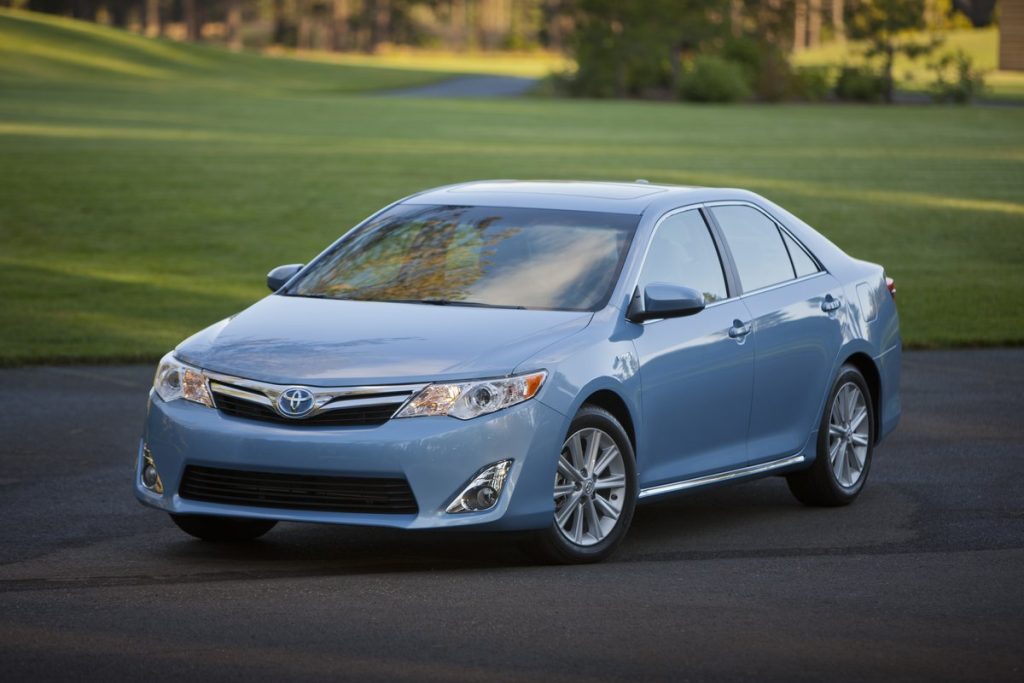
Owners who address minor leaks early also avoid additional expenses. Fresh oil pan gaskets prevent oil from coating the lower engine, protect rubber components from prolonged exposure, and reduce the likelihood of oil reaching hot exhaust surfaces.
Combined with the Camry’s strong durability record, this inexpensive repair contributes to its reputation as one of the least costly family sedans to own over the long term.
Specifications
- Engine: 2.5-liter Inline-4
- Torque: 170 lb-ft
- Horsepower: 178 hp
- Length: 189.2 in
- Width: 71.7 in
2. Honda Accord (2013 to 2017)
Repair costs often depend more on accessibility than on the price of the replacement part itself, and the ninth-generation Honda Accord demonstrates that principle well.
Its naturally aspirated four-cylinder engine provides sufficient working room beneath the vehicle, allowing technicians to remove the oil pan without undertaking the extensive disassembly required on more tightly packaged cars. That translates into a repair that is usually far easier on the owner’s wallet.
The Accord’s oil pan sits below the engine in a relatively open area. Once the engine oil has been drained and surrounding splash shields removed, the pan can typically be detached without lowering the front suspension cradle.
This straightforward layout reduces labor time and limits the number of components that must be disturbed during the repair. Most independent shops complete the service within a few hours, keeping labor charges competitive.
Another reason costs remain reasonable is Honda’s excellent parts availability. Replacement oil pan gaskets are inexpensive, and quality aftermarket alternatives are plentiful.
Because the Accord has been one of the best-selling sedans in North America for decades, repair shops are highly familiar with the procedure and rarely encounter unexpected complications.
Ignoring a leaking gasket may seem harmless at first, but even a slow leak can eventually reduce oil levels and leave residue across the underside of the engine. Replacing the gasket before the leak worsens helps maintain proper lubrication while preventing unnecessary cleanup during future maintenance.

For owners seeking a dependable sedan with predictable repair expenses, the Honda Accord continues to stand out. Even when age finally catches up with its oil pan gasket, the repair remains relatively affordable thanks to thoughtful engineering and broad parts support.
Specifications
- Engine: 2.4-liter Inline-4
- Torque: 181 lb-ft
- Horsepower: 185 hp
- Length: 191.4 in
- Width: 72.8 in
3. Ford Fusion (2013 to 2020)
Some vehicles become favorites among independent repair shops because routine maintenance can be completed without excessive disassembly. The second-generation Ford Fusion fits into that category, particularly when equipped with the naturally aspirated 2.5-liter four-cylinder engine.
Although oil pan gaskets eventually harden after years of repeated heating and cooling, replacing the gasket on this model is typically far less complicated than on many modern sedans that require suspension or subframe removal.
The Fusion’s oil pan is positioned so technicians can access it from underneath the vehicle after removing the lower splash shield and draining the engine oil. On the 2.5-liter engine, the front subframe generally remains untouched, eliminating several hours of labor that can quickly inflate repair costs on more complex vehicles.
Once the mounting bolts are removed, the oil pan can be separated, cleaned thoroughly, and reinstalled with a fresh gasket or factory-approved sealant.
Replacement parts are inexpensive because the 2.5-liter Duratec engine was used in numerous Ford products for many years. Both OEM and premium aftermarket gasket kits are readily available, giving owners flexibility without sacrificing reliability.
Since the procedure is familiar to most repair facilities, labor commonly falls between two and four hours depending on vehicle condition.
A leaking oil pan gasket may initially leave only a few drops on the driveway, but delaying repairs allows oil residue to accumulate around the lower engine and crossmember. Taking care of the problem early prevents additional cleanup and helps maintain proper engine lubrication.

For drivers looking for a midsize sedan with manageable maintenance expenses, the Ford Fusion remains a sensible choice. Even after years of ownership, oil pan gasket replacement is usually a straightforward repair that does not result in an unexpectedly high service invoice.
Specifications
- Engine: 2.5-liter Inline-4
- Torque: 175 lb-ft
- Horsepower: 175 hp
- Length: 191.8 in
- Width: 72.9 in
4. Chevrolet Malibu (2016 to 2022)
Not every affordable repair comes down to inexpensive parts. In the case of the ninth-generation Chevrolet Malibu, the advantage lies in a layout that allows technicians to reach the oil pan without dismantling major structural components.
On models equipped with the naturally aspirated 1.5-liter or the widely used 1.5-liter turbocharged engine, the procedure is generally less involved than many luxury sedans that require lowering the front subframe before the pan can be removed.
After safely raising the vehicle and draining the engine oil, technicians remove the lower engine shield and disconnect only a handful of components before accessing the oil pan.
The repair remains relatively direct because suspension components and the engine cradle typically stay in place. This saves valuable labor time and keeps repair costs considerably lower than vehicles with tightly packaged powertrains.
The Malibu also benefits from strong aftermarket support. Replacement gaskets, seals, and related hardware are widely available, while experienced repair shops have performed the procedure on enough vehicles that unexpected complications are uncommon.
Most repairs are completed in approximately three to four labor hours, making the service affordable compared with more complex front-wheel-drive sedans.
Oil leaks should never be dismissed as a cosmetic issue. Even a minor seep can eventually coat the underside of the engine with oil, attract road debris, and create unpleasant burning odors if lubricant reaches hot exhaust components.

Replacing the gasket before the leak becomes severe helps preserve engine cleanliness and simplifies future maintenance.
The Chevrolet Malibu continues to offer practical ownership costs, and its relatively accessible oil pan design is another reason why long-term maintenance remains easier on the budget than many competitors.
Specifications
- Engine: 1.5-liter Turbocharged Inline-4
- Torque: 184 lb-ft
- Horsepower: 160 hp
- Length: 194.2 in
- Width: 73.0 in
5. Mazda6 (2014 to 2021)
Mazda built the third-generation Mazda6 with a strong focus on balanced engineering, and that attention to detail also benefits owners when routine repairs become necessary.
While an oil pan gasket is not a component that requires frequent replacement, years of thermal expansion, vibration, and exposure to engine oil eventually cause the sealing material to lose its effectiveness.
Fortunately, replacing the gasket on the naturally aspirated 2.5-liter Skyactiv-G engine is generally one of the more affordable repairs in this category because the oil pan is relatively easy to access.
The underside of the engine offers enough working room that technicians can remove the oil pan without lowering the front subframe. After draining the engine oil and removing the splash shield, the pan can usually be detached with standard shop equipment.
Cleaning the sealing surfaces thoroughly before installing the new gasket or factory-approved sealant is the most time-consuming portion of the job rather than overcoming packaging challenges.
Because Mazda produced this generation for several years, replacement parts are readily available through dealerships and aftermarket suppliers. Independent repair shops are also familiar with the Skyactiv platform, allowing the repair to be completed efficiently without requiring specialized procedures.
Labor commonly ranges between two and four hours, keeping the total invoice far below that of many premium or performance-oriented vehicles.
Repairing the leak promptly prevents oil from collecting on the lower engine, protects surrounding components from contamination, and ensures the lubrication system maintains proper oil levels. Owners who keep up with routine maintenance often enjoy many additional years of dependable service after replacing the gasket.
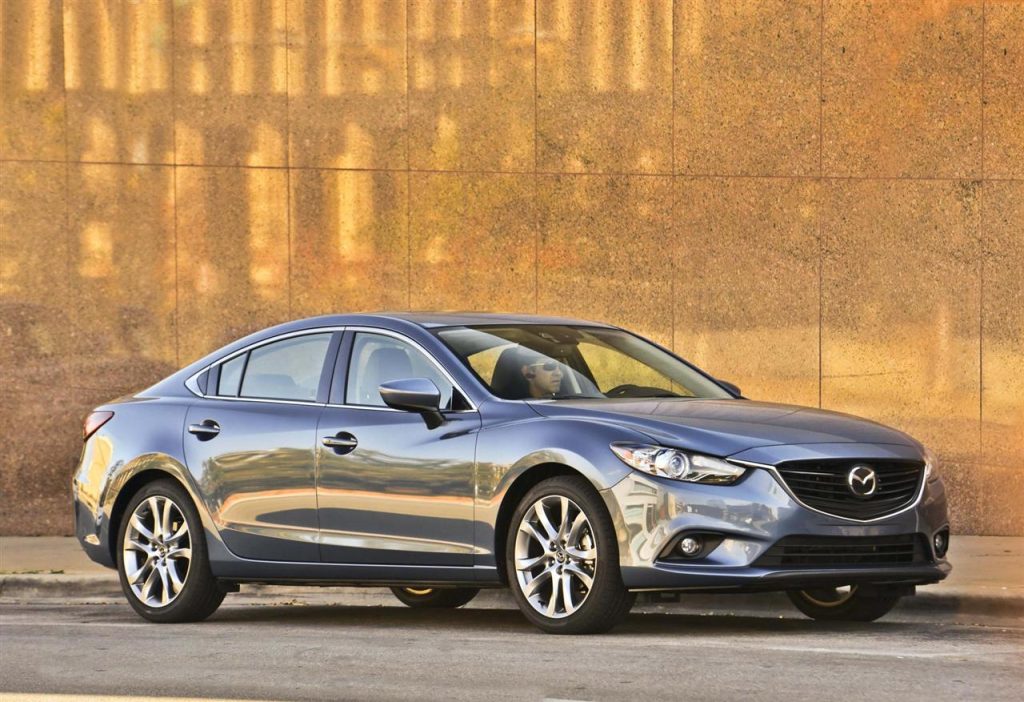
The Mazda6 combines reliability, responsive handling, and sensible repair costs. Its straightforward oil pan design makes gasket replacement a practical maintenance item instead of a repair that places a significant strain on the ownership budget.
Specifications
- Engine: 2.5-liter Skyactiv-G Inline-4
- Torque: 186 lb-ft
- Horsepower: 187 hp
- Length: 192.7 in
- Width: 72.4 in
5 Cars With Oil Pan Gasket Repairs That Cost a Fortune
1. BMW 5 Series (F10, 2011 to 2016)
Luxury sedans are engineered with performance, refinement, and chassis balance in mind, but those priorities sometimes make routine maintenance surprisingly expensive. The F10-generation BMW 5 Series is a well-known example.
Whether equipped with the turbocharged four-cylinder N20, six-cylinder N55, or V8 N63 engine, replacing the lower oil pan gasket is rarely a straightforward task. The gasket itself costs relatively little, but reaching it often requires lowering the front subframe, making labor the largest part of the repair bill.
BMW’s chassis design places the front suspension cradle directly beneath the aluminum oil pan. That arrangement improves structural rigidity and steering precision, but it severely limits access from below.
Before the oil pan can be removed, technicians typically support the engine from above, disconnect portions of the steering system, and lower the front subframe enough to create working clearance. On xDrive models, the procedure becomes even more involved because the front differential and axle components further restrict access.
Labor commonly ranges from eight to twelve hours depending on engine configuration and drivetrain.
During the repair, many shops recommend replacing single-use aluminum bolts, inspecting engine mounts, and checking other seals that become accessible only after the subframe is lowered. While these preventive measures increase the invoice, they can reduce future labor expenses.
By the time genuine BMW parts, fresh engine oil, a filter, shop supplies, and labor are included, owners frequently receive estimates between $1,200 and $2,000.
The repair restores proper sealing and prevents oil from coating the lower engine or reaching suspension components, but it remains one of the more expensive maintenance procedures on the F10 platform.

The BMW 5 Series delivers exceptional driving dynamics and comfort, yet its sophisticated chassis design makes an otherwise simple oil pan gasket replacement a significant investment.
Specifications
- Engine: 3.0-liter Turbocharged Inline-6 (N55)
- Torque: 300 lb-ft
- Horsepower: 300 hp
- Length: 193.1 in
- Width: 73.2 in
2. Audi A6 Quattro (C7, 2012 to 2018)
At first glance, an oil pan gasket replacement on the Audi A6 appears no different from the same repair on any midsize sedan. Once the vehicle is raised on a lift, however, the complexity quickly becomes apparent.
Audi’s Quattro all-wheel-drive system, combined with a tightly packaged engine bay and front subframe layout, means the oil pan cannot simply be unbolted from below. Significant disassembly is often required before technicians can even reach the gasket.
The front subframe occupies much of the space beneath the engine, while the steering rack and front drivetrain components leave very little clearance around the oil pan.
Technicians generally support the engine using a support bar before loosening or lowering the subframe to gain access. Models equipped with the supercharged 3.0-liter V6 add further complexity because of additional cooling and drivetrain hardware surrounding the engine.
Labor typically falls between eight and eleven hours, depending on engine choice and drivetrain configuration.
Because much of the front suspension is disturbed during the procedure, many repair facilities also perform a wheel alignment after reassembly to ensure proper handling and tire wear. This additional service further increases the total repair cost.
Owners choosing genuine Audi gaskets and hardware often see repair invoices ranging from $1,300 to more than $2,100 once labor, engine oil, filters, alignment, and miscellaneous supplies are included.

Although the gasket itself remains inexpensive, the extensive labor required to reach it transforms the repair into a major maintenance expense.
The Audi A6 continues to impress with refined performance and confident all-weather capability, but its sophisticated Quattro architecture is a major reason why replacing an oil pan gasket costs far more than most owners initially expect.
Specifications
- Engine: 3.0-liter Supercharged V6
- Torque: 325 lb-ft
- Horsepower: 333 hp
- Length: 193.9 in
- Width: 73.8 in
3. Mercedes-Benz E-Class (W212, 2010 to 2016)
Owning a premium German sedan often means benefiting from refined engineering, but it also means accepting that certain maintenance procedures are far more involved than they initially appear. The W212-generation Mercedes-Benz E-Class illustrates this perfectly.
Although the oil pan gasket itself is an inexpensive sealing component, replacing it frequently requires extensive disassembly because the front subframe sits directly beneath the oil pan. On many models, technicians cannot remove the pan until enough clearance has been created by partially lowering the front suspension cradle.
The complexity increases depending on the engine. Vehicles equipped with the 3.5-liter V6 or the twin-turbocharged V8 feature tightly packaged engine bays that leave little working space around the oil pan.
Before beginning the repair, technicians typically support the engine from above using a dedicated support fixture. Steering components, crossmembers, and portions of the front suspension must then be loosened or repositioned carefully to allow the oil pan to clear the subframe without damaging nearby components.
Because of the labor involved, repair facilities often recommend replacing related seals or inspecting the engine mounts while access is available. These preventative services can save significant labor costs later, since much of the work required to reach those components has already been completed.
Labor generally ranges from eight to eleven hours, and dealership labor rates can push the total repair bill well beyond $1,500. Independent European repair specialists may charge slightly less, but invoices exceeding $1,200 remain common once fresh engine oil, a filter, replacement hardware, and shop supplies are included.

The W212 E-Class continues to be respected for its comfort, safety, and durability. However, its sophisticated chassis layout turns a routine oil pan gasket replacement into one of the more expensive maintenance procedures owners may encounter.
Specifications
- Engine: 3.5-liter V6
- Torque: 273 lb-ft
- Horsepower: 302 hp
- Length: 191.7 in
- Width: 73.0 in
4. Cadillac CTS (2014 to 2019)
General Motors designed the third-generation Cadillac CTS to compete directly with European luxury sedans, emphasizing precise handling, structural rigidity, and balanced weight distribution.
Those characteristics helped create an engaging driving experience, but they also complicated certain maintenance procedures. Oil pan gasket replacement is one example, as the front subframe occupies much of the space beneath the engine, restricting direct access to the oil pan.
Whether equipped with the 2.0-liter turbocharged four-cylinder or the 3.6-liter V6, technicians generally cannot remove the oil pan without first supporting the engine and lowering the front cradle.
This process involves disconnecting several structural and steering components while ensuring the drivetrain remains properly aligned throughout the repair. The procedure requires specialized lifting equipment and careful attention to factory torque specifications during reassembly.
Unlike many mainstream sedans, labor is the primary contributor to the repair cost rather than the gasket itself. Most repair shops estimate eight to ten labor hours for completing the service.
Since the front suspension geometry is disturbed during the process, many facilities recommend performing a four-wheel alignment afterward to maintain proper handling characteristics and tire wear.
By the time OEM replacement parts, engine oil, a filter, alignment, and labor are included, repair bills frequently range from $1,200 to $1,900 depending on engine choice and regional labor rates.
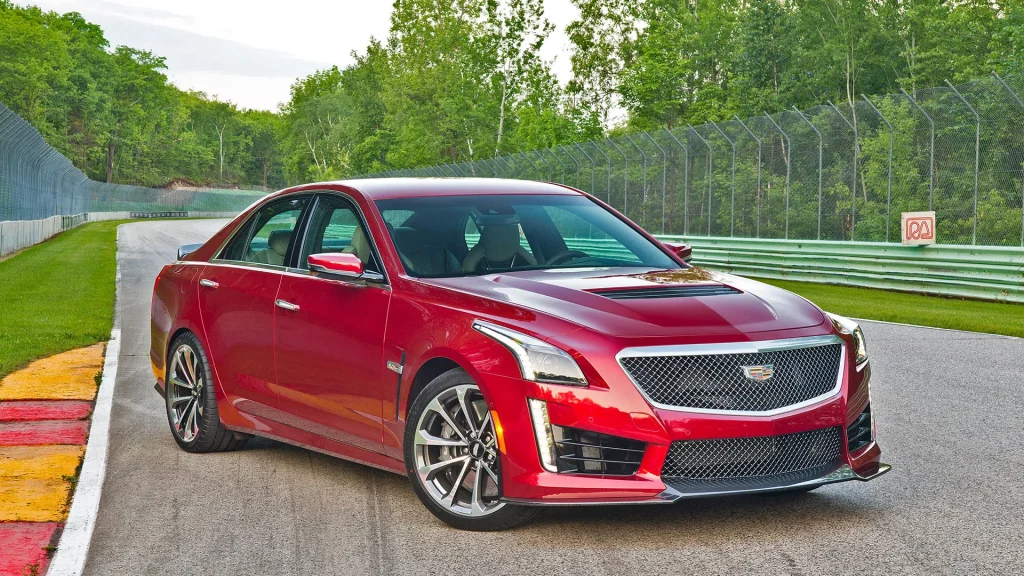
Although this represents a substantial expense, replacing the gasket promptly prevents continued oil leakage that could contaminate suspension components or create burning oil odors.
The Cadillac CTS offers impressive performance and refinement, but owners planning long-term maintenance should understand that its sophisticated chassis architecture makes an oil pan gasket replacement significantly more expensive than on most midsize sedans.
Specifications
- Engine: 3.6-liter V6
- Torque: 275 lb-ft
- Horsepower: 335 hp
- Length: 195.5 in
- Width: 72.2 in
5. BMW 3 Series (F30, 2012 to 2019)
It is easy to assume that a compact luxury sedan will be less expensive to repair simply because it is smaller than its larger counterparts. The BMW F30 3 Series proves that assumption wrong when it comes to oil pan gasket replacement.
While the gasket itself is inexpensive, accessing it is a labor-intensive process due to the vehicle’s tightly packaged chassis and the position of the front subframe directly beneath the oil pan. The repair routinely exceeds $1,000, making it one of the costliest gasket replacements in the compact luxury segment.
The challenge begins with BMW’s suspension architecture. The front subframe supports critical suspension and steering components while leaving minimal clearance between the oil pan and the chassis.
To remove the pan, technicians typically support the engine from above using a dedicated engine support bar before loosening and lowering the subframe. On xDrive all-wheel-drive models, the front differential and axle assemblies create additional obstacles that increase labor time even further.
BMW also specifies several one-time-use aluminum fasteners that must be replaced during reassembly. While these bolts are not particularly expensive individually, they add to the parts bill and are essential for maintaining factory safety standards.
Many technicians also inspect or replace the engine mounts if they show signs of wear because the necessary access already exists during the repair.
Labor generally ranges from eight to twelve hours depending on drivetrain configuration and engine type.

Once genuine BMW replacement parts, fresh engine oil, an oil filter, shop supplies, and professional labor are added together, repair costs commonly fall between $1,200 and $2,000. In metropolitan areas with higher labor rates, invoices can climb even further.
Despite this expensive maintenance procedure, the F30 remains one of BMW’s most balanced sports sedans, offering excellent handling, refined performance, and impressive driving dynamics.
Buyers considering long-term ownership should simply budget for the possibility of higher labor costs if the oil pan gasket eventually requires replacement.
Specifications
- Engine: 2.0-liter Turbocharged Inline-4 (B48)
- Torque: 258 lb-ft
- Horsepower: 255 hp
- Length: 182.8 in
- Width: 71.3 in
Also Read: 5 Cars With Headlights That Reach 400 Feet and 5 That Do Not
