Buying a new vehicle is a major investment, which makes customer loyalty one of the strongest indicators of long-term satisfaction.
Every year, S&P Global Mobility analyzes millions of U.S. new vehicle registrations to determine how often households return to the same brand when purchasing another new vehicle.
These loyalty figures reflect real buying behavior rather than surveys or opinions, making them one of the automotive industry’s most respected benchmarks. High loyalty usually comes from consistent reliability, strong dealer experiences, desirable products, and competitive ownership costs.
Here are ten car brands that continue to earn repeat customers in the United States, according to S&P Global Mobility’s loyalty data.
Also Read: 8 Budget Brands That Outscore Luxury in Reliability
1. Tesla
Few automotive brands have changed the industry as dramatically as Tesla, and its customer loyalty reflects that impact.
According to S&P Global Mobility, Tesla has earned the “Overall Loyalty to Make” award for multiple consecutive years, demonstrating that existing owners are highly likely to purchase another Tesla when they return to the market.
The rankings are based on actual U.S. household registration data rather than customer surveys, making the achievement particularly significant.
Several factors contribute to Tesla’s exceptionally high repeat-purchase rate. Owners benefit from access to the extensive Supercharger network, frequent over-the-air software updates, and a simplified buying process that differs from the traditional dealership model.
Features such as Autopilot, advanced infotainment, and continuous software improvements allow vehicles to gain new capabilities long after delivery, giving owners additional reasons to remain within the brand.
Tesla’s product lineup also covers the largest volume segments of the U.S. EV market. The Model Y consistently ranks among America’s best-selling vehicles of any type, while the Model 3 continues attracting buyers seeking an electric sedan.
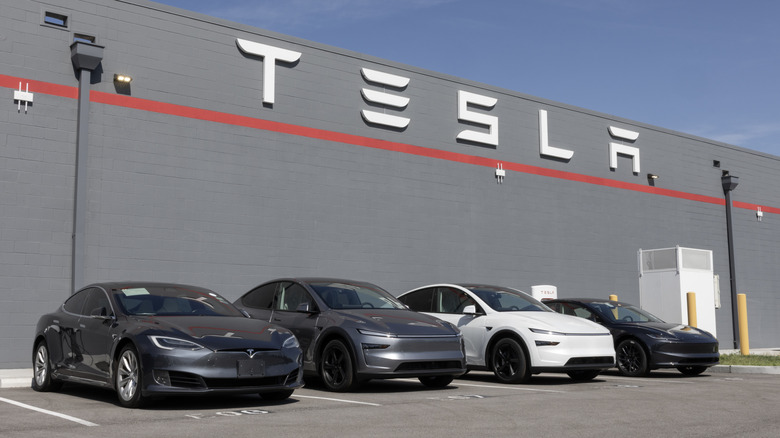
Existing owners often upgrade from one Tesla to another because the driving experience, charging ecosystem, and user interface remain familiar.
S&P Global’s methodology measures loyalty by tracking households that purchase another vehicle from the same brand when replacing or adding a new vehicle. That real-world purchasing behavior makes Tesla’s continued leadership especially meaningful in an increasingly competitive EV market.
Although competition has intensified, Tesla continues to demonstrate one of the strongest owner retention rates in the American automotive industry.
2. Subaru
Subaru approaches customer loyalty differently than many manufacturers. Instead of focusing solely on performance or luxury, the company has built a reputation around durability, standard all-wheel drive, strong safety ratings, and practical engineering.
Those qualities continue to translate into exceptional owner retention. S&P Global Mobility recognized Subaru with its “Overall Loyalty to Dealer” award, highlighting not only satisfied owners but also strong relationships between customers and Subaru dealerships.
One reason Subaru owners frequently remain loyal is consistency across the lineup. Vehicles such as the Outback, Forester, Crosstrek, and Ascent all share familiar driving characteristics, standard symmetrical all-wheel drive on nearly every model, and a reputation for handling difficult weather conditions confidently.
Buyers who have positive ownership experiences often remain with the brand when replacing an older vehicle.
Safety also plays a significant role. Subaru’s EyeSight Driver Assist Technology has become a major selling point for families, while many models consistently earn strong crash-test ratings. Combined with competitive resale values and relatively low ownership costs, these attributes create an ownership experience that encourages repeat purchases.
Dealer relationships further strengthen Subaru’s loyalty performance. S&P Global’s recognition reflects the ability of Subaru retailers to retain customers when they return to purchase another new vehicle. Positive service experiences, knowledgeable staff, and a customer-focused approach all contribute to long-term brand confidence.
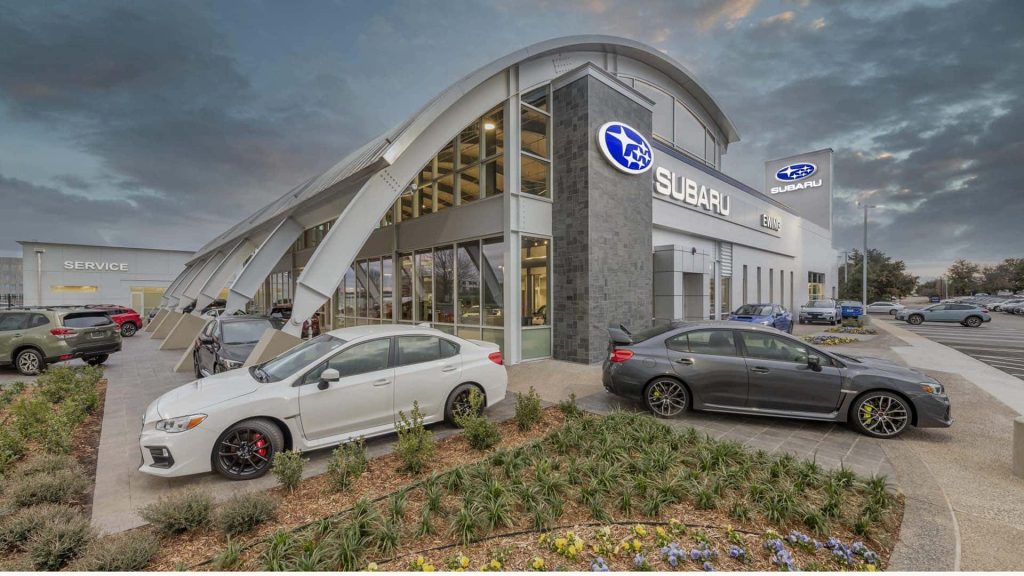
While Subaru does not produce the fastest or most luxurious vehicles in every segment, it has successfully built a customer base that values dependability, practicality, and year-round capability. Those strengths continue to make Subaru one of America’s most loyal automotive brands.
3. Toyota
Toyota’s position among America’s most loyal automotive brands is hardly accidental. Decades of building dependable vehicles with strong resale values have created a customer base that frequently returns when it is time for another purchase.
S&P Global Mobility has consistently recognized Toyota for exceptional owner retention, and the company’s broad lineup allows buyers to stay within the brand regardless of changing lifestyle needs. A Corolla owner may upgrade to a Camry, RAV4, Highlander, or Tacoma without leaving the Toyota family.
Reliability remains the biggest factor behind Toyota’s repeat purchase rate. Independent dependability studies routinely place Toyota near the top of the industry, and many owners report driving well beyond 200,000 miles with routine maintenance.
That ownership experience builds confidence, making buyers less likely to consider competing brands when replacing their current vehicle.
Toyota also benefits from one of the strongest hybrid portfolios in America. Models such as the Prius, Camry Hybrid, Corolla Hybrid, and RAV4 Hybrid appeal to customers seeking better fuel economy without changing driving habits.
Many hybrid owners who appreciate Toyota’s proven hybrid technology choose another Toyota when upgrading because the transition feels familiar.
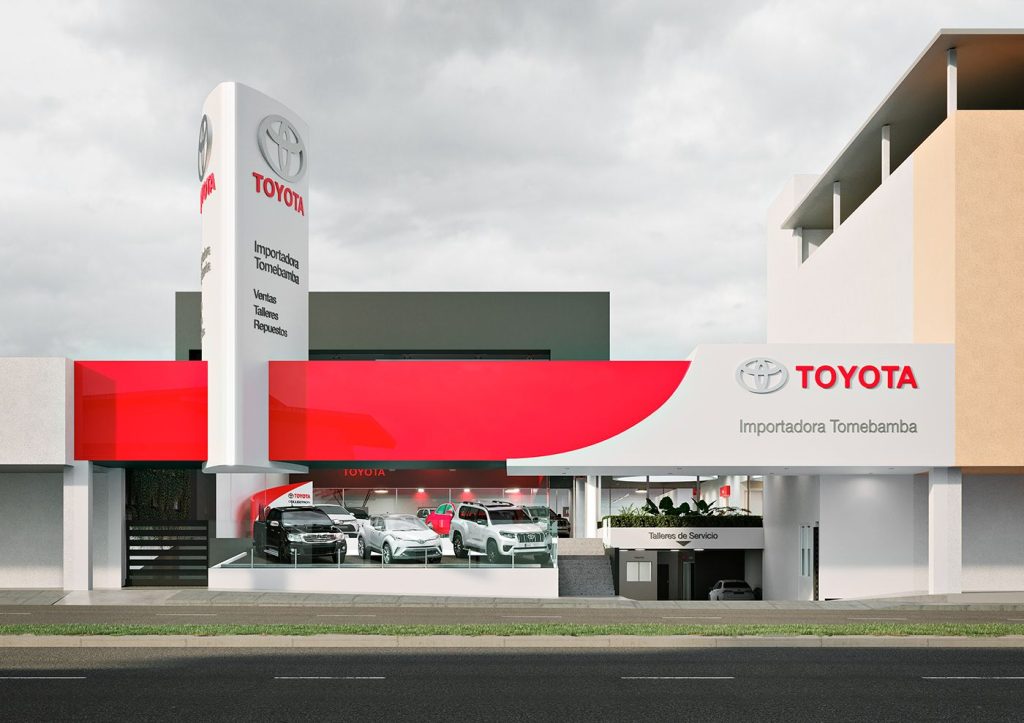
Another important advantage is dealer coverage. Toyota has one of the largest dealer networks in the United States, making sales and service convenient whether customers live in major cities or rural communities. Strong parts availability and widespread technician familiarity further reduce ownership concerns.
S&P Global’s loyalty rankings measure actual household registration data instead of customer opinions. That means Toyota’s high ranking reflects genuine purchasing decisions across millions of U.S. buyers.
The combination of reliability, resale value, fuel-efficient options, and nationwide dealer support continues to keep Toyota among the industry’s strongest performers for owner loyalty.
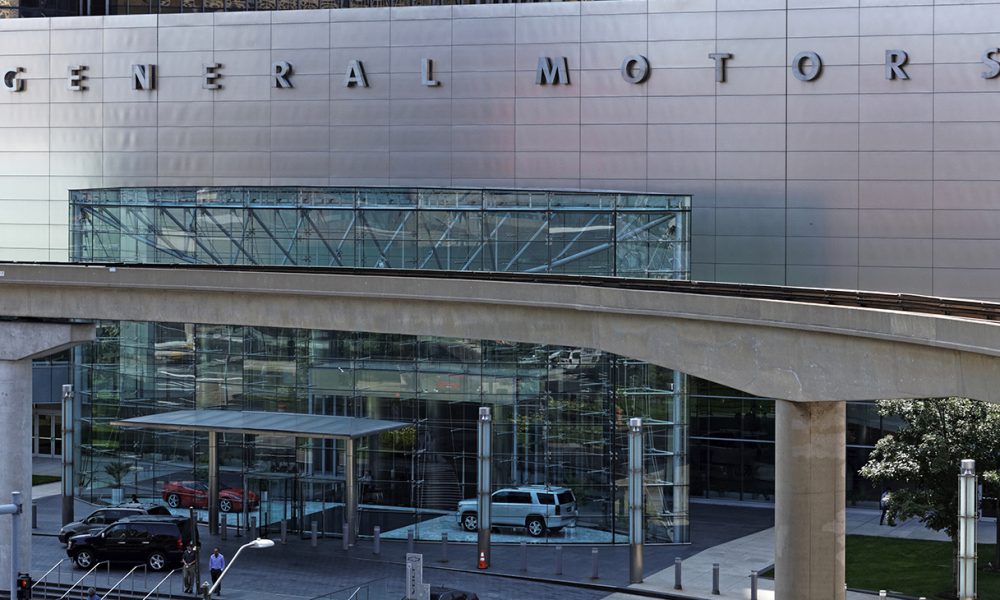
4. General Motors (Chevrolet, GMC, Cadillac, Buick)
Unlike brands that depend on a single successful model, General Motors earns customer loyalty through an extensive portfolio covering nearly every major vehicle segment.
According to S&P Global Mobility, General Motors has repeatedly received the “Overall Loyalty to Manufacturer” award, recognizing the company’s ability to keep buyers within its family of brands when purchasing another new vehicle.
This distinction differs from loyalty to a single make. A Chevrolet Silverado owner may decide to purchase a GMC Sierra, while a Buick Enclave customer may move into a Cadillac XT6. Because all of those purchases remain inside the General Motors portfolio, the company maintains exceptionally high manufacturer loyalty.
Product diversity plays a major role. GM offers compact crossovers, full-size pickups, heavy-duty trucks, luxury SUVs, sports cars, and electric vehicles.
That broad selection allows customers to change vehicle categories without changing manufacturers. Families expanding their transportation needs or buyers upgrading to luxury models often remain within the GM ecosystem.
Another contributor is dealer presence. Chevrolet and GMC maintain one of the largest retail networks in the United States, providing convenient service locations and strong parts availability. Customers who build positive relationships with local dealerships are more likely to return for future purchases.
The company’s investment in electric vehicles, including the Chevrolet Equinox EV, Blazer EV, Cadillac Lyriq, and GMC Sierra EV, also helps retain buyers transitioning from gasoline-powered vehicles. Existing GM owners interested in electrification no longer need to leave the manufacturer to find competitive EV choices.
S&P Global’s registration-based methodology highlights real purchasing behavior, making General Motors’ continued success especially noteworthy in one of the world’s most competitive automotive markets.
5. Honda
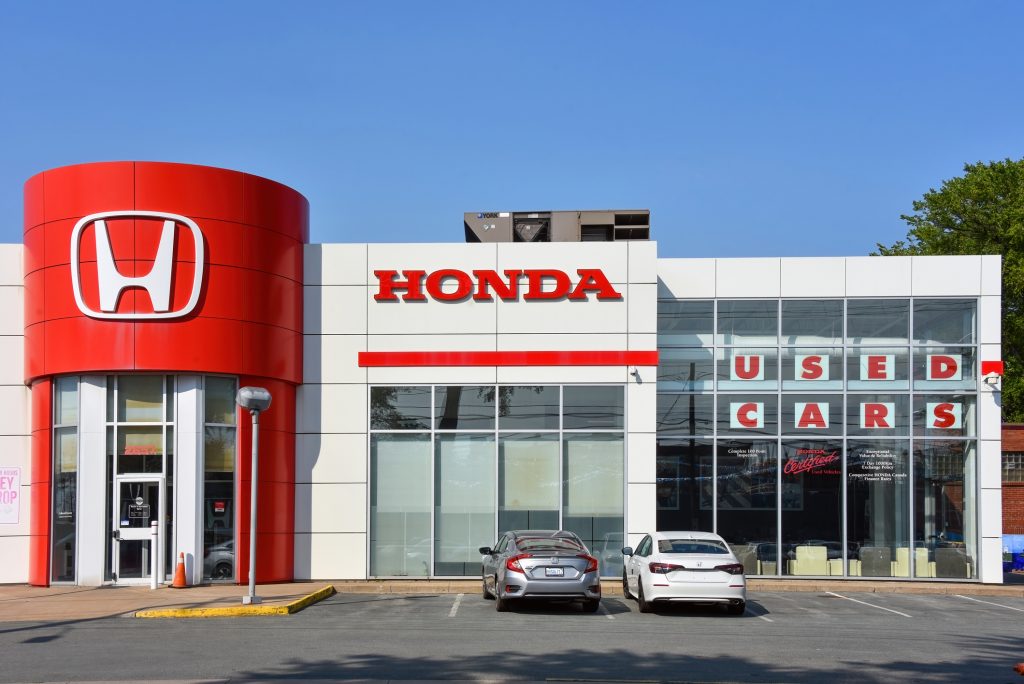
Honda has cultivated one of the most loyal customer bases in the United States by consistently delivering vehicles that are easy to own, economical to maintain, and enjoyable to drive. S&P Global Mobility’s registration data has regularly placed Honda among the strongest-performing mainstream brands for owner retention.
Rather than relying on aggressive incentives, Honda benefits from customers who willingly return because previous ownership experiences met or exceeded expectations.
A major strength is the consistency across the lineup. The Civic, Accord, CR-V, HR-V, Pilot, and Odyssey all share Honda’s reputation for refined powertrains, efficient packaging, and predictable reliability.
A first-time Civic buyer often remains with the brand for decades, moving into larger SUVs or family vehicles while staying within the Honda portfolio.
Fuel efficiency has also helped Honda retain customers. Even before widespread hybrid adoption, Honda’s gasoline engines were known for balancing performance with excellent fuel economy.
Today, hybrid versions of the Accord and CR-V provide buyers with improved efficiency while maintaining the familiar driving characteristics that longtime Honda owners appreciate.
Dealer satisfaction contributes as well. Honda has an extensive dealer network across the United States, making scheduled maintenance and warranty service convenient. Combined with strong resale values, competitive ownership costs, and widespread parts availability, customers often find little reason to switch brands.
S&P Global’s loyalty rankings are particularly valuable because they measure actual purchasing behavior instead of customer surveys.
Honda’s continued appearance near the top reflects years of positive ownership experiences that translate directly into repeat purchases. It is a brand that has earned trust gradually through dependable products rather than short-term marketing campaigns.
6. Lexus
Luxury buyers often have numerous alternatives, making customer retention especially difficult. Lexus has managed to overcome that challenge by combining premium craftsmanship with Toyota’s reputation for long-term reliability.
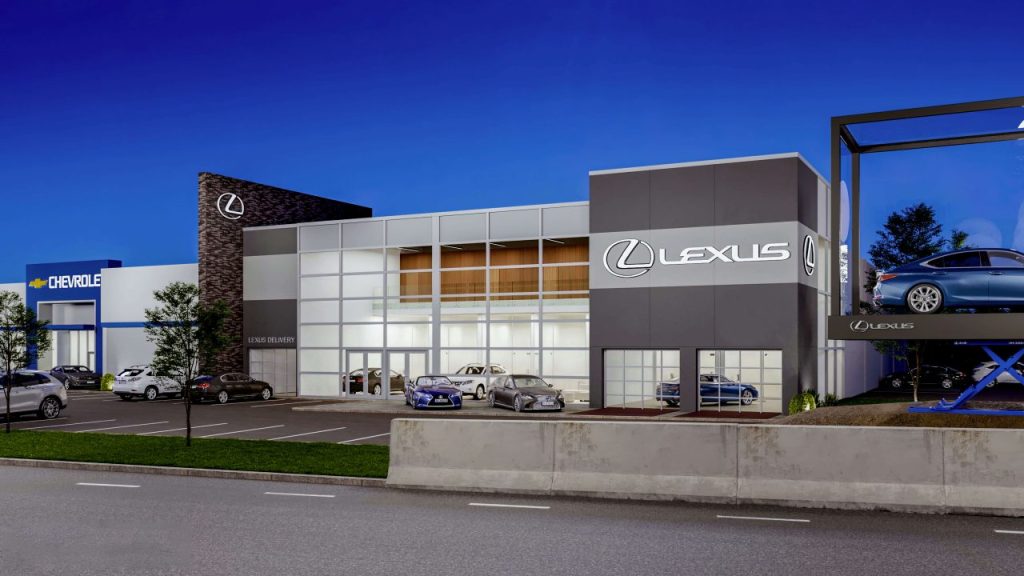
S&P Global Mobility has repeatedly recognized Lexus as one of the strongest luxury brands for owner loyalty, reflecting its ability to convince existing customers to purchase another Lexus instead of switching to a competing luxury manufacturer.
Unlike some luxury brands that prioritize performance above all else, Lexus focuses on delivering a refined ownership experience.
Quiet cabins, high-quality materials, dependable powertrains, and excellent dealership service create confidence that extends well beyond the initial purchase. Owners frequently report keeping their vehicles for many years before replacing them with another Lexus.
The brand also offers broad model diversity. Buyers can move from an IS sports sedan to an RX crossover, GX SUV, or LS flagship sedan without leaving the Lexus family.
Hybrid technology provides another advantage because Lexus has decades of experience integrating electrified powertrains into luxury vehicles while maintaining reliability.
Dealer experience remains one of Lexus’ strongest assets. Personalized service, customer amenities, and high satisfaction ratings help reinforce long-term relationships between owners and retailers. That level of service often becomes just as influential as the vehicle itself when customers decide where to spend their next automotive dollar.
Because S&P Global measures actual U.S. household registrations, Lexus’ strong performance demonstrates that premium buyers consistently return after experiencing the brand. In a highly competitive luxury market, maintaining that level of repeat business is a significant achievement.
7. BMW
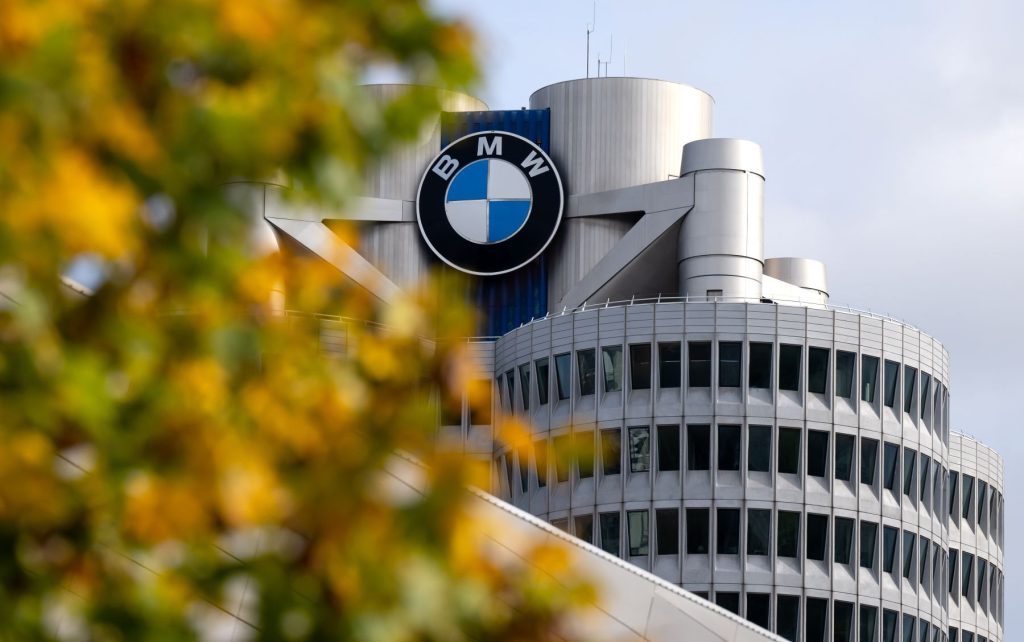
BMW has built its reputation around driving dynamics, and that identity has translated into impressive owner loyalty in the United States. According to S&P Global Mobility’s loyalty studies, BMW consistently ranks among the leading luxury brands for repeat buyers.
While competitors often focus on comfort or technology alone, BMW continues to attract customers who value responsive handling, balanced chassis tuning, and a broad range of performance-oriented models.
One reason BMW owners stay with the brand is the familiarity of its driving experience. Whether someone owns a 3 Series sedan, an X3 SUV, or a larger X5, the steering feel and vehicle dynamics remain distinctly BMW.
Customers who appreciate that character often find it difficult to replicate elsewhere, leading many to purchase another BMW when it is time for a replacement.
The company’s expanding electrified lineup has also strengthened retention. Existing owners interested in hybrid or fully electric vehicles can transition to models such as the i4, i5, iX, or plug-in hybrid SUVs without leaving the brand. This flexibility allows BMW to retain customers whose preferences evolve as the automotive market changes.
Another factor is the premium ownership experience. BMW dealerships provide specialized service, certified technicians, and customer programs designed to build long-term relationships.
Combined with continual improvements in reliability and advanced driver-assistance technologies, these elements contribute to repeat purchases.
S&P Global’s registration-based methodology highlights actual household buying decisions rather than opinions gathered through surveys.
BMW’s continued presence among the industry’s most loyal luxury brands demonstrates that many owners believe the brand delivers an experience worth repeating when shopping for their next vehicle.
8. Mercedes-Benz
Mercedes-Benz has spent decades building a reputation for engineering excellence, advanced safety, and refined luxury.
Those qualities continue to attract repeat customers, helping the brand remain one of the strongest performers in S&P Global Mobility’s owner loyalty rankings. In a segment where buyers have numerous premium alternatives, retaining existing customers is a meaningful achievement.
Technology has always been one of Mercedes-Benz’s defining strengths. Features such as the MBUX infotainment system, advanced driver assistance technologies, and innovative cabin design encourage owners to remain within the brand when upgrading.
Customers often appreciate that each new generation introduces meaningful improvements while preserving the comfort and sophistication they expect.
The model range also supports customer retention. Mercedes-Benz offers compact sedans, luxury SUVs, high-performance AMG models, plug-in hybrids, and fully electric EQ vehicles.
A customer purchasing a GLC today may later upgrade to a GLE, EQE SUV, or S-Class without changing manufacturers. This progression helps the company retain buyers as their needs and budgets evolve.
Dealer experience remains another important contributor. Premium service departments, certified technicians, and comprehensive maintenance programs help strengthen long-term customer relationships.
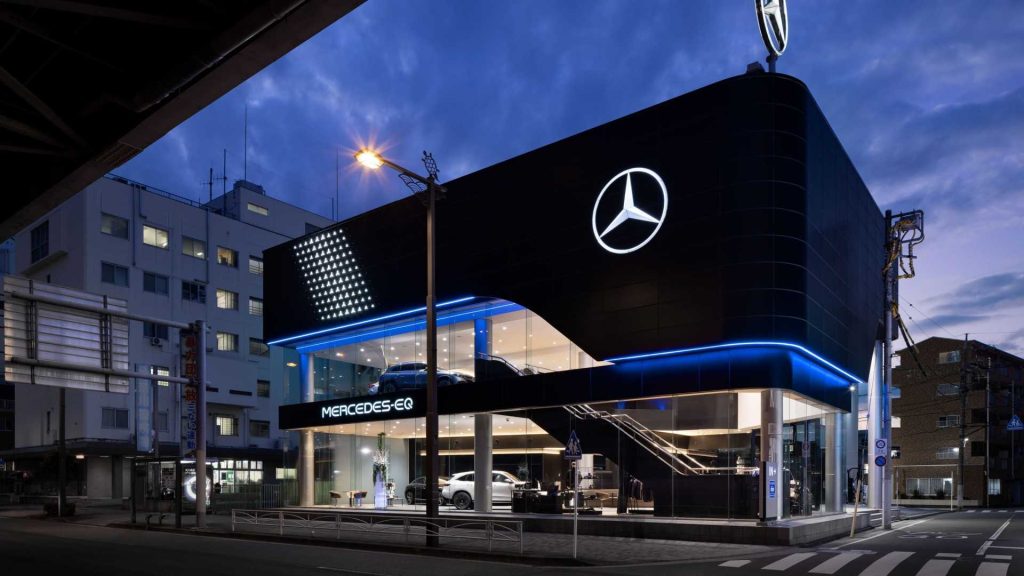
While ownership costs may be higher than those of mainstream brands, many buyers believe the driving experience and craftsmanship justify the investment.
S&P Global’s loyalty analysis measures actual registration data across the United States, making Mercedes-Benz’s consistent performance a reflection of real-world purchasing decisions.
The brand continues to demonstrate that a combination of luxury, innovation, and strong customer support can generate exceptional repeat business.
9. Porsche
Porsche occupies a unique position in the automotive industry because many of its customers are not simply buying transportation. They are investing in a driving experience and a brand heritage that encourages long-term loyalty.
S&P Global Mobility has repeatedly recognized Porsche among the luxury leaders in owner retention, reflecting the brand’s ability to persuade existing owners to purchase another Porsche rather than moving to a competing performance manufacturer.
One of the strongest reasons for this loyalty is the consistency of Porsche’s engineering philosophy. Whether driving a 718 Cayman, 911, Macan, Cayenne, or Taycan, owners experience precise steering, balanced chassis tuning, and meticulous build quality.
While each model serves a different purpose, they all deliver a recognizable Porsche character that keeps enthusiasts returning.
The brand has also adapted successfully to changing market demands. SUVs such as the Macan and Cayenne have introduced thousands of buyers to Porsche ownership without sacrificing the performance image that defines the company.
At the same time, the Taycan has demonstrated that an electric vehicle can still deliver the engaging driving dynamics Porsche customers expect. Existing owners who decide to move into an SUV or EV often remain within the Porsche lineup instead of looking elsewhere.
Another factor supporting repeat purchases is resale value. Many Porsche models maintain strong residual values compared with competing luxury performance vehicles, reducing depreciation concerns for returning buyers.
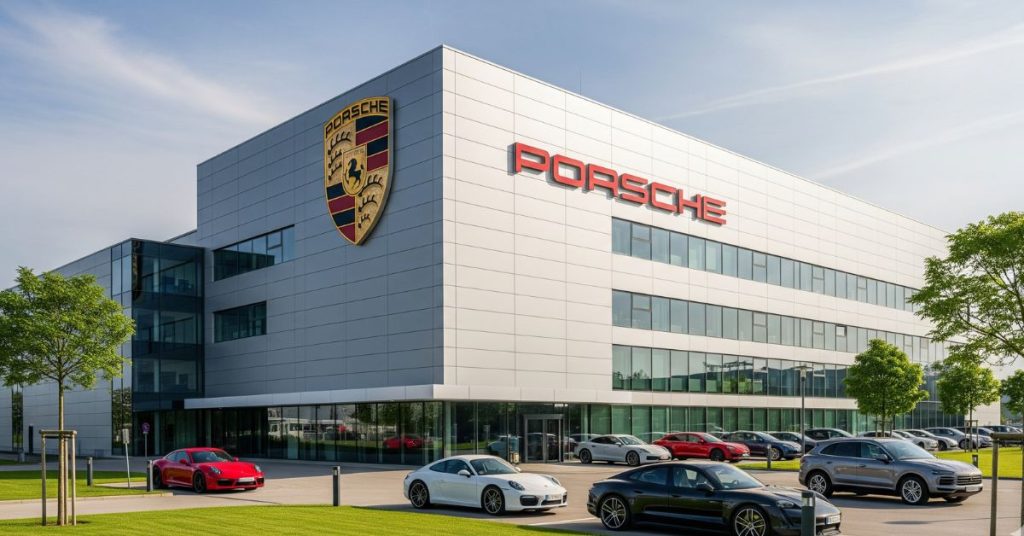
Combined with a highly personalized dealership experience and extensive customization options, owners frequently develop long-term relationships with the brand.
S&P Global’s loyalty rankings are based on actual U.S. vehicle registration data, making Porsche’s continued success particularly impressive given its relatively small sales volume.
Retaining customers at such a high level shows that delivering a consistently rewarding ownership experience matters just as much as selling large numbers of vehicles.
10. Kia
Kia has undergone one of the most remarkable transformations in the American automotive market. Once known primarily for affordability, the brand now competes directly with long-established manufacturers in technology, design, safety, and quality.
This evolution has translated into significantly stronger owner loyalty, with S&P Global Mobility recognizing Kia as one of the industry’s leading brands for retaining customers through repeat purchases.
Product development has played the biggest role in Kia’s success. Modern models such as the Telluride, Sportage, Sorento, K5, and EV9 have earned praise for their combination of competitive pricing, upscale interiors, advanced technology, and strong safety performance.
Buyers who experience these improvements are increasingly choosing another Kia when replacing their current vehicle.
Warranty coverage also remains a major advantage. Kia’s 10-year or 100,000-mile limited powertrain warranty gives many first-time buyers additional confidence, particularly when compared with several competitors offering shorter coverage periods.
While warranty alone does not guarantee loyalty, it reinforces the perception of long-term value and encourages positive ownership experiences.
The company’s rapid expansion into hybrid and electric vehicles has further strengthened customer retention.
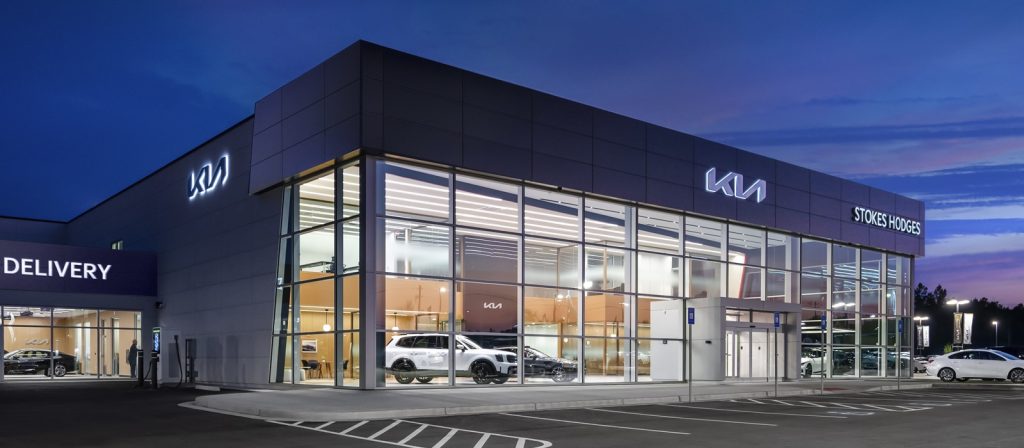
Owners interested in electrification can move from a gasoline-powered Kia into models such as the EV6, EV9, Sportage Hybrid, or Sorento Hybrid without changing brands. This flexibility helps Kia maintain customer relationships as market preferences continue evolving.
S&P Global Mobility’s registration-based loyalty data confirms that Kia’s progress is supported by actual repeat purchases rather than marketing claims.
The brand has successfully shifted from attracting buyers primarily through price to earning loyalty through quality, innovation, and a well-rounded ownership experience.
Also Read: 8 Limited-Run Vintage Cars That Sold Out and Never Came Back