
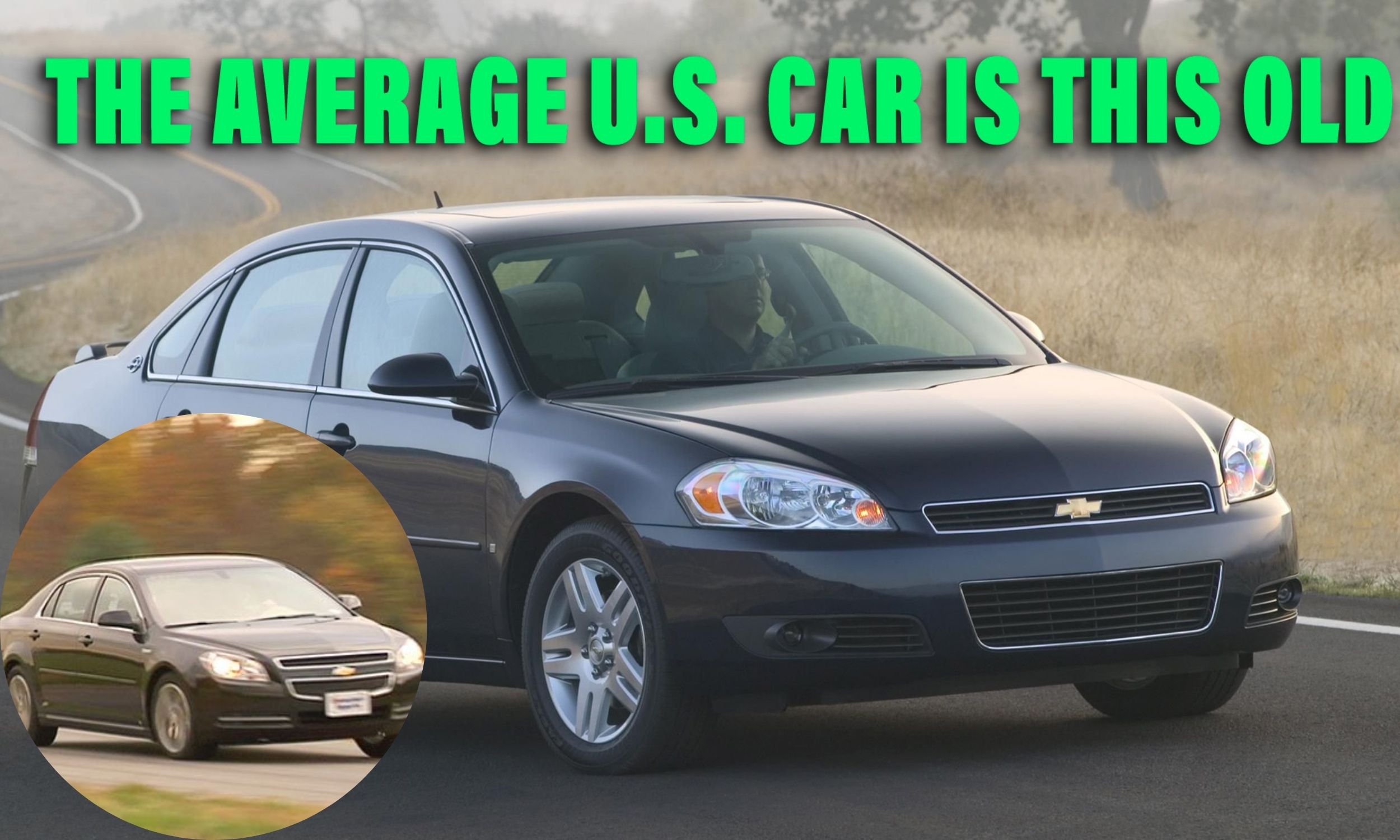
Cars in America are staying on the road longer than ever, and the numbers back it up. According to S&P Global Mobility, the average age of a light vehicle in the United States climbed to 12.8 years in 2025, marking the second year in a row with a two-month jump. That might sound like a small move, but it points to a bigger story about how people buy, keep, and drive their cars today.
Passenger cars alone now average 14.5 years, while light trucks sit at 11.9 years. And for the first time since the 1970s, passenger cars have dropped below 100 million units on U.S. roads. Buckle up: this is a look at why your neighbor’s old sedan just won’t quit.

Why Vehicles Are Aging So Fast
Money talks, and right now it’s saying “keep the car you have.” New vehicle prices remain stubbornly high, and used cars aren’t much of a bargain either. Add in interest rates that make financing sting, and plenty of drivers are choosing to patch things up rather than sign a new loan.
There’s also a build-quality piece to this. Cars manufactured today, generally speaking, last longer than those from twenty or thirty years ago. Better rust protection, improved engine engineering, and stronger transmissions mean a vehicle that hits 150,000 miles isn’t unusual anymore.
Todd Campau, aftermarket practice lead at S&P Global Mobility, pointed to this durability as one reason the fleet keeps aging without falling apart. Supply chain disruptions from the pandemic still echo through today’s registration numbers, too. When new vehicle production slowed sharply in 2020 and 2021, fewer fresh cars entered the fleet.
That gap never fully closed, so older vehicles kept doing double duty. Even though registrations topped 16 million in 2024, the first time since 2019, that surge wasn’t enough to offset the sheer volume of aging vehicles already in driveways and parking lots across the country.
What Happened to the Passenger Car
Something quietly historic occurred in 2024: passenger cars fell below 100 million units on American roads, a threshold not crossed since the 1970s. Sedans and coupes, once the default choice for families and commuters, have been steadily losing ground.
Blame the SUV. Consumer taste has swung hard toward crossovers, pickups, and other vehicles S&P Global Mobility classifies as light trucks. These vehicles offer more cargo room, a higher seating position, and often better ground clearance, features that resonate with buyers who want flexibility for road trips, hauling gear, or simply feeling more secure in traffic.
Campau described passenger cars as being in a steady decline toward equilibrium, a leveling-off point rather than a total disappearance. Sedans aren’t vanishing entirely; they’re becoming a smaller slice of a much bigger pie. Automakers have responded by trimming sedan lineups and pouring resources into truck and SUV development instead.
Several major brands have already discontinued once-popular car models entirely. This transition explains part of the age gap between vehicle types. Passenger cars average 14.5 years partly because fewer new ones are entering the market to balance out the older ones still running.
Light trucks, growing in number and popularity, pull their average age down to 11.9 years by comparison. The mix of vehicles on American roads is changing, and the age statistics reflect that transformation clearly.
Also Read: U.S. Vehicle Production Crown Goes to Ford in Latest Report
Regional Differences Across the Country
Not every state ages at the same pace, and the variation is bigger than you might expect. Some regions, especially the Northern Plains, Northwest, and parts of the South, show higher vehicle ages than the national figure. Montana stands out, with an average vehicle age reportedly more than five years above the countrywide number.
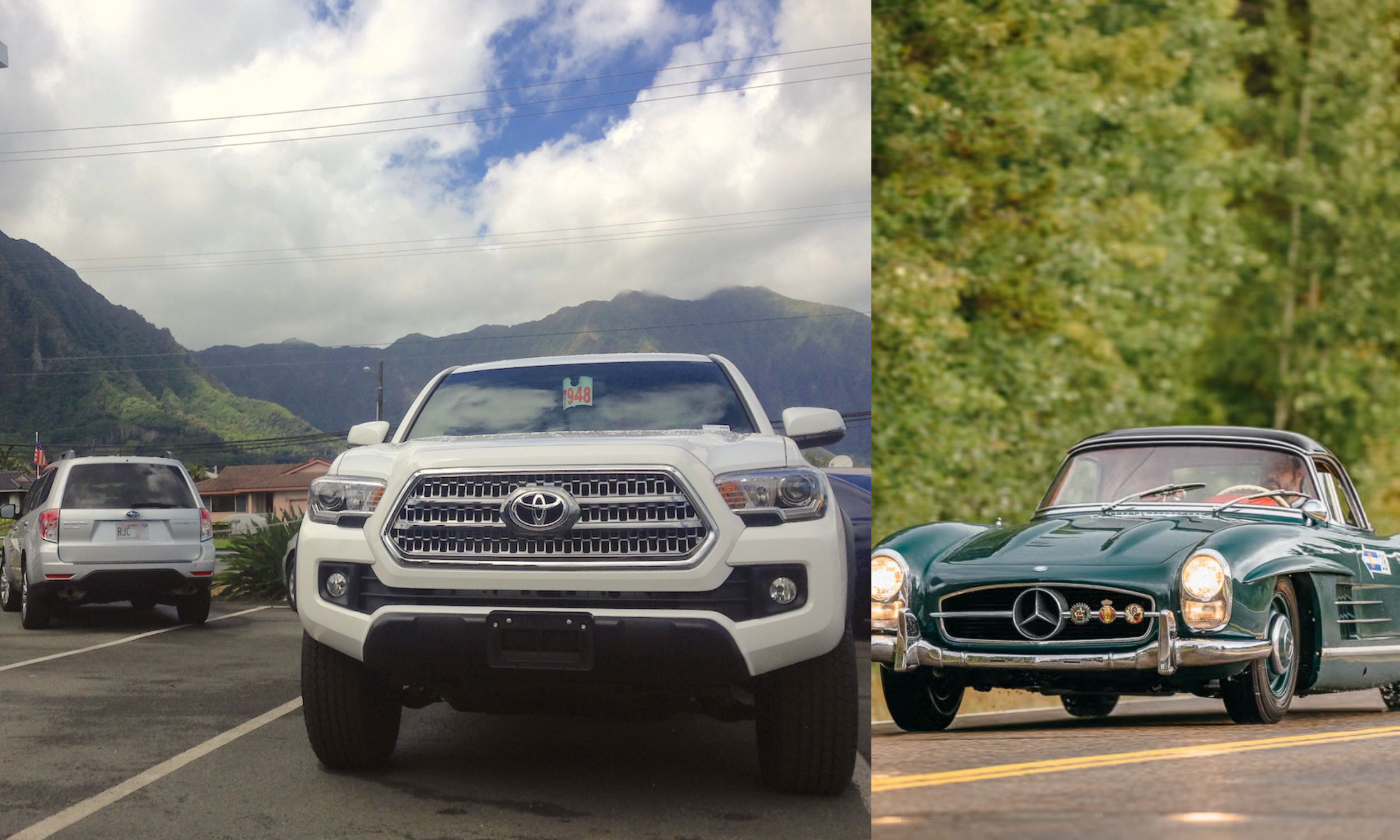
While much of the country is seeing vehicles stay on the road longer, Colorado and Hawaii stand out for the slower aging of their fleets. Differences in regional economies, household purchasing power, weather conditions, and infrastructure-related factors such as road salt use all influence how long motorists keep their cars.
The rise in vehicle age is also more widespread than many might expect. Beyond rural and lower-income states, places like Mississippi, North Dakota, and the District of Columbia have posted above-average increases in recent years. Campau explained that these broader patterns don’t always align with what drivers notice locally, since vehicle age can vary considerably from one community to another.
Why does this matter beyond curiosity? Because it shapes where repair shops see demand, where parts suppliers stock inventory, and how insurance companies assess risk. A ten-year-old car in a coastal city with mild weather faces different wear than the same model parked outdoors through harsh winters in the upper Midwest.
The Electric Vehicle Wrinkle
Here’s something unexpected buried in the data: battery electric vehicles are starting to show their own age creep, a first in recent memory. The average age for BEVs rose two months year-over-year, landing at 3.7 years. Still remarkably young compared to the total fleet, but the upward tick suggests something is shifting.
Slowing sales growth for fully electric models seems to be the culprit. As fewer new BEVs enter the market relative to prior years, the existing electric fleet simply gets older on average, the same math playing out with sedans but on a much smaller scale. Hybrids tell a different story altogether.
Plug-in hybrids have held steady at 4.9 years, while traditional hybrid vehicles continue attracting buyers who want fuel savings without committing fully to an electric-only experience. Consumer preference currently favors hybrid and plug-in hybrid options over pure battery electric vehicles, and that pattern is driving hybrid age figures to stay flat or even tick downward as fresh models keep arriving.
Also Read: Automatic Emergency Braking Required on U.S. Vehicles
Why It Matters to Drivers and Repair Shops
An aging fleet isn’t just a statistic; it’s an opportunity knocking loudly for the automotive service industry. Vehicles between six and fourteen years old fall into what industry insiders call the aftermarket sweet spot, the stretch where cars need regular maintenance but have moved past factory warranty coverage.
With so many vehicles now sliding into or through that window, repair shops, parts retailers, and independent mechanics stand to benefit substantially. Industry estimates suggest vehicles aged six years or older could represent roughly 70 percent or more of vehicles in operation over the coming five years.
For everyday drivers, the takeaway is fairly reassuring, actually. Cars built in recent decades can genuinely handle high mileage without falling apart, provided owners keep up with basic upkeep like oil changes, brake service, and timely repairs. Holding onto a reliable vehicle longer, rather than trading it in, has become a financially sound choice for millions of American households.
Whether this trend continues climbing or starts to level off depends heavily on new vehicle affordability and how quickly manufacturing catches up to demand. For now, though, that thirteen-year-old car in the driveway isn’t an outlier. It’s the new normal.
