
Good news is rolling into driveways across the country this year, and it has nothing to do with sticker prices. A fresh study from iSeeCars looked at how much value cars lose after half a decade on the road, and the results might make you rethink that used car purchase you’ve been putting off.
Buyers are holding onto more of their money than they were twelve months ago, and sellers are pocketing a bigger return when it’s time to trade in. Whether you’re shopping for your next ride or wondering what your current one is worth, these figures matter. Grab a coffee, because the used car market just handed everyone a pleasant surprise.

The Study Behind the Numbers
iSeeCars didn’t pull these figures from thin air. The company reviewed over 950,000 five-year-old used cars sold from March 2025 to February 2026 to calculate five-year depreciation rates. That’s a massive sample, and it gives the findings real weight rather than relying on a handful of dealership anecdotes.
The headline figure is striking. Average five-year depreciation improved to 41.8% in 2026, a 3.8 percentage point gain compared to 2025. In dollar terms, that translates to real savings for anyone holding onto a car for five years, or real profit for anyone selling one. The highest depreciation rate recorded in the study was 63.1%, while the lowest came in at just 9.6%, showing just how wide the gap can be between models.
To keep the results accurate, researchers adjusted every manufacturer’s suggested retail price for inflation using Bureau of Labor Statistics data, and they removed heavy-duty trucks, discontinued models, and low-volume vehicles from the mix. That kind of careful filtering matters when you’re trying to compare a five-year-old sedan honestly against its original price tag.
Winners and Losers Across Different Segments
Not every type of vehicle holds up the same way, and this year’s data makes that obvious. Trucks came out on top yet again. According to the research, trucks now lose only 34.2% of their value after five years, while hybrids follow closely behind at 35.4%.
Pickup owners specifically have reason to smile. The average new truck depreciates 34.2% after five years, and Toyota’s lineup led the pack, with the Tacoma losing just 19.9% and the Tundra losing 21.2% of original value. The Ford Ranger wasn’t far off either, coming in at 30.2%.
Luxury sports cars threw a curveball into the usual assumption that pricier vehicles always lose more. The Porsche 718 Cayman posted the best result of any car in the entire study, shedding just 9.6% of its value, or roughly $6,988, over five years. Compare that to the average vehicle, which loses about $16,571 over the same stretch, and the Cayman’s staying power becomes even more impressive.
So what’s driving these differences? Reliability reputation, ongoing demand, and limited production numbers all play a role. Cars that people genuinely want to own for years, rather than simply replace, tend to hold their value far better than mass-market alternatives.
Also Read: What Depreciation Costs per Month on a $50,000 SUV on Top 10 Brands
Electric Vehicles Are Still Falling Behind
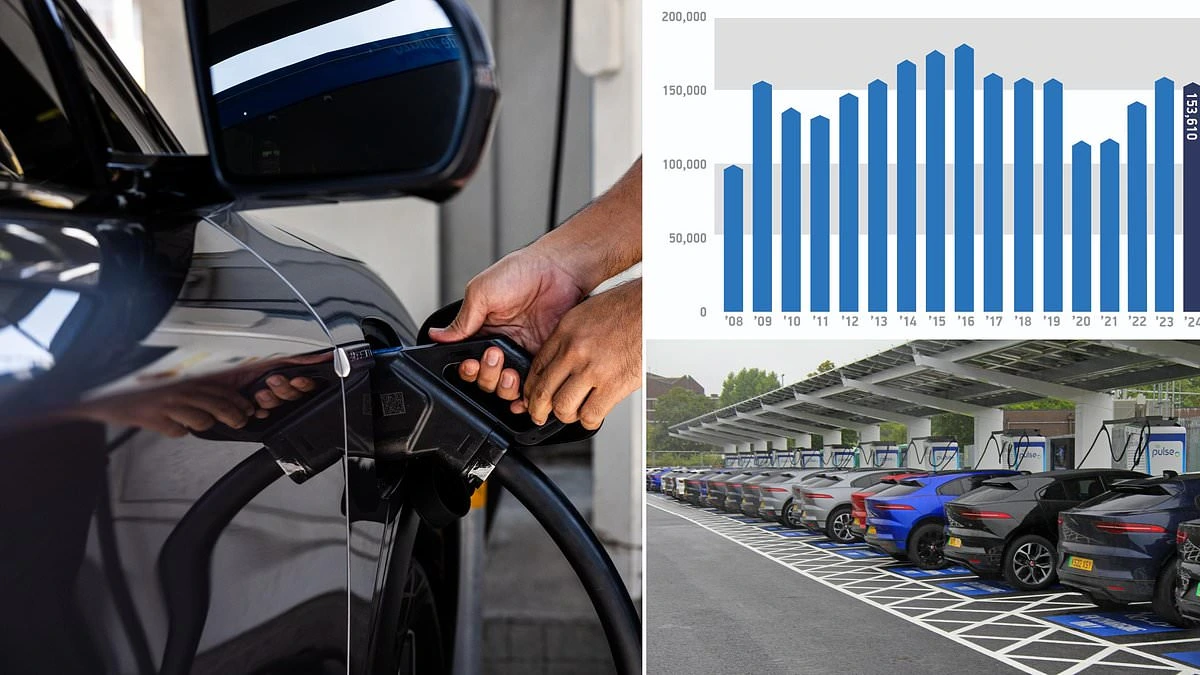
Every rule has an exception, and in this case, it’s electric vehicles. While gas-powered cars, trucks, and hybrids all posted gains, EVs continue to lag well behind the pack. Electric vehicles are now losing 57.2% of their value after five years, a figure that dwarfs the industry average.
Some models illustrate this problem in painful detail. The Audi e-tron GT, Jaguar I-Pace, Tesla Model S, Nissan LEAF, and Tesla Model X all lose more than 60% of their value within five years. That’s an enormous drop for buyers who paid premium prices when these cars were new.
Several factors explain the gap. Rapid advances in battery technology make older EVs feel outdated fast, frequent price cuts on new models drag down resale values for used ones, and luxury pricing means there’s simply more dollar value to lose in the first place. Losing 66% of a $30,000 car costs far less in raw dollars than losing 60% of a $108,000 one, but the percentage still stings on paper.
There’s a silver lining buried in this data, though. Anyone shopping secondhand can benefit directly from someone else absorbing that steep initial drop, making a lightly used EV a genuinely smart purchase for budget-conscious buyers willing to skip the badge of owning a brand-new one.
What’s Driving the Improvement
Curious why depreciation eased up this year? Karl Brauer, an executive analyst at iSeeCars, has a theory. “This recent reduction in five-year depreciation rates suggests rising used car demand and/or insufficient supply over the past 12 months,” Brauer explained, pointing to basic market forces at play.
It’s worth remembering how we got here. Prices spiked during the pandemic when new car production slowed, and buyers scrambled for whatever inventory was available. Values have since cooled, but they haven’t returned to a free fall. Brauer noted that current figures aren’t back to pandemic-era levels, but with used cars retaining more value across every major segment, something has clearly changed in how buyers view the secondhand market.
Supply chains have steadied since those chaotic years, yet dealership lots still aren’t overflowing the way they once did. Add in stubbornly high interest rates on new car loans, and plenty of shoppers are choosing to stretch the life of what they already own or hunt for a quality used option instead.
The result is a used car market where demand keeps outpacing supply just enough to prop up prices. For anyone who bought a car in the last five years, that’s a welcome development worth celebrating.
Also Read: 10 Trucks That Lose $20,000 To Depreciation Before 40,000 Miles
What It Means for Your Next Purchase
None of this is just academic. If you’re planning to sell or trade in a car that’s around five years old, this is genuinely good timing. Your vehicle is likely worth more than it would have been last year, assuming it falls outside the electric segment.
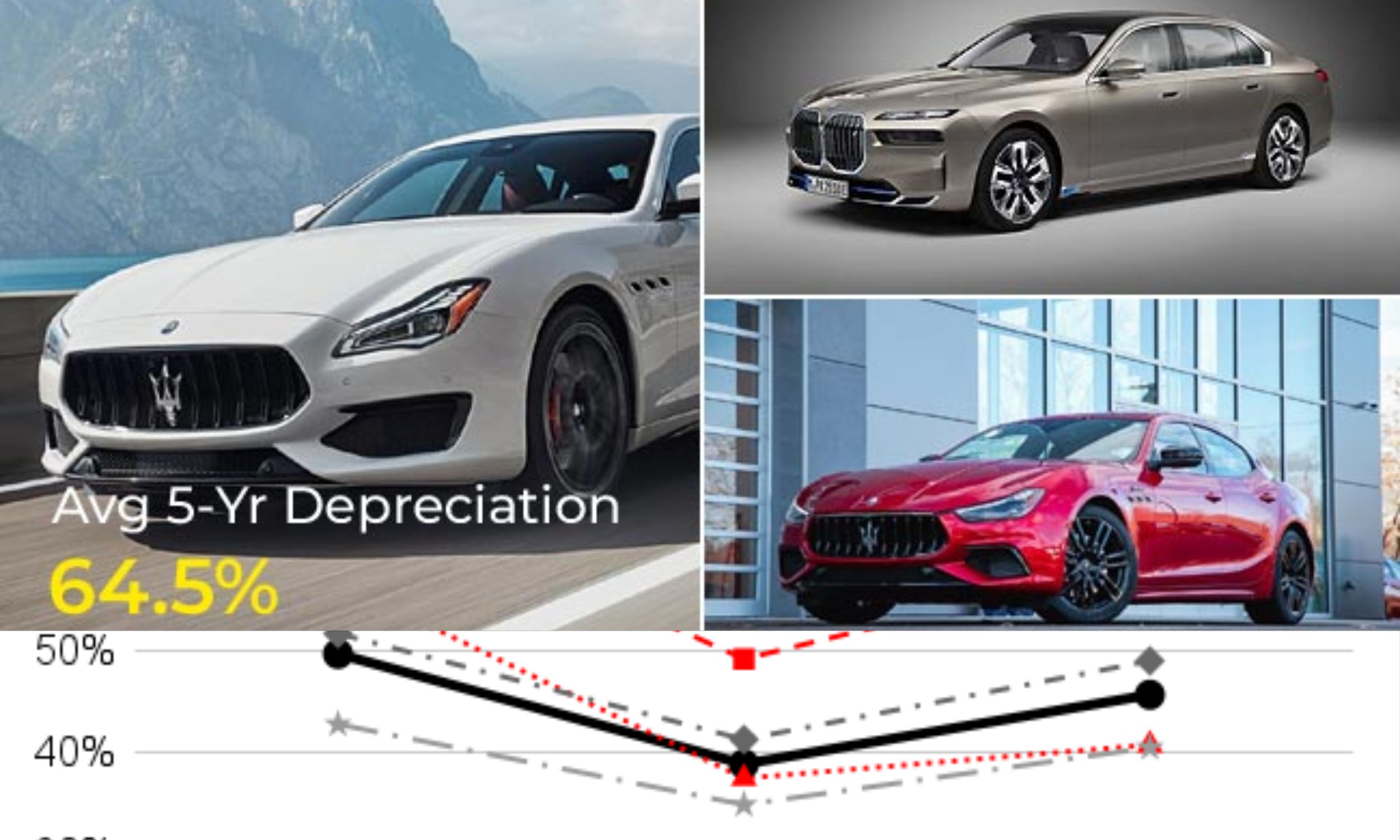
Shoppers hunting for bargains shouldn’t give up hope either. Vehicles with steeper depreciation curves, particularly certain EVs and luxury models, still represent excellent value for buyers willing to purchase used rather than new. Someone else has already paid for that initial drop in price, leaving you with a capable car at a fraction of its original cost.
Trucks and hybrids remain the safest bet if long-term value retention tops your priority list. If your budget allows for a bit more research before buying, checking a specific model’s depreciation history could save you thousands down the road. A little homework now beats a nasty surprise later when it’s time to sell.
