
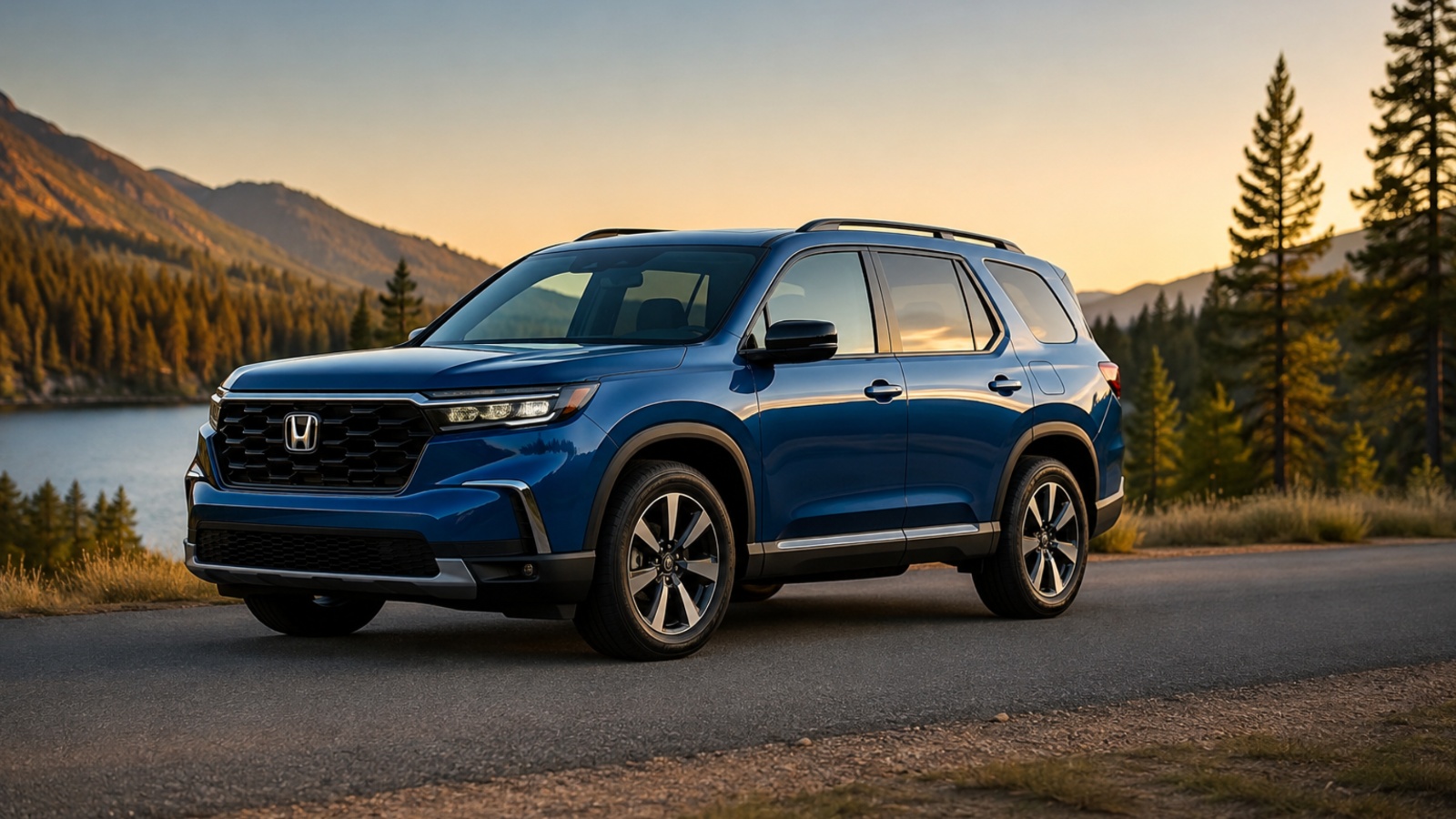
Owning a Honda Pilot involves more than the purchase price shown at a dealership. Buyers should consider fuel, maintenance, repairs, insurance, depreciation, and other expenses that appear during years of ownership. Edmunds True Cost to Own estimates help drivers understand these long-term costs before making a decision.
The five-year ownership picture for a Honda Pilot includes predictable service needs and financial factors that affect family budgets. This guide explains what owners can expect from a Pilot over five years while reviewing major cost categories and practical considerations. It offers a clear view of ownership expenses using Edmunds TCO information available.
Also Read: 5 Cars With the Highest Theft Rates in New York & 5 With Lowest
Purchase Price and Initial Ownership Costs
The first major expense connected with a Honda Pilot is the purchase price. The final amount depends on the trim level, optional equipment, dealer pricing, incentives, and market conditions.
Higher trims with added comfort features, advanced technology, and premium materials require a larger initial investment. Buyers should compare different versions carefully because the starting price affects monthly payments and long-term ownership calculations.
Edmunds True Cost to Own considers more than the amount paid when buying a vehicle. The calculation includes costs that continue after the purchase, helping drivers understand the financial commitment of keeping a Honda Pilot. Taxes, fees, financing charges, and other initial expenses can change the amount spent during the first years of ownership.
The Honda Pilot is designed as a midsize SUV for families who need passenger space, cargo room, and daily comfort. Its size and features contribute to its value, but they also influence expenses such as fuel usage and tire replacement.
A larger vehicle often requires more resources than a smaller car, making careful budgeting important.
Many buyers focus mainly on the sticker price, but depreciation has a major effect on ownership costs. The difference between what a vehicle costs when new and what it is worth after several years represents a significant expense. Edmunds TCO calculations include depreciation because it reflects the real financial impact of vehicle ownership.
A Honda Pilot generally benefits from Honda’s reputation for durability and strong resale demand. A well-maintained vehicle can retain value better than some competitors, reducing the financial impact of depreciation. Regular service, careful driving habits, and proper care can help owners protect the vehicle’s future worth.
Fuel Expenses During Five Years
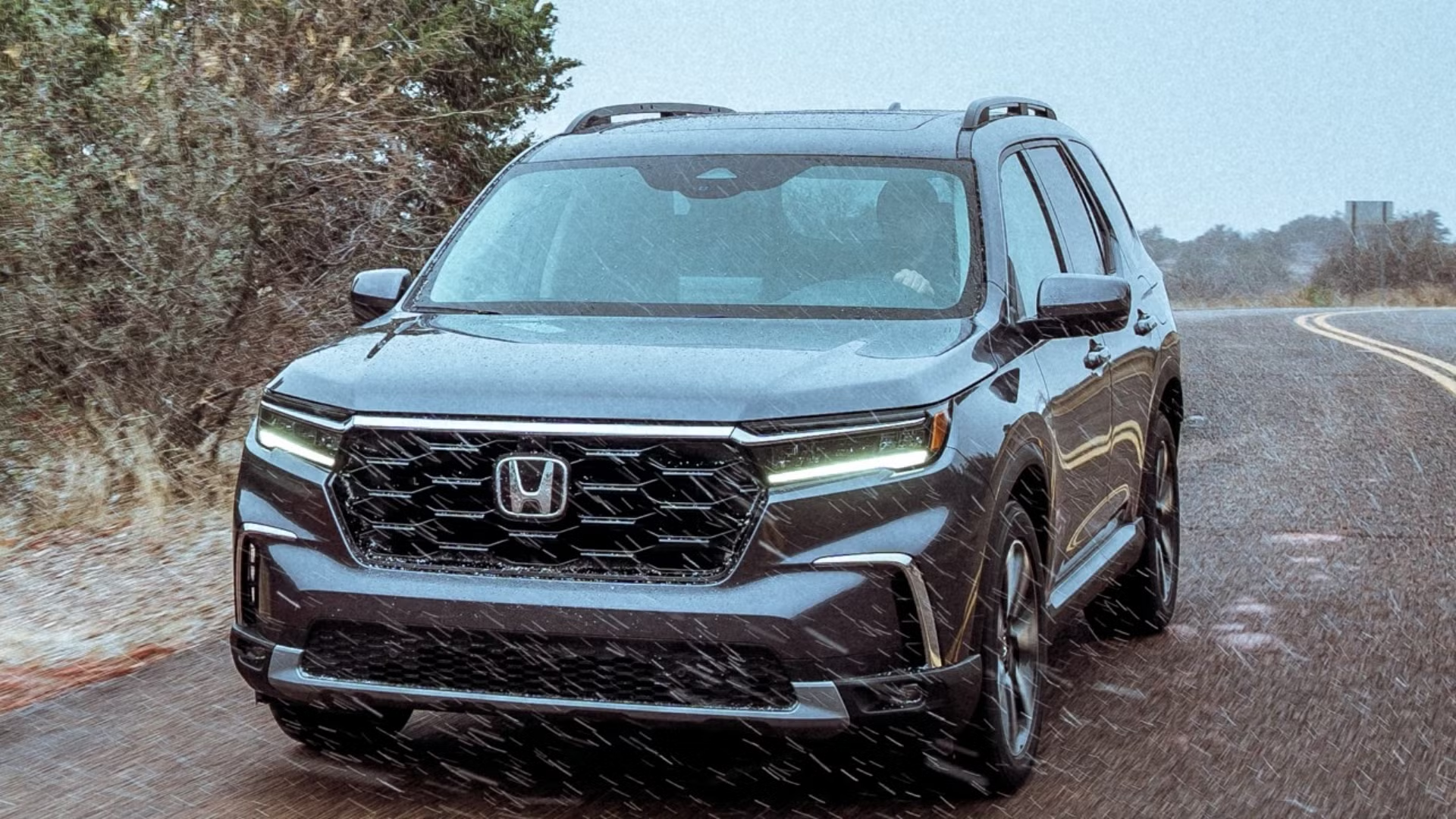
Fuel is a regular cost that affects every SUV owner. The Honda Pilot uses a gasoline engine designed to provide a balance between performance and efficiency. Actual fuel spending depends on driving habits, traffic conditions, mileage, fuel prices, and whether the vehicle is mainly used for city trips or highway travel.
Edmunds TCO estimates fuel costs by considering expected annual mileage and average fuel prices. These numbers provide a helpful estimate, but individual expenses may vary.
A driver who travels long distances every year will usually spend more on gasoline than someone who mainly uses the SUV for short local trips.
The Honda Pilot offers useful space for families, but its larger body and stronger engine require more fuel than compact vehicles. Buyers who prioritize passenger capacity and towing capability should include fuel spending in their ownership plans. Understanding this expense helps prevent surprises after purchase.
Driving habits can influence fuel consumption significantly. Smooth acceleration, regular tire checks, proper maintenance, and avoiding unnecessary idling can improve efficiency. Small changes in driving behavior may reduce fuel spending throughout the five-year ownership period.
Fuel prices can change over time, which means actual costs may differ from estimates. Edmunds TCO provides a structured way to compare expenses, but owners should also consider their local fuel market. Creating a realistic budget with some flexibility can make ownership easier to manage.
Maintenance and Repair Expenses
Routine maintenance is a necessary part of keeping a Honda Pilot reliable. Common services include oil changes, tire rotations, brake inspections, fluid replacements, and scheduled checks. Following the manufacturer’s maintenance recommendations can help prevent larger problems and support long-term vehicle performance.
Edmunds TCO includes estimated maintenance expenses because these services represent a predictable part of ownership. While Honda vehicles are known for reliability, every vehicle requires care. Ignoring routine service can increase repair costs and reduce the vehicle’s condition over time.
Repair costs can vary depending on age, mileage, driving conditions, and how well the vehicle has been maintained. During a five-year period, most owners can expect normal wear items to require attention. Tires, brakes, batteries, and other components eventually need replacement.
Warranty coverage may help reduce certain expenses during the early years of ownership. However, owners should still prepare for costs that are not covered. Understanding warranty limits and maintaining service records can help drivers make informed decisions about future repairs.
The Honda Pilot’s reputation for quality can provide confidence for buyers planning long-term ownership. A consistent maintenance routine is important for protecting that reliability. Spending money on preventive care can reduce the chance of expensive issues later.
Insurance and Other Ownership Costs
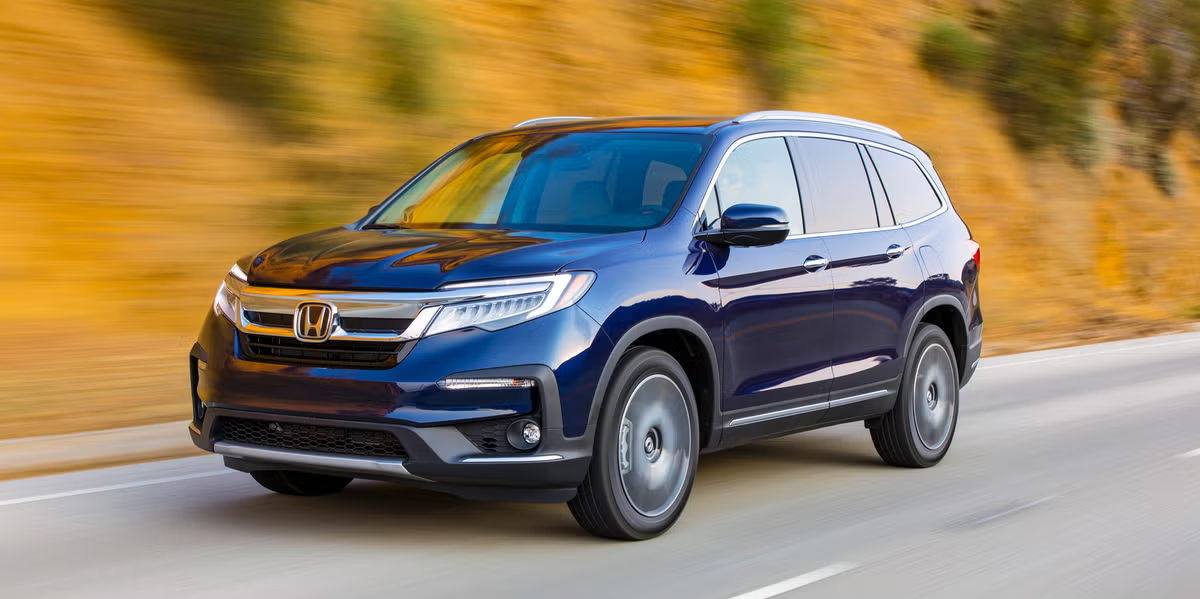
Insurance represents a major part of the five-year cost of owning a Honda Pilot. Premiums depend on factors such as location, driving history, coverage choices, and personal information used by insurers. Because insurance rates vary widely, individual owners may experience different expenses from Edmunds’ estimates.
SUV insurance costs are influenced by repair expenses, safety features, replacement values, and claim history. The Honda Pilot includes modern safety technology that may support competitive insurance pricing for some drivers. However, insurance providers use many factors when determining rates.
Registration fees, taxes, and government charges also contribute to ownership expenses. These costs vary by state and local regulations. Although they may appear smaller than fuel or depreciation, they still add to the total amount spent over five years.
Accessories and optional services can increase ownership spending as well. Some owners choose additional protection plans, upgraded tires, roof equipment, or interior accessories. These purchases can improve convenience but should be included when calculating the true cost of ownership.
Edmunds TCO helps organize these different expenses into a clearer financial picture. Looking beyond the monthly payment gives buyers a better understanding of what owning a Honda Pilot requires. A complete budget should include every recurring and occasional cost.
Five-Year Honda Pilot Ownership Value
The five-year ownership cost of a Honda Pilot reflects the combination of purchase price, depreciation, fuel, maintenance, repairs, insurance, and fees. Edmunds True Cost to Own provides estimates that allow shoppers to compare vehicles based on long-term financial impact rather than only the initial price.
The Honda Pilot remains appealing to families who need three rows of seating, practical cargo space, and dependable performance.
These benefits contribute to its popularity among SUV buyers. The cost of ownership should be considered alongside the vehicle’s comfort, capability, and usefulness.
Resale value plays an important role in the financial picture. Vehicles that maintain demand in the used market may experience less depreciation compared with models that lose value quickly. Proper maintenance and responsible ownership can support stronger resale results.
Comparing the Honda Pilot with similar SUVs can help buyers decide whether it matches their needs. Different vehicles may have lower fuel costs, cheaper purchase prices, or different repair expectations. The best choice depends on personal priorities, driving patterns, and budget limits.
A five-year ownership review shows that the Honda Pilot requires planning beyond the dealership purchase. Edmunds TCO gives buyers a practical framework for understanding expenses and making informed decisions.
For drivers seeking a family SUV with useful features and dependable performance, the Pilot remains a vehicle worth considering when evaluating long-term costs.
Also Read: 5 Cars With the Highest Theft Rates in California & 5 With Lowest
