
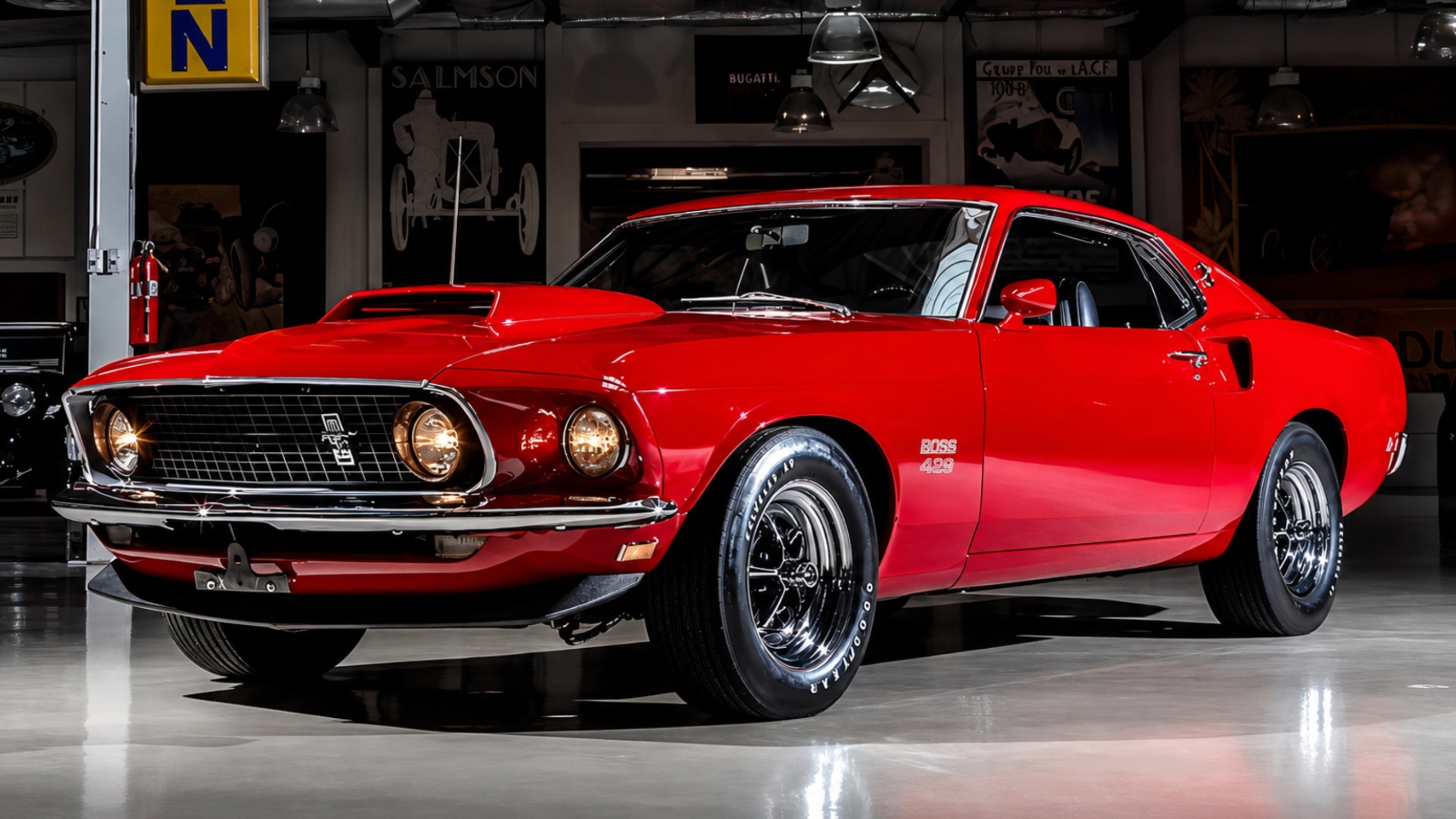
The Ford Mustang has built a legendary reputation through performance, racing success, and bold engineering choices. Among the many versions created during the Mustang’s long history, few stories are as fascinating as the connection between the Mustang and Ford’s massive Boss 429 engine program.
While the famous Boss 429 Mustang from 1969 and 1970 is widely remembered, Ford also created special Mustangs connected to NASCAR technology and high-performance development.
These cars represent a period when manufacturers pushed extreme engines into street vehicles to prove dominance on the track. The Boss 429 remains a symbol of Ford’s racing heritage and engineering ambition.
Also Read: 5 Cars With the Highest Theft Rates in New York & 5 With Lowest
The Birth of the Boss 429 Engine and NASCAR Connection
During the late 1960s, Ford was deeply involved in the competition between American manufacturers in NASCAR racing. The sport was becoming a major testing ground for engine technology, and manufacturers used racing success to build their performance reputations.
Ford needed a powerful engine capable of competing against rivals such as Chrysler, which had developed extremely successful racing engines. The answer was the Boss 429, a large-displacement V8 designed with NASCAR competition in mind.
The Boss 429 engine was based around Ford’s need for a racing powerplant that could meet NASCAR homologation requirements. The engine featured a massive 429 cubic inch displacement and used a unique cylinder head design influenced by Ford’s racing programs.
The goal was not simply to create a powerful street engine but to develop a platform that could compete at the highest levels of stock car racing.
Ford’s approach with the Boss 429 was different from many traditional muscle car engines. Instead of focusing only on horsepower numbers, engineers designed the engine around airflow, durability, and racing performance.
The large semi-hemispherical combustion chambers and high-flow cylinder heads gave the engine exceptional potential. However, fitting such a large engine into a production Mustang required significant modifications.
The Boss 429 Mustang became a special project handled by Kar Kraft, a company experienced with Ford performance conversions. Regular Mustang production facilities were not equipped to install the massive engine, so the cars were sent to Kar Kraft for extensive changes.
These modifications included suspension adjustments, engine bay alterations, and additional reinforcement to handle the weight and power of the engine.
Although the Boss 429 Mustang was sold as a street car, its connection to NASCAR gave it a special identity. Buyers were not simply purchasing a powerful Mustang. They were buying a vehicle connected to Ford’s racing ambitions and a period when manufacturers competed fiercely for performance recognition.
The Mustang Boss 429 Became a Collector Legend
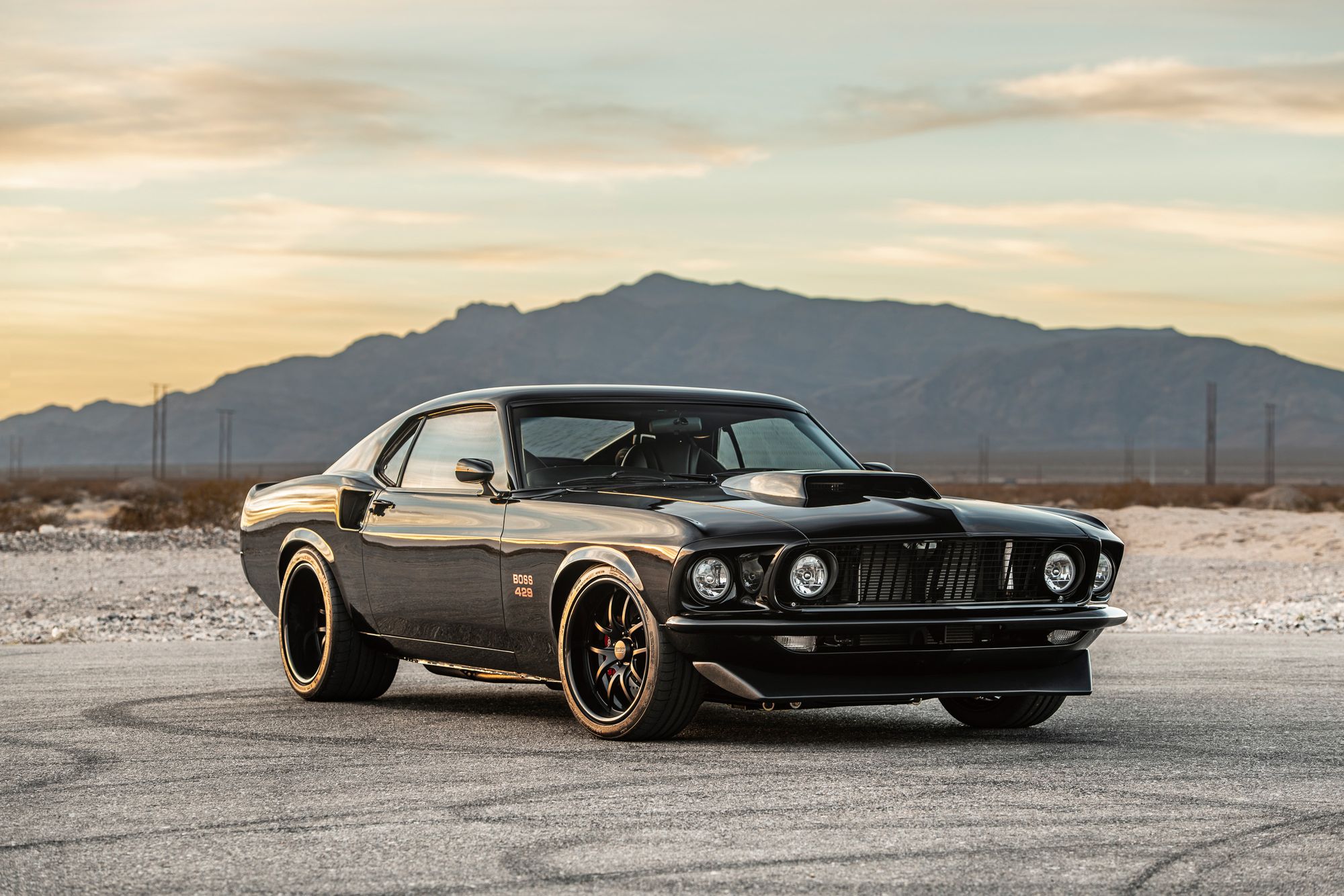
The Boss 429 Mustang was produced for the 1969 and 1970 model years, making it a rare vehicle even during its original production period. Ford built fewer than 1,400 examples, which helped create its legendary status among collectors.
The limited production numbers, unusual engineering, and racing connection made it stand apart from other Mustang performance models.
The Mustang Boss 429 carried the famous Boss name, which had already gained attention through Ford’s performance lineup. The Boss 302 was known for road racing abilities, while the Boss 429 represented extreme engine development.
Each model reflected a different approach to performance, showing Ford’s willingness to create specialized vehicles for different racing environments.
The street version of the Boss 429 was intentionally built with conservative factory ratings. Ford officially rated the engine at 375 horsepower, but many enthusiasts believed the actual output was higher.
The engine was designed with racing capability in mind, and its potential became part of the vehicle’s appeal. Many owners appreciated the engineering beneath the hood rather than just factory performance numbers.
Driving the Boss 429 was a unique experience compared with smaller-engine Mustangs. The car carried a large, heavy engine that affected handling characteristics, but the incredible torque and distinctive appearance created a memorable driving experience. The wide stance, hood scoop, aggressive styling, and special badging made the Mustang instantly recognizable.
Today, the Boss 429 remains among the most valuable classic Mustangs. Its value comes from a combination of rarity, historical importance, and the connection between street performance and NASCAR-inspired engineering. Collectors view it as a major chapter in Ford’s muscle car history.
Why the Boss 429 Name Became So Important for Ford
The Boss name represents a significant period in Ford’s performance history. During the late 1960s, Ford was creating vehicles designed to compete in multiple forms of motorsport.
The company understood that racing success influenced public interest, and performance models became a way to connect showroom vehicles with competition technology.
The Boss 429 helped establish Ford as a serious competitor in the high-performance market. At a time when American manufacturers were creating increasingly powerful vehicles, the Mustang version demonstrated Ford’s ability to build an extreme machine. It showed that the Mustang name could represent more than affordable sporty transportation.
The engine itself became famous beyond the Mustang. The Boss 429 was part of Ford’s broader racing strategy and represented advanced engineering for its era.
The design reflected lessons learned from competition, where airflow and reliability were essential for success. Even though the engine’s NASCAR career was complicated, its reputation continued through street versions.
The Boss 429 also contributed to the Mustang’s heritage as a vehicle connected to motorsports. Many performance cars gain popularity because of racing stories, and the Boss 429 had a genuine connection to Ford’s competition efforts. This connection helped strengthen the Mustang’s image as an enthusiast-focused vehicle.
The legacy of the Boss 429 continues because it represents a time when manufacturers were willing to create unusual and expensive performance machines. Modern enthusiasts often look back at this era as a period of experimentation and bold engineering decisions.
The Difference Between Racing Goals and Street Reality
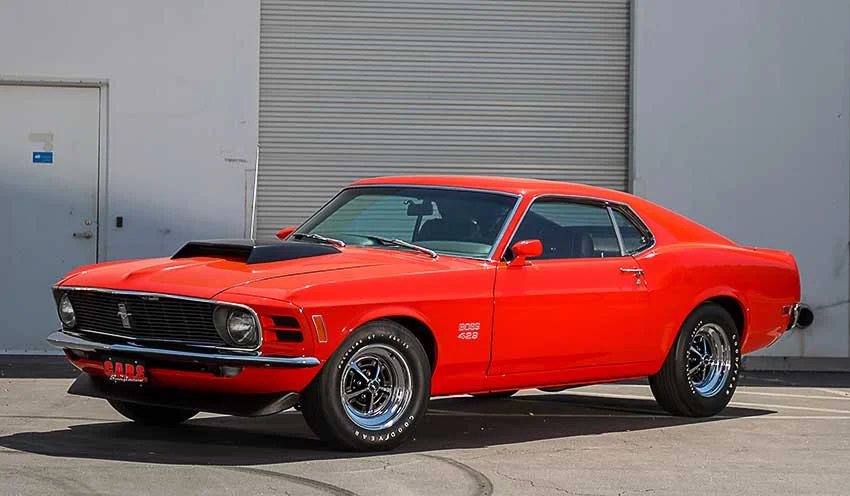
Creating a NASCAR-inspired engine for a production Mustang came with challenges. Racing engines are usually designed for specific conditions, while street vehicles require comfort, reliability, and everyday usability. Ford had to balance performance goals with the needs of regular customers who would drive these cars on public roads.
The Boss 429 engine was physically large, and installing it into the Mustang required significant work.
The modifications performed by Kar Kraft included widening sections of the engine compartment and making changes to accommodate the unique design. These changes added complexity and increased production costs.
The street version did not become a dominant drag racing machine straight from the factory. The car’s weight, gearing, and conservative setup meant it was not always the quickest option compared with lighter competitors.
However, performance numbers alone do not define the importance of the Boss 429. Its engineering story and historical significance are what made it special.
The Mustang Boss 429 represented Ford’s commitment to building a connection between racing technology and consumer vehicles. It showed how competition influenced automotive design during the muscle car era.
Even when certain racing goals changed, the technology created during that period continued to influence Ford’s performance image.
The challenges surrounding the Boss 429 also make its story more interesting. It was not simply a perfect machine created without compromise. It was a bold experiment that reflected the priorities of its time, when manufacturers competed through innovation, racing involvement, and powerful engines.
The Lasting Heritage of the Boss 429 Mustang
The Boss 429 Mustang remains a powerful symbol of Ford’s performance heritage. Decades after production ended, enthusiasts continue to celebrate the car because it represents a unique combination of Mustang identity and racing-inspired engineering. Few vehicles carry such a direct connection to a major motorsport era.
The car helped strengthen the Mustang name as a performance icon. The Mustang had already gained popularity since its introduction in 1964, but special models like the Boss 429 added depth to its reputation. They demonstrated that the Mustang platform could support extreme engineering projects.
Modern Ford performance vehicles continue to benefit from the heritage created by models like the Boss 429. The company’s current performance philosophy still reflects ideas developed during the muscle car era, including the importance of powerful engines, racing technology, and enthusiast appeal.
Collectors and historians continue to study the Boss 429 because it represents a turning point in automotive history. It came from a period when engine development was moving quickly and manufacturers were willing to create rare machines for performance enthusiasts.
The story of the Mustang with the Boss 429 engine is more than a tale about horsepower. It is about competition, engineering ambition, and the relationship between racing and production cars.
The Boss 429 remains a reminder of Ford’s willingness to push boundaries and create vehicles that become legends long after leaving the factory.
Also Read: 5 Cars With the Highest Theft Rates in California & 5 With Lowest
