
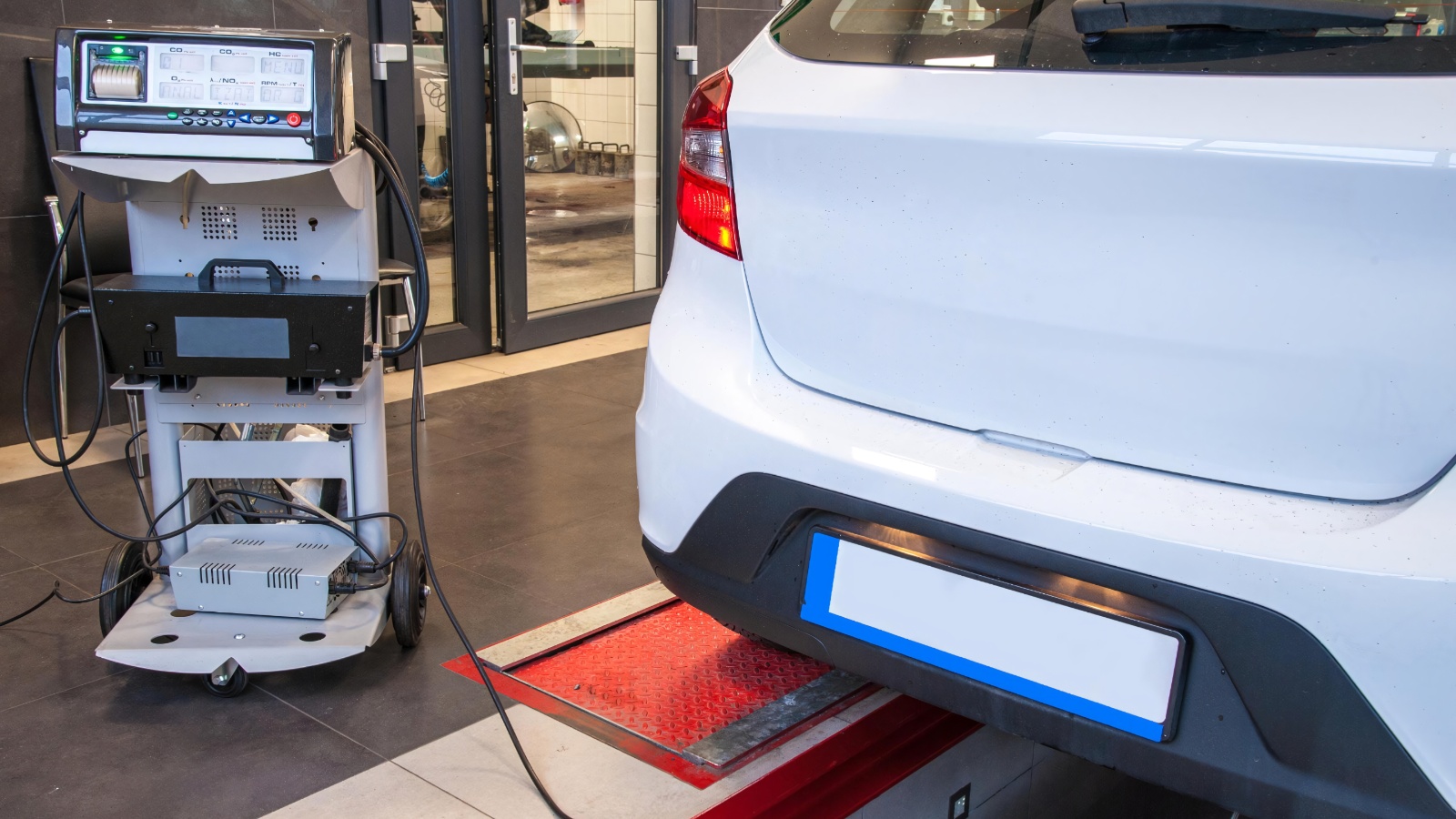
Passing a smog inspection has become increasingly difficult for many older vehicles in the United States. Federal emissions standards have tightened over the years, while states such as California, New York, Illinois, Nevada, Arizona, and several others continue to enforce strict inspection programs to reduce harmful air pollution.
A car that once met emissions requirements can now fail because of aging catalytic converters, worn piston rings, malfunctioning oxygen sensors, evaporative emission leaks, or outdated engine management systems.
Some models also develop well-documented emissions-related problems as mileage climbs past 150,000 miles. This list highlights eight vehicles that commonly struggle to pass modern U.S. smog inspections when they age, explaining why these issues occur and what owners should know before purchasing one used.
Also Read: 8 Cars With Heater Cores That Need the Dash Removed
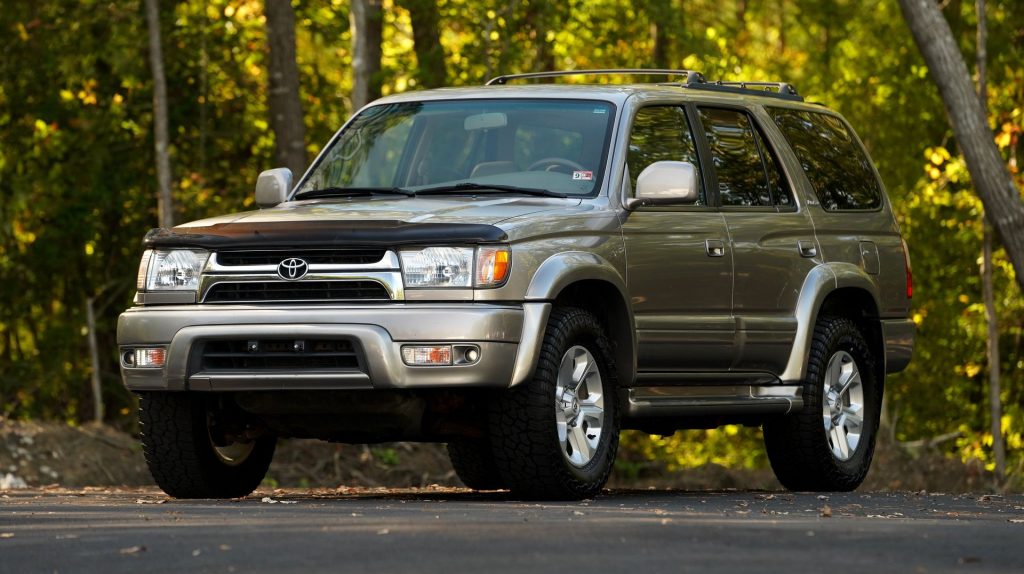
1. 1996 to 2002 Toyota 4Runner 3.4L V6
The third-generation Toyota 4Runner has earned an outstanding reputation for durability, with many examples exceeding 300,000 miles. Reliability, however, does not automatically translate into clean emissions.
Many surviving 4Runners from the late 1990s and early 2000s now face increasing difficulty during smog inspections because emissions components have reached the end of their service life.
One of the biggest concerns is catalytic converter efficiency. The original converters gradually lose their ability to convert hydrocarbons, carbon monoxide, and nitrogen oxides after years of heat cycling.
When efficiency drops below the threshold monitored by the engine computer, the check engine light activates with catalyst efficiency fault codes such as P0420, resulting in an automatic inspection failure in most emissions-testing states.
Another frequent issue involves aging oxygen sensors. Toyota recommends replacing oxygen sensors when performance deteriorates, yet many owners continue driving with original sensors well beyond 150,000 miles. Slow sensor response causes richer fuel mixtures, increasing emissions while reducing fuel economy.
Evaporative emission leaks also become common as rubber vacuum hoses, charcoal canisters, and fuel tank components age. Even a small leak detected during the onboard diagnostic self-test can prevent a vehicle from passing inspection.
Oil consumption on high-mileage 5VZ-FE engines is generally modest compared with many competitors, but worn valve stem seals or piston rings on neglected engines can increase hydrocarbon emissions.
The good news is that these problems are usually repairable, but replacement of genuine catalytic converters can easily cost thousands of dollars in states requiring California-certified components.
Buyers considering an older 4Runner should always verify that it recently passed a state emissions inspection before completing the purchase.
Specifications
- Engine: 3.4-liter DOHC V6 (5VZ-FE)
- Torque: 217 lb-ft
- Horsepower: 183 hp
- Length/Width: 183.3 inches / 66.5 inches
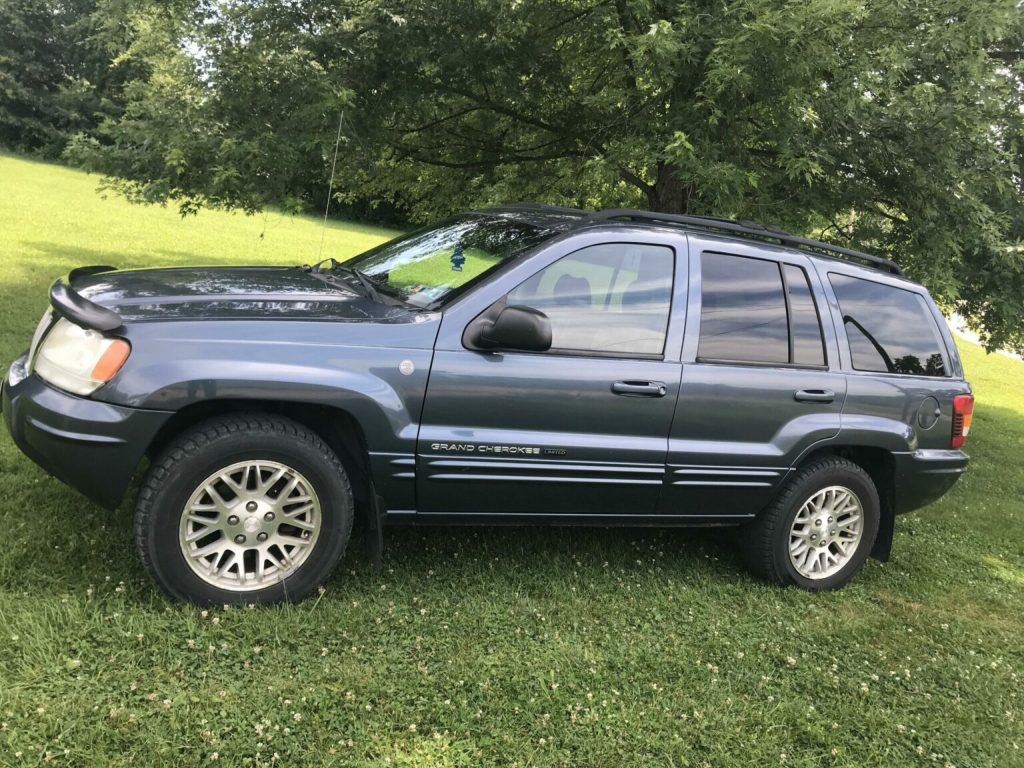
2. 1998 to 2004 Jeep Grand Cherokee 4.0L Inline Six
The Jeep Grand Cherokee equipped with the legendary 4.0-liter inline-six remains popular because of its strong low-end torque and simple mechanical design. Yet this SUV has become increasingly challenging to keep emissions compliant as it approaches two decades of service.
Unlike vehicles that suffer from one dominant emissions failure, the Grand Cherokee often develops several smaller problems that combine to create a failed smog inspection. Exhaust manifold cracks are among the most common.
A crack allows fresh air into the exhaust stream before it reaches the oxygen sensor, creating inaccurate readings that upset fuel control. Rich operation then increases emissions while placing additional stress on the catalytic converter.
The catalytic converter itself also becomes a weak point after years of towing, off-road driving, and repeated heat cycles. Once converter efficiency falls below federal requirements, diagnostic trouble codes trigger the malfunction indicator lamp, which automatically fails inspections relying on OBD-II readiness.
Fuel injector wear is another contributor. Aging injectors may drip slightly after shutdown or produce uneven spray patterns, increasing hydrocarbon emissions during startup. Vacuum leaks around aging intake components further complicate fuel mixture control.
Owners frequently replace ignition parts while overlooking emissions hardware such as the EVAP system, purge solenoid, and oxygen sensors. These overlooked components often become the deciding factor during testing.
High-mileage examples that have received comprehensive emissions maintenance can still pass inspection, but neglected vehicles frequently require substantial repairs before becoming compliant.
For used buyers, maintenance history is much more important than odometer mileage. A well-maintained Grand Cherokee with documented emissions repairs is usually a safer purchase than a lower-mileage example that has spent years without preventive maintenance.
Specifications
- Engine: 4.0-liter Inline Six
- Torque: 230 lb-ft
- Horsepower: 195 hp
- Length/Width: 181.5 inches / 72.3 inches
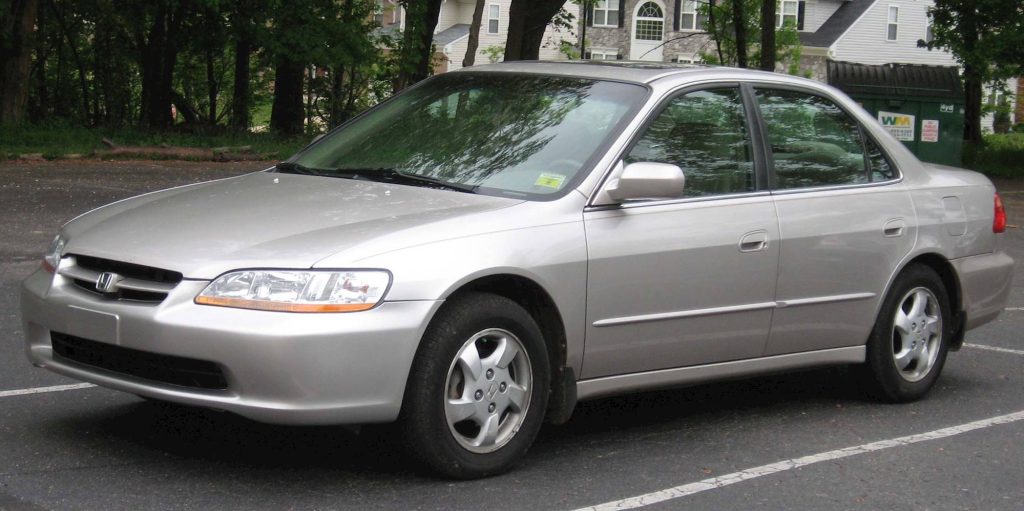
3. 1998 to 2002 Honda Accord 2.3L Four-Cylinder
Few midsize sedans have built a reputation as strong as the sixth-generation Honda Accord. Comfortable, dependable, and inexpensive to maintain, it became one of America’s best-selling cars during its production run.
Time, however, has made emissions compliance a growing challenge. Many surviving examples now exceed 200,000 miles, and several age-related problems can prevent them from passing modern U.S. smog inspections.
Unlike vehicles that usually fail because of one expensive repair, the Accord often develops a combination of smaller emissions issues.
Oxygen sensors gradually become slower to react, causing the engine control module to command a richer air-fuel mixture than necessary. Rich combustion increases carbon monoxide and hydrocarbon emissions while also shortening catalytic converter life.
Catalytic converter deterioration is another common concern. The ceramic substrate inside the converter slowly loses efficiency after years of extreme exhaust temperatures.
Once conversion efficiency drops below federal standards, the onboard diagnostics system stores catalyst efficiency codes, commonly P0420, automatically, resulting in a failed inspection in states using OBD-II testing.
The evaporative emissions system also deserves attention. Aging charcoal canisters, cracked vacuum hoses, leaking fuel caps, and worn purge valves frequently trigger EVAP system faults. Even though these issues may not noticeably affect how the car drives, they prevent emissions monitors from reaching a “ready” status required during inspection.
Oil consumption becomes more common on neglected high-mileage engines. Burning engine oil contaminates oxygen sensors and catalytic converters, creating an expensive cycle of repeated emissions failures if the underlying mechanical issue is ignored.
Many owners assume the dependable Accord will automatically pass because it still runs smoothly. Unfortunately, emissions testing evaluates far more than drivability.
Before purchasing one of these older Hondas, reviewing recent inspection records and confirming all emissions monitors have completed successfully is one of the smartest steps a buyer can take.
Specifications
- Engine: 2.3-liter SOHC Inline Four (F23A)
- Torque: 152 lb-ft
- Horsepower: 150 hp
- Length/Width: 188.8 inches / 70.3 inches
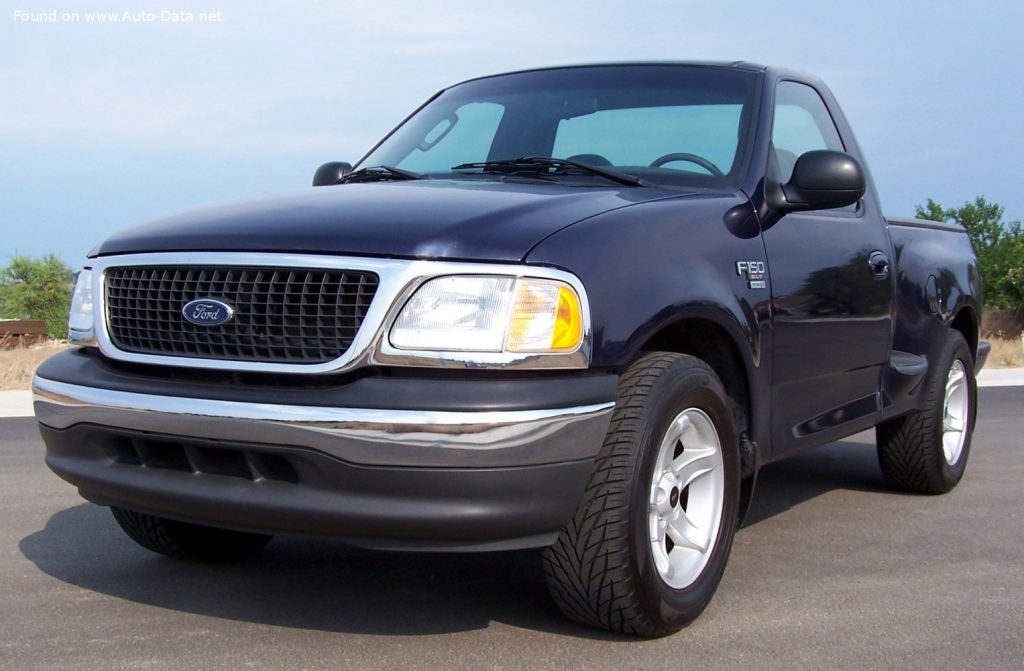
4. 1997 to 2003 Ford F-150 4.6L Triton V8
America’s best-selling pickup has always been known for durability and versatility, but many older F-150s equipped with the 4.6-liter Triton V8 now struggle to satisfy today’s emissions standards.
While the engine itself is capable of very high mileage with proper maintenance, the emissions equipment surrounding it often becomes the limiting factor as these trucks age.
One recurring issue involves vacuum leaks around the intake manifold and PCV system. Rubber hoses harden from years of engine heat, allowing unmetered air into the intake.
The engine computer attempts to compensate by adjusting fuel delivery, yet the resulting imbalance frequently produces lean-condition fault codes that immediately affect emissions compliance.
Another major contributor is ignition system deterioration. Worn spark plugs or failing coil-on-plug ignition coils create incomplete combustion, increasing hydrocarbon emissions.
Even a slight misfire places enormous thermal stress on the catalytic converters, which can eventually melt internally or lose efficiency. Once catalyst performance drops below the required threshold, the truck will not pass an OBD-II emissions inspection.
The exhaust gas recirculation system also becomes problematic with age. Carbon deposits can restrict EGR passages or prevent the EGR valve from operating correctly. Since the EGR system helps reduce nitrogen oxide emissions by lowering combustion temperatures, any malfunction can increase NOx output beyond acceptable limits.
Owners who frequently tow heavy trailers may see emissions components wear faster because converters operate at consistently higher temperatures. Add two decades of thermal cycling, and replacement becomes increasingly common.
Despite these concerns, the 4.6-liter Triton remains one of Ford’s more dependable V8 engines mechanically. The challenge is keeping every emissions component functioning as designed.
A truck with complete maintenance records, recent oxygen sensor replacement, and documented catalytic converter health is significantly more likely to clear inspection than one that has received only basic oil changes throughout its life.
Specifications
- Engine: 4.6-liter SOHC Triton V8
- Torque: 290 lb-ft
- Horsepower: 220 hp
- Length/Width: 226.7 inches / 79.9 inches
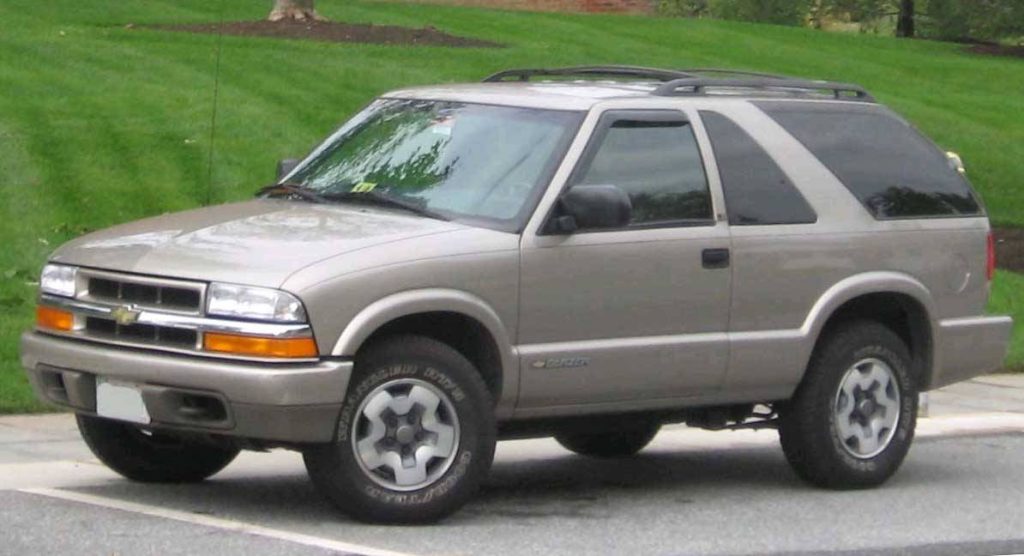
5. 1998 to 2005 Chevrolet Blazer 4.3L V6
The Chevrolet Blazer remained a favorite among American SUV buyers for years thanks to its compact size, respectable towing capability, and proven 4.3-liter Vortec V6.
Many examples are still on the road today, but passing a modern smog inspection has become increasingly difficult as these SUVs accumulate age and mileage. The issue is rarely the engine’s basic durability. Instead, the emissions system develops several well-documented failures that become expensive to correct.
One of the most common trouble spots is the Central Sequential Fuel Injection (CSFI) system found on earlier models. Fuel injector leaks or sticking poppet valves can create an excessively rich air-fuel mixture, leading to upgraded hydrocarbon and carbon monoxide emissions.
Drivers may notice rough cold starts or poor fuel economy long before the check engine light appears.
The catalytic converter is another frequent failure point. Years of rich fuel mixtures or intermittent engine misfires gradually damage the converter’s internal catalyst material.
When converter efficiency drops below the federal threshold, the engine control module stores catalyst efficiency codes that immediately prevent the vehicle from passing an OBD-II emissions inspection.
Aging oxygen sensors also deserve attention. After well over 100,000 miles, sensor response slows enough to reduce fuel control accuracy. The engine may continue running acceptably, but emissions increase because fuel trim adjustments become less precise.
Vacuum leaks and deteriorated EVAP components further complicate inspection results. Cracked vacuum hoses, worn purge valves, or leaking charcoal canisters frequently trigger emissions-related diagnostic codes despite having little effect on everyday driving.
Because replacement California-certified catalytic converters and related emissions components can be expensive, some owners postpone repairs. That decision often leads to repeated inspection failures and higher repair costs later.
Anyone shopping for an older Blazer should verify that recent emissions work has been completed rather than assuming a smooth-running engine guarantees compliance.
Specifications
- Engine: 4.3-liter Vortec V6
- Torque: 250 lb-ft
- Horsepower: 190 hp
- Length/Width: 183.7 inches / 67.8 inches
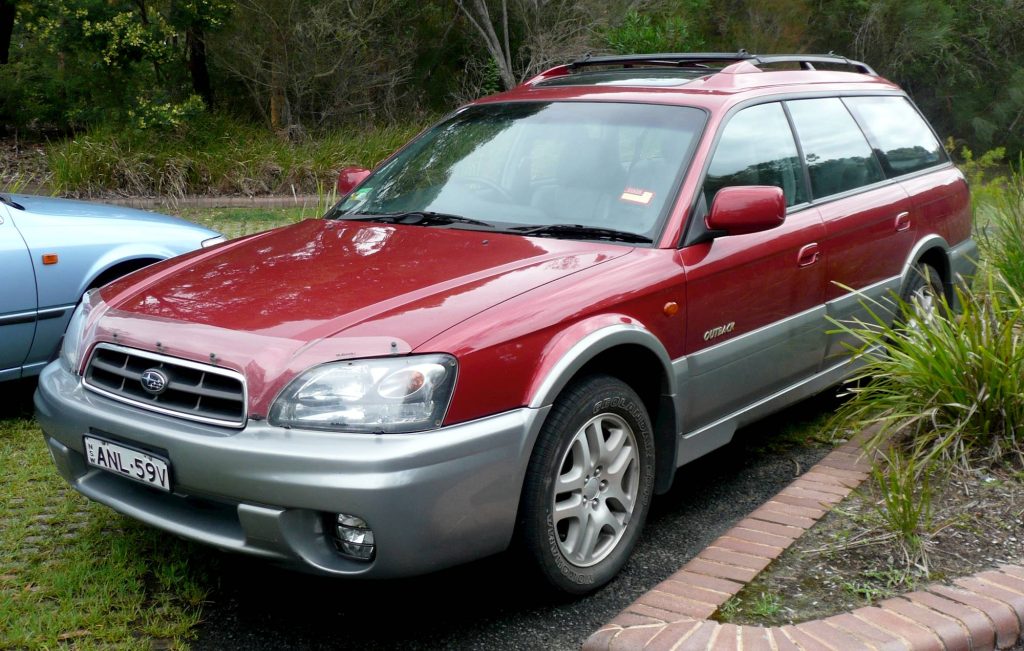
6. 1998 to 2003 Subaru Outback 2.5L Boxer Four
Subaru built a loyal following with the Outback by combining wagon practicality, standard all-wheel drive, and dependable performance in all weather conditions.
Many owners have kept these vehicles on the road for decades, but older Outbacks equipped with the naturally aspirated 2.5-liter EJ25 engine often face significant emissions challenges that become more noticeable during state smog inspections.
A major factor is the engine’s well-known tendency to develop external or internal head gasket problems as mileage climbs.
While not every vehicle experiences severe failure, coolant entering the combustion chamber or combustion gases leaking into the cooling system can affect combustion quality and increase exhaust emissions. Even small combustion irregularities can shorten catalytic converter life over time.
Catalytic converter deterioration is another familiar issue. Once the converter loses efficiency, the engine computer detects insufficient exhaust cleaning performance and stores catalyst efficiency codes. In states using OBD-II testing, that alone results in an automatic inspection failure until repairs are completed.
The boxer engine layout also places oxygen sensors and exhaust components in locations exposed to significant heat cycling.
As these sensors age, they become less responsive, reducing the engine control system’s ability to maintain the ideal air-fuel ratio. Fuel trim corrections become less accurate, increasing emissions even if the vehicle still drives normally.
Subaru’s evaporative emissions system can also develop leaks through aging hoses, fuel tank seals, or purge control valves. These faults often illuminate the check engine light without producing obvious drivability symptoms, yet they prevent inspection approval.
Many older Outbacks continue serving families as dependable daily drivers because their drivetrains remain mechanically strong. Still, buyers should pay close attention to maintenance records involving head gasket repairs, catalytic converter replacement, oxygen sensor service, and emissions diagnostics.
Investing in a vehicle with documented repairs is often far less expensive than bringing a neglected example back into compliance.
Specifications
- Engine: 2.5-liter SOHC Boxer Four (EJ251)
- Torque: 166 lb-ft
- Horsepower: 165 hp
- Length/Width: 185.8 inches / 68.7 inches
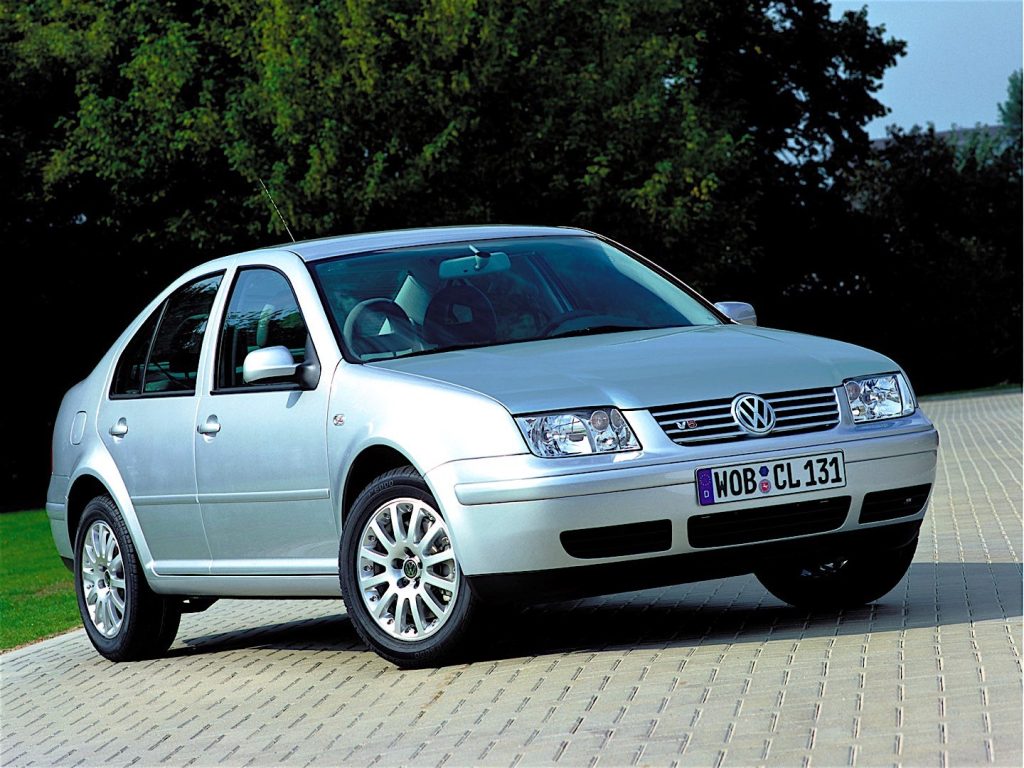
7. 1999 to 2004 Volkswagen Jetta 2.0L Four-Cylinder
The fourth-generation Volkswagen Jetta attracted buyers with its solid German engineering, refined highway ride, and upscale interior for the price. Many examples are still found on American roads, but age has made emissions compliance increasingly difficult.
The naturally aspirated 2.0-liter engine is mechanically straightforward, yet the surrounding emissions hardware often becomes the deciding factor during a state smog inspection.
One recurring issue involves the secondary air injection system. This system injects fresh air into the exhaust during cold starts to reduce hydrocarbon emissions while the catalytic converter reaches operating temperature.
Carbon buildup inside the cylinder head passages is common on high-mileage engines, restricting airflow and triggering diagnostic trouble codes such as P0411. Even though the car may run normally, the illuminated malfunction indicator lamp results in an automatic inspection failure.
Vacuum leaks are another well-documented concern. The Jetta uses numerous rubber hoses and plastic vacuum fittings that become brittle after years of engine heat. Small leaks upset fuel trim calculations, causing lean or rich operating conditions that increase emissions and sometimes reduce fuel economy.
Catalytic converter efficiency also declines as mileage accumulates. Misfires, oil consumption, or prolonged rich fuel mixtures accelerate converter wear, eventually causing catalyst efficiency codes. Replacing the converter with a federally or California-certified unit can be one of the most expensive emissions repairs on an older Jetta.
Ignition coil packs and spark plug wires are additional maintenance items that deserve attention. Incomplete combustion from ignition problems raises hydrocarbon emissions while placing extra thermal stress on the catalytic converter.
Although the 2.0-liter engine has a reputation for longevity when maintained properly, emissions compliance depends on much more than the engine itself.
A complete service history showing repairs to the secondary air system, oxygen sensors, ignition components, and catalytic converter provides valuable reassurance for anyone considering one of these older Volkswagens.
Specifications
- Engine: 2.0-liter SOHC Inline Four
- Torque: 122 lb-ft
- Horsepower: 115 hp
- Length/Width: 172.3 inches / 68.7 inches
8. 1998 to 2002 Nissan Maxima 3.0L V6
The Nissan Maxima earned the nickname “Four-Door Sports Car” because it combined strong V6 performance with everyday practicality. Powered by the respected VQ30DE engine, it delivered smooth acceleration and impressive reliability.
However, after more than two decades on the road, many surviving Maximas require significant emissions repairs before they can satisfy modern U.S. smog inspection standards.
One area that frequently causes problems is the catalytic converter system. The Maxima uses multiple catalytic converters to meet federal emissions requirements.
Continuous exposure to high exhaust temperatures gradually reduces catalyst efficiency, especially on vehicles that have experienced engine misfires or excessive oil consumption. Once efficiency falls below the required level, the engine control module stores catalyst-related fault codes that prevent a successful inspection.
The knock sensor is another well-known maintenance item on this generation. While a failed knock sensor does not directly increase emissions, it can alter ignition timing and affect combustion efficiency, contributing to higher exhaust emissions under certain operating conditions.
Since replacing the sensor often requires substantial labor, repairs are sometimes delayed. Oxygen sensors naturally slow with age, reducing the engine computer’s ability to maintain an ideal air-fuel ratio.
Rich fuel mixtures increase hydrocarbon and carbon monoxide output while shortening catalytic converter life. In addition, worn fuel injectors or leaking injector seals may further increase emissions on higher-mileage vehicles.
The evaporative emissions system also becomes more vulnerable as rubber seals and vacuum hoses age. Small leaks can trigger EVAP-related fault codes even when the car drives without noticeable symptoms.
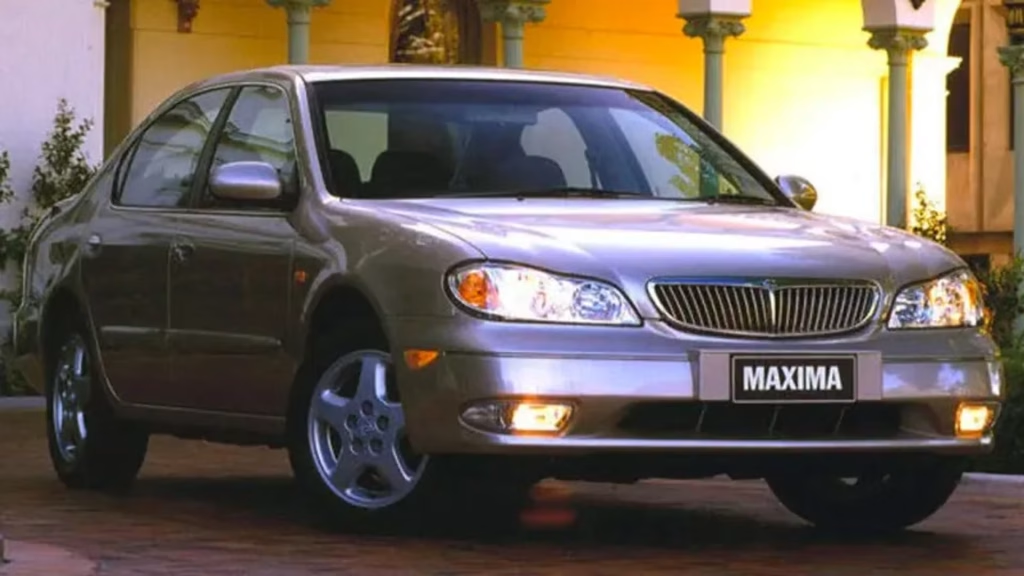
Despite these challenges, a properly maintained Maxima remains capable of passing emissions inspections. Owners who replace aging oxygen sensors, repair EVAP leaks promptly, and address ignition or fuel system issues before they damage the catalytic converters generally experience far fewer inspection failures.
For used-car shoppers, documented emissions maintenance is one of the strongest indicators that an older Maxima has been cared for correctly.
Specifications
- Engine: 3.0-liter DOHC V6 (VQ30DE)
- Torque: 205 lb-ft
- Horsepower: 222 hp
- Length/Width: 190.5 inches / 70.3 inches
Also Read: 8 Luxury Sedans Cheaper to Insure Than a Honda Accord
