

Some car repairs sound simple until the labor involved is revealed. A heater core replacement is a perfect example because the part itself can be inexpensive, yet the installation process can become extremely expensive.
In many vehicles, the heater core sits deep behind the dashboard, requiring technicians to remove large sections of the interior before reaching the failed component. A $90 heater core can turn into a repair costing more than a thousand dollars due to hours of labor. These vehicles are known for difficult heater core access and lengthy replacement procedures.
Also Read: 10 EVs Ranked by Charging Speed

- Engine: 2.5L 4-cylinder, 3.6L V6 gasoline engines
- Horsepower:
- 2.5L 4-cylinder: 196 hp
- 3.6L V6: 305 hp
- Torque:
- 2.5L 4-cylinder: 186 lb-ft
- 3.6L V6: 264 lb-ft
- Length: 201.3 inches (5113 mm)
- Width: 73.0 inches (1854 mm)
1. Chevrolet Impala (Certain Model Years)
The Chevrolet Impala has been a popular full-size sedan known for comfortable driving, spacious interiors, and dependable performance. However, some generations of the Impala have heater core designs that make replacement a challenging repair.
In certain models, the heater core is positioned deep within the dashboard area, requiring technicians to remove significant portions of the interior before reaching the component. The placement helps the vehicle maintain effective climate control but creates a complicated repair process.
When the heater core begins failing, drivers may notice several warning signs. A sweet coolant smell inside the cabin is a common indicator because leaking coolant produces a noticeable odor.
Fogging windows, damp carpet near the passenger side, reduced cabin heat, and coolant loss can also point toward heater core problems. These symptoms should not be ignored because coolant leaks inside the cabin can create additional issues, including damage to electrical components and interior materials.
Replacing the heater core on certain Impala models involves disconnecting various dashboard components and carefully removing sections of the HVAC system. Technicians must work slowly to avoid damaging wiring harnesses, trim pieces, and electronic controls.
Since dashboards are designed as integrated assemblies, removing them requires experience and proper procedures. Incorrect handling can lead to rattles, electrical problems, or alignment issues after reassembly.
The labor involved can make this repair expensive compared with the price of the heater core itself. A replacement component may appear affordable when purchased separately, but professional installation costs reflect the amount of time required.
Many owners are surprised when a small cooling system component creates such a large repair bill. This situation is common with vehicles where manufacturers prioritize compact packaging and interior design.
Regular cooling system maintenance can help reduce the risk of premature heater core failure. Changing coolant at recommended intervals, checking for leaks, and maintaining proper engine temperatures can protect many cooling system components.
While maintenance cannot prevent every heater core issue, it can reduce problems caused by corrosion, contamination, and neglected coolant systems.

- Engine:
- 2.7L EcoBoost V6
- 3.5L EcoBoost V6
- 3.3L Ti-VCT V6
- 5.0L Coyote V8
- Horsepower:
- 2.7L EcoBoost: 325 hp
- 3.5L EcoBoost: 375 hp
- 3.3L V6: 290 hp
- 5.0L V8: 395 hp
- Torque:
- 2.7L EcoBoost: 400 lb-ft
- 3.5L EcoBoost: 470 lb-ft
- 3.3L V6: 265 lb-ft
- 5.0L V8: 400 lb-ft
- Length: 209.1 to 231.9 inches (depending on cab and bed configuration)
- Width: 79.9 inches (2030 mm)
2. Ford F-150 (Certain Generations)
The Ford F-150 has remained one of the most widely recognized pickup trucks due to its capability, durability, and wide range of configurations.
Some versions of the F-150, however, have heater core replacement procedures that require extensive labor. The heater core location inside the dashboard assembly means technicians may need to remove large sections of the interior to complete the repair properly.
Pickup truck owners often expect repairs to be simple because of the larger engine compartments and rugged construction.
The heater core can be an exception because cabin comfort systems are typically packaged differently from mechanical components located under the hood. The dashboard contains many connected systems, including climate controls, electronics, airbags, and structural supports. Accessing a hidden heater core requires careful disassembly.
A failing heater core in an F-150 may create symptoms such as weak heat output, coolant odor, visible coolant leaks, or moisture inside the cabin.
Some drivers may first notice that the windshield fogs more easily than usual or that the passenger-side floor area becomes damp. These signs indicate that coolant may be escaping from the heating system rather than remaining inside the sealed cooling circuit.
The replacement process can involve removing dashboard sections, draining coolant, disconnecting HVAC components, and replacing seals to prevent future leaks. Technicians must ensure that all components are correctly installed because improper reassembly can affect climate control performance. The time required explains why labor charges often become the largest portion of the repair invoice.
Owners of affected F-150 models can reduce the chance of heater core problems by maintaining the cooling system and responding quickly to coolant issues.
Using the correct coolant type, repairing leaks promptly, and keeping the system clean can improve long-term reliability. A properly maintained truck cooling system helps protect many components beyond the heater core itself.
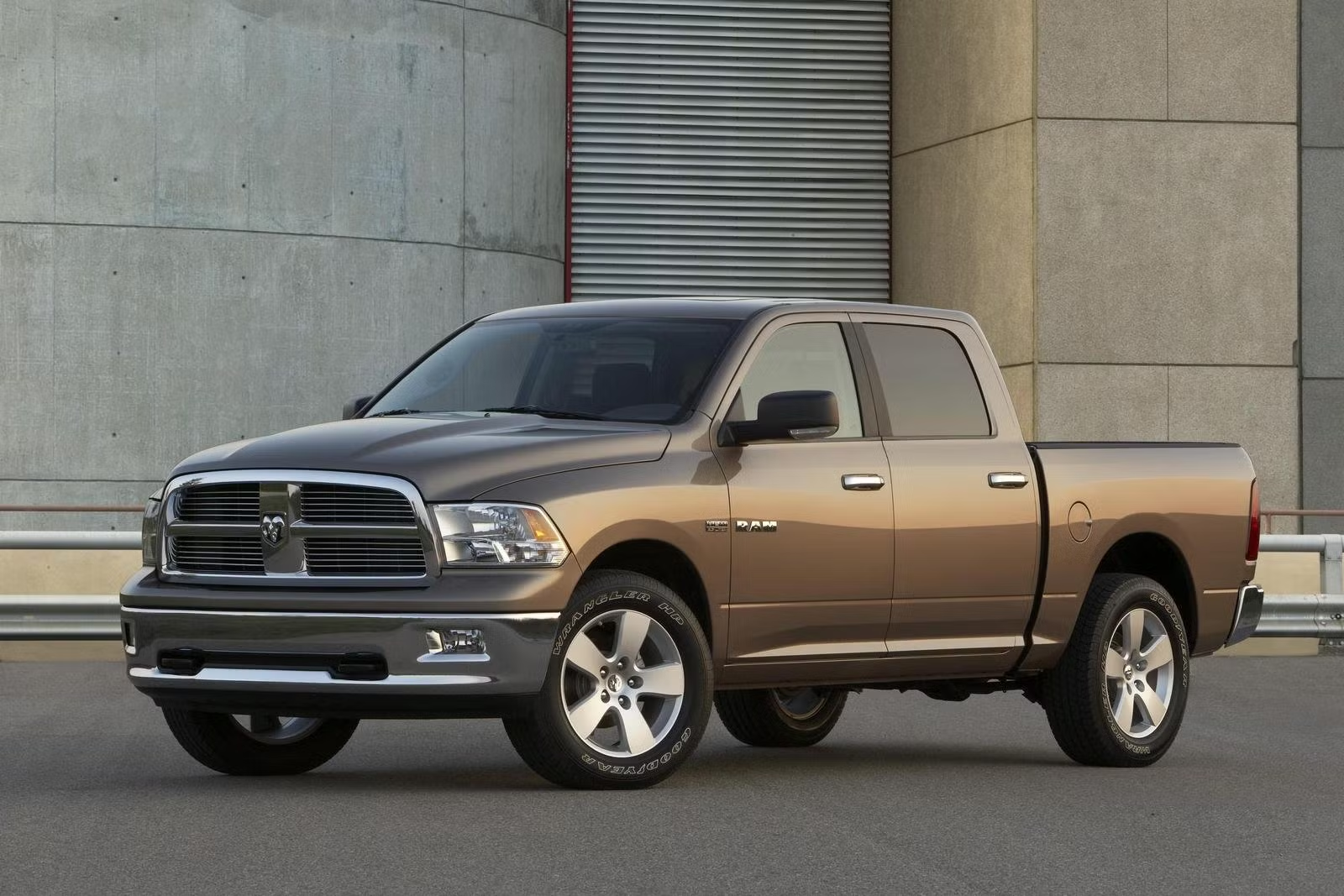
- Engine:
- 3.6L Pentastar V6
- 5.7L HEMI V8
- 3.0L EcoDiesel V6
- Horsepower:
- 3.6L V6: 305 hp
- 5.7L HEMI V8: 395 hp
- 3.0L EcoDiesel: 240 hp
- Torque:
- 3.6L V6: 269 lb-ft
- 5.7L HEMI V8: 410 lb-ft
- 3.0L EcoDiesel: 420 lb-ft
- Length: 209.0 to 237.9 inches (depending on configuration)
- Width: 79.4 inches (2017 mm)
3. Dodge Ram 1500 (Certain Model Years)
The Dodge Ram 1500 has built a strong reputation among truck owners because of its towing ability, comfortable ride quality, and powerful engine options.
However, some generations of the Ram 1500 have heater core replacement procedures that require significant labor. The heater core is located inside the HVAC housing behind the dashboard, making access difficult for technicians. The component itself is relatively small, but reaching it requires removing many surrounding parts.
A failing heater core in a Ram 1500 can create several noticeable symptoms. Drivers may experience weak heating performance during cold weather, a sweet smell from leaking coolant, or coolant levels that continue dropping without an obvious external leak.
Since the heater core is located inside the cabin area, some leaks may appear as moisture on the passenger-side floor. These signs indicate that the heating system should be inspected before the problem becomes more serious.
Replacing the heater core requires careful removal of dashboard components, electrical connections, and HVAC-related parts.
Modern trucks contain many integrated systems within the dashboard, including climate controls, sensors, wiring, and safety equipment. Technicians must follow proper procedures during removal because forcing components apart or skipping steps can result in additional problems after the repair is finished.
The labor cost associated with a Ram 1500 heater core replacement can surprise many owners. The replacement part may not be expensive, but the hours required to access and install it create the majority of the expense.
Depending on the shop’s labor rate and the specific model year, the repair can become a major investment. This is why some owners compare repair estimates carefully before approving the work.
Preventive maintenance remains important for keeping the heater core functioning properly. Regular coolant changes help prevent corrosion and buildup inside the cooling system.
Contaminated coolant can damage internal passages and reduce heat transfer efficiency. Maintaining the correct coolant mixture also helps protect the radiator, water pump, hoses, and other components connected to the engine cooling system.

- Engine:
- 1.8L Turbocharged 4-cylinder
- 2.0L Turbocharged 4-cylinder
- 3.6L VR6
- 2.0L TDI Diesel (certain markets)
- Horsepower:
- 1.8T: 170 hp
- 2.0T: 174 to 220 hp
- 3.6L VR6: 280 hp
- 2.0 TDI: 150 hp
- Torque:
- 1.8T: 184 lb-ft
- 2.0T: 206 to 258 lb-ft
- 3.6L VR6: 258 lb-ft
- 2.0 TDI: 236 lb-ft
- Length: 191.9 inches (4874 mm)
- Width: 71.9 inches (1826 mm)
4. Volkswagen Passat (Certain Generations)
The Volkswagen Passat is known for its refined driving experience, efficient engines, and comfortable cabin design. Some Passat models, however, have heater core replacement procedures that are much more involved than many owners expect.
The heater core is positioned within the dashboard structure, which means technicians must remove various interior components to reach it.
European vehicle designs often focus on compact packaging and efficient use of interior space. This approach can create advantages for performance, comfort, and cabin layout, but it can also make certain repairs more complicated.
The Passat’s climate control system includes multiple components that work together, and accessing one hidden part may require moving several connected assemblies.
A damaged heater core can cause problems beyond a lack of cabin warmth. Drivers may notice coolant odors, oily residue on windows, reduced visibility caused by interior fogging, or unexplained coolant loss.
These symptoms are important because a leaking heater core can affect both comfort and vehicle reliability. A small leak inside the cabin can eventually lead to unpleasant odors and interior damage.
During replacement, technicians usually need to drain the cooling system, remove dashboard sections, disconnect HVAC components, and replace the heater core with a new unit.
The process requires patience because many dashboard parts are designed to fit tightly together. Proper reassembly is essential to ensure that air vents, electronic controls, and safety systems continue working correctly.
Owners considering a used Passat should understand that heater core access is an important factor when evaluating potential repair costs.
A vehicle may appear affordable to purchase, but expensive repairs can change the long-term ownership experience. Checking maintenance history and having the vehicle inspected before purchase can provide valuable information about future repair needs.

- Engine:
- 2.0L Turbocharged 4-cylinder TFSI
- 3.0L Turbocharged V6 (S4 performance model)
- Horsepower:
- 2.0L TFSI: 252 hp
- 3.0L V6: 349 hp
- Torque:
- 2.0L TFSI: 273 lb-ft
- 3.0L V6: 369 lb-ft
- Length: 186.3 inches (4732 mm)
- Width: 72.7 inches (1847 mm)
5. Audi A4 (Certain Model Years)
The Audi A4 represents a balance of luxury, performance, and advanced engineering. Its sophisticated interior design provides a premium driving environment, but the same compact engineering approach can make some repairs challenging.
Heater core replacement on certain A4 models requires extensive dashboard access because the component is placed deep within the climate control system.
Luxury vehicles often contain more technology and integrated systems than basic transportation models. The dashboard may include advanced climate controls, sensors, displays, wiring networks, and safety equipment.
When a heater core needs replacement, technicians must work around these systems carefully. The repair requires technical knowledge and attention to detail to prevent damage during the process.
Common signs of heater core failure in an Audi A4 include inconsistent cabin heat, coolant smells, foggy windows, and low coolant warnings. Some owners may initially believe the problem is related to the thermostat or another cooling system component. Proper diagnosis is important because replacing unrelated parts will not solve a leaking or damaged heater core.
The labor involved with this repair is usually much higher than the cost of the heater core itself. A relatively inexpensive replacement component can require many hours of skilled work.
Luxury vehicle repair costs are often affected by the complexity of the design, specialized procedures, and additional time needed to protect interior materials and electronics.
Maintaining an Audi A4 cooling system properly can help reduce the chance of heater core issues. Following recommended service intervals, using appropriate coolant, and addressing warning signs early can prevent some expensive repairs. A well-maintained vehicle is easier to diagnose and may avoid additional damage caused by neglected cooling system problems.

- Engine:
- 2.0L Turbocharged 4-cylinder
- 3.0L Turbocharged Inline-6
- 2.0L Diesel (certain markets)
- Horsepower:
- 320i/328i/330i: 180 to 248 hp
- 340i: 320 hp
- 335i: 300 hp
- Torque:
- 320i: 200 lb-ft
- 330i: 258 lb-ft
- 335i: 300 lb-ft
- 340i: 330 lb-ft
- Length: 182.3 inches (4630 mm)
- Width: 71.3 inches (1811 mm)
6. BMW 3 Series (Certain Generations)
The BMW 3 Series has long been recognized for its sporty handling, premium features, and driver-focused engineering. Certain generations of this vehicle have heater core replacement procedures that require significant dashboard removal. The heater core is positioned in a way that makes access difficult, increasing the amount of labor required compared with simpler vehicle designs.
BMW vehicles are engineered with a focus on performance and efficient packaging. The interior climate system is designed to provide precise temperature control, but compact placement of components can create challenges during repairs.
A heater core replacement requires technicians to carefully remove interior panels, disconnect electrical components, and access the HVAC housing.
A failing heater core may produce several warning signs in a BMW 3 Series. These include coolant smells inside the cabin, weak heat output, unexplained coolant loss, and moisture around the passenger area. Drivers may also notice that the windshield develops condensation more frequently. Early diagnosis can prevent additional damage to the interior and other vehicle systems.
The repair process involves much more than simply replacing a small radiator-like component. Technicians must remove and reinstall many parts that surround the dashboard area. Because the dashboard contains sensitive electronics and carefully fitted trim pieces, the work requires experience. A mistake during removal or installation can create new issues that increase repair costs.
BMW owners can protect their vehicles by maintaining the cooling system and paying attention to small changes in performance.
Regular inspections, coolant service, and immediate attention to leaks can help extend the life of the heater core. While no maintenance schedule can guarantee that a heater core will never fail, proper care can reduce unnecessary stress on the system.

- Engine:
- 3.6L Pentastar V6
- 5.7L HEMI V8
- 3.0L EcoDiesel V6
- 6.4L HEMI V8 (SRT models)
- Horsepower:
- 3.6L V6: 295 hp
- 5.7L HEMI: 360 hp
- 3.0L EcoDiesel: 240 hp
- 6.4L HEMI: 475 hp
- Torque:
- 3.6L V6: 260 lb-ft
- 5.7L HEMI: 390 lb-ft
- 3.0L EcoDiesel: 420 lb-ft
- 6.4L HEMI: 470 lb-ft
- Length: 189.8 inches (4821 mm)
- Width: 76.3 inches (1938 mm)
7. Jeep Grand Cherokee (Certain Model Years)
The Jeep Grand Cherokee has earned popularity among SUV owners because of its combination of off-road capability, comfort, and everyday practicality. Some generations of the Grand Cherokee, however, have heater core replacement procedures that require extensive labor.
The heater core is located behind the dashboard inside the HVAC system, meaning technicians must remove many interior components before accessing the failed part. The difficulty of this repair comes from the location rather than the complexity of the heater core itself.
A damaged heater core can create several problems for Grand Cherokee owners. The most common warning signs include a sweet coolant smell inside the cabin, reduced heating performance, coolant disappearing from the reservoir, and moisture appearing near the front passenger area.
Some drivers may also notice that the windshield becomes difficult to keep clear because coolant vapor can affect interior glass. These symptoms usually indicate that the heating system needs inspection.
The dashboard removal process on certain Grand Cherokee models can be time-consuming because multiple systems are connected through the interior assembly.
Technicians may need to disconnect wiring harnesses, remove trim panels, access the HVAC housing, and carefully reinstall every component after completing the repair. The process requires attention to detail because the dashboard contains important electronics and safety equipment.
The cost of replacing the heater core often surprises SUV owners. The replacement unit may cost less than many routine vehicle repairs, but labor charges become the main expense.
A repair requiring many hours of work can quickly increase the final bill. This situation is common with vehicles where the manufacturer designed the interior around comfort, appearance, and efficient use of space.
Keeping the cooling system in good condition is one of the best ways to protect the heater core. Regular coolant inspections, proper fluid levels, and timely maintenance help prevent problems caused by corrosion and contamination.
Jeep owners who frequently drive in harsh environments should pay extra attention to cooling system maintenance because extreme conditions can increase stress on vehicle components.

- Engine: 3.5L V6 naturally aspirated gasoline engine
- Horsepower: 300 hp
- Torque: 261 lb-ft
- Length: 192.8 inches (4897 mm)
- Width: 73.2 inches (1859 mm)
8. Nissan Maxima (Certain Model Years)
The Nissan Maxima has been recognized as a sporty sedan that combines strong performance with passenger comfort. Certain Maxima generations, however, have heater core replacement procedures that require extensive dashboard access.
The heater core sits within the climate control system behind the dashboard, making this repair much more complicated than many owners expect when they first learn about the issue.
When a heater core begins to fail in a Nissan Maxima, drivers may experience several noticeable changes. The cabin may stop producing enough heat, coolant odors may become noticeable, and windows may fog more frequently.
Some vehicles may also show signs of coolant loss without visible leaks under the hood. Since the heater core is located inside the passenger compartment, these symptoms should be investigated quickly.
Replacing the heater core requires technicians to remove various dashboard components and access the HVAC assembly. The process involves careful disassembly because modern dashboards contain electronic controls, sensors, and wiring systems.
A proper repair requires removing the failed heater core, installing the replacement unit, checking for leaks, and ensuring that all interior components function correctly after reassembly.
The labor involved in a Maxima heater core replacement explains why repair estimates can become expensive. A driver may see a replacement heater core priced around $90, but the final repair bill can be many times higher because of the hours needed to complete the work. The difference between part cost and labor cost is a common source of frustration for vehicle owners.
Regular maintenance can help Nissan Maxima owners avoid some heating system problems.
Maintaining proper coolant quality, addressing overheating issues, and repairing cooling system leaks early can protect the heater core and related components. A vehicle’s heating system depends on the entire cooling system working correctly, so small problems should not be ignored.
Also Read: 10 Sedans That Pack More Than You’d Expect
