
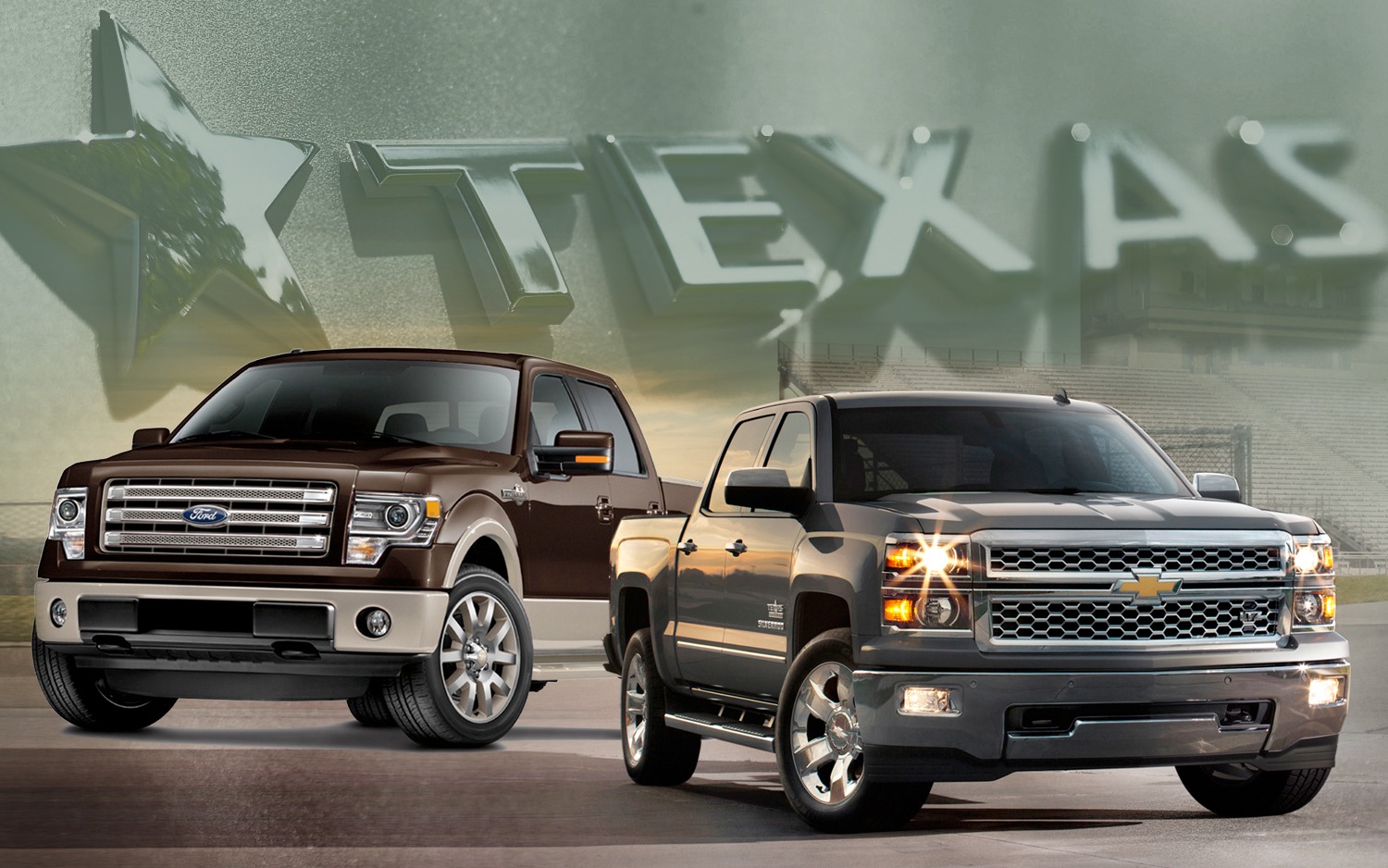
Texas and trucks go together like barbecue and brisket, but the actual registration numbers tell a story that’s more interesting than the stereotype. Data compiled by the Alliance for Automotive Innovation using figures from S&P Global Mobility gives a clear look at who’s driving what across the state, and pickups are only part of the picture.
Between nearly 25 million registered vehicles, a growing electric segment, and a fleet of trucks that’s aging more slowly than the national average, Texas offers a genuine case study in how truck ownership actually works today. Here’s what the registration data reveals, and why it matters whether you’re a buyer, a dealer, or just curious about your neighbor’s driveway.
Pickups Hold Their Ground, But Don’t Dominate
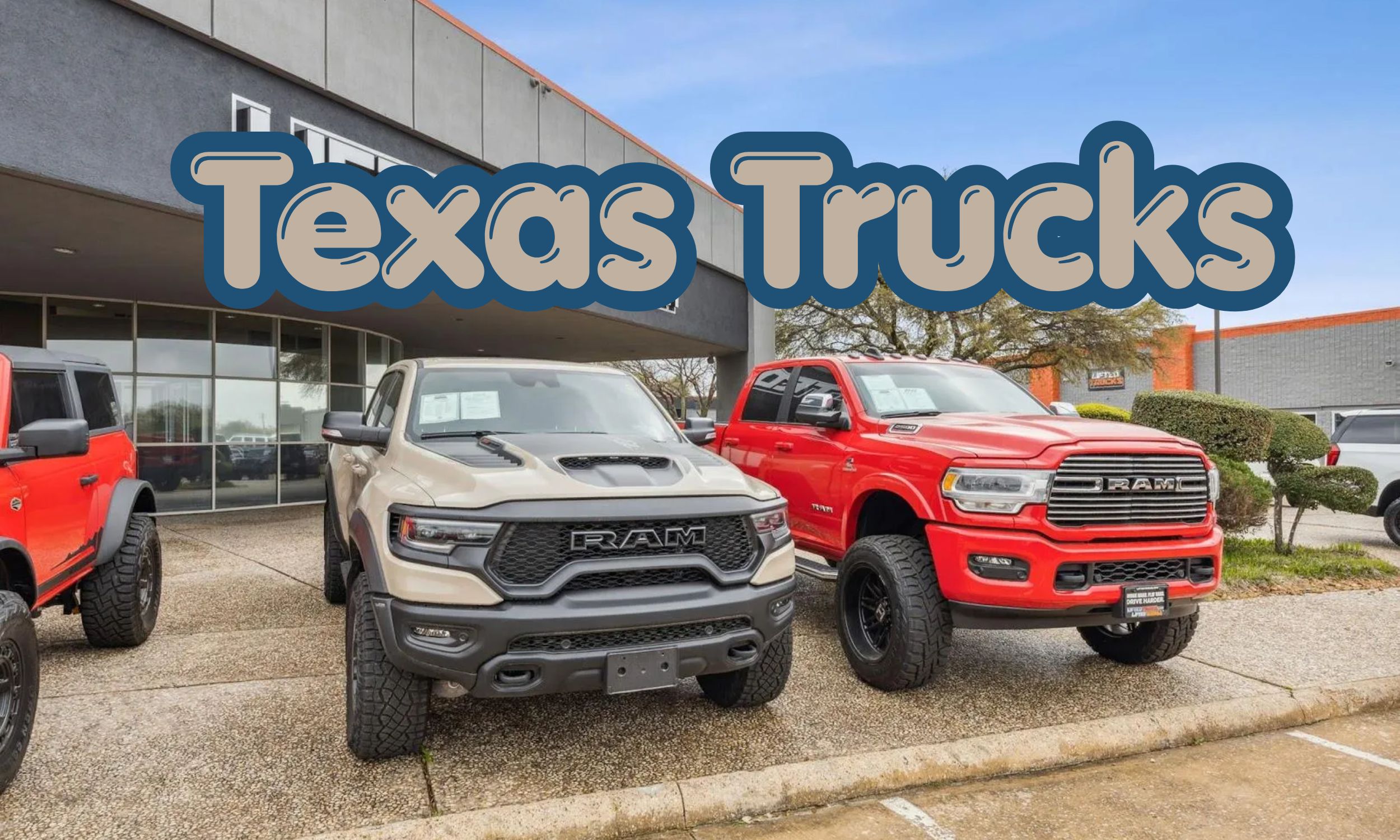
The assumption that Texas is wall-to-wall pickup trucks doesn’t quite match what the registration numbers show, and that gap between reputation and reality is worth sitting with for a moment. Of the state’s 24.92 million registered vehicles, pickups account for 6,702,815 units, or 26.90% of the total.
That’s a real number, and it’s higher than the pickup share in most other states, but it’s not the majority some might expect. SUVs actually claim the largest slice of the Texas fleet. UVs represent 9,502,166 registered vehicles, or 38.10% of the total, making them the single largest body style on Texas roads, ahead of both cars at 7,508,454 units (30.10%) and pickups. Vans and minivans trail well behind everything else, at a modest 944,010 units, or 3.80% of registrations.
What this tells anyone paying attention is that Texas households are choosing utility and space over the traditional truck bed more often than the state’s image suggests. Pickups still matter enormously to the state’s identity and its commercial backbone. Still, the registration data paints a fleet dominated by crossovers and SUVs first, trucks second, and everything else trailing behind.
Anyone building a sales strategy or a marketing campaign around Texas truck culture alone is missing more than a third of the actual vehicle population.
New Purchases Tell A Slightly Different Story
Looking at vehicles already registered tells only part of the story. New vehicle sales give a better picture of what buyers are choosing today and where demand is headed. During 2024, buyers across Texas purchased about 1.52 million new vehicles, producing roughly $68.47 billion in total sales.
Those figures show which vehicle types continue to attract the strongest interest. When fresh purchases are examined, pickup trucks continue to hold their place. Out of the 1.52 million new vehicles sold, pickups accounted for 381,787 units, representing 25.10% of total sales.
That closely matches their 26.90% share of all registered vehicles across the state. This steady pattern shows that buyers are still replacing older trucks with new ones at almost the same pace, even as sport utility vehicles continue to attract more attention.
Sport utility vehicles recorded the strongest demand among new buyers. They reached 813,614 sales, making up 53.50% of all new vehicle purchases. That share is much higher than their 38.10% portion of registered vehicles already on Texas roads. Passenger cars continued to lose ground, with only 282,803 new units sold, equal to 18.60% of total purchases.
Their share remains far below the 30.10% they still hold among registered vehicles. Current buying patterns clearly show SUVs gaining more buyers, pickups staying steady, and traditional cars becoming less popular with each new purchase cycle.
Also Read: 10 New Trucks With the Worst City MPG
Texans Are Keeping Their Trucks Longer
Here’s a number that surprises people outside the state: Texas vehicles, trucks included, are staying on the road longer than the national norm, and that pattern says something about both the durability of the vehicles and the habits of the people driving them.
The average age of a Texas vehicle sits at 10.9 years, compared to a national average of 12.2 years. Wait, that actually runs the other way. Texas vehicles are younger on average than the national fleet, not older. That’s worth pausing on, because it cuts against the idea that trucks in Texas just get driven into the ground for two decades.
A fleet averaging 10.9 years suggests steady turnover, active trade-in activity, and a buying public that replaces vehicles at a healthier clip than much of the rest of the country. For truck owners specifically, this points toward a market with strong resale activity.
Pickups hold their value well nationally, and in a state where the fleet skews younger than average, used-truck buyers likely have more recent-model options to choose from than they would in states where vehicles linger far longer before being replaced.
This also has downstream effects for dealers and manufacturers. A younger fleet age typically signals healthier financing conditions, stronger consumer confidence, and a purchasing cycle that keeps showrooms and used lots consistently stocked, which is exactly the kind of environment that keeps a truck-heavy market like Texas humming along.
Electric Trucks Remain A Small Slice For Now
Electric vehicles have generated plenty of headlines, but the registration data shows just how early Texas still is in that transition, particularly where trucks are concerned. Across the entire registered fleet, electric vehicles account for only 286,282 units, or 1.10% of all Texas registrations, with plug-in hybrids adding another 62,236 units, or 0.20%. Combined, that’s barely more than one out of every hundred vehicles on Texas roads.
New purchase data shows the segment is growing, though it’s still far from mainstream. Electric vehicles made up 85,339 of the 1.52 million new vehicles sold in 2024, or 5.60% of total purchases, with plug-in hybrids adding another 12,847 units, or 0.80%.
That’s a meaningful jump from the current registered base, suggesting the share of electric vehicles on Texas roads will keep climbing, even if slowly. Infrastructure is still catching up to that momentum. Texas currently counts 7,398 EV Level 2 charging ports and 3,174 DC fast charging ports statewide, compared to 17,092 traditional gasoline stations.
For truck buyers specifically, who often drive longer distances for work or hauling, that infrastructure gap remains one of the clearest reasons gas and diesel pickups still dominate the segment, even as electric options slowly enter dealer lots.
Also Read: 5 Trucks With Cheap Clutch Jobs and 5 That Run $2,400
What Buyers and Dealers Can Learn From the Data
Registration data does more than satisfy curiosity. It tells dealers where to stock inventory, tells manufacturers where demand is heading, and gives buyers a sense of what their neighbors are actually driving rather than what popular imagination assumes.
For Texas specifically, the numbers suggest a market that’s more balanced than its truck-forward reputation implies, with SUVs quietly claiming the largest share of both current registrations and new purchases. Pickups remain a steady, dependable segment rather than a shrinking or exploding one, holding roughly the same share of new sales as they do of the state’s existing fleet.
Zoom out to the national commercial vehicle picture, and a similar theme of caution shows up. US commercial vehicle registrations across all weight classes fell 1% year-over-year in 2025, with heavy-duty tractor truck registrations dropping sharply while lighter Class 2-3 trucks and vans saw meaningful growth, especially through lease and rental channels.
That national pullback in heavy trucks reflects fleets prioritizing flexibility over long-term commitments, a trend that likely echoes through Texas commercial buyers too, even as personal-use pickup demand stays comparatively steady.
For anyone shopping, selling, or simply trying to understand the Texas vehicle market, the registration data offers a clearer picture than assumption ever could. Trucks matter here, without question, but they’re one strong piece of a much larger and more varied fleet than the state’s image usually gets credit for.
