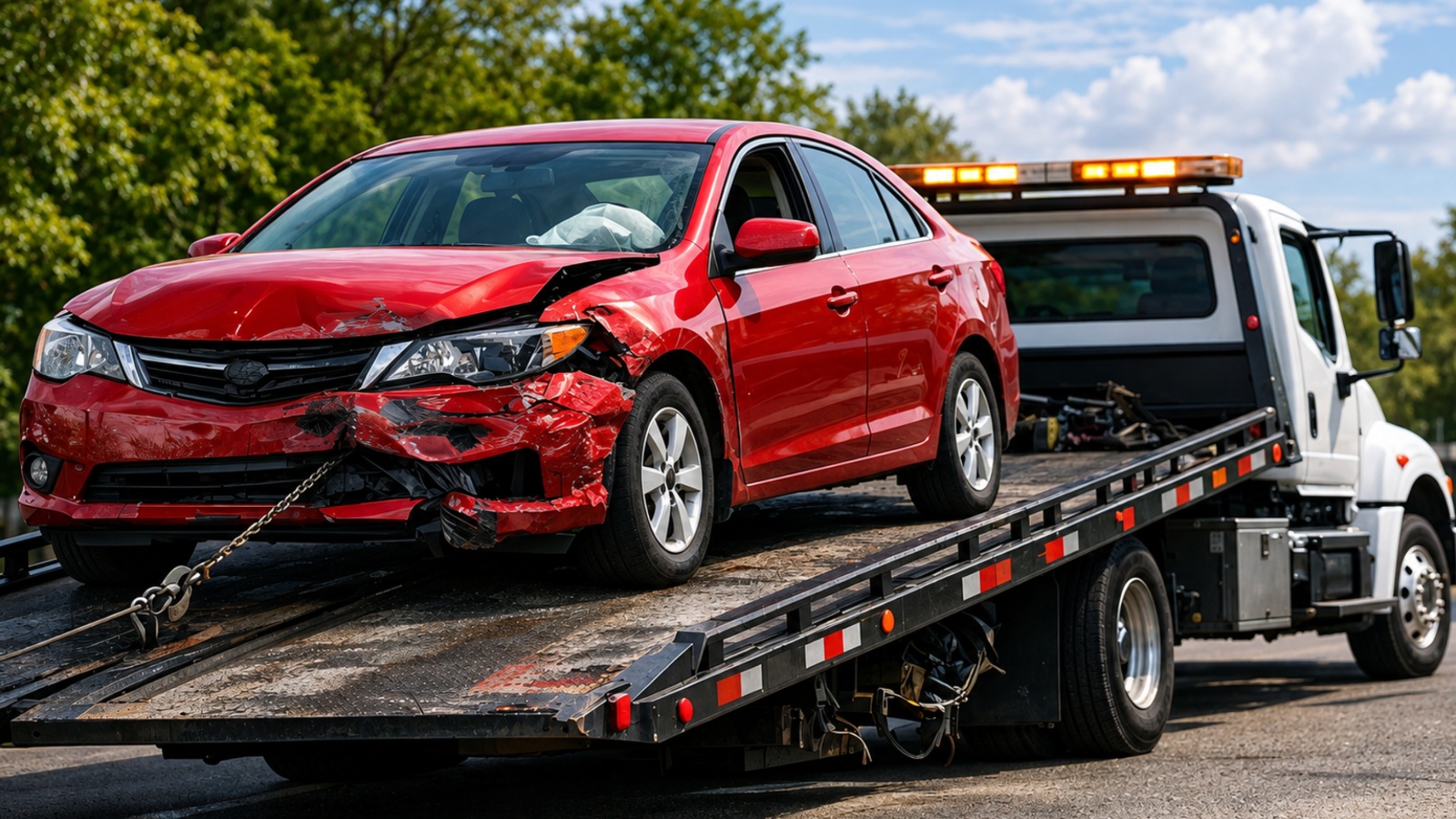
Modern vehicles are safer and smarter than ever, but the advanced technology responsible for protecting drivers can also make minor accidents extremely expensive to repair. Features like adaptive cruise control, automatic emergency braking, blind-spot monitoring, and surround-view cameras rely on delicate sensors, radar modules, and cameras that often require costly recalibration after even low-speed impacts.
Insurance companies evaluate repair costs against a vehicle’s actual cash value (ACV), and many cars are declared total losses when estimates reach a certain percentage of their market value. As vehicles age and depreciate, even a simple bumper repair combined with ADAS calibration, electronic diagnostics, and specialized labor can quickly exceed the economic repair threshold.
This list highlights 10 vehicles insurers frequently total over minor damage, showing how advanced safety systems, expensive replacement parts, and declining resale values can turn seemingly small collisions into major financial decisions. From compact sedans to electric vehicles and crossovers, these models demonstrate why repair costs today are no longer determined by visible damage alone.
1. Subaru Crosstrek
ADAS Recalibration Cost: $1,500–$2,500
Actual Cash Value (ACV): $12,000–$18,000
A minor accident can become a major financial setback for Subaru Crosstrek owners, particularly when advanced safety systems are involved. While the exterior damage from a low-speed collision may appear insignificant, the cost of restoring the vehicle’s integrated technology often tells a different story.
The Crosstrek’s EyeSight driver-assistance system requires precise recalibration after many front-end or windshield-related repairs, with costs typically ranging from $1,500 to $2,500. At the same time, older or higher-mileage Crosstrek models generally have an actual cash value (ACV) of $12,000 to $18,000.
Because insurance companies commonly declare a vehicle a total loss when repair expenses reach 70% to 80% of its market value, the combination of calibration costs and other repair bills can quickly exceed this limit. As a result, collisions that appear relatively minor can still lead insurers to determine that repairing the vehicle is no longer economically practical.
A major factor is Subaru’s EyeSight system, which uses dual stereo cameras mounted on the windshield. These cameras require extremely precise alignment, and even a slight parking-lot impact or minor front-end collision can shift them by fractions of a millimeter.
Although visible damage such as a bumper scrape may be inexpensive to repair, restoring the EyeSight system requires specialized dealership equipment, static calibration targets, and detailed diagnostic procedures. In some cases, the windshield or camera housing must also be replaced, significantly increasing repair costs.
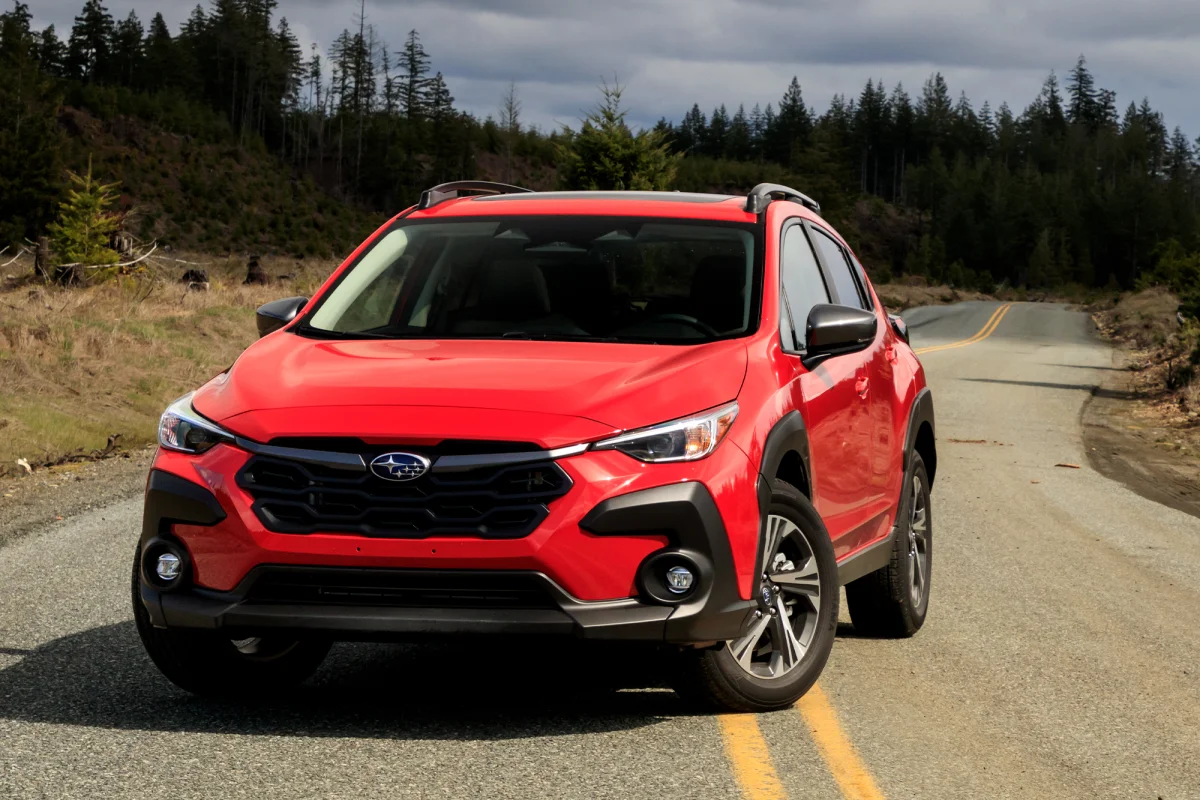
The Crosstrek’s rugged body design further contributes to repair expenses. Its distinctive plastic fender cladding, bumper trims, and concealed mounting clips often require additional parts and labor, even for cosmetic repairs. These costs accumulate quickly alongside ADAS recalibration expenses.
As a result, the combination of costly safety technology, specialized body components, and depreciation makes the Subaru Crosstrek particularly vulnerable to being written off after relatively minor damage. For insurers, repairing the vehicle is often less economical than declaring it a total loss, despite the collision appearing superficial.
- Engine: 2.0-liter naturally aspirated Boxer-4 / 2.5-liter naturally aspirated Boxer-4
- Torque: 145 lb-ft / 178 lb-ft
- Horsepower: 152 hp / 180–182 hp
- Length/Width: 176.4 inches / 70.9 inches
2. Honda Civic
ADAS Recalibration Cost: $1,200–$2,200
Actual Cash Value (ACV): $11,000–$16,000
A small fender bender can generate repair costs that far exceed what many Honda Civic owners expect. Although the visible damage from a low-speed collision may seem minor, the vehicle’s integrated safety systems and electronic components often require expensive repairs and precise recalibration.
The Honda Sensing driver-assistance suite alone can cost $1,200 to $2,200 to recalibrate following repairs involving the front bumper or windshield. For older Civic models with an actual cash value (ACV) of $11,000 to $16,000, these additional expenses can significantly increase the total repair estimate.
Because most insurance companies consider a vehicle a total loss once repair costs reach approximately 60% to 80% of its market value, even relatively minor accidents can push the Civic beyond the point where repairs are considered economically worthwhile.
A key contributor is the Honda Sensing suite, which includes bumper-mounted radar sensors and windshield cameras that power features such as adaptive cruise control and collision mitigation braking.
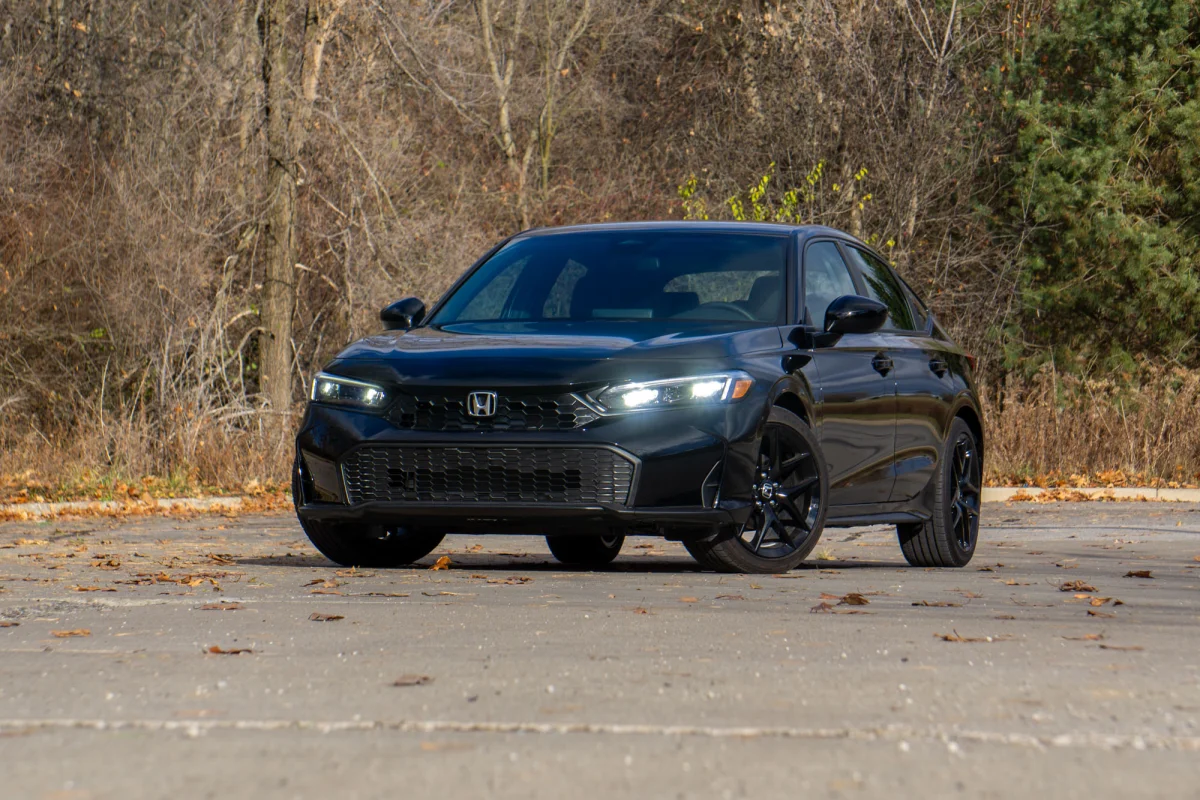
Even a low-speed parking bump or minor front-end impact can disturb these sensitive components. Although the visible damage may be limited to a scratched bumper cover, the radar units behind the bumper often require inspection, replacement, and precise recalibration using specialized diagnostic equipment and dynamic road testing.
Repair costs increase further because of the Civic’s advanced LED headlights, intricate wiring harnesses, and unibody construction. Even slight structural damage behind the bumper may require frame-straightening and extensive labor to restore factory specifications. If the collision triggers the airbag system, replacing airbags, control modules, and dashboard components can add thousands of dollars to the repair bill.
Combined with the depreciation of older models, these expenses can easily exceed the vehicle’s market value. As a result, insurance companies frequently determine that repairing a lightly damaged Honda Civic is not economically viable, leading to a total loss declaration despite the collision appearing relatively minor.
- Engine: 1.5-liter turbocharged inline-4 / 2.0-liter hybrid inline-4 / 2.0-liter naturally aspirated inline-4 / 2.0-liter turbocharged inline-4 (Type R)
- Torque: 177 lb-ft / 232 lb-ft / 133–138 lb-ft / 310 lb-ft
- Horsepower: 176–182 hp / 184 hp (combined) / 150–158 hp / 315 hp
- Length/Width: 184.2 inches / 70.9 inches
3. Toyota Corolla
ADAS Recalibration Cost: $1,000 – $2,000
Actual Cash Value (ACV): $10,000 – $15,000
The Toyota Corolla features Toyota Safety Sense as standard equipment, embedding intricate sensors, radar grids, and tracking cameras into its compact front fascia and windshield design. When a Corolla is involved in a minor rear-ending or a low-speed frontal collision, the superficial damage is usually minimal, often restricted to cracked grille plastic or a scuffed bumper cover.
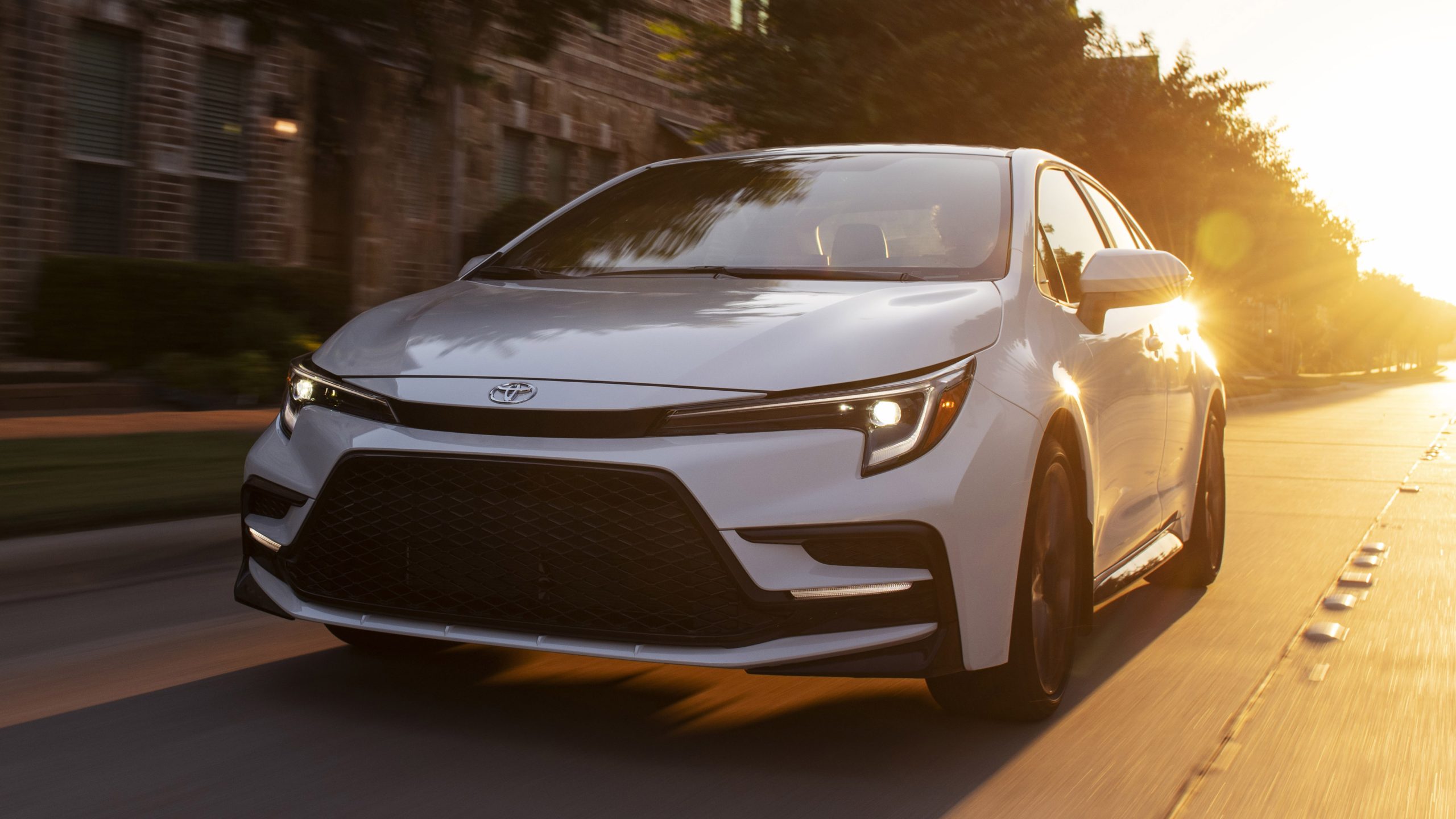
Despite the minor appearance, insurance adjusters must account for the electronics behind the shell, including blind-spot monitoring sensors embedded in the rear corners. Because the Corolla is an economical mass-market vehicle with a lower used market ceiling, the expensive labor hours required to perform factory diagnostics, sensor alignment, and multi-system resets can swiftly bridge the gap between minor damage and an insurance write-off.
The concentration of advanced driver assistance components within a low-cost chassis structure ensures that electronic calibration fees represent a disproportionately massive percentage of the vehicle’s total valuation, accelerating the write-off process for adjusters handling minor insurance claims.
- Engine: 1.6-liter naturally aspirated inline-4 / 1.8-liter naturally aspirated inline-4 / 1.8-liter hybrid inline-4 / 1.6-liter turbocharged inline-3 (GR Corolla)
- Torque: 113 lb-ft / 113 lb-ft / 105 lb-ft / 295 lb-ft
- Horsepower: 121 hp / 138 hp / 122 hp (combined) / 296 hp
- Length/Width: 182.3 inches / 70.1 inches (Sedan) / 173.5 inches / 72.9 inches (GR Corolla Hatchback)
4. Nissan Rogue
ADAS Recalibration Cost: $1,800 – $3,000
Actual Cash Value (ACV): $13,000 – $19,000
The Nissan Rogue relies heavily on Safety Shield 360, utilizing a complex network of surround-view cameras, sonar sensors, and front-facing radar to manage its driver assistance features. A minor sideswipe or a low-impact parking incident that slightly misaligns a side mirror camera or a bumper sonar pod forces an extensive calibration protocol.
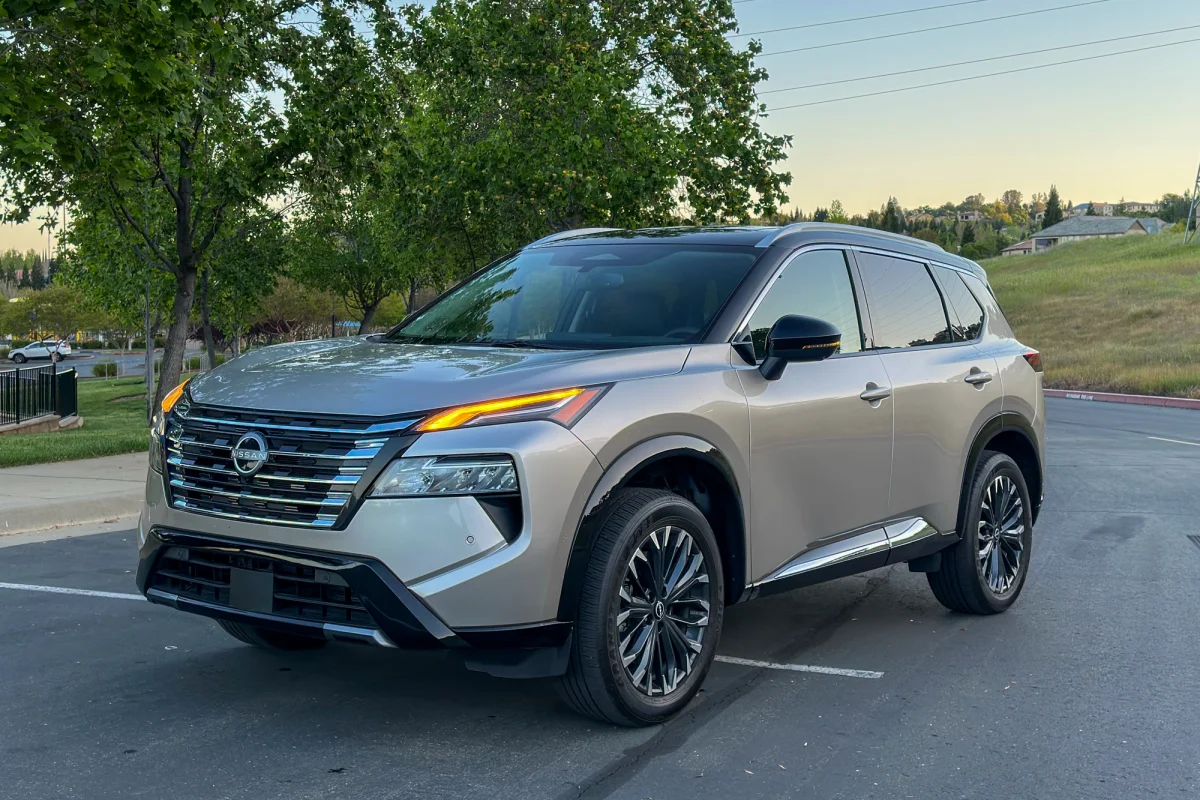
Because surround-view stitching requires uniform alignment across multiple external cameras simultaneously, the labor overhead for a multi-camera calibration sequence is notoriously high and demands hours of specialized technician time.
On a mid-tier Rogue that has experienced standard fleet or family depreciation, these elevated technical labor fees act as an invisible multiplier, turning a straightforward cosmetic fix into an economically unviable repair for insurance providers.
The requirement to synchronize multiple viewpoints across the vehicle exterior means that touching one camera often cascades into recalibrating the entire perimeter system, inflating minor cosmetic incidents into major financial liabilities.
- Engine: 1.5-liter VC-Turbo inline-3
- Torque: 225 lb-ft
- Horsepower: 201 hp
- Length/Width: 183.0 inches / 72.4 inches
5. Hyundai Elantra
ADAS Recalibration Cost: $1,100 – $2,100
Actual Cash Value (ACV): $9,000 – $14,000
The Hyundai Elantra integrates advanced safety suites like SmartSense into an affordable compact sedan package, meaning the ratio of high-tech sensor value to total vehicle value is heavily skewed.
A minor bump to the front bumper can easily compromise the behind-the-grille radar unit responsible for automatic emergency braking and adaptive cruise control tracking. Replacing the mounting brackets, resetting the electronic control unit, and executing a mandatory dynamic or static calibration adds substantial overhead to an otherwise cheap fix.
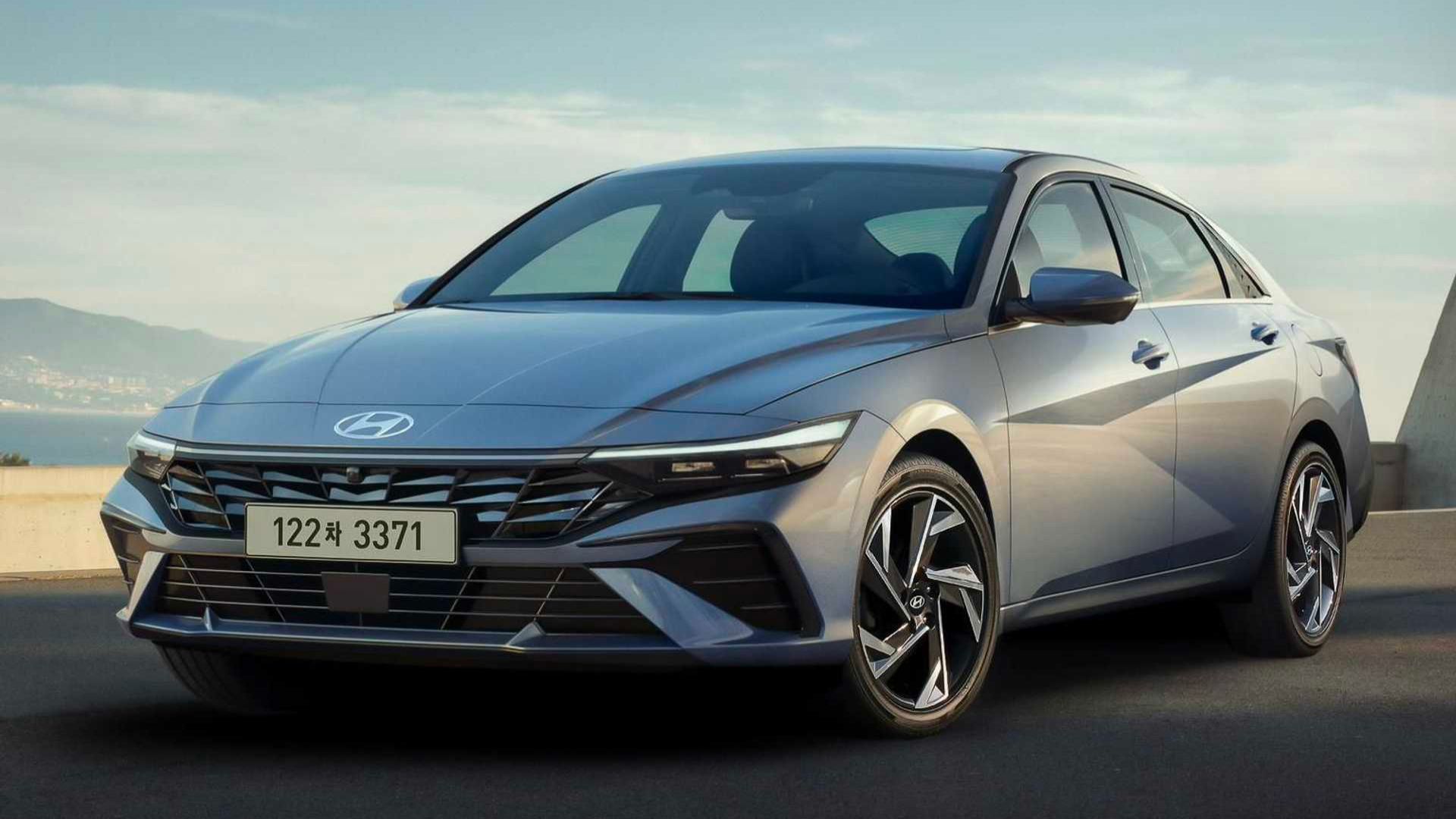
Because the actual cash value of a used compact sedan drops rapidly year over year, the inclusion of specialized diagnostic scans and sensor alignment procedures routinely triggers a total loss declaration over minor physical dents.
The economic reality of compact car valuation dictates that even minimal electronic intervention costs can rapidly match the dwindling market equity, forcing insurance companies to opt for a full vehicle payout rather than authorizing multi-system diagnostic overhauls.
- Engine: 1.6-liter naturally aspirated inline-4 / 2.0-liter naturally aspirated inline-4 / 1.6-liter turbocharged inline-4 / 2.0-liter turbocharged inline-4 (Elantra N)
- Torque: 114 lb-ft / 132 lb-ft / 195 lb-ft / 289 lb-ft
- Horsepower: 126–128 hp / 147 hp / 201–204 hp / 276 hp
- Length/Width: 184.1 inches / 71.9 inches
Also read: 10 Cars With the Biggest Heat-Related Reliability Issues
6. Mazda 3
ADAS Recalibration Cost: $1,400 – $2,400
Actual Cash Value (ACV): $11,000 – $16,500
The Mazda 3 is celebrated for its upscale styling and robust safety features, but its sleek front grille houses a prominent, highly sensitive radar emblem for its i-Activesense safety system. A minor parking lot impact that cracks this specialized badge-integrated radar assembly necessitates a complete hardware replacement and an exact calibration procedure.
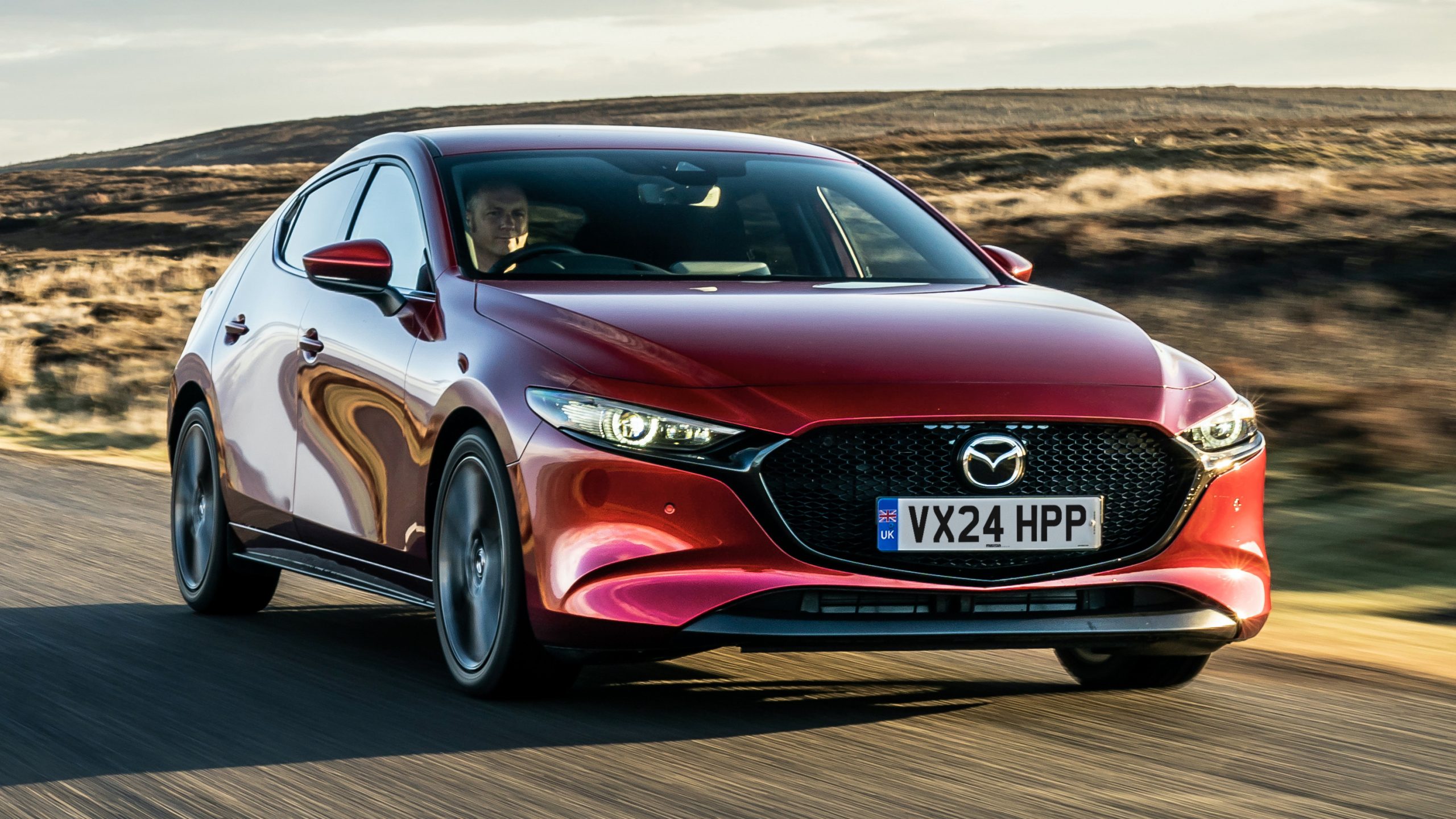
Furthermore, Mazda’s integrated head-up display and dashboard camera systems require precise synchronization if the upper dash or windshield area experiences any structural shock during a minor collision. For an older or moderately used Mazda 3, the steep cost of proprietary OEM radar components combined with mandatory calibration labor frequently surpasses the vehicle’s remaining market worth.
The reliance on specialized brand-specific parts prevents body shops from utilizing cheaper aftermarket alternatives, sealing the vehicle’s fate as a total loss whenever front fascia technology takes even a minor blow.
- Engine: 2.0-liter naturally aspirated SkyActiv-G inline-4 / 2.5-liter naturally aspirated SkyActiv-G inline-4 / 2.5-liter turbocharged SkyActiv-G inline-4
- Torque: 148 lb-ft / 186 lb-ft / 320 lb-ft
- Horsepower: 153 hp / 186–191 hp / 227–250 hp
- Length/Width: 183.5 inches (Sedan) / 175.6 inches (Hatchback) / 70.7 inches
7. Chevrolet Bolt EV
ADAS Recalibration Cost: $2,000 – $3,500
Actual Cash Value (ACV): $12,000 – $17,000
As an early mass-market electric vehicle, the Chevrolet Bolt features a tightly integrated sensor suite and specialized high-voltage electronic architecture packed into a lightweight compact body.
Even a minor fender bender on a Bolt triggers stringent corporate and insurance safety protocols that demand comprehensive diagnostic sweeps of the vehicle’s computer loops and sensor arrays.
Because replacement parts for early EV architecture can carry a premium and require certified technicians with high-voltage clearance to disassemble surrounding bumper components, the combined estimate for mechanical checks, sensor recalibration, and basic bodywork often exceeds the depreciated actual cash value of the vehicle.
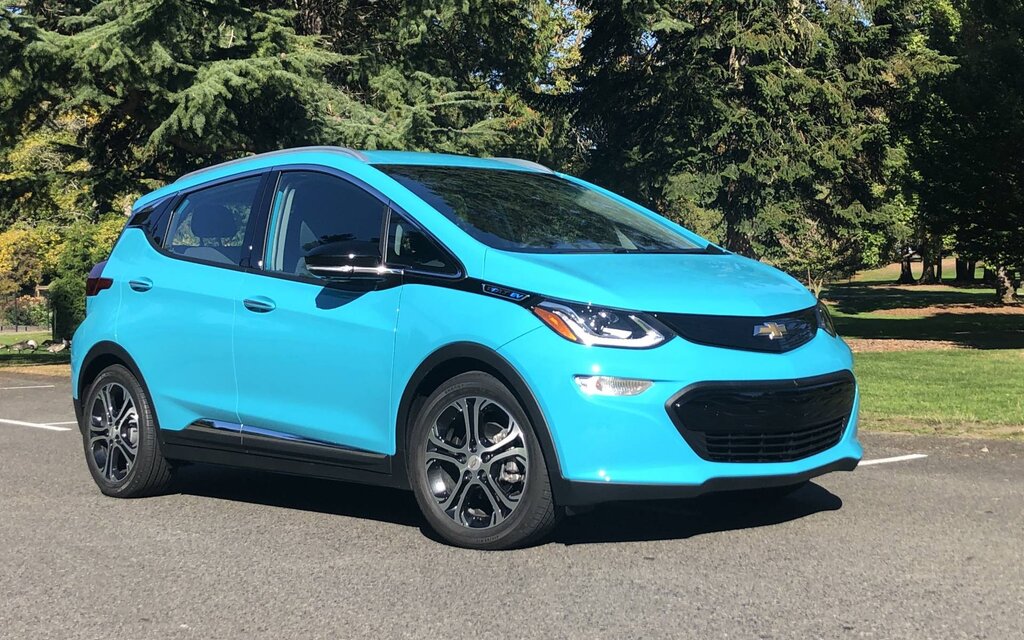
The intersection of electric vehicle diagnostic mandates and high-tech ADAS integration creates a compounded repair environment where minor bumps require specialized procedural overhead that standard body shops cannot bypass, leading directly to frequent insurance write-offs.
- Engine: Permanent-magnet AC synchronous electric motor
- Torque: 266 lb-ft
- Horsepower: 200–210 hp
- Length/Width: 164.0 inches / 69.5 inches
8. Ford Escape
ADAS Recalibration Cost: $1,300 – $2,300
Actual Cash Value (ACV): $13,500 – $20,000
The Ford Escape utilizes Co-Pilot360 technology across its body panels, incorporating cross-traffic alerts, lane-keeping sensors, and adaptive radar modules into compact bumper real estate.
A minor low-speed collision that tweaks a rear quarter panel or compresses a front bumper cover can easily disrupt the calibration of the blind-spot radar units mounted behind the plastic corners.
Re-indexing these radar modules requires specialized diagnostic software tools and alignment targets that many standard body shops outsource or charge premium rates to complete.
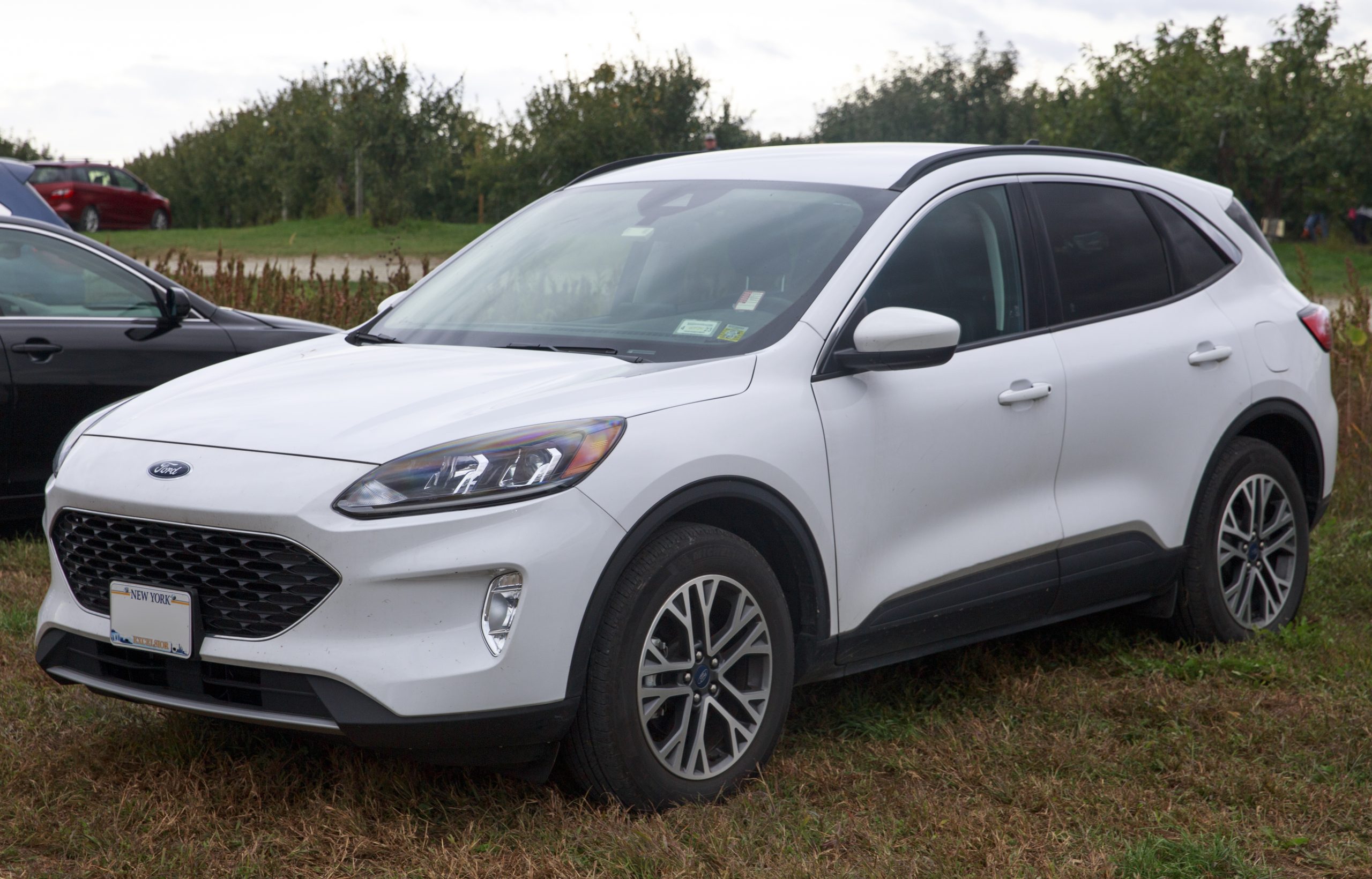
When these specialized calibration fees are added to standard parts and painting costs on a mid-tier crossover, the total repair estimate frequently crosses the threshold into total loss territory. The tight packaging of electronic radar nodes inside vulnerable bumper zones guarantees that minor impacts will almost always require electronic intervention alongside traditional sheet metal work.
- Engine: 1.5-liter turbocharged inline-3 EcoBoost / 2.0-liter turbocharged inline-4 EcoBoost / 2.5-liter Atkinson-cycle hybrid inline-4
- Torque: 199 lb-ft / 280 lb-ft / 155 lb-ft
- Horsepower: 180 hp / 250 hp / 192–210 hp (combined)
- Length/Width: 181.3 inches / 74.1 inches
9. Volkswagen Golf
ADAS Recalibration Cost: $1,600 – $2,800
Actual Cash Value (ACV): $10,500 – $16,000
The Volkswagen Golf features a densely packaged European layout where parking sensors, adaptive cruise radar, and camera harnesses are tightly coupled with structural body elements.
A minor parking lot bump that seems harmless on the surface can easily shift the calibration tolerances of the front emblem radar or the parking sensors embedded in the bumper molding. Due to strict European manufacturing specifications, repairs often dictate OEM-only parts and precise, time-consuming static calibrations inside specialized dealer bays.
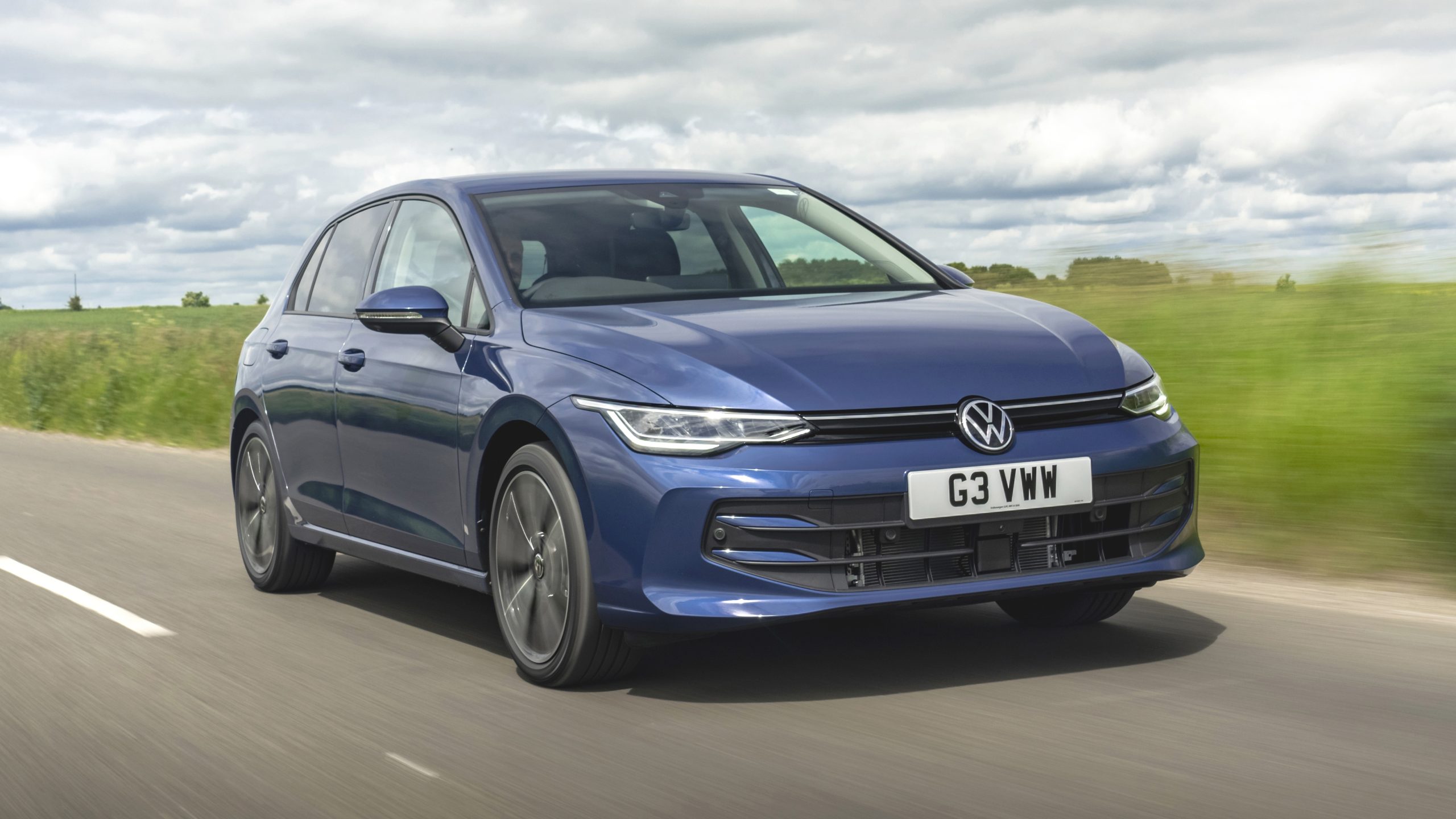
Given the lower used-market valuation of older standard Golf trims, the inflated labor hours and high cost of proprietary calibration procedures make minor cosmetic damages economically impractical to repair. The necessity for certified electronic resetting procedures ensures that even trivial parking lot scratches translate into complex technical invoices that quickly overwhelm the car’s depreciated worth.
- Engine: 1.4-liter turbocharged inline-4 / 1.5-liter turbocharged inline-4 / 2.0-liter turbocharged inline-4 (GTI)
- Torque: 184 lb-ft / 184 lb-ft / 273 lb-ft
- Horsepower: 110–150 hp / 110–150 hp / 241–265 hp
- Length/Width: 168.6 inches / 70.4 inches (Standard Golf) / 168.8 inches / 70.4 inches (Golf GTI)
10. Nissan Leaf
ADAS Recalibration Cost: $1,500 – $2,600
Actual Cash Value (ACV): $8,500 – $13,500
The Nissan Leaf pioneered accessible electric mobility, but its front V-motion grille and rear bumper assemblies house critical charging ports, ultrasonic detectors, and collision-avoidance radar nodes. A minor low-speed impact that pushes the front bumper inward can easily damage the delicate sensor mounts without causing severe structural frame harm.
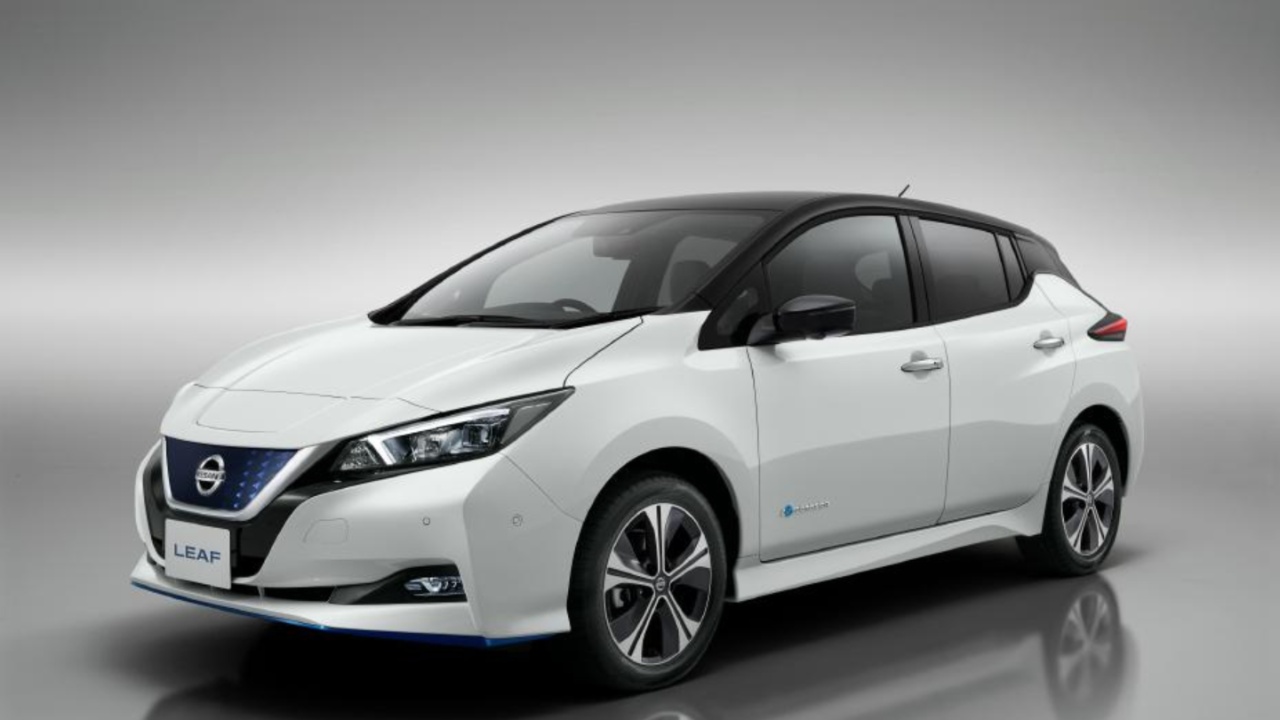
Because the vehicle’s actual cash value on the secondary market is often modest due to battery age and rapid automotive depreciation, the mandatory requirement for specialized EV diagnostic scans, component resets, and multi-system sensor calibrations can easily match or exceed the remaining value of the car, rendering even minor bumps an automatic total loss.
The unique combination of electric powertrain diagnostics and exterior sensor arrays creates a fragile economic balance where minor cosmetic incidents incur disproportionately steep technical labor charges.
- Engine: AC synchronous electric motor
- Torque: 236–261 lb-ft
- Horsepower: 147–214 hp
- Length/Width: 173.4 inches / 71.3 inches