
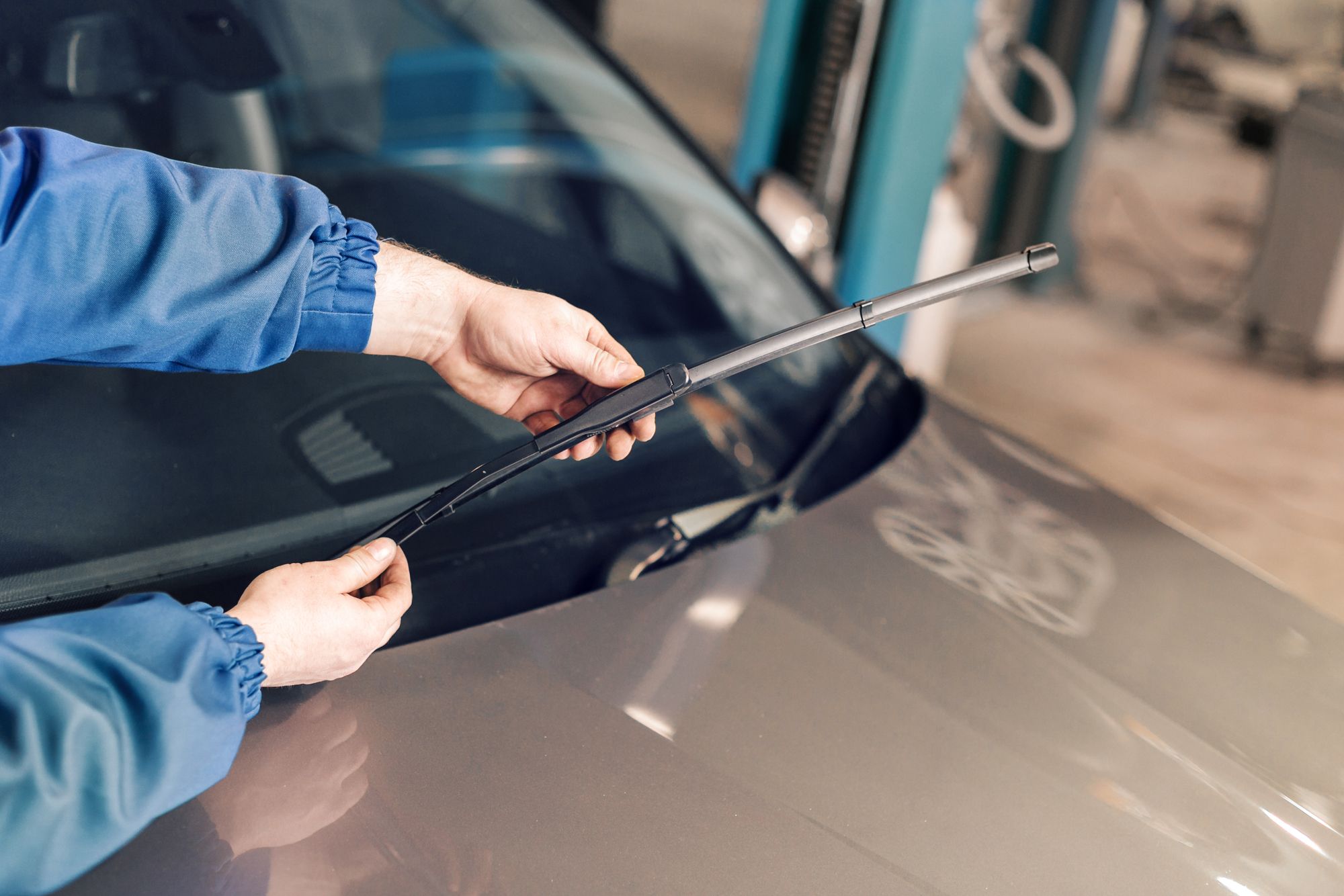
Ever glanced at a dealership invoice and wondered if you’d accidentally paid for a whole new car instead of a filter swap? You’re not imagining things. Dealership service departments now charge labor rates that frequently climb past $200 to $250 per hour, while independent mechanics down the road typically bill somewhere between $90 and $130 for comparable skill and equipment.
Pair that gap with strict rules requiring pricey factory parts, and plenty of everyday repairs end up costing double, sometimes triple, what they reasonably should. Whether you’re loyal to your dealership or just curious where your money actually goes, these eight repairs show exactly how that markup adds up, with real numbers to back it up.
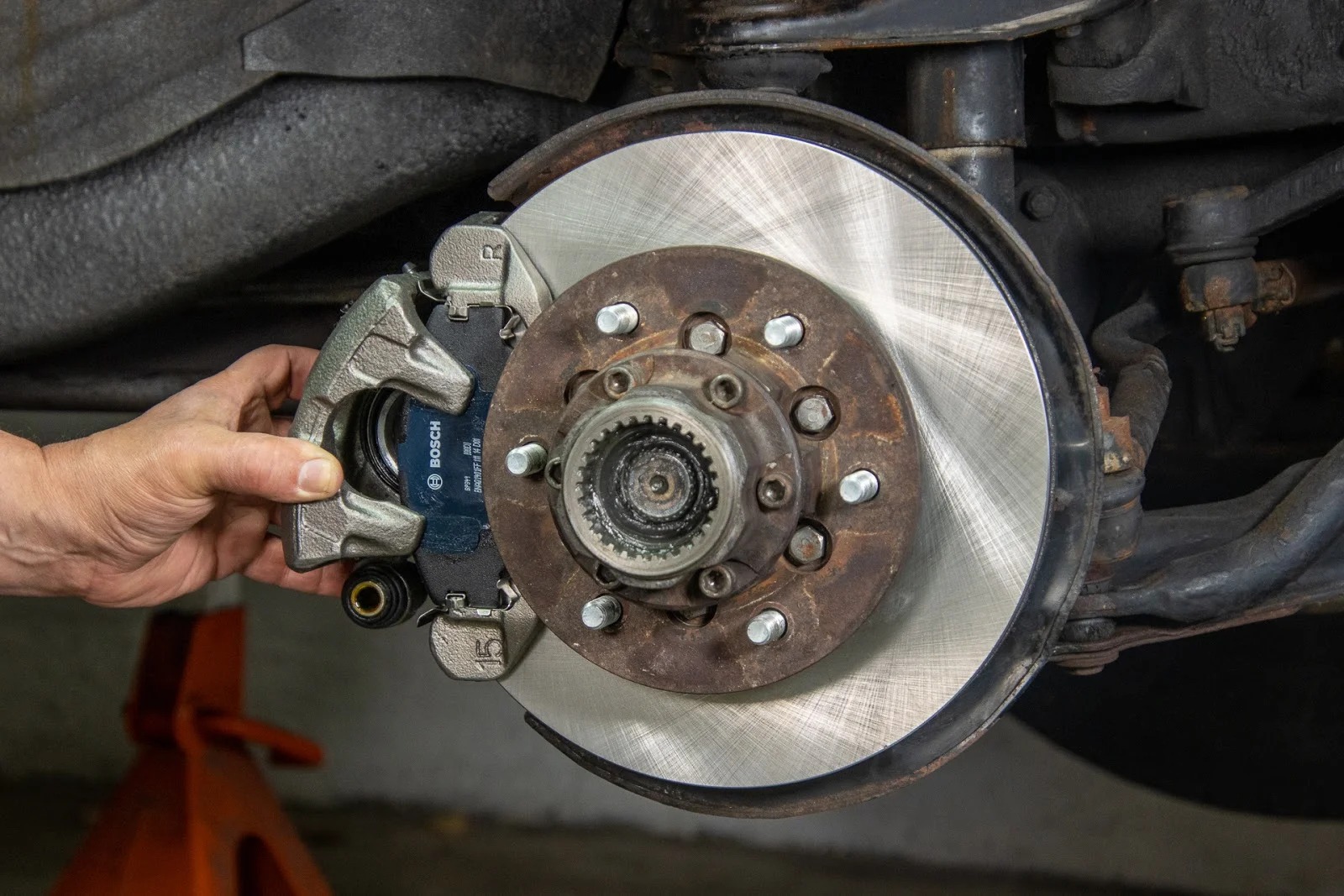
1. Brake Pad and Rotor Replacement
Dealer Cost: ~$750 – $1,200 per axle
Independent Cost: ~$250 – $450 per axle
Few vehicle repairs are as common as replacing brake components, and the cost difference between repair shops can be surprising. A dealership usually charges much more because its pricing follows a fixed system rather than the actual time spent on the job.
Technicians are paid according to factory labor guides, which assign a standard number of hours for each repair. Whether the mechanic completes the work in half an hour or takes much longer, the labor charge remains the same. On top of that, dealerships usually insist on installing Original Equipment Manufacturer parts.
These brake pads and rotors carry the vehicle maker’s branding, and that label often comes with a much higher price. When labor and parts are added together, the final amount can become much higher than many vehicle owners expect for a routine repair.
Things look quite different once you visit a trusted independent repair shop. Many of these businesses keep quality aftermarket brake pads and rotors produced by respected manufacturers, including companies that also supply parts used during vehicle production.
Since these parts do not carry the dealership price premium, they are usually much cheaper while still delivering dependable performance. Their labor charges also tend to reflect the actual time needed to complete the repair instead of relying on a fixed schedule.
A front brake replacement that may cost more than $900 at a dealership can often be completed for about $300 at an independent garage. The braking performance and safety remain much the same, yet the savings can be substantial. Choosing the right repair shop can leave more money in your pocket throughout your years of vehicle ownership.
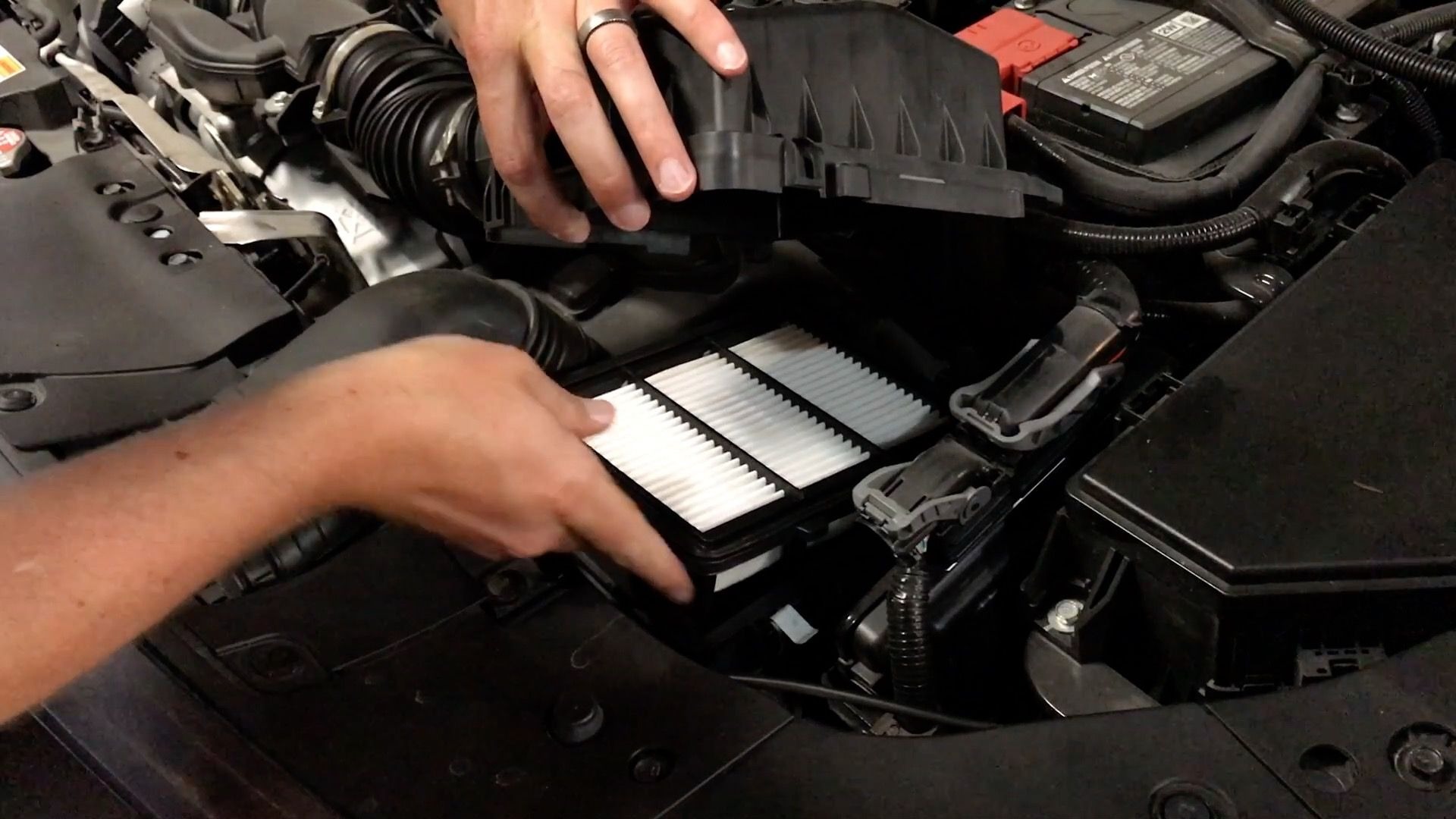
2. Cabin and Engine Air Filter Replacement
Dealer Cost: ~$120 – $200 (combined)
Independent Cost: ~$40 – $70 (combined)
Few vehicle maintenance jobs show the difference in repair costs as clearly as replacing air filters. Changing the engine air filter or the cabin air filter is one of the easiest tasks on a car. It takes only a few minutes, requires basic hand tools, and involves removing the old filter before fitting a new one into place.
Even someone with no previous experience can complete the job at home after watching a simple instructional video. There is very little technical skill involved, making it one of the easiest maintenance tasks for any vehicle owner willing to spend a little time learning the process.
A dealership usually handles this small task in a much more expensive way. Most service centres apply a minimum labour fee, often charging for at least half an hour, even when the replacement takes only a few minutes. In many cases, that labour charge alone is higher than what an independent workshop would bill for both the replacement filters and the work.
The filters themselves are also sold at much higher prices than their wholesale cost. During routine servicing, service advisers often show customers a dusty or dirty filter and recommend replacing it immediately. Since the filter appears worn, many vehicle owners agree without asking about the cost or checking other repair options.
Replacing these filters at the proper time is still necessary because they help protect the engine and improve cabin air quality. Even so, paying far more than the job is worth is something every vehicle owner should avoid whenever possible.
Also Read: 8 Repairs Mechanics Say to Walk Away From
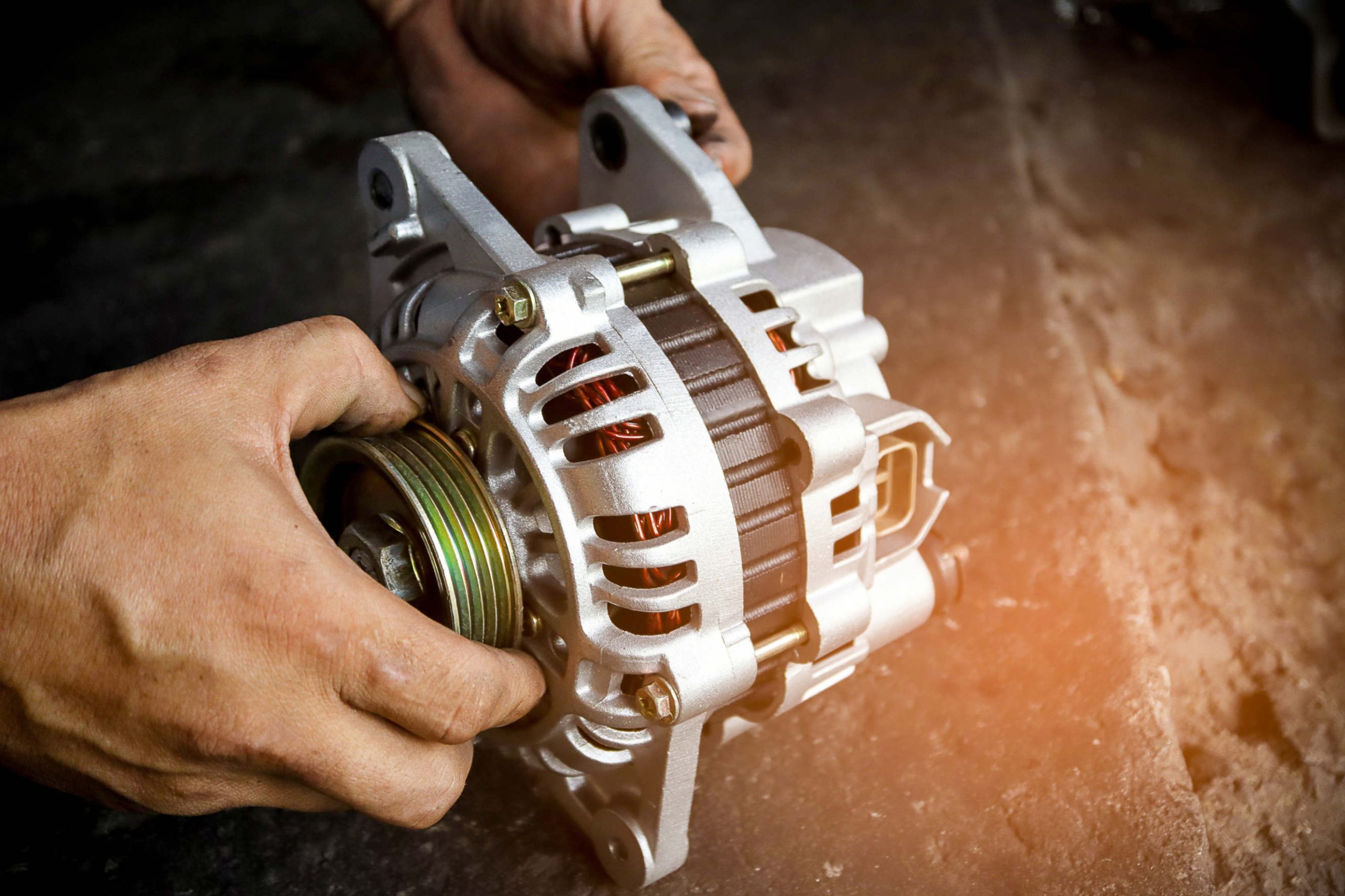
3. Alternator Replacement
Dealer Cost: ~$1,000 – $1,600
Independent Cost: ~$400 – $650
Few repairs strike at a worse moment than a failing alternator, which tends to show symptoms right before stranding a driver with a completely dead battery. That sense of urgency plays directly into dealership pricing structures.
Factory policy at most dealerships permits only brand-new OEM alternator assemblies, full stop, leaving no room for a more budget-conscious alternative even when one would restore identical function under the hood.
Independent shops approach this repair with considerably more flexibility. Remanufactured alternators, rebuilt using original cores and tested to match factory performance specifications, offer a proven middle ground between cost and reliability.
Warranties on these remanufactured units frequently mirror what a brand-new alternator would carry, removing much of the hesitation a cautious driver might feel about choosing the more affordable path.
Labor pricing widens the gap even further, since independent mechanics aren’t bound by the same inflexible hourly structure that dealership service departments follow. A driver quoted $1,300 for an alternator at a dealership could feasibly walk into an independent shop across town and drive away for under $600, backed by a comparable warranty and identical results.
Considering how often alternator failures arrive without warning and force a same-day decision, understanding this price difference ahead of time genuinely pays off.
4. Basic Battery Replacement
Dealer Cost: ~$350 – $600
Independent Cost: ~$150 – $250
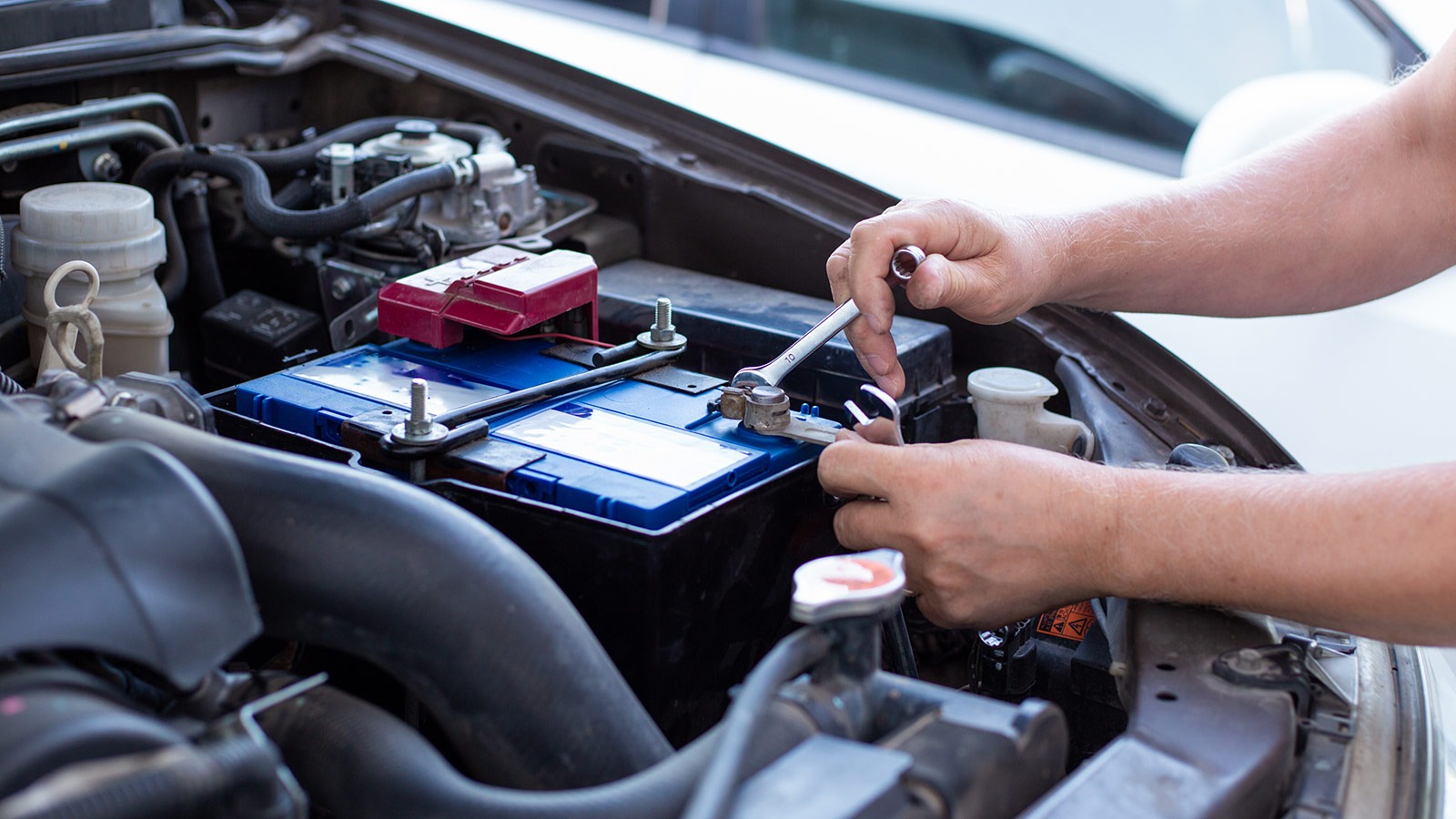
Nothing about swapping a car battery requires advanced skill. Two cable clamps, a hold-down bracket, lift out the old one, drop in the new one, reconnect. Simple as that sounds, dealership invoices for this exact task routinely land north of $400, and the explanation comes down to how the charges get bundled together on paper.
A diagnostic fee typically appears first, tacked on even in cases where a dead battery is the obvious and undisputed problem before the car ever reaches the service bay.
Beyond that diagnostic charge, many dealerships add a separate fee tied to registering the new battery with the vehicle’s onboard computer system, a legitimate technical requirement on certain newer models designed to keep charging systems calibrated correctly.
That registration step, however, takes only minutes to complete, yet dealerships routinely price it as though it demands specialized expertise well beyond its actual complication. Add a battery itself priced under a manufacturer’s badge, typically costing more than an equivalent unit sold at any standard auto parts retailer, and the total climbs quickly.
Independent shops handle battery registration too, whenever a particular vehicle actually calls for it, but they tend to fold that step into one straightforward price instead of presenting it as an added charge meant to pad the invoice. Three separate charges stacked together turn a basic swap into an unnecessarily expensive visit.
5. Spark Plug Replacement
Dealer Cost: ~$400 – $900 (depending on engine size)
Independent Cost: ~$150 – $350
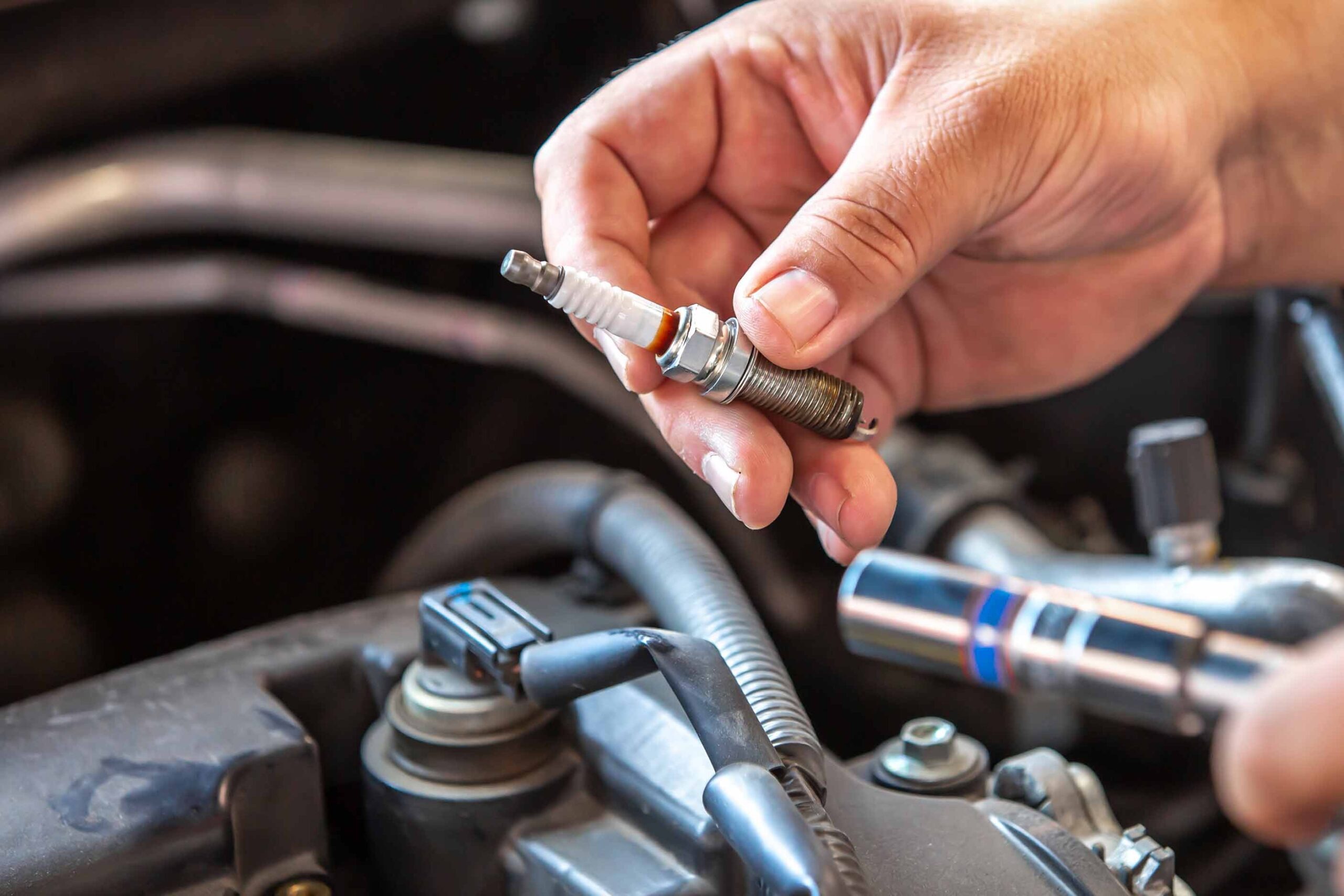
Spark plug pricing reveals one of the widest and most consistent gaps between dealership and independent labor charges anywhere on this list. The reason traces back to how factory labor guides structure the billing.
Each cylinder gets treated as an individual task with its own assigned time allowance, so a six-cylinder engine generates six separate labor units on paper, despite a skilled technician completing the entire job in one uninterrupted session without pausing a clock between cylinders.
Independent mechanics generally take a more grounded approach, pricing the job around the actual time a specific engine layout requires rather than a formula built purely around cylinder count. A compact four-cylinder engine with plugs sitting in plain view might take under an hour from start to finish, and independent pricing usually reflects that reality directly.
Larger or more complicated engines, particularly those requiring intake components removed to access rear cylinders, naturally cost more no matter where the work happens, yet the percentage gap between dealer and independent pricing holds remarkably steady across nearly every engine size.
Parts markups compound the difference further, since dealerships frequently push premium iridium or platinum plugs at inflated prices even in situations where a standard factory-spec plug would perform identically well.
A quote approaching $800 for spark plugs at a dealership might realistically shrink to $250 or $300 at a well-regarded independent shop, with identical results firing every cylinder.
6. Wheel Bearing Assembly Replacement
Dealer Cost: ~$600 – $1,000 per wheel
Independent Cost: ~$250 – $450 per wheel
A strange humming or growling noise that gets louder as your vehicle gains speed is often an early warning that a wheel bearing is wearing out. Once that sound starts, putting off the repair can affect safe driving.
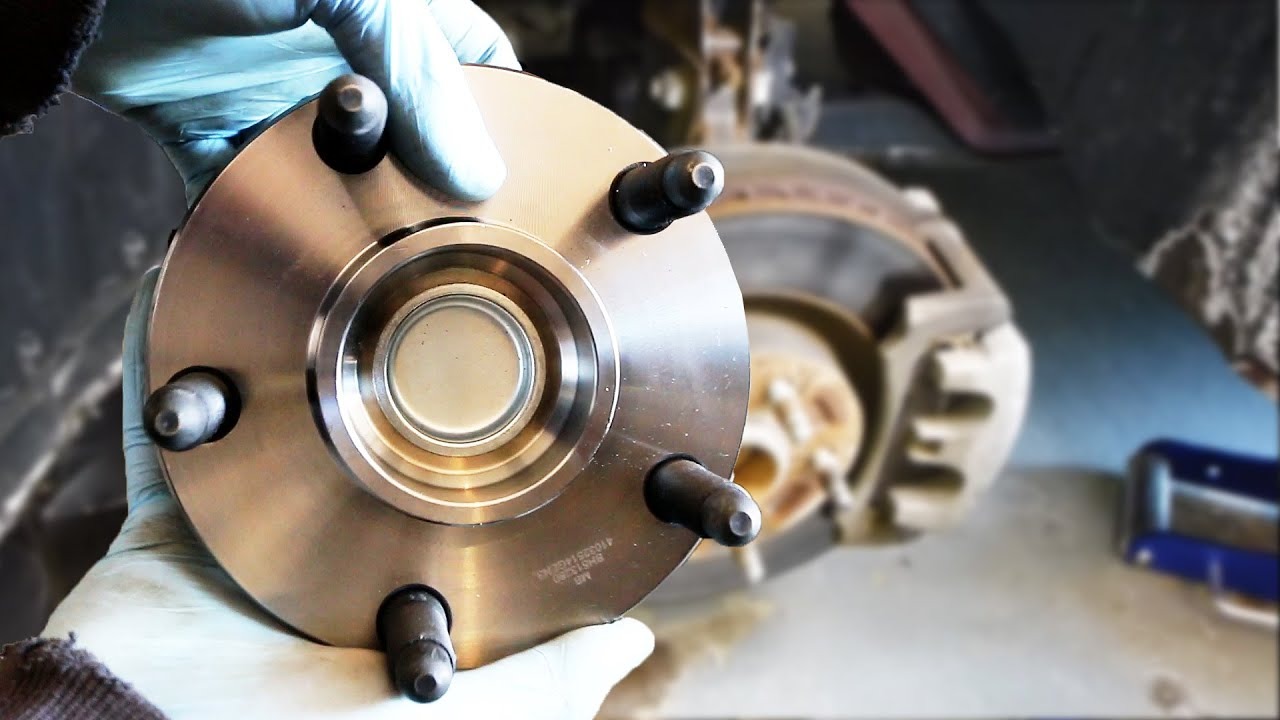
Many dealerships deal with this issue by replacing the entire hub assembly or, in some cases, the steering knuckle instead of changing only the faulty bearing. This method helps technicians finish the job faster because the replacement parts come fully assembled and ready to install.
The drawback is that working parts are removed even though nothing is wrong with them. Since extra components are included in the repair, the final bill becomes much higher than replacing only the damaged bearing.
A different approach is common at many independent repair shops, where mechanics replace only the worn bearing. Although the work can take more effort and experience, it often costs much less. These workshops can also buy quality bearings from trusted brands instead of depending on one factory supplier, giving customers better pricing choices.
Replacing both front wheel bearings at a dealership can cost close to $2,000, while a reliable independent shop may charge between $500 and $900, helping families keep more money for other monthly expenses.
7. Serpentine / Drive Belt Replacement
Dealer Cost: ~$250 – $400
Independent Cost: ~$90 – $150
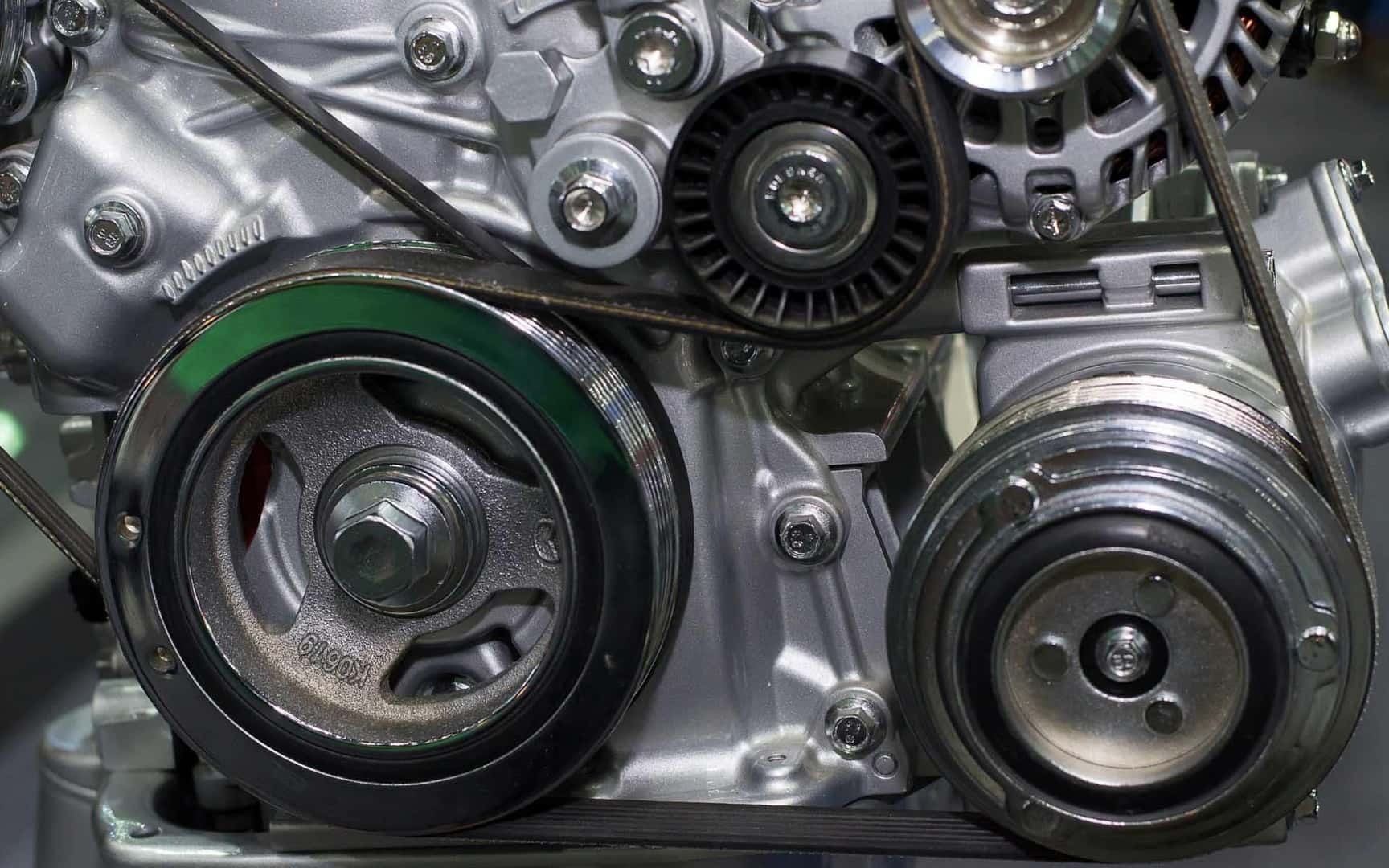
Pop the hood on nearly any vehicle, and there it sits in plain sight, looping around the alternator, power steering pump, and air conditioning compressor pulleys, fully exposed and easy to reach. A repair this physically accessible should logically come with an equally modest price tag, and at most independent shops, it genuinely does.
An experienced mechanic can release the tensioner, slide the worn belt free, thread on its replacement, and reset the tensioner in roughly fifteen minutes total, beginning to end. Dealership pricing, though, doesn’t reflect that simplicity in the slightest.
Service departments apply a standard minimum labor block to this job, one that treats a fifteen-minute belt swap the same as far more involved repairs requiring extensive disassembly. That flat billing structure means customers routinely pay for an hour or more of labor on a task that barely occupies a quarter of that time, on top of an OEM belt priced well above a quality aftermarket equivalent that performs the same function under the hood.
Drivers who’ve compared quotes side by side consistently report savings well over $150 simply by choosing an independent shop for this particular job. Given how visible and straightforward this repair genuinely is, it stands as one of the most obvious examples of dealership pricing disconnected entirely from real-world labor difficulty.
Also Read: 7 Sedans With the Priciest Engine Repairs
8. Radiator Fluid / Coolant Flush
Dealer Cost: ~$250 – $450
Independent Cost: ~$100 – $180
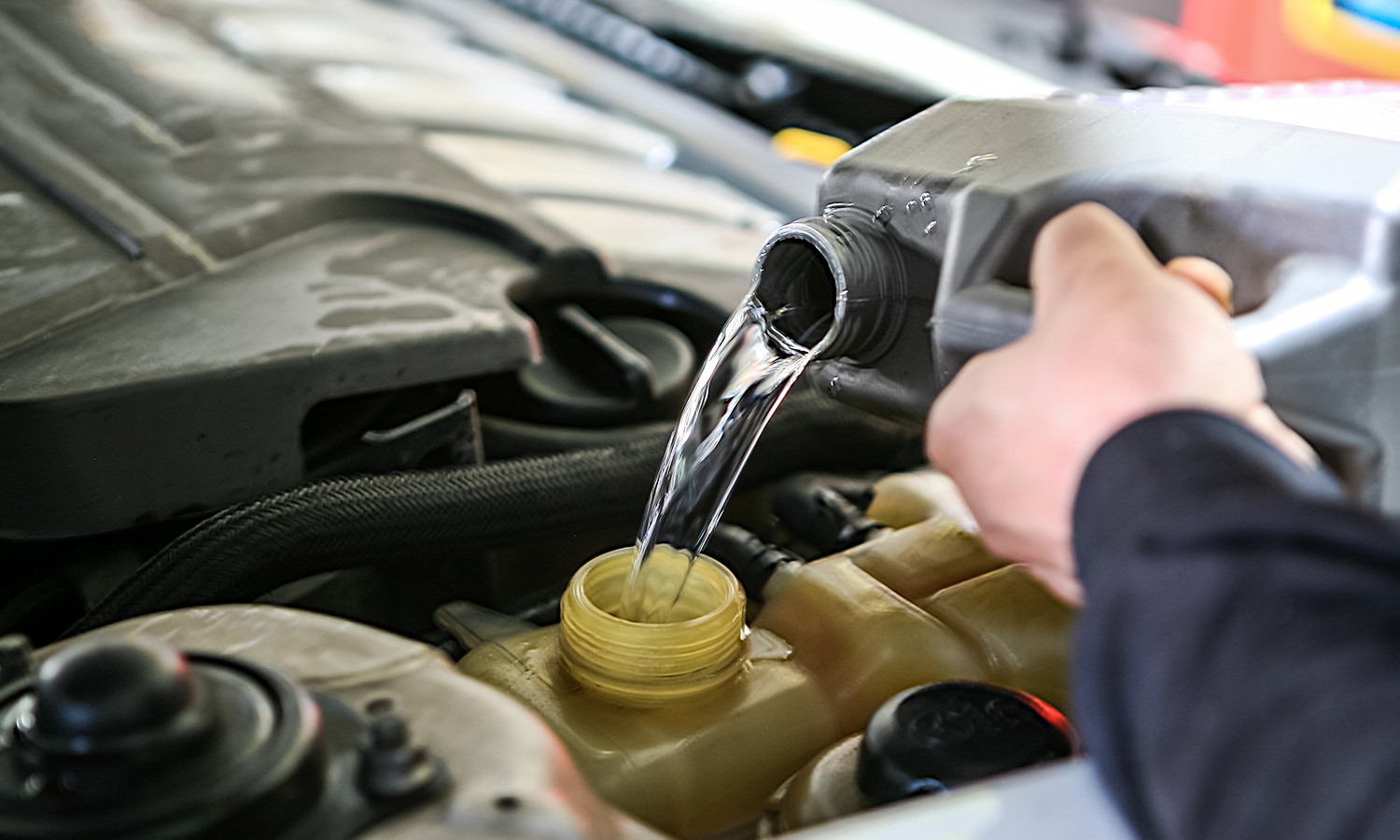
Replacing coolant is another maintenance job where dealership pricing can be much higher than many vehicle owners expect. Brands such as Honda and Toyota recommend their own coolant formulas, and dealership service centres usually insist on using only those branded products.
While these coolants are made for their vehicles, the higher price often comes from the branding rather than a major difference in performance. Independent repair shops can purchase quality coolant from trusted manufacturers that meets the same technical requirements, allowing customers to spend much less without putting the engine at risk.
Another reason dealership bills climb is the extra fee attached to specialised flushing equipment. Many service centres use automated machines that replace old coolant in one continuous process, and the cost of using that equipment is added to the customer’s invoice.
Independent workshops can achieve the same result with similar machines or reliable manual methods without adding the same extra charge. What matters is using coolant that matches the vehicle’s cooling system, not the label printed on the container.
Skilled independent mechanics understand the correct specifications for different vehicles and can choose suitable products without relying only on dealership supplies. A coolant flush quoted at about $400 by a dealership can often cost less than $150 at a trusted independent workshop while providing the same level of engine protection.
