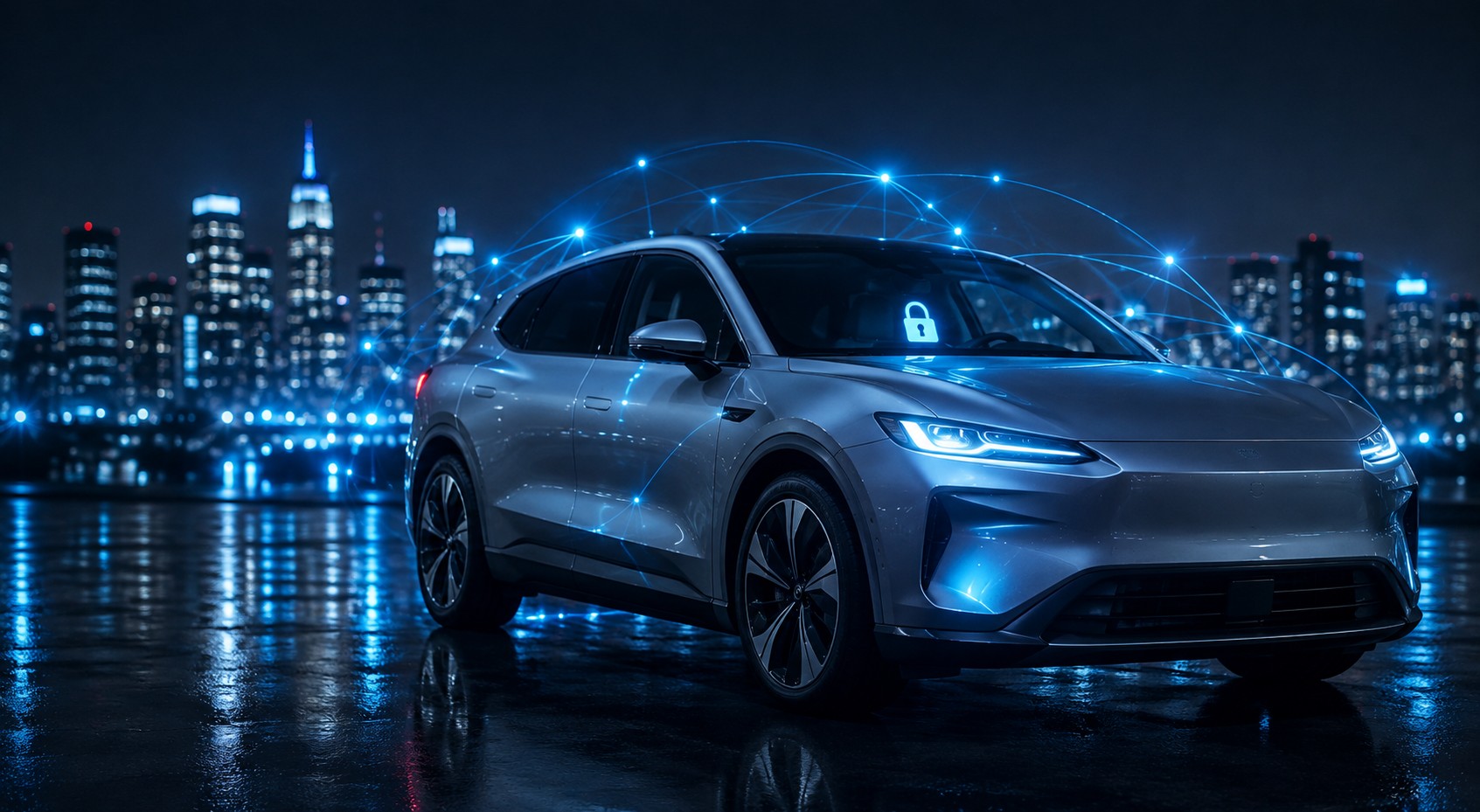
Modern cars increasingly work like smartphones. They receive wireless software updates that improve performance, fix bugs, and unlock new features. This process is called an over-the-air, or OTA, update.
Many drivers assume these updates happen quietly in the background. In reality, several vehicles lock the driver out entirely. The car becomes immobile until the update finishes installing.
This happens because critical systems like the battery management unit, powertrain controller, or infotainment computer are being rewritten. Interrupting that process mid-install could corrupt the software. Automakers prevent this by disabling the ignition or drive functions during the update window.
Tesla was among the first to popularize this practice. Rivian, Kia, Cadillac, Mercedes-Benz, Ford, Polestar, and BMW have since followed with similar systems. Update times generally range from ten minutes to over an hour, depending on the scope of the changes.
This list covers ten real vehicles known for this behavior. Each entry includes verified specifications and a look at how their update systems actually function. Owners planning a drive should always check their app or dashboard for pending updates first.
1. Tesla Model S
The Model S remains Tesla’s flagship sedan and the car that introduced OTA culture to the mass market. Its software updates can touch everything from Autopilot behavior to battery thermal management.
During installation, the car cannot shift into drive or reverse. Owners typically receive a notification the night before, letting them schedule the install for a time when the car is parked long-term.
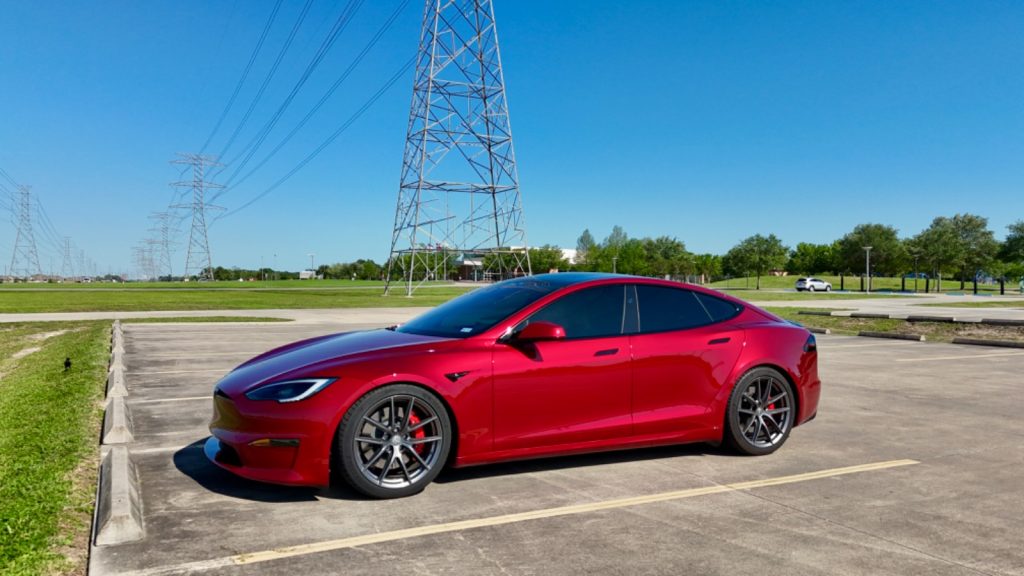
Update duration for the Model S ranges from twenty minutes to over an hour. Larger updates, like those touching the drive inverter firmware, take longer than simple UI patches.
Specifications:
- Engine: Dual or Tri-Motor All-Electric Powertrain
- Horsepower: 670 hp (Long Range), 1,020 hp (Plaid)
- Length: 197.7 inches
- Torque: 749 lb-ft (Plaid)
- Width: 77.3 inches
2. Tesla Model 3
The Model 3 is Tesla’s volume seller and shares its updated architecture with the Model S. Because it’s built on a simplified electrical architecture, updates often push faster than on legacy vehicles.
Like its larger sibling, the Model 3 becomes undriveable mid-update. The center touchscreen displays a progress bar, and the car will not respond to the accelerator until the install finishes.
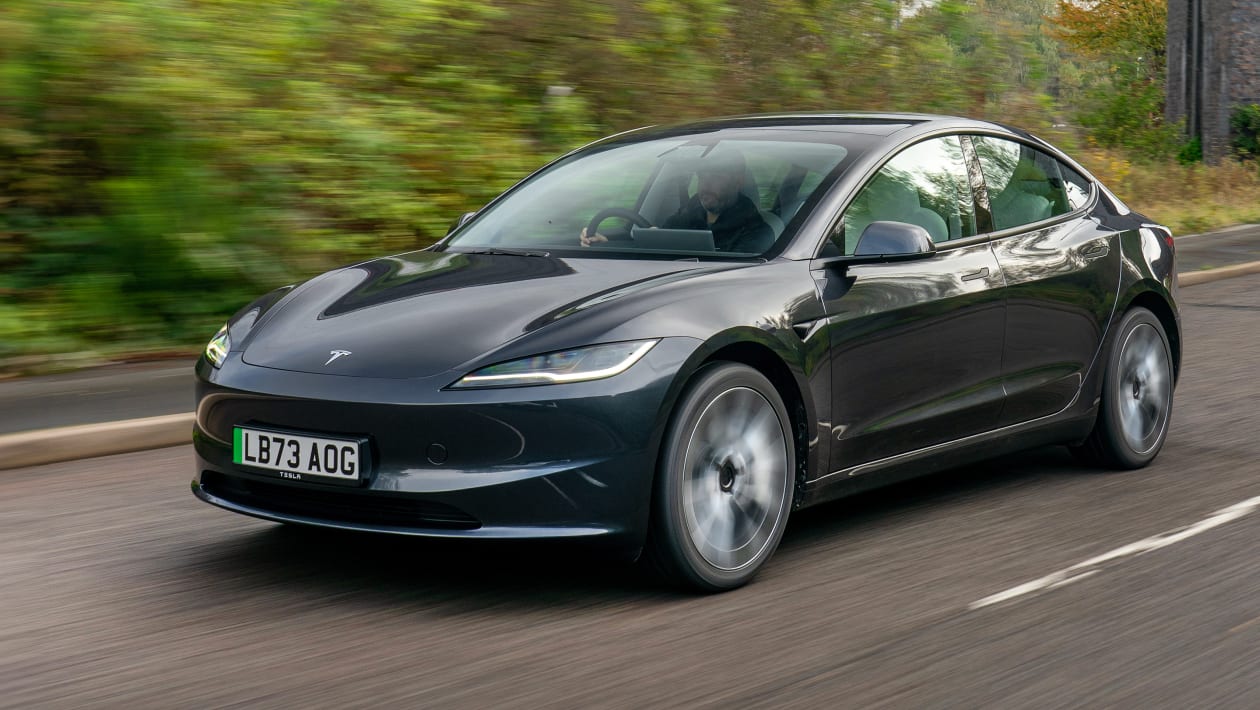
Tesla recommends parking the Model 3 somewhere secure before starting any major update. This is especially true for updates involving the battery management system, which needs stable conditions to complete safely.
Specifications:
- Engine: Single or Dual Motor All-Electric Powertrain
- Horsepower: 283 hp (RWD), 510 hp (Performance)
- Length: 185.8 inches
- Torque: 546 lb-ft (Performance)
- Width: 72.8 inches
3. Rivian R1T
The Rivian R1T is an electric pickup built with a quad-motor architecture. Its onboard computer, called the Rivian Compute Platform, manages nearly every subsystem in the truck.
Because so many systems route through this single platform, updates often require a full shutdown. The truck’s screen shows a lock icon and a countdown timer during the process.
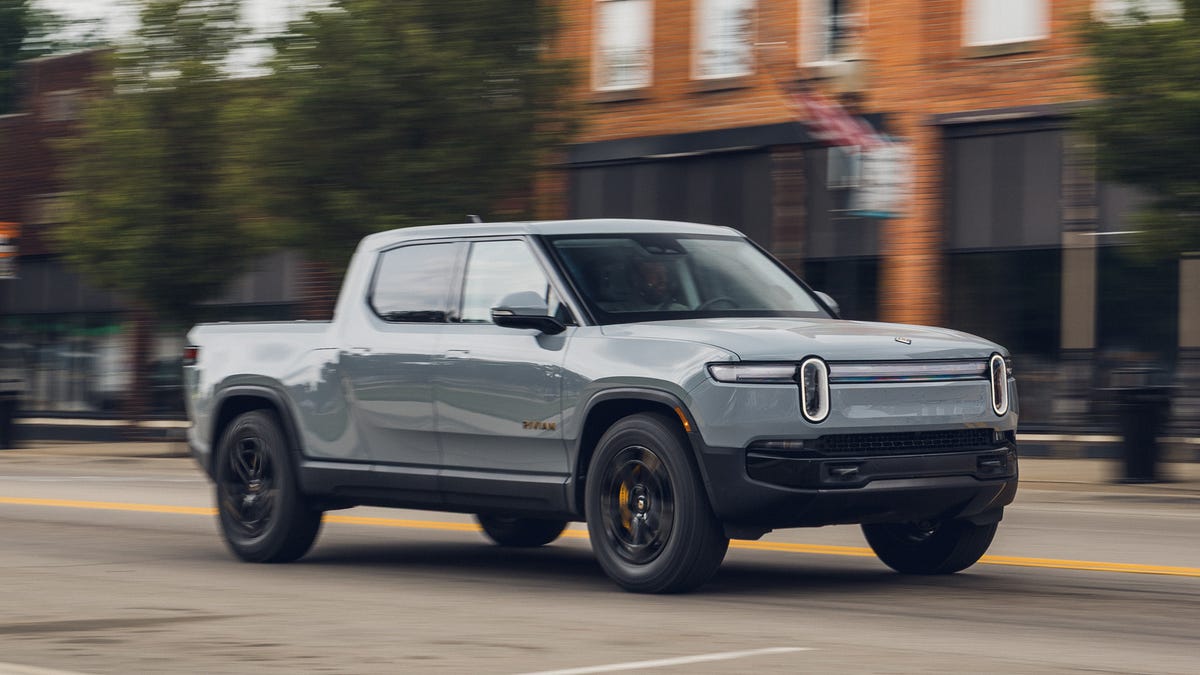
Rivian advises owners to avoid scheduling updates before a trip. Drive functions remain completely disabled until the compute platform finishes rebooting all connected modules.
Specifications:
- Engine: Quad-Motor All-Electric Powertrain
- Horsepower: 835 hp (Quad-Motor)
- Length: 217.1 inches
- Torque: 908 lb-ft
- Width: 81.8 inches
4. Rivian R1S
The R1S is Rivian’s three-row SUV, built on the same skateboard platform as the R1T. It shares the same update lockout behavior since both vehicles use identical software architecture.
Owners report update windows lasting between fifteen and forty-five minutes. During this time, doors can still be opened, but the vehicle cannot be shifted out of park.
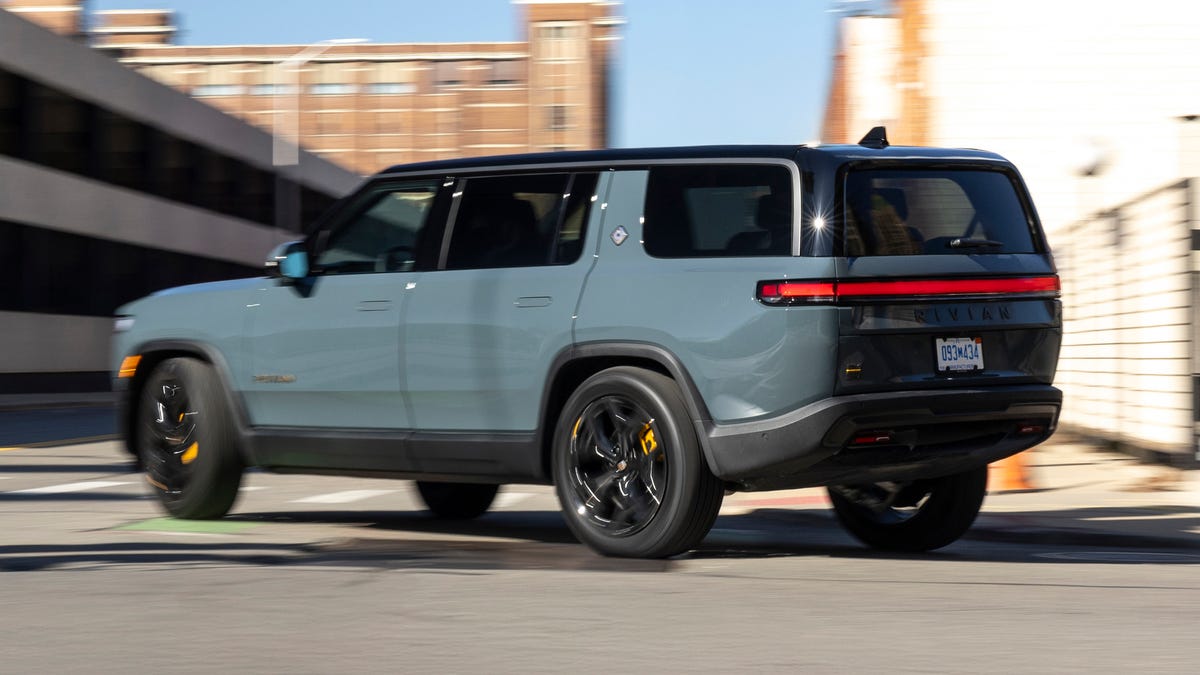
Rivian pushes major updates in batches to different regions to manage server load. This means not every R1S owner receives updates on the same schedule.
Specifications:
- Engine: Quad-Motor All-Electric Powertrain
- Horsepower: 835 hp (Quad-Motor)
- Length: 200.8 inches
- Torque: 908 lb-ft
- Width: 81.8 inches
Also Read: Hertz Rented a Shelby Mustang to the Public in 1966
5. Ford Mustang Mach-E
Ford’s Mustang Mach-E was one of the first non-Tesla EVs to fully embrace OTA updates. It uses Ford’s Sync 4A infotainment system, which handles both comfort and performance updates.
During a system update, the Mach-E displays a warning that the vehicle is temporarily disabled. Ford recommends parking in a garage or driveway rather than a public street.
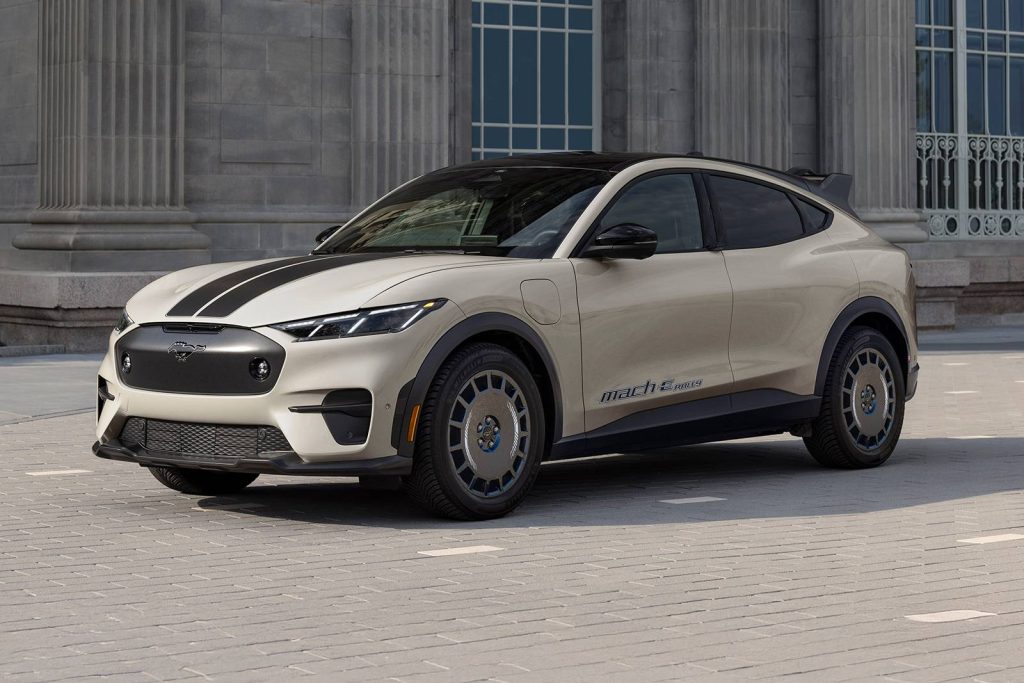
Some updates on the Mach-E have included powertrain recalibrations. These specific updates take longer than typical software patches because they touch motor control firmware directly.
Specifications:
- Engine: Single or Dual Motor All-Electric Powertrain
- Horsepower: 266 hp (Standard Range), 480 hp (GT Performance)
- Length: 185.6 inches
- Torque: 634 lb-ft (GT Performance)
- Width: 74.1 inches
6. Kia EV6
Kia’s EV6 introduced OTA capability across its powertrain, battery, and driver assistance systems. Kia Connect, the automaker’s telematics service, manages the entire update process remotely.
Kia explicitly states the vehicle will be disabled and cannot be driven during installation. Owners are told to park in a safe, secure location before beginning any update.
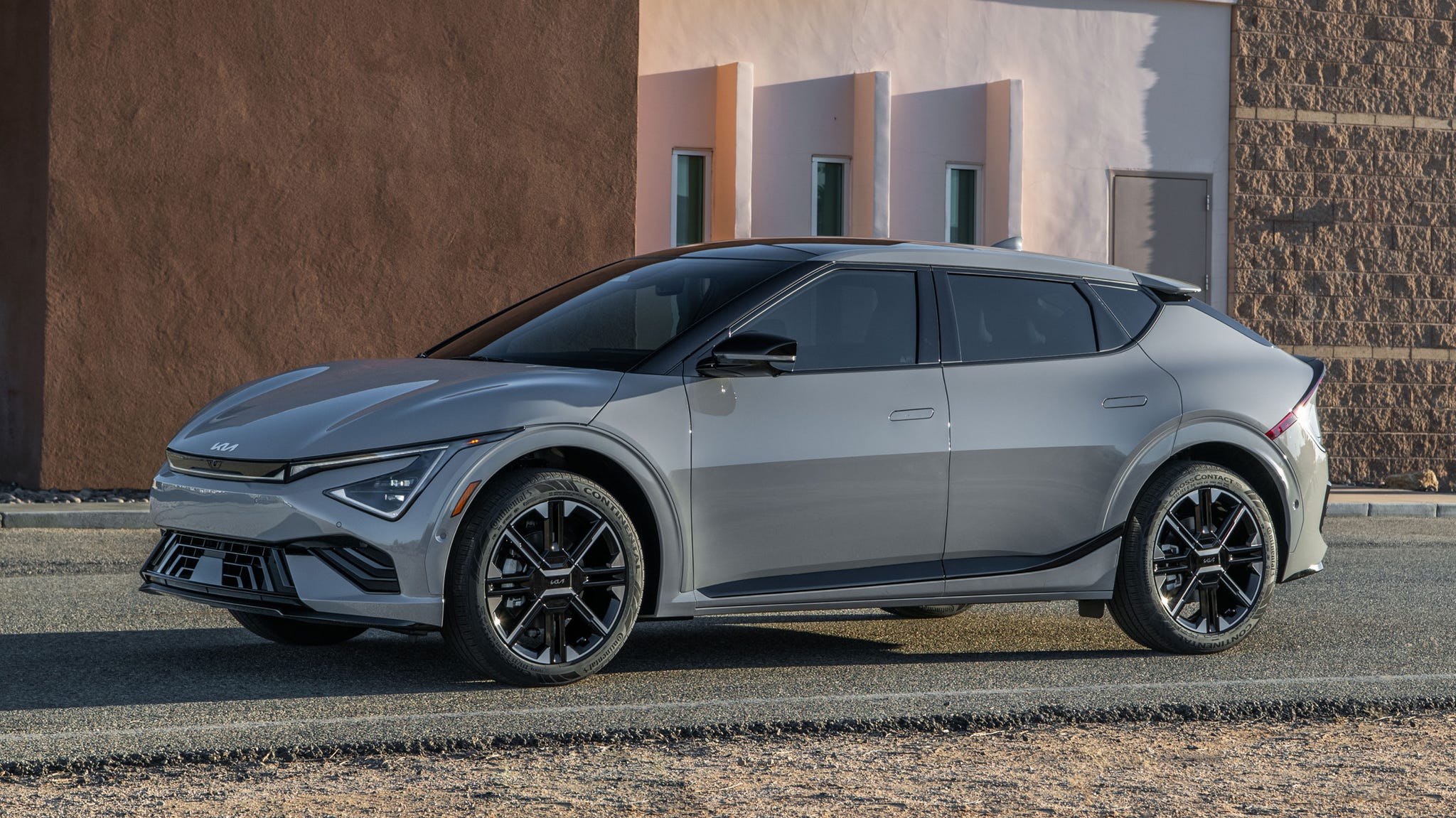
Unlike some competitors, Kia does not require the driver to remain inside the vehicle. Progress can be tracked from the infotainment screen or the Kia Connect mobile app.
Specifications:
- Engine: Single or Dual Motor All-Electric Powertrain
- Horsepower: 167 hp (Standard RWD), 320 hp (GT-Line AWD)
- Length: 184.2 inches
- Torque: 446 lb-ft (GT-Line AWD)
- Width: 74.4 inches
7. Cadillac Lyriq
The Lyriq runs on General Motors’ Ultifi software platform, which supports deep OTA integration. GM has used this same platform to issue recall-related fixes without a dealership visit.
Consumer Reports has documented pre-update screens on GM vehicles, including a Cadillac model, warning owners how long an installation will take. The vehicle remains parked and disabled throughout.
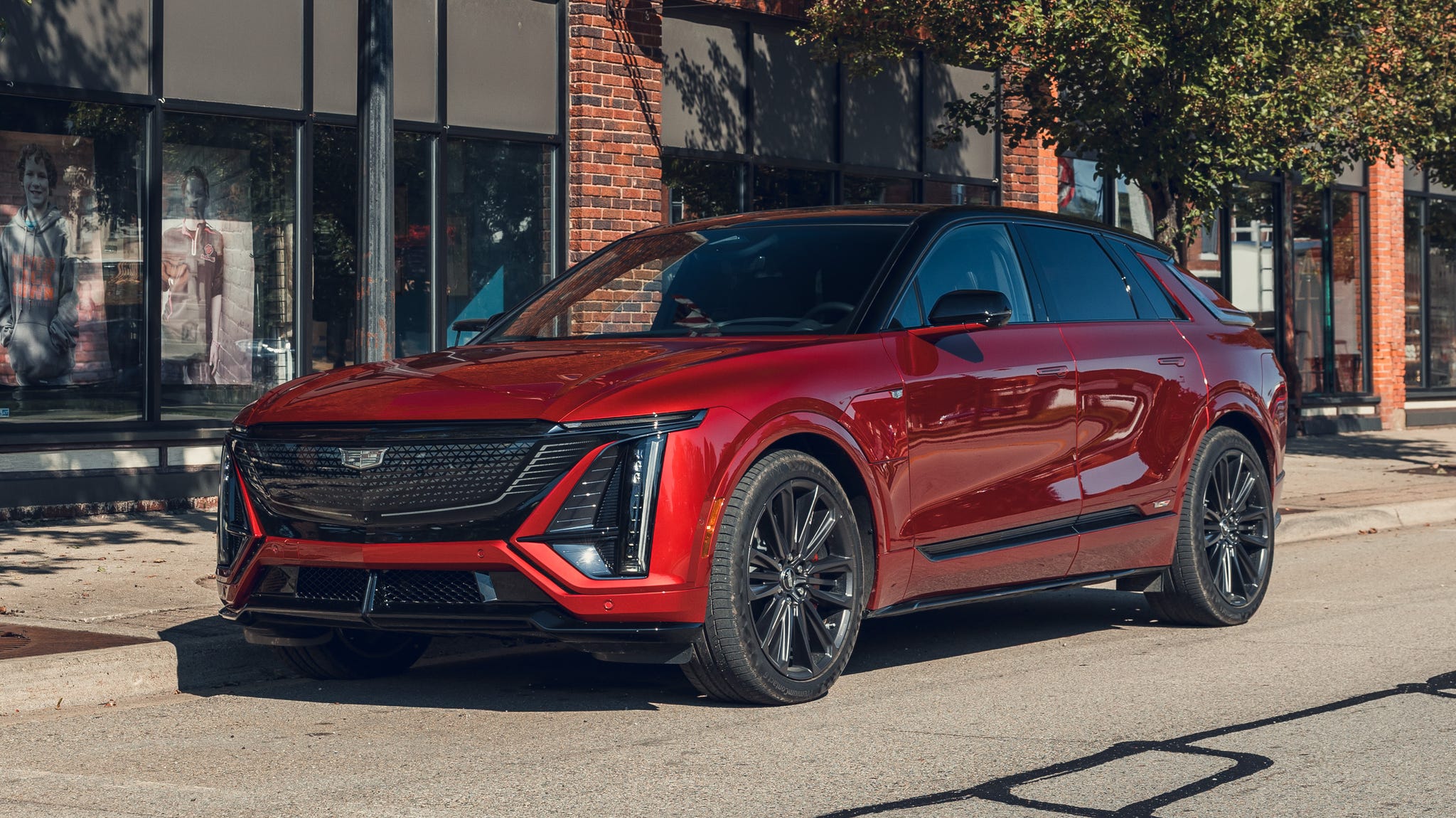
Cadillac’s system separates updates into infotainment-only and full-vehicle categories. Full-vehicle updates, which touch battery or motor controllers, always require the car to stay stationary.
Specifications:
- Engine: Single or Dual Motor All-Electric Powertrain
- Horsepower: 340 hp (RWD), 500 hp (AWD Performance)
- Length: 196.6 inches
- Torque: 610 lb-ft (AWD Performance)
- Width: 77.8 inches
8. Mercedes-Benz EQS
Mercedes-Benz built the EQS around its MBUX Hyperscreen, a system deeply tied to over-the-air functionality. Mercedes has issued OTA-based recall fixes on this platform in the past.
During a system update, the EQS locks out drive functions entirely. The dashboard displays a status bar, and climate control may also be temporarily suspended depending on the update scope.
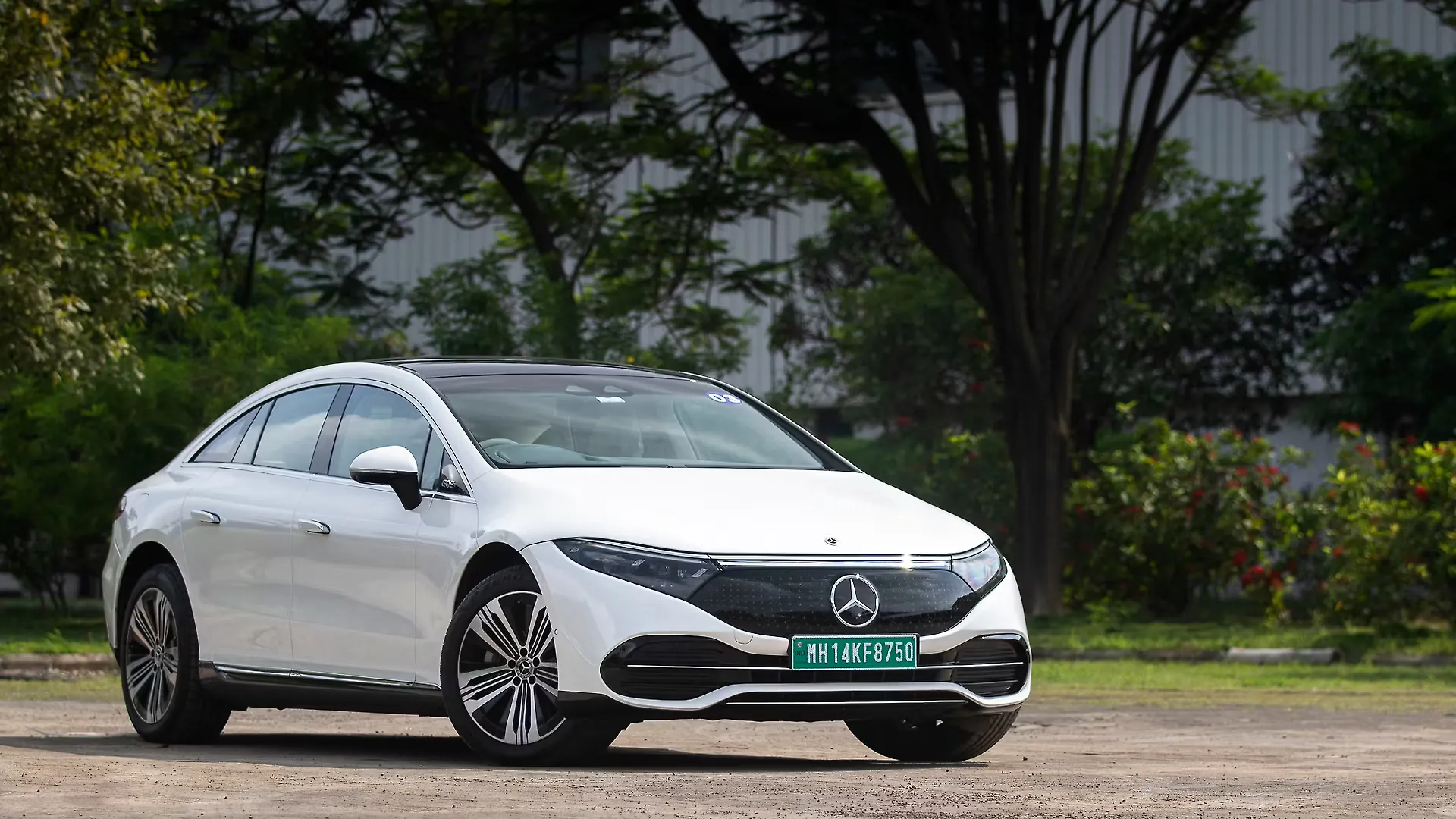
Mercedes recommends charging the vehicle before beginning larger updates. This ensures the battery management system has enough stable power to complete the installation without interruption.
Specifications:
- Engine: Single or Dual Motor All-Electric Powertrain
- Horsepower: 355 hp (450+), 649 hp (AMG EQS)
- Length: 205.4 inches
- Torque: 700 lb-ft (AMG EQS)
- Width: 76.6 inches
9. Polestar 2
Polestar 2 uses Android Automotive as its core operating system, giving it deep integration with Google services alongside vehicle-specific OTA updates. Both layers can trigger a full lockout.
When a major update begins, the Polestar 2 shows a clear on-screen notice. The car cannot be shifted into gear until the installation process completes and the system reboots.
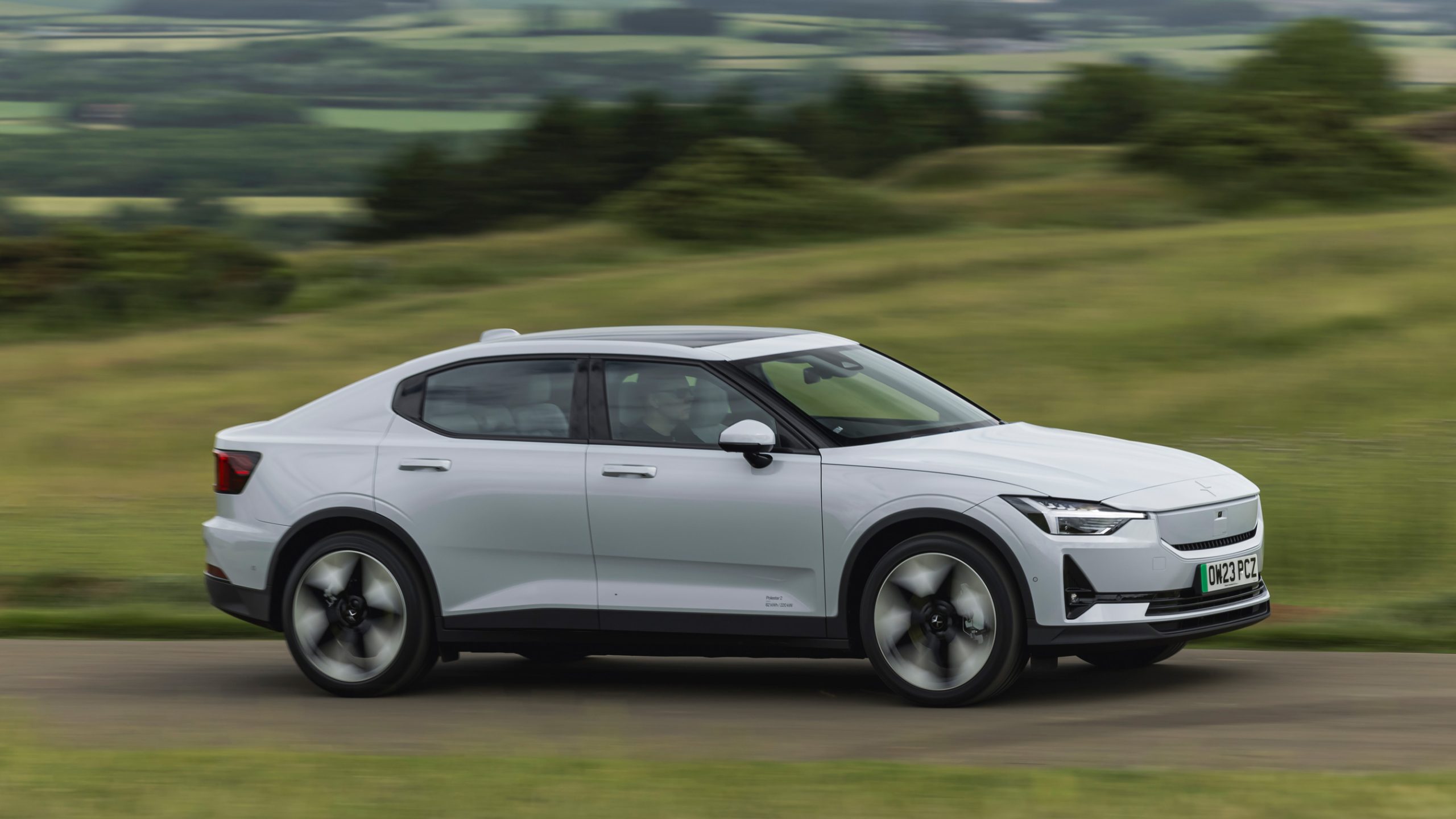
Polestar has used OTA updates to adjust motor output and battery range calculations. These performance-related updates tend to take longer than simple app or map refreshes.
Specifications:
- Engine: Single or Dual Motor All-Electric Powertrain
- Horsepower: 299 hp (Long Range Single Motor), 421 hp (Dual Motor Performance)
- Length: 184.6 inches
- Torque: 546 lb-ft (Dual Motor Performance)
- Width: 78.4 inches
10. BMW i7
BMW’s i7 flagship sedan uses the automaker’s latest iDrive 8 system, which supports extensive OTA functionality across comfort, infotainment, and driving dynamics features. Updates can be scheduled through the BMW app.
During installation, the i7 restricts drive functions and displays a lock symbol on the central display. BMW advises owners to ensure a stable Wi-Fi connection before starting larger downloads.
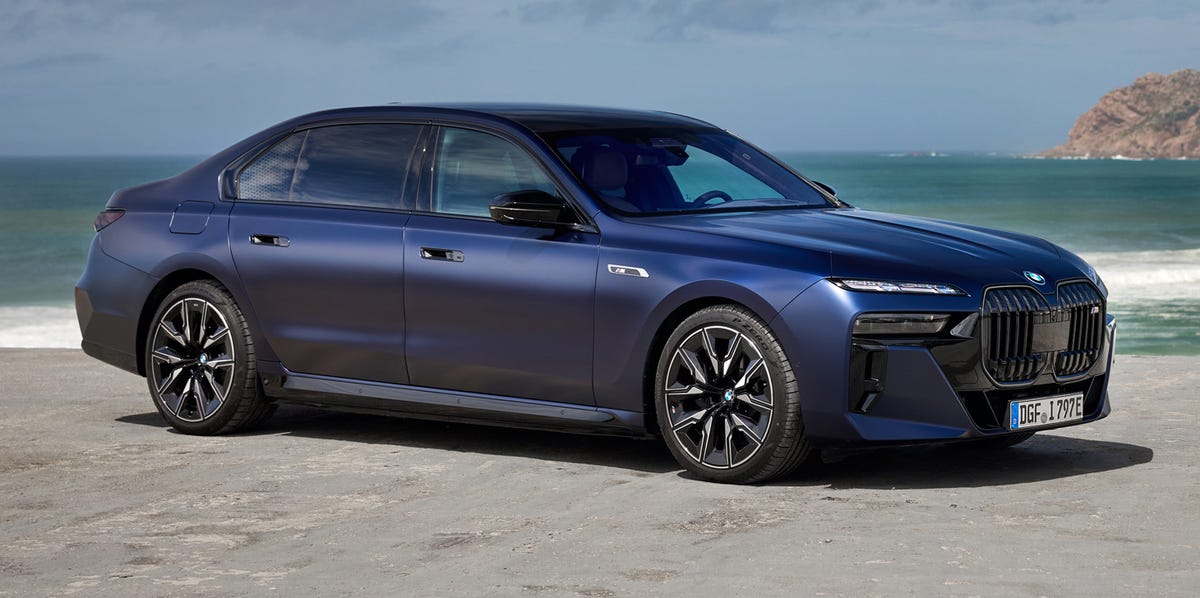
Because the i7 carries features like rear-seat entertainment and advanced driver assistance, some updates are notably large. These bigger installs can keep the car offline for close to an hour.
Specifications:
- Engine: Dual Motor All-Electric Powertrain
- Horsepower: 536 hp (i7 xDrive60), 650 hp (i7 M70 xDrive)
- Length: 212.2 inches
- Torque: 749 lb-ft (i7 M70 xDrive)
- Width: 76.1 inches
Also Read: 10 Cars With the Biggest Heat-Related Reliability Issues