
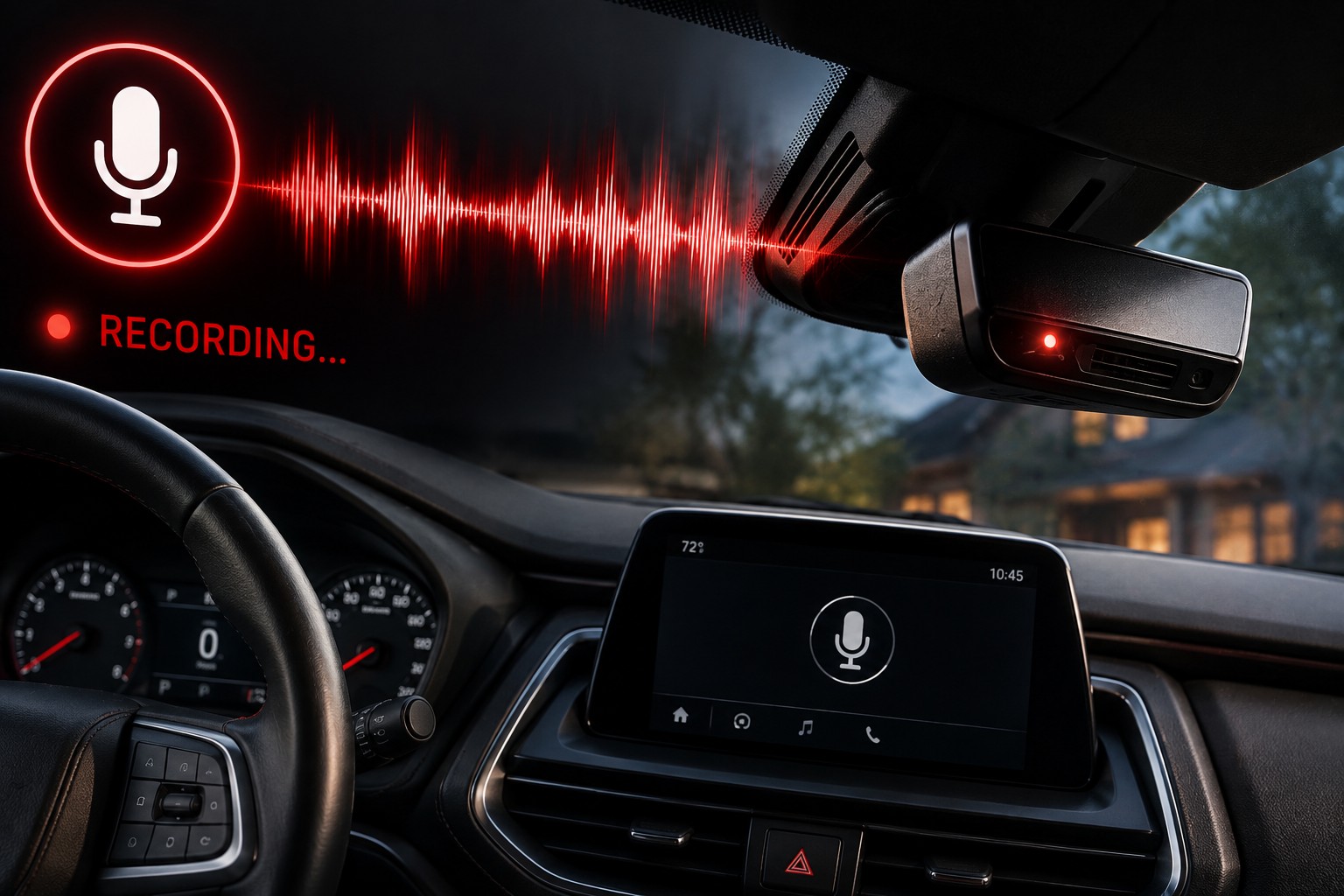
Modern cars have quietly become some of the most data-hungry devices we own. Every “Hey Mercedes” or “OK Google” command works because a microphone is already running in the background.
That microphone doesn’t switch on only when you speak. It listens constantly, processing ambient sound locally to catch its trigger phrase.
Mozilla’s Foundation reviewed 25 major car brands in 2023 and found that popular brands like BMW, Ford, Toyota, Tesla, Kia, and Subaru can collect deeply personal data including sexual activity, race, and health information. Voice systems were flagged as one of the biggest contributors.
Researchers also found this data is gathered through sensors, microphones, cameras, and connected phones, then sometimes sold to third parties. That’s a different threat model than a smart speaker in your kitchen. This list looks at ten specific vehicles built around voice assistants. Each one raises real, documented privacy questions.
1. Tesla Model 3
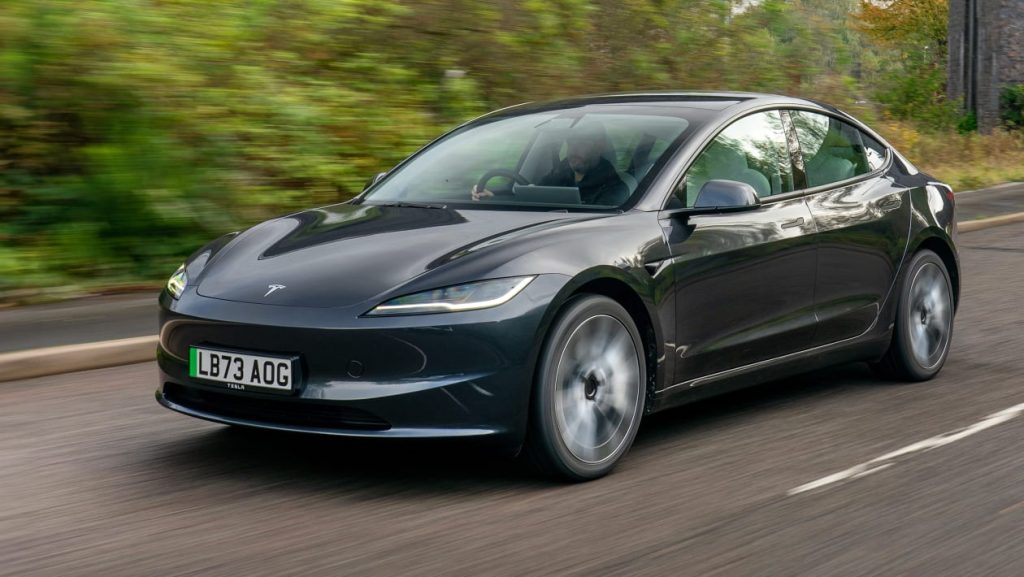
The Tesla Model 3 represents the leading edge of software-defined mobility, integrating advanced computing directly into nearly every facet of the driving experience.
Its sophisticated cabin microphone array, typically situated near the rearview mirror, supports complex voice commands for navigation, climate adjustments, and media playback, while also driving features like Sentry Mode audio capture.
However, the always-connected nature of the vehicle means this hardware infrastructure remains constantly powered on whenever the car is active, raising questions regarding continuous ambient monitoring and data collection practices.
Privacy documentation provided by Tesla indicates that voice data and cabin logs can occasionally be utilized to improve natural language processing and recognition accuracy.
In certain instances, raw clips or derived data points may be reviewed by internal personnel, a reality highlighted by high-profile reporting regarding sensitive media sharing.
Because the Model 3 routes nearly every diagnostic, safety, and comfort function through its central computer network, disabling data sharing entirely is challenging.
While owners technically possess the option to toggle off specific telemetry features within the deep settings menu, doing so frequently compromises convenience functionalities, limits cloud diagnostics, and hinders continuous Autopilot improvements.
Consequently, drivers must balance modern software-driven convenience with the underlying reality of an active cabin microphone infrastructure.
Specifications:
- Engine: Dual electric motors (Long Range AWD)
- Horsepower: 346 hp combined
- Torque: 389 lb-ft combined
- Length: 184.8 in
- Width: 72.8 in
2. Ford F-150
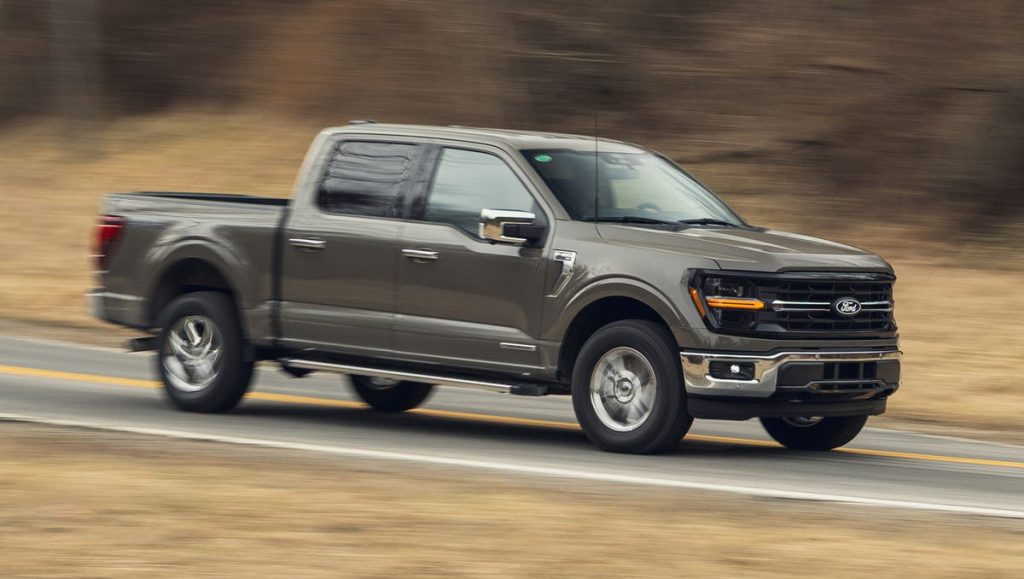
The Ford F-150 relies on the advanced SYNC 4 infotainment architecture, which uses phrases like “Hey Ford” as its active trigger across multiple trim levels. To respond instantly, the integrated microphone monitors continuously for that specific audio phonetic trigger.
This design footprint has drawn heavy scrutiny from privacy watchdogs, particularly following corporate patent filings detailing potential in-cabin audio capture mechanisms intended for targeted advertising, which explored tracking dialogue topics and user conversations rather than isolated system commands.
Independent privacy research organizations, such as the Mozilla Foundation, have highlighted comprehensive data disclosures from major legacy automakers detailing expansive telematics collection.
While Ford asserts that voice recordings are not monetized or sold directly, the immense scale of America’s best-selling vehicle network means embedded modems constantly sync operational data, communication metadata, and cloud-processed voice logs back to corporate servers.
Bundled connected-vehicle agreements and telematics tracking packages have subsequently fueled ongoing consumer class-action lawsuits concerning unconsented data harvesting.
Drivers utilizing the FordPass app and embedded voice assistants go through an ecosystem where continuous background listening powers cloud connectivity, blurring the line between functional utility and pervasive personal surveillance.
Specifications:
- Engine: 3.5L EcoBoost V6 (available)
- Horsepower: 400 hp
- Torque: 500 lb-ft
- Length: 231.7 in
- Width: 79.9 in
3. Nissan Rogue
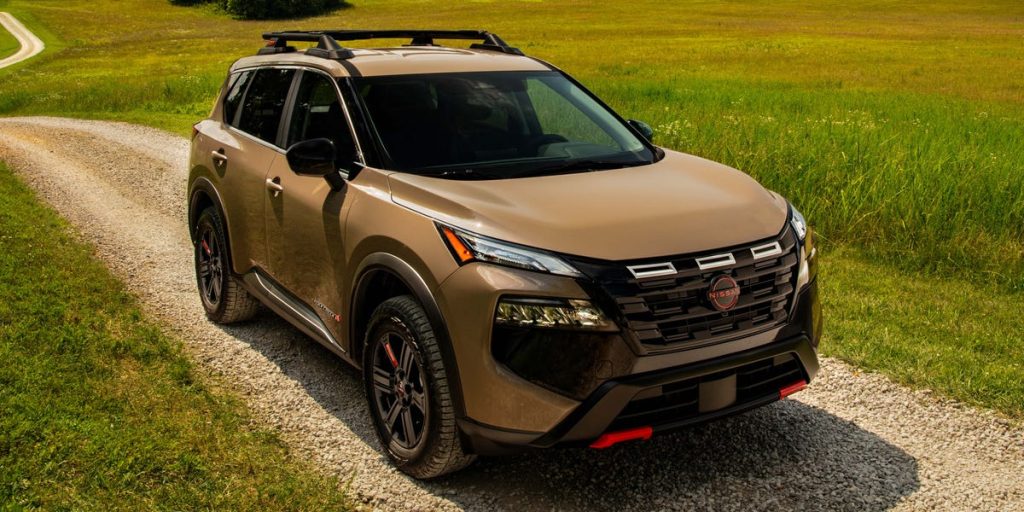
Nissan’s infotainment voice assistant handles everything from phone calls and digital navigation to intricate cabin temperature controls, relying on a continuous, always-listening baseline similar to most modern automotive rivals.
In a comprehensive privacy and security review conducted by the Mozilla Foundation, Nissan emerged as one of the lowest-scoring and most heavily criticized brands for its expansive data collection practices.
The company’s corporate privacy policy explicitly admits to gathering an unusual spectrum of sensitive metrics, including categories relating to sexual activity, health diagnostics, and genetic data, though it provides little to no clear explanation of how or why this information is accumulated.
Furthermore, Nissan’s policy outlines provisions stating that behavioral, psychological, and preference-based inferences can be shared directly with third-party data brokers and marketing entities. Voice-derived data and conversational metadata gathered by the in-car microphone array fit comfortably within that broad, sweeping category.
The Rogue stands proudly as Nissan’s top-selling crossover vehicle, meaning its cabin microphone hardware comes standard across nearly every trim level shipped to dealerships.
However, utilizing these integrated voice features requires maintaining an active subscription to Nissan’s connected services ecosystem. If that subscription lapses, core voice features instantly stop functioning.
Because the software architecture relies so heavily on cloud integration, the manufacturer has never published a clear, transparent breakdown of what specific percentage of “listening” telemetry originates from deliberate voice commands versus passive ambient cabin monitoring.
Specifications:
- Engine: 1.5L Turbocharged 3-cylinder
- Horsepower: 201 hp
- Torque: 225 lb-ft
- Length: 183.0 in
- Width: 72.9 in
4. Kia Telluride
The Kia Telluride utilizes an advanced connected vehicle architecture powered by integrated software systems that deploy a persistent-listening microphone array for hands-free voice commands, Bluetooth device routing, and automated emergency SOS assistance.
This always-active microphone hardware is bundled directly into every single trim level of the Telluride, ensuring that the technology is present whether the owner actively uses voice controls or not.
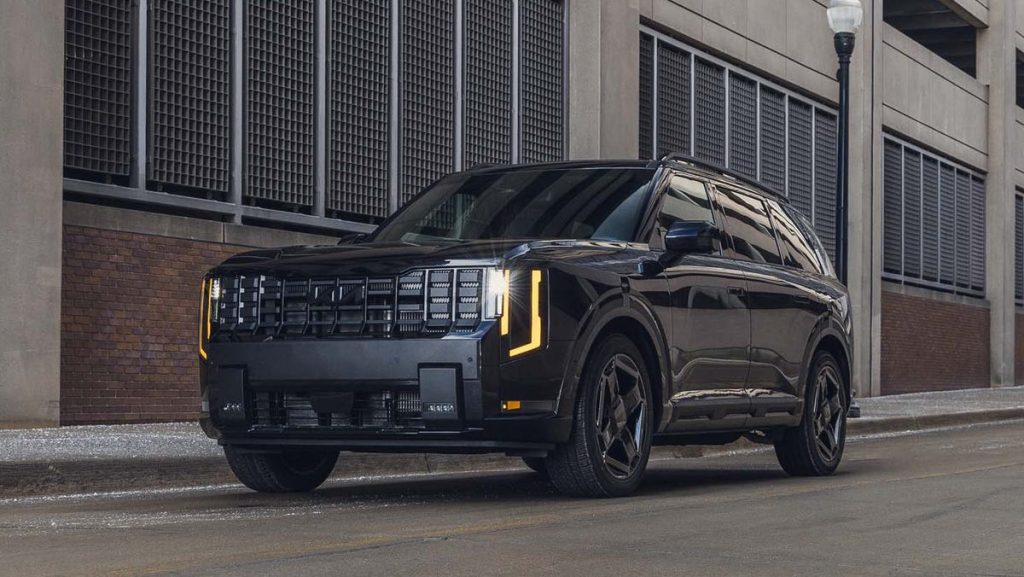
Independent privacy researchers from the Mozilla Foundation highlighted troubling language within Kia’s formal US privacy disclosures, noting that the policy specifically mentions personal life metrics and intimate personal categories as collectible data points.
That specific wording has repeatedly alarmed consumer privacy advocates and legal experts. In response to public scrutiny, corporate representatives for Kia have maintained that this expansive language largely reflects broad legal compliance boilerplate rather than active, targeted surveillance of everyday conversations.
Nevertheless, digital rights critics argue that legal distinctions do not reduce the actual exposure or potential misuse of continuous audio data streams.
The Telluride remains one of Kia’s flagship three-row SUVs, boasting a rich cabin tech stack that matches or exceeds many luxury competitors. Its internal microphone activates not only for explicit voice commands and phone calls, but also during routine system background checks, keeping the hardware engaged far more frequently than typical vehicle owners expect.
While Kia technically allows users to opt out of connected services entirely, doing so creates a major functional penalty, disabling critical software updates, remote smartphone engine start features, and real-time navigation mapping. Drivers are thus forced to choose between total digital connectivity and personal data privacy.
Specifications:
- Engine: 3.8L V6
- Horsepower: 291 hp
- Torque: 262 lb-ft
- Length: 196.9 in
- Width: 78.3 in
Also Read: 8 Cars With a Camera Aimed at the Driver Seat
5. Chevrolet Silverado
The Chevrolet Silverado runs OnStar, an integrated embedded telematics suite that includes voice-activated emergency response, hands-free calling, and destination navigation features.
Because of its emergency safety functions, the vehicle’s internal microphone array stays powered on and actively monitors the cabin for crash detection, system diagnostics, and spoken commands.
This deep digital integration, however, has placed the platform at the center of intense national scrutiny regarding data harvesting and consumer privacy violations.
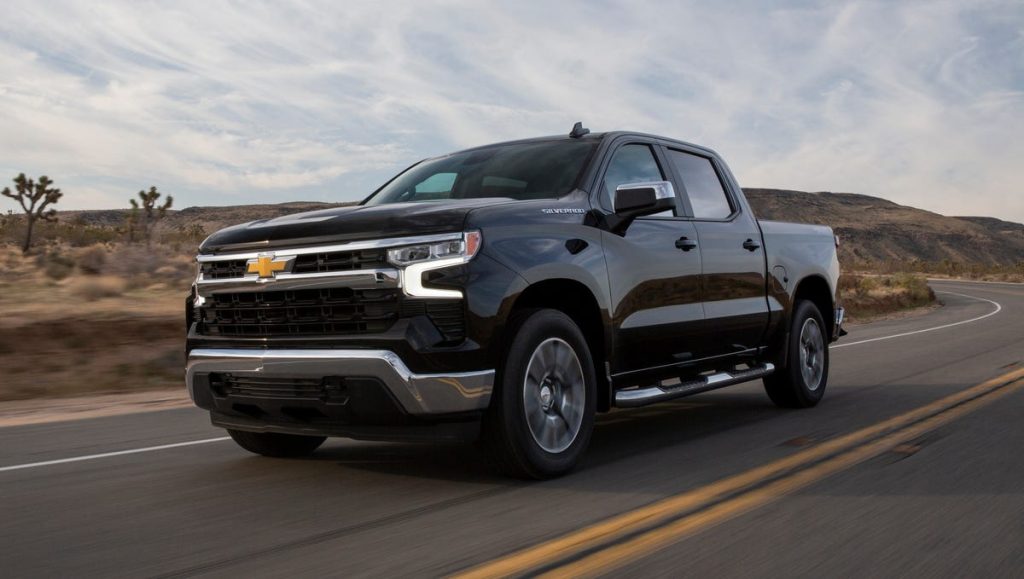
Reports from investigative media outlets and regulatory bodies revealed that General Motors had been routing driver telemetry and connected vehicle logs from programs like OnStar Smart Driver to third-party data aggregators such as LexisNexis Risk Solutions and Verisk Analytics, which subsequently packaged and sold the information to automobile insurance companies.
This data monetization pipeline often operated without explicit, informed consumer consent. Many customers found themselves auto-enrolled simply by downloading brand companion apps or activating basic connected features, never realizing that their driving behaviors, location histories, and potentially associated cabin telemetry metrics were being compiled and evaluated.
These practices triggered major multi-state investigations and enforcement actions. State regulators, led by the California Attorney General, penalized GM over the unlawful data practices, citing that hundreds of thousands of drivers’ details had been commercially shared without proper transparency.
Although General Motors officially discontinued the controversial Smart Driver data-sharing program and settled subsequent legal challenges, the physical hardware remains fundamentally unchanged.
The Silverado’s voice command infrastructure stays tethered to the exact same continuous telematics and cloud-connected modules that powered the data-collection framework, leaving owners to go through a connected ecosystem where convenience directly intersects with background data tracking.
Specifications:
- Engine: 5.3L EcoTec3 V8
- Horsepower: 355 hp
- Torque: 383 lb-ft
- Length: 231.7 in
- Width: 81.2 in
6. Hyundai Palisade
The Hyundai Palisade incorporates the brand’s advanced Bluelink connected vehicle ecosystem, featuring a voice assistant designed to handle cabin functions, climate adjustments, and media requests completely hands-free.
This capability comes standard on upper Palisade trims and relies on an active background microphone that listens continuously for trigger phrases.
While voice assistants are marketed primarily around convenience, privacy researchers have raised alarms regarding how automakers handle the vast streams of audio and behavioral metadata processed through their cloud servers.
Digital rights organizations like the Mozilla Foundation have specifically flagged Hyundai for maintaining data-sharing policies that permit broad disclosure frameworks, particularly concerning government and law enforcement requests.
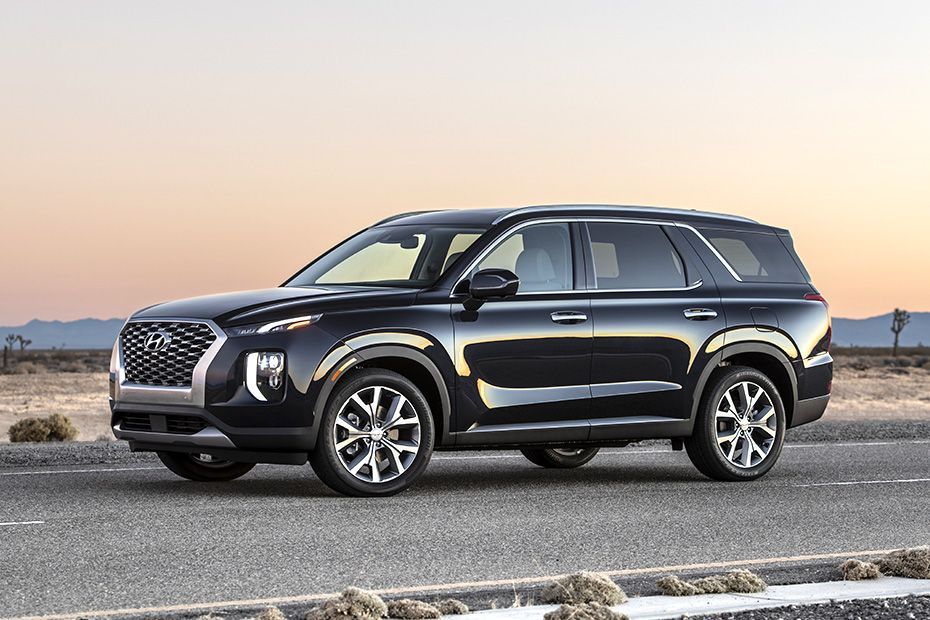
Corporate privacy filings indicated that information could theoretically be handed over based on informal or formal institutional inquiries, establishing a lower legal threshold compared to strict judicial warrant requirements.
Because voice interaction logs, conversational snippets, and location coordinates are often bundled together within the vehicle’s telematics profile, conversational data can potentially get caught up in these broad sharing provisions.
The Palisade serves as Hyundai’s largest and most technologically dense SUV, leaning heavily on cloud-based processing architectures to execute complex natural language commands.
To maintain full functionality, Bluelink requires an active subscription after the initial trial period lapses, meaning voice features and remote connectivity can become disabled if the plan expires.
Furthermore, Hyundai’s overarching privacy notices permit expansive data collection categories mirroring sister brand Kia due to their shared corporate and platform engineering background.
Consequently, owners operate within a digital environment where continuous listening is deeply integrated into everyday vehicle operations, forcing drivers to weigh hands-free utility against long-term data exposure risks.
Specifications:
- Engine: 3.8L V6
- Horsepower: 291 hp
- Torque: 262 lb-ft
- Length: 196.7 in
- Width: 78.1 in
7. BMW X5
BMW’s “Hey BMW” virtual assistant serves as a hallmark feature of the brand’s Intelligent Personal Assistant ecosystem, functioning across all standard and premium vehicle trims.
To capture spoken commands reliably, the system listens continuously for its designated wake phrase. Comprehensive privacy investigations, such as those conducted by the Mozilla Foundation, have placed BMW among various automakers flagged for detailing broad data collection policies that encompass sensitive personal categories.
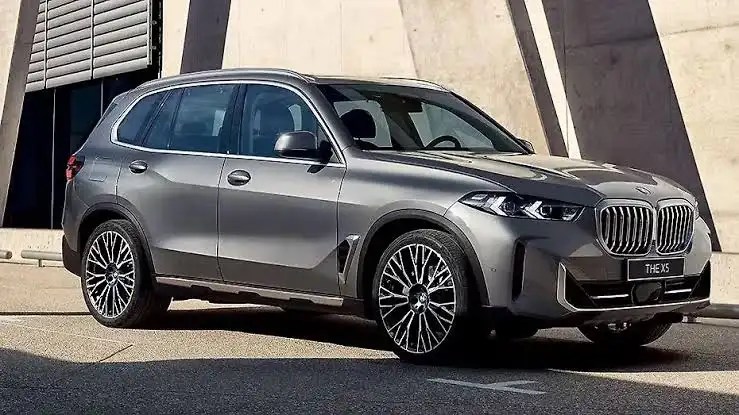
Researchers noted that BMW, alongside corporate peers like Ford and Toyota, maintained legal disclosures indicating potential data matching involving diverse metrics, though the scope of active in-cabin collection remains a subject of ongoing debate.
BMW corporate representatives have consistently maintained that voice-related telemetry and captured audio clips are utilized primarily to refine speech recognition accuracy, minimize computational errors, and advance natural language understanding models.
Furthermore, the company highlights that its primary processing servers are anchored within the European Union, subjecting them to stricter regulatory frameworks than those found in many other global markets.
Within the cabin, the assistant handles a vast array of operations, managing climate control adjustments, dynamic destination navigation, and deep vehicle settings seamlessly integrated into the iDrive interface.
Despite these advanced digital capabilities, many vehicle owners remain entirely unaware of their privacy rights regarding stored telematics data. BMW technically permits users to delete recorded voice histories and personal logs directly through its companion smartphone application, yet adoption rates for these protective measures are low.
Moreover, robust European GDPR compliance mandates that BMW customers are granted significantly stronger data access, rectification, and deletion rights compared to drivers residing in other international jurisdictions, highlighting a distinct geographic divide in automotive data privacy enforcement.
Specifications:
- Engine: 3.0L Turbocharged Inline-6
- Horsepower: 375 hp
- Torque: 398 lb-ft
- Length: 194.3 in
- Width: 78.9 in
8. Mercedes-Benz S-Class
Mercedes-Benz revolutionized in-car voice interaction when its MBUX (Mercedes-Benz User Experience) system pioneered “Hey Mercedes” as an active wake phrase years before many rival manufacturers caught up to the trend.
To execute complex commands flawlessly, the vehicle’s internal microphone array is engineered to be among the most sensitive in the entire modern automotive industry.
The S-Class leverages sophisticated natural-language processing algorithms capable of interpreting indirect, conversational requests, such as stating “I’m cold” rather than inputting rigid thermal commands.

However, delivering this level of seamless conversational fluidity requires deeper, more persistent ambient listening to function reliably in real-world driving environments.
Despite its technological brilliance, Mercedes-Benz has faced criticism from digital privacy advocates regarding vague internal retention policies concerning raw voice recordings and telemetry logs.
While the company maintains that collected conversational data helps train its machine-learning models and improve software safety, it has historically failed to publish granular, transparent details outlining exact data retention timelines.
As the brand’s ultimate flagship sedan, the S-Class carries the most advanced cabin sensor suite available in the lineup, combining hypersensitive microphones with sophisticated interior monitoring cameras.
To accommodate multiple operators, MBUX voice profiles can be explicitly linked to individual drivers, ensuring personalized seat positioning, climate memory, and media preferences load automatically upon entry. That high degree of personalization, however, necessitates the long-term storage of distinct voice biometrics and user profiles.
Mirroring competitors like BMW, Mercedes-Benz provides a centralized Privacy Center accessible via its companion mobile application, allowing users to review stored cloud interactions, toggle diagnostic sharing features, and delete historical data, placing the control mechanism directly into the hands of the consumer.
Specifications:
- Engine: 3.0L Turbocharged Inline-6 (S 500)
- Horsepower: 429 hp
- Torque: 384 lb-ft
- Length: 208.6 in
- Width: 76.9 in
9. Toyota Camry
Toyota’s voice assistant supports basic commands through its Audio Multimedia system. It’s less aggressive than luxury rivals but still always listening.
Mozilla’s review included Toyota among the 25 flagged brands. Toyota was named alongside BMW, Ford, and Tesla as collecting facial expression and health-related data. Toyota’s privacy policy permits sharing data with affiliates and marketing partners. Voice interaction logs can be bundled into that sharing.
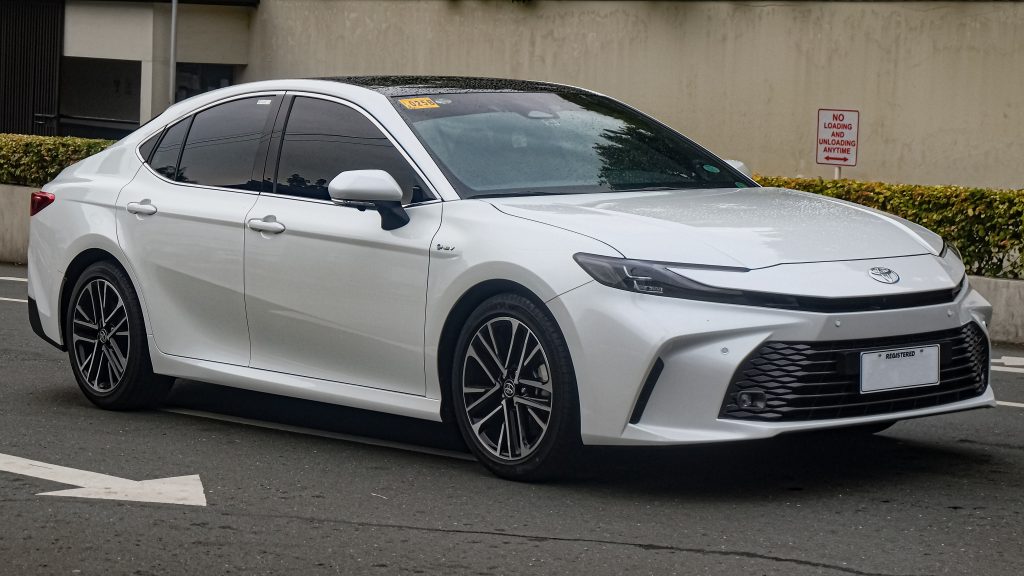
The Camry remains one of America’s best-selling sedans. Its connected services rely on Toyota’s Data Communication Module.
Specifications:
- Engine: 2.5L 4-cylinder Hybrid
- Horsepower: 225 hp (combined)
- Torque: 163 lb-ft (gas engine)
- Length: 193.1 in
- Width: 72.4 in
Toyota Connected Services require a subscription for full voice functionality. Free trials typically expire after several years. Owners can request opt-outs through Toyota’s privacy portal, though the process isn’t heavily publicized.
10. Honda Accord
Honda’s voice assistant handles navigation and phone functions inside the Accord. It uses a standard always-on wake-word listening model. A widely shared 2025 report described Honda’s connected cars as capable of low-level passive listening beyond simple activation, analyzing tone for stress or fatigue indicators.
Honda hasn’t confirmed emotion-inference features publicly. But its privacy policy does allow broad telematics and diagnostic data collection.
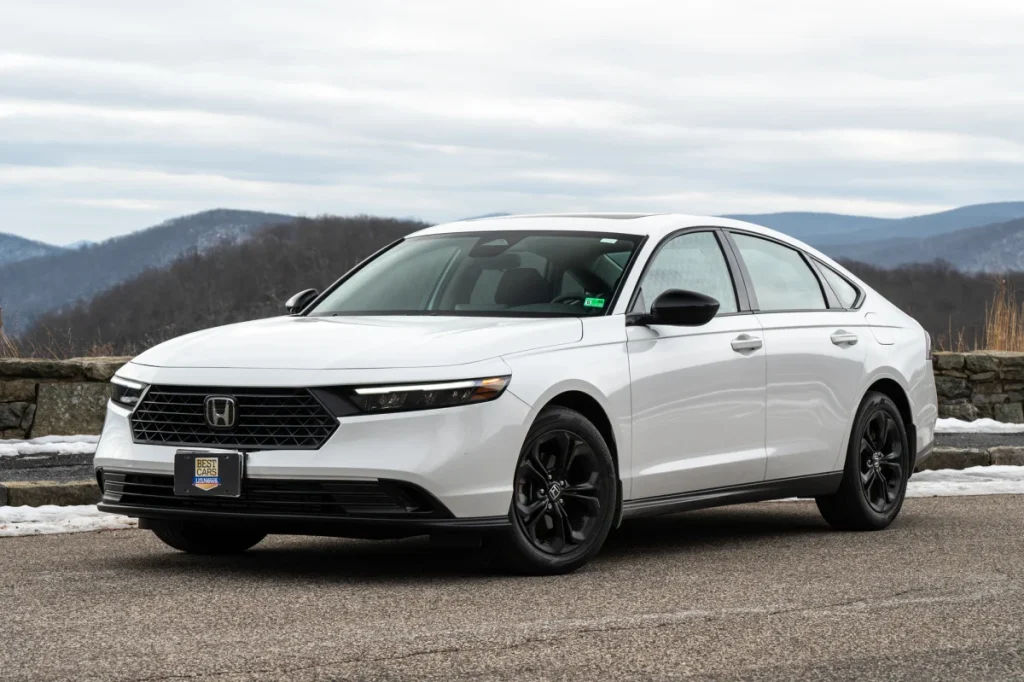
The Accord remains one of Honda’s most connected sedans. Its HondaLink system ties voice features to a subscription model.
Specifications:
- Engine: 1.5L Turbocharged 4-cylinder
- Horsepower: 192 hp
- Torque: 192 lb-ft
- Length: 195.7 in
- Width: 73.3 in
HondaLink requires renewal after an initial free period. Voice commands stop functioning fully once it lapses. Honda states voice snippets are processed to improve accuracy. It hasn’t detailed exact retention timelines in consumer-facing materials.
Also Read: 10 Cars With Microphones That Never Fully Switch Off
