
A vehicle often gives clear signals before serious failure happens, but many drivers ignore early symptoms until repairs become expensive or impossible. Understanding warning signs can help car owners identify problems that may indicate their vehicle has limited time left on the road.
Strange noises, repeated breakdowns, worsening performance, and costly repairs are not just minor inconveniences. They may point toward deeper mechanical issues. This guide explains eight major signs that your car could be approaching the end of its useful life and what those symptoms mean for your vehicle’s future reliability and safety.
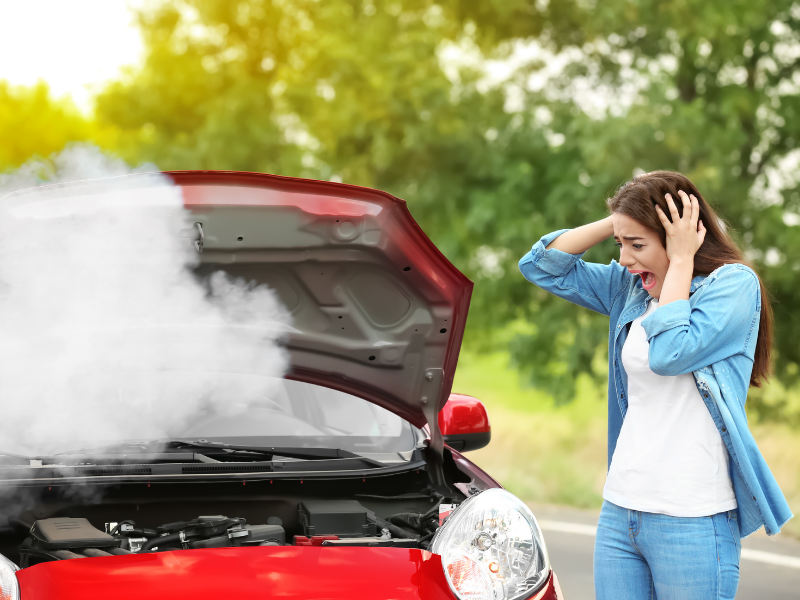
1. Frequent Engine Problems and Serious Performance Loss
The engine is the heart of any vehicle, and repeated engine problems are among the strongest indicators that a car may be nearing the end of its service life. A healthy engine should provide consistent power, smooth acceleration, and reliable operation during daily driving.
When the engine begins struggling regularly, it often means internal components are wearing out or failing. Problems such as rough idling, sudden power drops, stalling, and difficulty starting should never be ignored because they can signal major mechanical damage that may require expensive repairs.
Drivers often notice changes in engine behavior before a complete failure occurs. The vehicle may feel weaker while climbing hills, accelerating onto highways, or carrying heavy loads.
A decline in performance can happen because of worn pistons, damaged valves, poor compression, fuel system issues, or problems with the engine’s internal timing components. While some causes can be repaired, repeated engine-related failures suggest the vehicle may be reaching a stage where repair costs become difficult to justify.
A car with an aging engine may also require frequent replacements of important parts. Regular repairs for components such as ignition coils, sensors, gaskets, belts, or cooling system parts can become a pattern rather than isolated incidents.
When multiple engine problems appear within a short period, it often indicates that several systems are experiencing age-related wear. This pattern can create ongoing expenses and reduce confidence in the vehicle’s dependability.
Another concern is excessive vibration during operation. A properly functioning engine runs smoothly with minimal shaking. Strong vibrations can point toward problems with engine mounts, internal engine balance, fuel delivery, or combustion issues.
If vibrations continue after basic repairs, further inspection may reveal more serious damage that requires significant investment. In older vehicles, such problems can be a sign that major engine components are reaching their limit.
Regular maintenance can extend engine life, but maintenance cannot reverse severe wear. Oil changes, cooling system care, and timely repairs help prevent early failure, but every engine has a practical lifespan.
When an older vehicle starts showing multiple engine symptoms at the same time, owners should evaluate whether continued repairs make financial sense compared with replacing the vehicle.
2. Transmission Failure Symptoms and Expensive Gear Problems
The transmission plays a critical role in transferring engine power to the wheels, and transmission trouble is among the most expensive problems a car owner can face. When a transmission begins failing, drivers may notice delayed gear changes, slipping gears, unusual sounds, or difficulty moving smoothly.
These symptoms often become worse over time and can eventually leave the vehicle unable to drive. A car showing repeated transmission issues may have less than a year of dependable service remaining if repairs are not performed.
One common warning sign is hesitation when shifting between gears. Automatic transmissions should change gears smoothly without noticeable delays or harsh movements.
If the vehicle suddenly jerks, shakes, or struggles during gear changes, it may indicate worn internal parts, low transmission fluid, or serious mechanical damage. Manual transmissions can show similar problems through clutch failure, difficulty selecting gears, or grinding noises during operation.
Transmission fluid condition can also reveal the health of this system. Clean transmission fluid helps reduce friction and heat inside the transmission. Dark, burnt-smelling fluid may indicate overheating or internal wear.
Metal particles found in the fluid can suggest that internal components are breaking down. Once significant damage occurs inside the transmission, repair costs can become very high, especially in older vehicles with declining market value.
Drivers sometimes continue using a vehicle with transmission problems because the car still moves. This approach can turn a manageable issue into complete failure.
Small problems such as fluid leaks or early shifting problems may become major damage when ignored. A transmission that fails completely can require replacement, which may cost a large portion of the vehicle’s value.
When transmission problems occur repeatedly, owners should evaluate the vehicle’s age, mileage, and remaining condition. Installing a new transmission in a car that already has several worn components may not be the most sensible long-term investment.
A failing transmission combined with other warning signs often indicates that the vehicle may be approaching the end of its reliable driving period.
3. Excessive Rust and Structural Damage
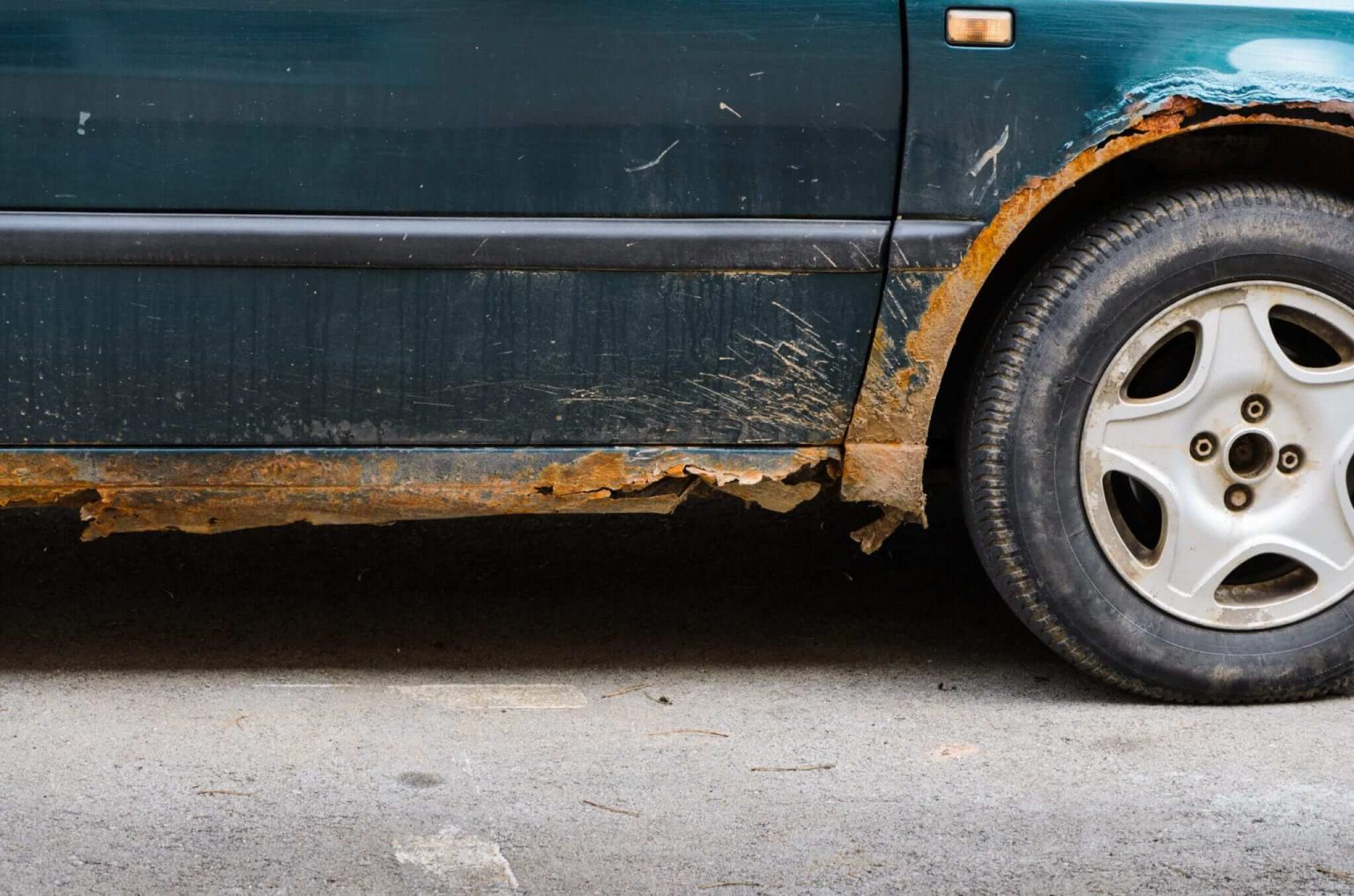
Rust is a serious problem that affects both the appearance and safety of a vehicle. Small areas of surface rust may not create immediate concerns, but advanced corrosion can weaken important structural sections of the car.
Rust affecting the frame, suspension mounting points, or major body structures can make repairs extremely expensive. In older vehicles, severe corrosion can be a clear indication that the car has limited remaining life.
Rust usually begins when moisture reaches exposed metal surfaces and reacts with oxygen. Over time, this process weakens the material and creates holes or structural damage.
Areas around wheel wells, doors, undercarriage sections, and exhaust components are common locations where rust develops. Vehicles exposed to heavy rain, coastal environments, or road salt often experience faster corrosion.
Structural rust is more concerning than cosmetic rust because it affects the vehicle’s ability to protect passengers. A weakened frame may reduce crash protection and create problems with alignment, suspension performance, and handling.
Repairs involving major structural sections require specialized work and can become financially unrealistic for an aging vehicle.
Visible rust bubbles under the paint may indicate corrosion spreading beneath the surface. By the time rust becomes obvious, the damage underneath may already be significant.
Regular inspections underneath the vehicle can reveal problems that are not visible from outside. Early treatment can slow corrosion, but advanced rust damage is difficult and costly to reverse.
A vehicle with severe rust problems may continue running mechanically while becoming unsafe structurally. This situation can mislead owners into believing the car still has many years left because the engine operates normally.
However, a reliable vehicle requires both mechanical strength and structural integrity. When corrosion affects essential areas, replacing the vehicle may be safer and more practical than continued repairs.
4. Constant Overheating and Cooling System Failures
A vehicle’s cooling system is responsible for controlling engine temperature and preventing severe damage. When a car repeatedly overheats, it is a major warning sign that something serious may be wrong.
Occasional temperature increases caused by a minor issue can often be repaired, but frequent overheating usually points toward deeper problems. An engine that operates at excessive temperatures for long periods can suffer permanent damage, reducing the remaining lifespan of the vehicle.
Common causes of overheating include radiator failure, damaged hoses, weak water pumps, faulty thermostats, cooling fan problems, and low coolant levels.
These parts work together to maintain proper engine temperature. When any major component fails, the engine may struggle to remove heat effectively. Ignoring these problems can lead to expensive damage such as a cracked cylinder head or failed head gasket.
A leaking cooling system is another serious concern. Coolant leaks may appear as puddles under the vehicle or a noticeable sweet smell after driving.
Some leaks are easy to repair, but repeated coolant loss suggests that multiple cooling components may be aging. Older vehicles often develop several cooling system problems at once because rubber seals, hoses, and plastic parts become weaker with time.
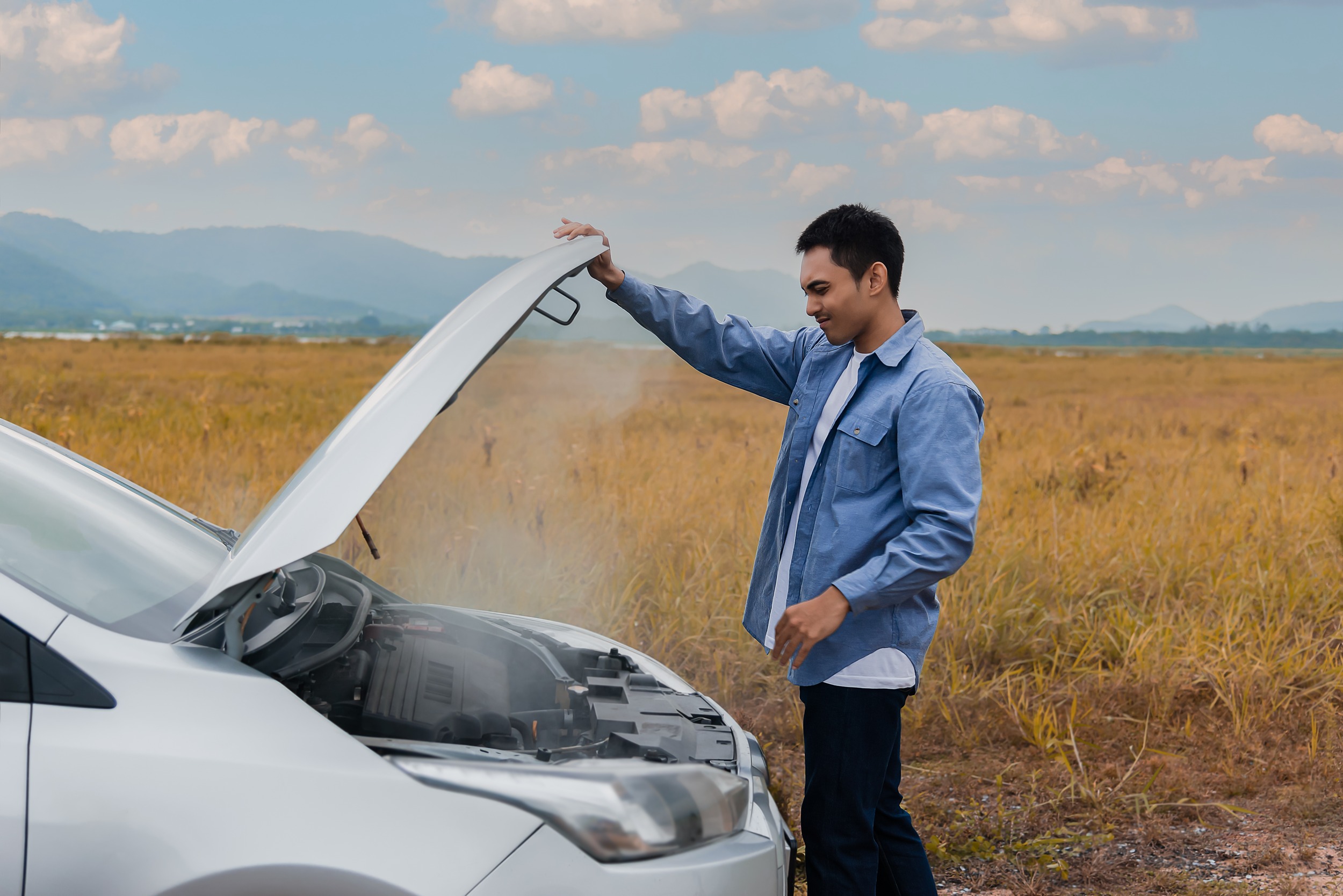
Steam coming from under the hood is a clear emergency warning. Continuing to drive an overheating vehicle can transform a repairable cooling issue into complete engine failure. Once the engine suffers internal damage from extreme heat, repair costs can become extremely high. In some cases, replacing the engine may cost more than the vehicle is worth.
When overheating happens repeatedly in an older car, owners should consider the full condition of the vehicle.
A cooling system repair may solve the immediate issue, but if the car also has transmission problems, rust, electrical failures, or high mileage, the vehicle may be approaching the end of its dependable period. Frequent temperature problems should always be treated as a serious warning.
5. Increasing Repair Costs and Frequent Mechanical Failures
A vehicle reaching the end of its useful life often shows a pattern of rising repair expenses. Individual repairs are normal throughout ownership, but a series of costly fixes within a short period can indicate that the car is becoming financially difficult to maintain.
When repairs start appearing more frequently, the total ownership cost may exceed the value and reliability the vehicle provides.
Many older vehicles require attention to several systems at the same time. A driver may repair the brakes one month, replace suspension components later, and then face engine or electrical issues shortly afterward.
These separate problems may not be connected directly, but they often occur because many parts are reaching the end of their expected service period around the same time.
A useful way to evaluate repair decisions is to compare the cost of fixing the vehicle with its current market value and future reliability.
Spending money on routine maintenance can help keep a dependable car running. However, investing heavily in a vehicle with repeated failures may only delay a larger problem. The goal is not simply to repair a car but to maintain safe and predictable transportation.
Frequent visits to a mechanic can also indicate that the vehicle has lost its original dependability. A car that once required occasional maintenance but now needs constant attention may no longer meet the owner’s needs.
Unexpected breakdowns can create additional costs through towing, missed work, rental vehicles, and emergency repairs.
Tracking repair history can help identify patterns. Keeping records of replaced parts, repair costs, and recurring problems gives owners a clearer picture of the vehicle’s condition. When repair bills continue increasing and multiple warning signs appear together, it may be time to consider whether keeping the vehicle is the best decision.
6. Severe Electrical Problems and Repeated System Failures
Modern vehicles depend heavily on electrical systems for starting, safety features, comfort controls, and engine management.
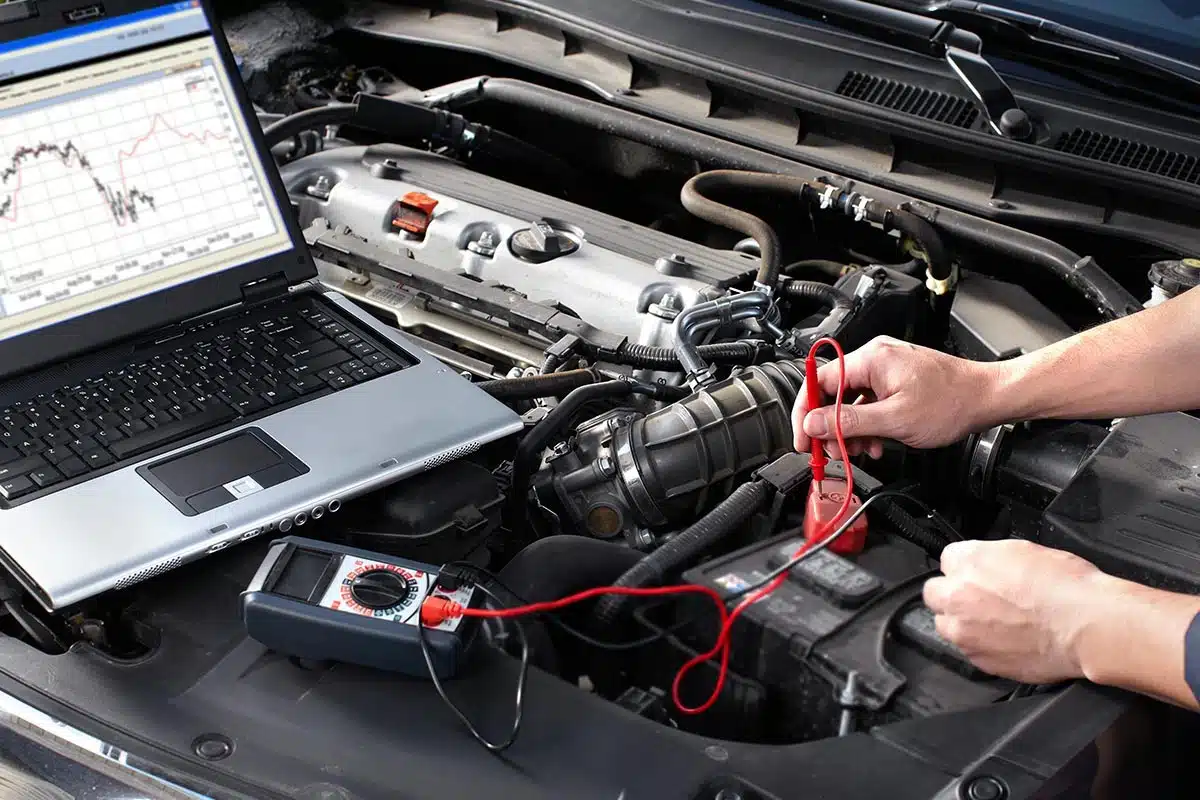
Electrical problems can become more common as vehicles age because wiring, connectors, sensors, and control modules experience wear over many years. A vehicle with repeated electrical failures may become unreliable even if the engine and transmission remain functional.
A weak battery is a common issue, but repeated battery failures may indicate a deeper electrical problem. Faulty alternators, damaged wiring, poor connections, or electrical drains can prevent the battery from charging properly.
If a car repeatedly struggles to start after battery replacement, the problem may require a more detailed inspection.
Warning lights appearing frequently on the dashboard are another concern. Modern vehicles use sensors to monitor many systems, including the engine, brakes, airbags, and emissions equipment.
A single warning light may have a simple cause, but multiple warning lights appearing together can indicate complicated electrical or computer-related issues.
Problems such as flickering lights, malfunctioning windows, failed dashboard displays, or inconsistent electronic controls may seem like minor inconveniences.
However, these issues can become expensive when they involve control modules or complex wiring repairs. Older vehicles often require specialized diagnosis because electrical problems can be difficult to locate and repair.
A vehicle that experiences ongoing electrical failures can become frustrating and unpredictable. Even if repairs are possible, the cost of diagnosing and fixing repeated problems can add up quickly.
When electrical issues appear alongside mechanical failures, the combination may indicate that the vehicle is nearing the end of its practical lifespan.
7. Excessive Smoke and Unusual Exhaust Problems
The exhaust system provides important information about the condition of a vehicle’s engine. Changes in exhaust color, smell, or volume can reveal problems that require immediate attention. While some exhaust issues are minor, certain types of smoke indicate serious internal engine damage that may shorten the vehicle’s remaining life.
Blue smoke from the exhaust usually suggests that the engine is burning oil. This can happen because of worn piston rings, damaged valve seals, or other internal engine problems.
Burning oil reduces lubrication quality and can cause additional engine wear over time. In an older vehicle, this symptom often indicates that major engine components are becoming worn.
White smoke can also be concerning, especially when it continues after the engine warms up. Persistent white exhaust may indicate coolant entering the combustion chamber, which can be related to head gasket failure or internal engine damage. These repairs can be expensive and may not be financially practical for an aging vehicle.
Black smoke often points toward excessive fuel consumption. Problems with fuel injectors, sensors, air filters, or engine controls can cause the engine to burn more fuel than necessary.
Although some causes may be simpler to fix, persistent black smoke can lead to additional component damage and lower the vehicle’s efficiency.
Unusual exhaust smells should not be ignored either. Strong fuel odors, burning smells, or chemical scents can indicate leaks or system failures. Exhaust problems affect more than performance because they can also impact emissions and passenger safety.
When severe exhaust symptoms appear together with other aging-related problems, they may signal that the vehicle has limited time remaining.
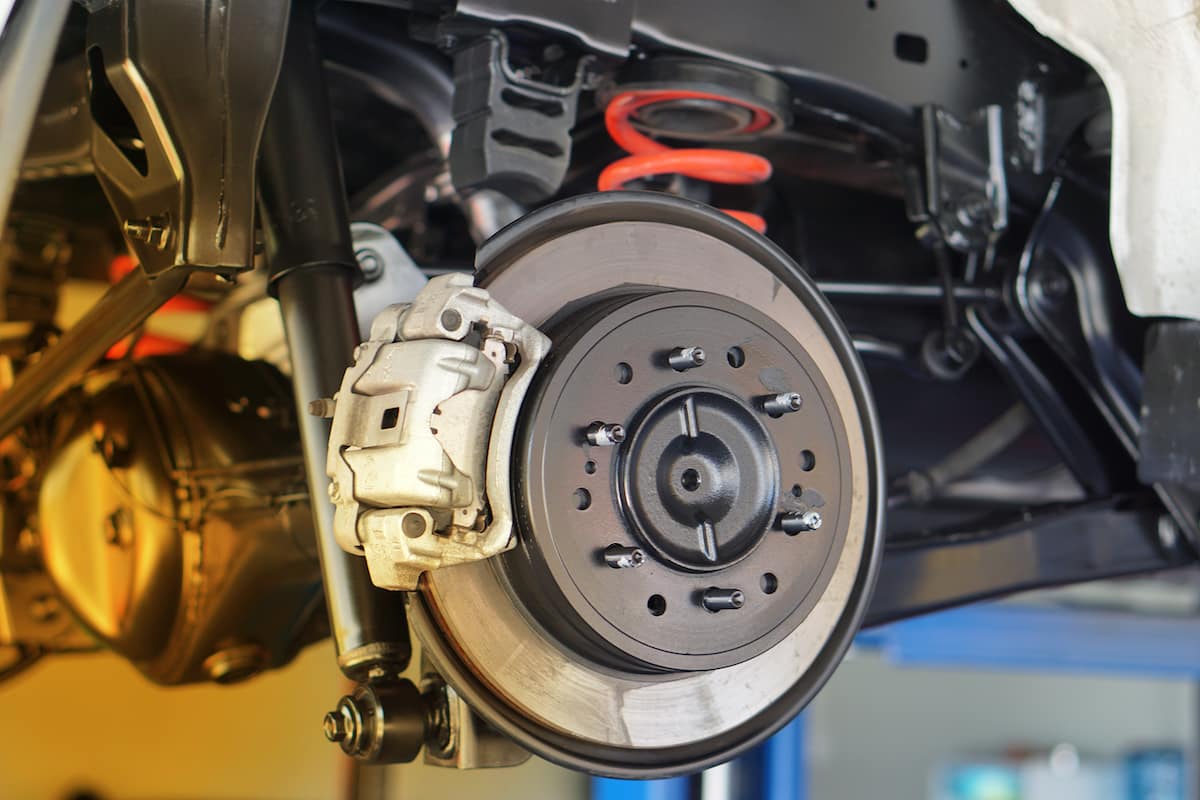
8. Poor Braking Performance and Safety System Problems
The braking system is among the most important safety components in any vehicle. A car that struggles to stop properly creates a serious risk for the driver, passengers, and others on the road.
While brake pads and rotors naturally wear out and can be replaced, repeated braking problems may indicate that a vehicle has reached an age where maintaining safe operation becomes increasingly difficult.
One common warning sign is a soft or sinking brake pedal. This can happen because of air in the brake lines, low brake fluid, worn components, or problems with the master cylinder.
A brake pedal should provide a firm and predictable response. If the pedal feels unusual or requires extra pressure to stop the vehicle, the issue should be inspected quickly.
Grinding noises during braking are another indication of serious wear. When brake pads become completely worn, metal components may begin rubbing against each other, causing damage to rotors and other parts.
Delaying repairs can increase costs and reduce braking performance. In older vehicles, repeated brake repairs may become part of a larger pattern of declining reliability.
A vehicle pulling to one side during braking may suggest uneven brake wear, damaged suspension components, or problems with the braking system.
This affects control and can become dangerous during emergency situations. Proper braking requires multiple systems to work together, including tires, suspension, hydraulic components, and electronic safety systems.
Advanced safety features can also become expensive to repair as vehicles age. Anti-lock braking systems, electronic stability controls, and sensors depend on complex electronic components.
When these systems fail repeatedly, repairs may require specialized equipment and replacement parts. A vehicle with ongoing brake and safety system problems may no longer provide the reliability expected from daily transportation.
Also read: 10 Cars With the Biggest Heat-Related Reliability Issues