
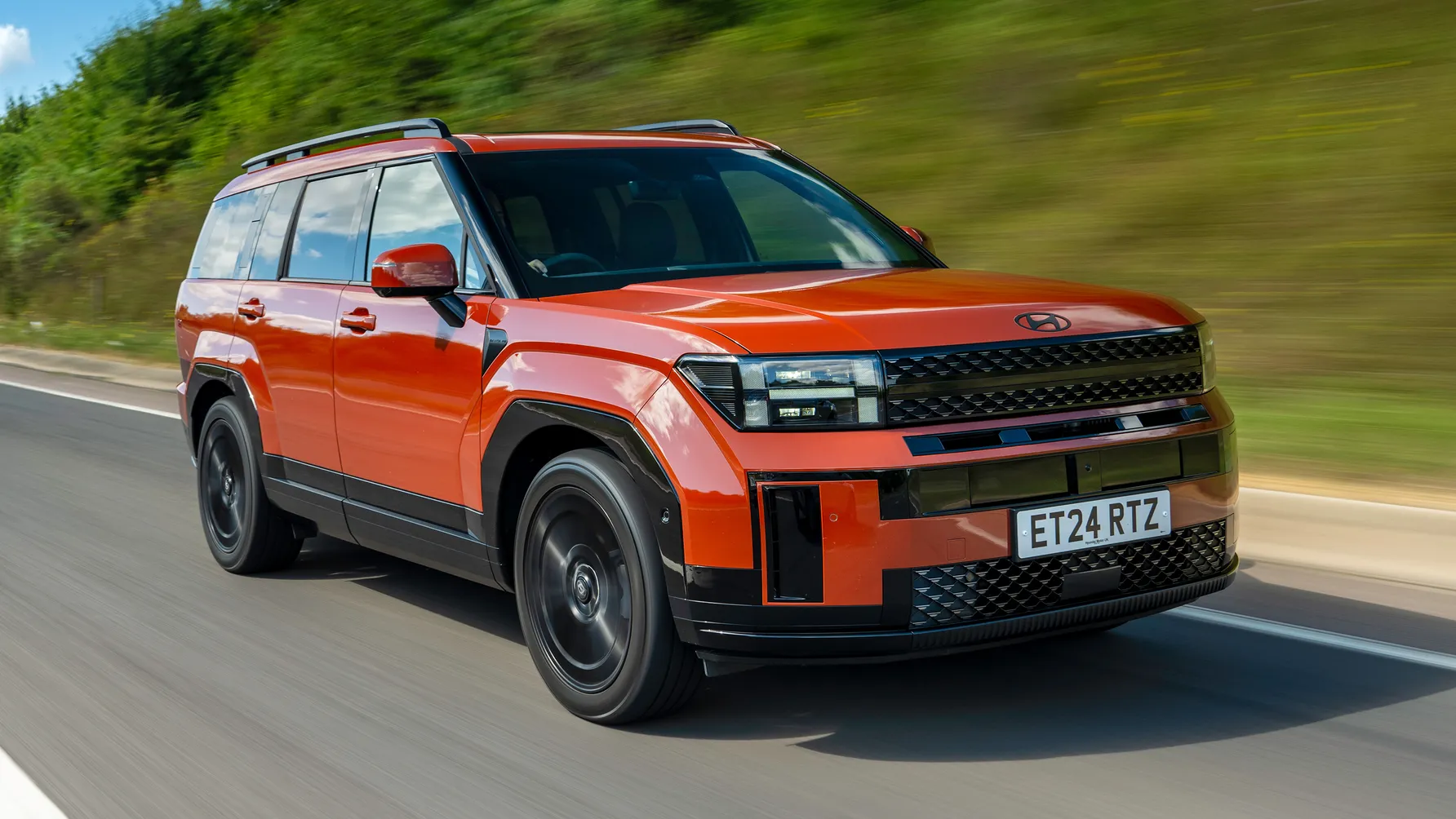
Car manufacturers are changing the way drivers access vehicle features by introducing subscription-based services for functions that were traditionally included after purchase. Heated seats have become a major example of this shift, with some companies offering monthly payments to unlock comfort features through software.
This approach allows automakers to create ongoing revenue streams while giving customers flexible access to certain options. However, it has also created debate among vehicle owners who believe hardware features should remain available after buying a car. Understanding which vehicles use this model helps drivers make informed decisions before choosing their next vehicle.

1. BMW Heated Seat Subscription Model
BMW became widely known for testing subscription-based heated seat access in certain markets. The company introduced a system where vehicles equipped with heated seat hardware could require a digital payment to activate the feature. Customers could choose monthly, yearly, or permanent access depending on the market and available plans.
The idea behind BMW’s approach was to separate vehicle hardware from feature activation. A car could leave the factory with the necessary heating elements installed, allowing customers to activate the function later through software. This system gave buyers the option to add features after purchasing the vehicle instead of deciding during the original order process.
The subscription approach received mixed reactions from drivers. Some customers appreciated the ability to add features later without visiting a dealership. Others questioned why they should pay extra for equipment already included in their vehicle. The debate became especially strong because heated seats had traditionally been considered a standard comfort feature included with higher trim levels.
BMW later adjusted its strategy after customer feedback. The company found that many drivers preferred paying upfront for features rather than continuing monthly payments. The experience showed that subscription models require careful planning because customers evaluate not only the price but also the feeling of ownership.
The BMW example influenced discussions across the automotive industry. Other manufacturers have studied similar systems for features such as advanced driver assistance, navigation services, and performance upgrades. Heated seat subscriptions became a major example of how automakers are experimenting with software-controlled vehicle features and customer payment options.
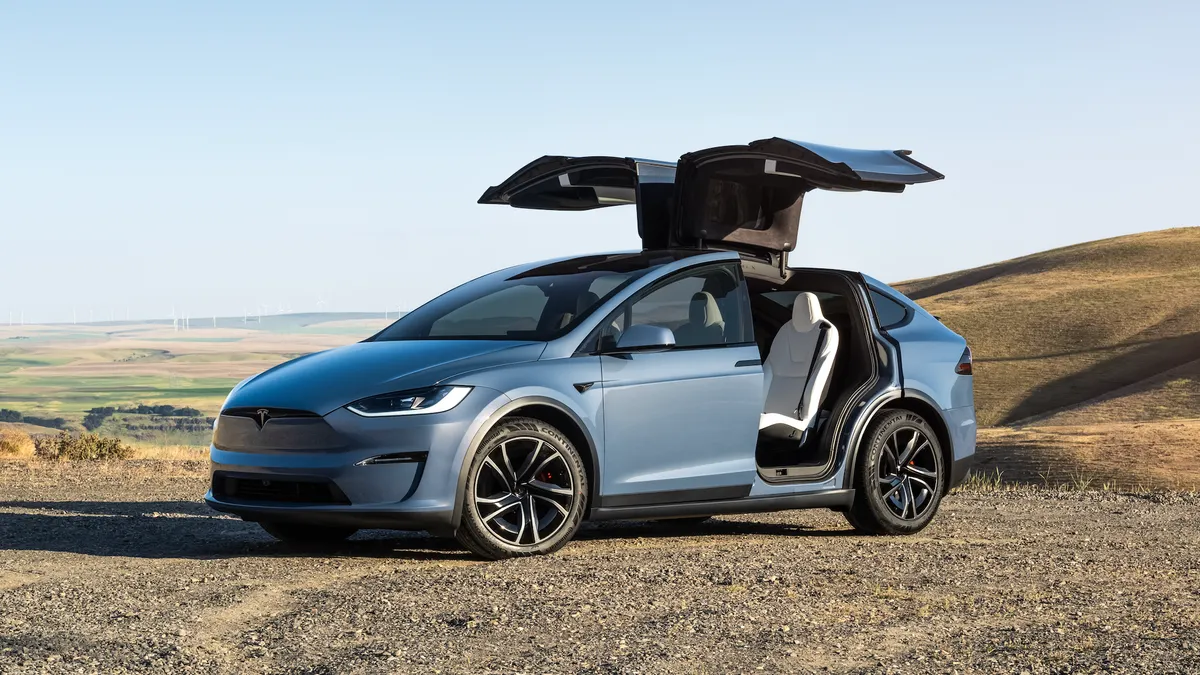
2. Tesla and Software-Based Vehicle Features
Tesla has played a major role in changing how people view vehicle features through software updates and digital purchases. While Tesla is not primarily known for monthly heated seat subscriptions, the company has demonstrated how vehicles can gain new abilities through software activation. Features can be added or improved after purchase without major physical changes.
Tesla vehicles commonly include built-in hardware that supports optional functions. Owners can purchase upgrades through digital systems, creating a similar relationship between hardware availability and software access. This approach has influenced other manufacturers that are developing connected vehicle platforms.
The company’s model shows the advantages of software-controlled vehicles. Drivers can receive improvements without replacing parts or buying a new vehicle. Manufacturers can also continue supporting vehicles years after production. This creates a closer connection between automakers and customers throughout the ownership period.
However, Tesla’s approach has also contributed to wider conversations about ownership rights. Some customers question whether paying for software unlocks feels different from buying traditional vehicle options. The discussion focuses on whether digital features should be treated as services or permanent parts of vehicle ownership.
The growth of connected vehicles suggests that software will continue to become a major part of automotive design. Heated seats are a simple example compared with advanced systems such as autonomous driving features or battery performance improvements. The lessons learned from subscription experiments will likely shape future vehicle purchasing experiences.
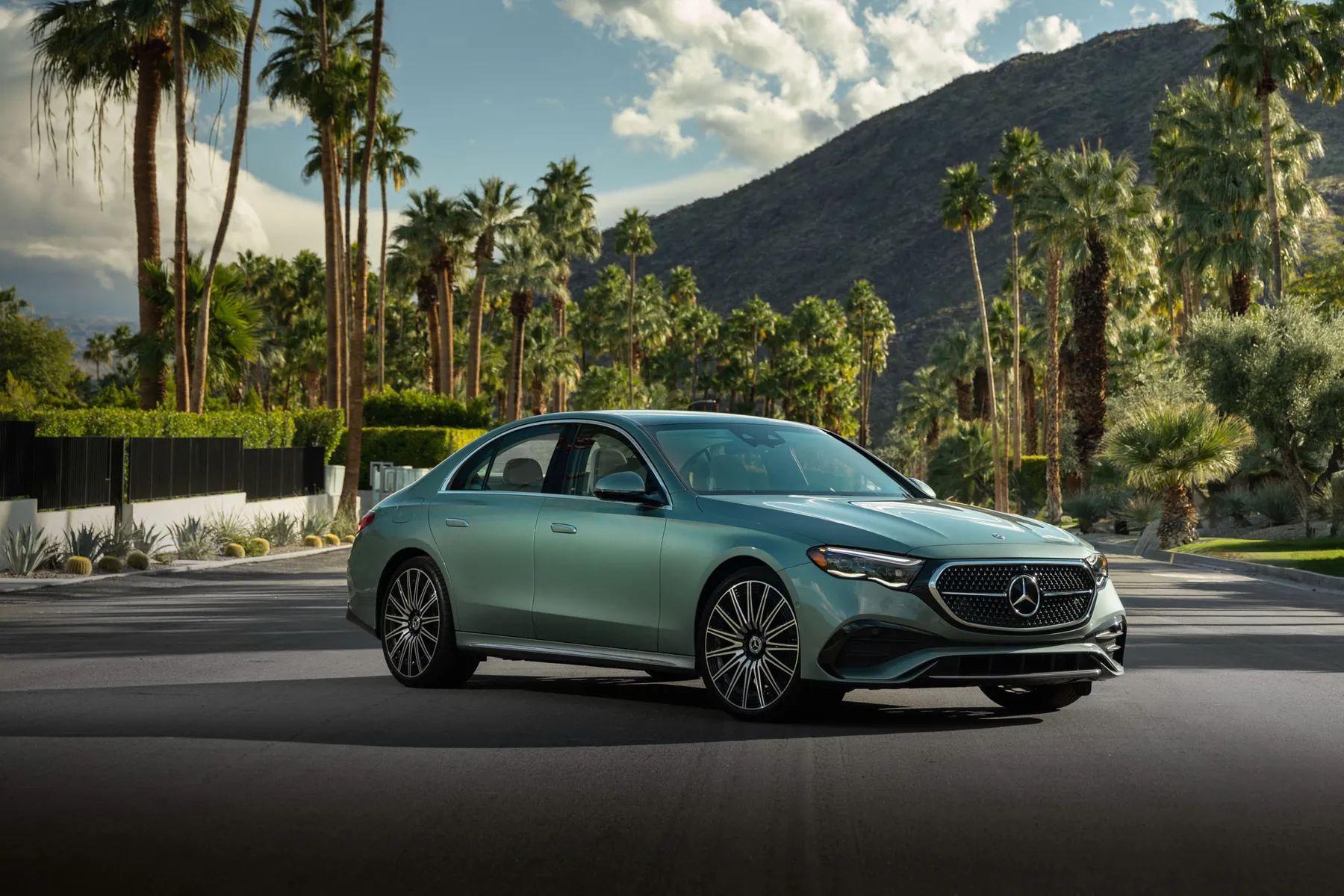
3. Mercedes-Benz and Digital Feature Access
Mercedes-Benz has been another major automaker experimenting with software-based vehicle features. The company has introduced digital services that allow customers to activate certain vehicle functions through online platforms. These services are part of a larger movement toward connected cars where features can be updated, added, or managed remotely.
The approach used by Mercedes-Benz focuses on creating a flexible ownership experience. Instead of requiring customers to choose every option before purchasing a vehicle, some features can be activated later. This system allows manufacturers to simplify production because many vehicles can be built with similar hardware while software determines which functions are available.
Comfort features such as heated seats fit naturally into this type of system because the required components can be installed during manufacturing. The company can then offer activation through a digital store. This creates convenience for customers who decide later that they want additional features.
The subscription approach has received mixed opinions from vehicle owners. Some drivers appreciate having choices after purchase, while others feel that recurring fees reduce the sense of ownership. Customers often compare these services with traditional vehicle upgrades, where paying once provides permanent access.
The experience of Mercedes-Benz and other manufacturers shows that automakers must balance business goals with customer expectations. Drivers are becoming more comfortable with software services, but they also expect fairness when paying for expensive products such as vehicles. Clear pricing and useful features will determine whether these systems become accepted.
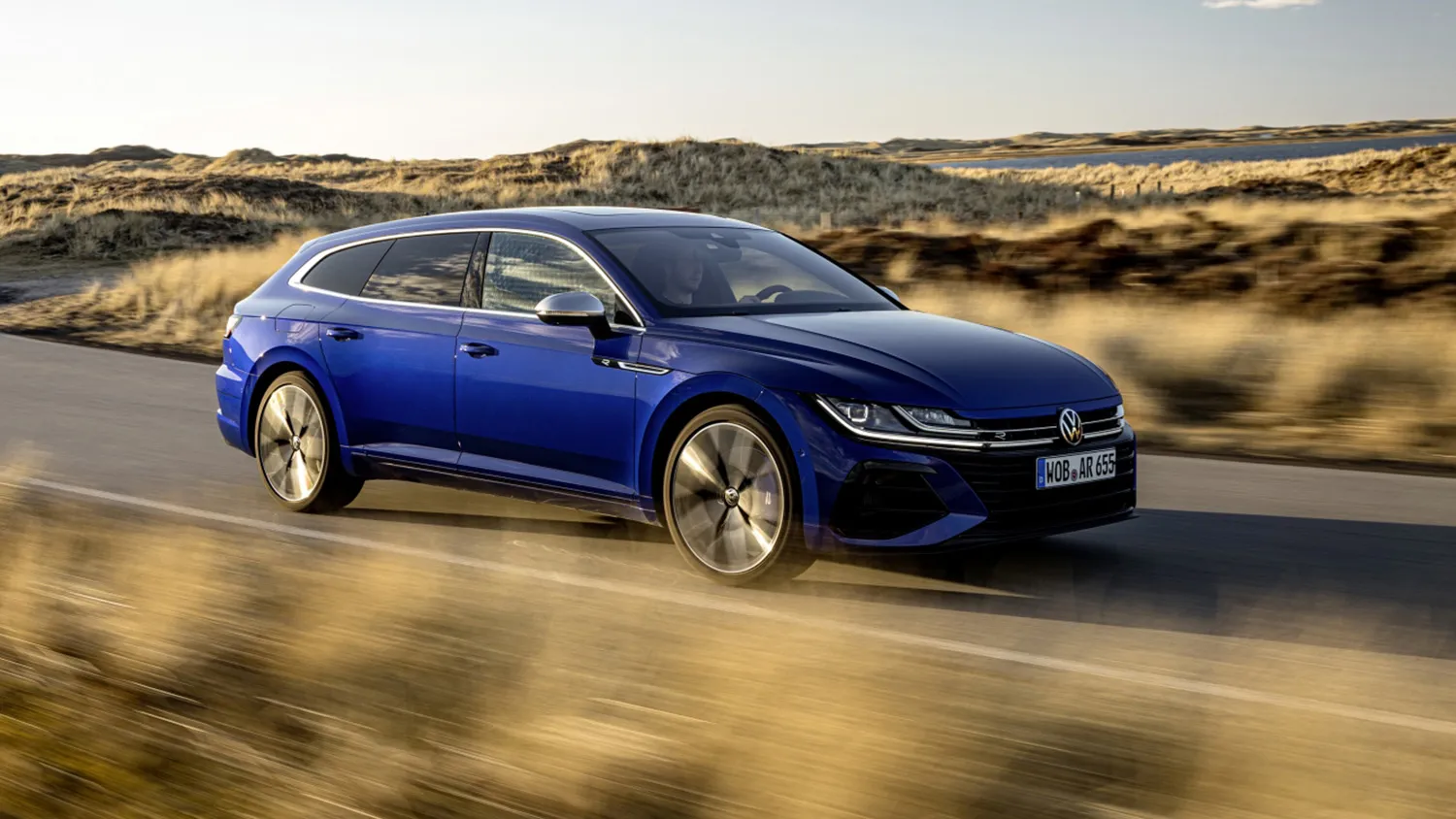
4. Volkswagen and Connected Vehicle Features
Volkswagen has invested heavily in digital vehicle technology as part of its effort to create more connected cars. The company has developed software platforms that allow vehicles to receive updates and provide additional digital services.
While heated seat subscriptions have not become a major focus for every Volkswagen model, the company represents the larger industry movement toward software-controlled features.
Modern Volkswagen vehicles increasingly include advanced electronics that support different comfort and convenience options. Digital systems can manage functions such as navigation, driver assistance, and entertainment services. This technology creates opportunities for manufacturers to offer additional features after the initial purchase.
The concept behind these systems is based on flexibility. A customer may buy a vehicle with certain equipment but later decide to activate additional functions.
This can be useful for people whose needs change over time. For example, a driver moving from a warm area to a colder region may want features that were not important during the original purchase.
However, customers remain cautious about paying monthly fees for vehicle functions. Many buyers view cars as long-term purchases rather than service platforms. They expect important comfort features to remain available without continuous payments after buying the vehicle.
Volkswagen’s development of connected technology shows how the automotive industry is changing. Future vehicles will likely depend more on software, but companies will need to create payment systems that customers consider reasonable. The success of these services will depend on whether they improve convenience rather than simply adding costs.
5. Audi and Premium Vehicle Subscriptions
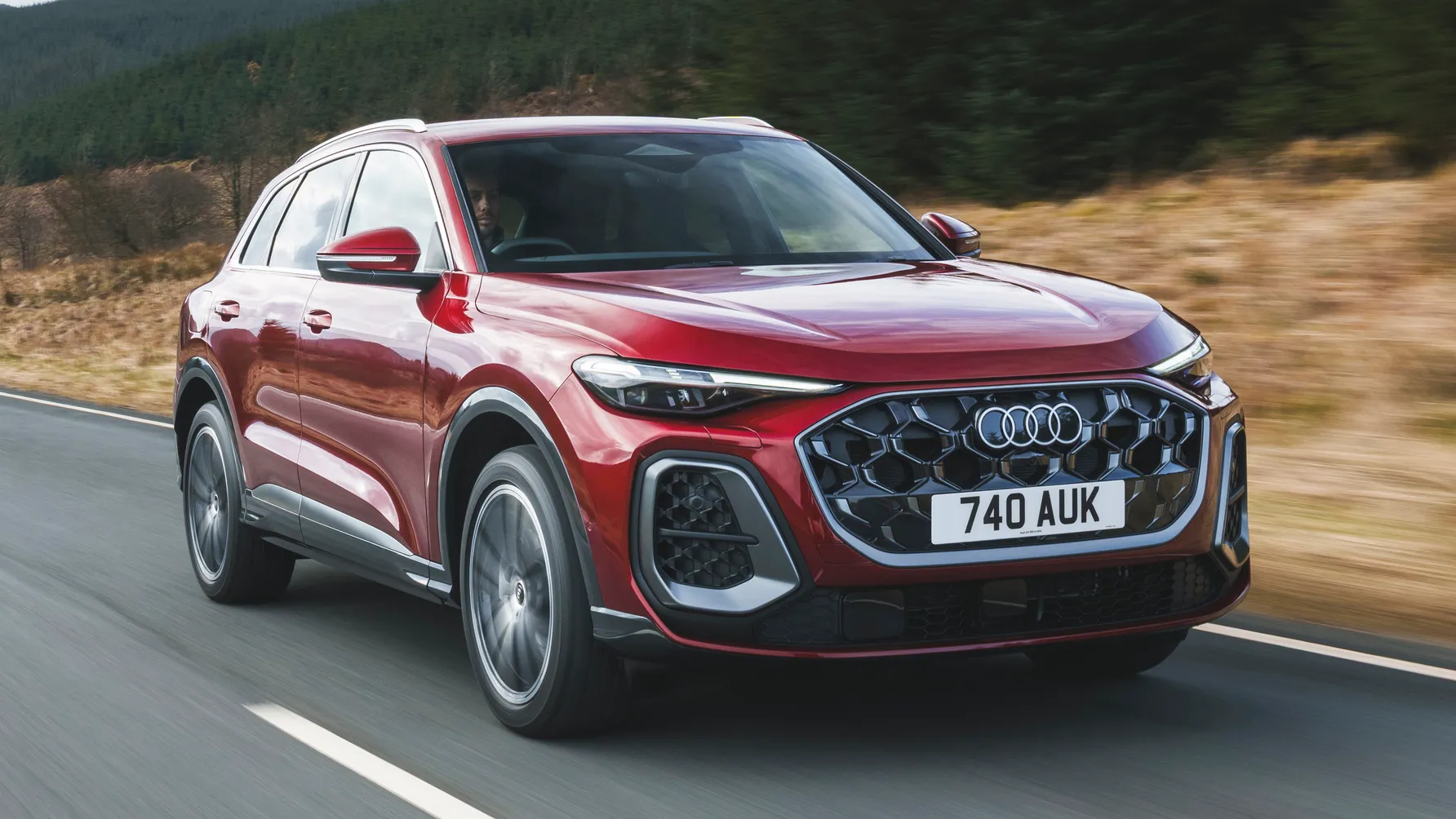
Audi has explored digital services as part of its strategy to provide more connected experiences for drivers. As a premium automaker, the company has focused on technology, personalization, and advanced vehicle systems. Digital feature access allows manufacturers to offer customers more choices during ownership.
Premium vehicles often include sophisticated electronics that can support multiple functions. A car may contain the hardware needed for a specific feature, while software determines whether the driver can use it.
This creates possibilities for upgrades without requiring mechanical changes.
Heated seats are an example of a simple comfort feature that can become part of a larger digital ecosystem. A manufacturer can provide temporary access, permanent activation, or bundled services depending on customer preferences. This approach gives companies more ways to package vehicle options.
The challenge for Audi and similar brands is maintaining customer trust. Luxury vehicle buyers usually expect high levels of service and value. If digital subscriptions feel like restrictions rather than benefits, customers may react negatively. Automakers must explain how these systems provide advantages beyond traditional options.
Audi’s involvement in digital vehicle development reflects a wider transformation in car ownership. Vehicles are becoming more similar to connected devices, with software playing a larger role in daily use. The future of automotive features will depend on how companies combine technology with customer expectations.
6. General Motors and Connected Services
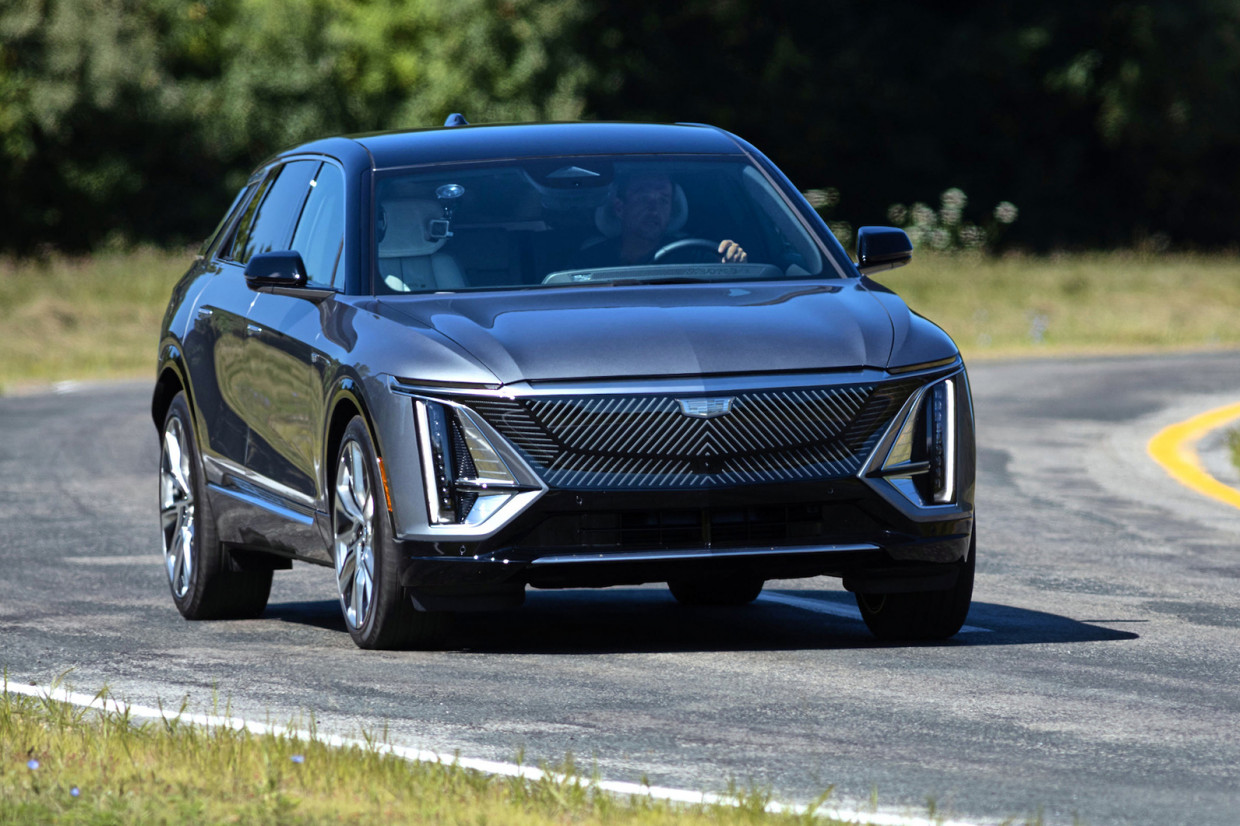
General Motors has developed a large connected vehicle ecosystem through services that allow customers to access digital features, remote controls, and vehicle information. The company has focused on creating vehicles that can receive software improvements and provide additional services throughout ownership.
The company’s approach demonstrates how traditional automakers are adapting to changing technology. Instead of viewing a vehicle as a product that ends at the dealership, manufacturers increasingly see cars as platforms that can continue receiving updates and services.
Features controlled through software create opportunities for customization. A vehicle can include hardware that supports different functions, allowing customers to choose services based on their needs. This method can make manufacturing more efficient while providing more options to drivers.
At the same time, subscription-based features create questions about long-term costs. Vehicle owners may accept paying for internet connectivity or advanced services but feel differently about basic comfort features. Heated seats are often viewed as a simple function rather than a digital service.
General Motors and other manufacturers are learning how customers respond to connected vehicle models. The industry is moving toward more software-focused vehicles, but companies must carefully decide which features should be included permanently and which should require additional payment.

7. Hyundai and Kia Approach to Digital Vehicle Features
Hyundai and Kia have invested heavily in connected vehicle technology, creating systems that allow drivers to manage different vehicle functions through digital platforms.
Their modern vehicles include advanced electronics designed to support convenience features, remote controls, and software improvements. While these brands have not made heated seat subscriptions a widespread standard practice, they represent the growing shift toward software-based vehicle ownership.
The technology behind connected vehicles allows manufacturers to install flexible systems during production. A vehicle can be built with hardware capable of supporting several functions, and software can determine which features are activated. This method helps automakers streamline manufacturing while giving customers more choices after purchase.
Comfort features are becoming increasingly connected to digital systems. Heated seats, climate controls, and personalized settings can all be managed through vehicle software. As companies continue improving connected platforms, more functions may become available through digital purchases or temporary access plans.
Hyundai and Kia have generally focused on providing value through included features rather than heavily relying on subscriptions for basic comfort options. Their approach highlights an important customer expectation: buyers often compare the amount of equipment included in a vehicle when deciding which model offers the best value.
The future of digital features will require manufacturers to find a balance between innovation and customer satisfaction. Drivers may accept subscriptions for advanced services that require continuous updates, but basic functions may need different pricing strategies.
The experience of brands like Hyundai and Kia shows that customer preferences remain an important factor in automotive decisions.
Also read: 5 Touring Bikes That Reach 100K Miles and 5 That Don’t
