

Many drivers believe insurance costs only increase after accidents, traffic violations, or major claims. However, insurance companies evaluate many patterns behind the wheel that can influence risk calculations. Certain daily driving habits may quietly contribute to higher premiums even when a driver has a clean record.
Frequent hard braking, aggressive acceleration, driving during risky hours, and poor vehicle maintenance can all affect how insurers view a policyholder’s risk level.
Understanding these behaviors helps drivers make smarter choices, protect their vehicles, and potentially maintain more affordable insurance rates. Responsible driving extends beyond avoiding tickets and focuses on consistent habits that reduce risk.
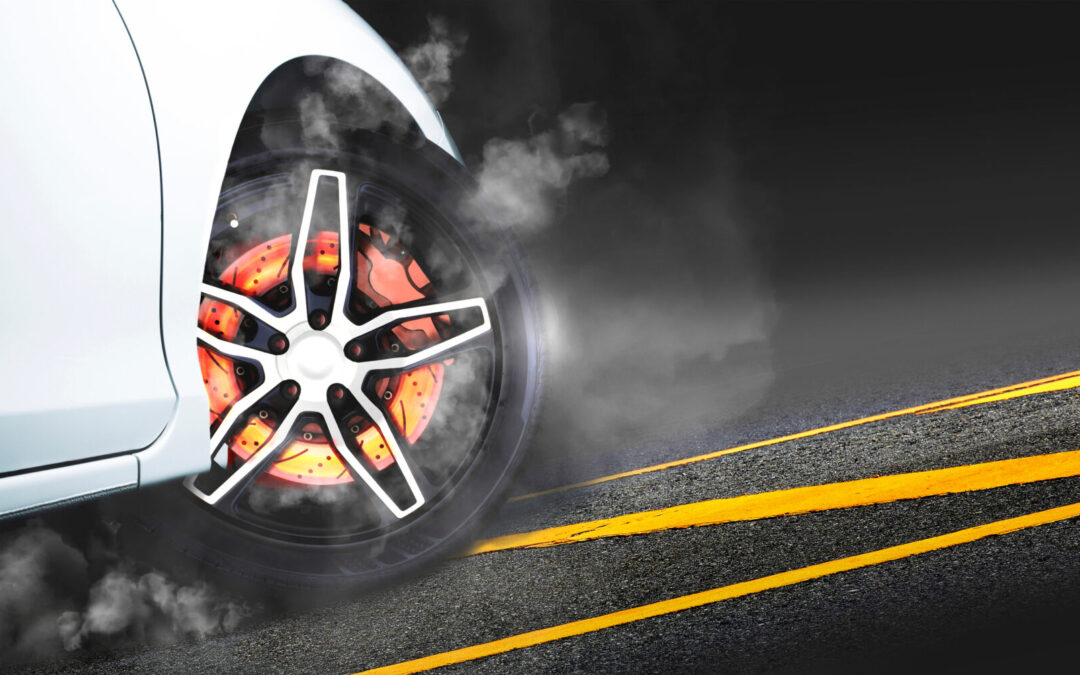
1. Frequent Hard Braking and Sudden Stops
Driving behavior provides insurers with valuable information about how a person handles a vehicle. Modern vehicles often contain connected technology, telematics devices, or smartphone-based monitoring systems that can record patterns such as sudden braking. Insurance providers use this information in certain programs to understand driver risk.
Frequent hard braking may suggest that a driver follows too closely, reacts late to road conditions, or maintains unsafe driving habits. Even when these actions do not result in accidents or traffic violations, they can indicate a greater possibility of future incidents.
Sudden braking places extra stress on a vehicle’s important components. Brake pads, tires, suspension parts, and other systems may experience faster wear when a driver repeatedly stops aggressively. Insurance companies do not directly charge a driver for worn parts, but vehicle condition can influence claim risks.
A poorly maintained vehicle with damaged tires or braking issues may increase the likelihood of accidents. Drivers who practice smooth acceleration and controlled braking often reduce mechanical strain while creating safer driving patterns.
Many drivers develop hard braking habits without realizing it. Common causes include distracted driving, checking a phone while moving, rushing through traffic, or failing to maintain enough distance from other vehicles.
When a driver leaves sufficient space between vehicles, there is more time to react naturally instead of depending on sudden stops. Maintaining awareness and scanning the road ahead can significantly reduce the need for emergency braking.
Urban environments can make this habit more common. Heavy traffic, crowded intersections, pedestrians, and frequent lane changes create situations where drivers may constantly accelerate and brake. However, patience and smoother driving techniques can help manage these conditions.
A driver who anticipates traffic flow and adjusts speed early demonstrates safer road behavior, which may be viewed more positively by insurance monitoring programs.
Improving braking habits requires attention and consistency. Drivers can begin by increasing following distance, reducing distractions, and observing traffic patterns several vehicles ahead. These small changes create more predictable driving behavior.
Safer braking does not only protect a driver’s insurance profile; it also improves comfort, reduces repair costs, and lowers the chance of preventable collisions.
2. Aggressive Acceleration and Rapid Speed Changes
Fast acceleration can feel convenient when merging onto roads or moving through busy areas, but frequent aggressive acceleration may influence how insurers assess driving behavior.
Sudden increases in speed can indicate risky driving patterns, especially when combined with other behaviors such as quick lane changes or frequent braking. Insurance providers focus on probability and risk management, meaning repeated aggressive actions may affect how a driver is categorized.
Rapid acceleration also increases fuel consumption and places additional pressure on vehicle systems. Engines, transmissions, tires, and other components work harder when drivers frequently push their vehicles from a complete stop to high speeds.
While routine acceleration is normal, repeated aggressive starts can contribute to unnecessary wear. A vehicle experiencing mechanical problems may create additional safety concerns if maintenance is ignored.
Some drivers accelerate quickly because they feel pressure from surrounding traffic. Busy roads can create a sense of urgency, causing people to leave intersections quickly or speed up to match other vehicles.
Developing a calm driving approach helps prevent unnecessary risks. Reaching a destination a few minutes earlier rarely provides enough benefit to justify increased danger or potential long-term costs.
Telematics programs may detect acceleration patterns through installed devices or mobile applications. These systems are designed to measure driving habits rather than simply identify violations.
A driver may never receive a ticket for accelerating quickly, yet their recorded behavior could still reflect a higher-risk profile. Consistent smooth acceleration can help demonstrate responsible vehicle control.
Building better acceleration habits starts with understanding vehicle movement. Pressing the accelerator gradually, maintaining steady speeds, and avoiding unnecessary bursts of power can improve efficiency and safety.
These practices create a more predictable driving style, which benefits both the driver and other road users. Responsible acceleration is a simple adjustment that can contribute to better driving records and potentially more favorable insurance evaluations.

3. Driving During High-Risk Hours
The time a person drives can influence insurance risk assessments. Certain hours are statistically associated with more accidents because of factors such as reduced visibility, fatigue, increased traffic from nightlife activities, and fewer available emergency services.
A driver who frequently travels during late-night hours may face different risk conditions compared with someone who mainly drives during daytime periods.
Night driving creates challenges that require additional attention. Reduced lighting makes it harder to identify hazards such as pedestrians, animals, road damage, or sudden obstacles.
Drivers may also experience tiredness after long days, which can affect reaction speed and decision-making abilities. Even without receiving tickets or causing accidents, frequent exposure to these conditions can contribute to higher perceived risk.
Weekend nights can present additional challenges because roads may contain more unpredictable traffic patterns. Some drivers may travel after social activities where alcohol consumption is involved, creating increased danger for everyone nearby.
Insurance companies consider broader accident statistics when calculating premiums, so driving habits that regularly place someone in higher-risk situations may influence pricing decisions.
Work schedules can make certain driving times unavoidable. People working night shifts, traveling early mornings, or commuting during unusual hours may have limited choices.
However, drivers can still reduce risks by staying alert, maintaining their vehicles properly, and avoiding distractions. Good preparation can help offset some challenges associated with difficult driving conditions.
Planning routes and managing fatigue are important steps for safer travel. Taking breaks during long trips, avoiding driving while extremely tired, and using proper lighting can improve safety.
Drivers cannot always control when they need to be on the road, but they can control how carefully they approach those situations. Responsible decisions during higher-risk periods can support better driving outcomes.
4. Frequent Distracted Driving Behaviors
Distraction behind the wheel has become a major concern as technology becomes a regular part of daily life. Many drivers understand that using a phone while driving is dangerous, yet distractions can come from many other sources.
Adjusting navigation systems, changing music, eating, talking with passengers, or focusing on outside events can reduce attention on the road. Even short moments of distraction can affect reaction time and increase the likelihood of mistakes.
Insurance providers consider distracted driving a significant risk factor because attention plays a major role in preventing accidents. A driver may never receive a ticket for looking away from the road briefly, but repeated distracted behavior can still increase the possibility of a collision.
Some insurance programs that monitor driving habits can identify phone usage, inconsistent speed patterns, or sudden driving changes that may suggest reduced attention.
Modern vehicles include many convenience features designed to improve comfort, but they can also create additional distractions. Touchscreen controls, voice assistants, entertainment systems, and advanced settings may require attention that should remain focused on driving.
Responsible drivers learn to adjust these features before starting their journey or use hands-free options when available. Keeping interactions with technology limited helps maintain concentration.
Passenger-related distractions can also affect driving quality. Conversations, arguments, or activities happening inside the vehicle may cause a driver to focus away from traffic conditions.
This situation can be especially challenging for inexperienced drivers who may struggle to divide their attention. Creating a calm environment inside the vehicle allows drivers to make better decisions and respond quickly when conditions change.
Reducing distractions requires building consistent habits. Drivers can place phones in secure locations, prepare routes before traveling, and avoid multitasking while moving.
These simple actions improve focus and create safer driving patterns. A driver who remains attentive demonstrates lower-risk behavior, which supports personal safety and may help maintain better insurance standing.
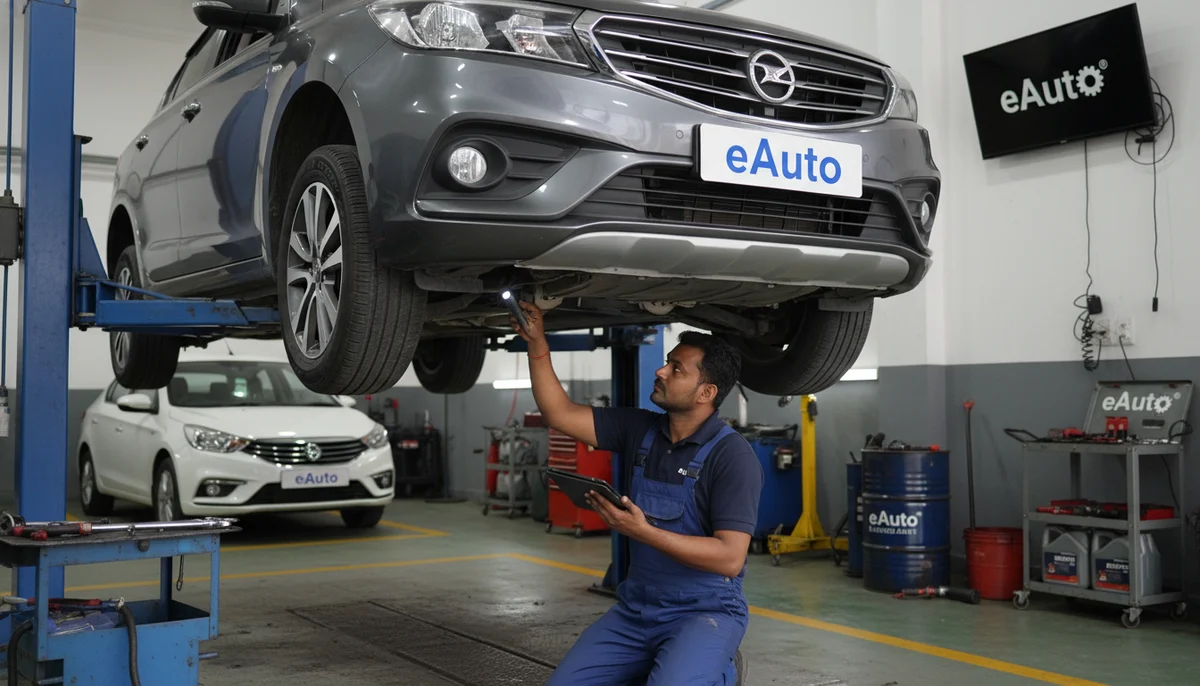
5. Ignoring Vehicle Maintenance
Vehicle maintenance is closely connected to driving safety. A car that receives regular care is more likely to perform properly during unexpected situations.
Many drivers focus only on avoiding accidents and traffic violations, but mechanical problems can also contribute to dangerous conditions. Issues such as worn tires, weak brakes, faulty lights, or engine problems may increase accident risks even when a driver follows traffic rules.
Insurance companies consider vehicle condition when reviewing claims because maintenance problems can affect how accidents happen. For example, tires with poor tread may reduce control during rain, while damaged brakes may increase stopping distance.
A driver who delays necessary repairs may unintentionally create additional risks. Maintaining a vehicle properly demonstrates responsibility and reduces the possibility of preventable incidents.
Tire care is especially important because tires directly affect traction and stability. Drivers who ignore tire pressure, alignment issues, or replacement schedules may experience reduced control. Uneven tire wear can also indicate larger mechanical problems that require attention. Regular inspections help identify concerns before they become serious safety issues.
Many maintenance tasks are simple and affordable compared with the cost of major repairs or insurance claims. Checking fluid levels, replacing worn parts, maintaining proper tire pressure, and following service schedules can improve vehicle reliability. These habits also help vehicles operate more efficiently, reducing long-term ownership expenses.
Responsible vehicle care reflects responsible driving behavior. While insurance providers may not increase premiums solely because of routine maintenance decisions, poor vehicle upkeep can contribute to situations that result in claims.
A well-maintained vehicle gives drivers better control, improves safety, and supports a lower-risk profile.
6. Driving Too Many Miles Without Considering Risk
Mileage plays an important role in insurance calculations because more time spent on the road generally creates more opportunities for accidents. Drivers who travel long distances every day face increased exposure compared with those who drive occasionally.
Even with excellent driving skills, spending more hours behind the wheel naturally creates more situations where road conditions, traffic, and other drivers can create risks.
Daily commuting is a common reason for high mileage. People who travel long distances for work may spend several hours each week navigating highways, busy streets, and changing weather conditions.
Long commutes can also create fatigue, which may affect concentration and reaction speed. Drivers who regularly cover significant distances should prioritize rest, vehicle maintenance, and careful planning.
Some drivers add unnecessary mileage through frequent short trips or inefficient travel patterns. Combining errands, planning routes, and reducing unnecessary journeys can lower total driving exposure. Fewer miles can also reduce fuel costs and vehicle wear. Small changes in travel habits may create meaningful improvements over time.
Insurance companies often ask about annual mileage when creating policies because mileage helps estimate potential risk. A vehicle driven thousands of additional miles each year has more chances of being involved in an incident. Drivers who provide accurate mileage information help insurers create appropriate coverage estimates and avoid issues during claim situations.
Managing mileage does not mean avoiding necessary travel. Instead, it encourages thoughtful decisions about when and how often a vehicle is used.
Combining trips, choosing efficient routes, and considering alternative transportation when practical can reduce unnecessary exposure. Smart travel planning supports safer driving habits and better vehicle management.

7. Poor Weather Driving Decisions
Weather conditions can dramatically change driving safety. Rain, fog, snow, strong winds, and extreme temperatures create challenges that require adjustments from drivers.
Some people continue driving with the same habits they use during clear conditions, which increases risk. Insurance companies recognize that weather-related incidents contribute significantly to claims, making careful decision-making during difficult conditions important.
Speed adjustment is a key factor during poor weather. Roads can become slippery, visibility may decrease, and vehicles may require more distance to stop. Drivers who maintain normal speeds during dangerous conditions may have less time to respond to unexpected situations. Reducing speed and increasing following distance can improve control and reduce accident risks.
Preparation also influences how safely a driver handles bad weather. Checking weather conditions before traveling, ensuring windshield wipers work properly, and keeping tires in good condition can improve readiness. Drivers who ignore changing conditions may find themselves unprepared when roads become hazardous. Good preparation allows drivers to respond more effectively.
Some drivers underestimate weather risks because they have experienced similar conditions before without problems. Past success does not guarantee future safety. A clear road during one storm may become dangerous during another due to traffic, temperature changes, or road conditions. Treating each situation carefully helps prevent unnecessary risks.
Responsible weather driving demonstrates awareness and flexibility. Adjusting speed, maintaining focus, and avoiding unnecessary travel during severe conditions can protect both the driver and others. These habits reduce the likelihood of accidents and contribute to a safer driving profile.
8. Regularly Driving an Aggressive Style
Aggressive driving involves more than breaking traffic laws. It includes behaviors such as tailgating, frequent lane changes, rushing through traffic, failing to yield, and showing impatience toward other drivers.
A person may avoid tickets while still developing habits that increase accident risks. Insurance companies consider these patterns because aggressive driving often leads to sudden decisions and unpredictable situations.
Tailgating is a common aggressive habit that reduces reaction time. When drivers follow too closely, they have fewer opportunities to respond if the vehicle ahead slows suddenly. Maintaining proper distance gives drivers more control and reduces pressure during heavy traffic. This simple adjustment can significantly improve safety.
Frequent lane changes can also create unnecessary danger. Some drivers move between lanes repeatedly to save small amounts of time, but each lane change creates another opportunity for conflict with surrounding vehicles. Checking blind spots, signaling properly, and changing lanes only when needed creates smoother traffic movement.
Emotional responses can influence driving behavior. Stress, frustration, and impatience may cause people to make decisions they would normally avoid. Learning to manage emotions while driving helps maintain better judgment. A calm approach allows drivers to focus on reaching their destination safely rather than competing with other road users.
Changing aggressive habits requires awareness and practice. Drivers can focus on patience, smoother movements, and respecting traffic flow. Safer driving does not only reduce accident risks; it also creates a more comfortable experience for everyone on the road.
Consistent responsible behavior can support a healthier relationship with driving and may contribute to more favorable insurance evaluations.
Also read: 5 Touring Bikes That Reach 100K Miles and 5 That Don’t
