
Owning a vehicle often feels more affordable after the loan is paid off, but the financial picture can change as the years pass. Many drivers focus on avoiding monthly payments while overlooking rising repair bills, maintenance needs, insurance changes, and replacement costs that appear as a vehicle ages.
After the fifth year, several ownership expenses may increase quickly as parts wear down and systems require more attention. Understanding these costs helps owners prepare better budgets, decide when repairs make sense, and determine whether keeping an older vehicle remains financially practical over time.
1. Repair and Replacement Costs Begin Rising Quickly
A vehicle usually experiences fewer major problems during its first few years because many components are still operating within their expected lifespan.
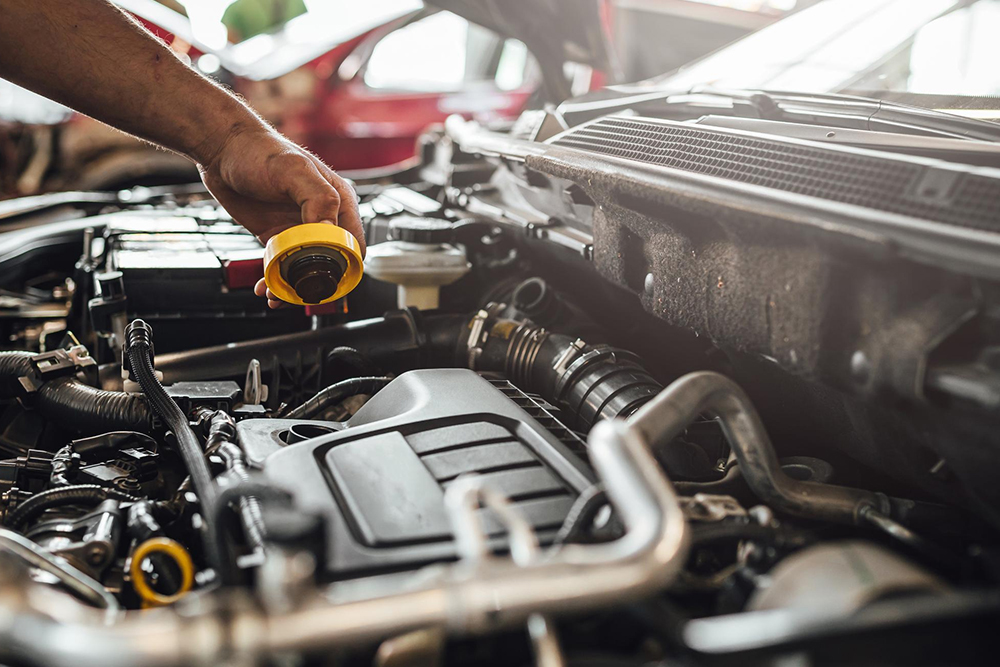
After year five, wear becomes more noticeable, especially for vehicles that accumulate regular mileage. Parts that were designed to last several years may begin showing signs of fatigue, leading to more frequent visits to repair shops. Routine services may slowly turn into larger repair appointments involving expensive replacements and labor charges.
The engine and transmission often receive the most attention because they are among the most expensive systems in a vehicle. While many modern vehicles can run reliably for well beyond five years, maintaining these systems becomes increasingly important as mileage increases.
Issues such as fluid leaks, worn seals, damaged sensors, and transmission-related concerns may become more common. Ignoring small warning signs can result in larger mechanical failures that create significant expenses.
Suspension components also tend to require more attention after a vehicle reaches the five-year mark. Shocks, struts, bushings, and control arms absorb years of road impacts, especially in areas with rough roads or frequent temperature changes.
As suspension components wear out, drivers may experience uneven tire wear, poorer handling, or a rougher ride. Repairing the suspension system often requires replacing several parts and performing specialized labor, which can increase the total cost of the repair.
Electrical systems can also become a growing expense as vehicles age. Modern cars rely heavily on electronic features, including sensors, cameras, infotainment systems, and computer-controlled components. A failure in these systems may not always affect basic driving ability, but repairs can still be costly. Diagnostic work itself adds to expenses because technicians need specialized equipment to identify electronic problems.
Planning for repairs after year five can help owners avoid financial stress. Setting aside money each month for future maintenance creates a safety net when unexpected issues occur.
Regular inspections and timely repairs may also prevent minor problems from becoming major failures. Keeping a vehicle longer can still be financially smart, but owners need realistic expectations about rising repair costs.
2. Tire Replacement Expenses Increase With Vehicle Age
Tires are among the most important safety components of any vehicle, and their replacement cycle becomes a major ownership expense as years pass. New vehicle owners may not think about tires frequently because factory-installed sets often last several years depending on driving habits, road conditions, and tire quality.
After year five, many vehicles require multiple tire replacements, making this cost more noticeable in long-term ownership calculations.
The price of tires varies widely based on vehicle type, size, brand, and performance requirements. A compact car may require a less expensive set compared with a large SUV, truck, or performance vehicle.
As vehicles age, owners sometimes face additional costs because they want to maintain the same quality and safety standards that came with the original equipment. Choosing lower-cost tires may reduce immediate spending but could affect handling, fuel efficiency, and durability.
Driving conditions have a major influence on tire lifespan. Frequent highway driving may create different wear patterns compared with city driving that involves constant braking and acceleration. Poor alignment, worn suspension parts, and improper inflation can also shorten tire life. After several years of ownership, these related issues may increase the frequency of tire purchases.
Older vehicles may also need additional tire-related services. Wheel alignment, balancing, and inspections become increasingly important because aging suspension components can affect how tires contact the road.
Uneven wear can force owners to replace tires sooner than expected. A vehicle that requires suspension repairs and new tires at the same time can create a large combined expense.
Maintaining proper tire care helps reduce long-term costs. Checking tire pressure regularly, rotating tires according to manufacturer recommendations, and addressing alignment problems early can extend tire life. While tire replacement cannot be avoided, proper maintenance allows owners to get the maximum value from each set and improve vehicle safety.

3. Insurance Costs May Change as Vehicles Age
Many drivers assume insurance becomes cheaper as a vehicle gets older, but the situation is more complicated. The age of the vehicle is only one factor used by insurance companies when calculating premiums.
Driving history, location, repair costs, coverage choices, vehicle safety features, and market conditions all influence insurance pricing. After year five, some owners may notice changes that affect their yearly insurance expenses.
Older vehicles often have lower market values, which can reduce the cost of certain coverage options. For example, some owners choose to reduce comprehensive or collision coverage when the vehicle is worth less.
However, insurance rates do not always drop significantly because other factors may offset the reduced vehicle value. Rising repair costs, theft risks, and regional insurance trends can influence premiums.
Repair expenses connected to older vehicles can affect insurance decisions. Some aging vehicles become expensive to repair because replacement parts are harder to find or specialized labor is required. Insurance companies consider repair costs when evaluating claims, which can influence pricing. A vehicle that was inexpensive to maintain during its early years may become more costly as it gets older.
Safety technology also plays a role in insurance calculations. Newer vehicles often include advanced driver assistance systems that may reduce certain risks.
Older vehicles without these features may not receive the same benefits from insurers. As years pass, owners may find that their vehicle lacks newer safety equipment that has become common in newer models.
Reviewing insurance coverage regularly helps owners manage expenses. Keeping unnecessary coverage can increase costs, while removing valuable protection may create financial risk. Comparing available options and understanding the vehicle’s current value allows owners to make better decisions as ownership continues beyond the first five years.
4. Maintenance Requirements Become More Frequent
Routine maintenance is expected throughout a vehicle’s life, but service needs often become more frequent after several years of ownership. During the early years, many maintenance tasks involve basic services such as oil changes, filter replacements, and inspections. As the vehicle ages, additional components require attention, increasing both the frequency and cost of maintenance visits.
Fluids become especially important in older vehicles. Engine oil, transmission fluid, brake fluid, coolant, and other fluids help protect critical systems.
Over time, these fluids lose effectiveness and may require replacement more often. Neglecting fluid maintenance can contribute to expensive mechanical problems, making regular service an important part of controlling ownership costs.
Brake system maintenance is another expense that tends to increase with vehicle age. Brake pads are normal wear items, but older vehicles may also need replacement rotors, calipers, brake lines, or other related components. Drivers who frequently operate in heavy traffic may experience faster brake wear. Addressing brake issues early can help prevent additional damage and improve safety.
Battery replacement is also a common expense for aging vehicles. Many batteries last several years, but performance can decline as they approach the end of their service life.
Extreme weather conditions can accelerate battery problems, leaving owners with unexpected replacement costs. Older vehicles may also experience additional electrical issues that place more demand on the battery system.
Creating a maintenance schedule based on vehicle age and mileage helps owners manage these rising costs. Keeping service records allows drivers to track completed work and anticipate future needs. Preventive maintenance may require spending money earlier, but it can reduce the likelihood of larger repair bills later.
5. Fuel Efficiency Can Decline Over Time
Fuel costs are a major part of vehicle ownership, and aging vehicles may become less efficient as mechanical systems wear. Even small reductions in fuel economy can create noticeable expenses over thousands of miles. After year five, owners may begin seeing changes caused by worn components, outdated technology, and reduced engine performance.
Several factors can contribute to declining fuel efficiency. Dirty fuel injectors, aging oxygen sensors, worn spark plugs, and improper tire inflation can all affect how efficiently a vehicle uses fuel.
Some problems develop gradually, making them difficult for drivers to notice until fuel expenses increase significantly.
Driving habits also influence fuel costs as vehicles age. Older vehicles may encourage owners to drive more cautiously because of concerns about wear and repairs.
At the same time, increased maintenance needs can create situations where the vehicle spends more time in less-than-perfect operating condition. Small efficiency losses can add up over months and years.
Technology improvements in newer vehicles can make older models feel less economical by comparison. Newer engines, hybrid systems, and improved designs often provide better fuel savings.
An older vehicle that was considered efficient when purchased may no longer compete with newer options available in the market.
Maintaining fuel efficiency requires attention to basic vehicle care. Regular servicing, correct tire pressure, proper driving techniques, and timely repairs can help preserve performance. While aging vehicles naturally experience some efficiency changes, responsible maintenance can limit unnecessary fuel expenses.
6. Depreciation Slows, But Repair-to-Value Problems Increase
Depreciation is usually the largest ownership expense during the first years of a vehicle’s life because new vehicles lose value quickly after purchase. After year five, depreciation often slows, which can make keeping an older vehicle appear financially attractive.
However, a different challenge begins to appear as the vehicle’s value decreases while repair costs continue increasing. Owners may eventually face situations where a single repair represents a large percentage of the vehicle’s current market value.
A vehicle worth several thousand dollars may require a repair costing a significant portion of that amount. For example, replacing major components such as a transmission, engine parts, or advanced electronic systems can create difficult financial decisions.
Spending money on repairs can keep the vehicle running for years, but there is always uncertainty about what issue may appear next. Owners must consider both the immediate repair expense and the long-term condition of the vehicle.
The relationship between repair costs and vehicle value becomes more important as cars age. During the early years, expensive repairs may be easier to justify because the vehicle still has a high resale value.
After many years of ownership, repairs may not increase the vehicle’s market price by the same amount spent on improvements. This does not mean older vehicles should automatically be replaced, but it does require careful evaluation before approving costly work.
The condition and reliability history of a vehicle are major factors in these decisions. A well-maintained vehicle with regular service records may continue providing dependable transportation even after significant repairs.
A vehicle with repeated mechanical issues may become harder to justify financially. Owners need to examine patterns rather than focusing only on a single repair bill.
Understanding the balance between repair expenses and vehicle value helps owners make informed choices. Some drivers prefer keeping an older vehicle because they know its history and avoid the cost of purchasing another vehicle.
Others may decide that frequent repairs are creating too much financial pressure. The right decision depends on the vehicle’s condition, expected future costs, and personal transportation needs.
7. Technology Repairs Become More Expensive in Older Vehicles
Modern vehicles depend on technology more than ever, and many features that improve convenience and safety also create new ownership costs as vehicles age.
Systems such as touchscreen displays, backup cameras, parking sensors, navigation units, driver assistance features, and electronic control modules can become expensive to repair once problems develop. After year five, these components may begin reaching the point where repairs become more common.
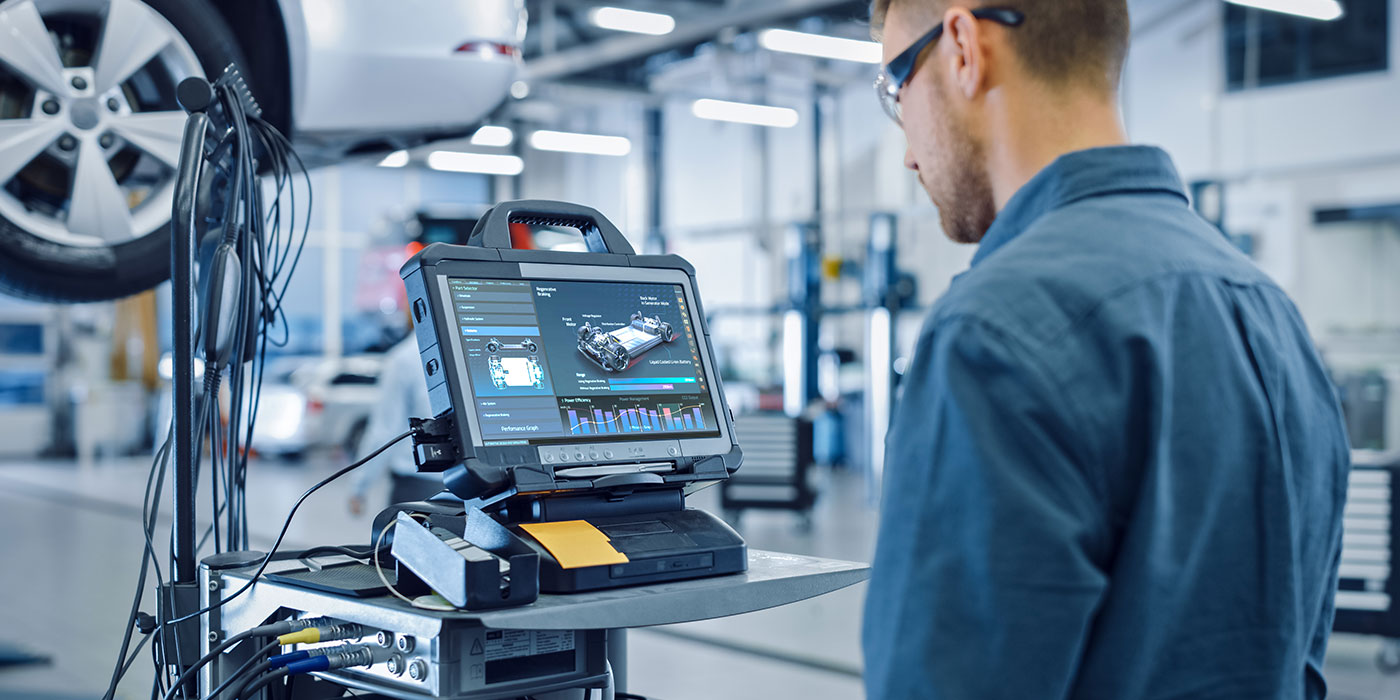
Electronic problems can be challenging because they often require specialized equipment and trained technicians. A warning light on the dashboard may represent a minor sensor issue or a larger system problem.
Diagnostic time adds to repair expenses because technicians need to identify the source before completing the repair. In some cases, replacing a single electronic component can cost much more than owners expect.
Infotainment systems are another area where aging vehicles may show limitations. Technology changes quickly, and older systems may become outdated compared with newer vehicles.
Some owners choose aftermarket upgrades to improve connectivity, but installation costs can vary depending on vehicle design. Features such as smartphone integration, improved audio systems, and updated displays may require additional investment.
Safety technology repairs can create even larger expenses. Cameras and sensors used for features such as automatic braking, lane assistance, and adaptive cruise control often require proper calibration after replacement.
A simple repair involving a damaged sensor may involve additional procedures to ensure the system works correctly. These extra steps increase ownership costs as vehicles become older.
Managing technology-related expenses requires realistic expectations about aging vehicles. Owners should understand which features are essential and which repairs can be delayed without affecting safety.
Regular inspections and addressing electronic warnings early can help prevent larger issues. As vehicles continue becoming more advanced, technology maintenance will remain an important part of long-term ownership planning.
8. Registration, Parts Availability, and Unexpected Ownership Expenses Rise Over Time
Many vehicle owners focus on major expenses such as repairs, fuel, and insurance, but smaller ownership costs can also become more noticeable after several years.
Registration fees, replacement parts, specialized services, and unexpected repairs can add up over time. These expenses may not appear significant individually, but together they can affect the total cost of keeping an older vehicle.
As vehicles become older, obtaining replacement parts may become more challenging. Although manufacturers generally continue producing parts for many years, certain components may gradually become less available. When replacement parts are difficult to source, repair shops may require additional time to locate them. This can lead to longer repair times and higher maintenance costs.
Older vehicles may also require more specialized services. As technology changes, fewer technicians may have experience working on certain older models.
Owners of vehicles with unique systems or less common designs may face higher labor costs because repairs require specific knowledge. Finding a reliable repair professional becomes increasingly important as vehicles move further beyond their original warranty periods.
Registration-related expenses can vary depending on location and vehicle type. Some areas base fees on factors such as vehicle value, weight, or emissions requirements. Older vehicles may also require additional inspections to remain legally registered. These requirements can add costs that owners need to consider when planning long-term ownership expenses.
Unexpected costs are often the hardest to prepare for because they cannot always be predicted. A vehicle may operate normally for months before suddenly requiring a major repair.
Building an emergency maintenance fund helps owners handle these situations without financial pressure. Long-term vehicle ownership can remain practical, but preparation becomes increasingly important as the vehicle ages.
Also read: 5 Touring Bikes That Reach 100K Miles and 5 That Don’t
