
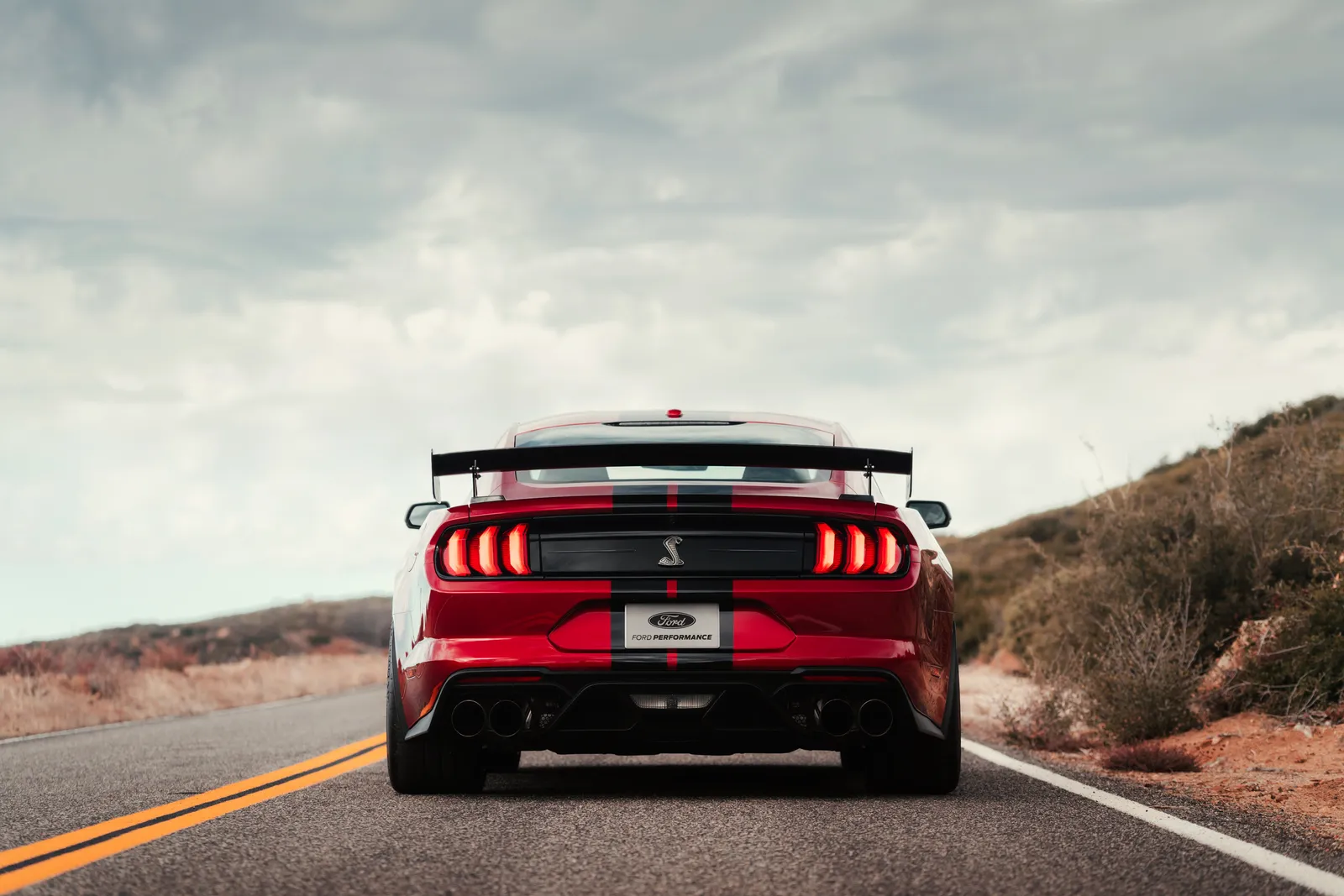
Auction grade cars represent some of the most desirable vehicles available in the collector and enthusiast market. These automobiles often carry exceptional history, rare specifications, excellent preservation, and strong demand among buyers who understand their true worth.
Selling such vehicles at a reduced price can result in losing significant financial value and missing opportunities for better returns. Many owners underestimate how much certain cars can appreciate when maintained properly and presented correctly.
Understanding the qualities that make auction-grade vehicles valuable helps sellers make informed decisions before accepting offers. This guide highlights eight cars that deserve careful evaluation before selling.
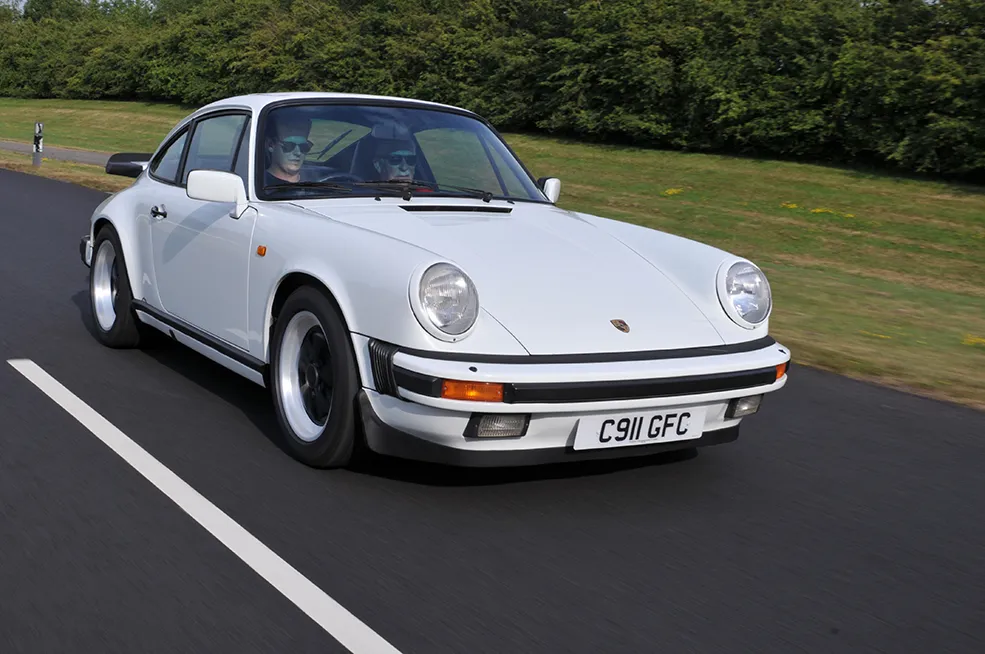
- Engine: 2.7-liter naturally aspirated flat-six petrol engine
- Horsepower: 210 hp
- Torque: 255 Nm
- Length: 4,163 mm
- Width: 1,610 mm
1. Porsche 911 Classic Models
The Porsche 911 has built a remarkable reputation among collectors due to its timeless design, motorsport influence, and long production history. Certain early models, especially those produced during the 1960s, 1970s, and 1980s, have become highly valuable auction vehicles.
Their popularity comes from a combination of engineering excellence, driving experience, and limited availability. A well-preserved example with original components can command significant attention from collectors who appreciate authenticity and heritage.
Owners should avoid rushing into low offers because these vehicles often represent long-term investments rather than ordinary used cars.
Classic Porsche 911 models gain value through several important factors, including originality, maintenance records, matching numbers, and documented history. A vehicle that retains its factory engine, transmission, interior materials, and paintwork usually attracts stronger interest than modified examples.
Collectors frequently search for cars that reflect their original condition because these vehicles provide a direct connection to automotive history. Even restoration work completed to high standards may influence value depending on the quality and accuracy of the repairs. Every detail matters when determining the final auction price.
The condition rating of a Porsche 911 plays a major role in its market value. Auction specialists often examine mechanical performance, body condition, interior quality, and documentation before assigning a grade.
Cars that achieve excellent auction classifications are typically inspected carefully and prepared professionally before being presented to potential buyers. A seller who accepts a low price without understanding the vehicle’s condition could lose thousands or even more. Proper evaluation from experienced professionals can help determine a realistic selling range.
Limited production versions of the Porsche 911 deserve additional attention because rarity creates stronger demand. Models connected to racing programs, special editions, or unique factory options often attract collectors worldwide.
These vehicles are not simply transportation; they represent engineering milestones and cultural significance. Enthusiasts are willing to pay higher amounts for examples that offer something uncommon compared with standard models. Selling such cars quickly without researching their market position can lead to serious financial mistakes.
Owners of auction grade Porsche 911 models should focus on presentation, timing, and choosing the right marketplace. A carefully prepared vehicle placed in front of serious collectors has a better chance of achieving its true value.
Detailed photographs, complete service records, and professional inspections can strengthen buyer confidence. Lowering the price simply to complete a quick sale may remove the possibility of receiving competitive offers. Patience is often essential when dealing with collectible automobiles.
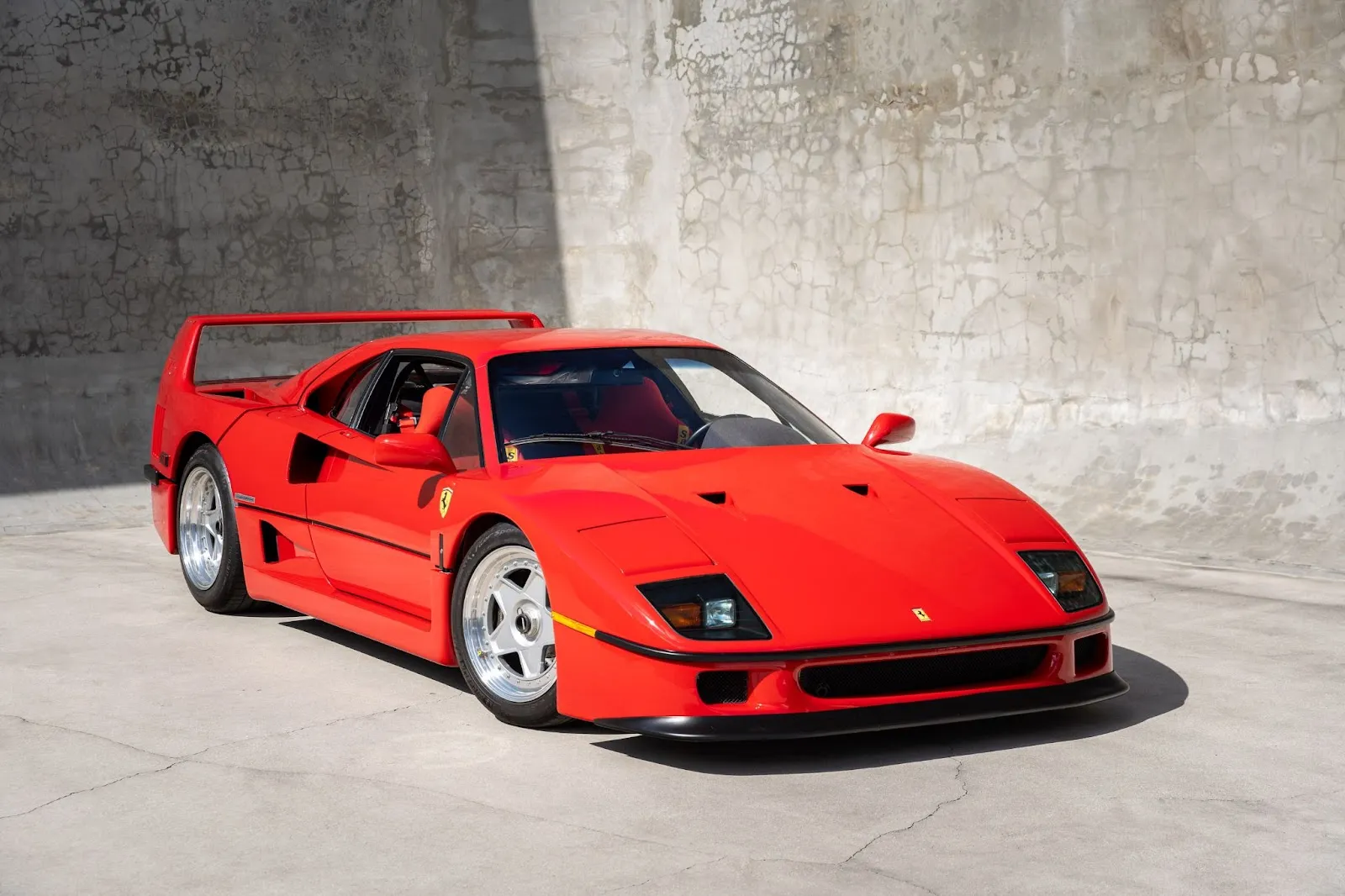
- Engine: 2.9-liter twin-turbocharged V8 petrol engine
- Horsepower: 471 hp
- Torque: 577 Nm
- Length: 4,358 mm
- Width: 1,970 mm
2. Ferrari F40
The Ferrari F40 remains a legendary performance car that represents a significant period in Ferrari’s history. Built during the late 1980s as a celebration of Ferrari’s racing heritage, the F40 gained recognition for its lightweight construction, twin-turbocharged engine, and focused driving experience.
It was created during the leadership period of Enzo Ferrari and became his final approved production car. This connection gives the vehicle historical importance that continues to attract collectors and investors.
The limited production numbers of the Ferrari F40 contribute heavily to its auction appeal. Ferrari produced a relatively small number of examples, making ownership exclusive. Collectors value cars that combine rarity, performance, and historical meaning, and the F40 satisfies all three categories.
Vehicles with complete documentation, original parts, and proper maintenance records are especially attractive. A seller who treats this car like an ordinary performance vehicle may underestimate its importance in the collector market.
The condition of a Ferrari F40 has a direct impact on its auction performance. Because many examples have experienced demanding driving conditions, well-preserved cars become increasingly desirable.
Original paint, factory specifications, and professional servicing help maintain collector confidence. Buyers often examine every aspect before committing to a purchase because high-value vehicles require careful verification. A low selling price may not reflect the true potential value of a properly maintained F40.
The Ferrari F40 also benefits from strong emotional appeal among automotive enthusiasts. Many collectors consider it a symbol of raw performance before modern electronic systems became common in supercars.
Its aggressive appearance, racing-inspired technology, and unforgettable driving character separate it from many newer vehicles. These qualities create lasting demand that can support strong auction results. Sellers should recognize that emotional and historical value often influence collector pricing.
Owners considering selling a Ferrari F40 should take time to understand current collector expectations. Professional valuation, correct documentation, and selecting the right auction platform can make a major difference.
A rushed sale may attract buyers searching for discounts rather than serious collectors willing to pay appropriate value. Maintaining confidence in the vehicle’s importance can help achieve a fair outcome.
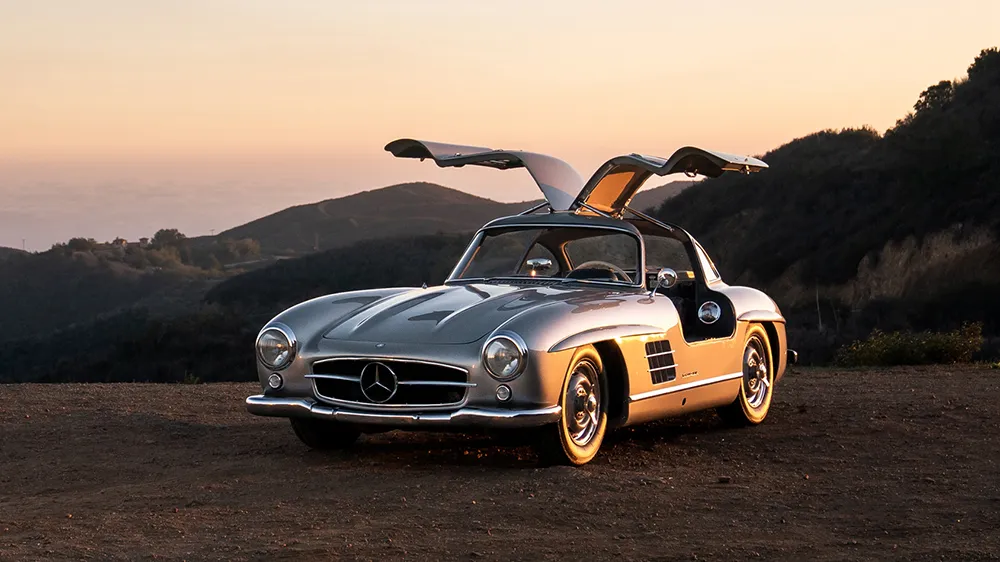
- Engine: 3.0-liter inline-six petrol engine with mechanical fuel injection
- Horsepower: 212 hp
- Torque: 274 Nm
- Length: 4,520 mm
- Width: 1,790 mm
3. Mercedes-Benz 300SL Gullwing
The Mercedes-Benz 300SL Gullwing is widely recognized as a masterpiece of automotive design and engineering. Introduced in the 1950s, this vehicle became famous for its distinctive upward-opening doors and advanced technology.
Its lightweight tubular frame, fuel-injected engine, and racing background made it an important achievement during its era. Today, it remains among the most respected collector cars and continues to attract attention at major auctions.
The rarity of the 300SL Gullwing makes it extremely valuable. Mercedes-Benz produced limited numbers, and surviving examples with strong originality are highly sought after.
Collectors often search for vehicles with documented ownership history, factory specifications, and excellent preservation. Because these cars represent an important chapter in automotive development, their value extends beyond simple transportation. They are historical artifacts that require careful consideration before any sale.
Auction specialists carefully evaluate the authenticity of a Mercedes-Benz 300SL. Original components, chassis details, engine information, and restoration quality all influence the final valuation.
A poorly documented vehicle may face challenges during evaluation, while a properly recorded example can attract serious international interest. Owners should avoid accepting offers without understanding how experts determine collectible vehicle prices.
The design of the Gullwing continues to influence automotive enthusiasts decades after its introduction. Its appearance remains instantly recognizable, and its engineering solutions demonstrate the innovation of its time.
Collectors appreciate vehicles that combine beauty, technical achievement, and historical relevance. The 300SL delivers all these qualities, making it a car that deserves careful pricing consideration.
Selling a Mercedes-Benz 300SL Gullwing requires strategic planning. Owners should prepare detailed records, professional inspections, and accurate descriptions before entering the auction market.
A vehicle of this importance should be presented to buyers who understand its significance. Accepting a lower offer without proper evaluation could mean losing substantial value that the car has earned through decades of history.
- Engine: 3.9-liter naturally aspirated V12 petrol engine
- Horsepower: 350 hp
- Torque: 355 Nm
- Length: 4,360 mm
- Width: 1,760 mm
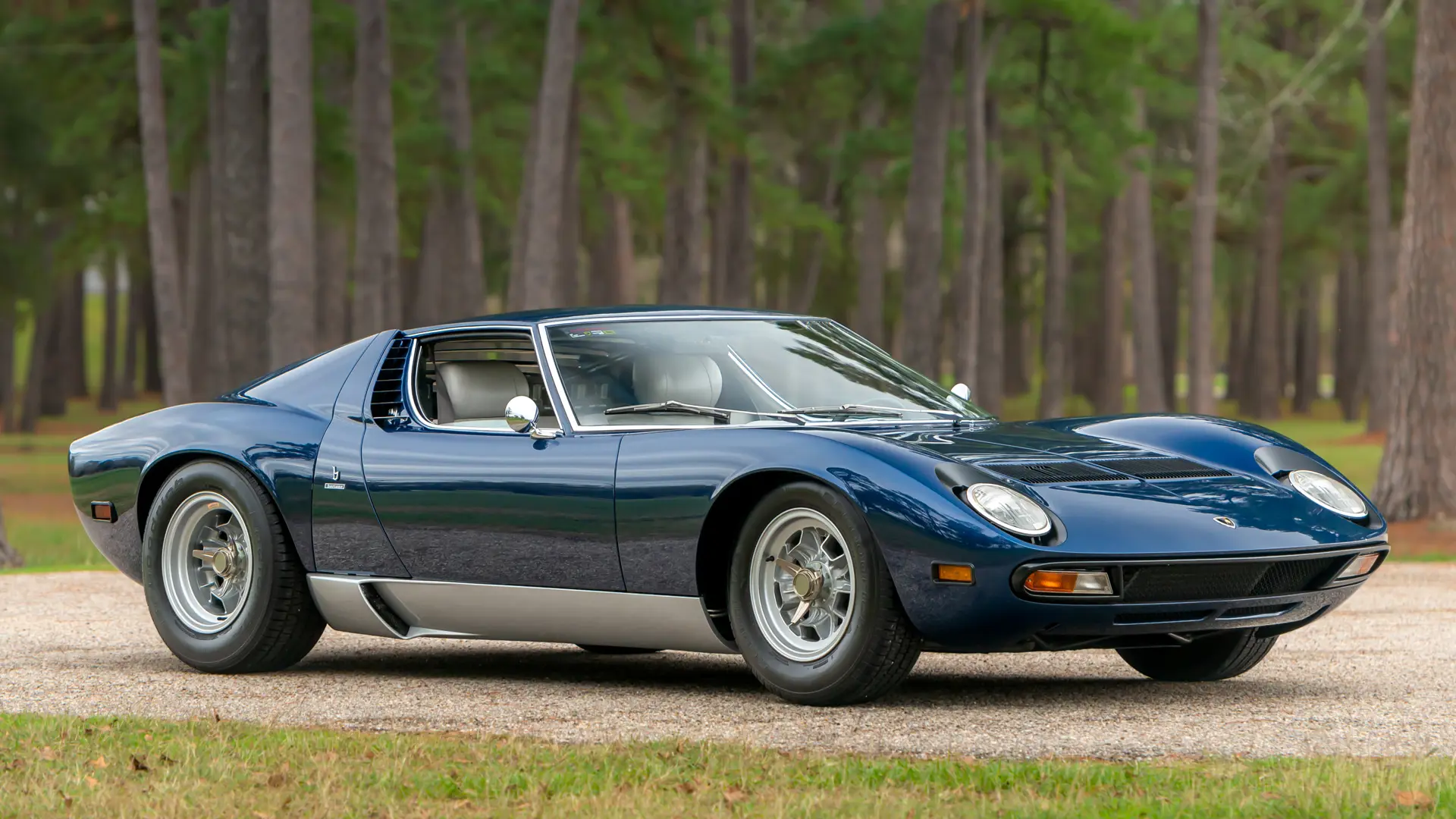
4. Lamborghini Miura
The Lamborghini Miura holds a special position in automotive history because it helped establish the modern supercar category. Introduced in the 1960s, the Miura changed expectations for high-performance vehicles with its mid-engine layout, dramatic styling, and impressive performance capabilities.
Designed by talented engineers and shaped by an iconic appearance, the car quickly became a symbol of innovation. Today, well-preserved Miura examples attract collectors who value its historical importance and unique character. Owners should carefully evaluate the market before considering any sale because this vehicle represents much more than an old automobile.
The rarity of the Lamborghini Miura contributes significantly to its auction value. Production numbers were limited compared with mainstream vehicles, and many examples have changed ownership through private collections over the years.
Cars with original specifications, verified history, and excellent mechanical condition often receive stronger attention from serious buyers. Collectors understand that finding a properly maintained Miura can be challenging. A seller who accepts a quick offer without researching the vehicle’s position in the collector market may lose a valuable opportunity.
The condition and authenticity of a Lamborghini Miura are among the most important factors affecting its price. Specialists examine the engine, chassis, interior, paint quality, and restoration details before determining value. Some restorations can improve desirability when they follow factory standards, while incorrect modifications may reduce collector interest.
Original features and accurate documentation provide confidence to buyers who are willing to invest significant amounts. This is why professional assessments are important before placing such a vehicle for sale.
The emotional connection surrounding the Lamborghini Miura also strengthens its appeal. Many enthusiasts view it as a turning point in sports car design because it introduced ideas that influenced future Lamborghini models and other manufacturers.
Its low profile, aggressive shape, and performance-focused engineering created a new approach to exotic cars. Collectors often seek vehicles that represent important moments in automotive development, and the Miura remains a prime example of that category.
Selling a Lamborghini Miura requires patience and careful preparation. Owners should focus on presenting the vehicle to qualified collectors rather than simply searching for the fastest transaction.
A complete history file, professional photographs, and accurate technical information can help attract serious buyers. Reducing the price too quickly may prevent the car from reaching its proper market value. Rare vehicles often require the right audience and timing to achieve the best possible result.
- Engine: 7.0-liter (428 cubic inch) Cobra Jet V8 petrol engine
- Horsepower: 355 hp (factory rated)
- Torque: 569 Nm
- Length: 4,663 mm
- Width: 1,811 mm
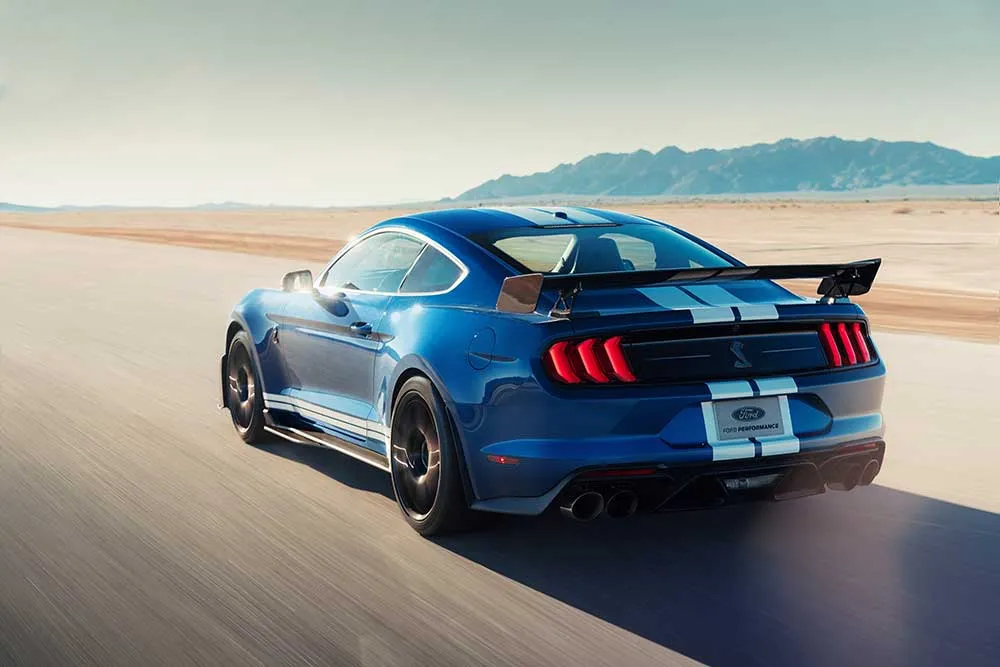
5. Ford Mustang Shelby GT500
The Ford Mustang Shelby GT500 has become a highly recognized performance vehicle with strong appeal among muscle car collectors. Developed through the collaboration between Ford and Carroll Shelby, the GT500 represents American performance engineering, powerful engines, and racing-inspired design.
Certain generations, especially early models from the late 1960s, have gained significant collector interest. These cars combine cultural importance with mechanical capability, making them valuable additions to serious collections.
The history behind the Shelby GT500 plays a major role in its auction value. Vehicles connected with Carroll Shelby’s performance programs carry additional significance because they represent a unique period in American automotive competition.
Collectors often search for examples with original specifications, verified production details, and documented ownership records. A well-preserved GT500 can attract buyers who appreciate both performance and historical background. Selling such a car without proper research can result in accepting far less than its potential worth.
A major factor influencing Shelby GT500 prices is originality. Factory engines, transmissions, body components, and interior features can greatly affect collector interest. Many classic performance cars have been modified over the years, which means untouched examples become increasingly desirable.
Buyers often compare multiple vehicles before making a purchase, and originality can separate an average example from a premium auction vehicle. Owners should understand these differences before deciding on a selling price.
The emotional appeal of the Shelby GT500 also contributes to its strong collector demand. Muscle cars represent a significant part of automotive culture, and the GT500 remains a symbol of power and style.
Many enthusiasts remember these vehicles from their youth or admire their connection to racing history. This emotional connection often influences buying decisions and creates competition among collectors. A vehicle with a strong story can achieve greater attention during an auction.
Owners preparing to sell a Shelby GT500 should focus on documentation and presentation. Service records, restoration details, historical information, and professional inspections can help establish credibility.
- Engine: 3.0-liter twin-turbocharged inline-six (2JZ-GTE) petrol engine
- Horsepower: 276 hp (Japan specification) / up to 320 hp (export specification)
- Torque: 431 Nm
- Length: 4,520 mm
- Width: 1,810 mm
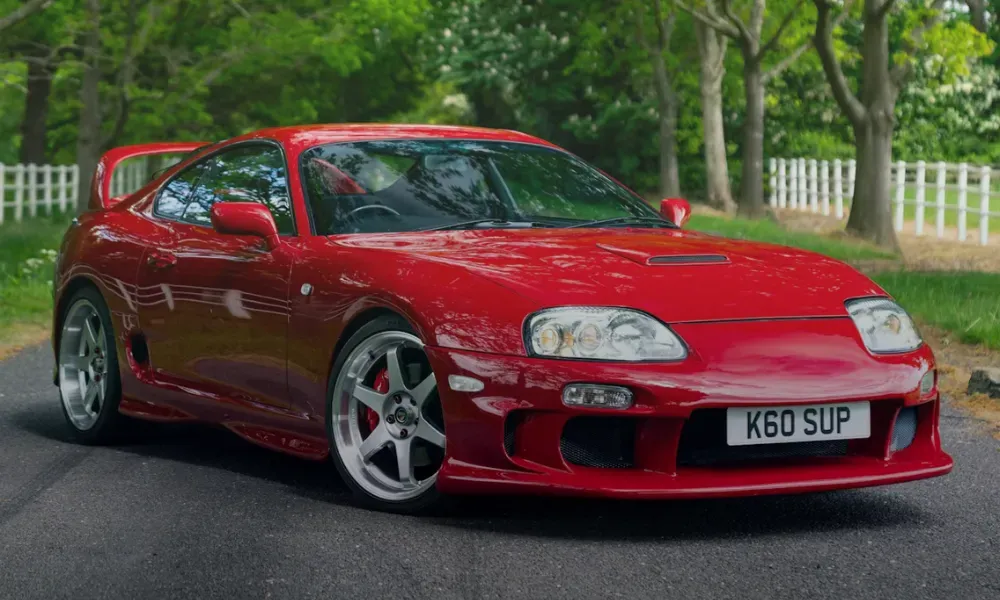
6. Toyota Supra MK4
The Toyota Supra MK4 has developed a strong reputation among sports car enthusiasts due to its performance capabilities, reliability, and cultural influence.
Produced during the 1990s, this generation became famous for its twin turbocharged engine and tuning potential. Over time, the Supra MK4 transformed from a Japanese performance car into a highly desired collector vehicle. Clean, original examples now attract attention from buyers who understand the importance of preserving automotive history.
The value of a Toyota Supra MK4 depends heavily on condition, mileage, and originality. Vehicles that remain close to factory specifications are especially attractive because many examples were modified for racing or tuning purposes.
While modifications can improve performance, collectors often prefer cars that maintain their original character. A well-documented Supra with limited owners and proper maintenance records can achieve stronger interest compared with heavily altered examples.
The influence of the Toyota Supra MK4 extends beyond traditional car collecting. Its appearance in popular media, racing communities, and enthusiast groups increased awareness among younger generations.
This broad recognition created a new wave of demand for clean examples. Many buyers are searching for vehicles that represent a specific era of performance cars, and the Supra MK4 fits that category. This growing interest has helped maintain strong values for exceptional examples.
Auction evaluations for the Supra MK4 usually consider several important areas, including engine condition, body quality, interior preservation, and documentation. Cars with verified histories provide greater confidence because buyers can better understand how the vehicle was maintained.
A seller who ignores these details may struggle to achieve the highest possible price. Preparation and accurate presentation remain essential when dealing with collectible vehicles.
Selling a Toyota Supra MK4 at a low price can be a costly decision, especially when the vehicle has desirable specifications. Owners should research similar examples, understand market demand, and consider professional valuation before accepting offers.
A carefully managed sale can attract enthusiasts who recognize the vehicle’s significance. Patience allows sellers to connect with buyers who appreciate the car’s true value.

- Engine: 2.3-liter naturally aspirated inline-four petrol engine (S14)
- Horsepower: 192 hp (European version) / 200 hp (later versions)
- Torque: 240 Nm
- Length: 4,345 mm
- Width: 1,680 mm
7. BMW M3 E30
The BMW M3 E30 is considered a landmark performance vehicle that helped establish BMW’s reputation in motorsport and enthusiast communities. Originally developed for racing purposes, the E30 M3 combined lightweight construction, precise handling, and engineering focused on performance.
Its connection to touring car competition created a strong foundation for its collector status. Today, excellent examples are highly respected among automotive enthusiasts and should not be sold without careful valuation.
The limited availability of original BMW M3 E30 models increases their desirability. Many vehicles were driven extensively, modified, or used for competition, reducing the number of untouched examples available today.
Collectors often prioritize cars with original parts, complete records, and authentic specifications. A clean example represents a significant piece of BMW history and deserves attention from buyers who understand its importance.
Condition plays a crucial role in determining the auction value of an E30 M3. Experts examine mechanical components, body condition, interior quality, and restoration work before assessing the vehicle. Proper maintenance and careful ownership can preserve value over decades.
Cars that have been neglected or modified incorrectly may lose some appeal, while exceptional examples can attract strong competition among collectors.
The driving experience of the BMW M3 E30 remains a major part of its popularity. Many modern performance cars offer greater power, but enthusiasts appreciate the balance, feedback, and connection provided by this classic model.
Its motorsport background creates a unique identity that separates it from ordinary vehicles. Collectors often seek cars that provide an engaging experience along with historical importance.
Owners planning to sell a BMW M3 E30 should avoid making decisions based only on short-term offers. A professional evaluation can reveal important details about the vehicle’s condition and market position.
Proper advertising, accurate information, and targeting the right audience can improve the chances of achieving a fair price. Rare performance vehicles deserve a selling approach that matches their reputation.
- Engine: 4.0-liter naturally aspirated inline-six petrol engine
- Horsepower: 282 hp
- Torque: 390 Nm
- Length: 4,570 mm
- Width: 1,680 mm
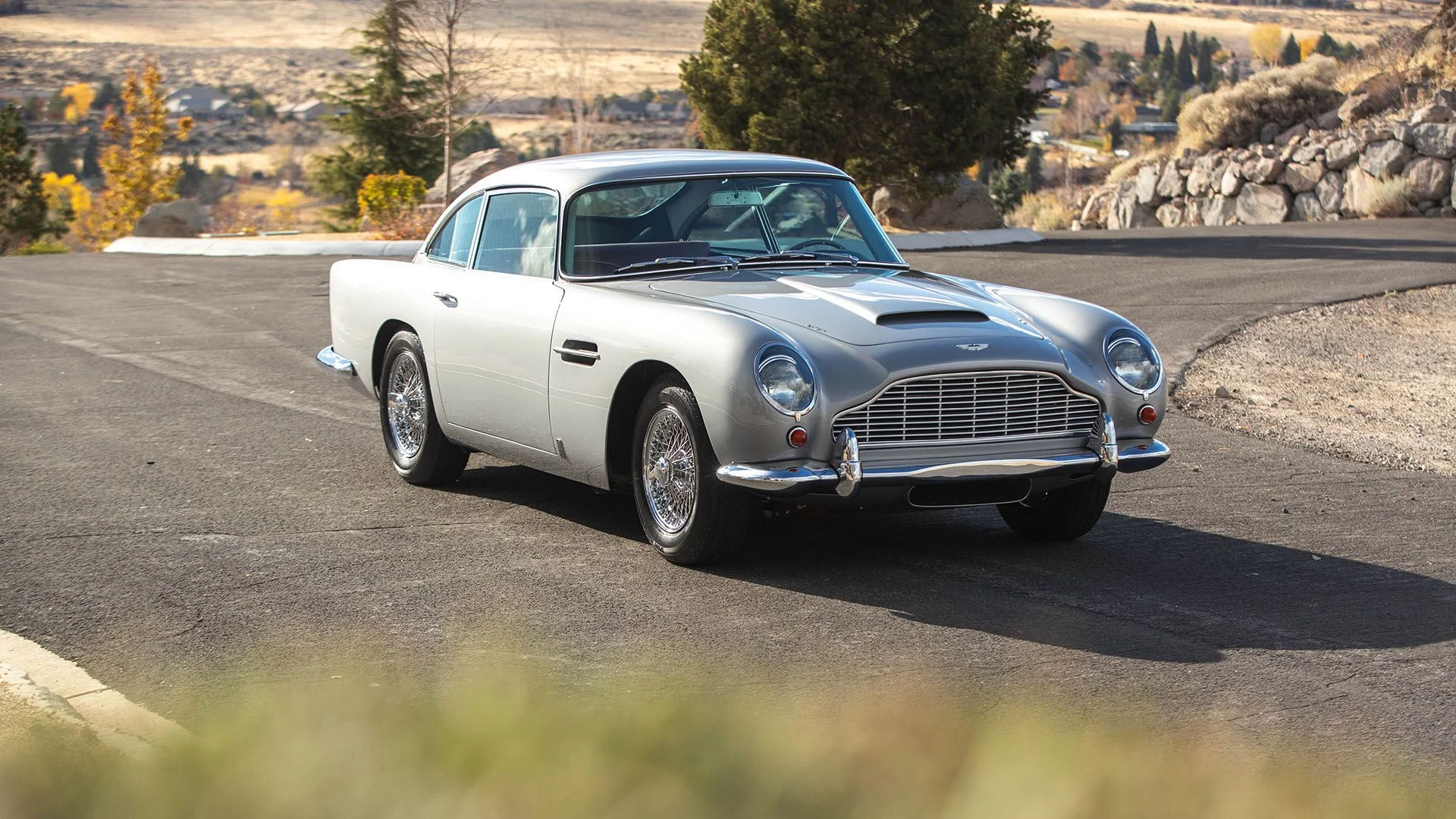
8. Aston Martin DB5
The Aston Martin DB5 represents elegance, craftsmanship, and British automotive heritage. Introduced during the 1960s, the DB5 gained worldwide recognition through its sophisticated design and association with popular culture.
Its combination of luxury, performance, and timeless styling has made it a favorite among collectors. Well-maintained examples continue to attract significant attention because they represent an important era of grand touring vehicles.
The rarity of the Aston Martin DB5 contributes to its strong collector demand. Limited production numbers and careful craftsmanship make surviving examples highly desirable.
Vehicles with original features, complete documentation, and professional restoration work often receive stronger interest from buyers. Collectors appreciate cars that maintain their historical identity and reflect the quality standards of their original production period.
The connection between the DB5 and automotive culture has strengthened its reputation over many decades. Its recognizable appearance and association with famous films helped introduce the model to audiences worldwide.
This recognition created lasting enthusiasm among collectors and enthusiasts. A vehicle with such cultural importance can maintain demand because its appeal extends beyond traditional car ownership.
Auction specialists carefully examine DB5 examples before determining their value. Factors such as authenticity, mechanical condition, restoration quality, and ownership history all influence pricing.
A poorly prepared sale may fail to highlight the vehicle’s strongest qualities. Sellers should provide detailed information and allow interested buyers to understand why the car deserves a premium valuation.
Selling an Aston Martin DB5 requires careful consideration because these vehicles represent automotive history. Owners should avoid accepting lower offers without understanding the market and the qualities that influence collector pricing.
Professional preparation, correct timing, and reaching the right audience can help achieve a result that reflects the vehicle’s true importance.
Also read: 5 Touring Bikes That Reach 100K Miles and 5 That Don’t
