
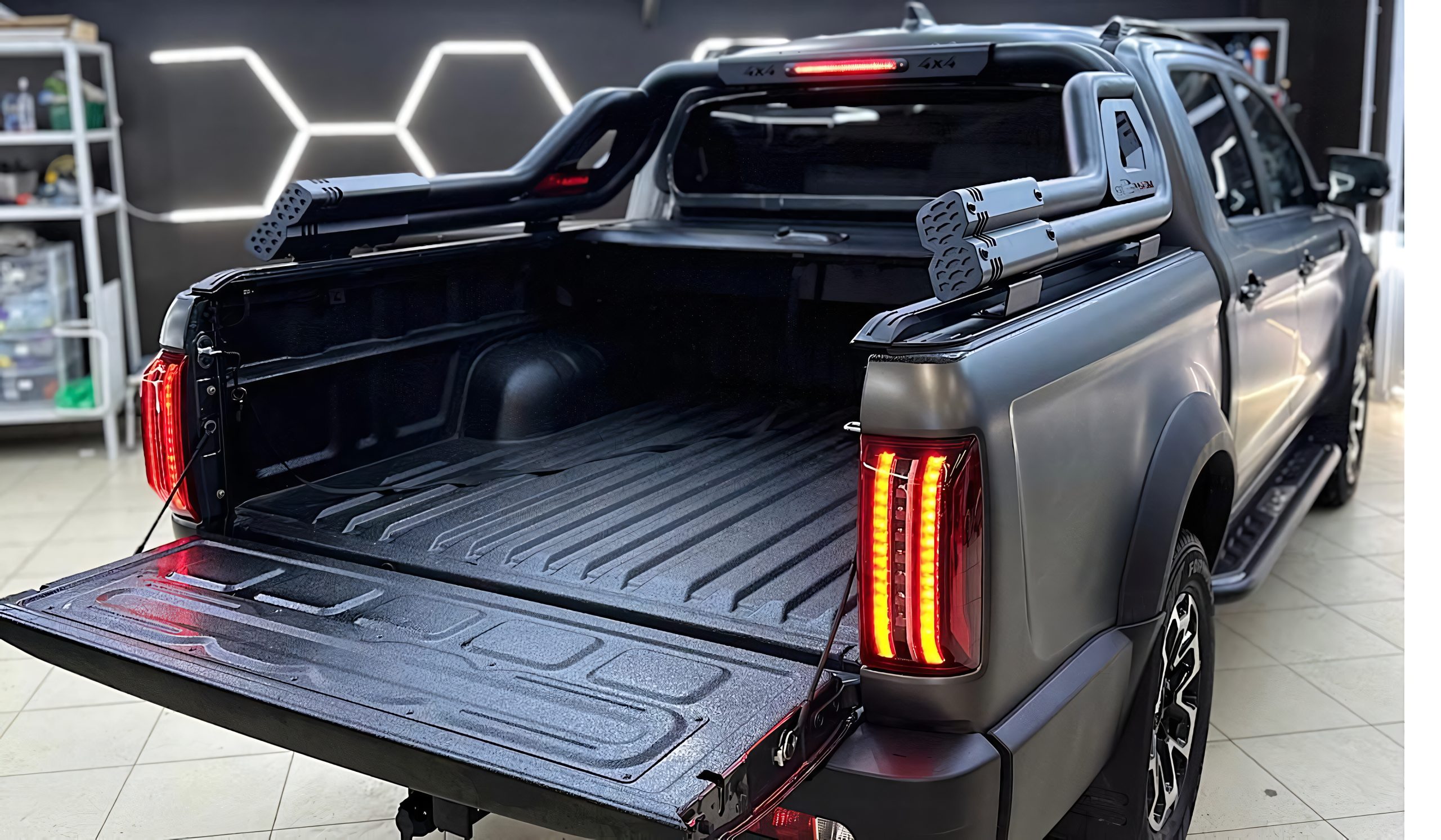
Truck owners often spend significant amounts on accessories to improve appearance, storage, comfort, and performance. From bed covers and suspension kits to lighting systems and exterior upgrades, accessory prices can vary widely between sellers. Some dealers provide fair pricing, while others add large markups that increase the final cost for customers.
Understanding how truck accessory pricing works helps buyers make smarter decisions before making purchases. Knowing which types of accessories commonly receive higher markups allows truck owners to compare options, negotiate better deals, and avoid unnecessary expenses when customizing their vehicles for personal or professional use.
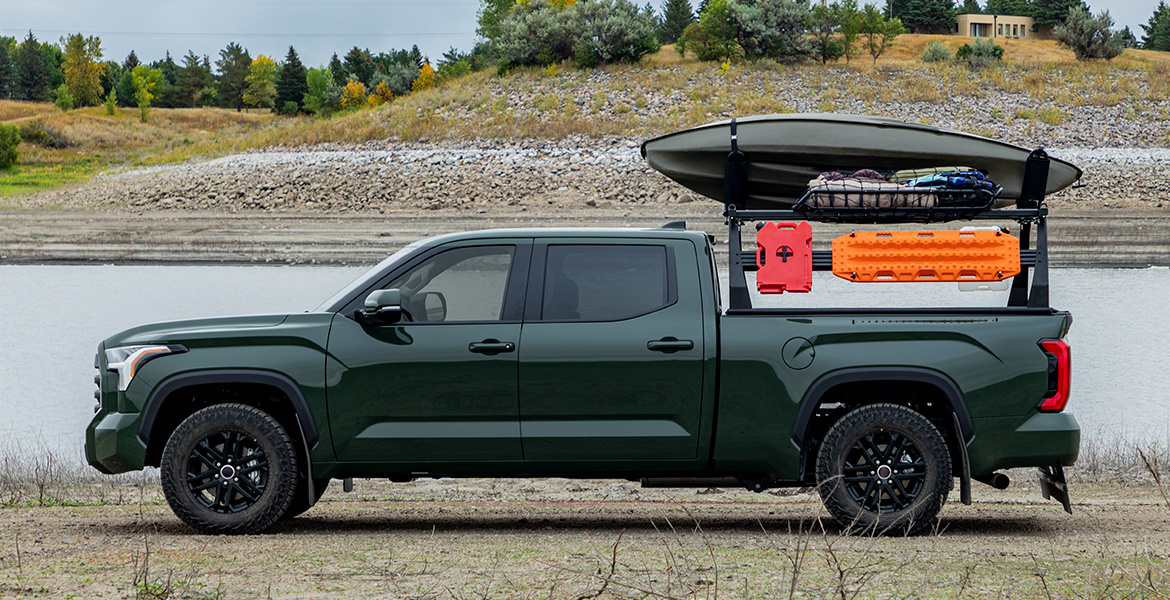
1. Truck Bed Cover Dealers Often Apply High Markups
Truck bed covers are among the most popular accessories because they protect cargo and improve the appearance of pickup trucks.
Available options include soft roll-up covers, hard folding covers, retractable designs, and heavy-duty models. Since many truck owners consider bed protection an important investment, some dealers take advantage of strong demand by adding significant margins to these products.
The manufacturing cost of a bed cover can vary depending on materials, design complexity, and security features. Aluminum panels, weather-resistant seals, locking systems, and advanced folding mechanisms increase production expenses.
However, the difference between manufacturing cost and retail pricing can sometimes be large. Dealers may increase prices further when offering installation packages, especially for customers who prefer professional fitting instead of installing the product themselves.
Brand reputation plays a major role in bed cover pricing. Well-known manufacturers often charge premium prices because they have established reliability and warranty programs. Some dealers focus heavily on these brands because customers recognize the names and may not question higher prices.
While premium products can provide excellent durability, buyers should compare similar features across multiple brands before deciding.
Installation charges are another area where customers may experience higher costs. A bed cover installation is usually simpler than many mechanical upgrades, yet some dealerships charge substantial labor fees.
Customers should ask whether installation is included, how long the process takes, and whether the labor cost matches the complexity of the work. These questions can prevent unexpected expenses.
Buying directly from accessory retailers or comparing online prices can reveal significant differences in cost. Many truck owners discover that the same bed cover model may be available at different prices depending on the seller.
Dealers can still be a good choice when they provide reliable installation and support, but buyers should understand the product’s average market value before paying a premium.
2. Wheel and Tire Package Dealers Can Add Large Margins
Custom wheels and tires are among the most noticeable truck upgrades, making them highly attractive to owners who want improved style or off-road capability. Because appearance plays a major role in purchasing decisions, some dealers apply higher markups to wheel and tire packages. Customers may focus on the final look of the truck rather than comparing individual product costs.
Wheel pricing depends on factors such as size, material, design, and manufacturing quality. Alloy wheels, forged wheels, and specialized off-road designs can have different production expenses.
Dealers often combine wheels and tires into complete packages, making it harder for customers to identify the separate cost of each component. Breaking down the package price helps buyers understand where the money is being spent.
Tire selection also affects the total cost. Off-road tires, all-terrain models, and performance tires often carry higher prices because of specialized designs and stronger construction.
Some dealers recommend upgraded tires with wheel packages, even when customers may not need those features. Understanding driving habits and actual requirements can prevent paying for equipment that provides limited practical value.
Installation services, balancing, alignment, and additional hardware can increase the final bill. These services are necessary for proper installation, but pricing can vary between sellers. A customer should request a detailed quote that separates product costs from labor and additional fees. This makes it easier to compare offers from different sources.
Wheel and tire upgrades can transform a truck, but they require careful planning. Buyers should consider factors such as fuel economy, ride comfort, tire replacement costs, and compatibility with their vehicle. A lower initial price does not always represent the best choice, but paying a high markup without understanding the value can lead to unnecessary spending.
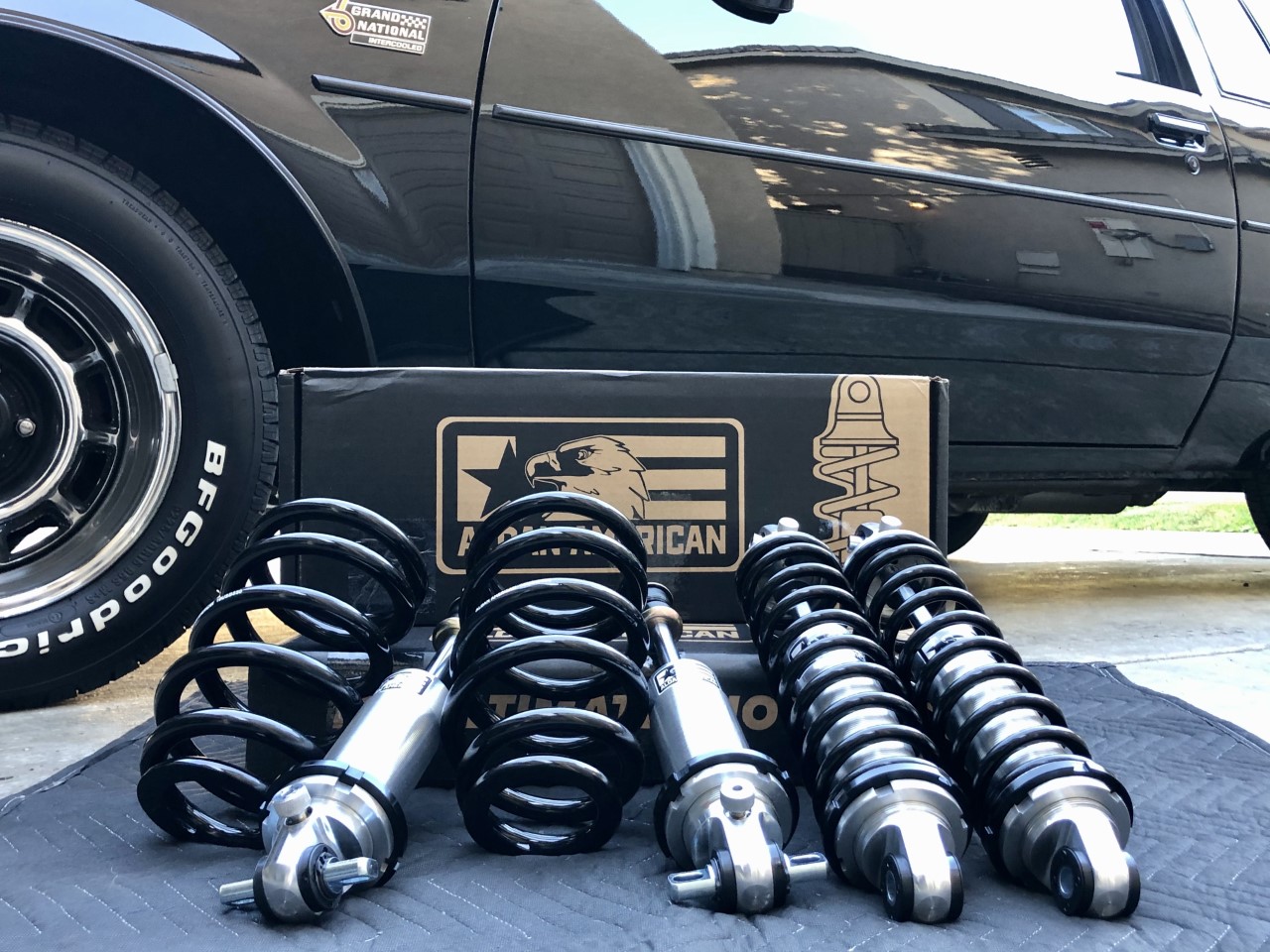
3. Suspension Upgrade Dealers May Charge Premium Prices
Suspension upgrades are popular among truck owners who want better ground clearance, improved off-road ability, or a more aggressive appearance.
Lift kits, leveling kits, upgraded shocks, and heavy-duty suspension components can significantly change how a truck performs. Since suspension work requires technical knowledge and specialized installation, some dealers apply higher markups to both products and labor services.
Suspension components vary greatly in design and quality. Basic leveling kits may have relatively simple components, while complete lift systems can include springs, shocks, control arms, brackets, and other hardware.
Dealers may recommend full packages because they create larger sales opportunities. While complete systems can offer advantages, customers should understand which parts are necessary for their driving needs before accepting a package.
Labor costs often contribute heavily to suspension upgrade pricing. Installation can require several hours of work, specialized tools, and alignment adjustments. A professional installation can be valuable because incorrect installation may affect handling, tire wear, and vehicle safety.
However, some dealers charge rates that exceed the actual complexity of the job, especially when customers are unfamiliar with suspension systems.
Suspension upgrades also involve additional expenses that buyers may not consider initially. Larger tires, alignment services, replacement parts, and maintenance requirements can increase the total ownership cost.
Dealers may focus on the immediate appearance benefits while giving less attention to long-term expenses. A knowledgeable buyer should consider the complete financial impact before choosing an upgrade.
Comparing prices from multiple installation shops is an effective way to understand fair market costs. Customers should ask for detailed quotes that include parts, labor, alignment, and any additional services. A reputable dealer will explain the benefits and limitations of different suspension options rather than simply recommending the most expensive package available.
4. Truck Lighting Dealers Often Increase Prices on Premium Systems
Truck lighting accessories have become increasingly popular because they improve visibility and add a customized appearance. LED light bars, fog lights, auxiliary lights, tail light upgrades, and interior lighting kits are common choices among truck owners. These products often have strong profit potential because customers are attracted to modern designs and enhanced features.
Lighting technology has advanced significantly, with LED systems offering better efficiency and longer service life compared with older lighting options. However, pricing differences between brands can be substantial.
Some premium lighting products justify higher prices through better construction, stronger weather resistance, and improved performance. Other products may carry high prices mainly because of branding and dealer pricing strategies.
Installation can also increase the total cost of lighting upgrades. Wiring, mounting brackets, switches, and electrical adjustments may require professional knowledge.
Dealers often bundle installation with the product, creating a single package price that may hide individual costs. Asking for an itemized estimate allows customers to determine whether the installation fee is reasonable.
Some lighting accessories have large profit margins because customers may not know the technical differences between products. Brightness ratings, durability standards, waterproof ratings, and warranty coverage are important factors when comparing options. A lower-priced product with suitable specifications may perform just as well as a premium model for many drivers.
Truck owners should choose lighting upgrades based on actual usage. A vehicle used for regular highway driving may not require the same lighting setup as a truck used for frequent off-road trips. Dealers may promote advanced systems because they increase sales, but customers benefit from selecting products that match their driving conditions.

5. Interior Accessory Dealers Can Mark Up Convenience Products
Interior truck accessories are often purchased because they improve comfort, organization, and protection. Floor mats, seat covers, storage organizers, dash accessories, and electronic upgrades are common purchases. These items may appear affordable individually, but dealer markups can increase costs significantly when multiple products are added together.
Floor protection products are a common example of accessories with varying price differences. Custom-fit mats designed specifically for truck models often cost more than universal versions because they provide better coverage and fit. However, some dealers charge premium prices even when similar products with comparable materials are available elsewhere.
Seat covers and interior protection products also provide opportunities for higher margins. Many buyers want durable materials that protect their truck from daily wear, outdoor activities, or work-related use.
Dealers may recommend expensive options with features that exceed what most users actually need. Understanding material quality, warranty terms, and maintenance requirements helps buyers choose appropriately.
Electronic accessories such as phone mounts, charging systems, upgraded audio components, and display enhancements can also carry higher markups.
Technology products change quickly, and some dealers use convenience and installation support as reasons for increased pricing. Customers should compare specifications carefully because similar features may be available at different price points.
Interior accessories can improve the ownership experience, but buyers should prioritize practical benefits. Purchasing every available upgrade can quickly increase spending without creating meaningful improvements.
A planned approach focused on comfort, protection, and daily use usually provides better value than buying accessories based only on appearance or sales recommendations.
6. Protective Exterior Accessories May Have Inflated Pricing
Exterior protection accessories are designed to help trucks handle demanding conditions while maintaining appearance. Items such as grille guards, brush guards, mud flaps, rock sliders, and protective coatings are popular among owners who use their vehicles for work or outdoor activities.
These products can have higher dealer margins because customers often view them as necessary investments.
Materials and construction methods influence the cost of exterior protection products. Heavy-duty steel components, corrosion-resistant finishes, and vehicle-specific mounting systems can increase manufacturing expenses.
However, some dealers add substantial profit margins because customers may believe higher prices automatically mean stronger protection. Buyers should research product specifications rather than focusing only on price.
Protective coatings are another category where pricing varies widely. Paint protection films, ceramic coatings, and surface treatments can range from affordable options to expensive professional packages.
The final price often includes preparation work, application time, and warranty coverage. Customers should understand exactly what service is being provided before accepting a quote.
Exterior accessories are frequently marketed through visual appeal. A truck equipped with a grille guard, upgraded steps, or protective equipment can look more capable and customized.
Dealers may use this emotional connection to encourage additional purchases. While appearance matters, buyers should consider whether the accessory provides useful protection or mainly changes the truck’s style.
Careful comparison helps prevent unnecessary spending on exterior upgrades. Customers should review installation quality, material durability, and product reviews before making decisions. A well-priced accessory from a reliable manufacturer can provide better value than an expensive product with limited advantages.
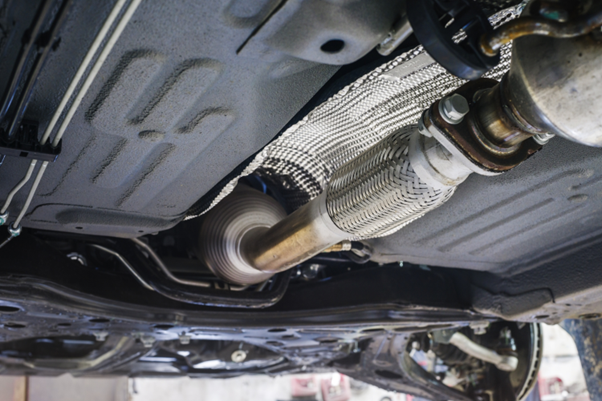
7. Exhaust System Dealers May Apply Significant Price Increases
Exhaust upgrades are popular among truck owners who want improved sound, appearance, or performance characteristics. Cat-back systems, mufflers, exhaust tips, and complete replacement systems are commonly sold through accessory dealers. Because exhaust modifications are often connected with performance goals, some sellers use customer interest in power improvements to justify higher pricing.
The cost of an exhaust system depends on materials, design, manufacturing quality, and brand reputation. Stainless steel systems generally cost more because they provide better resistance against corrosion and are designed for longer service life.
However, the difference between production costs and dealership prices can become substantial when installation and additional services are included.
Dealers may increase exhaust pricing by promoting premium features that may not be necessary for every truck owner. For example, a customer who mainly uses a truck for commuting may not require an advanced performance exhaust system designed for demanding conditions.
Understanding personal driving habits helps buyers avoid spending money on upgrades that provide limited practical benefits.
Installation charges can also affect the final price of exhaust upgrades. While some systems are designed for easier installation, others require specialized equipment and additional modifications.
Dealers may charge higher labor fees because exhaust work involves vehicle access, fitting adjustments, and testing. A detailed estimate can help customers determine whether the labor cost matches the complexity of the project.
Sound preferences also influence exhaust purchases. Some truck owners want a louder, more aggressive tone, while others prefer a quieter driving experience.
Dealers may encourage higher-priced systems based on style and performance claims. Buyers should research sound levels, legal requirements, and long-term maintenance needs before choosing an exhaust upgrade.
Comparing exhaust options from multiple sources can reveal significant price differences. Customers should consider the complete package, including parts, installation, warranty, and future maintenance. A reliable system installed correctly may provide good value, but paying a large markup without understanding the product can result in unnecessary expenses.
8. Dealer Installed Technology Packages Often Carry Large Markups
Modern truck owners increasingly choose technology upgrades that add convenience and connectivity. Backup cameras, navigation systems, security equipment, remote starters, wireless charging solutions, and advanced audio upgrades are commonly offered through accessory departments. These products can carry high markups because many buyers value convenience and prefer professional installation.
Technology accessories often have complicated pricing structures. A product price may include hardware, software integration, installation, programming, and support services.
Dealers sometimes combine these elements into packages that appear convenient but make it difficult for customers to compare individual costs. Reviewing each component separately can reveal whether the package offers fair value.
Electronic installations require technical knowledge, which allows dealers to charge additional labor fees. Proper wiring, compatibility checks, and system integration are important for avoiding problems.
Professional installation can provide benefits, but customers should understand what services are included in the quoted price. A high installation fee does not always indicate better service quality.
Brand partnerships can also influence technology accessory pricing. Some dealers prefer specific suppliers because of compatibility, warranty agreements, or sales arrangements. While branded systems may provide reliable performance, buyers should compare features with alternative options. Many technology products offer similar functions at different price levels.
Technology upgrades should be selected based on actual needs rather than every available feature. A driver who rarely uses advanced navigation or entertainment functions may not benefit from an expensive upgrade package.
Smart purchasing involves identifying useful features, comparing prices, and avoiding unnecessary additions that increase the total cost of truck ownership.
Also read: 5 Touring Bikes That Reach 100K Miles and 5 That Don’t
