
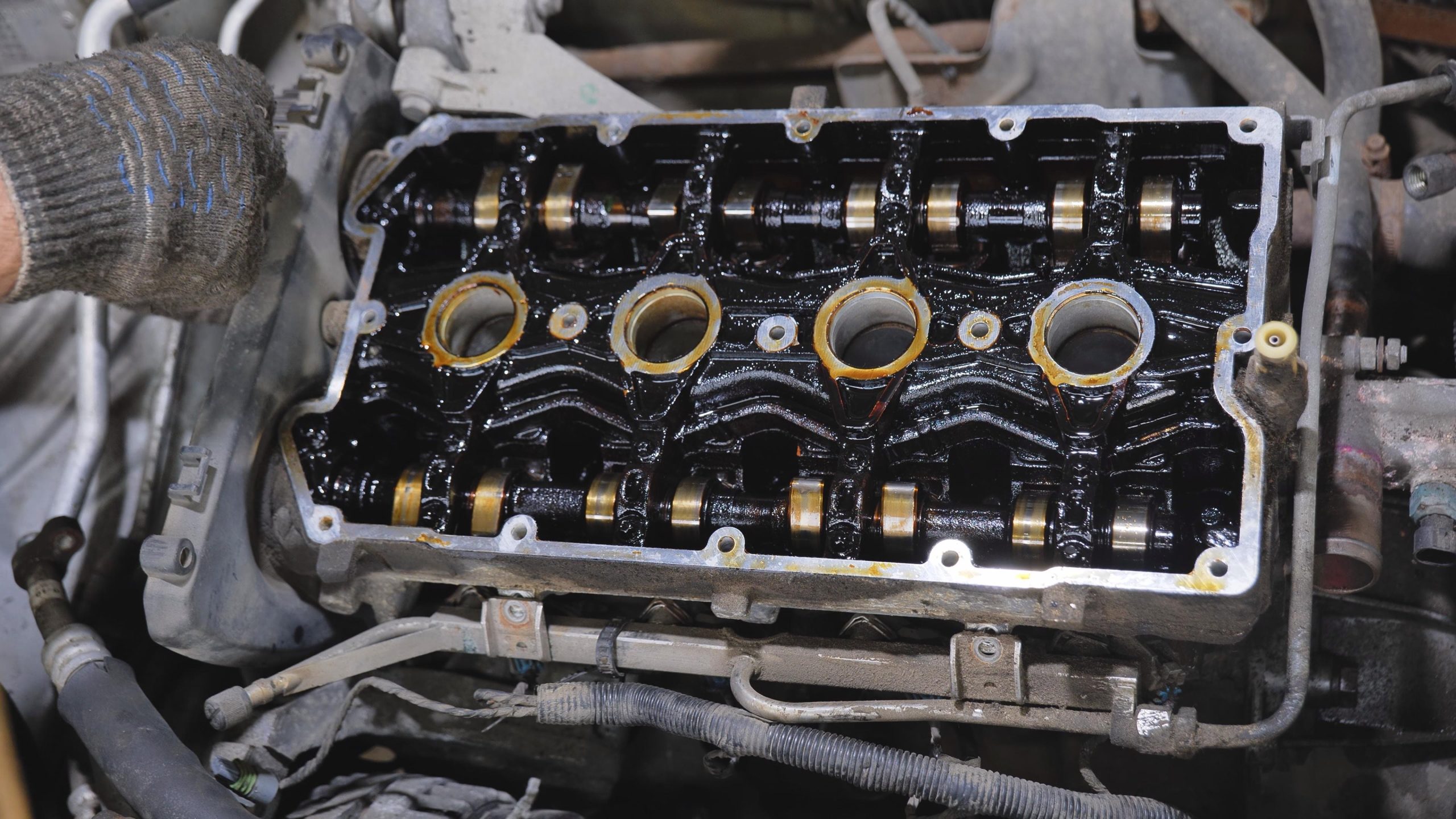
Not every engine failure comes from a crash or a blown head gasket. Some engines are simply born flawed. Their oil passages are too narrow, their crankcase ventilation is poorly routed, or their cooling systems leak coolant straight into the crankcase.
Over time, heat cooks the oil into a thick, tar-like sludge. That sludge coats galleries, camshaft towers, and pickup screens until oil simply cannot reach moving parts.
The results are catastrophic: seized bearings, snapped camshafts, and engines that die well before their time. What makes this failure mode so dangerous is that it often hides in plain sight. Oil pressure looks fine on the gauge until suddenly it isn’t.
Owners who followed factory-recommended intervals still got burned, because factory intervals were sometimes part of the problem. Below are eight engines with documented histories of oil-passage clogging by roughly 150,000 miles, or well before it in the worst cases. Each one became notorious enough to trigger lawsuits, extended warranties, or industry-wide reputational damage.
This is not a list of engines ruined by neglect alone. These are designs where geometry, chemistry, or cost-cutting turned ordinary driving into a slow-motion internal disaster.
1. Toyota 1MZ-FE 3.0L V6 (1997–2002)
Toyota’s 3.0-liter V6 sits at the center of the industry’s most famous sludge scandal. Sludge formed in the oil pan and clogged the pickup tube strainer. This buildup could lead to loss of oil pressure and serious engine damage.
The problem was so widespread that Toyota quietly settled a class-action lawsuit covering about 3.5 million Toyota and Lexus vehicles potentially damaged by engine oil sludge.
Toyota never admitted design fault outright. The automaker maintained the problem stemmed mainly from owners not changing oil frequently enough.
Yet Toyota also quietly redesigned the engine. Toyota made a running production change to improve oil circulation, letting oil drain faster into the sump an implicit admission that engine design played a role.
Under the cam cover, a baffle system trapped heat and moisture. That combination cooked oil into varnish long before 150,000 miles arrived. Sister engine 5S-FE, a 2.2-liter four-cylinder, suffered the identical fate in Camrys and other models from the same era.
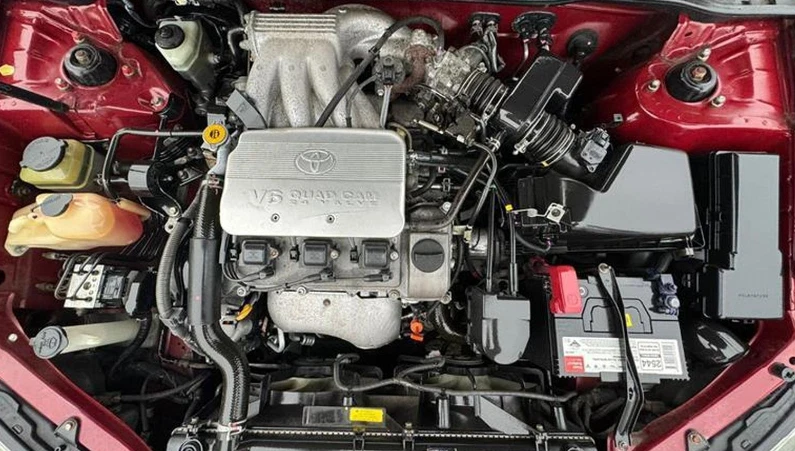
Mechanics who’ve opened these engines describe carbon deposits resembling the aftermath of a forest fire, with heavy black carbon clogging every gap and every oil passage.
Toyota extended warranty coverage to 8 years regardless of mileage, but only for specific model years. Owners just outside that window were left to pay for engine replacements themselves.
Maintaining these engines required an aggressive maintenance schedule that far exceeded standard factory recommendations, forcing owners to shorten oil change intervals significantly just to keep the internal lubrication pathways clear of thick, destructive varnish deposits.
The fundamental flaw highlights how thermal management and crankcase ventilation play a massive role in preserving engine longevity over hundreds of thousands of miles of driving.
When internal heat cannot escape efficiently, engine oil begins to break down chemically, transforming from a slippery protective liquid into a tar-like sludge that chokes vital oil passages.
This catastrophic chain reaction ultimately serves as a cautionary tale for modern powertrain engineers regarding the critical balance between emission standards, operating temperatures, and robust oil circulation designs.
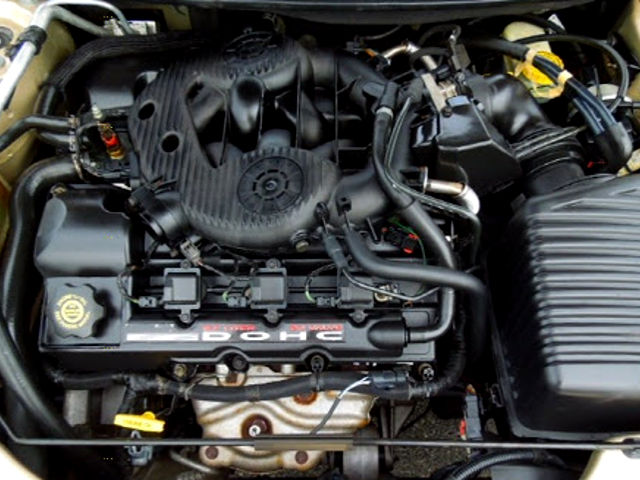
2. Chrysler 2.7L V6 (1998–2004)
Few engines earned a worse reputation than Chrysler’s compact 2.7-liter V6, found in the Intrepid, Concorde, Sebring, and Stratus. The core problem was a water pump mounted inside the engine. Because it sat internally, any water pump failure that caused a leak sent coolant directly into the engine’s oil supply.
That coolant-oil mixture destroyed lubrication almost immediately. Once this occurred, the oil’s ability to lubricate was ruined, which could then cause engine seizure.
Tight tolerances made things worse. Small tolerances meant small oil passageways, setting the stage for sludge to accumulate and block flow. Oil capacity was also undersized for the engine’s heat output. An insufficient oil capacity compounded the sludging problem, and the engine ran at unusually high operating temperatures.
Cars failed shockingly early. Vehicles began breaking down with as few as 20,000 miles on the odometer. By 150,000 miles, an unmaintained 2.7 was often already on its second engine. Chrysler denied most warranty claims, blaming owners instead of the design.
The failures were so damaging that they pushed Chrysler toward building the far more reliable Pentastar V6 that followed years later. The inclusion of an internal water pump stands out as one of the most mechanically flawed engineering decisions in modern automotive history, directly jeopardizing the entire crankcase whenever a simple cooling component reached the end of its lifespan.
Beyond the internal coolant leak risk, the engine’s predisposition toward rapid oil breakdown meant that even vehicles with diligent service records could fall victim to sudden blockages in the narrow oil feed lines.
As varnish accumulated around the valve train and main bearings, oil starvation would quietly destroy internal components long before the odometer approached the milestone 150,000-mile mark.
This notorious powertrain ultimately reshaped how consumers viewed reliability and forced manufacturers to prioritize safer external accessory designs in subsequent generations of mid-size sedans.
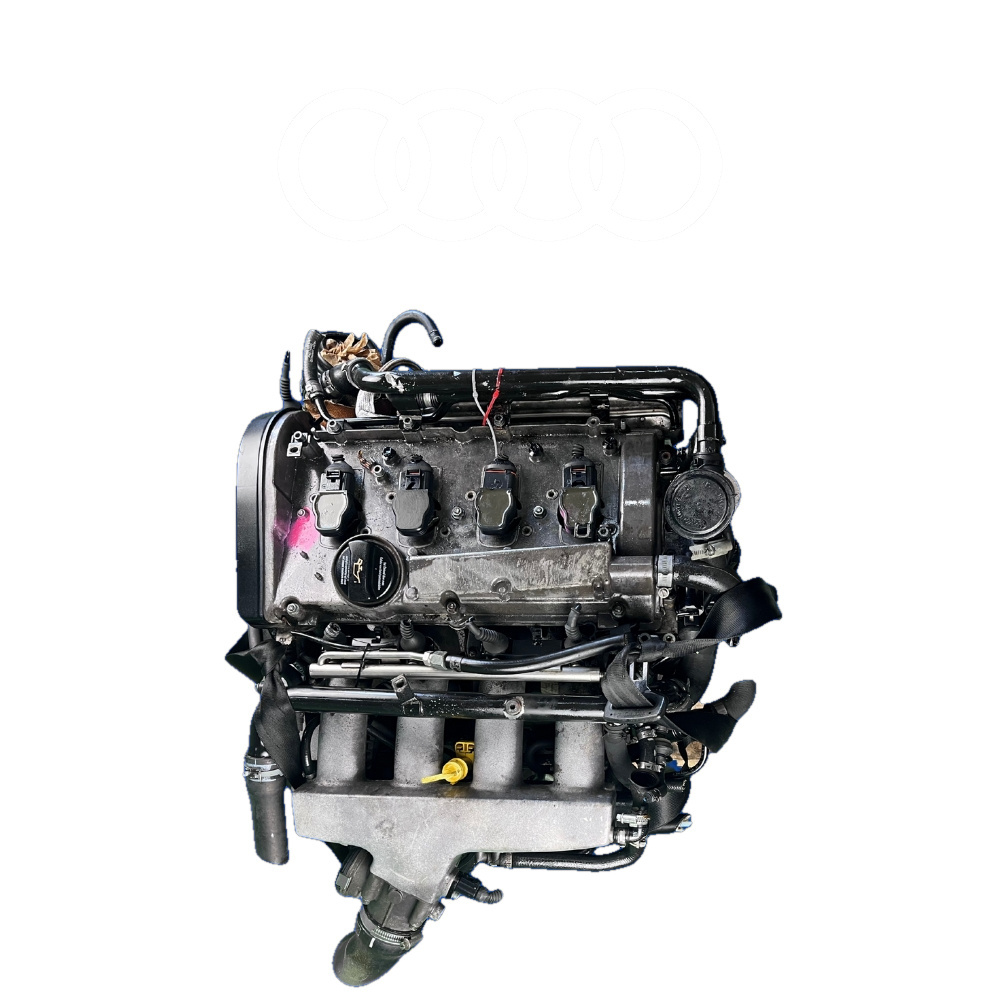
3. Volkswagen/Audi 1.8T (1996–2005)
VW and Audi’s turbocharged 1.8-liter engine powered nearly every compact model the brands sold in the late ’90s and early 2000s. Its biggest weakness was a tiny oil sump paired with a hot-spinning turbo. From 1997 to 2005, VW built this engine with a tiny 3.7-quart oil capacity.
That small volume left almost no safety margin. Turbochargers run hot, and combining that heat with an undersized oil supply created serious trouble for owners. Sludge would clog the turbo’s oil feed line specifically. Sludge could clog vital oil lines, starving the turbo of the lubrication it needs to function.
Longitudinal applications suffered worse than transverse ones. Longitudinal 1.8T cars, like the Passat and Audi A4, proved the most sludge-prone and gave VW and Audi their reputation for the problem.
Volkswagen eventually admitted fault. The automaker extended warranties on some models to 8 years or unlimited mileage in 2004. But the fine print stung owners badly. Adequate maintenance documentation had to be essentially perfect, and missing even one oil-change receipt meant a denied claim.
Repair bills for sludge-damaged 1.8Ts routinely ran between $4,000 and $8,000 per vehicle. The intense thermal stress generated by the turbocharger unit placed unique demands on the engine oil, requiring synthetic formulations long before they became a universal industry standard.
When owners used conventional oils or stretched their maintenance intervals, the extreme heat directly above the exhaust manifold baked the fluid into carbon, narrowing the oil feed line until oil pressure dropped to zero.
This vulnerability meant that even well-designed performance engines could suffer premature failure if they lacked adequate fluid volume to buffer against thermal breakdown.
Mechanics frequently found that clearing the oil pickup tube was only a temporary fix if the delicate turbo bearings had already sustained internal scoring from oil starvation.
Ultimately, the 1.8T generation taught both manufacturers and enthusiasts a hard lesson about the absolute necessity of generous fluid capacities and synthetic lubrication in small-displacement forced-induction powerplants.
4. BMW N62 4.4L/4.8L V8 (2001–2010)
BMW’s naturally aspirated V8 powered the 7 Series, 5 Series, X5, and 6 Series through the 2000s. Sludge crept in through neglected service intervals combined with a complex design.
Sludge can block oil passages, leading to inadequate lubrication and potential engine damage, and owners are advised to change oil every 7,500 miles or sooner in severe conditions.
The N62’s crankcase ventilation added another failure point. Each valve is equipped with membranes for the ventilation system, and when they fail, the engine draws oil vapor into the intake system.
Cooling system weaknesses compounded the risk. The engine is known for susceptibility to coolant leaks, which can cause overheating and, in severe cases, engine failure.
Owner data paints a rough picture even short of sludge. Roughly 30 percent of N62B44 owners report oil leaks within the first 100,000 miles, with excessive consumption noted in about 25 percent of vehicles.
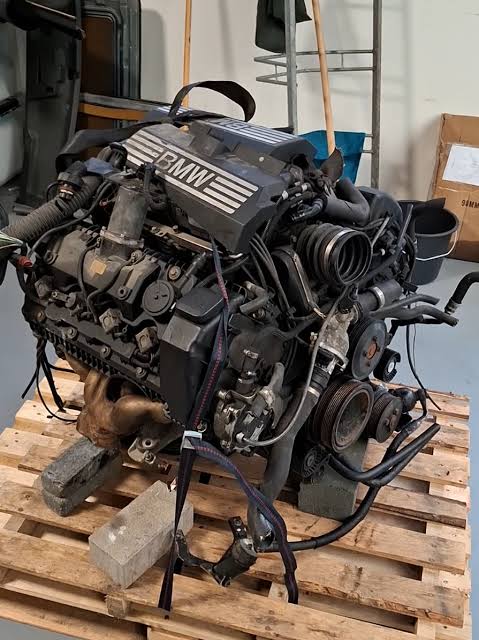
By 150,000 miles, cars that skipped even one or two service intervals often showed thick deposits inside the valve covers and cam towers. Engineering a high-performance luxury V8 requires meticulous attention to thermal management, and the N62 struggled under the hood of heavy executive sedans and SUVs due to high operating temperatures.
These raised temperatures accelerated the degradation of rubber seals and gaskets, turning external oil leaks into a standard maintenance hazard while simultaneously baking residual oil inside the cylinder heads.
The complexity of the variable valve timing system and internal oil routing meant that any accumulation of sludge would immediately disrupt fine hydraulic adjustments, triggering erratic engine timing and fault codes.
Drivers who failed to heed early warnings often faced extensive engine overhauls or costly component replacements long before reaching the end of the vehicle’s design lifecycle.
This sophisticated powertrain remains a prime example of how German luxury engineering frequently traded long-term maintenance simplicity for immediate performance and technological innovation.
Also Read: What a Toyota Tacoma Costs to Own for Five Years
5. Dodge/Jeep 4.7L PowerTech V8 (1999–2007)
Chrysler’s 4.7-liter SOHC V8 replaced the aging 5.2-liter engine in Dodge Dakotas, Durangos, Rams, and Jeep Grand Cherokees. Its central cam bearing tower ran extremely hot between the two exhaust ports. Over time this area cooks the oil, building sludge until it clogs the oil passage, causing bearings to seize and camshafts to break.
Cylinder head passages made things worse. Sludge clogs small oil passages, starving upper engine components like the camshafts and valve train of lubrication, leading to increased friction, heat, and premature wear.
Real-world failures came early. Owners complained of sudden oil pressure loss with as little as 36,000 miles on the engine, and internal inspection revealed sludge.
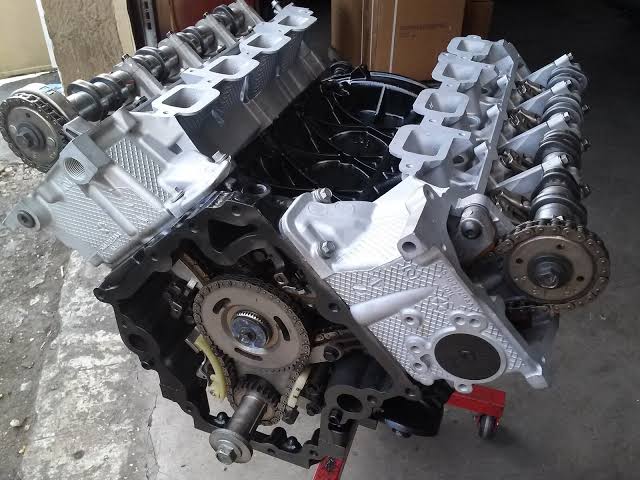
Overheating events compounded the damage. Reduced cooling capacity stresses oil, raises internal temperatures, and shortens component life, with many later failures tracing back to an earlier overheating event.
Not every 4.7 sludges up. Well-maintained examples have crossed 150,000 miles cleanly. But the design leaves almost no room for skipped oil changes.
When sludge accumulates in the narrow oil passages of the cylinder head, cleaning is often not enough to restore proper lubrication. In many cases, replacing the cylinder heads becomes the only effective solution. The PowerTech engine’s compact design created areas where heat could build up more easily, placing greater demands on the lubrication system. These conditions became even more severe during heavy towing or frequent stop-and-go driving.
Because heat dissipation around the upper valvetrain was inherently restricted, the engine oil in those critical areas was subjected to punishing temperatures that broke down its chemical structure far quicker than standard service intervals anticipated.
This localized breakdown meant that even when the oil in the lower pan appeared clean, the oil cycling through the cylinder heads was actively coking and turning into hard varnish.
Mechanics frequently noted that trying to flush these engines after severe sludge accumulation was futile, as the hardened debris remained trapped in blind oil passages.
The PowerTech V8 ultimately serves as a stark reminder of how critical thermal layout planning is to preventing catastrophic upper-end oil starvation in multi-valve truck engines.
6. GM Ecotec 2.2L/2.4L (2004–2016)
GM’s Ecotec four-cylinder engine skipped a conventional PCV valve entirely, relying instead on a fixed orifice. That design proved fragile under real-world conditions. On short-trip engines in cold weather, moisture and vapor form sludge, and the small orifice hole clogs, causing crankcase pressure to climb.
When pressure has nowhere else to go, seals give way, once pressure spikes, it finds the softest exit, often the rear main seal, which pops and dumps the crankcase in minutes.
The consequences cascade beyond the immediate leak. The PCV path upstream gets loaded with oil mist, fuel vapor, and carbon chunks, contaminating everything downstream.
Technical bulletins confirmed the risk directly. A plugged orifice may cause rough idle, stalling, oil leaks, and sludge in the engine. Millions of Cavaliers, Cobalts, Malibus, Ions, and Vues used this platform. Owners who idled frequently or drove mostly short trips saw sludge accumulate fastest.
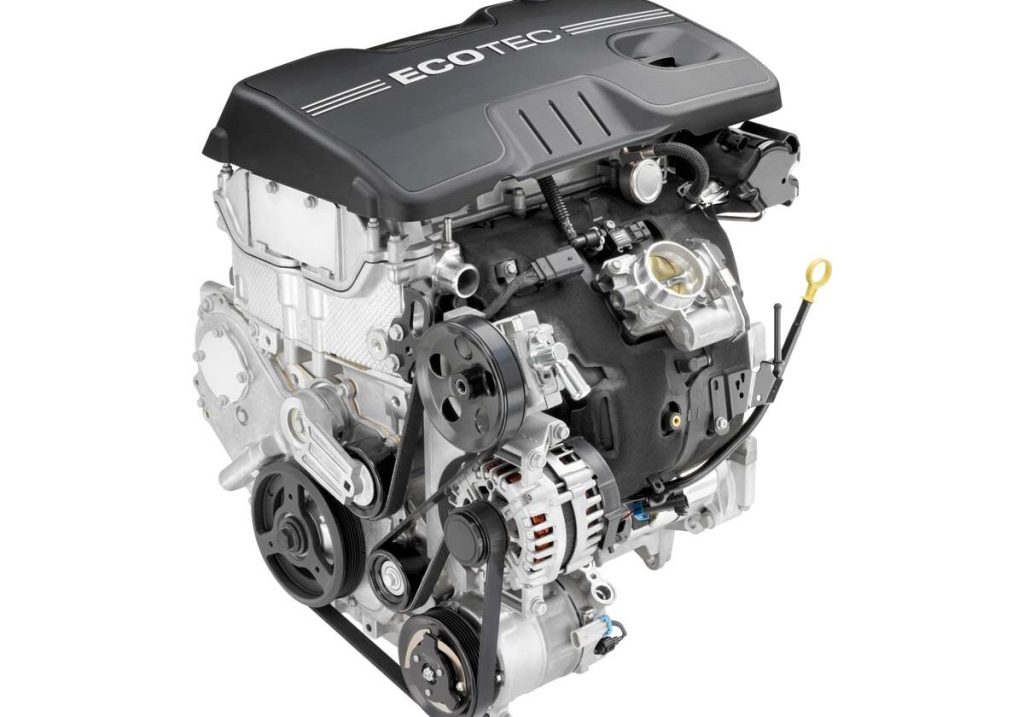
By 150,000 miles, many of these engines needed a full valve cover and intake manifold cleaning just to restore normal crankcase pressure and oil flow.
The absence of a moving PCV valve meant that the engine relied entirely on an unheated, static metering hole to manage blow-by gases, making it exceptionally vulnerable to freezing conditions and moisture contamination during short winter commutes.
When ambient temperatures plummeted, condensation mixed with combustion byproducts to form a mayonnaise-like sludge that instantly choked the tiny opening, effectively sealing the crankcase shut.
As internal pressures built up with nowhere to escape, gaskets and seals that were never engineered to withstand high pneumatic loads would rupture violently, leading to massive sudden oil loss.
This systemic vulnerability caught many everyday drivers completely off-guard, transforming what should have been a simple, highly efficient commuter engine into a frequent source of sudden driveway oil slicks.
Addressing the design flaw required aftermarket modifications or constant manual cleaning of the orifice to prevent pressure-induced seal blowouts before reaching high mileage.
7. Volvo “White Block” Turbo Five-Cylinder (1990s–2000s)
Volvo’s turbocharged 2.3L and 2.5L five-cylinder engines earned a nickname among enthusiasts: sludge factories. The factory-recommended service interval was dangerously optimistic. The factory recommended 7,500-mile service intervals, but the oil actually needed changing every 3,000 miles to avoid sludge.
Once sludge forms, it’s essentially permanent. Sludge cannot be cleaned out of the oil passages in the crankshaft and will starve the rods and turbo of lubrication.
Turbo operation made the problem worse than in naturally aspirated Volvos. Owners reported that oil could be shot by 5,000 miles due to the turbo combined with frequent short trips.
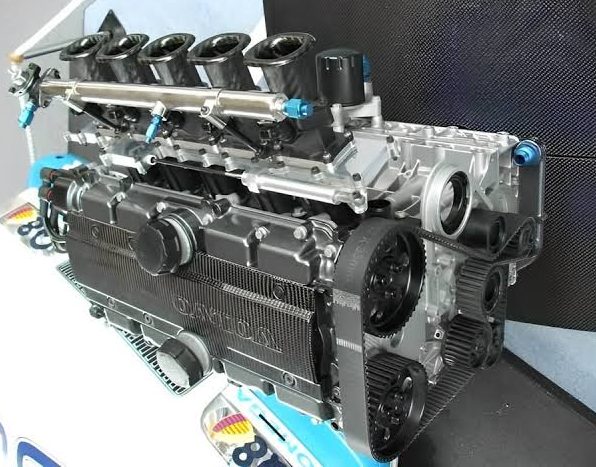
Dealer technicians confirmed the pattern repeatedly. Nearly every white-block Volvo running 7,500-mile-or-longer oil change intervals with conventional oil ended up developing sludge.
These engines were capable of exceeding 200,000 miles when owners followed a consistent maintenance schedule and changed the oil every 3,000 to 5,000 miles with full synthetic oil. Without that level of care, many engines struggled to last beyond 150,000 miles. The design was especially demanding under everyday driving conditions such as short city trips and extended idling, which were common among many Volvo owners.
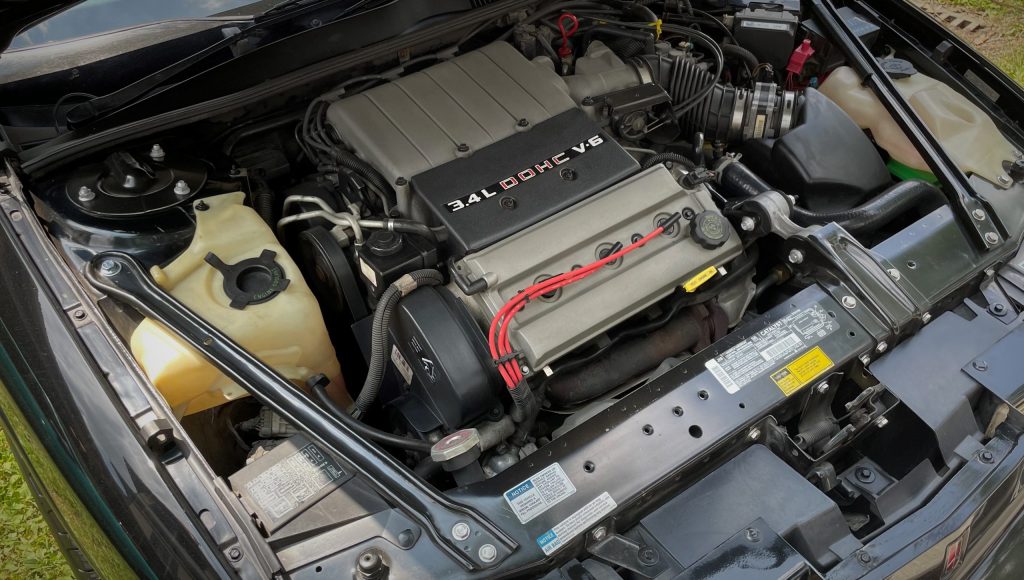
8. GM 3.1L/3.4L V6 (1990s–2000s)
GM’s small-block V6 family, used across Chevrolet, Pontiac, Buick, and Oldsmobile minivans and sedans, suffered a chemistry problem rather than a pure design flaw.
The culprit was an incompatibility between gasket material and GM’s own long-life coolant. Gasket failure allowed coolant to leak internally, mixing with engine oil to create a milky, sludge-like substance that rapidly compromised lubrication.
This wasn’t a rare occurrence, either. The 3.4L developed a reputation as having one of the worst reliability records of any engine GM produced, largely due to this single failure point.
Small, sensitive components suffered first. Hydraulic lifters have very small oil passages that won’t flow oil once sludge blocks the path, and a lifter tap is often the first warning sign owners get.
Timing mattered enormously here. Converting to conventional coolant didn’t guarantee protection, but it improved the odds of gasket failure happening closer to 150,000 miles rather than under 60,000.
The fix wasn’t exotic. Swapping to updated gaskets and monitoring coolant levels closely could add tens of thousands of trouble-free miles. But millions of owners never knew the risk existed until their coolant reservoir ran dry and their oil turned to chocolate milk.
Also Read: Honda CR-V Trim Guide for Buyers Spending Under $36,000
