
Selecting a three-row sport utility vehicle requires a careful evaluation of body-style architecture, interior packaging, and real-world utility against the demanded sticker price.
The modern automotive market features an overwhelming array of large family haulers, varying wildly from sensible multi-purpose transport options to severely over-budget luxury flagships.
Discerning buyers must look past aggressive styling cues and badge prestige to identify which chassis configurations genuinely deliver robust long-term value for their hard-earned money.
Certain high-priced models lean heavily on marketing hype, offering bloated price tags that far exceed the actual material, mechanical, or technological improvements they bring to the table.
Conversely, value-driven alternatives manage to package exceptional powertrain reliability, generous cargo volumes, and advanced safety systems into remarkably cost-effective body styles.
This detailed breakdown explores four value-packed three-row sport utility vehicles alongside four notoriously overpriced alternatives to help go through your next automotive investment.
4 Three-Row SUVs Worth the Money
The Kia Telluride blends upscale styling with a reliable V6 and roomy cabin at a mainstream price. The Hyundai Palisade offers lounge-like luxury touches, including power-reclining third-row seats.
The Toyota Grand Highlander fixes third-row cramping with hybrid efficiency and strong resale value. The Honda Pilot rounds out the list with clever modular seating and low maintenance costs.
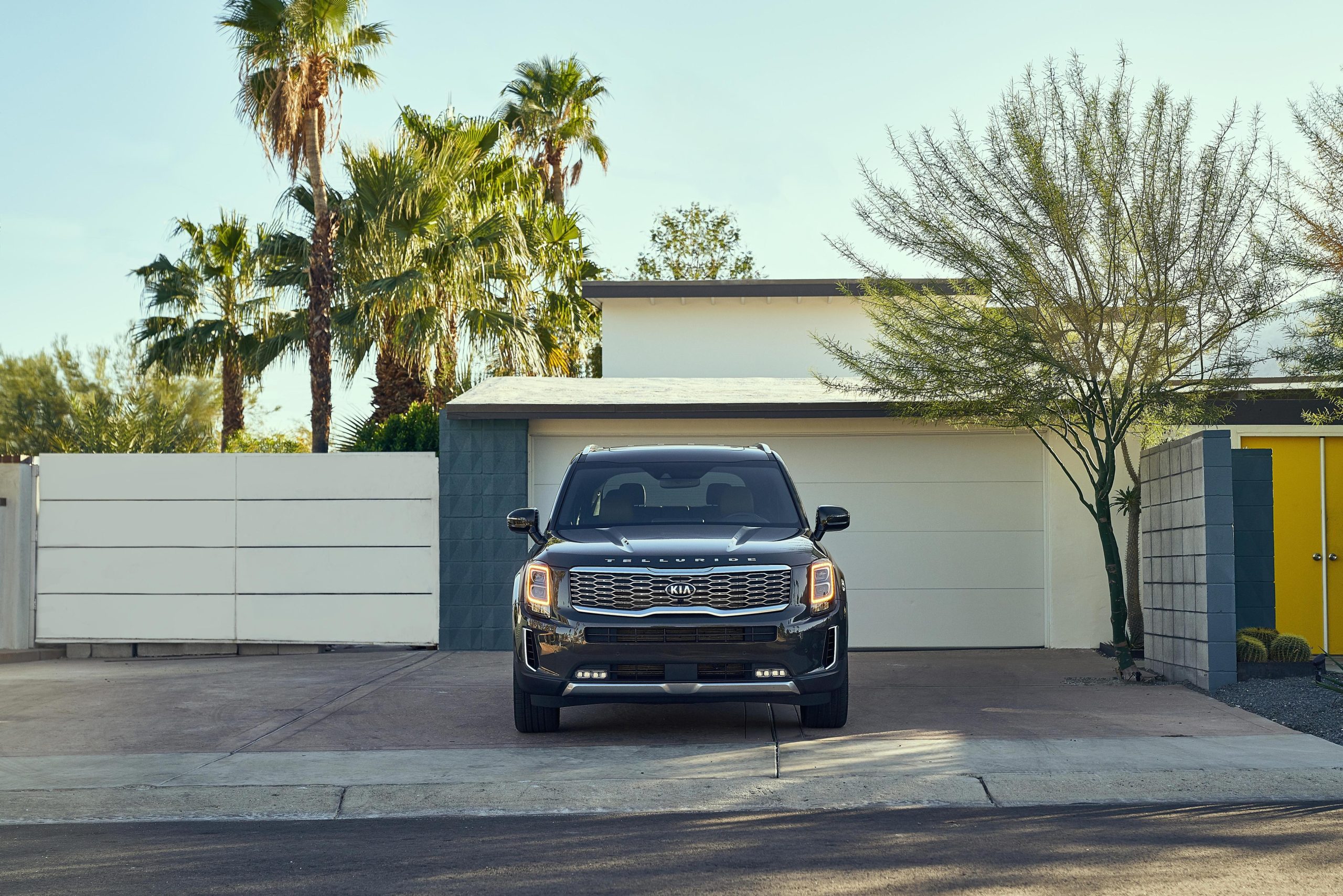
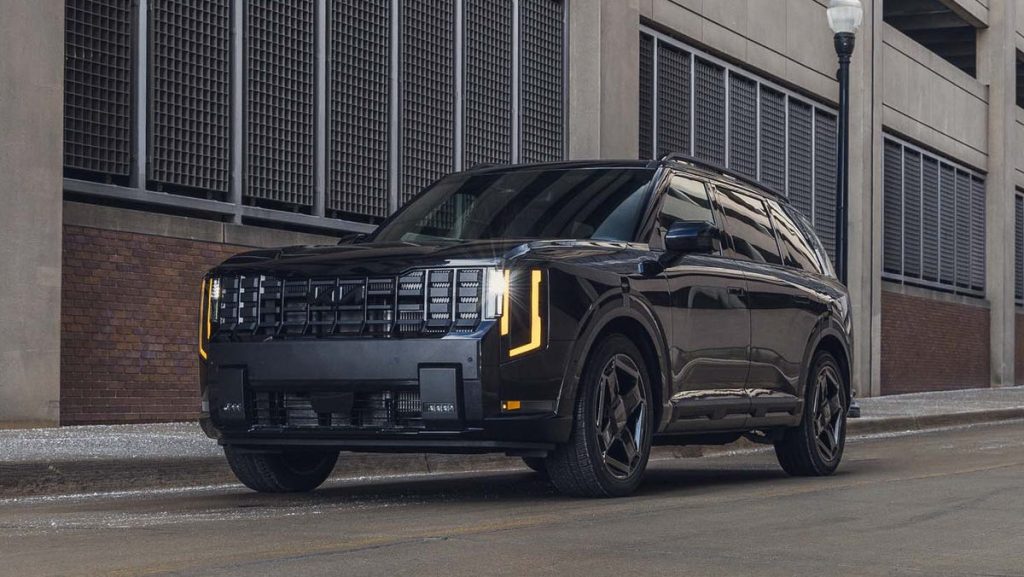
1. Kia Telluride
The Kia Telluride has completely transformed expectations for what a mainstream family vehicle can achieve without requiring a luxury-tier financial commitment.
Its commanding body style blends traditional rugged proportions with sophisticated surfacing that punches well above its accessible purchase price.
Kia designers invested heavily in creating an exterior silhouette that looks equally at home parked at a luxury hotel or loaded with camping gear at a national park.
Inside the cabin, occupants are treated to an exceptionally logical layout that prioritizes genuine ergonomic comfort across all three seating rows.
Even adults can utilize the rearmost bench for extended journeys without experiencing the severe cramping and knee fatigue common in this vehicle class.
Materials throughout the cabin feature pleasing tactile textures, utilizing soft-touch plastics and brushed metal accents that resist everyday wear and tear brilliantly.
The dashboard integrates digital instrumentation and infotainment displays seamlessly into a single housing, reducing visual clutter and minimizing driver distraction.
Cargo flexibility is maximized by a deep under-floor storage well that easily swallows loose items, keeping the main cargo area clean and organized during trips.
Specifications:
- Engine: 3.8L V6 Naturally Aspirated
- Horsepower: 291 hp @ 6,000 rpm
- Torque: 262 lb-ft @ 5,200 rpm
- Length: 196.9 inches
- Width: 78.3 inches
- Transmission: 8-speed automatic
- Drivetrain: Front-wheel drive / All-wheel drive
The robust V6 powertrain delivers linear, predictable acceleration that makes highway merging and heavy payload hauling remarkably stress-free.
Unlike complex turbocharged engines that can experience turbo lag, this naturally aspirated power plant responds instantly to every throttle input with smooth confidence.
Furthermore, the chassis tuning strikes a sublime balance between plush ride compliance and stable, confidence-inspiring body control through tight corners.
Body roll is tightly managed by sophisticated stabilizer bars, preventing the wallowing sensation often associated with large American and Japanese cruisers.
Feature content remains staggering, offering premium materials, intuitive infotainment software, and comprehensive driver assistance suites as standard equipment across most trims.
Safety features include blind-spot collision avoidance, rear cross-traffic alert, and lane-keeping assist, all working harmoniously to protect precious cargo.
The Telluride avoids the unnecessary markup seen in European rivals while matching their everyday utility, making it an undisputed financial victory.
Owners consistently report high satisfaction scores regarding long-term durability, low maintenance overhead, and resale value retention over multiple years.
2. Hyundai Palisade
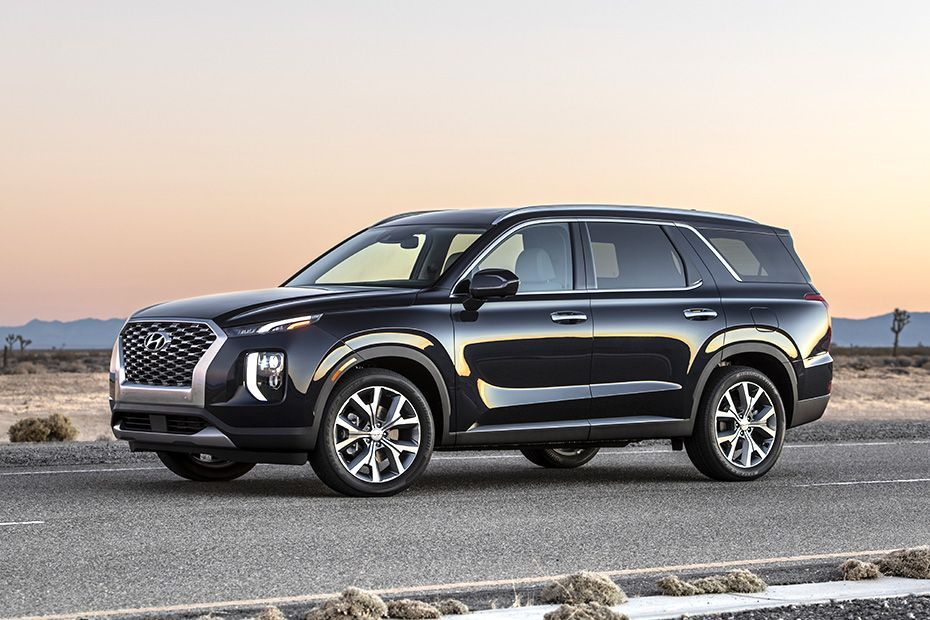
Sharing its mechanical architecture with its corporate sibling, the Hyundai Palisade carves out its own distinct identity through ultra-modern styling and lavish interior appointments.
Its striking exterior body lines project an upscale presence that easily rivals vehicles wearing badges twice as expensive in country club parking lots.
The front fascia features a bold cascading grille flanked by stacked LED headlight assemblies that provide phenomenal night-time illumination on dark rural roads.
The interior environment resembles a rolling executive lounge, featuring premium upholstery, thoughtful storage cubbies, and whisper-quiet acoustic glass throughout. Innovative touches like the blind-spot view monitor project live video feeds directly into the instrument cluster when signaling lane changes.
The dual-pane sunroof floods the cabin with natural light, creating an airy, open atmosphere that keeps passengers refreshed during long family road trips.
Second-row occupants enjoy available heated and ventilated seats, power-folding mechanisms, and dedicated USB charging ports integrated neatly into the seatbacks.
Ergonomics are meticulously optimized, ensuring that climate controls, audio adjustments, and navigation inputs fall naturally to hand without requiring awkward reaching.
Specifications:
- Engine: 3.8L GDI V6 Engine
- Horsepower: 291 hp @ 6,000 rpm
- Torque: 262 lb-ft @ 5,200 rpm
- Length: 196.7 inches
- Width: 77.8 inches
- Transmission: 8-speed automatic with Shiftronic
- Drivetrain: Front-wheel drive / HTRAC All-wheel drive
Underneath the sculpted sheet metal lies a thoroughly proven powertrain configuration designed for maximum reliability and low maintenance overhead.
The 3.8-liter engine operates quietly at cruising speeds, keeping wind and tire noise remarkably muted thanks to extensive sound-deadening insulation.
Passenger accommodation is truly cavernous, allowing up to eight passengers to travel in absolute comfort without fighting for shoulder room or legroom.
The third row features power-reclining capabilities, a rare luxury touch that transforms a typically cramped penalty box into a relaxing reclining zone.
Safety scores remain top-tier, backed by a comprehensive network of collision-avoidance technologies that protect every single occupant during emergency maneuvers.
The HTRAC all-wheel-drive system actively distributes torque between front and rear axles based on road conditions, ensuring secure traction in rain or snow.
For families seeking high-end luxury trappings without paying the steep enthusiast tax, the Palisade represents a brilliantly pragmatic market choice.
Its combination of high-end features, bulletproof mechanical reliability, and sensible pricing creates an ownership experience that feels thoroughly rewarding day after day.
3. Toyota Grand Highlander
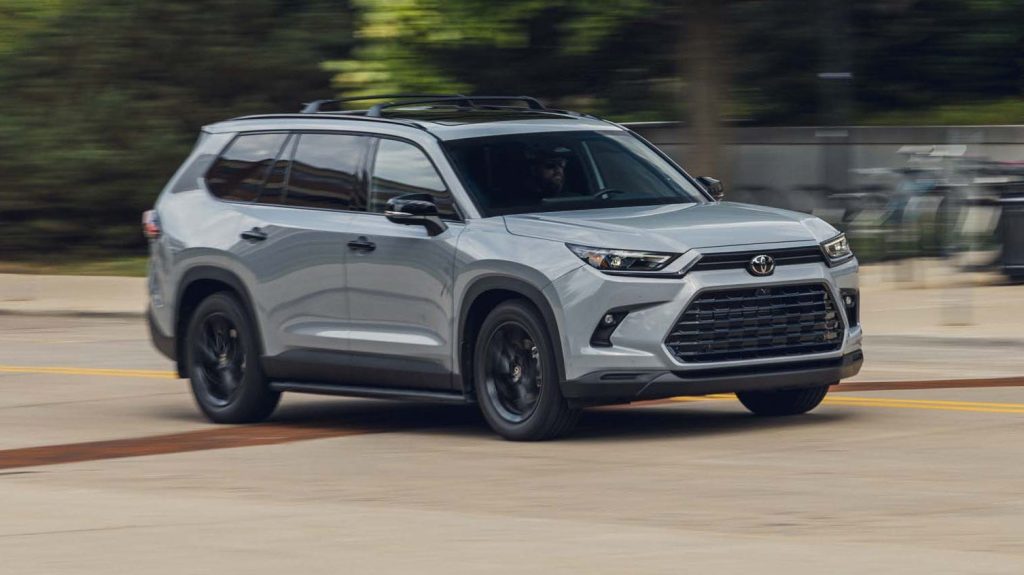
Toyota expanded its legendary utility lineup with the Grand Highlander, fixing the cramped third-row limitations that plagued its smaller traditional counterpart.
The vehicle’s lengthened body style allows for a squared-off roofline that maximizes interior volume and cargo capacity behind the final seating row.
This intelligent packaging ensures that adults can sit comfortably in the back without brushing their hair against the headliner during travel. Under the hood, buyers can select from incredibly efficient hybrid setups that drastically reduce fuel stop frequency during long interstate road trips.
The cabin architecture prioritizes functional durability, utilizing high-grade touchpoints designed to withstand decades of intensive family use and pet transport.
Storage solutions are exceptionally creative, featuring a console tray designed to hold tablets, smartphones, and water bottles of varying shapes and sizes.
The infotainment system features crisp graphics, wireless Apple CarPlay, and Android Auto integration, ensuring seamless connectivity for all connected passengers.
Exterior styling projects an understated, muscular aesthetic that avoids overly aggressive design trends, ensuring the vehicle ages gracefully over time.
Specifications:
- Engine: 2.4L Turbocharged 4-Cylinder / Hybrid Options
- Horsepower: 265 hp (Gas) / 362 hp (Hybrid Max)
- Torque: 310 lb-ft (Gas) / 400 lb-ft (Hybrid Max)
- Length: 201.4 inches
- Width: 78.3 inches
- Transmission: 8-speed automatic / 6-speed automatic
- Drivetrain: Front-wheel drive / Electronic All-wheel drive
The chassis delivers a pillowy, compliant ride quality that absorbs harsh road imperfections while maintaining stable high-speed tracking.
Suspension geometry is tuned to isolate cabin occupants from potholes, expansion joints, and uneven pavement textures without feeling floaty.
Resale value remains exceptionally strong, shielding owners from the steep depreciation curves typical of large utility vehicles in this segment.
Controls are logically arranged, avoiding distracting capacitive menus in favor of tactile buttons and knobs that work effortlessly with winter gloves.
The Hybrid Max powertrain delivers thrilling acceleration while returning fuel economy figures that routinely embarrass traditional V6 competitors.
Safety is anchored by Toyota Safety Sense 3.0, offering advanced pedestrian detection, lane trace assist, and dynamic radar cruise control standard.
This utility vehicle proves that pragmatic engineering and everyday efficiency can coexist brilliantly in a large family vehicle footprint.
Buyers investing in this model secure peace of mind, knowing their vehicle is backed by a legendary reputation for mechanical longevity and durability.
4. Honda Pilot
The Honda Pilot relies on a clever mechanical layout to deliver class-leading packaging and uncompromised family hauling capability.
Its conservative exterior body style conceals a remarkably versatile interior cabin equipped with clever modular seating configurations.
A removable second-row middle seat allows owners to seamlessly switch between captain chairs and a traditional bench setup on the fly.
This clever adaptability ensures the vehicle effortlessly adjusts to shifting passenger and cargo demands throughout its operational lifecycle.
When removed, the middle seat stores securely in a dedicated under-floor compartment, ensuring it is never lost or cluttering the garage. Cabin materials are tough, featuring stain-resistant fabrics and rugged plastics that clean up effortlessly after muddy soccer practices or beach trips.
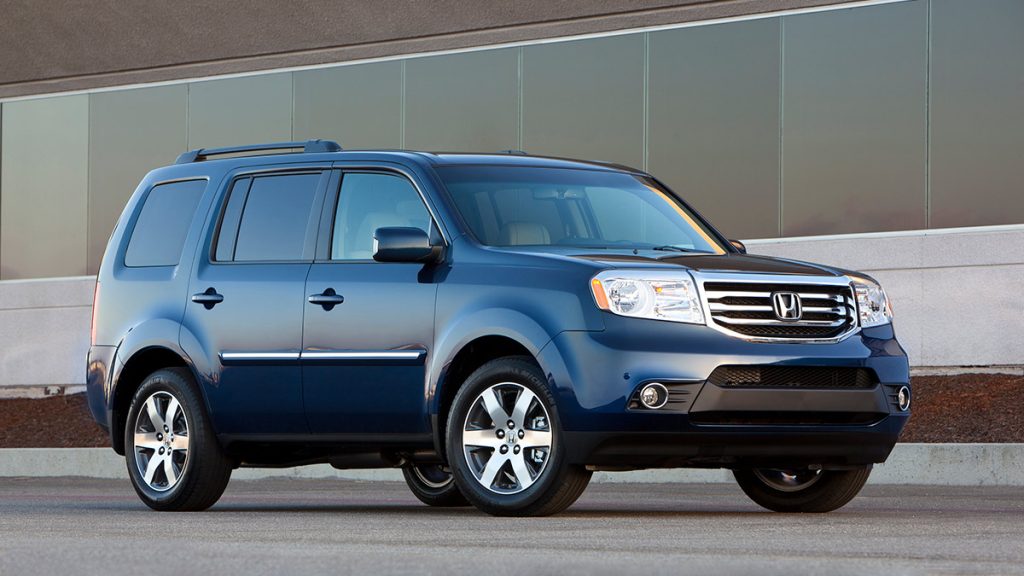
Visibility from the driver’s seat is exceptional, aided by thin roof pillars and expansive glass areas that eliminate blind spots entirely.
Storage cubbies are scattered generously throughout the cabin, ensuring every family member has a designated spot for their personal belongings.
Specifications:
- Engine: 3.5L V6 Direct-Injected Engine
- Horsepower: 285 hp @ 6,100 rpm
- Torque: 262 lb-ft @ 5,000 rpm
- Length: 200.0 inches
- Width: 78.5 inches
- Transmission: 10-speed automatic
- Drivetrain: Front-wheel drive / i-VTM4 All-wheel drive
Driving dynamics are remarkably agile, hiding the vehicle’s substantial physical dimensions behind direct steering and responsive chassis feedback.
The robust V6 engine pairs with a smooth 10-speed automatic transmission to deliver effortless power delivery across all driving ranges.
Cabin storage is legendary, featuring massive door pockets, a deep center console, and numerous cupholders designed to hold oversized containers.
The i-VTM4 all-wheel-drive system can vector torque dynamically between left and right rear wheels, providing stellar cornering agility and slick-surface traction.
It represents a masterclass in automotive packaging, proving that a family vehicle can be both intensely practical and genuinely enjoyable to drive.
Also Read: 10 Cars That Need Dealer Software for an Oil Reset
4 Overpriced Three-Row SUVs
The Land Rover Defender 130 carries steep upkeep and electronic glitches despite a cramped third row. The Jeep Grand Wagoneer suffers heavy depreciation and quality control issues at six-figure pricing.
The Mercedes-Benz GLS-Class nickel-and-dimes buyers with costly options and pricey upkeep. The Lexus LX 600 sacrifices cargo space and comfort for off-road capability few owners need.
1. Land Rover Defender 130
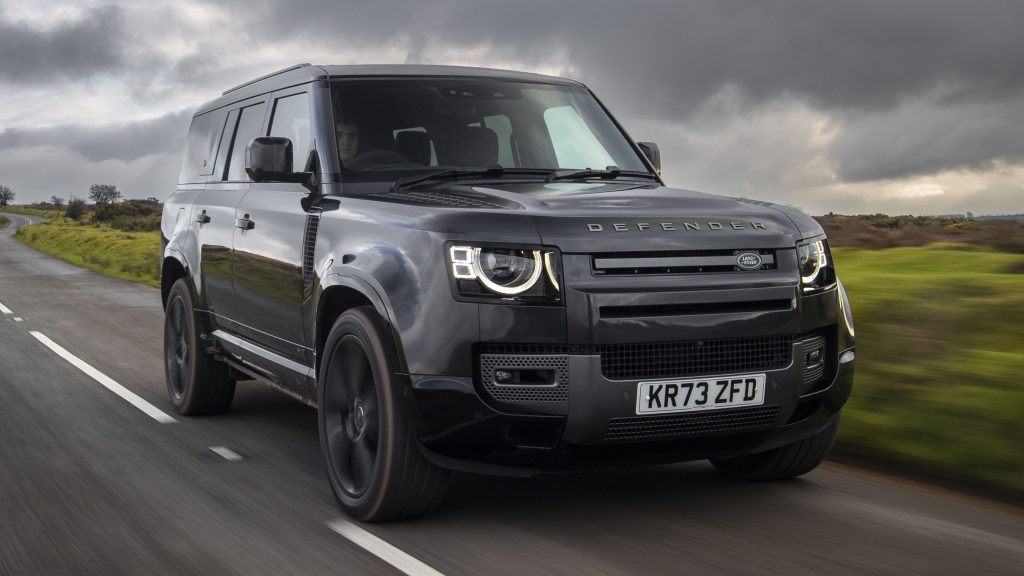
The Land Rover Defender 130 trades heavily on its iconic heritage, attaching a staggering financial premium to its elongated body structure.
While its off-road credentials are undeniable, the inflated purchase price places it deep into territory where luxury trumps utility.
Exterior styling retains the boxy, purposeful silhouette of its ancestors, but the stretched rear overhang disrupts the classic proportions awkwardly.
Despite the vehicle’s huge exterior dimensions and substantial curb weight, the third row is surprisingly cramped. On top of that, buyers pay a steep premium for the prestige, only to contend with a reputation for questionable reliability and costly maintenance as the years go by.
Cabin appointments feature rugged materials, but electronic glitches frequently disrupt the user experience across the central touchscreen interface.
Accessing the rearmost seats requires climbing past heavy second-row mechanisms that demand physical strength and patience from passengers.
Cargo flexibility is severely compromised by the side-hinged rear tailgate, which swings outward and requires immense clearance in tight parking spots.
Specifications:
- Engine: 3.0L Turbocharged Inline-6 with Mild Hybrid
- Horsepower: 395 hp @ 5,500 rpm
- Torque: 406 lb-ft @ 2,000 rpm
- Length: 211.0 inches (including spare tire)
- Width: 79.1 inches
- Transmission: 8-speed automatic
- Drivetrain: Permanent Four-Wheel Drive
The sophisticated air suspension delivers a floating ride quality, but it introduces complex failure points once the factory warranty expires.
Replacing air struts and compressor components costs small fortunes at specialized service centers, eroding long-term vehicle equity rapidly.
You are paying an astronomical markup for an aesthetic statement rather than rational family utility or engineering sense. The vehicle demands deep pockets and immense tolerance for shop visits, making it a poor choice for budget-conscious household managers.
2. Jeep Grand Wagoneer
The Jeep Grand Wagoneer represents an aggressive push into ultra-luxury territory, but its execution falls short of its astronomical sticker price.
Its massive truck-based body style creates an intimidating parking footprint that offers little proportional advantage inside the cabin.
Exterior brightwork and faux-wood graphics attempt to evoke vintage heritage, but the visual impact feels bloated and ostentatious.
Despite coating every surface in premium leather and digital screens, the underlying build quality fails to justify spending six figures on a domestic nameplate.
Panel gaps and interior squeaks often plague early-production models, revealing quality control issues that should never exist at this price point.
Depreciation hits this model with devastating velocity, erasing substantial portions of equity within the first year of ownership alone.
Passengers are treated to individual entertainment screens, but software integration issues frequently cause frustrating system freezes and reboots.
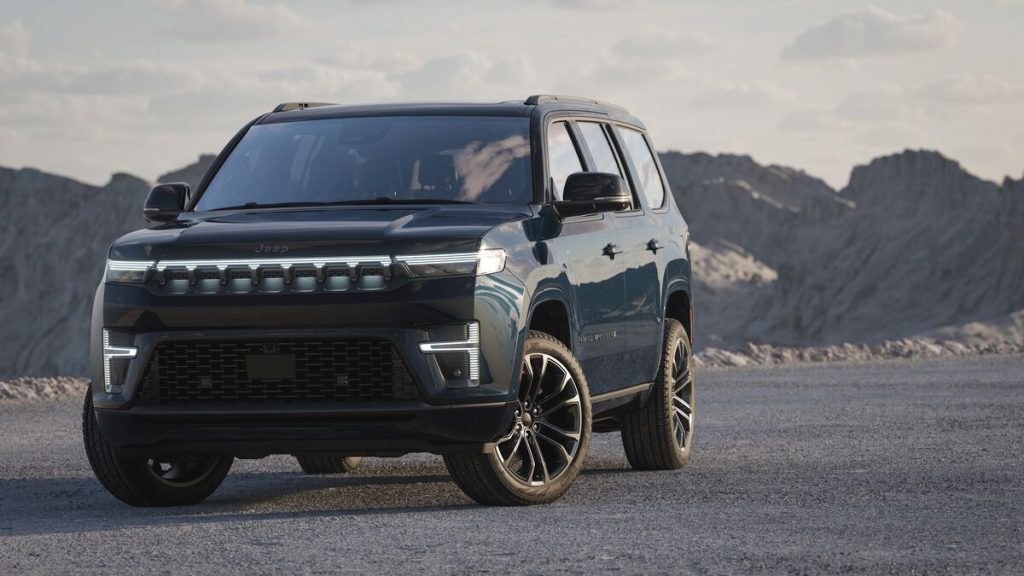
The towering ride height requires running boards to enter comfortably, presenting an operational hurdle for young children and elderly family members.
Specifications:
- Engine: 3.0L Hurricane Twin-Turbo Inline-6
- Horsepower: 510 hp @ 5,700 rpm
- Torque: 500 lb-ft @ 3,500 rpm
- Length: 214.7 inches
- Width: 83.6 inches
- Transmission: 8-speed automatic
- Drivetrain: Four-Wheel Drive System
The twin-turbo engine produces prodigious power, but it burns fuel at an alarming rate that keeps owners on a first-name basis with gas station attendants.
Maneuvering this leviathan through tight urban environments turns routine errands into high-stress spatial exercises requiring multiple camera angles.
Electronic gremlins frequently plague the myriad dashboard touchscreens and complex infotainment software architectures, requiring frequent dealer software patches.
Buyers seeking genuine prestige can find far more refined execution elsewhere for substantially less financial outlay and lower maintenance stress. The Grand Wagoneer ultimately trades on brand nostalgia while demanding a punishing financial commitment that defies logical justification.
3. Mercedes-Benz GLS-Class
The Mercedes-Benz GLS-Class stands as a traditional benchmark for large German luxury, but its pricing structure has scaled out of rational bounds.
Its stately body style commands attention, yet basic convenience features often require dipping heavily into expensive standalone option packages.
Charging six-figure baseline sums while leaving essential safety features or comfort items as costly add-ons feels disingenuous to informed buyers.
Maintaining out-of-warranty German engineering requires a bottomless financial reservoir, as routine service visits carry exorbitant labor and parts costs.
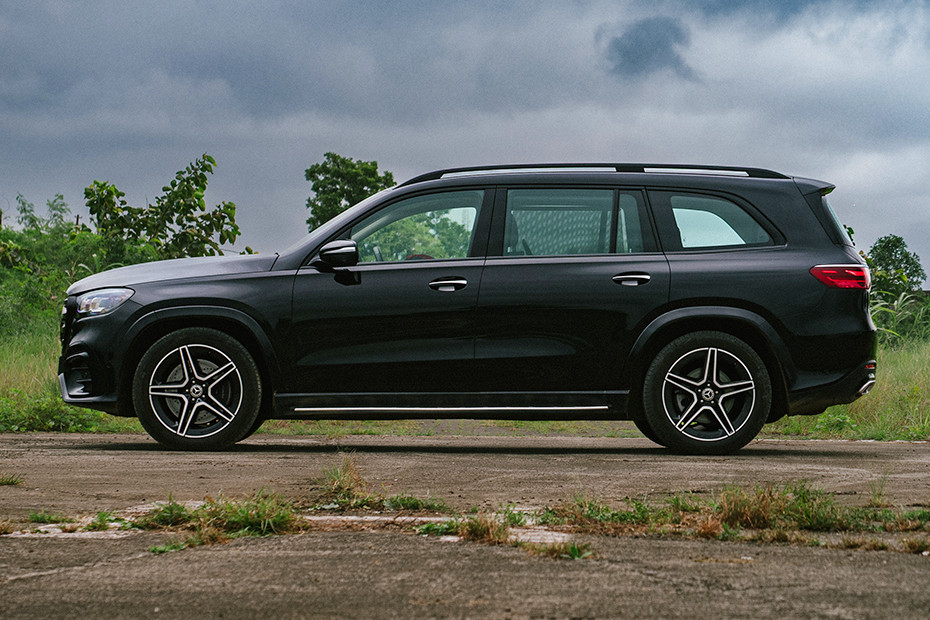
The third row, while leather-lined, remains uncomfortably upright and restrictive for growing teenagers on long journeys across state lines.
Interior storage is surprisingly limited for such a large exterior footprint, lacking the clever cubbies found in mainstream family haulers.
The gleaming chrome and piano black interior trim scratches easily, looking tired and worn out after only a few years of normal family use.
Going through the complex digital interface requires taking eyes off the road for dangerous intervals, detracting from driving safety.
Specifications:
- Engine: 3.0L Turbo Inline-6 / 4.0L V8 Biturbo
- Horsepower: 375 hp (GLS 450) / 510 hp (GLS 580)
- Torque: 369 lb-ft / 516 lb-ft
- Length: 205.0 inches
- Width: 77.4 inches
- Transmission: 9-speed automatic
- Drivetrain: 4MATIC All-Wheel Drive
While the ride quality utilizing active body control is undeniably sublime, it introduces expensive pneumatic suspension liabilities as the vehicle ages.
Insurance and registration costs scale aggressively with the vehicle’s high MSRP, driving up the total annual cost of ownership. You are paying a massive luxury tax purely for the three-pointed star on the grille, ignoring superior value found in lower-priced alternatives.
The GLS-Class serves wealthy status-seekers well, but it represents an inefficient, highly overpriced choice for rational family transportation needs.
4. Lexus LX 600
The Lexus LX 600 shares its rugged body-on-frame architecture with legendary global heavy-duty machinery, but its luxury styling pushes pricing into extreme brackets.
Its polarizing exterior spindle grille dominates front-end aesthetics, while the high floorboards compromise interior packaging efficiency significantly.
Because it builds upon a heavy-duty truck platform, the floor sits unusually high, forcing passengers into a knees-up seating posture.
Unlike unibody competitors, the LX forces compromises in third-row legroom and cargo floor flatness due to its solid rear axle configuration.
The LX 600’s third-row seats offer a more practical and convenient design than those in the older LX 570. They fold completely flat into the floor and can be stowed electronically with the press of a button, creating a cleaner and more usable cargo area.
Lexus also eliminated the previous side-flipping mechanism that placed the seats against the side windows, addressing a common complaint with the earlier model.
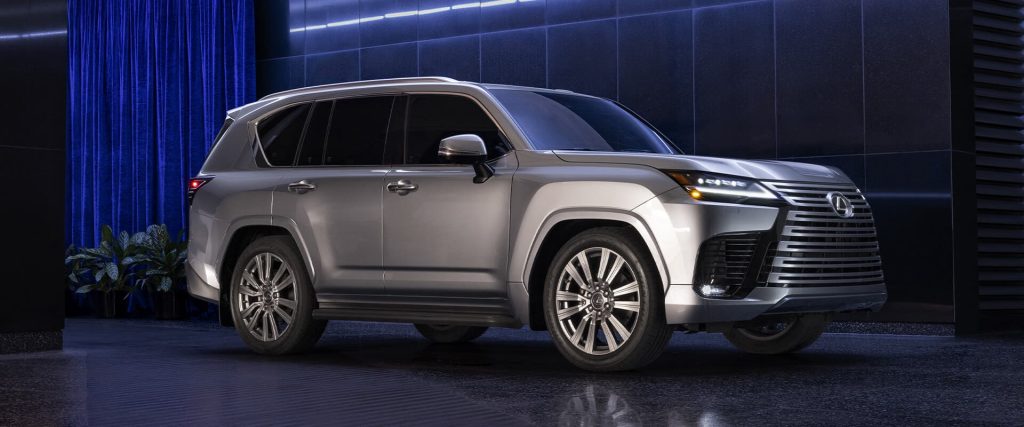
Fuel tank capacity is decent, but consumption rates mean range is limited during remote overlanding expeditions without auxiliary fuel cans. Cabin materials are exceptionally durable, but the design aesthetic feels heavy, dated, and overly traditional for modern luxury buyers.
Specifications:
- Engine: 3.4L Twin-Turbo V6 Engine
- Horsepower: 409 hp @ 5,200 rpm
- Torque: 479 lb-ft @ 2,000 rpm
- Length: 200.0 inches
- Width: 78.3 inches
- Transmission: 10-speed automatic
- Drivetrain: Full-time Four-Wheel Drive
The twin-turbo V6 provides strong towing grunt, but fuel consumption remains disappointing given the vehicle’s premium market positioning. Cargo volume is severely restricted by side-folding third-row seats that eat into valuable interior width when hauling bulky items.
Resale values remain strong due to Toyota’s bulletproof reputation, but the upfront capital investment is difficult to justify for daily school runs. The LX 600 is an engineering masterpiece for harsh wilderness environments, but an overpriced, compromised luxury vehicle for suburban family duty.
Also Read: 8 Car System Updates That Removed a Function Owners Paid For
