
Keeping your vehicle maintained does not automatically mean losing warranty protection. Many owners worry that routine services must be completed only at a dealership, yet federal rules provide important protections for consumers.
The Magnuson-Moss Warranty Act and FTC guidance explain that manufacturers generally cannot require branded parts or dealer-only service for basic maintenance unless they provide it free.
This guide covers eight maintenance tasks you can handle while protecting your warranty coverage and explains records, receipts, service schedules, and smart maintenance choices. Understanding these rights helps drivers care for their vehicles confidently without unnecessary expenses or confusion about warranty rules.
1. Oil Changes and Engine Oil Checks
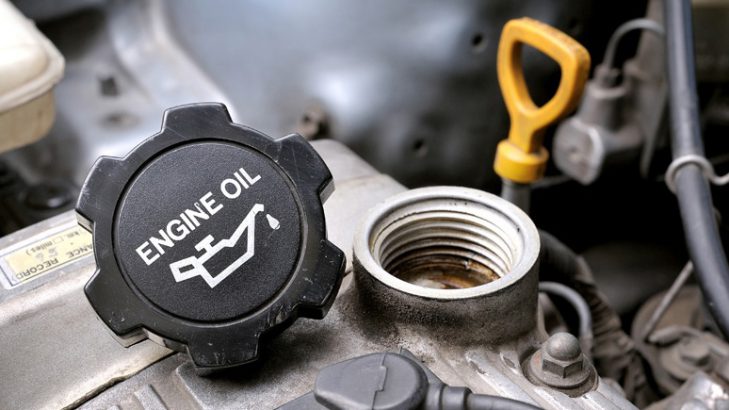
Changing engine oil is among the most common maintenance tasks vehicle owners complete. Engine oil reduces friction between moving parts, helps control heat, and supports long-term engine performance.
Regular oil changes based on manufacturer recommendations can help prevent excessive wear and maintain reliable operation.
A vehicle owner does not usually need to visit a dealership for an oil change to keep warranty coverage. Drivers can choose qualified independent repair shops, quick-service locations, or complete the service themselves if they have the necessary knowledge and equipment. The important factor is using the correct oil type and following the recommended schedule.
Documentation matters when performing oil maintenance. Owners who change their own oil should keep purchase receipts for oil and filters, record the date and mileage, and note the product specifications. These details can provide evidence that proper maintenance was completed if warranty concerns arise.
Using the wrong oil specification can create problems. Modern engines often require specific oil grades and standards developed for efficiency, emissions control, and protection. Checking the owner’s manual before purchasing oil helps prevent mistakes that could affect engine health.
Oil maintenance is simple but plays a major role in vehicle reliability. A consistent routine, accurate records, and proper materials allow owners to maintain their vehicles without unnecessary dealership costs while respecting warranty requirements.
2. Tire Rotation and Tire Maintenance
Tire rotation helps tires wear more evenly by changing their positions on the vehicle. Because front and rear tires experience different forces during steering, braking, and acceleration, rotation can extend tire life and support balanced handling. Many manufacturers recommend rotation at regular mileage intervals.
Warranty coverage is not normally tied to having tire rotations completed at a dealership. Owners can use tire shops, independent mechanics, or perform rotations themselves if they have proper tools and safety knowledge. Following the vehicle manufacturer’s recommended pattern is essential.
Maintaining tire records can be useful. Receipts from tire services can show when rotations occurred, while personal maintenance logs can record mileage and dates. These records help demonstrate that the tires received appropriate care.
Tire pressure checks are also important. Incorrect pressure can increase wear, reduce fuel efficiency, and affect handling. Checking pressure regularly and maintaining the recommended levels supports safety and helps preserve tire performance.
Proper tire care protects both the vehicle and the driver. Routine rotations, pressure checks, and inspections are examples of maintenance activities that owners can complete without sacrificing warranty rights.
3. Replacing Belts and Inspecting Wear Items
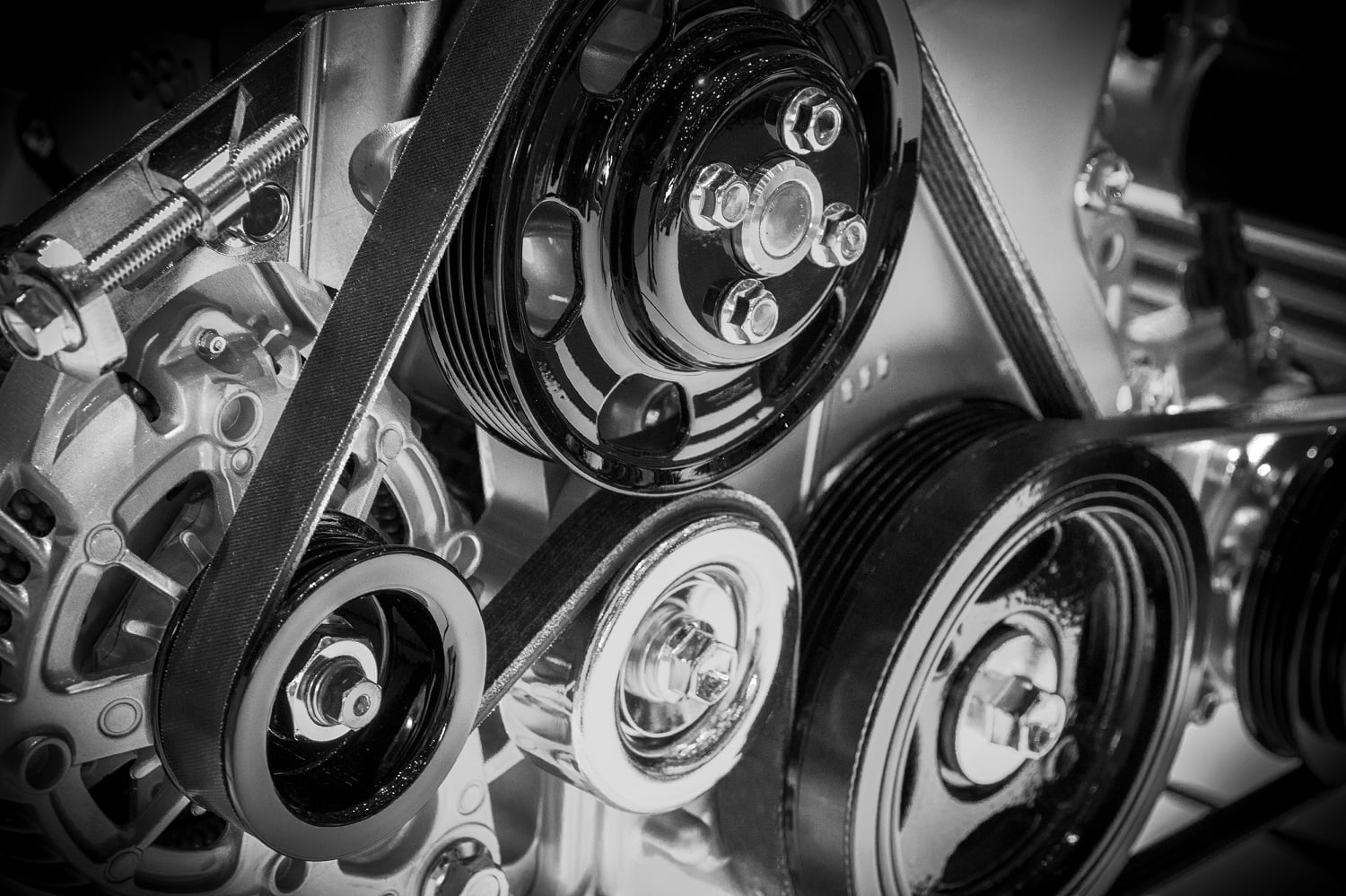
Belts play important roles in vehicle operation by transferring power to systems such as the alternator, water pump, and air conditioning components. Over time, belts can develop cracks, stretching, or other signs of wear. Regular inspection helps identify issues before a breakdown occurs.
Many belt inspections and replacements can be completed outside a dealership. The Magnuson-Moss Warranty Act does not generally allow manufacturers to require dealer service for normal maintenance unless they provide that service free. Owners can select qualified service providers based on their needs.
Using correct replacement parts is important. A belt should meet the specifications required for the vehicle. Choosing a compatible, quality part and keeping documentation can help support warranty discussions if related problems occur.
Drivers should pay attention to warning signs such as unusual noises, visible cracking, or reduced performance from belt-driven systems. Addressing these issues early may prevent more expensive repairs and reduce the chance of damage to connected components.
Maintenance records should include the date, mileage, parts used, and service provider information. Organized records make it easier to show that proper care was performed according to manufacturer recommendations.
4. Fluid Checks and Fluid Replacement
Vehicle fluids support many important systems, including transmissions, brakes, cooling systems, and steering components. Checking fluid levels and replacing fluids at recommended intervals helps maintain proper operation and reduce unnecessary wear.
Routine fluid maintenance does not usually require dealership service for warranty protection. Owners may choose qualified mechanics or complete certain checks themselves. The key requirement is following manufacturer specifications for fluid types and service intervals.
Using incorrect fluids can cause problems. Different vehicles require specific formulas designed for their systems. The owner’s manual provides information about approved fluids and recommended replacement schedules.
Keeping receipts for purchased fluids or professional services can provide useful proof of maintenance. A simple maintenance notebook or digital record can also help track completed tasks and future service needs.
Fluid care is a practical way for owners to protect vehicle performance. Regular checks and correct replacements help maintain reliability while allowing flexibility in where maintenance is completed.
5. Brake Pad Replacement and Brake Inspections
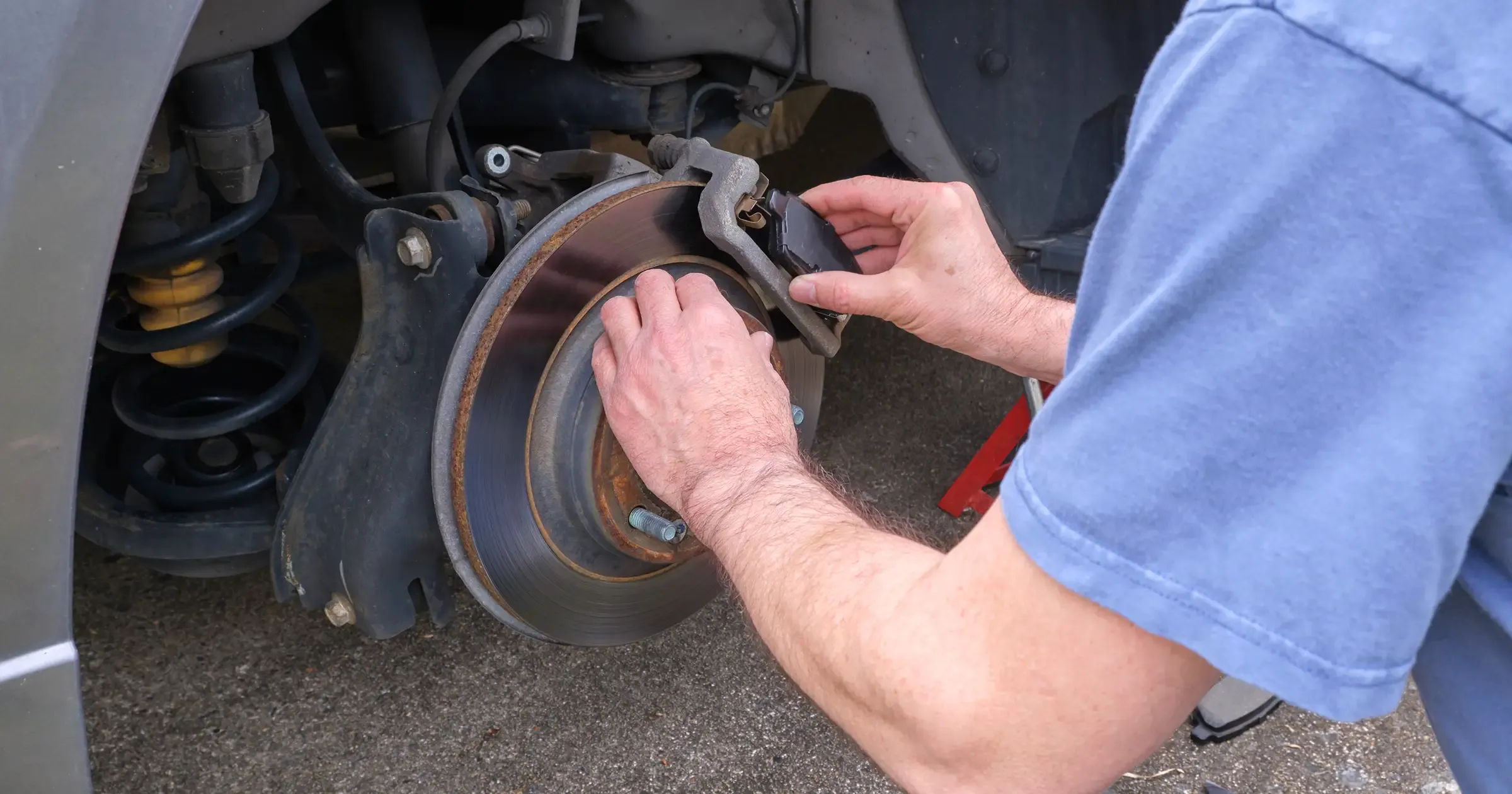
Brake pads gradually wear down through normal use. Replacing them before they become excessively worn helps maintain braking performance and protects other brake components. Regular inspections can identify wear patterns and possible issues.
Brake maintenance can generally be completed by independent repair facilities or experienced vehicle owners. Warranty coverage is not automatically removed because brake work was not performed at a dealership.
Owners should keep records of brake services, including replacement dates, mileage, and parts information. This documentation helps establish that safety-related maintenance was performed responsibly.
Quality replacement parts matter for brake performance. Selecting appropriate parts that meet vehicle requirements supports safe operation and reduces the chance of premature problems.
Regular brake inspections are a responsible ownership practice. They allow drivers to address wear before problems become more serious while maintaining their rights under warranty laws.
6. Routine Vehicle Inspections
Vehicle inspections help identify developing problems before they become major repairs. Inspections may include checking lights, fluids, tires, belts, hoses, brakes, and other important components.
Owners do not generally need to visit dealerships for basic inspections unless their warranty documents include a specific requirement that is legally valid. Independent professionals can often provide inspection services while helping drivers maintain their vehicles properly.
Inspection reports are useful records. They can show what was checked, what was recommended, and what repairs were completed. Keeping these documents creates a clear maintenance history.
Regular inspections also support safety. Small issues discovered early can often be repaired at a lower cost compared with waiting until a failure occurs.
A consistent inspection routine gives owners better control over vehicle care. It supports warranty protection by showing attention to maintenance responsibilities.
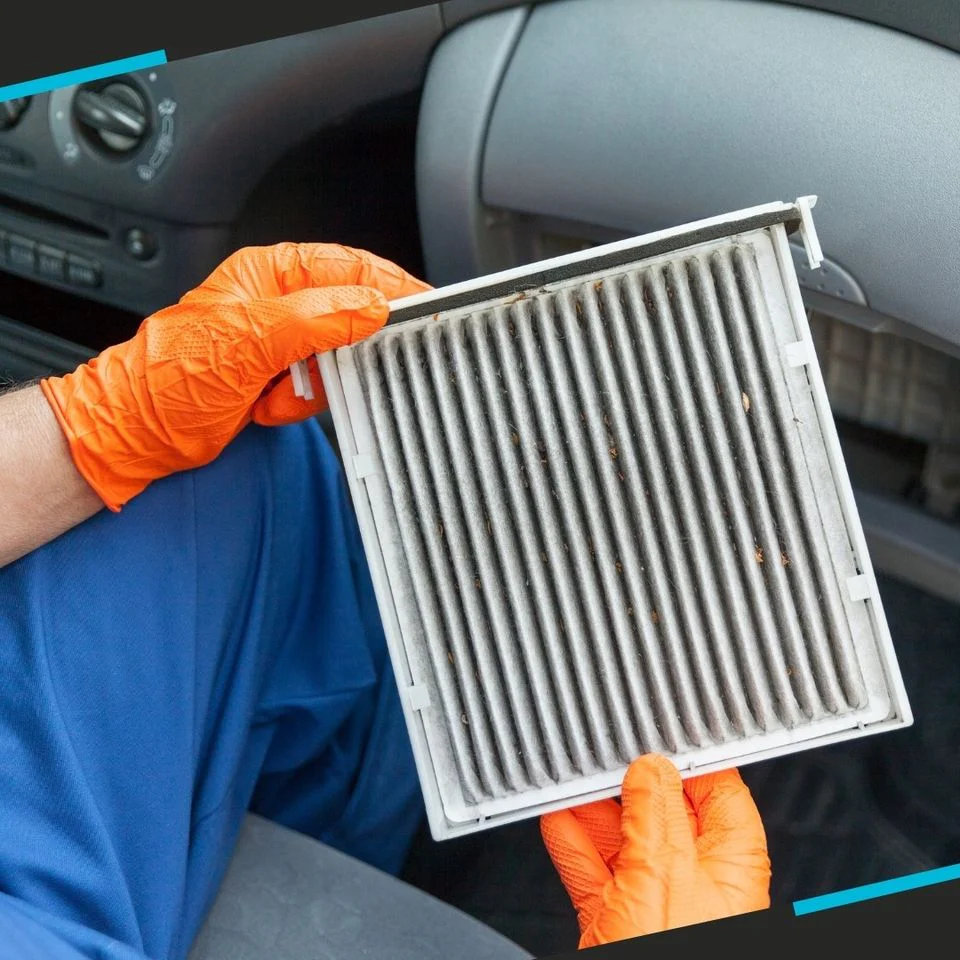
7. Air Filter and Cabin Filter Replacement
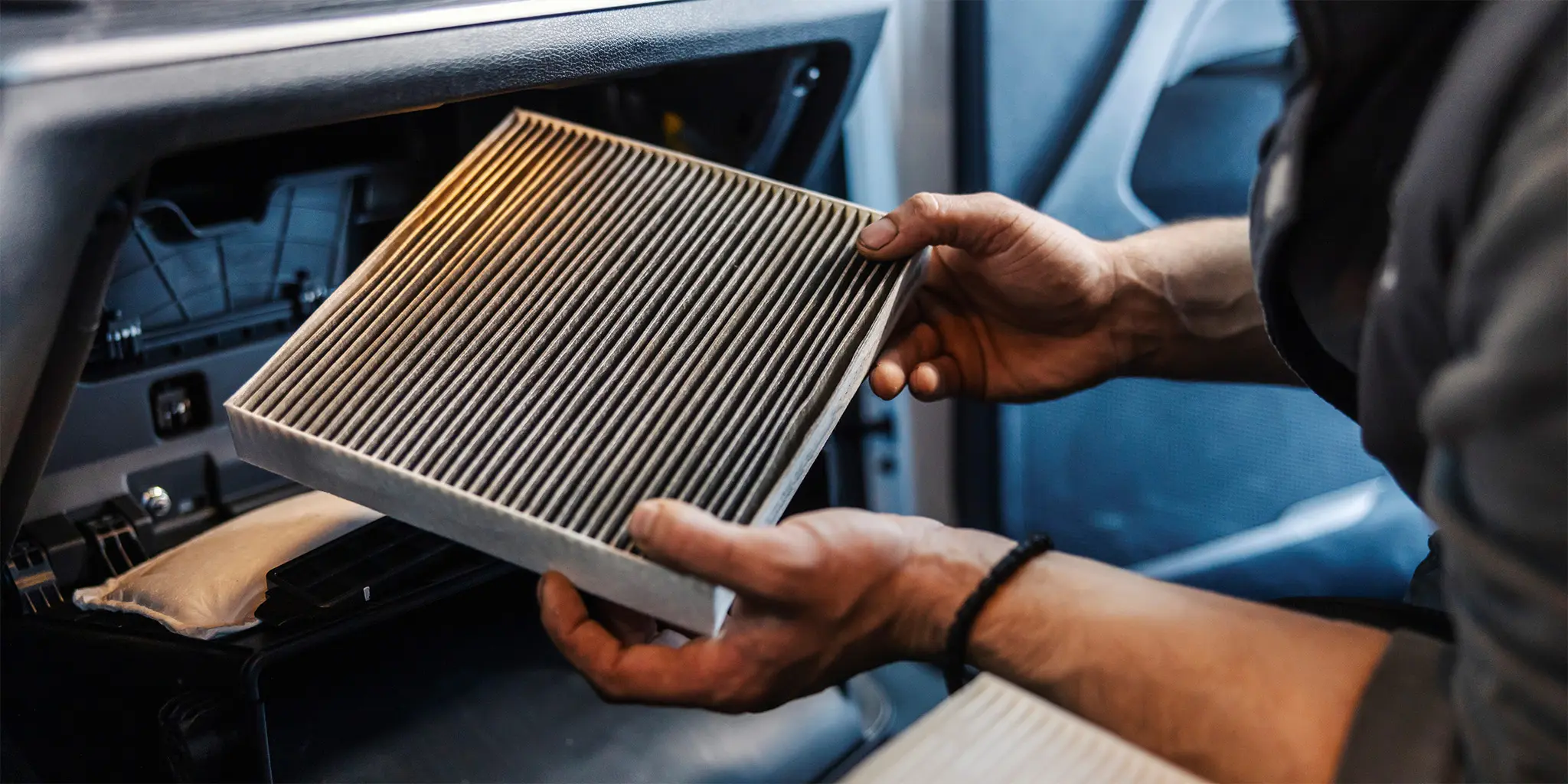
Air filters protect the engine by preventing dirt and debris from entering the intake system. Cabin filters help improve interior air quality by reducing dust and particles entering through the ventilation system.
Replacing these filters is usually a straightforward maintenance task. Vehicle owners can often complete the work themselves or choose a repair facility without affecting warranty coverage.
Correct filter selection matters. The replacement filter should match the vehicle’s specifications and fit properly. Keeping packaging, receipts, or service records can help document the work.
Dirty filters can reduce efficiency and affect comfort. Following recommended replacement intervals helps maintain proper airflow and vehicle performance.
Filter replacement shows how simple maintenance tasks can be completed outside dealerships while still supporting responsible vehicle ownership.
8. Battery Checks and Replacement
Vehicle batteries provide electrical power needed for starting and operating various systems. Battery performance can decline with age, temperature changes, and normal use. Regular checks can help identify weakening performance.
Battery replacement and testing generally do not require dealership service for warranty coverage. Owners can use automotive stores, independent shops, or complete replacement if they understand the proper safety steps.
Records for battery purchases and replacements can help document maintenance. Important details include purchase dates, mileage, and battery specifications.
Proper battery care includes checking connections, watching for corrosion, and ensuring secure installation. These steps help maintain reliable electrical performance.
Responsible battery maintenance allows owners to avoid unnecessary service restrictions while keeping their vehicles dependable.
Also Read: Tesla Tests Bidirectional Charging: Cybertruck Sends Power Back to Texas Grid
