
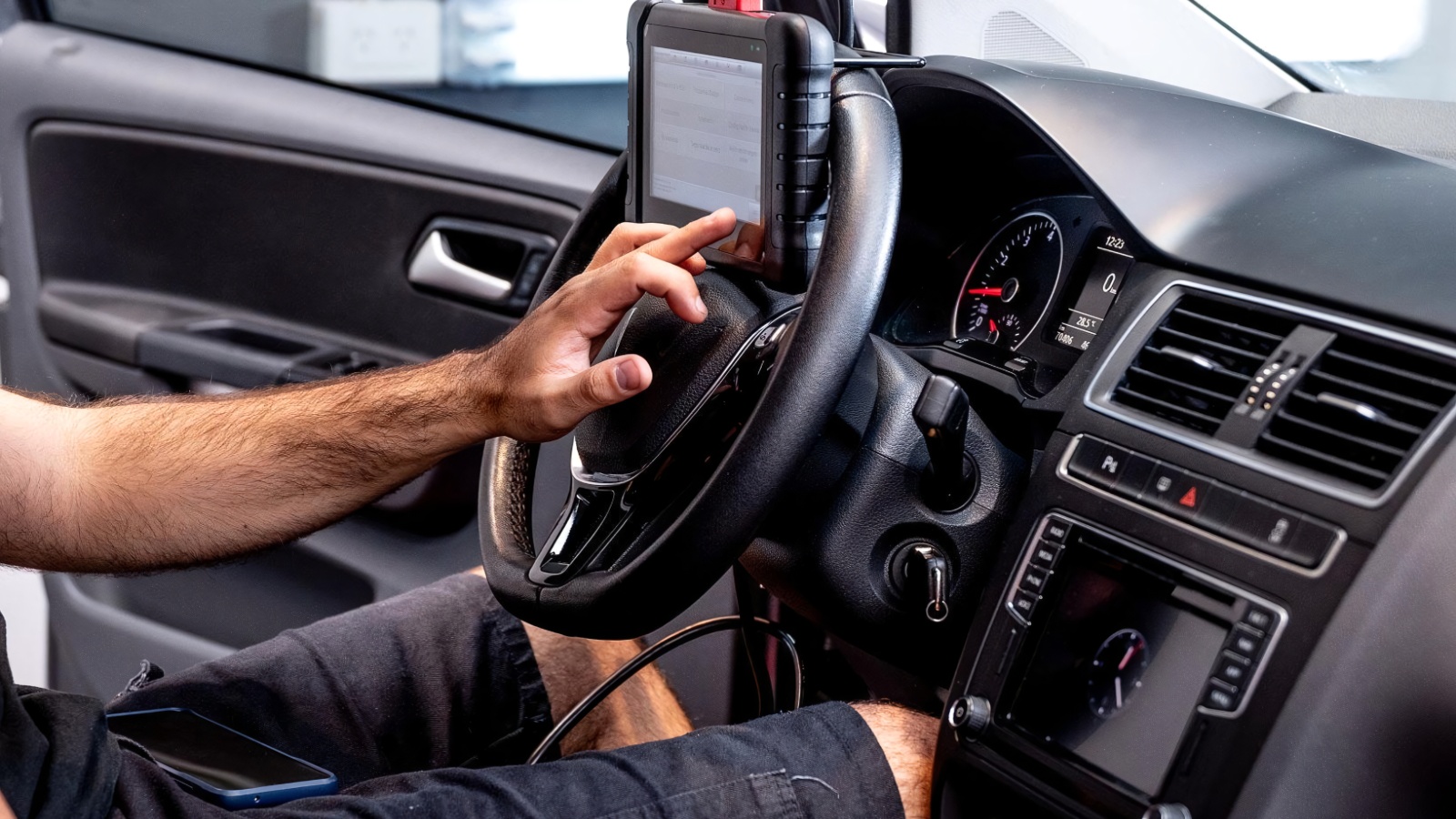
Modern vehicles collect and share information every time they are driven, serviced, or connected to a manufacturer network. OEM telematics systems allow car companies and dealerships to access important vehicle data, helping technicians understand maintenance needs, diagnose problems, and improve customer service.
These reports contain details about driving patterns, system alerts, component health, software updates, and service history. While many drivers only think about oil changes and repairs, their vehicle constantly records technical information behind the scenes.
Understanding what your car communicates can help you make informed decisions about maintenance, privacy, and long-term ownership.
How OEM Telematics Systems Work Inside Modern Vehicles
OEM telematics refers to technology built directly into a vehicle by the original equipment manufacturer. These systems combine hardware, software, sensors, and communication technology to collect information from different parts of the vehicle.
Many newer cars have built-in communication modules that connect with manufacturer servers through cellular networks. When the vehicle detects information related to performance, safety, or maintenance, selected data can be transmitted to approved systems used by manufacturers and dealerships.
The main purpose of telematics is to improve vehicle support and make servicing more efficient. When a customer brings a connected vehicle to a dealership, technicians may already have access to certain details before physically inspecting the car.
The service department can review stored diagnostic information, previous alerts, and maintenance records. This allows technicians to prepare the right tools, replacement parts, and repair procedures before beginning work.
Vehicle computers collect information through hundreds of sensors placed throughout the car. These sensors monitor areas such as the engine, transmission, brakes, battery, airbags, fuel system, and electrical components.
When something unusual occurs, the vehicle may store a diagnostic trouble code. Some systems can send these codes directly to the manufacturer network, creating a digital record of potential issues.
Telematics reports are different from simple service receipts. A traditional service record shows what work was completed, such as replacing filters or changing fluids. A telematics report may show the condition of various systems before the service begins.
It can provide information about warning lights, software versions, battery performance, and other technical details that are not visible during a basic inspection.
The information collected depends on the vehicle manufacturer, model, market regulations, and owner settings. Some vehicles collect more detailed information than others.
Luxury brands, electric vehicle manufacturers, and companies offering advanced connected services often provide extensive telematics features. These systems continue to become more common as vehicles rely more heavily on software and electronic controls.

The Type of Information Dealers Can See During Service
One of the most important pieces of information available through OEM telematics reports is vehicle health data. Dealers can often access diagnostic information related to different control modules inside the car.
Modern vehicles contain many computers that manage specific functions, including engine control, climate systems, safety features, and entertainment systems. These computers store information that helps technicians identify possible problems.
Service reports may include records of warning messages or fault codes that appeared during driving. A vehicle might have experienced an engine performance issue, battery voltage problem, sensor failure, or communication error between electronic systems.
Even if the warning light disappeared before the appointment, the event may remain stored in the vehicle history. This information helps technicians investigate problems that are difficult to reproduce.
Mileage and service history are also important parts of OEM reports. Dealerships can often access previous maintenance information performed through authorized networks.
This helps them determine whether recommended services have been completed and whether certain repairs are covered under warranty. A complete service history can also increase confidence when a vehicle is sold or traded.
Many vehicles also provide information about software updates. Since modern cars operate like computers on wheels, manufacturers regularly release updates to improve performance, fix bugs, and add features.
A telematics report can show the current software version of different vehicle modules. Technicians can check whether updates are required during maintenance visits.
Battery condition has become increasingly important with hybrid and electric vehicles. Telematics reports may include battery health information, charging patterns, temperature records, and performance data.
This information helps service departments evaluate battery-related concerns and recommend appropriate maintenance. For electric vehicle owners, battery monitoring is a major part of long-term vehicle care.
Driving Data and Usage Information Collected by Vehicles
Many connected vehicles collect information related to how they are used. This can include driving distance, operating conditions, and vehicle activity patterns.
Manufacturers use this information to improve vehicle reliability and provide services that depend on real-time data. Dealerships may receive some of this information when diagnosing problems or performing specific maintenance procedures.
Driving behavior information can include details such as average mileage, trip patterns, and operating conditions. Some systems monitor harsh braking, rapid acceleration, or extended periods of high engine load. These details can help identify how a vehicle is being used and whether certain components may experience increased wear.
Commercial fleets often use telematics data more extensively than personal vehicle owners. Businesses use connected vehicle reports to monitor fleet health, reduce downtime, and schedule maintenance before failures occur.
Similar technology has entered consumer vehicles, offering features such as remote diagnostics, maintenance reminders, and emergency assistance.
Manufacturers may use collected vehicle data to improve future designs. When thousands or millions of vehicles report similar issues, engineers can identify trends and develop solutions. Data from connected vehicles can help companies understand common component failures, software problems, or performance concerns.
Drivers should understand that telematics information is not the same across all vehicles. Some manufacturers allow owners to control data-sharing preferences through mobile applications or vehicle settings.
Regulations regarding vehicle data collection also vary depending on location. Owners should review their vehicle privacy settings and connected service agreements to understand what information is being shared.

How Dealers Use Telematics Reports During Repairs
OEM telematics reports can make vehicle repairs faster and more accurate. Instead of starting from zero, technicians can review available information before inspecting the vehicle. This can reduce diagnostic time and help service teams focus on areas that require attention.
For example, if a vehicle owner reports an intermittent warning light, the technician may check stored telematics information to see when the problem occurred.
The report may show specific conditions, such as temperature, mileage, or operating situations connected to the issue. This additional information can help identify the cause more efficiently.
Warranty decisions can also involve telematics information. Manufacturers may review vehicle data when evaluating certain claims.
Diagnostic records can help determine whether a problem relates to a manufacturing issue, normal wear, improper maintenance, or outside factors. Accurate digital records can support both customers and service departments during warranty discussions.
Predictive maintenance is another growing use of connected vehicle information. Instead of waiting for a component to fail, manufacturers can analyze vehicle conditions and recommend service at appropriate times. This approach can reduce unexpected breakdowns and improve vehicle reliability.
Telematics reports also support roadside assistance services. If a vehicle experiences a serious problem, connected systems may provide information about the vehicle condition and location.
Emergency teams can use this information to understand the situation before arriving. These features are designed to improve safety and response times.
Privacy Concerns and What Car Owners Should Know
As vehicles collect more information, privacy has become an important topic for car owners. A connected vehicle can generate large amounts of technical data, and drivers often want to know who can access it and how it is used.
Understanding manufacturer policies can help owners make informed choices about connected features.
Vehicle data is generally collected to support services, improve products, provide diagnostics, and maintain safety systems. Manufacturers may explain their data practices through privacy policies and connected service agreements. These documents describe what information is collected, how it is processed, and whether it is shared with third parties.
Owners should review the settings available in their vehicle or manufacturer application. Some connected services allow drivers to manage certain sharing preferences. Turning off specific features may limit available services, such as remote functions or automatic assistance features.
Selling or transferring ownership of a connected vehicle requires attention as well. Owners should remove personal information, disconnect accounts, and reset connected services before handing over the vehicle.
Many vehicles store information related to paired phones, navigation history, user profiles, and online accounts.
OEM telematics technology provides significant benefits for maintenance, safety, and vehicle support. However, drivers should remain aware of the information their vehicles generate. A balance between useful connected features and personal privacy helps owners get the advantages of modern vehicle technology while maintaining control over their data.
Also Read: Tesla Tests Bidirectional Charging: Cybertruck Sends Power Back to Texas Grid
