
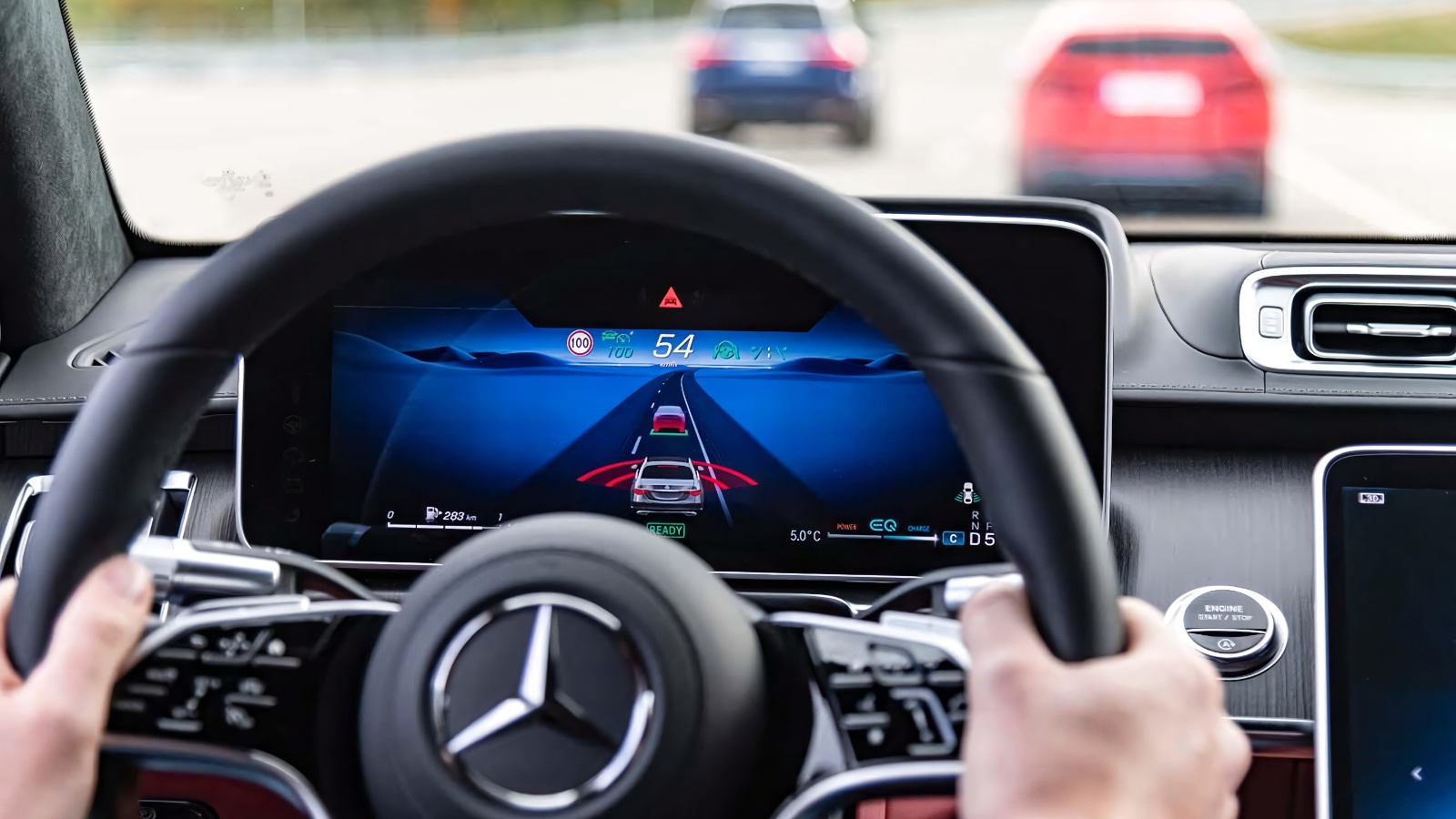
Vehicle safety standards differ significantly across regions because governments follow different testing systems, regulations, and priorities. European markets often use UNECE regulations, while the United States follows FMVSS rules established by federal authorities.
These differences influence which technologies become common in new vehicles. Features such as advanced lighting systems, pedestrian protection tools, and intelligent driver assistance technologies may appear widely available in Europe but remain limited in other markets.
Understanding these differences helps buyers recognize how regulations shape vehicle equipment, safety expectations, and the pace at which manufacturers introduce modern protection systems for everyday driving conditions.
1. Adaptive Matrix Headlights
Adaptive matrix headlights represent one of the most noticeable differences between European and American vehicle equipment.
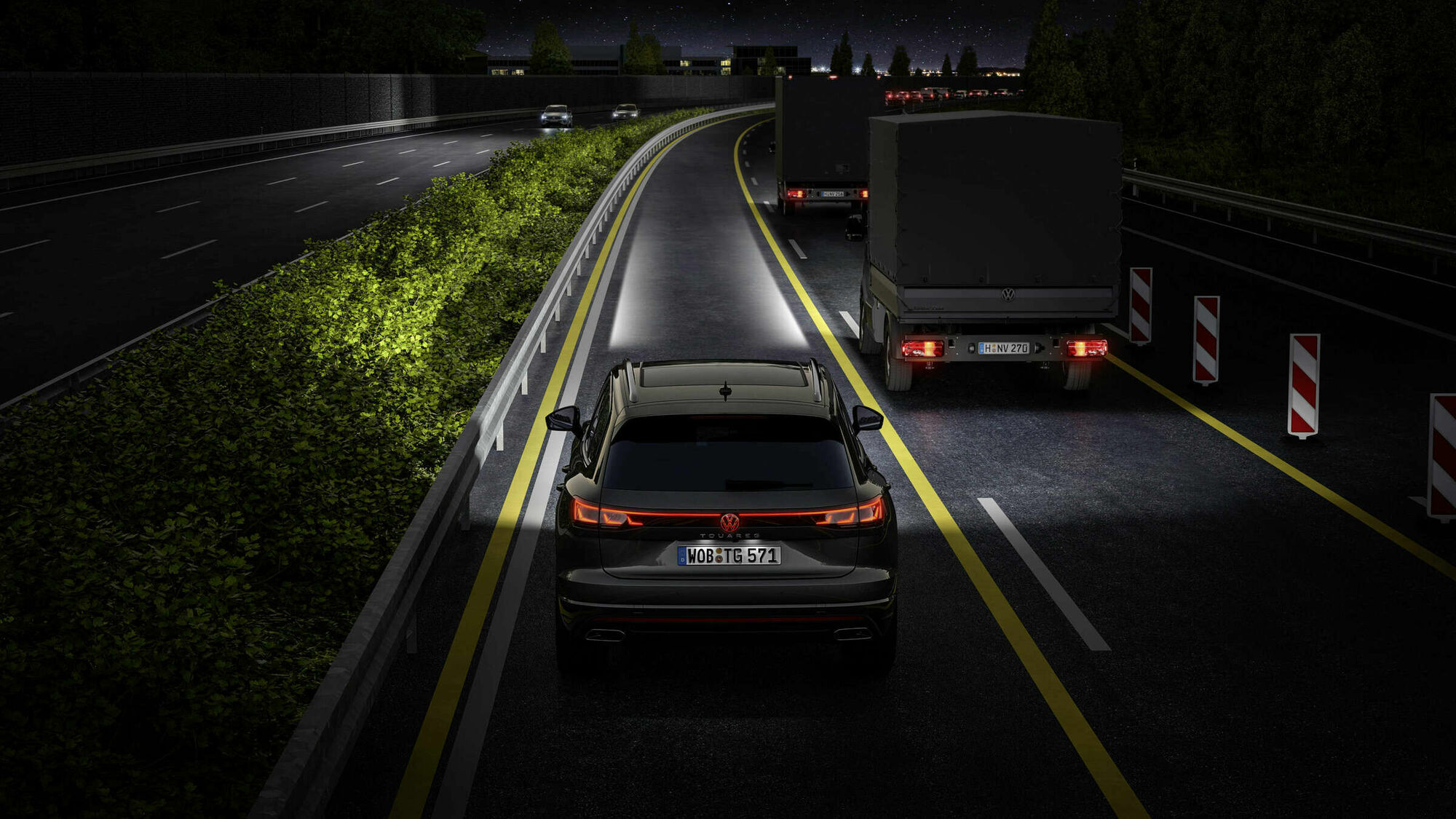
Traditional headlights provide a fixed beam pattern, meaning drivers manually switch between low beam and high beam depending on traffic conditions. Matrix lighting systems use multiple individual LED elements that can be controlled separately, allowing the vehicle to adjust the light distribution automatically.
The main advantage of this technology is improved visibility without creating excessive glare for other road users. Cameras and sensors monitor surrounding traffic, detecting vehicles traveling ahead or approaching from the opposite direction.
The system can then block specific sections of the high beam while keeping other areas brightly illuminated. This allows drivers to maintain better nighttime visibility without manually changing between lighting modes.
In Europe, adaptive lighting technology has become increasingly common across premium and mainstream vehicle models.
Manufacturers have introduced advanced systems that can create precise lighting patterns, highlight pedestrians, illuminate curves, and adjust according to road conditions. These systems support safer nighttime driving because reduced visibility remains a major factor in many road accidents.
The adoption of adaptive matrix headlights has been slower in some other markets due to regulatory differences. In the United States, older lighting rules restricted how high beam systems could operate, limiting widespread use of certain European-style adaptive systems.
Regulatory updates have allowed more advanced lighting technology, but availability depends on manufacturer decisions and vehicle certification.
The importance of adaptive headlights goes beyond convenience. Night driving presents challenges because human vision is naturally limited in darkness, especially at higher speeds.
Better illumination can help drivers identify hazards earlier, including pedestrians, animals, road debris, and unexpected obstacles. As regulations continue evolving, advanced lighting systems are expected to become more common across global vehicle markets.
2. Advanced Pedestrian Protection Systems
Pedestrian safety has received significant attention in European vehicle regulations. Many European safety programs encourage manufacturers to design vehicles that reduce injuries when collisions involve people outside the vehicle. This focus has influenced vehicle shapes, front-end designs, sensors, and automatic emergency systems.
Modern pedestrian protection systems combine cameras, radar sensors, and software algorithms to detect people near the vehicle. When the system identifies a possible collision risk, it can warn the driver and apply automatic braking if necessary.
These technologies are especially valuable in urban environments where vehicles, pedestrians, cyclists, and other road users frequently share limited space.
European vehicle manufacturers have invested heavily in pedestrian detection technology because city driving conditions create unique risks.
Crowded streets, bicycle lanes, and pedestrian crossings require vehicles to respond quickly to changing situations. Automatic emergency braking with pedestrian detection has become a major part of modern vehicle safety packages.
Other regions have also adopted pedestrian safety technologies, but availability varies depending on regulations, customer demand, and manufacturer strategy. Some vehicles may include basic emergency braking systems while missing more advanced detection capabilities. Differences in testing standards can influence how quickly these features become widespread.
Improving pedestrian safety requires more than installing sensors. Vehicle design, driver awareness, road infrastructure, and responsible driving behavior all contribute to reducing accidents.
However, advanced protection systems provide an additional layer of assistance by helping prevent mistakes and reducing the severity of unavoidable collisions.
3. Intelligent Speed Assistance Systems
Intelligent Speed Assistance, commonly known as ISA, is another technology that has gained attention through European safety regulations.
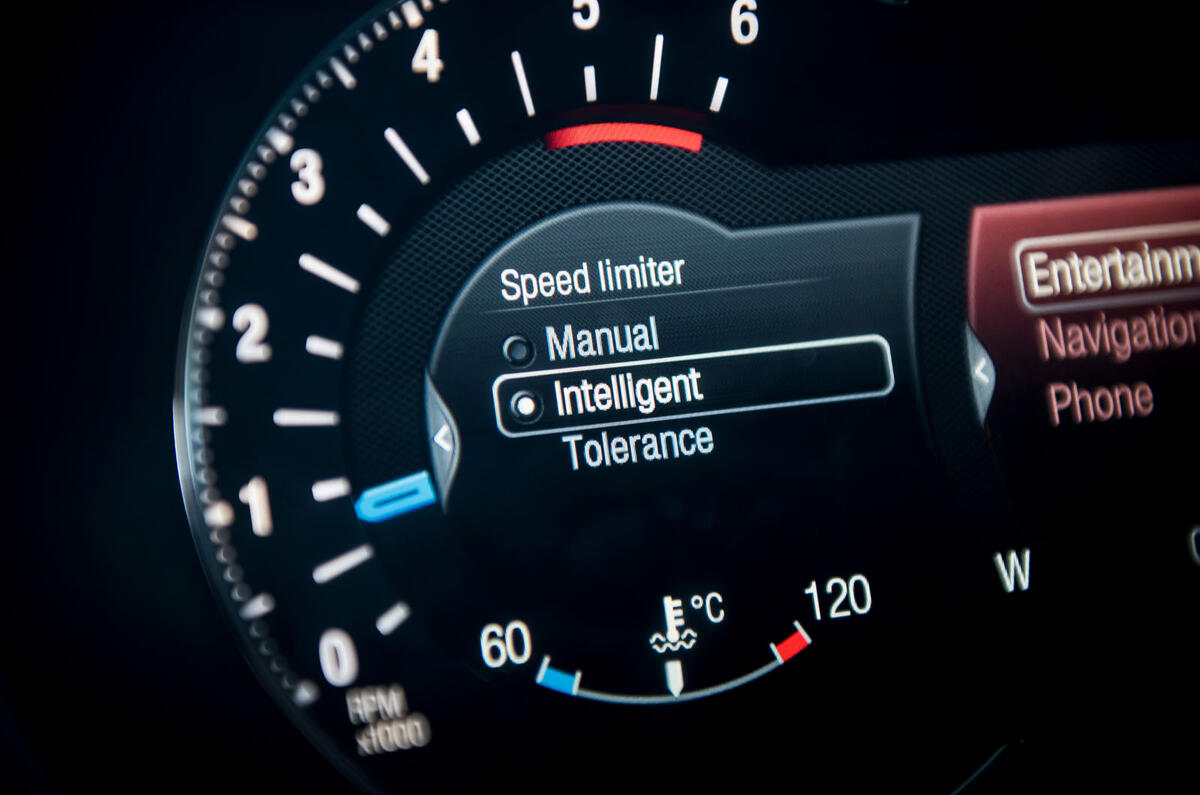
These systems use cameras, navigation information, and vehicle sensors to identify speed limits and provide assistance to drivers. Depending on the system design, the vehicle can display warnings or actively adjust acceleration when the driver exceeds the legal limit.
Speed-related accidents remain a significant safety concern because excessive speed reduces reaction time and increases collision severity. Intelligent speed assistance aims to encourage safer driving habits without completely removing driver control. The technology works as a support system that helps drivers stay aware of changing speed limits.
European regulations have pushed manufacturers toward wider implementation of these systems. New vehicles in many European markets are increasingly equipped with technology designed to recognize speed signs and provide warnings.
This approach reflects a broader focus on preventing accidents before they happen rather than only protecting occupants after a crash.
In markets following different regulatory approaches, intelligent speed assistance may remain optional or available only in certain models. Manufacturers consider factors such as consumer expectations, legal requirements, and production costs when deciding which features to include as standard equipment.
As vehicles become more connected, speed assistance systems are likely to become more advanced. Future versions may integrate better mapping data, road condition information, and vehicle communication systems. The goal is not simply controlling speed but creating a safer interaction between drivers, vehicles, and road environments.
4. Blind Spot Monitoring and Advanced Lane Change Assistance
Blind spot monitoring systems have become an important safety technology in modern vehicles because they address a common challenge faced by drivers.
Every vehicle has areas around it that cannot be easily seen through mirrors, creating risks during lane changes. Sensors placed around the vehicle can detect nearby cars, motorcycles, and other objects that may not be visible to the driver.
Many European vehicles include advanced versions of blind spot assistance that do more than provide a warning light. These systems can actively support the driver during lane changes by monitoring surrounding traffic and applying steering assistance if a collision risk is detected.
The technology works alongside cameras and radar sensors to create a wider awareness zone around the vehicle.
European safety programs have encouraged manufacturers to improve systems that protect vulnerable road users, especially cyclists and motorcyclists. A vehicle changing lanes without detecting a nearby two-wheeler can lead to severe accidents.
Advanced blind spot systems are designed to reduce these risks by providing warnings at critical moments when driver attention may not be enough.
In other markets, basic blind spot monitoring has become available in many vehicles, but advanced lane change assistance is not always included as standard equipment.
Manufacturers often reserve these features for premium models or optional safety packages. This creates differences in safety equipment between vehicles that may appear similar in design and performance.
The value of blind spot technology increases as vehicles become larger and roads become more crowded. SUVs, pickup trucks, and larger family vehicles can create bigger visibility challenges compared with smaller cars.
A reliable monitoring system can help drivers make better decisions and reduce avoidable accidents caused by limited visibility.
5. Automatic Emergency Braking With Cyclist Detection
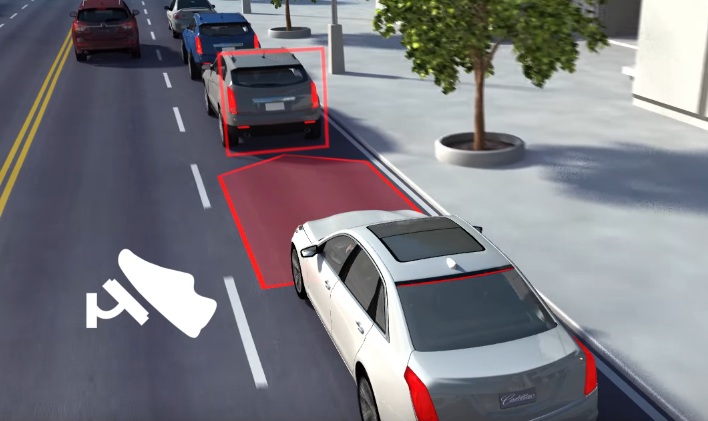
Automatic emergency braking has become a major advancement in vehicle safety, but the ability to detect cyclists represents a more advanced stage of this technology. Basic systems can identify vehicles ahead and apply brakes when a crash appears unavoidable. More sophisticated versions can recognize bicycles and predict possible collision paths.
Cyclists face significant risks because they have less physical protection compared with vehicle occupants. Urban roads often place bicycles close to moving traffic, making quick reactions essential.
A driver may fail to notice a cyclist entering an intersection or appearing from a blind area, especially during poor weather or low visibility conditions.
European safety testing has placed increasing attention on cyclist protection. Manufacturers have responded by developing systems capable of recognizing different types of road users. These systems use artificial intelligence, cameras, and radar technology to understand whether an object ahead is a vehicle, pedestrian, or cyclist.
Availability differs across regions because safety regulations do not always require the same level of performance. Some vehicles may include automatic emergency braking but lack cyclist detection capabilities. The difference is important because a system designed only for cars may not respond effectively to smaller objects or faster-moving bicycles.
As urban transportation changes, cyclist detection will become increasingly important. More cities are creating bicycle infrastructure, increasing interaction between vehicles and cyclists.
Safety technologies that recognize different road users can help create safer roads by reducing the impact of human mistakes and delayed reactions.
6. Driver Monitoring Systems
Driver monitoring systems focus on the person behind the wheel rather than the vehicle itself. These technologies use cameras and sensors to analyze driver attention, fatigue, and possible distraction.
If the system detects that the driver is not paying sufficient attention, it can provide alerts to encourage safer behavior.
Fatigue and distraction are major contributors to road accidents. A driver who looks away from the road for only a few seconds can travel a considerable distance without awareness. Driver monitoring technology helps address this issue by continuously observing signs that may indicate reduced attention.
European regulations have encouraged greater use of driver monitoring systems, particularly as vehicles become equipped with more automated driving assistance features.
When a vehicle can assist with steering, braking, or speed control, ensuring that the driver remains attentive becomes increasingly important.
Some markets have been slower to adopt these systems as standard equipment. Concerns about privacy, consumer acceptance, and regulatory differences influence how manufacturers introduce driver monitoring technology.
As automated driving features become more advanced, these systems are likely to become a more common safety requirement.
Driver monitoring technology is not designed to replace responsible driving habits. It acts as an additional safety layer by reminding drivers when their attention may be reduced. The combination of alert drivers and intelligent vehicle systems provides stronger protection than either approach alone.
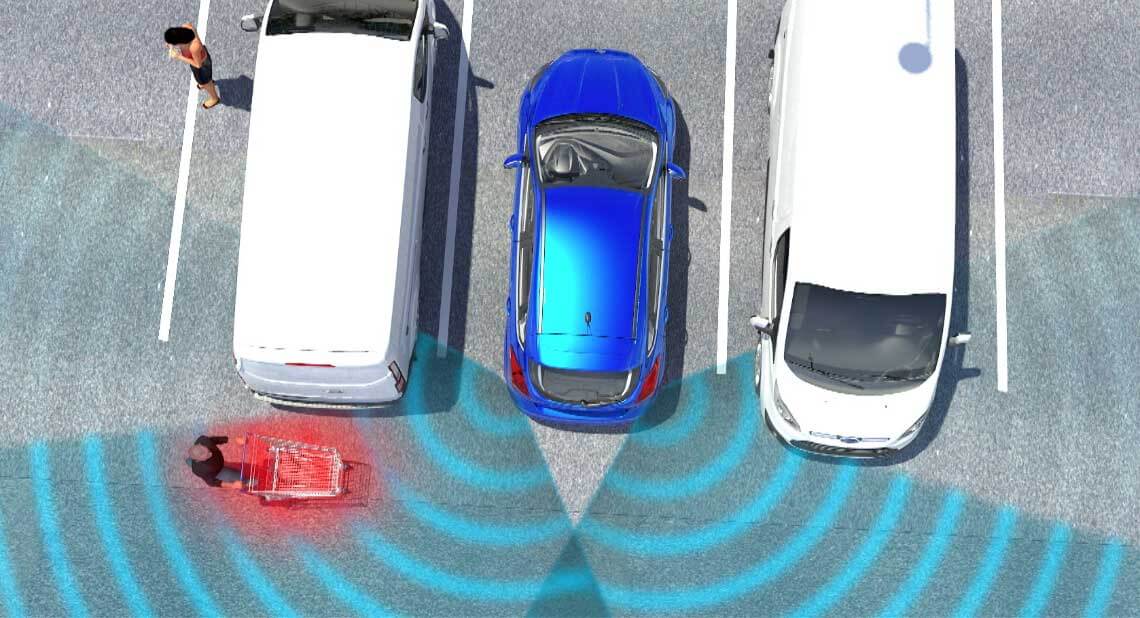
7. Advanced Rear Cross Traffic Alert Systems
Rear cross traffic alert systems help drivers detect vehicles, pedestrians, and cyclists approaching from the sides when reversing. This technology is particularly useful in parking areas, crowded streets, and locations where visibility is restricted. Rear cameras provide only a limited view, while sensors can detect movement outside the camera’s range.
Advanced systems have improved significantly by using radar sensors and automatic braking functions. If the vehicle detects a possible collision while reversing, it can warn the driver or apply the brakes automatically.
This feature is especially valuable because reversing accidents often occur at low speeds where drivers may not expect sudden hazards.
European vehicle safety approaches have placed greater emphasis on preventing low-speed collisions involving pedestrians and cyclists. Parking areas and residential zones can create dangerous situations because children, bicycles, and other objects may appear unexpectedly behind vehicles.
In many markets, rear cameras have become widely available, but advanced rear cross-traffic prevention systems are not always standard. Some manufacturers provide them only in higher versions of a vehicle or as part of optional packages.
This creates differences in protection between vehicles with similar designs.
The technology demonstrates how modern safety systems are moving beyond crash protection toward accident prevention. Instead of focusing only on stronger vehicle structures and airbags, manufacturers are increasingly using sensors and software to avoid dangerous situations before they happen.
8. More Advanced Occupant Protection Technologies
Occupant protection has improved significantly through airbags, stronger vehicle structures, and improved seat belt systems. However, European vehicles increasingly include additional technologies designed to protect passengers before and during a crash. These systems use sensors to prepare the vehicle and adjust protection based on collision conditions.
Advanced restraint systems can analyze crash information and modify how safety equipment responds. Some vehicles use pre-tensioning seat belts, adaptive airbags, and collision preparation systems that tighten restraints before impact.
These technologies aim to reduce injuries by ensuring occupants are positioned correctly when a crash occurs.
European safety testing organizations have encouraged manufacturers to improve occupant protection beyond basic requirements. Vehicle evaluations increasingly consider how well cars protect different passengers, including children, elderly occupants, and people with different body types.
Other markets also use advanced occupant protection systems, but availability depends on vehicle class and manufacturer choices. Some technologies may be available in luxury vehicles while remaining uncommon in affordable models.
Standard equipment differences can significantly influence the level of protection available to everyday buyers.
Future vehicle safety development will likely combine stronger physical protection with smarter electronic systems. Sensors, artificial intelligence, and improved materials will continue changing how vehicles respond to accidents. The goal is to reduce injuries by preparing the vehicle for different crash scenarios instead of relying only on traditional safety equipment.
Also Read: Tesla Tests Bidirectional Charging: Cybertruck Sends Power Back to Texas Grid
