
Vehicle emissions laws have become stricter as governments work to reduce harmful pollutants from cars and trucks. In states such as California, the California Air Resources Board (CARB) has created detailed standards that require vehicles to maintain approved emissions equipment throughout their operating life.
Some car models can fail a smog check when owners remove, disable, or alter important pollution control systems. A vehicle that once passed inspections may no longer qualify after modifications that violate emissions regulations.
Understanding these rules helps drivers avoid failed inspections, expensive repairs, registration problems, and penalties linked to illegal emissions changes.

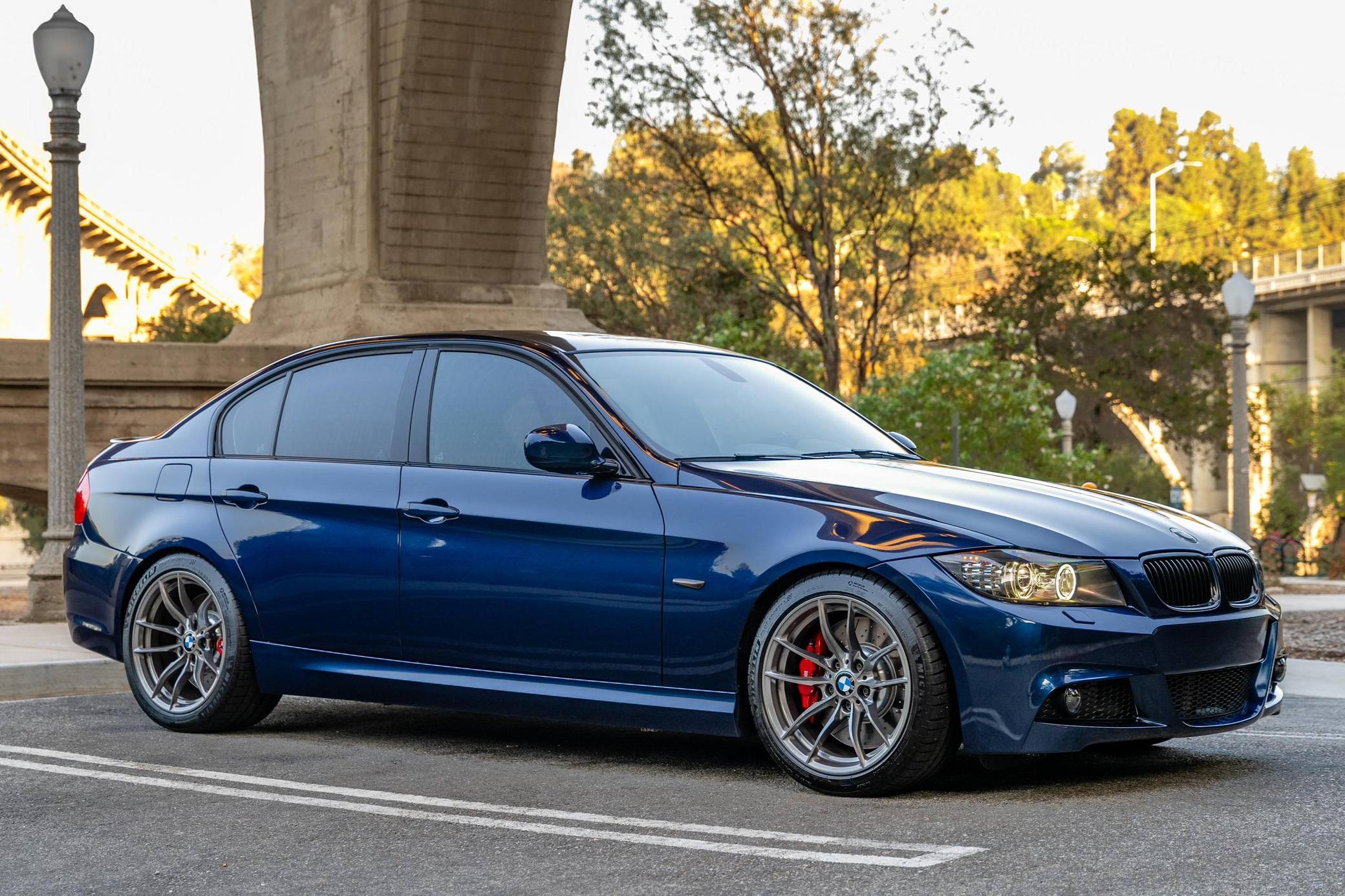
- Engine: 2.0-liter turbocharged 4-cylinder diesel (TDI)
- Horsepower: Approximately 140 hp (varies by model year)
- Torque: Approximately 236 lb-ft
- Length: Around 182.2 inches
- Width: Around 70.8 inches
1. Volkswagen Jetta TDI Diesel Models
Volkswagen Jetta TDI diesel vehicles became popular because they offered strong fuel economy and long driving ranges. Many owners appreciated their efficient diesel engines and smooth highway performance.
However, certain diesel models became closely associated with emissions violations after the discovery that some vehicles used software designed to change emissions behavior during laboratory testing. When tested under normal driving conditions, these vehicles produced higher levels of nitrogen oxide emissions than permitted by regulators.
The emissions issue affected several Volkswagen diesel vehicles sold during specific model years. Regulatory agencies required corrective action, including software updates, repairs, and in some cases vehicle buyback programs.
A Jetta TDI that has not received approved emissions repairs may fail an inspection in areas that follow strict emissions testing requirements. Inspectors can check whether required updates have been completed and whether the emissions system remains compliant.
California has especially strict rules through CARB, which means diesel vehicles must meet specific standards before they can remain registered. A modified Jetta TDI with removed diesel emissions components may also fail immediately during testing. Common illegal modifications include removing diesel particulate filters, altering exhaust systems, or changing engine software to improve performance while reducing emissions controls.
Some diesel enthusiasts modify Jetta TDI models because tuning can increase horsepower and fuel efficiency. However, many aftermarket changes affect emissions performance.
A tune that changes fuel delivery, exhaust gas recirculation operation, or emissions monitoring systems can create problems during inspection. Even if the vehicle appears to run normally, inspection equipment can detect missing or altered emissions components.
Owners of these vehicles should keep records of approved repairs, maintain factory emissions equipment, and avoid modifications that interfere with pollution control systems.
A properly maintained Jetta TDI that follows approved requirements can continue operating legally. Problems usually occur when emissions technology is removed, disabled, or replaced with non-compliant equipment.
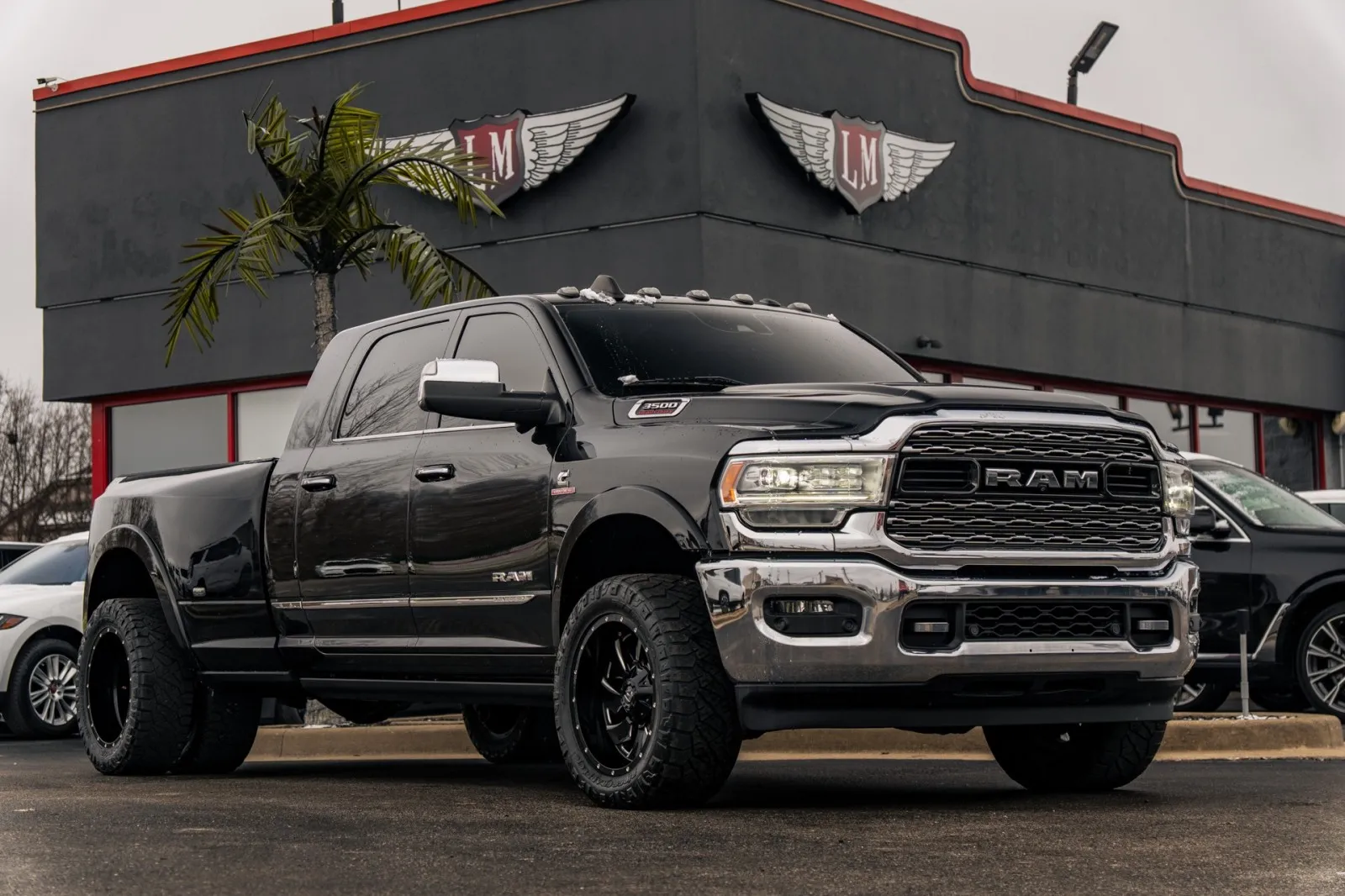
- Engine: 6.7-liter Cummins turbocharged inline-6 diesel
- Horsepower: Up to around 370 hp (varies by model year)
- Torque: Up to around 850 lb-ft
- Length: Around 232 inches (varies by cab and bed configuration)
- Width: Around 79.4 inches
2. Ram 2500 and Ram 3500 Diesel Trucks
Heavy-duty diesel trucks such as the Ram 2500 and Ram 3500 are widely used for towing, commercial work, and heavy transportation. Their diesel engines provide significant torque, but they also rely on complex emissions technology to control pollutants.
Modern diesel trucks use systems such as selective catalytic reduction, diesel particulate filters, and exhaust gas recirculation to meet government standards.
A major issue among some diesel truck owners is the practice of deleting emissions equipment. A deleted truck usually has factory emissions components removed and may receive aftermarket software designed to prevent warning lights or change engine operation.
While some owners claim these changes improve performance or reduce maintenance costs, they violate emissions requirements in many jurisdictions.
During a smog inspection, a vehicle may fail if required emissions components are missing or if visual inspections identify unauthorized modifications.
In states following CARB regulations, inspectors may check for missing diesel particulate filters, altered exhaust systems, or disconnected emissions sensors. A truck without required equipment cannot meet the standards it was originally certified under.
The problem has become more noticeable because many diesel trucks are sold in areas with strict inspection programs. A truck that was modified in a state without emissions testing may face difficulties when moved to a location with stronger regulations. Registration requirements can require the owner to restore the original emissions system before the vehicle can legally operate.
Keeping a heavy-duty diesel truck compliant requires regular maintenance and proper repairs. Owners should replace damaged emissions components with approved parts rather than removing them.
Performance upgrades must be carefully researched because some modifications can affect emissions compliance. A powerful truck can still meet legal standards when maintained correctly.
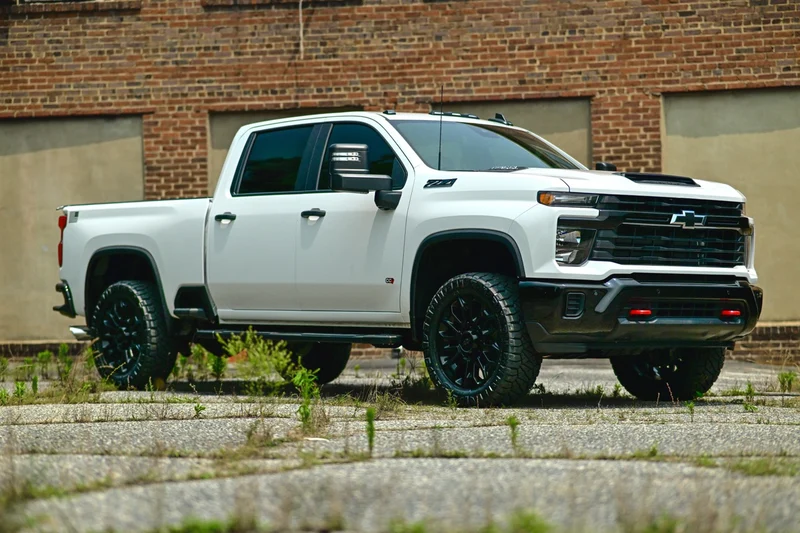
- Engine: 6.6-liter Duramax turbo-diesel V8
- Horsepower: Up to around 445 hp (varies by generation)
- Torque: Up to around 910 lb-ft
- Length: Around 235 inches (varies by cab and bed)
- Width: Around 81.8 inches
3. Chevrolet Silverado 2500HD and 3500HD Diesel Models
Chevrolet Silverado HD diesel trucks are known for durability, towing ability, and long-term reliability. Many businesses and individuals depend on these trucks for demanding workloads. Their diesel engines use advanced emissions systems that allow them to meet government requirements while delivering strong performance.
Some Silverado HD owners have installed aftermarket diesel tuning products or removed factory emissions equipment. These changes are commonly called deletes and often involve removing the diesel particulate filter, modifying exhaust components, or changing engine calibration.
Such alterations can cause a vehicle to fail a smog inspection because the truck no longer operates according to its certified emissions configuration.
CARB regulations require vehicles to maintain their approved emissions controls. When a Silverado HD is inspected, technicians may examine the emissions equipment and scan the vehicle computer for problems.
A missing emissions component or tampered software can lead to failure. The vehicle owner may then need to reinstall compliant parts before registration can continue.
The cost of restoring a modified diesel truck can be high. Replacement parts for modern diesel systems can be expensive because the technology includes specialized filters, sensors, and catalytic components. Some owners discover these costs after purchasing used trucks that were previously modified by earlier owners.
Buyers considering a used Silverado HD should inspect the truck carefully before purchase. Checking maintenance records, examining exhaust components, and confirming emissions equipment is present can prevent future problems. A stock truck with proper maintenance is more likely to pass required inspections and provide dependable service.
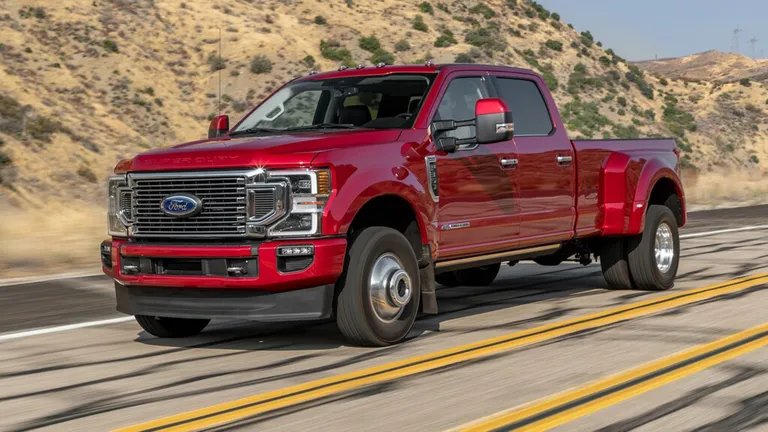
- Engine: 6.7-liter Power Stroke turbocharged V8 diesel
- Horsepower: Up to around 500 hp (newer generations)
- Torque: Up to around 1,200 lb-ft (newer generations)
- Length: Around 231.8 inches (varies by configuration)
- Width: Around 80 inches
4. Ford F-250 and F-350 Super Duty Diesel Models
Ford Super Duty diesel trucks are among the most recognized heavy-duty vehicles in North America. Models equipped with Power Stroke diesel engines are popular among contractors, truck owners, and towing enthusiasts. Their capability comes with advanced emissions technology designed to reduce pollution from diesel combustion.
Some Ford Super Duty trucks have been modified with aftermarket diesel tuning devices. These devices can change engine performance characteristics, but certain versions interfere with emissions systems. Removing or disabling factory components can cause immediate compliance issues during inspections.
Diesel particulate filters, exhaust gas recirculation systems, and selective catalytic reduction systems are essential parts of modern diesel emissions control. If these systems are removed, the vehicle releases pollutants above approved levels.
A truck may continue driving without obvious performance problems, but it may not pass a state emissions inspection.
Inspection programs are designed to identify vehicles that no longer meet their original emissions certification. Some states use visual checks, computer scans, and emissions testing equipment to identify violations. A modified Ford Super Duty can face registration issues if required components are missing.
Owners who want additional power from their trucks should choose legal upgrades that maintain emissions compliance. Manufacturers and aftermarket companies offer some approved performance products, but not every modification is suitable for road use. Keeping emissions equipment intact protects the vehicle’s legality and helps avoid costly restoration work.
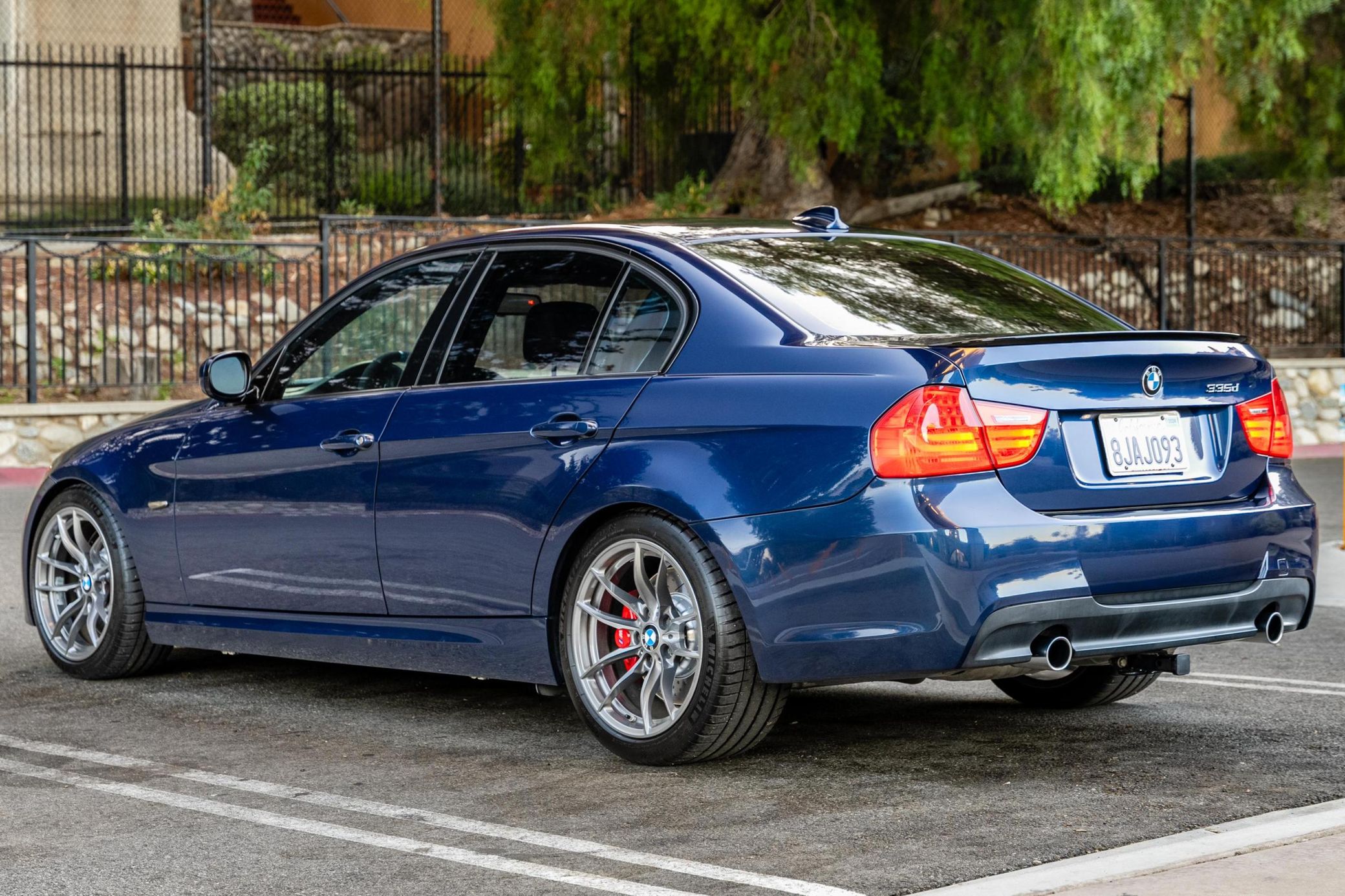
- Engine: 3.0-liter turbocharged inline-6 diesel (M57)
- Horsepower: Approximately 265 hp
- Torque: Approximately 425 lb-ft
- Length: Around 181.5 inches
- Width: Around 71.5 inches
5. BMW 335d Diesel Models
The BMW 335d gained attention among drivers who wanted a combination of luxury, strong acceleration, and diesel fuel efficiency.
Equipped with a turbocharged diesel engine, the 335d offered impressive torque while meeting emissions requirements through advanced technology. The vehicle used systems such as diesel particulate filters, exhaust gas recirculation, and selective catalytic reduction to control harmful emissions.
Some owners modified BMW diesel vehicles after the warranty period ended, especially those interested in increased power or reduced maintenance costs.
Certain aftermarket changes involve disabling emissions-related systems or installing software that changes how the engine manages fuel, exhaust gases, and pollution controls. These modifications can cause a vehicle to fail an emissions inspection.
A BMW 335d that has missing emissions equipment may not meet the standards required by CARB-approved programs. During inspections, technicians may look for visible signs of tampering, missing components, warning lights, or computer errors connected to emissions systems.
A vehicle that does not match its original certified configuration can be considered non-compliant.
Diesel tuning has become popular because software changes can improve engine response and performance. However, emissions regulations focus on how much pollution a vehicle produces, not only how well it performs. A modification that increases power while affecting emissions output may violate federal and state requirements.
Owners of BMW 335d models should maintain factory emissions components and complete recommended repairs. Regular servicing of filters, sensors, and exhaust systems helps preserve performance while keeping the vehicle legal.
A well-maintained diesel BMW can continue providing strong performance without violating emissions standards.
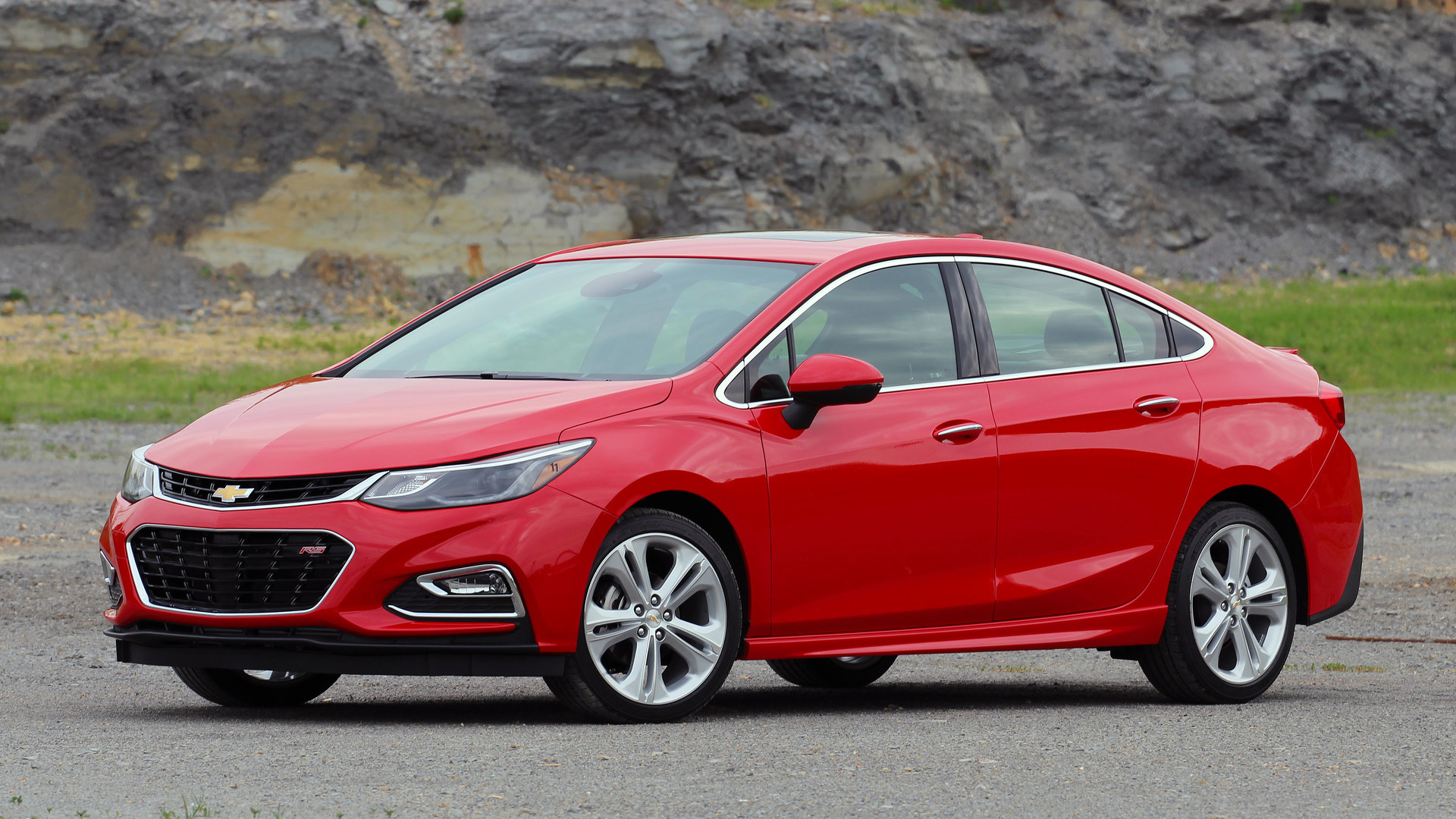
- Engine: 1.6-liter turbocharged 4-cylinder diesel
- Horsepower: Approximately 137 hp
- Torque: Approximately 240 lb-ft
- Length: Around 183.7 inches
- Width: Around 70.5 inches
6. Chevrolet Cruze Diesel Models
The Chevrolet Cruze Diesel was designed as an efficient compact car for drivers who wanted diesel economy in a smaller vehicle. It used modern emissions technology to meet strict standards, including systems that reduced nitrogen oxide emissions and trapped particulate matter from diesel exhaust.
Problems can occur when Cruze Diesel vehicles receive unauthorized modifications. Some owners install aftermarket software or remove emissions-related equipment to change vehicle behavior. These changes may affect the operation of important components that were installed to meet government emissions requirements.
State inspection programs can identify these issues through different testing methods. A vehicle may fail because of a missing diesel particulate filter, altered engine programming, malfunctioning emissions sensors, or other signs that the original system has been changed.
California and other states with strict regulations place strong emphasis on keeping emissions equipment functional.
Used vehicle buyers should pay close attention when shopping for diesel models like the Cruze Diesel. A vehicle that has been modified may appear attractive because of performance changes or lower operating costs, but restoring it to legal condition can require expensive repairs. Checking service history and inspection records can help identify possible problems.
A stock Chevrolet Cruze Diesel that receives proper maintenance can continue operating within emissions guidelines.
Drivers should avoid modifications that interfere with pollution control systems. Keeping the vehicle close to its original factory design is the safest approach for passing future inspections.
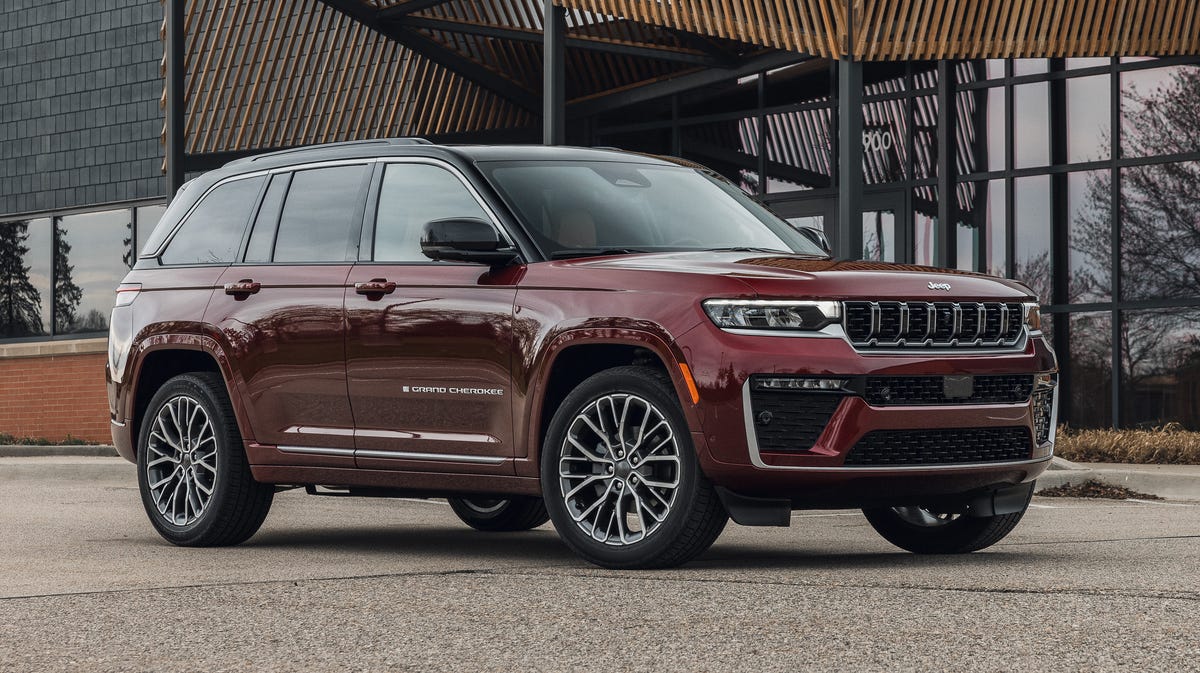
- Engine: 3.0-liter turbocharged V6 diesel
- Horsepower: Approximately 240 hp (earlier versions)
- Torque: Approximately 420 lb-ft
- Length: Around 189.8 inches
- Width: Around 76.5 inches
7. Jeep Grand Cherokee EcoDiesel Models
The Jeep Grand Cherokee EcoDiesel attracted buyers who wanted SUV capability with improved fuel economy. Its diesel engine provided strong towing ability and efficient highway performance.
To meet emissions requirements, these vehicles included advanced exhaust treatment systems and computer-controlled emissions management.
Certain diesel Jeep models became involved in emissions investigations related to excess pollution levels. Regulatory agencies examined whether some vehicles produced higher emissions during real-world driving conditions compared with laboratory testing. Approved repairs and updates were required for affected vehicles to bring them closer to compliance.
Some owners later modified EcoDiesel models by removing emissions equipment or changing engine software. These alterations can interfere with the systems responsible for controlling exhaust pollutants. When a vehicle is inspected, missing components or unauthorized changes may result in failure.
The emissions systems in modern diesel SUVs are complex and depend on multiple parts working together. Sensors monitor exhaust conditions, computers adjust engine operation, and treatment systems reduce pollutants before gases leave the tailpipe. Removing one component can affect the entire emissions process.
Grand Cherokee EcoDiesel owners should confirm that all required updates and repairs have been completed. Maintaining the original emissions system helps protect resale value and reduces the chance of inspection problems. Performance changes should always be evaluated carefully to ensure they do not violate emissions laws.
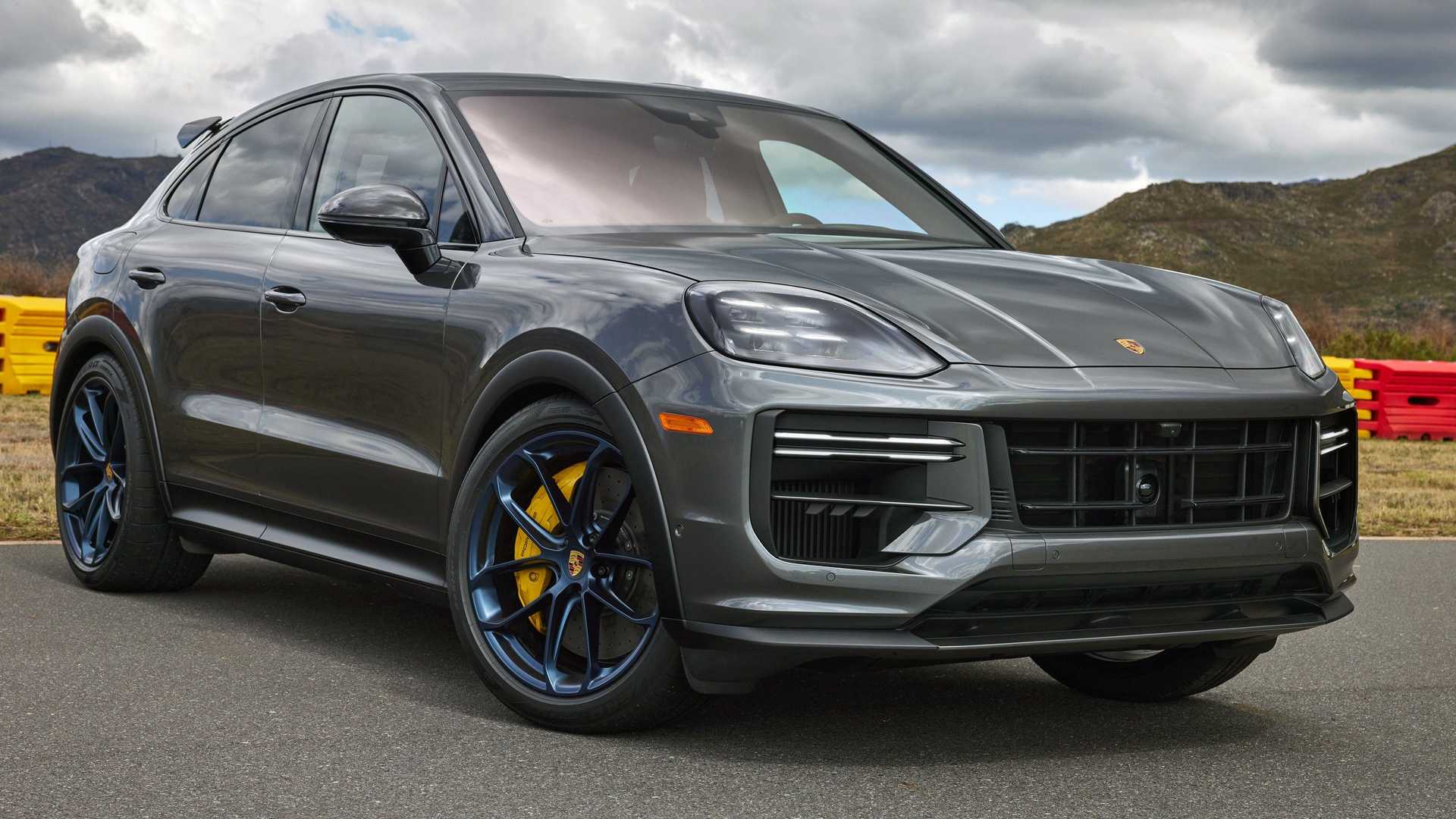
- Engine: 3.0-liter turbocharged V6 diesel (varies by generation)
- Horsepower: Approximately 240 to 262 hp
- Torque: Approximately 406 to 428 lb-ft
- Length: Around 191 inches
- Width: Around 76.3 inches
8. Porsche Cayenne Diesel Models
The Porsche Cayenne Diesel combined luxury SUV features with diesel efficiency and strong performance. Many drivers selected the model because it offered premium materials, advanced engineering, and the benefits of diesel torque. Like other modern diesel vehicles, it depended on complex emissions technology to meet regulatory standards.
Certain Porsche diesel models were affected by emissions compliance concerns that led to regulatory action and required solutions. These situations showed how important emissions systems are in modern vehicles.
A vehicle that does not operate according to its approved emissions certification can face restrictions in areas with inspection programs.
Some Cayenne Diesel owners have modified their vehicles with aftermarket tuning or removed emissions components. While these changes may alter performance characteristics, they can prevent the vehicle from meeting required standards. A deleted diesel SUV may fail inspection because the required emissions hardware or software is no longer present.
Luxury vehicles often contain expensive emissions components, which can make repairs costly. Some owners may consider removal of these systems to avoid repair expenses, but doing so can create legal problems. Restoring a modified vehicle later may require replacing several parts and returning the vehicle to its certified condition.
Keeping a Porsche Cayenne Diesel compliant requires proper maintenance and responsible ownership. Following manufacturer service recommendations, using approved replacement parts, and avoiding illegal modifications can help the vehicle pass inspections. A premium vehicle still needs functioning emissions equipment to remain road legal.
Also Read: Tesla Tests Bidirectional Charging: Cybertruck Sends Power Back to Texas Grid
